
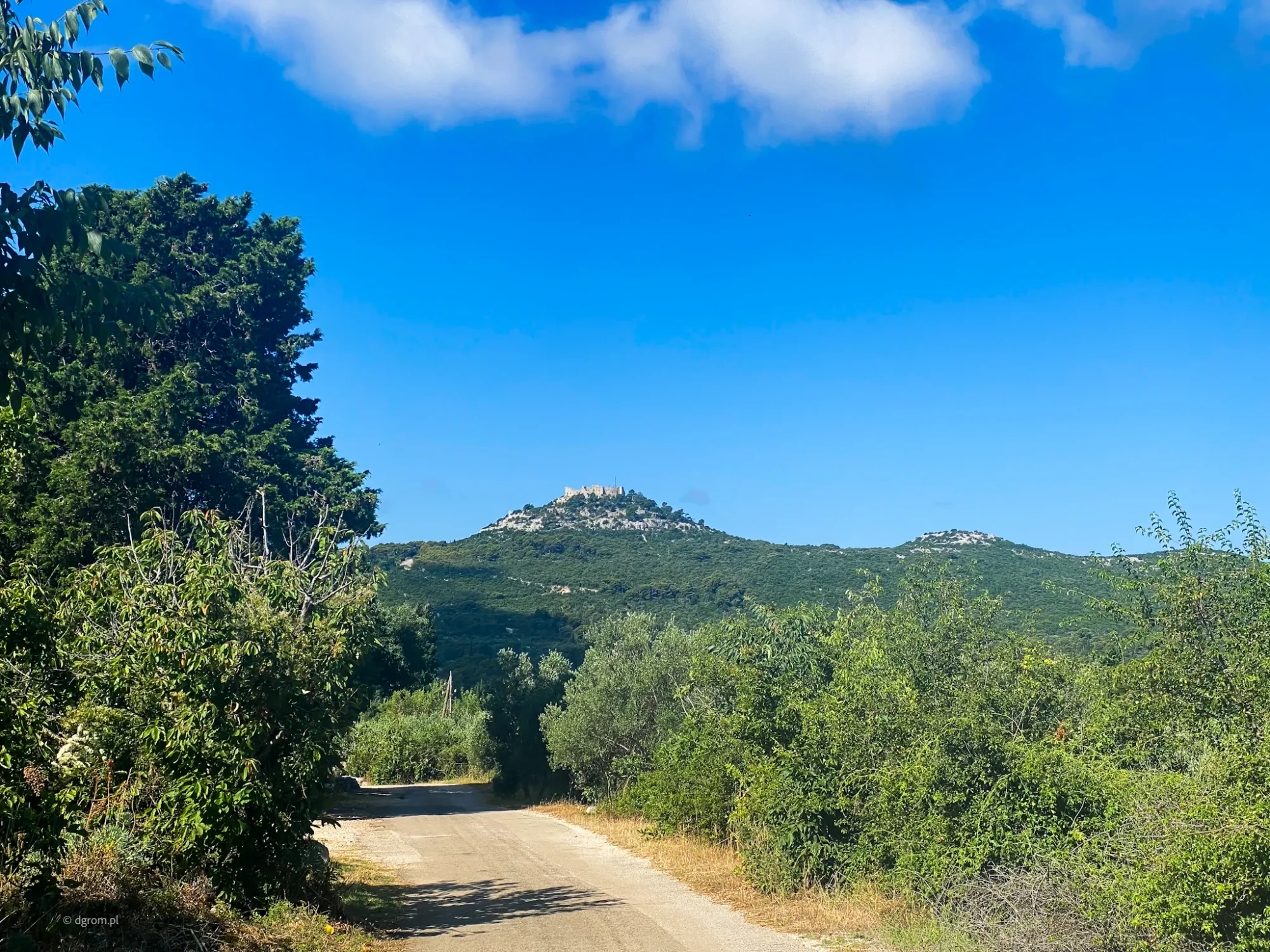
St. Michael Hill-Preko
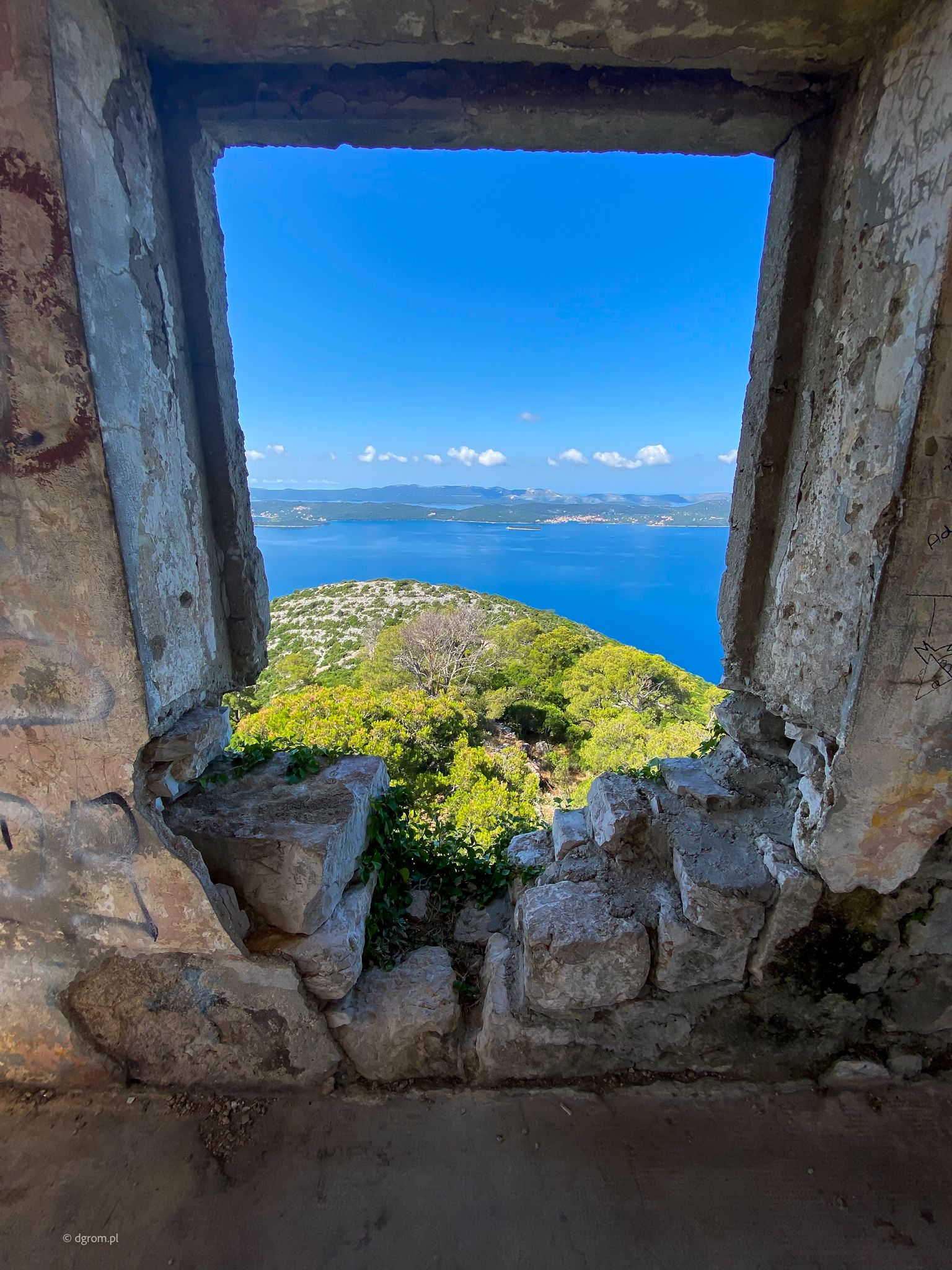
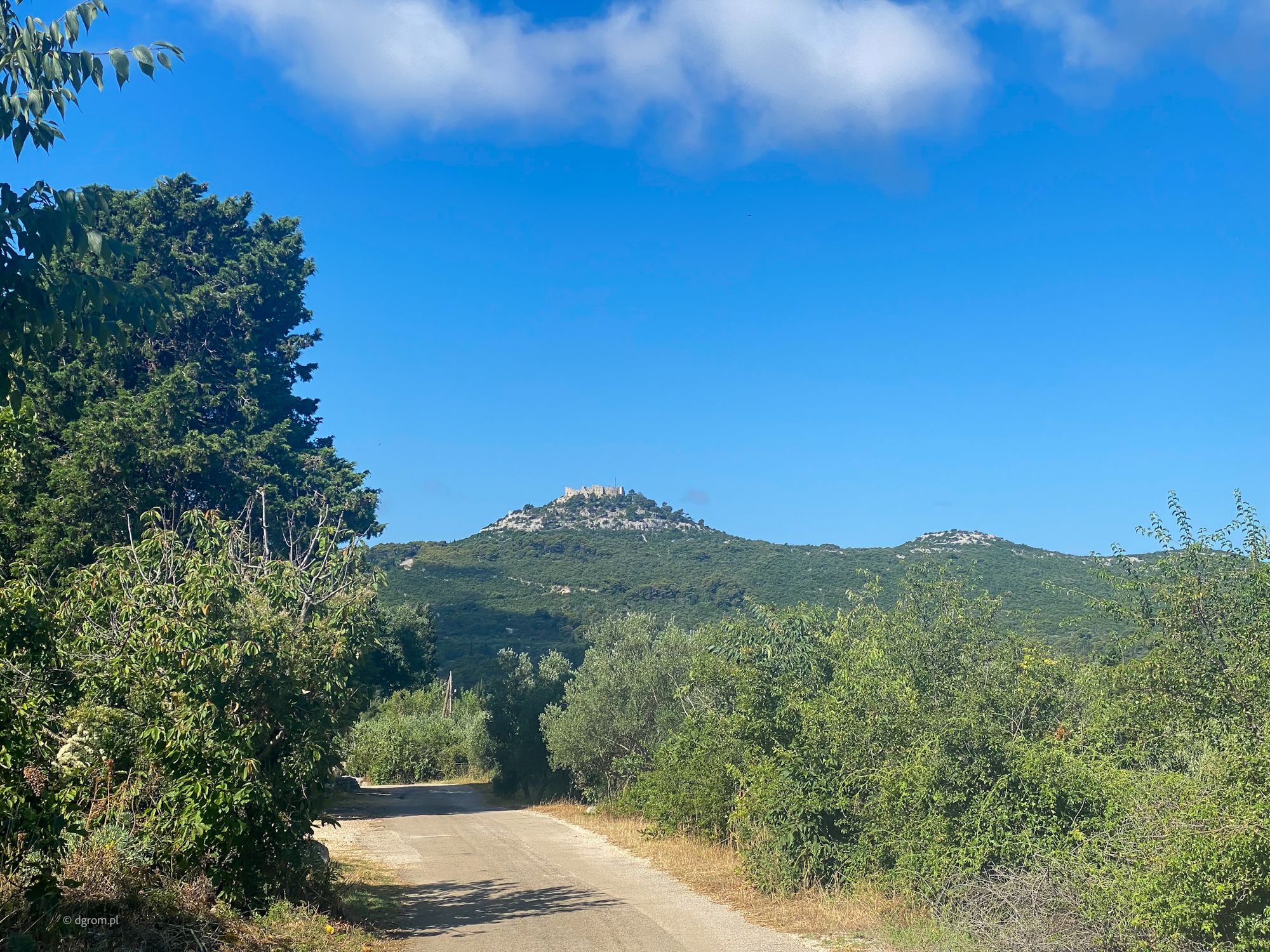
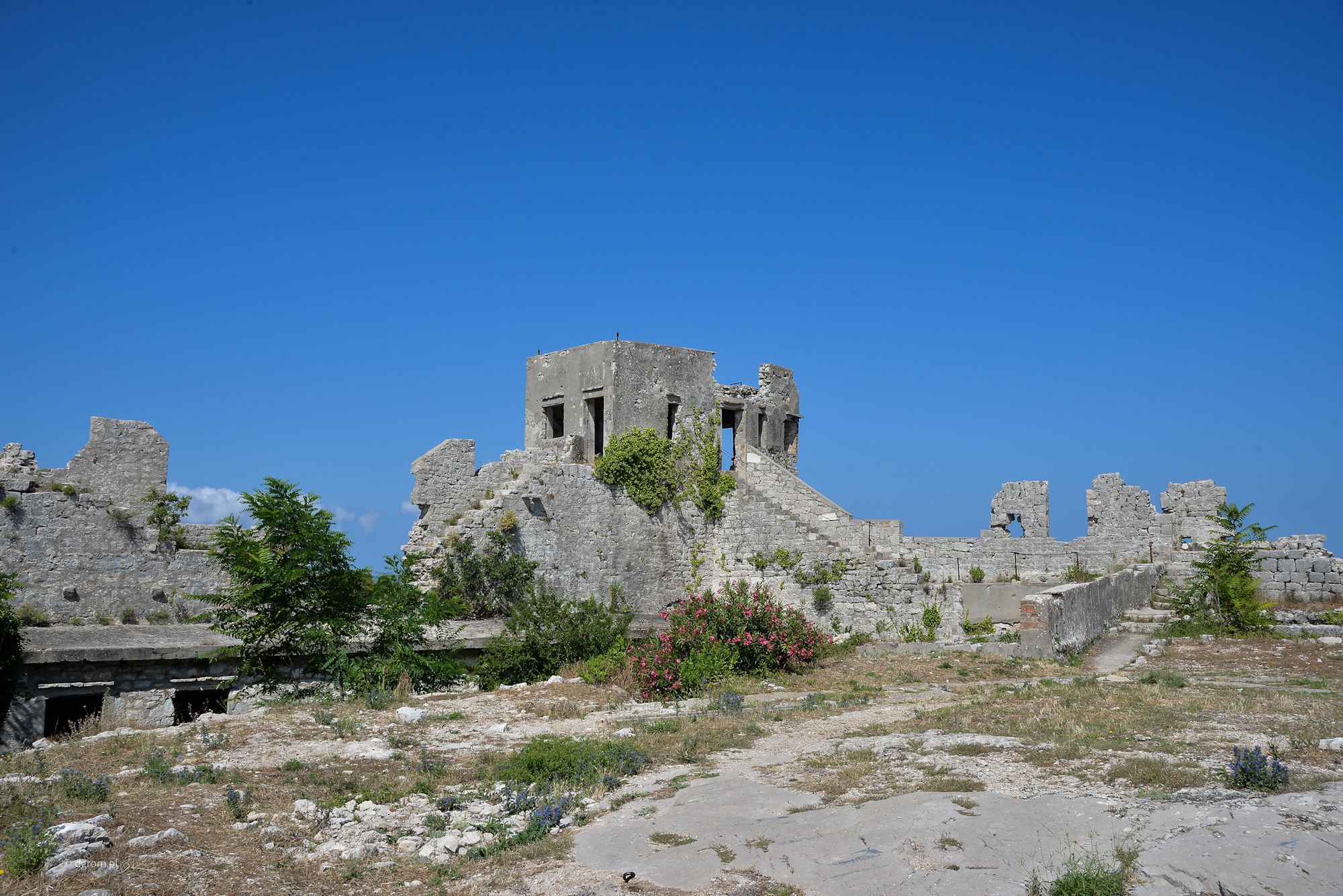
St. Michael's Hill (265 m) is the second highest elevation on the island of Ugljan. From prehistoric times to the present day, it has been an important military and strategic point in the Zadar archipelago.

The Fortress of St. Michael on the island of Ugljan.
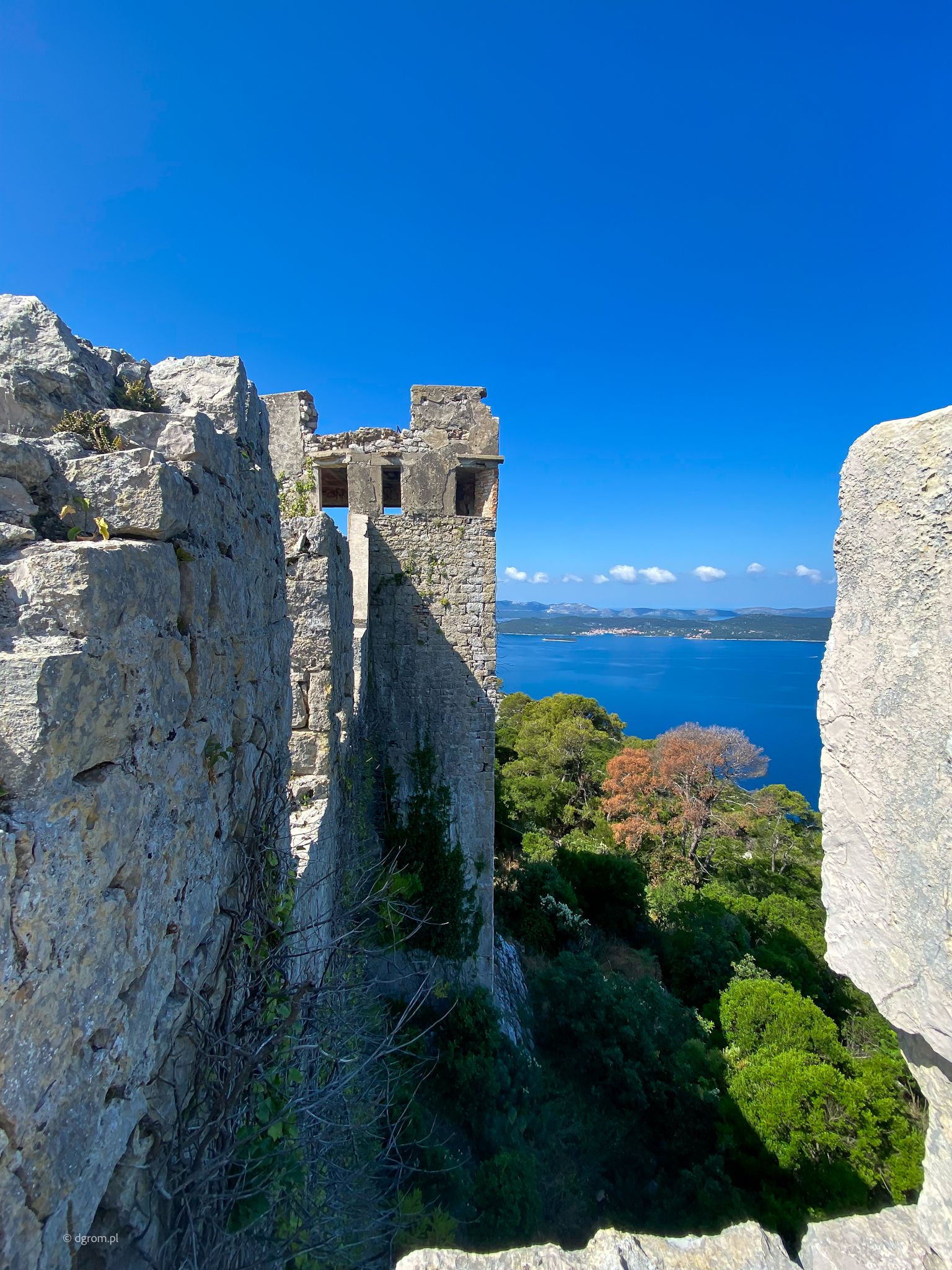
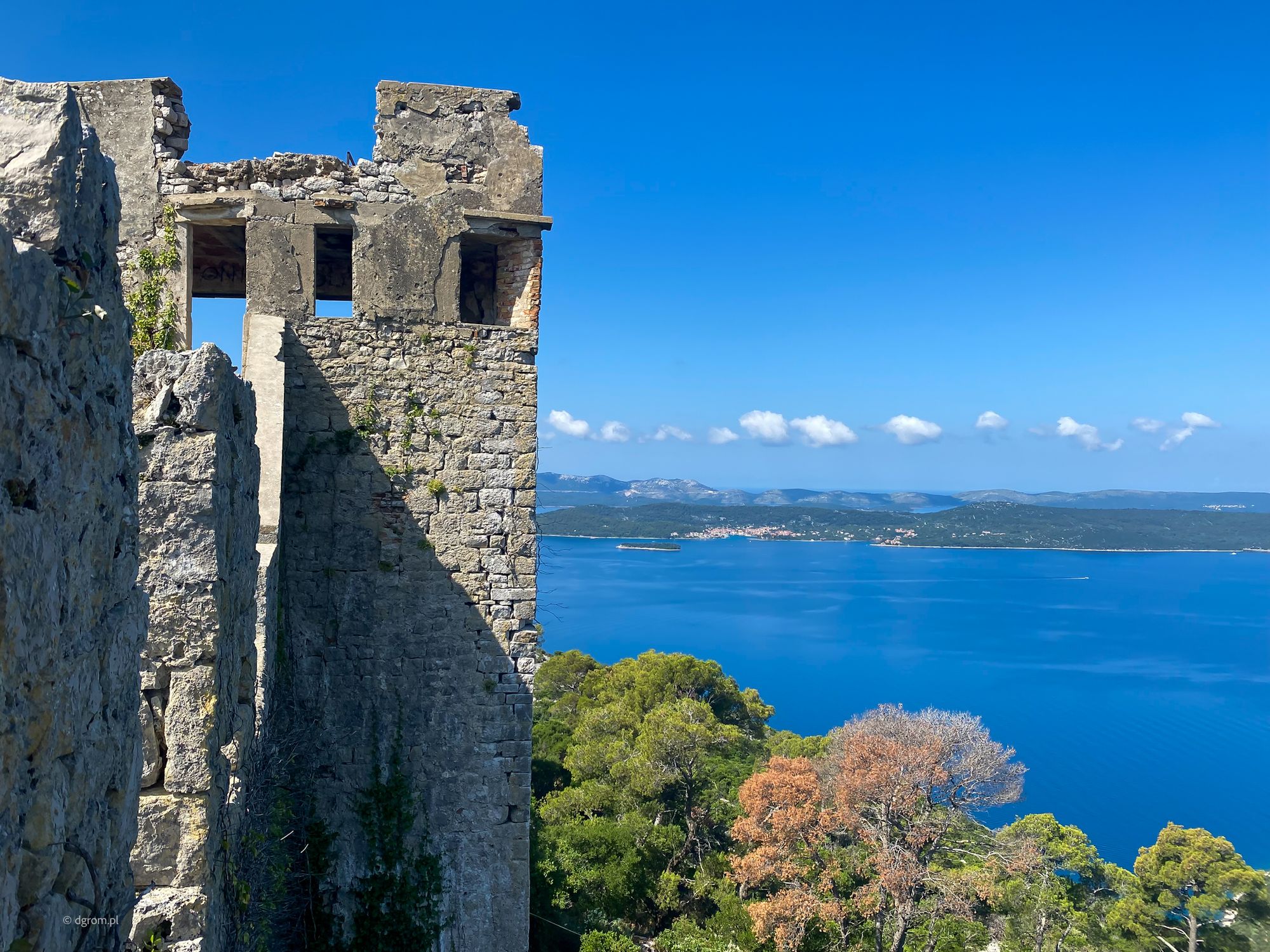
The island of Ugljan, often called 'the green garden of Zadar', conceals one of the most fascinating places in all of Central Dalmatia.Fortress of St. Michael (Croatian: Tvrđava sv. Mihovila), proudly rising on a hill with an elevation of 265 m above sea level., it is a place where ancient history, medieval intrigue and breathtaking views merge into one unforgettable whole. Although for many tourists Ugljan is primarily known for its beautiful beaches and olive groves, it is this hill that forms the historical heart of the island.
1. History Carved in Stone: From the Neolithic to Byzantium
Before the mighty walls that we see today rose on its summit, St. Michael's Hill teemed with life thousands of years ago. Archaeological research confirms that the earliest traces of settlement in this area date from the Middle Neolithic. The strategic location of the hill, offering views for tens of kilometers in every direction, was too valuable to be ignored.
In 4th century BCE , in the Iron Age, a powerful defensive stronghold was built here. Its size suggests that it was not merely a small garrison but a shelter for a large community in times of danger. To this day researchers uncover fragments of stone walls from that period.
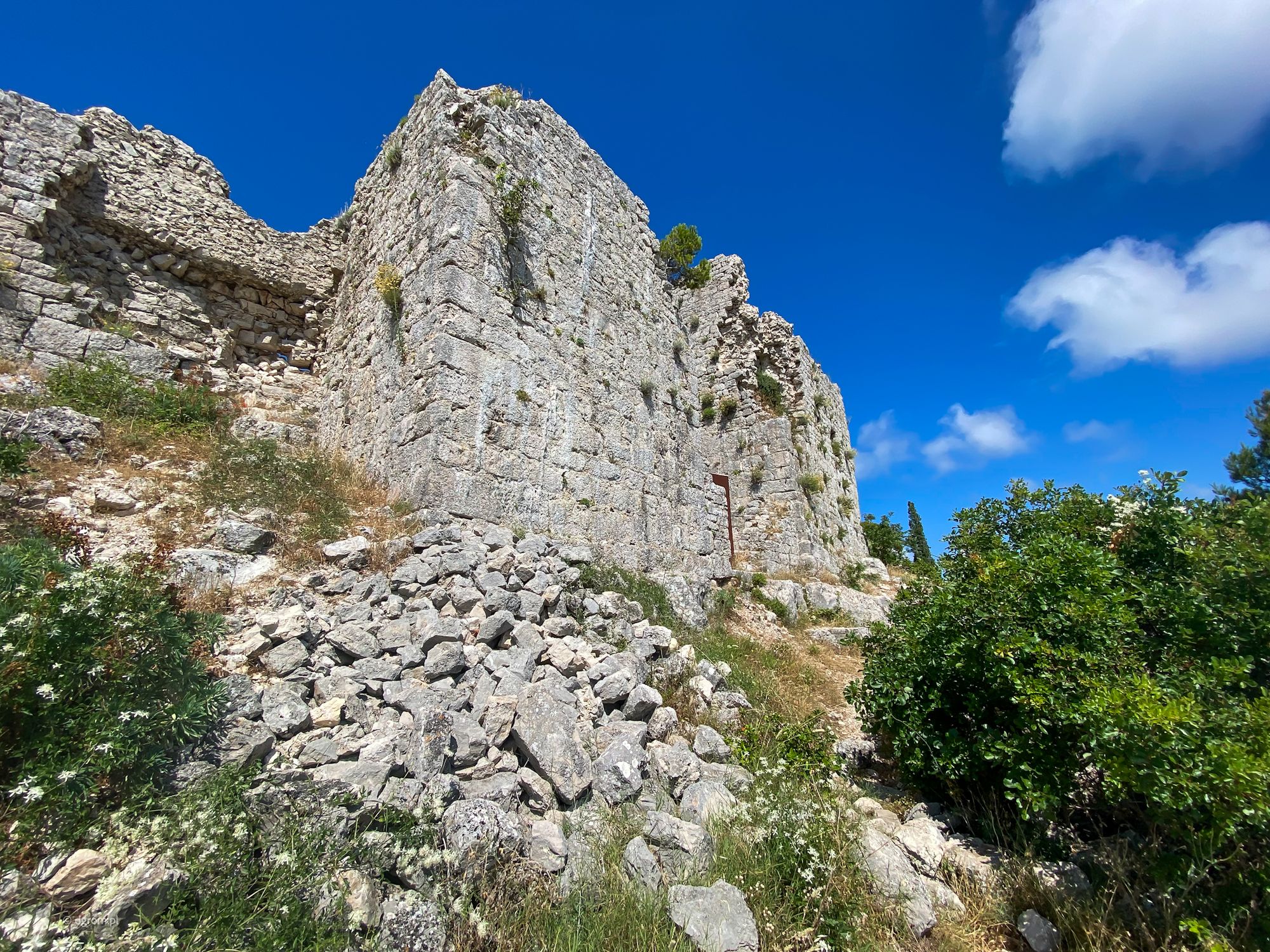
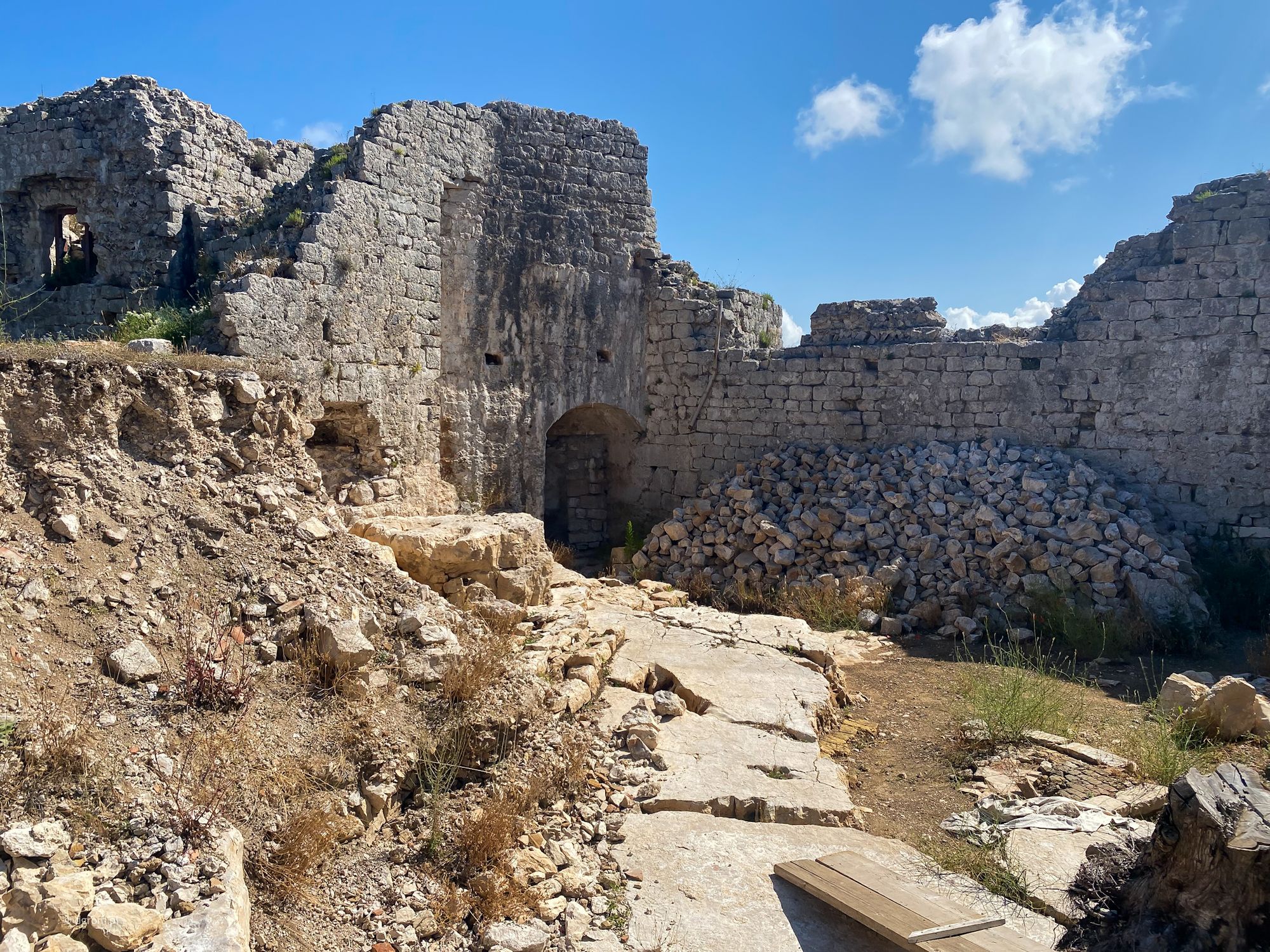
The next important phase was the rule of the Romans and Byzantines. In 6th century CE Emperor Justinian the Great ordered the construction of a chain of fortifications along the Adriatic coast to protect trade routes from raids. The fortress on Ugljan became a key link in this system. Two inner lines of walls from that period attest to the high engineering skill of the builders.
2. The medieval heart of the island: the church and the monastery
St. Michael's Hill is not only military but also spiritual. At the end of the 10th century the Church of St. Michael, and in the 11th century right next to it a Benedictine monastery. For centuries the monks lived here in the rhythm of ora et labora (pray and work), tending the surrounding vineyards and olive groves.
The monastery functioned until the end of the 16th century, serving as an important center of culture and letters in this part of the Adriatic. To this day the foundations of those sacred buildings form an integral part of the complex, recalling a time when the hill was a place of prayer and peace, not only bloody skirmishes.
3. Venetian era: 'The Eye' on rebellious Zadar
The greatest influence on the fortress's current appearance came from the Venetians. In 1202, during the Fourth Crusade, Zadar was destroyed by crusaders on Venice's orders. To maintain control over the rebellious city and to protect their merchant ships from pirates, in 1203 the Venetians began constructing the massive Castrum S. Michaelis de monte.
Relations between Zadar and Venice were extremely tense. The inhabitants of Zadar repeatedly tried to recapture the fortress, which they managed to do, among other times, in the 14th century, taking the Venetian garrison prisoner. However, in 1409 all of Dalmatia was sold to the Republic of Venice, and the fortress became their bastion for the next 400 years. It then served as an observation and signaling point. When hostile ships or threats from the Turks appeared on the horizon, huge beacons were lit on the summit, warning the inhabitants of the mainland and nearby islands.
4. Dark clouds over the hill: 20th-century wars
The 20th century was not kind to the historic structure. During World War I the fortress suffered from shelling, and the historic Church of St. Michael was almost completely leveled.
Further destruction was caused by the Croatian War of Independence (Domovinski rat) in the 1990s. A strategic radio-television antenna was installed on the hill just before the outbreak of the conflict. It became a natural target for air and artillery attacks, which led to further degradation of the defensive walls. Today, despite the scars inflicted by history, the fortress is protected as Croatia's cultural heritage and is being progressively restored.
5. How to get to St. Michael's Fortress? A practical guide
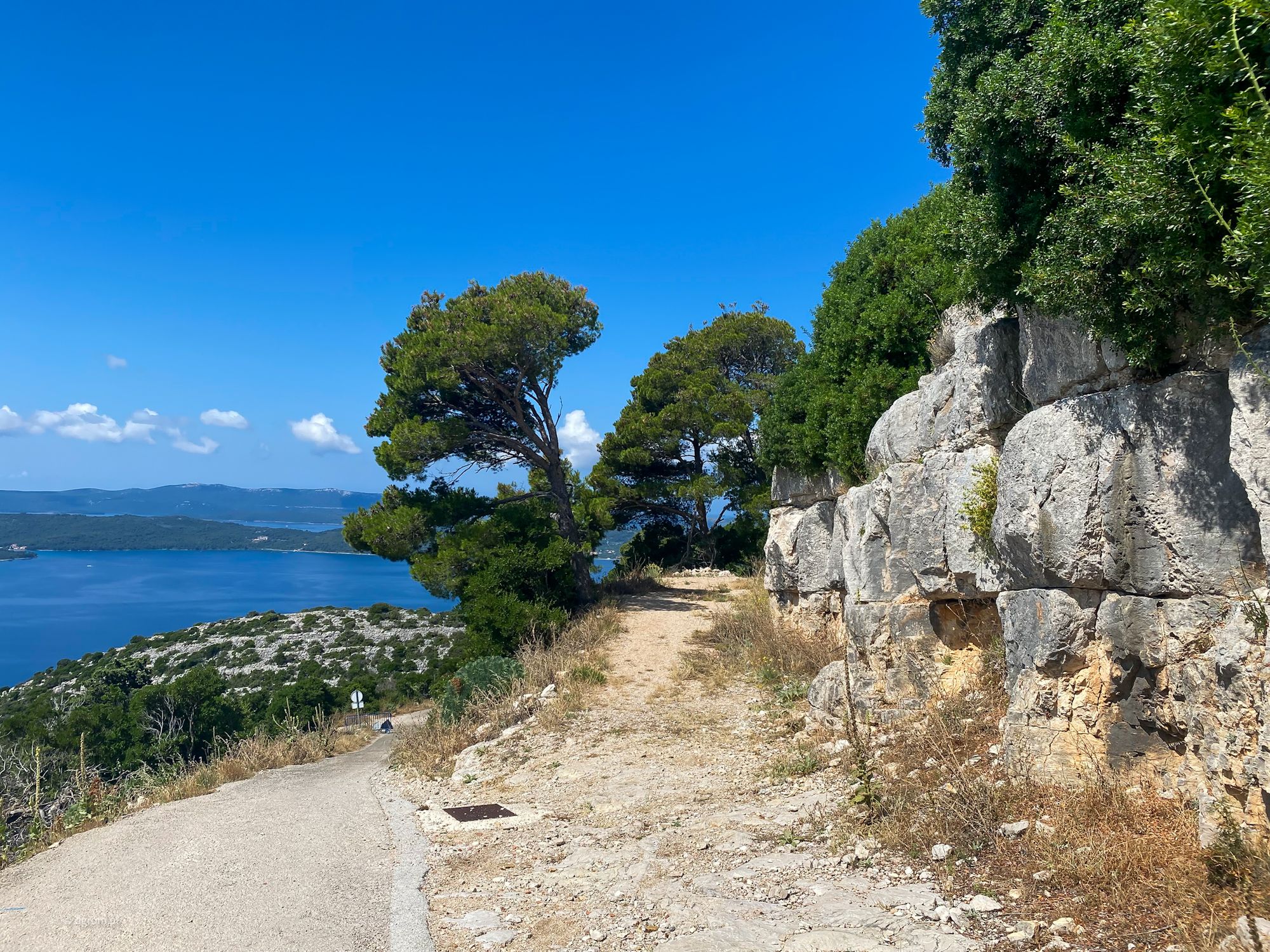
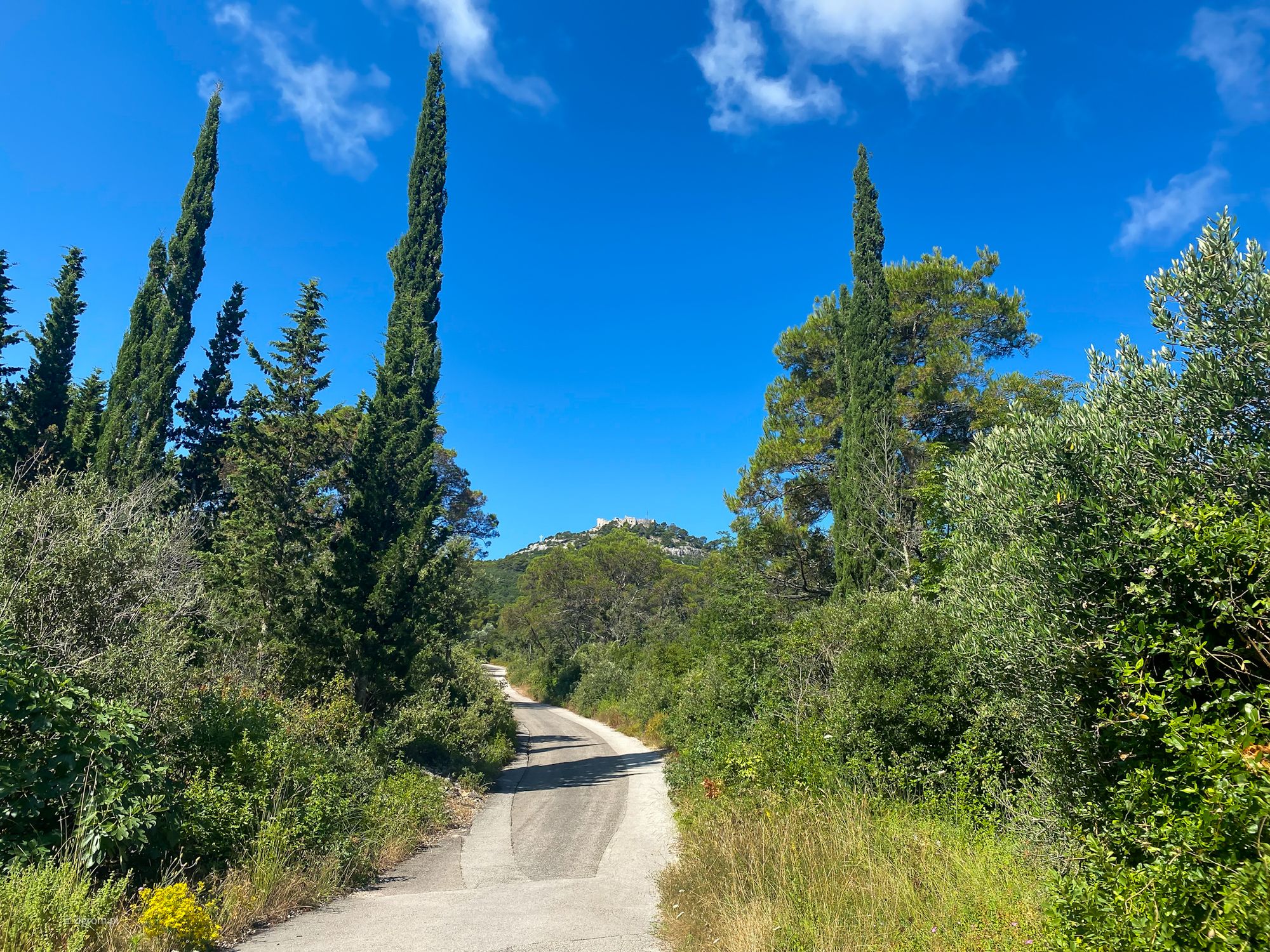
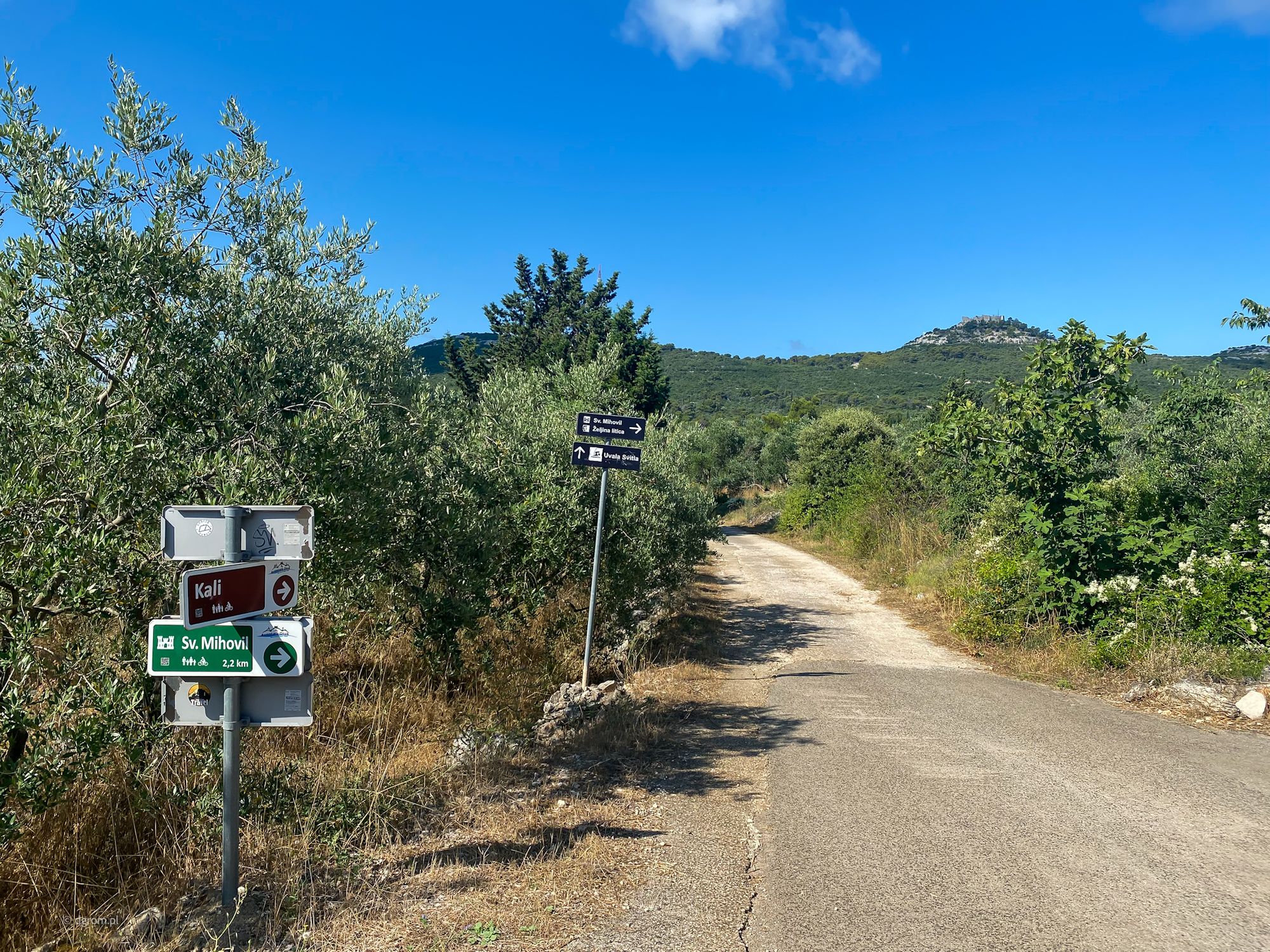
The hike up the hill is one of the most popular tourist attractions on Ugljan. The best starting point is the town of Preko, where ferries from Zadar dock (Gaženica port or the historic center).
Hiking route (Trekking)
• Time: ok. 45–60 minutes one way.
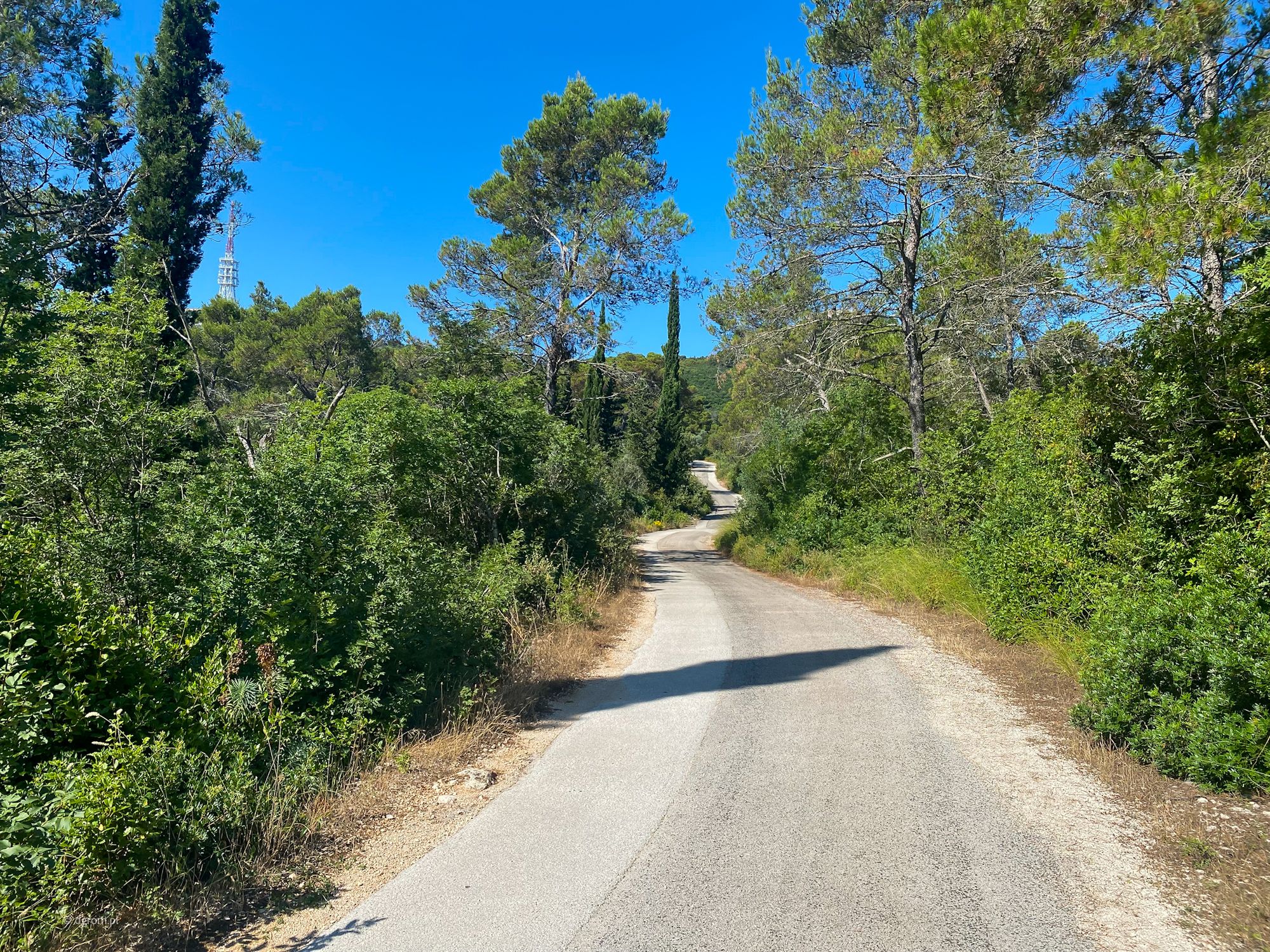
• Difficulty: Moderate. The route follows an asphalt road and then a compacted track.
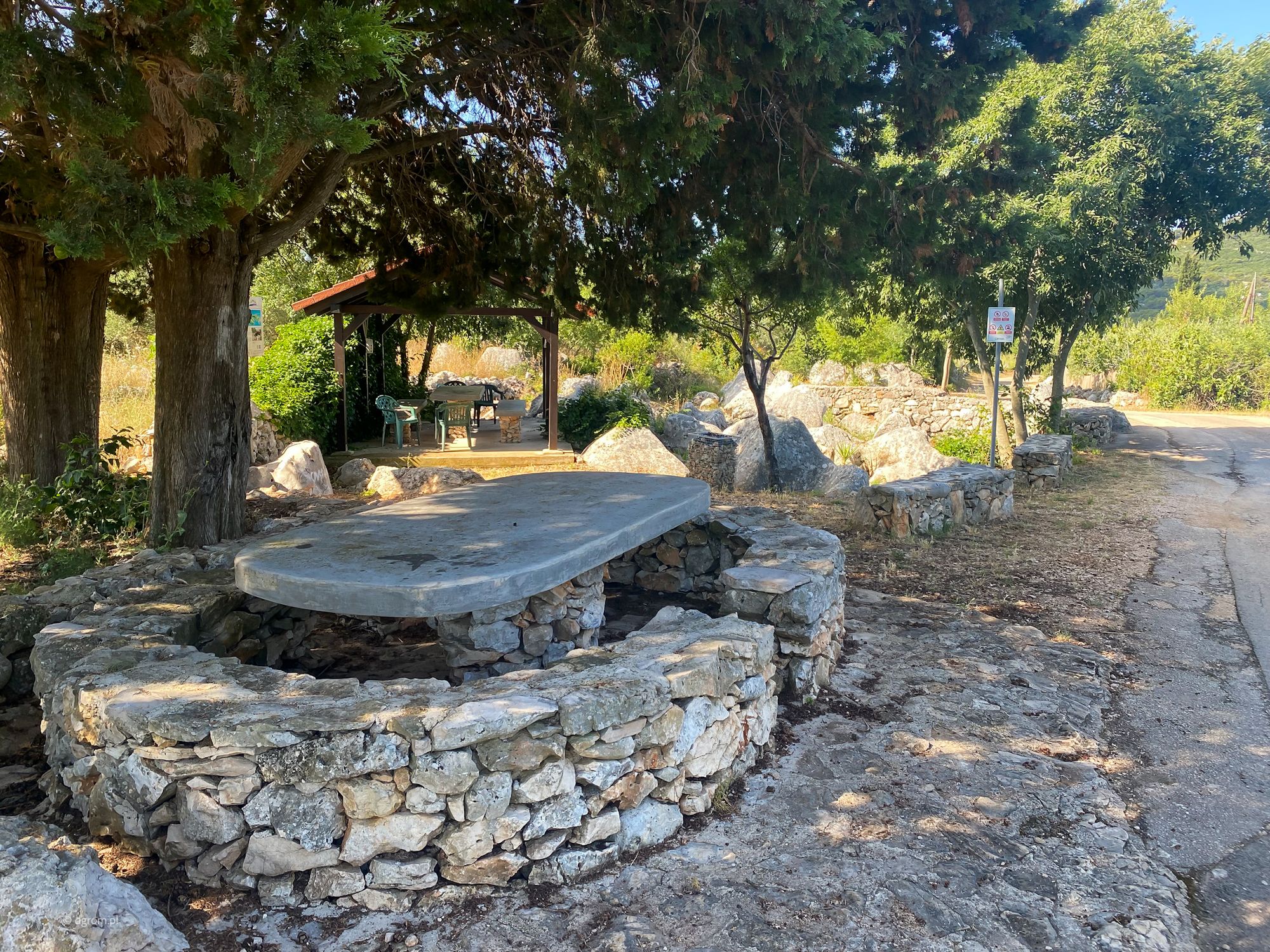
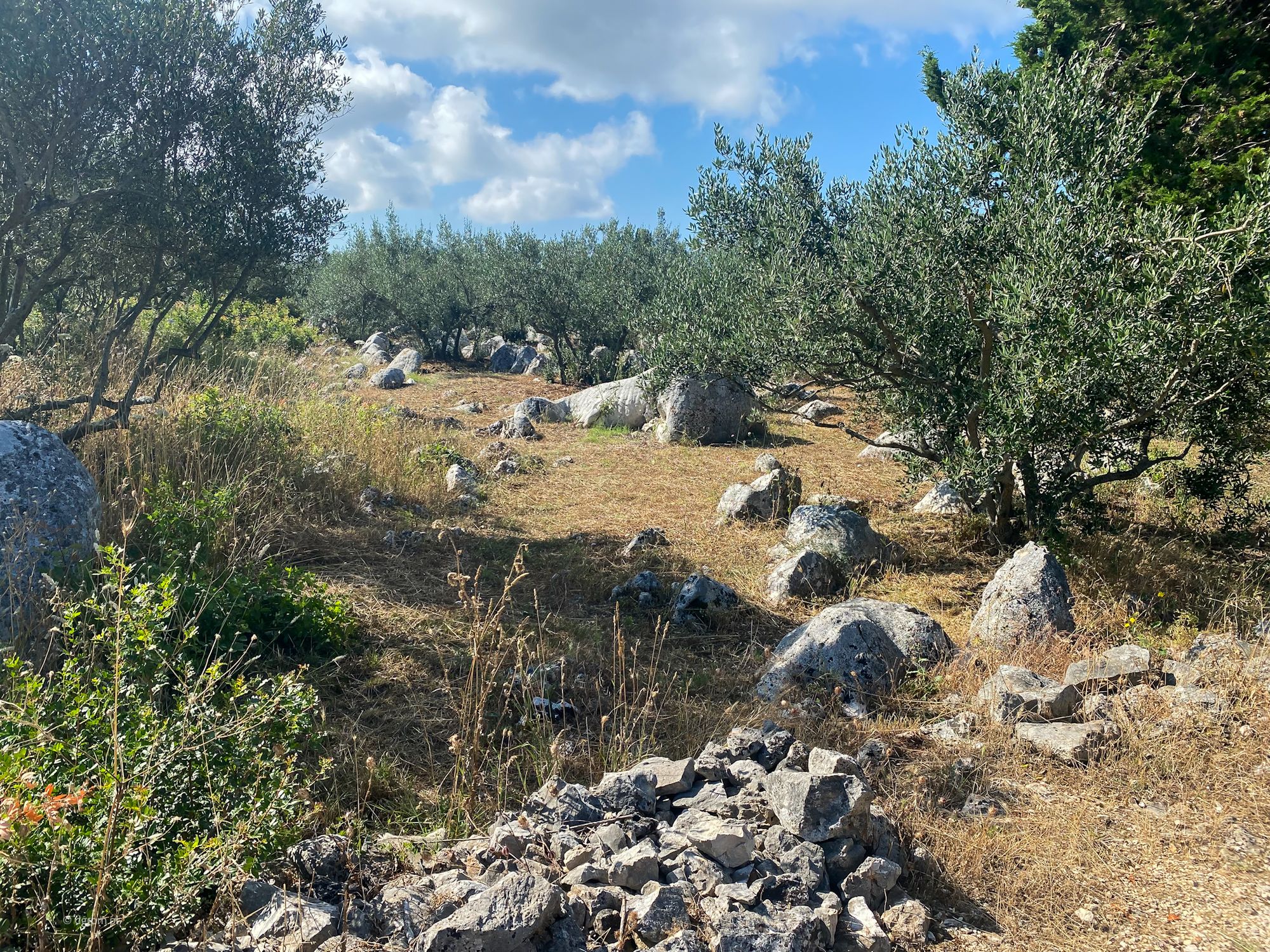
• Attractions along the way: The trail winds through centuries-old olive groves and fragrant maquis (Mediterranean scrub). The scent of sage and rosemary accompanies hikers at every step.
• Tip: Take a walk early in the morning or just before sunset to avoid the hottest part of the day.
Cycling route
Ugljan is a paradise for cyclists. A road leads to the summit that can be reached by people in good physical condition (the ascent is quite steep). The reward is a downhill with the wind in your hair and a view of the blue Adriatic.
By car
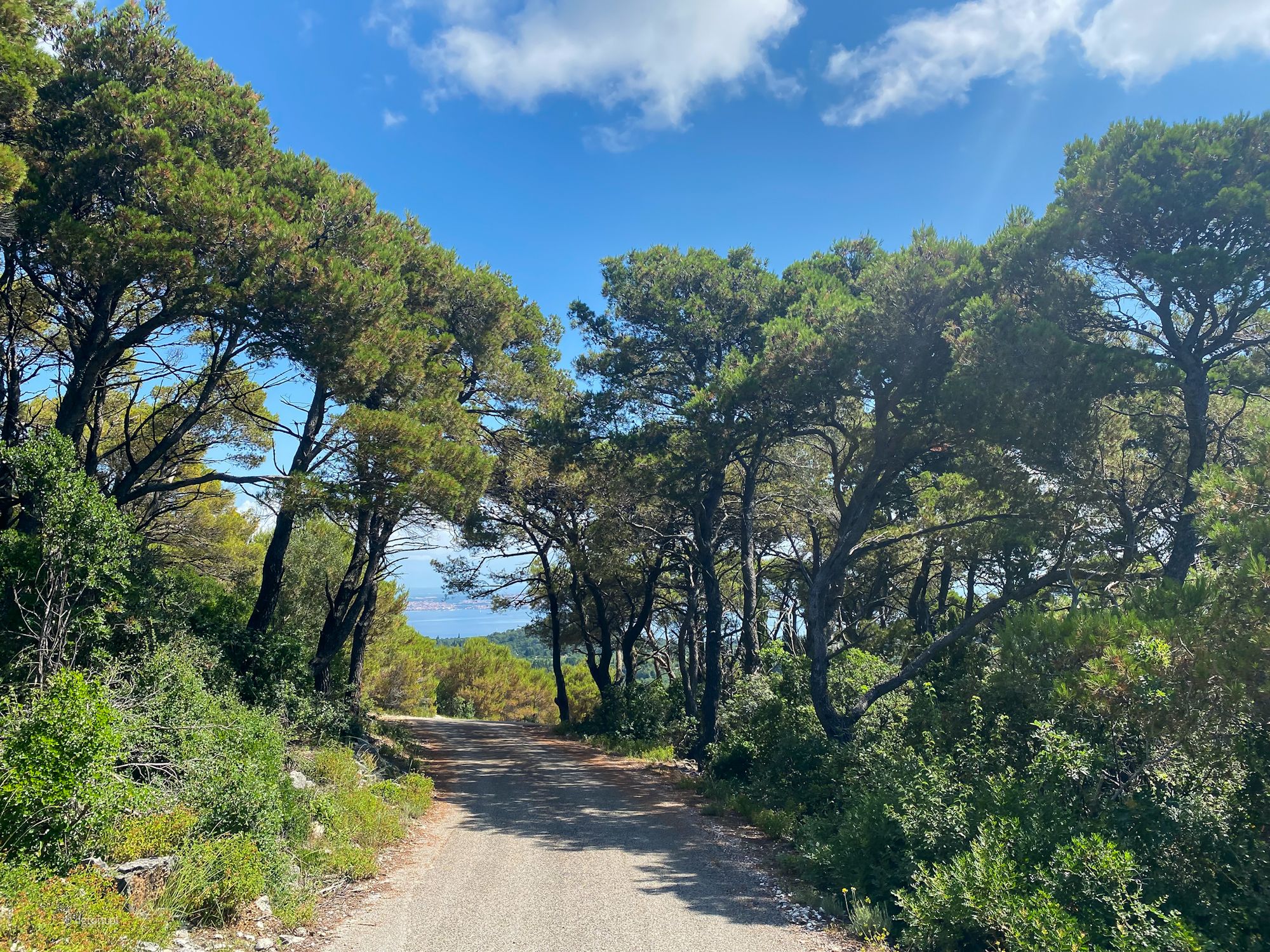
It is possible to drive almost to the very top on a narrow, asphalt road. This is an option for people with limited mobility, although I would definitely recommend walking for the full experience of the island's atmosphere.
6. What will you see from the summit? A breathtaking panorama
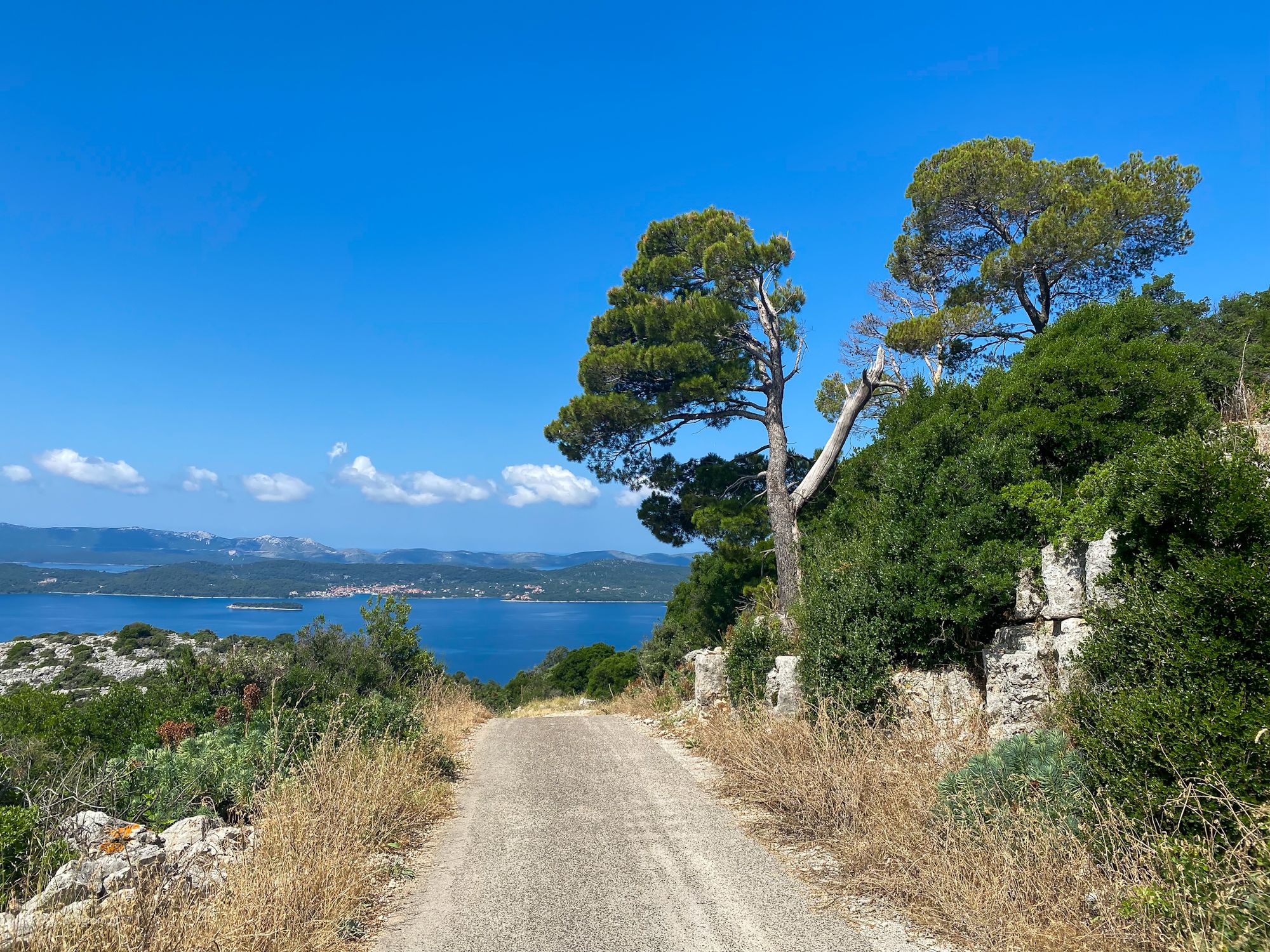
The view from the walls of St. Michael's Fortress is considered one of the most beautiful in all of Croatia. On a clear day, you can see:
1. Zadar: With its historic center and the Roman Forum.
2. Zadar Archipelago: Pašman (connected to Ugljan by a bridge), Iž, Rava, Dugi Otok and dozens of smaller islets.
3. Kornati National Park: A labyrinth of rocky islands rising from the sea.
4. Velebit Mountains: A mighty mountain range on the mainland that forms a majestic backdrop to the blue coast.
7. Legends and Myths of Ugljan Island
The Croatian islands are famous for their rich folklore, and Ugljan is no exception. Local residents still tell stories passed down from generation to generation:
• Giants: Supposedly they built up the hill so they could look down at the ships passing through the channel.
• Pirate treasures: In numerous caves at the foot of the hill (such as the Željina Cave) there are said to be valuables hidden by pirates who sheltered here from Venetian galleys.
• Sea maiden: Legend tells of a beautiful creature who appears in the island's bays during the full moon, luring sailors with her song.
8. What else is worth seeing on the island?
When planning a full-day trip, don't limit yourself to the fortress. Ugljan offers much more:
• Islet Školjić (Galevac): It is located just 80 meters off the shore of Preko. You can reach it by rowboat to visit the 15th-century Franciscan monastery.
 DG
DG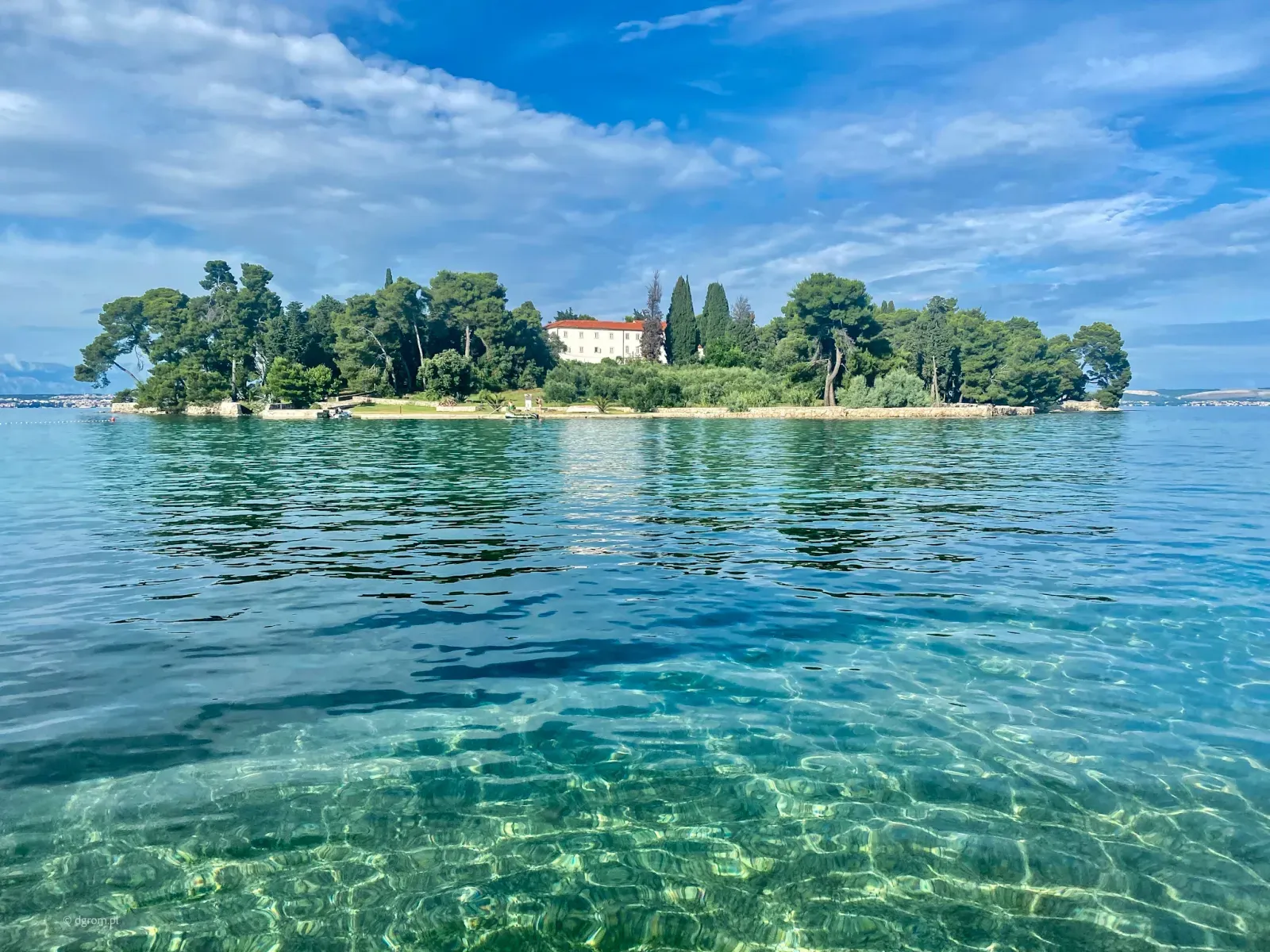
• Južna Luka Beach: After the hardships of the climb, relax on one of the most beautiful beaches near Muline.
• Olive Museum in Muline: Learn why Ugljan olive oil was prized even by Roman emperors. You'll see a replica of an ancient olive press there.
Summary: Why you should be there?
St. Michael's Hill is a magical place. Here history stops being merely a dry textbook fact and becomes tangible in the form of rough Venetian walls and ancient foundations. Whether you're a history lover, a photography enthusiast, or simply seeking peace in nature – Ugljan and its fortress will offer you the very best of Croatia.
Remember to bring:
• Comfortable shoes (even if you're driving, walking along the walls requires sure footing).
• Plenty of water (there is no place to buy drinks at the top).
• A camera – these views will stay with you for a lifetime!
FAQ
1. Is admission to St. Michael's Fortress paid?
Currently, entry to the ruins is free and open to tourists.
2. What are the opening hours?
The fortress has no gates or opening hours – it can be visited at any time, but it's safest to do so in daylight.
3. Is the route up the hill suitable for children?
Yes, the paved road from Preko is safe for children, although be mindful of the sun and the incline.
Keywords for Ugljan Island:
General:
- Croatia
- Ugljan Island
- Dalmatia
- Adriatic Islands
- Holidays in Croatia
- Green Island
- Peaceful Island
- Relaxing holidays
Attractions:
- Južna Luka Beach
- Kornati National Park
- Pašman Island
- Olive Oil Museum
- Franciscan Monastery
- Hiking trails
- Cycling trails
- Olive groves
- Vineyards
Legends:
- Giants
- Pirates' Treasure
- Mermaid
Additional keywords:
- Adriatic Sea
- Zadar
- Ferries
- Tours
- Attractions for children
- Attractions for families
- Accommodation
- Restaurants
Continue reading in this gallery
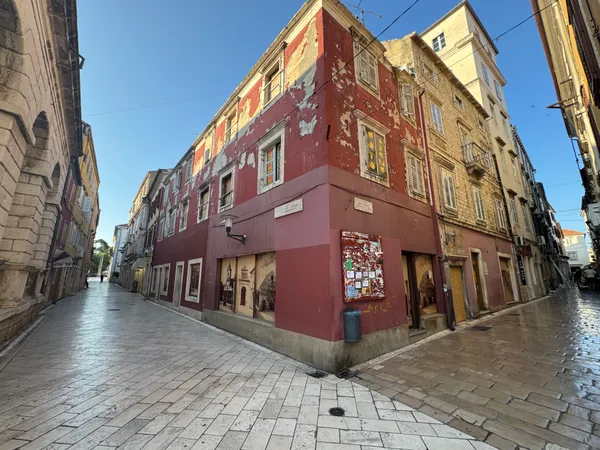
Croatia
Reconstruction of Zadar.
I paired each photograph of the current state of these places with an alternative version — created using artificial intelligence. It's a visualization of how they might have looked in their heyday.
Croatia
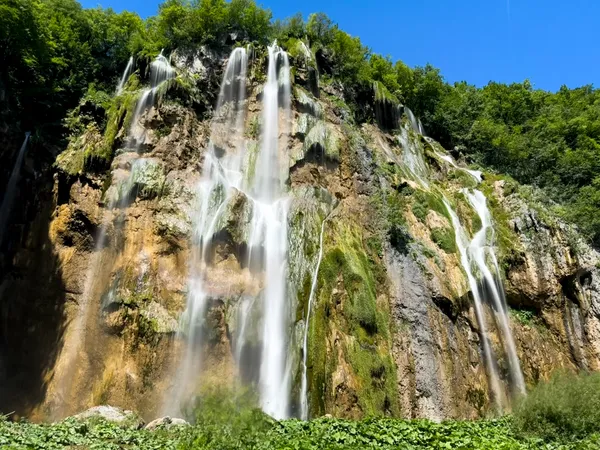
Plitvice Lakes
Croatia is a country full of surprises, but none of the guidebooks I read prepared me for what I experienced at Plitvice Lakes National Park. It felt like discovering a completely new world — one that seemed too beautiful to be real.
Croatia
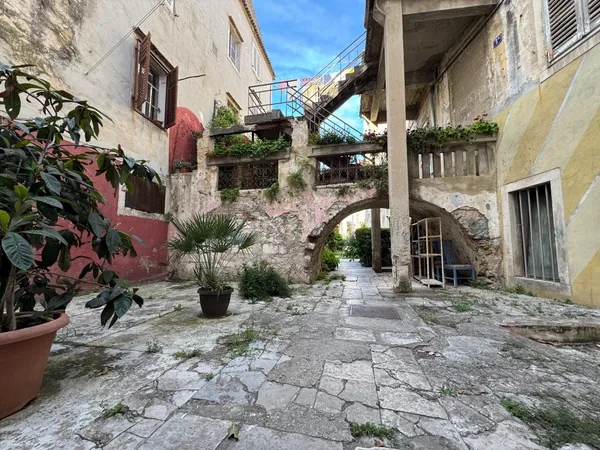
In the Labyrinth of Zadar's Alleyways.
Zadar, located on the Adriatic, is a place where history intertwines with everyday life, and its old streets and stone buildings, though weathered by time, exude an incredible charm. I like to think these places have a soul — a little worn, but full of stories.
Croatia
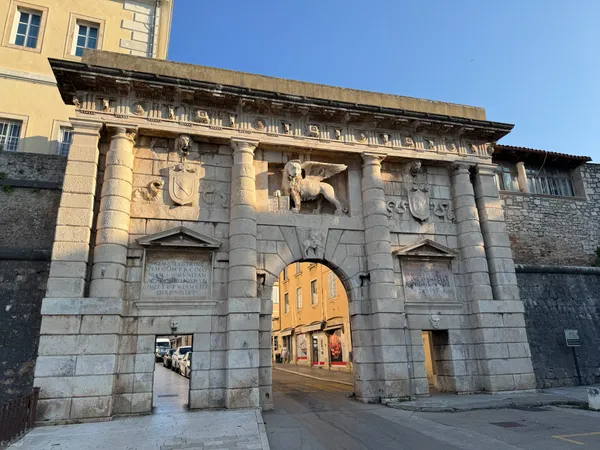
Gate to the city of Zadar
From afar you can already see that this is no ordinary city gate. Monumental, built of light-colored stone, adorned with columns and numerous details. Above the main archway proudly stands the winged lion of St. Mark – the symbol of Venetian power that ruled Zadar for centuries.