
Castles in Scotland – History, Most Famous Strongholds and Their Secrets
Scotland is a country associated with picturesque landscapes, rugged mountains, and amazing castles. Their number is impressive – it is estimated that there are about 2,000 castles, ruins and strongholds, which means that there is one fortress for every 50 km²! These castles served various functions – from defensive to royal residences – and their history dates back as far as the 12th century.
History of Scottish Castles
The origins of castle building in Scotland date back the medieval period, when the first wooden fortifications began to appear. Over time they were replaced by stone fortresses, which better withstood the passage of time and enemy attacks. In the 13th century castles became an integral part of Scotland's landscape, and their development was closely tied to the struggle for independence against England.
In the 14th and 15th centuries many castles were rebuilt and expanded, becoming more like residences than fortresses. During the reign of the Stuart dynasty some castles were transformed into luxurious palaces, while others still served defensive functions.
Today many castles in Scotland are ruins, but many of them have been restored and can be visited. Some serve as hotels, museums or private residences, which makes them a unique element of Scotland's cultural heritage.
1. Edinburgh Castle (Edinburgh Castle)
One of the most recognizable castles in the world, Edinburgh Castle, looms over the Scottish capital and is one of the most visited landmarks in the country. Its history dates back to the 9th century, though most of the present buildings date from the 12th century.
In the castle you can see the Stone of Destiny, on which Scottish kings were crowned, as well as the crown, sceptre and sword of the Scottish monarchy. It also houses the National War Museum, and every day at 1:00 PM the famous One O’Clock Gun, which is a cannon shot.
It is one of the most important fortresses in Scotland, which witnessed many battles, including the famous Battle of Stirling Bridge in 1297, where William Wallace defeated the English. The castle was also the site of Mary, Queen of Scots' coronation in 1542.
Its monumental walls and royal apartments attract tourists from around the world. It's worth visiting the Great Hall, where banquets and important political events were held, and the Royal Chapel, where James VI was baptized.
One of the most picturesque castles in Scotland, situated on a small island at the junction of three lochs. Eilean Donan Castle is one of the most photographed places in Scotland and has appeared in many films, including Highlander and James Bond: The World Is Not Enough.
The original fortress was built in the 13th century, but in the 18th century the castle was destroyed by government forces during the Jacobite uprising. It was only rebuilt in the 20th century and is now open to visitors.
Situated on a cliff above the North Sea, Dunnottar Castle is one of the most spectacular sites in Scotland. Its strategic location made it a key defensive point for the country for centuries.
In the 17th century it was here that the Scottish Crown Jewels, to protect them from Oliver Cromwell's armies. Today Dunnottar is ruins, but its dramatic location attracts hundreds of thousands of visitors each year.
This remarkable castle is known as the birthplace of the Queen Mother and as the inspiration for Shakespeare's Macbeth. Glamis Castle has a reputation as one of the most haunted places in Scotland.
Its history dates back to the 14th century, but its current appearance is the result of numerous alterations. It's worth visiting the magnificent castle rooms, as well as hear stories about an allegedly hidden room where a member of the royal family was said to have been imprisoned.
Summary
Castles in Scotland are not just majestic buildings but also witnesses to this country's turbulent history. From royal residences, through defensive fortresses, to haunted ruins – each castle has its own unique story. If you are planning a trip to Scotland, be sure to visit Edinburgh Castle, Stirling Castle, Eilean Donan Castle, Dunnottar Castle and Glamis, to feel the spirit of Scottish history and legend.
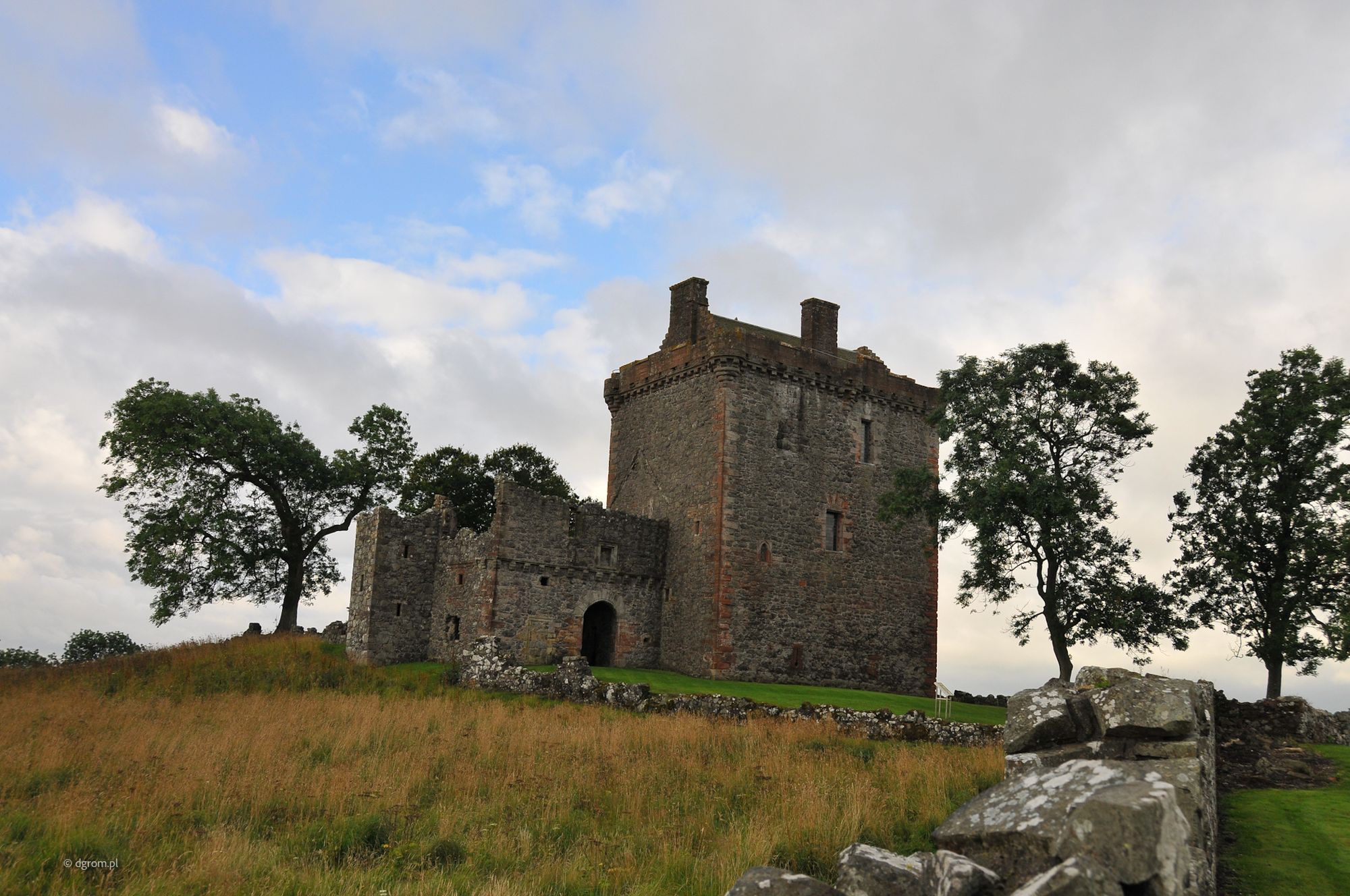
Number of Scottish castles in the galleries: 63
GalleriesScottish castles have often served as picturesque backdrops for many films. Here is a list of well-known Scottish castles along with the titles of films that were shot there:
- Castle Eilean Donan:
- "Highlander" (1986)
- "James Bond: The World Is Not Enough" (1999)
- Castle Doune:
- "Monty Python and the Holy Grail" (1975)
- TV series "Outlander" (since 2014)
- Alnwick Castle:
- "Harry Potter and the Philosopher's Stone" (2001)
- "Harry Potter and the Chamber of Secrets" (2002)
- Castle Stirling:
- "Elizabeth: The Golden Age" (2007)
- Blackness Castle:
- "Mary Queen of Scots" (2018)
- "Outlander" (since 2014)
- Dunnottar Castle:
- "Hamlet" (1990)
- Tantallon Castle:
- "Under the Skin" (2013)
- Castle Urquhart on Loch Ness:
- "Loch Ness" (1996)
- Castle Glamis:
- "Macbeth" (1971)
- Castle Craigmillar:
- "Outlander" (since 2014)
This list is not exhaustive, as Scottish castles are a popular choice for filmmakers because of their distinctive architecture and picturesque landscapes. Many of these castles can be visited, offering a great opportunity to see the locations that served as settings for well-known film productions.
Here is the complete list of 63 castles in Scotland, along with a brief history of each:
- Balvaird Castle – Built in the 16th century by Sir Andrew Murray, it is an example of a traditional Scottish tower house.
- Dunbar Castle – Located on the North Sea, it played a key role in the Scottish–English wars in the 13th and 14th centuries.
- Finlarig Castle – Erected in the 17th century by Clan Campbell, it served as a residence and an execution site.
- Craigmillar Castle – Built in the 15th century, known for its associations with Mary, Queen of Scots, who sought refuge here.
- Linlithgow Palace – The birthplace of Mary, Queen of Scots in 1542; it was a royal residence until the 17th century.
- Edzell Castle – Built in the 16th century by the Lindsay family, known for its Renaissance gardens.
- Dunnottar Castle – Strategically positioned on a cliff, it was where the Scottish crown jewels were hidden from Cromwell's forces.
- Crichton Castle – Erected in the 15th century by Chancellor William Crichton, it features distinctive continental architecture.
- Drummond Castle – Known for its formal terraced gardens, considered among the most beautiful in Europe.
- Fyvie Castle – Its origins date back to the 13th century; the castle has witnessed many historical events and is said to be haunted.
- Tolquhon Castle – Built in the 16th century by William Forbes, known for its rich stone carvings.
- Edinburgh Castle – Dominating Scotland's capital, it has witnessed many key historical events.
- Tantallon Castle – The last great medieval fortress in Scotland, seat of the Earls of Douglas.
- Doune Castle – Built in the 14th century, known for appearances in films and TV series such as "Monty Python and the Holy Grail" and "Outlander".
- Stirling Castle – One of Scotland's most important strongholds, the site of the coronations of many monarchs, including Mary, Queen of Scots.
- Urquhart Castle – Ruins on the shores of Loch Ness, destroyed in the 17th century to prevent use by the Jacobites.
- Glamis Castle – The family seat of the Earls of Strathmore since the 14th century, associated with legends and Shakespeare's tragedy "Macbeth".
- Eilean Donan Castle – Picturesquely situated on an island, destroyed in 1719 during the Jacobite uprising, rebuilt in the 20th century.
- Balmoral Castle – The British royal family's summer residence since the time of Queen Victoria.
- Inveraray Castle – The seat of the Dukes of Argyll, chiefs of Clan Campbell, built in the 18th century in the Gothic Revival style.
- Culzean Castle – Redesigned in the 18th century by Robert Adam, known for its impressive architecture and gardens.
- Blair Castle – The seat of the Dukes of Atholl, with a unique private army in Europe known as the Atholl Highlanders.
- Cawdor Castle – Associated with Shakespeare's "Macbeth", though built after his time; still inhabited.
- Kilchurn Castle – Ruins on the shore of Loch Awe, originally the seat of Clan Campbell of Glenorchy.
- Dunvegan Castle – The oldest continuously inhabited castle in Scotland, the seat of Clan MacLeod.
- Castle Stalker – Picturesquely situated on an island, built in the 14th century, known from the film "Monty Python and the Holy Grail".
- Blackness Castle – Built in the 15th century, it served as a fortress, prison and ammunition magazine.
- Caerlaverock Castle – A unique triangular castle, twice besieged in the 14th century during the Wars of Independence.
- Hermitage Castle – Located in the Borders, known for its dark history and connections to Lord Bothwell.
- Lochleven Castle – The place where Mary, Queen of Scots, was imprisoned before her abdication in 1567.
- Bothwell Castle – One of the largest medieval fortresses in Scotland, built in the 13th century by the Murray clan. It played a key role during the Wars of Scottish Independence.
- Dirleton Castle – A picturesque ruin in East Lothian, built in the 13th century by the de Vaux family. Known for its beautiful gardens and a long history of sieges.
- Craigievar Castle – Built in the 17th century, it is an excellent example of Scottish baronial architecture. Known for its distinctive pink façade and well-preserved interiors.
- Castle Fraser – One of the largest tower houses in Scotland, completed in 1636. Seat of the Clan Fraser, with richly decorated interiors and beautiful gardens.
- Huntly Castle – An impressive ruin in Aberdeenshire, originally built in the 12th century. It was the seat of Clan Gordon and is known for its unique Renaissance architectural details.
- Kildrummy Castle – 13th-century ruins, considered one of the most important medieval castles in Scotland. It was a key fortress during the Wars of Independence.
- Ballindalloch Castle – Known as the "Pearl of the North", built in the 16th century. It is still inhabited by the Macpherson-Grant family and is famous for its beautiful gardens and whisky distillery.
- Brodie Castle – Seat of Clan Brodie since the 15th century, with a rich collection of furniture, paintings and ceramics. Surrounded by extensive gardens with rare plants.
- Dunrobin Castle – The largest castle in northern Scotland, the seat of the Earls of Sutherland. Its architecture was inspired by the French castles of the Loire.
- Ardvreck Castle – 17th-century ruins, located on the shores of Loch Assynt. It was the seat of the MacLeods of Assynt and the place where the Marquis of Montrose was imprisoned in 1650.
- Balvenie Castle – Built in the 12th century, it was the seat of the Comyn family and later the Douglases. Now in ruins, but impressive sections of the walls remain.
- Duffus Castle – Originally wooden, built in the 12th century by the de Moravia family. Later rebuilt in stone, now in ruins.
- Spynie Castle – The former residence of the Bishops of Moray, built in the 14th century. Known for an impressive tower called "David's Tower".
- Slains Castle – Located on a cliff above the North Sea, built in the 16th century. Considered an inspiration for Dracula's castle in Bram Stoker's novel.
- Kisimul Castle – Situated on an island off the coast of Barra, the seat of Clan MacNeil. Built in the 15th century, accessible only by boat.
- Mingary Castle – Built in the 13th century by Clan MacDonald, located on the coast of Ardnamurchan. Recently restored and open to visitors.
- Tioram Castle – Ruins from the 13th century, located on the island of Eilean Tioram. It was the seat of the Clanranald branch of the MacDonalds.
- Dunstaffnage Castle – One of the oldest stone fortresses in Scotland, built in the 13th century. It was the seat of the MacDougall clan.
- Inverlochy Castle – Ruins from the 13th century, the site of two important battles in Scottish history. It was strategically located on the River Lochy.
- Old Inverlochy Castle – Another name for Inverlochy Castle, to distinguish it from the nearby 19th-century Inverlochy Castle Hotel.
- Kilchurn Castle – Ruins from the 15th century, located on the shore of Loch Awe. It was the seat of the Campbells of Glenorchy.
- Carrick Castle – Ruins from the 14th century, located on the Ayrshire coast. It was the seat of Clan Kennedy.
- Newark Castle – Built in the 15th century by the Maxwell clan, situated on the River Clyde. A well-preserved example of Scottish baronial architecture.
- Morton Castle – Built in the 15th century, located in Dumfries and Galloway. It was the seat of the Douglas clan.
- Threave Castle – Located on an island in the River Dee, built in the 14th century by Archibald Douglas. Accessible only by boat.
- MacLellan's Castle – Built in the 16th century in Kirkcudbright by Sir Thomas MacLellan. It is a well-preserved example of Scottish town architecture from the Renaissance period.
- Cardoness Castle – A 15th-century tower house belonging to the McCulloch clan. It is located in Galloway and survives in very good condition.
- Sorbie Castle – The former stronghold of the Hannay clan, located in Dumfries and Galloway. Originally built in the 14th century, it is now in ruins.
- Carsluith Castle – Built in the 16th century, it is located near Wigtown Bay. It is a well-preserved tower house with Renaissance details.
- Skipness Castle – A 13th-century fortress on Scotland's west coast. Built by Clan MacSween and later belonged to the Campbells.
- Rothesay Castle – A unique, circular castle on the Isle of Bute, built in the 13th century by the kings of Scotland. For centuries it was the scene of battles with the Norwegians.
- Dundonald Castle – Built in the 14th century by King Robert II, one of the first royal castles of the Stuart dynasty. Its ruins still dominate Ayrshire.
- Hermitage Castle – Located in the Scottish Borders, known for its dark history and ties to Lord Bothwell. Built in the 13th century, it played a key role in defending the Scotland–England border.