
Castles of Scotland - Tolquhon
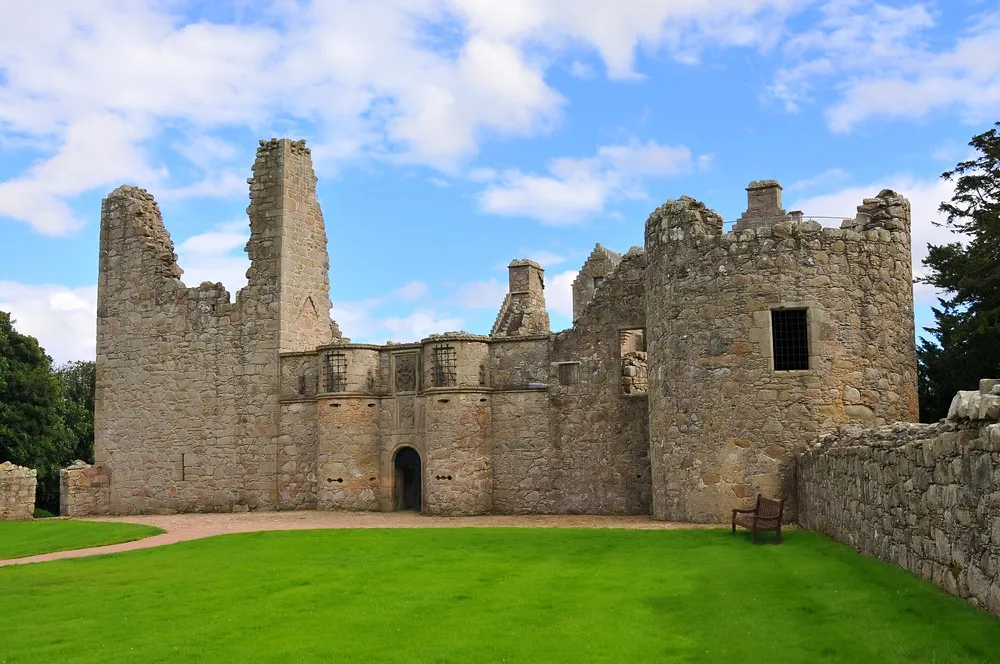
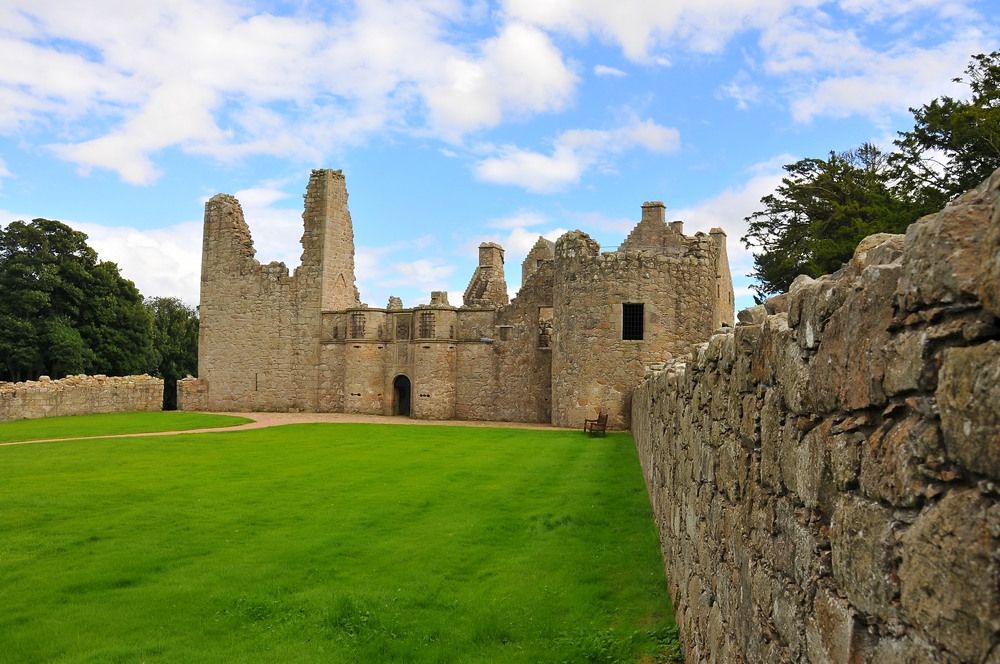
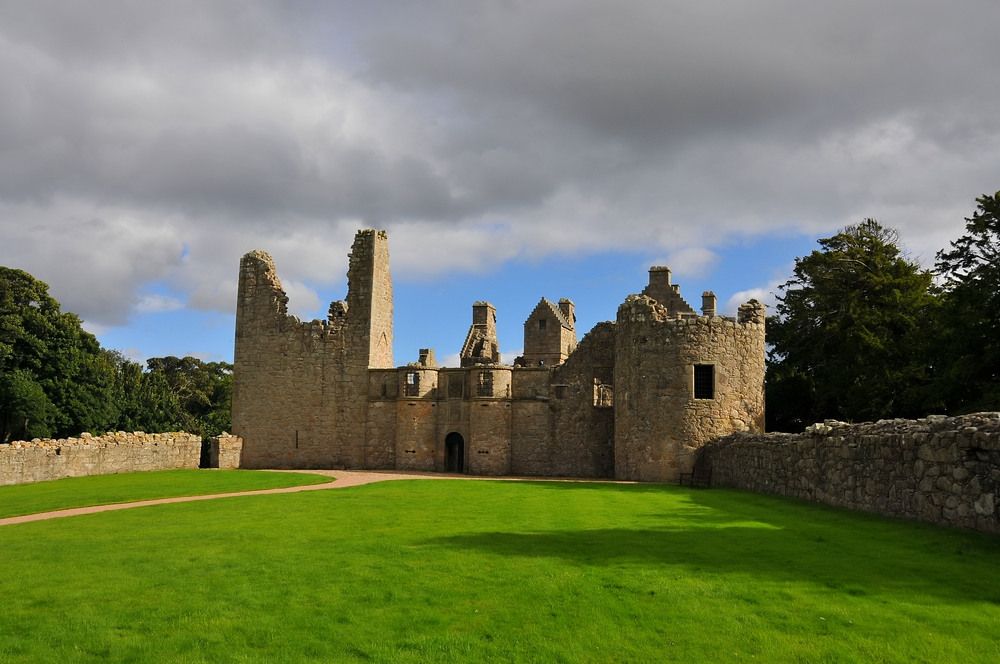
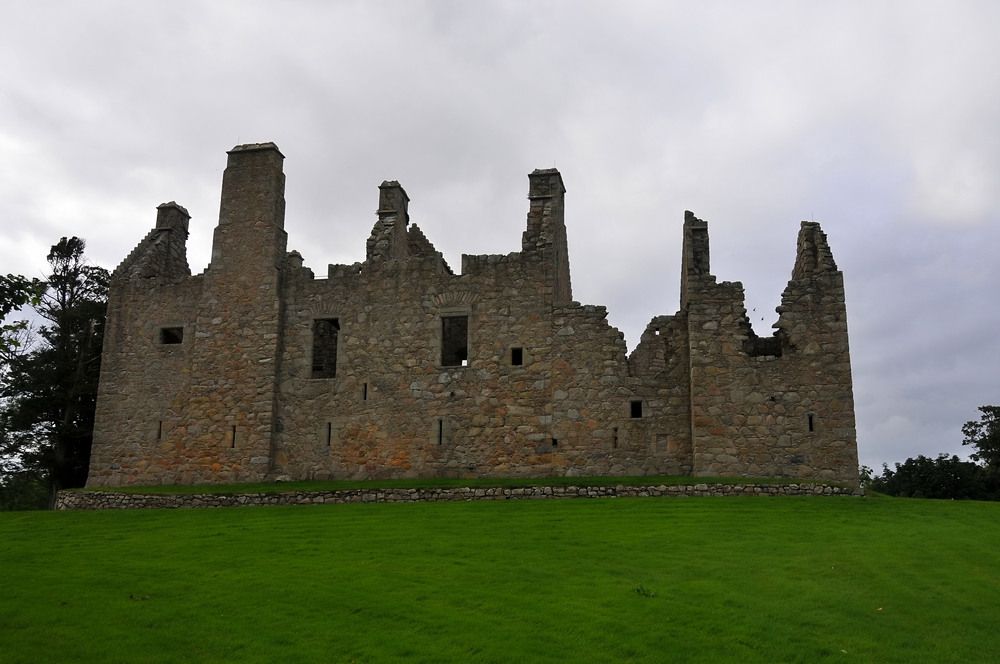
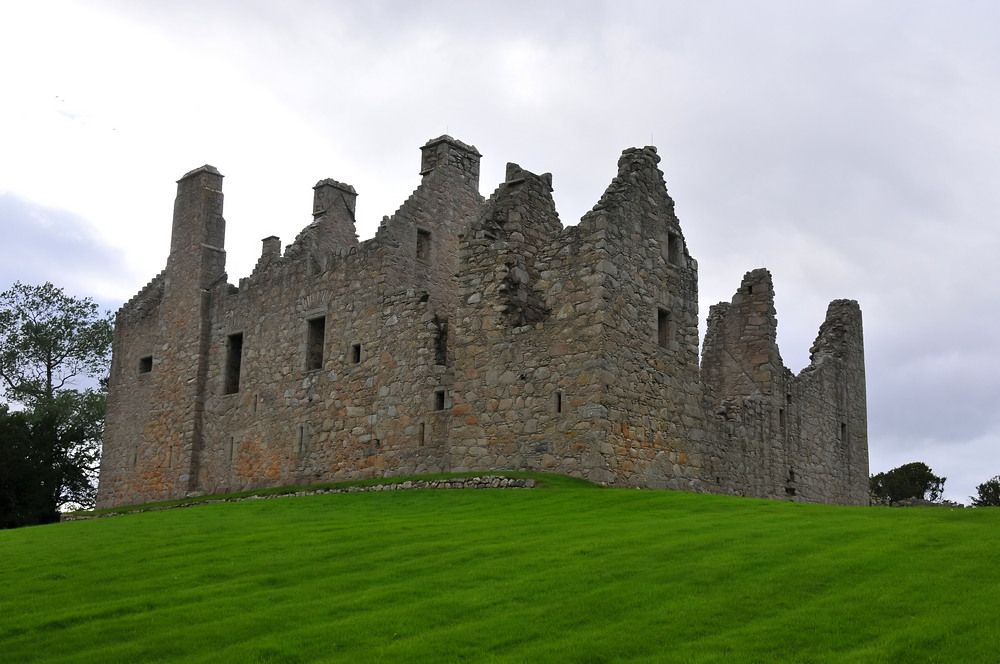
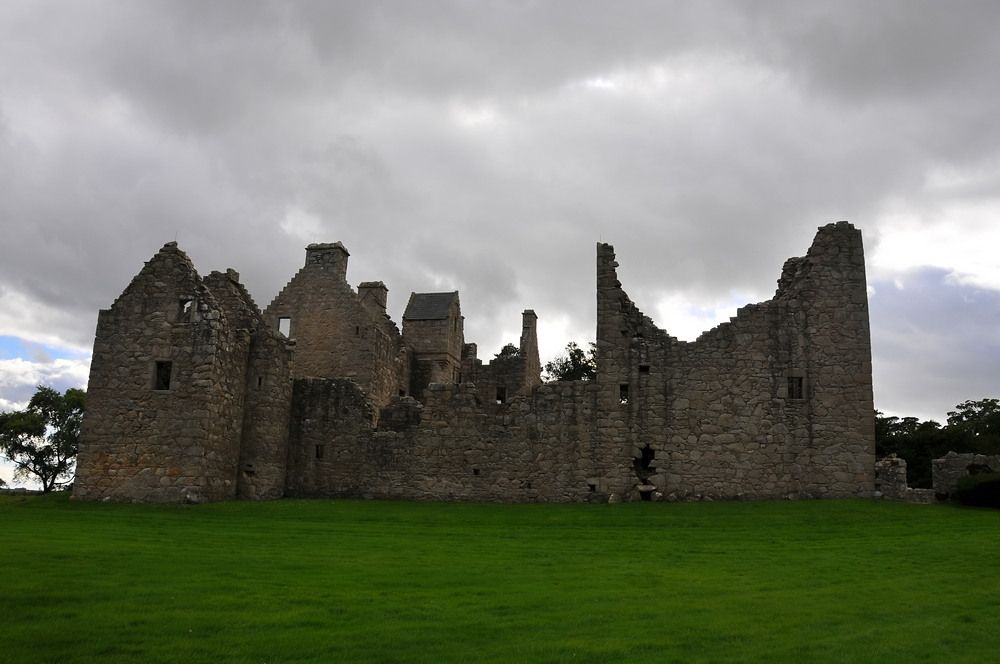
Castles of Scotland - Tolquhon Castle. Tolquhon Castle (English: Tolquhon Castle) is the ruins of a castle built in the 14th century, located on the northeast coast of Scotland, about 20 kilometres north of the city of Aberdeen.
Castles of Scotland – Tolquhon Castle
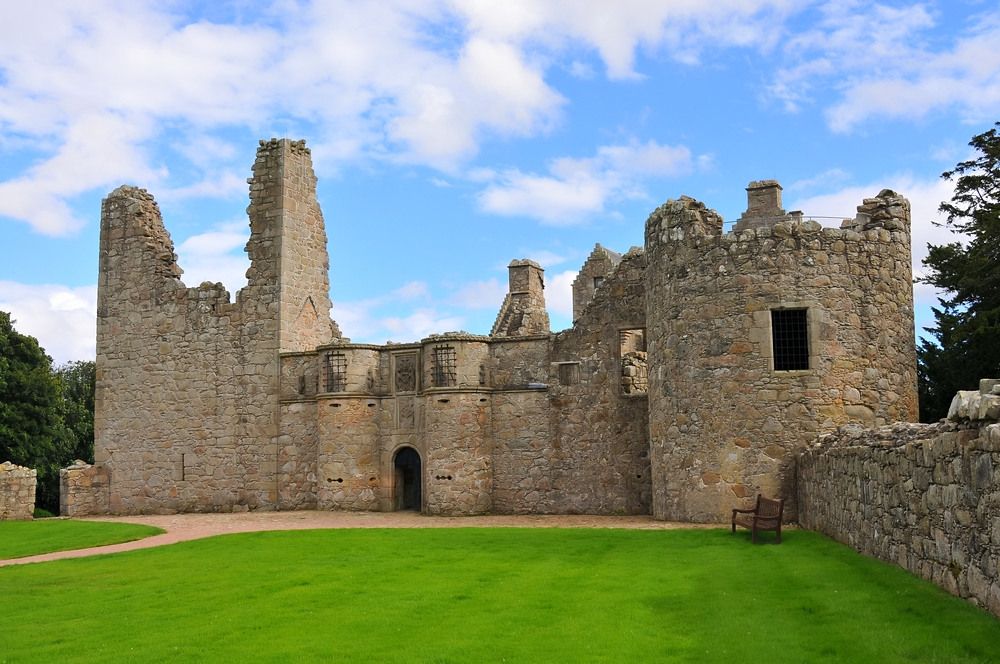
Tolquhon Castle is one of the most elegant Renaissance castles in Scotland. Located near the village of Tarves in Aberdeenshire, approximately 16 miles (25 kilometres) north of Aberdeen, it is widely regarded as one of the finest examples of a Scottish courtyard castle.
Although often described as a castle, Tolquhon was designed as much for comfortable living as for defence. Its impressive architecture, richly decorated entrance and carefully planned layout reveal the ambitions of a noble family eager to display wealth, status and sophistication.
Early History
The origins of the site can be traced to the Preston family, who held the lands of Tolquhon during the late medieval period.
The earliest fortified residence was probably a tower house built during the 15th century. Little survives of this original structure because later owners dramatically transformed the property.
In the 16th century, ownership passed to the Forbes family through marriage, bringing Tolquhon into the hands of one of the most influential noble families in north-east Scotland.
The Forbes Transformation
The castle seen today is largely the work of Sir William Forbes of Tolquhon.
Between approximately 1584 and 1589, Forbes undertook an ambitious rebuilding programme that converted the older tower house into a sophisticated Renaissance residence.
Rather than creating a heavily fortified stronghold, he focused on comfort, appearance and prestige.
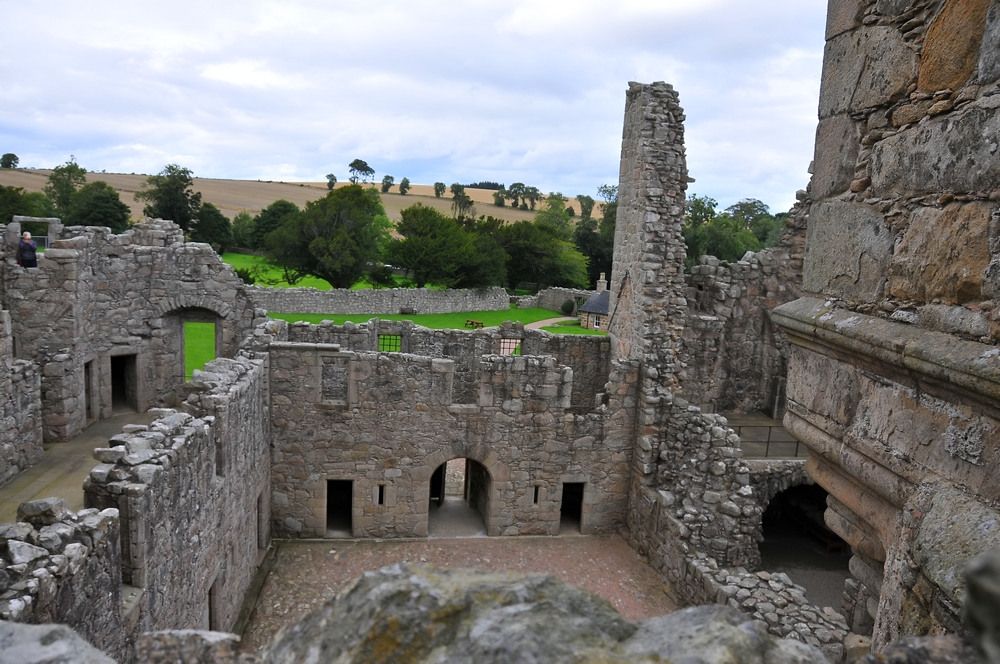
The result was a remarkable courtyard castle featuring elegant residential accommodation, decorative stonework and an impressive entrance façade.
Architecture
Tolquhon Castle is considered one of the finest examples of late 16th-century Scottish domestic architecture.
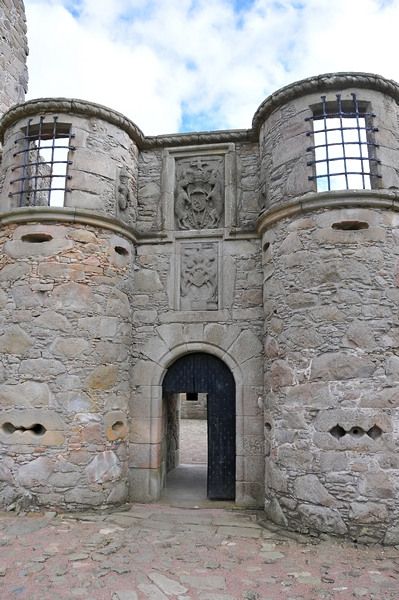
Visitors enter through a striking gatehouse decorated with heraldic carvings and ornamental details that celebrate the Forbes family.
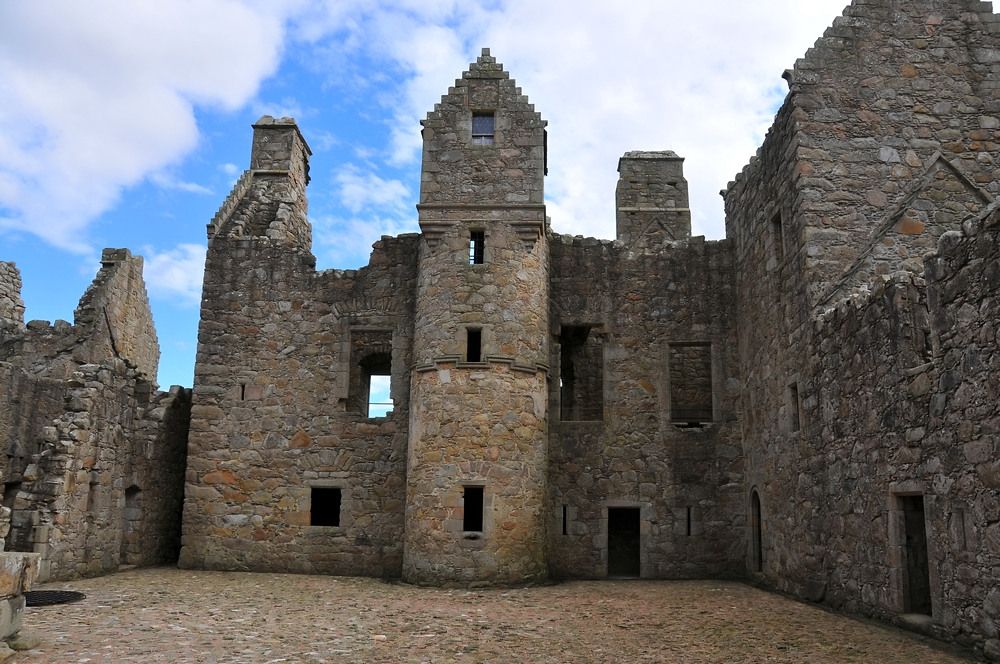
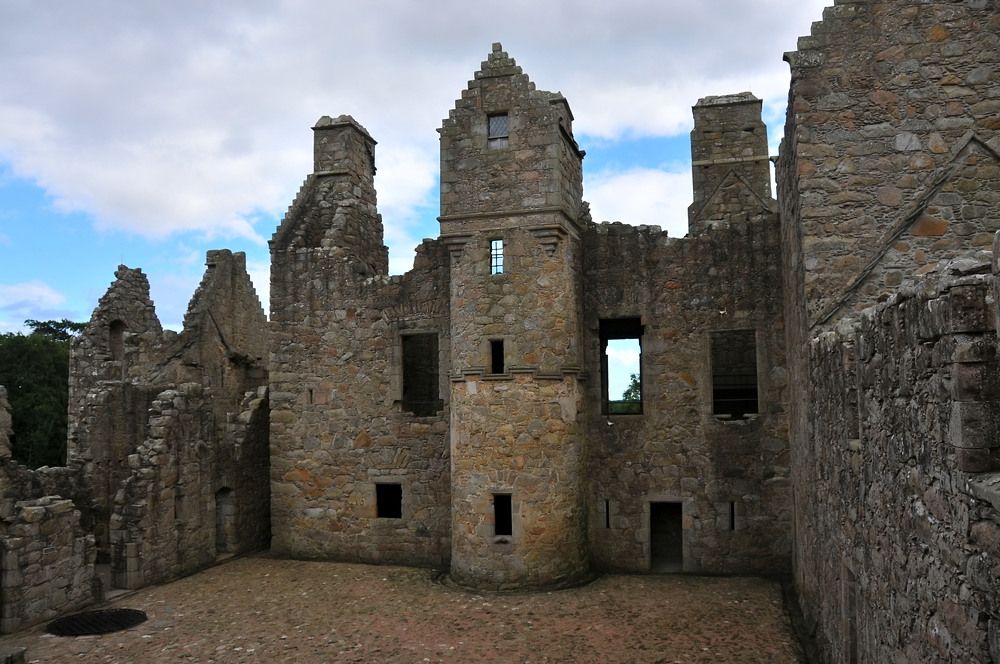
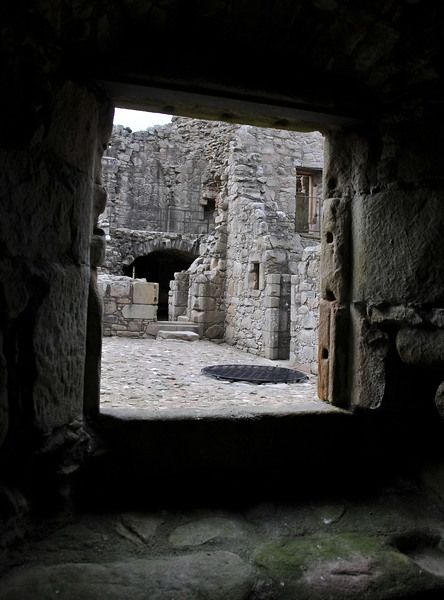
Beyond the entrance lies a spacious courtyard surrounded by residential ranges, service buildings and accommodation for household staff.
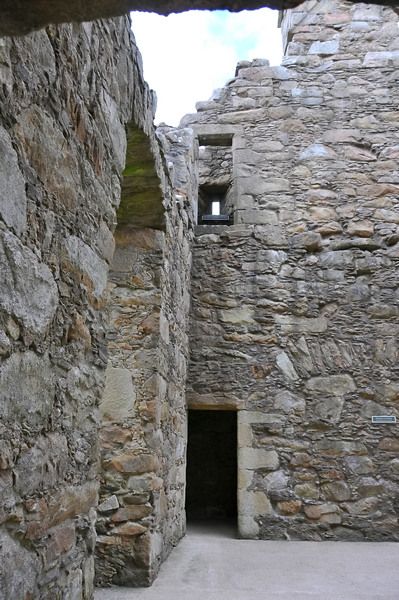
One of the most unusual features is the complex arrangement of chambers, staircases and passageways that demonstrate the increasingly sophisticated lifestyle of the Scottish nobility during the Renaissance period.
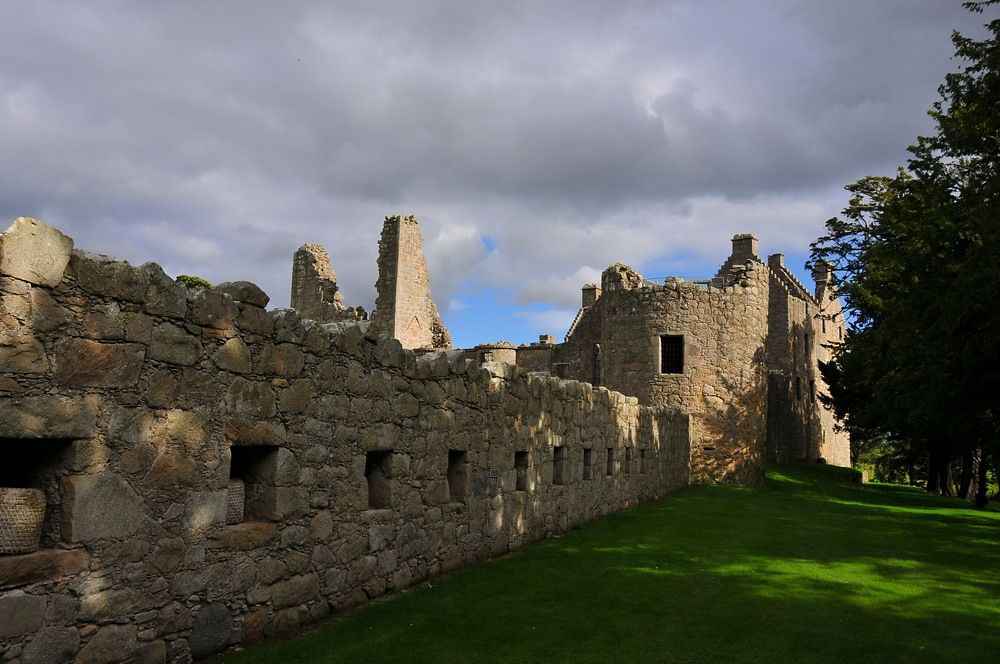
Although defensive features remain visible, comfort and display clearly took precedence over military considerations.
Life at Tolquhon
At its height, Tolquhon Castle functioned as the centre of a substantial estate.
The household would have included family members, servants, craftsmen and agricultural workers. Daily life revolved around estate management, hospitality and social gatherings.
The large kitchens, storage areas and service rooms demonstrate that entertaining guests played an important role in castle life.
Decline
By the 17th century, changing fashions and expectations encouraged Scottish landowners to move into more modern residences.
Like many castles of the period, Tolquhon gradually lost its importance as a family home.
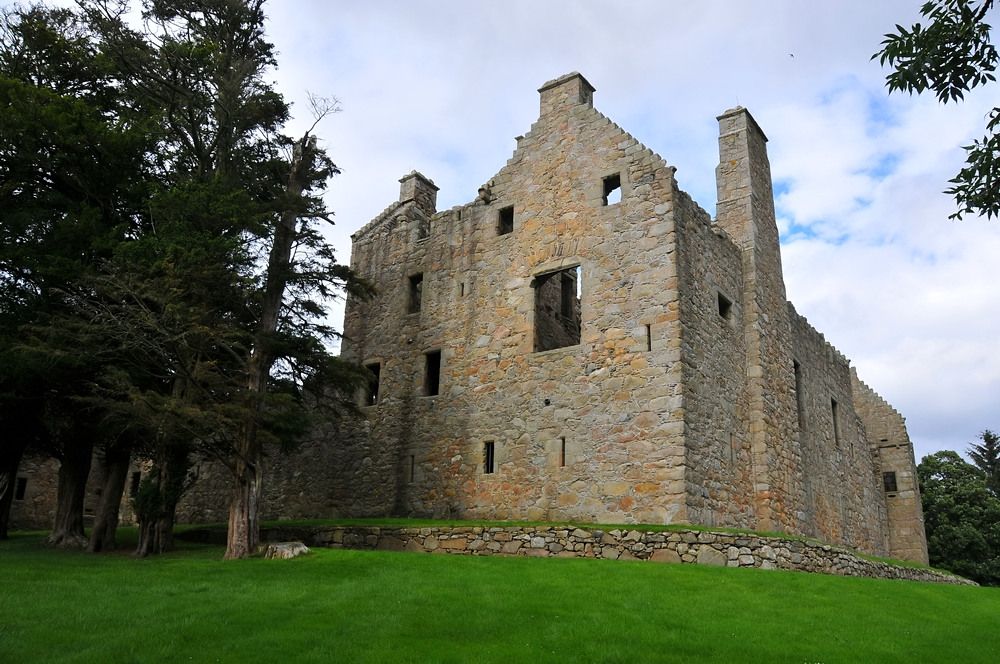
Over time the buildings were abandoned and began to deteriorate. By the 18th century, much of the castle had fallen into ruin.
Despite this decline, substantial sections survived, allowing modern visitors to appreciate the original layout and architectural quality of the complex.
Legends
Several local legends have become associated with Tolquhon Castle over the centuries.
Stories tell of a mysterious Green Lady said to wander through the ruins after dark. According to folklore, she was connected to a tragic event involving one of the castle's former residents.
Other tales mention hidden chambers, secret passages and lost treasures.
However, none of these stories are supported by historical evidence and should be regarded as part of local folklore rather than established fact.
The Garden
One of the highlights of Tolquhon Castle is its reconstructed garden.
Inspired by historical planting traditions, it contains herbs and plants that would have been familiar to the castle's inhabitants centuries ago.
The garden provides visitors with a glimpse into the practical and medicinal uses of plants in early modern Scotland.
Tolquhon Castle Today
Today the castle is cared for by Historic Environment Scotland and is open to visitors.
The extensive ruins remain among the most impressive Renaissance castle remains in Aberdeenshire.
Visitors can explore the courtyard, residential chambers, gatehouse and garden while gaining an appreciation of how Scotland's noble families lived during the late 16th century.
Conclusion
Tolquhon Castle is not a great military fortress but something equally fascinating: a carefully designed noble residence built during a period when comfort, prestige and architectural beauty were becoming increasingly important.
Its remarkable courtyard, elegant Renaissance design and peaceful rural setting make it one of the most rewarding historic sites in north-east Scotland and one of the finest examples of a Scottish Renaissance castle.
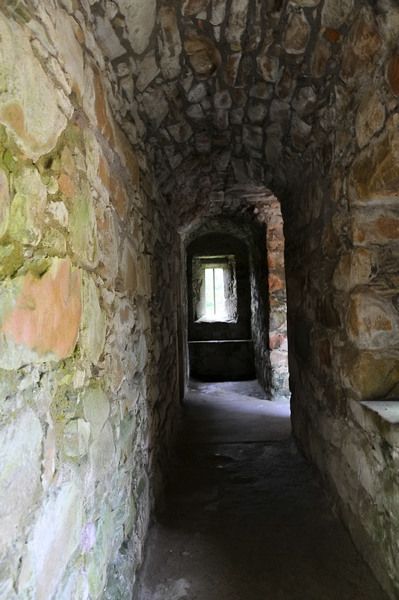
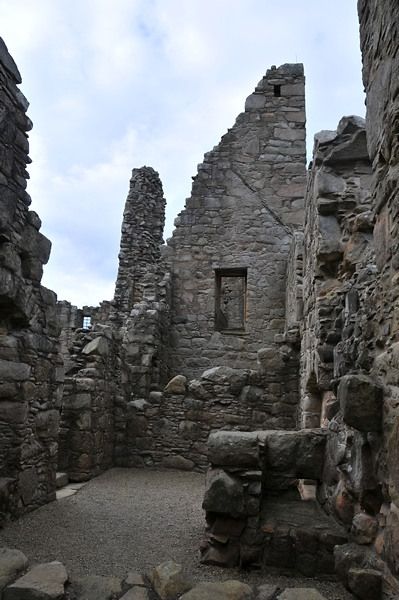
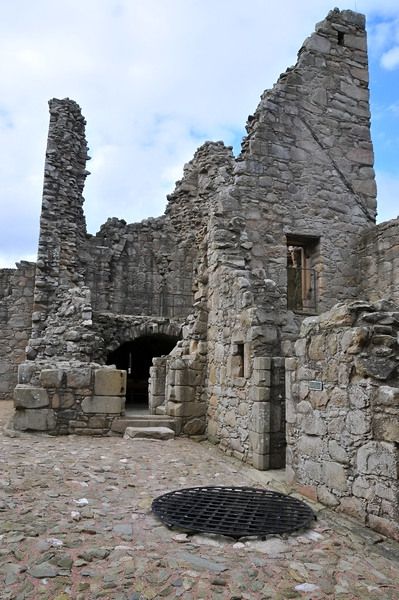
Castles of Scotland - Tolquhon Castle
Continue reading in this gallery
Scottish Castles
Castles of Scotland- Balvaird
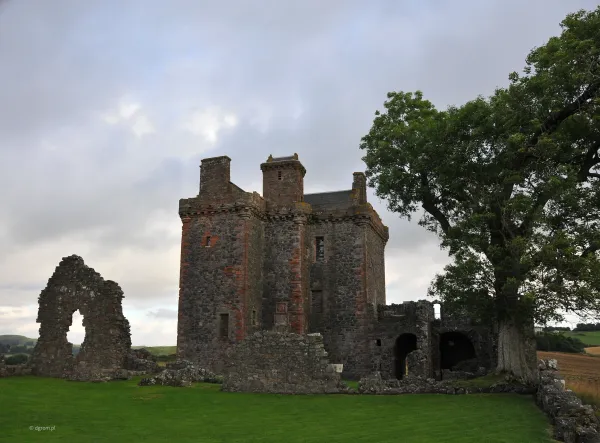
Balvaird Castle is located in central Scotland, near the town of Abernethy. It was built in the 16th century as a residence for Sir Andrew Murray, who was a close friend of Mary, Queen of Scots.
Scottish Castles
Scottish Castles - Dunbar
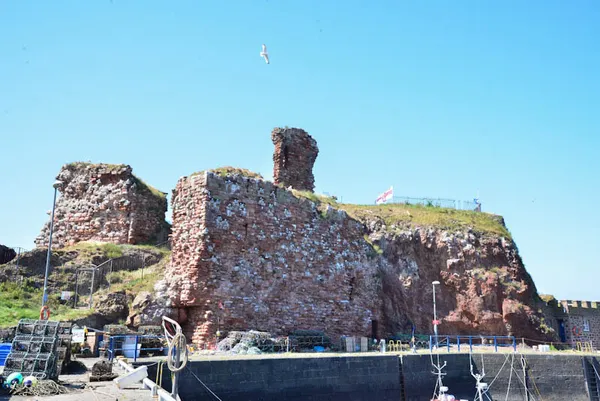
If you stand beside the historic harbour in the town of Dunbar,your eyes are quickly drawn to the broken red ruins rising from the rocks above the North Sea.These jagged remains belong to Dunbar Castle,once one of the strongest and most strategically important fortresses in Scotland.
Scottish Castles
Castles of Scotland - Finlarig
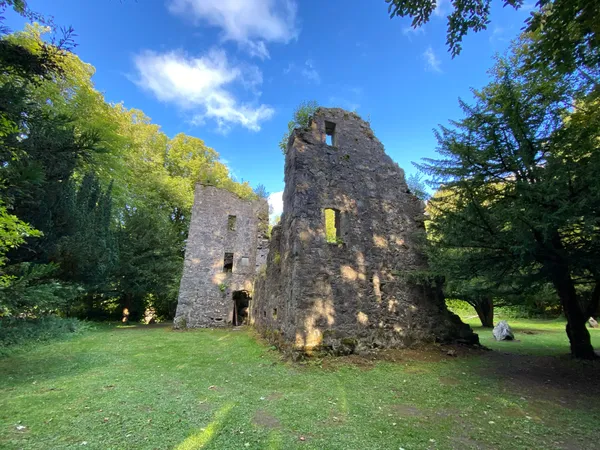
Finlarig Castle is a historic castle located in central Scotland, in the county of Perthshire. The castle belonged to Clan Campbell and was an important administrative and commercial center in the region.
Scottish Castles
Scottish Castles - Craigmillar
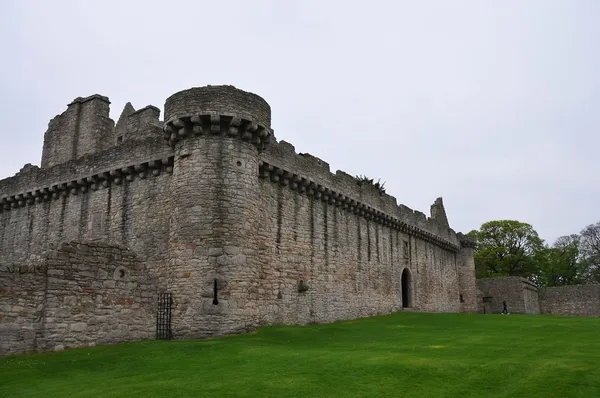
Craigmillar Castle is a ruined medieval castle in Edinburgh, Scotland. It is located about 5 km from the city centre.