
Castles of Scotland - Dunnottar
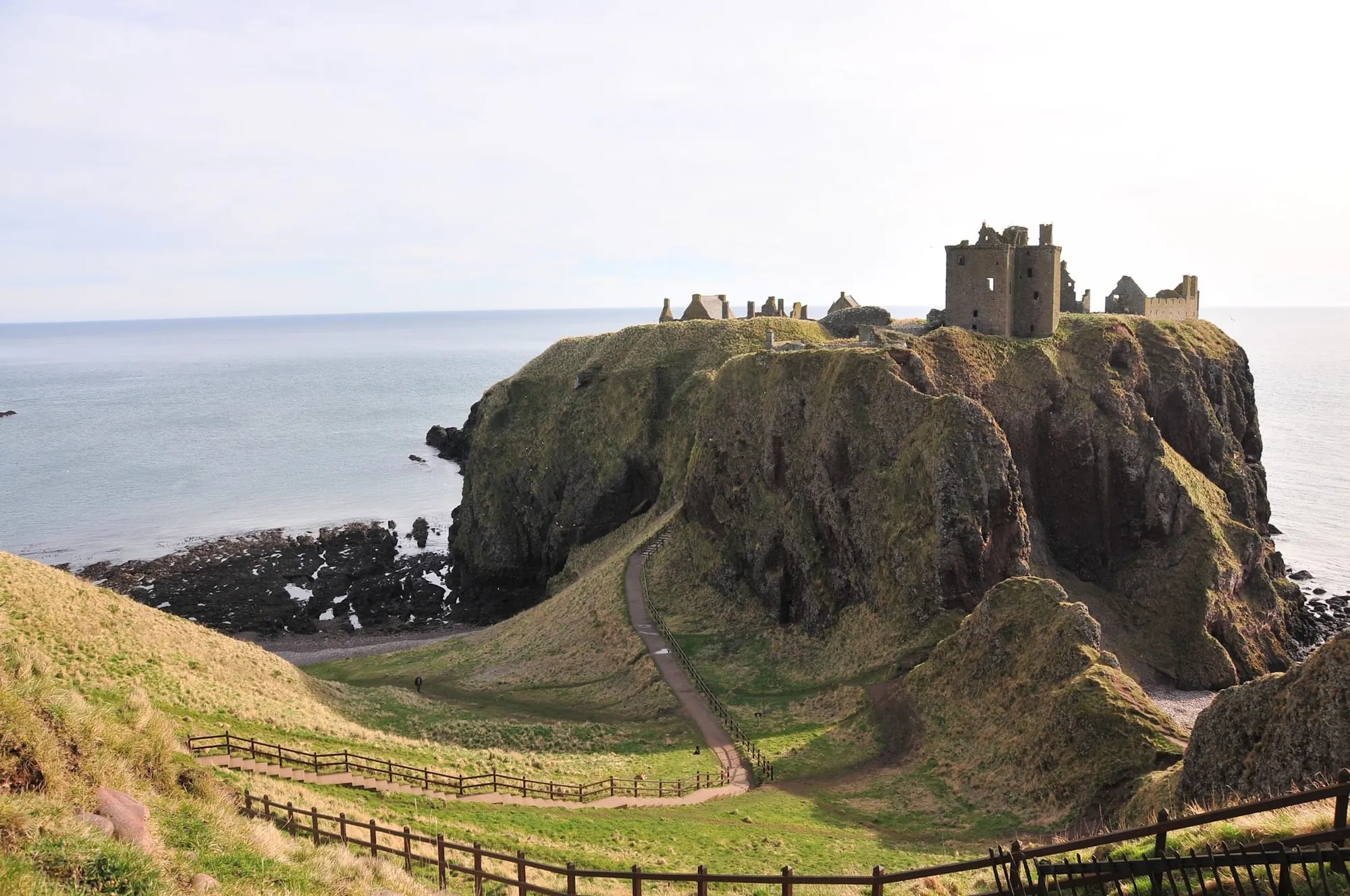
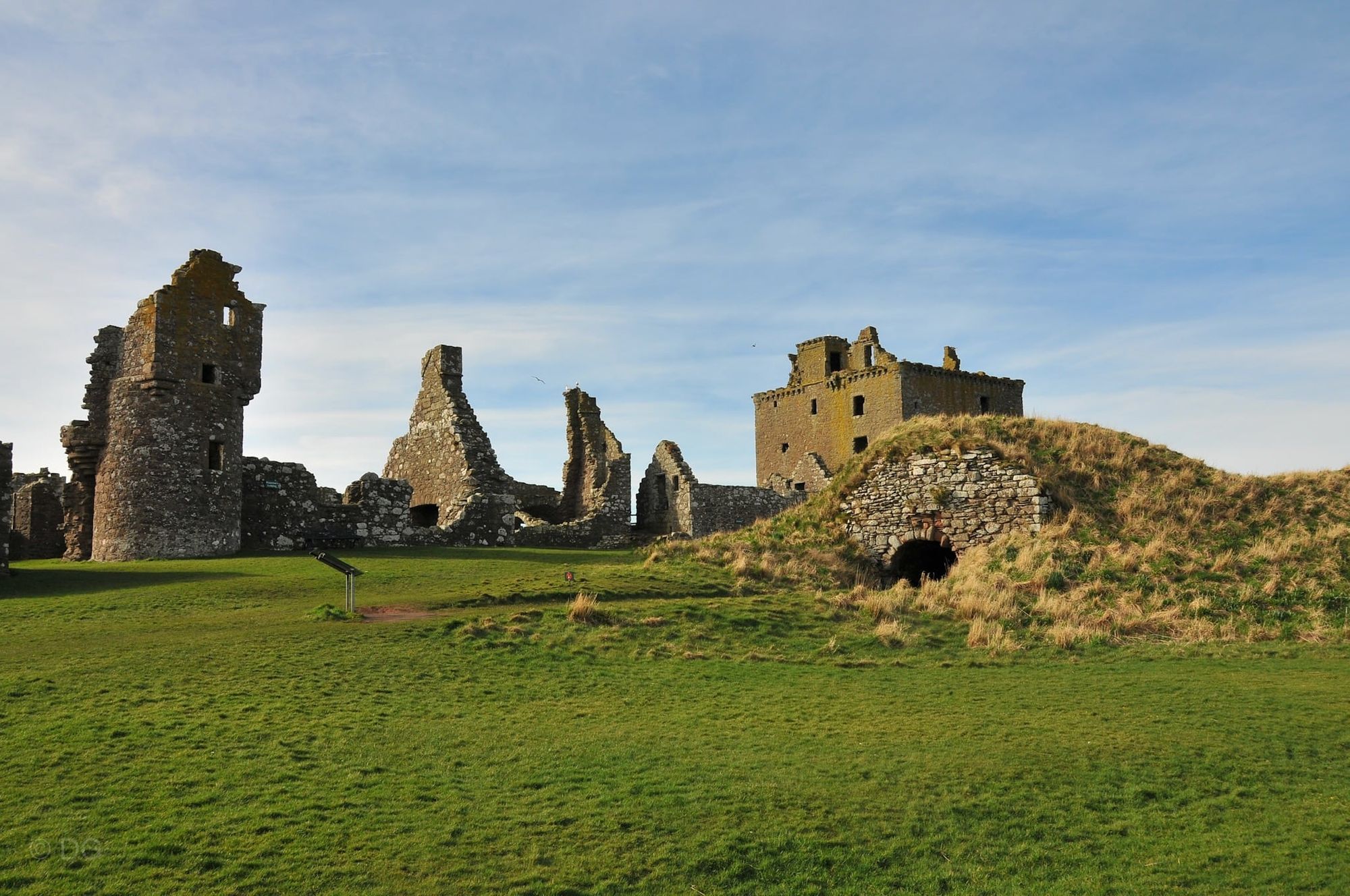
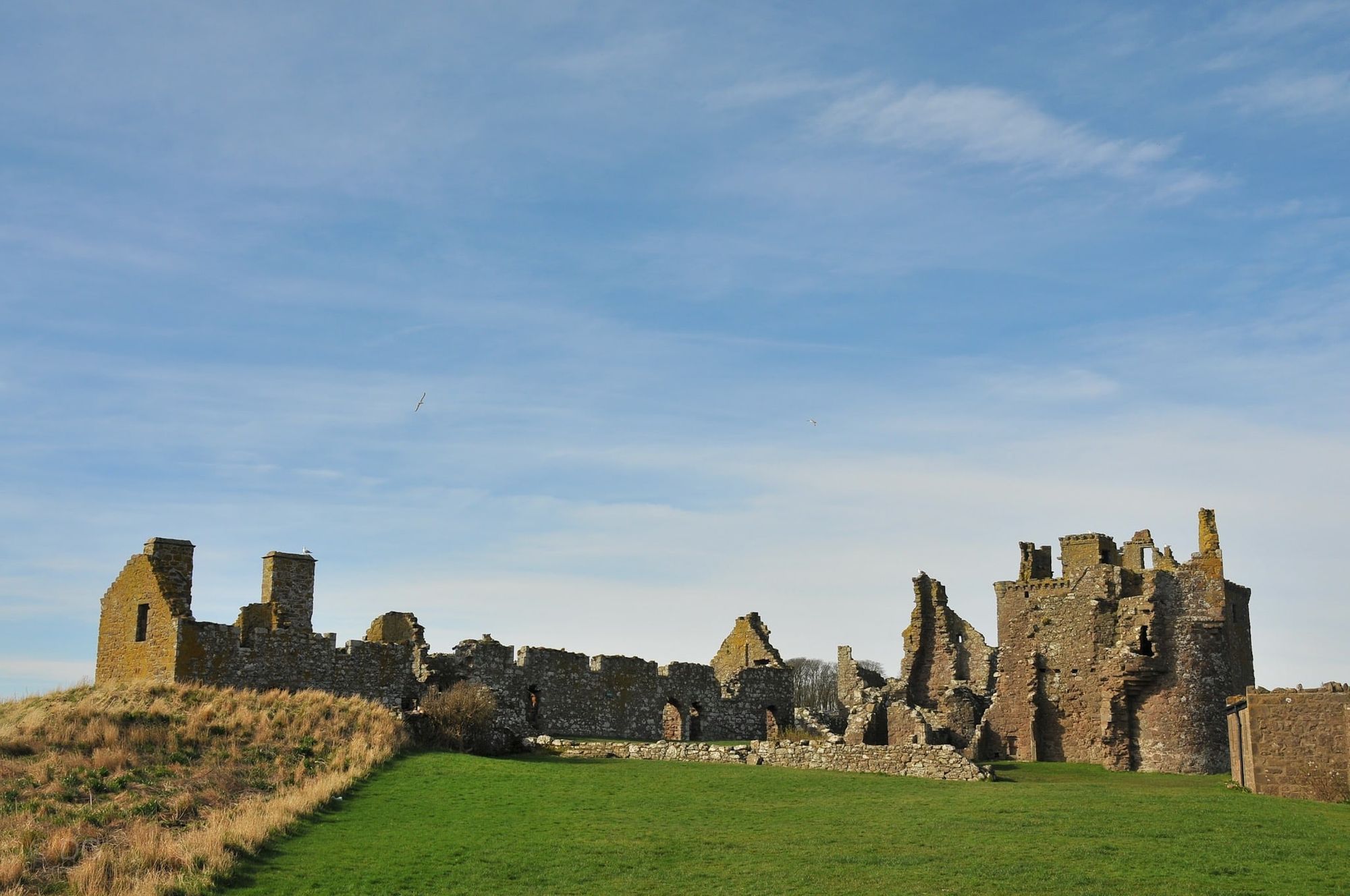
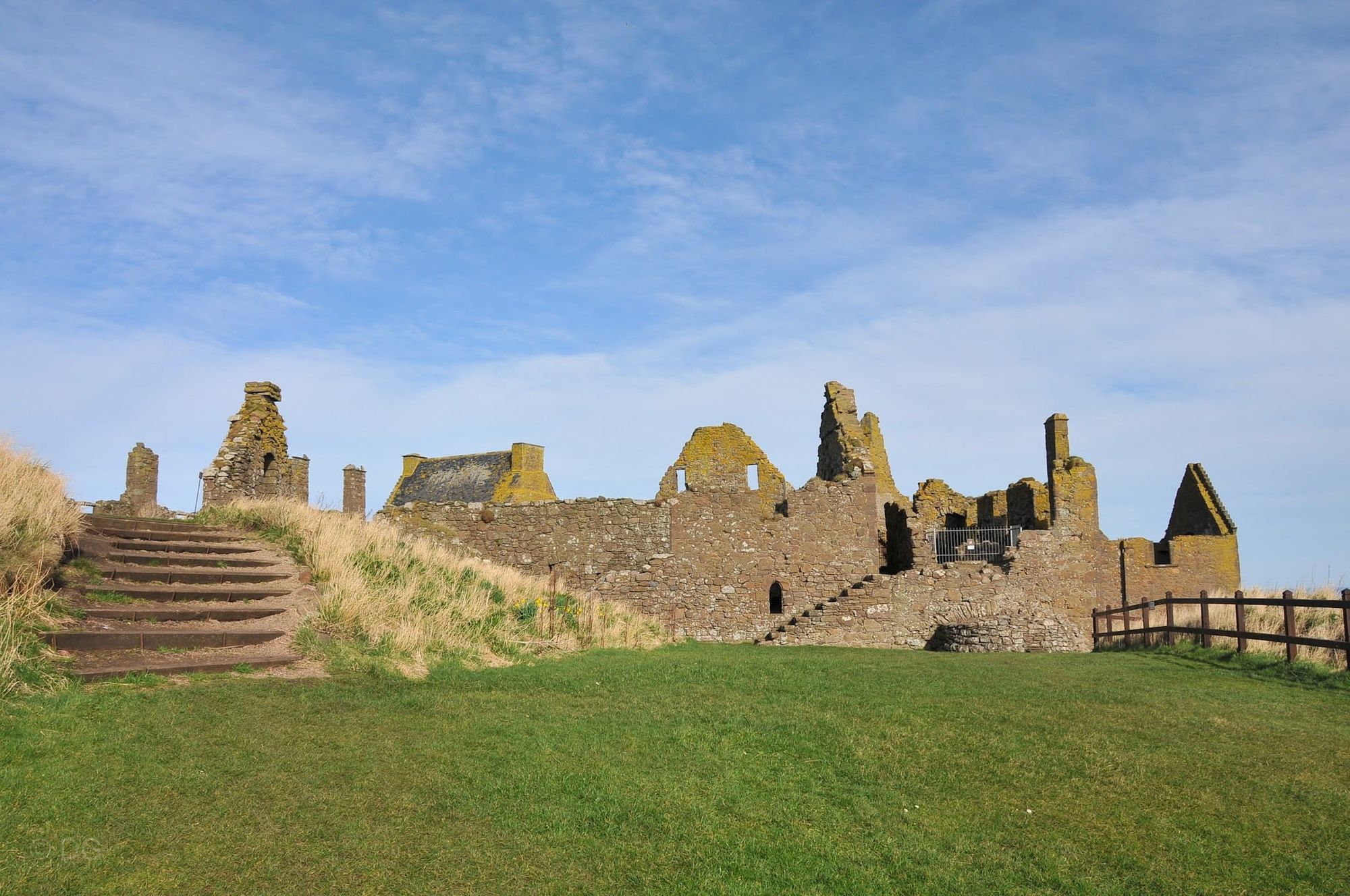
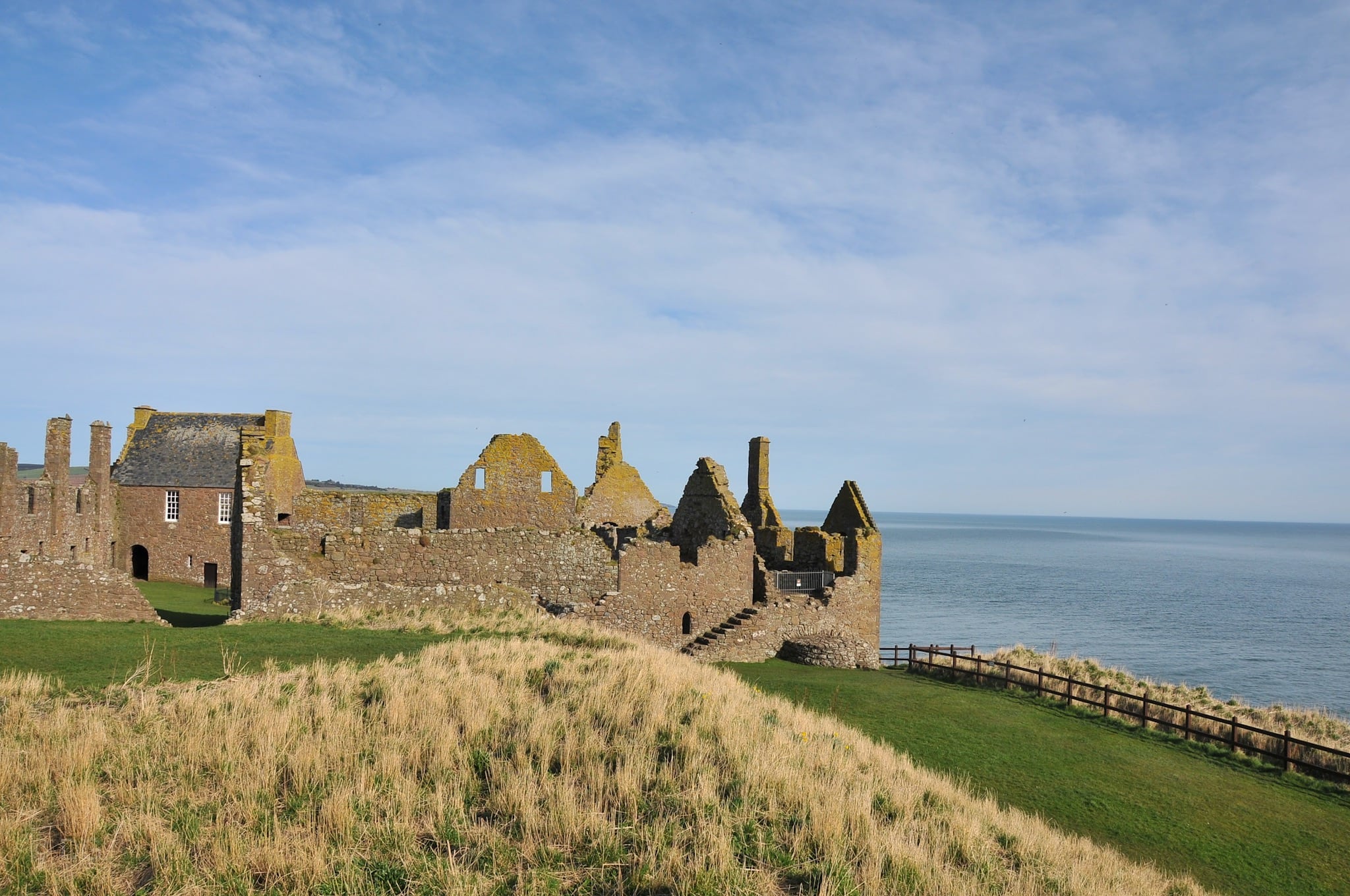
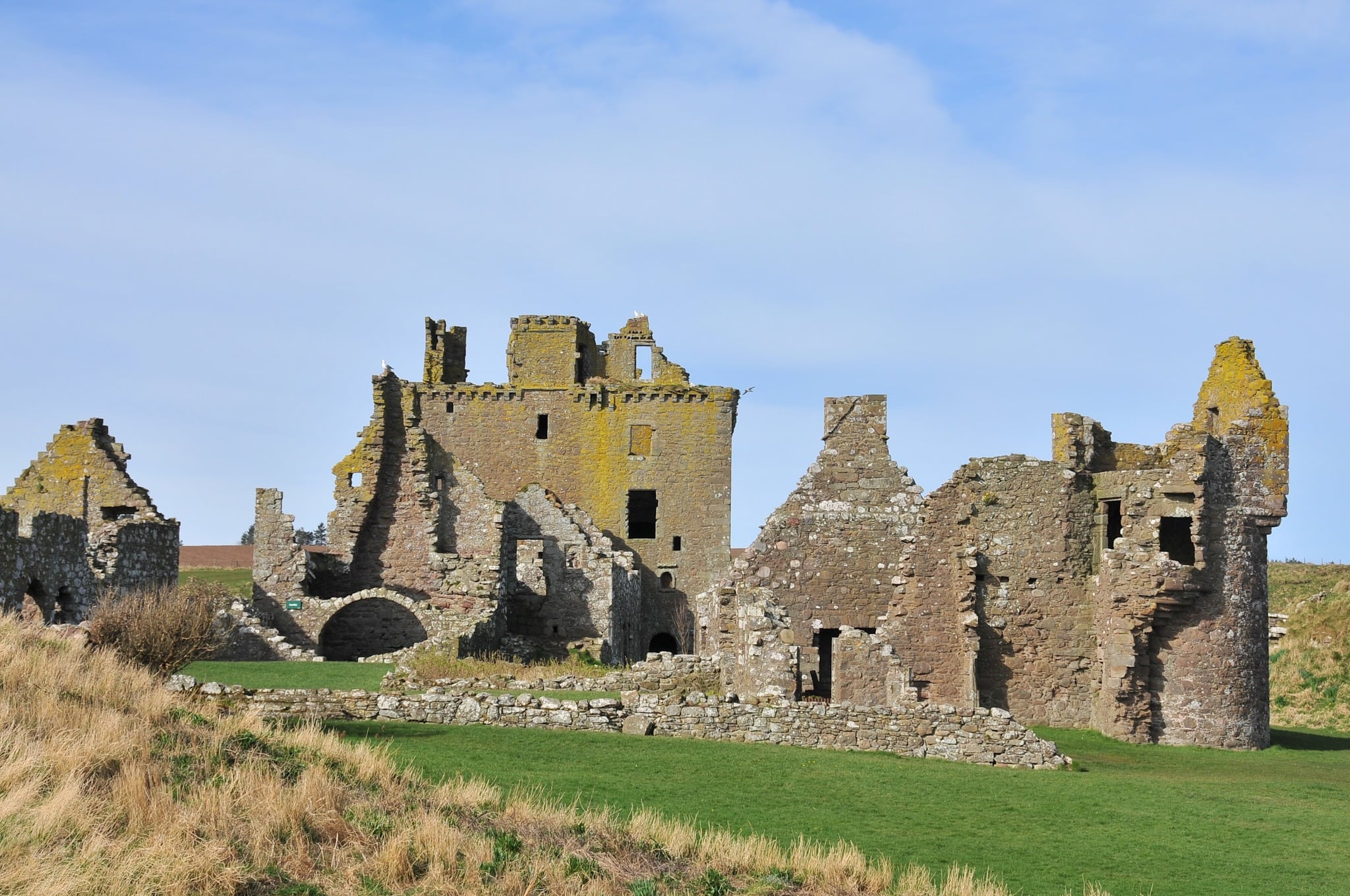
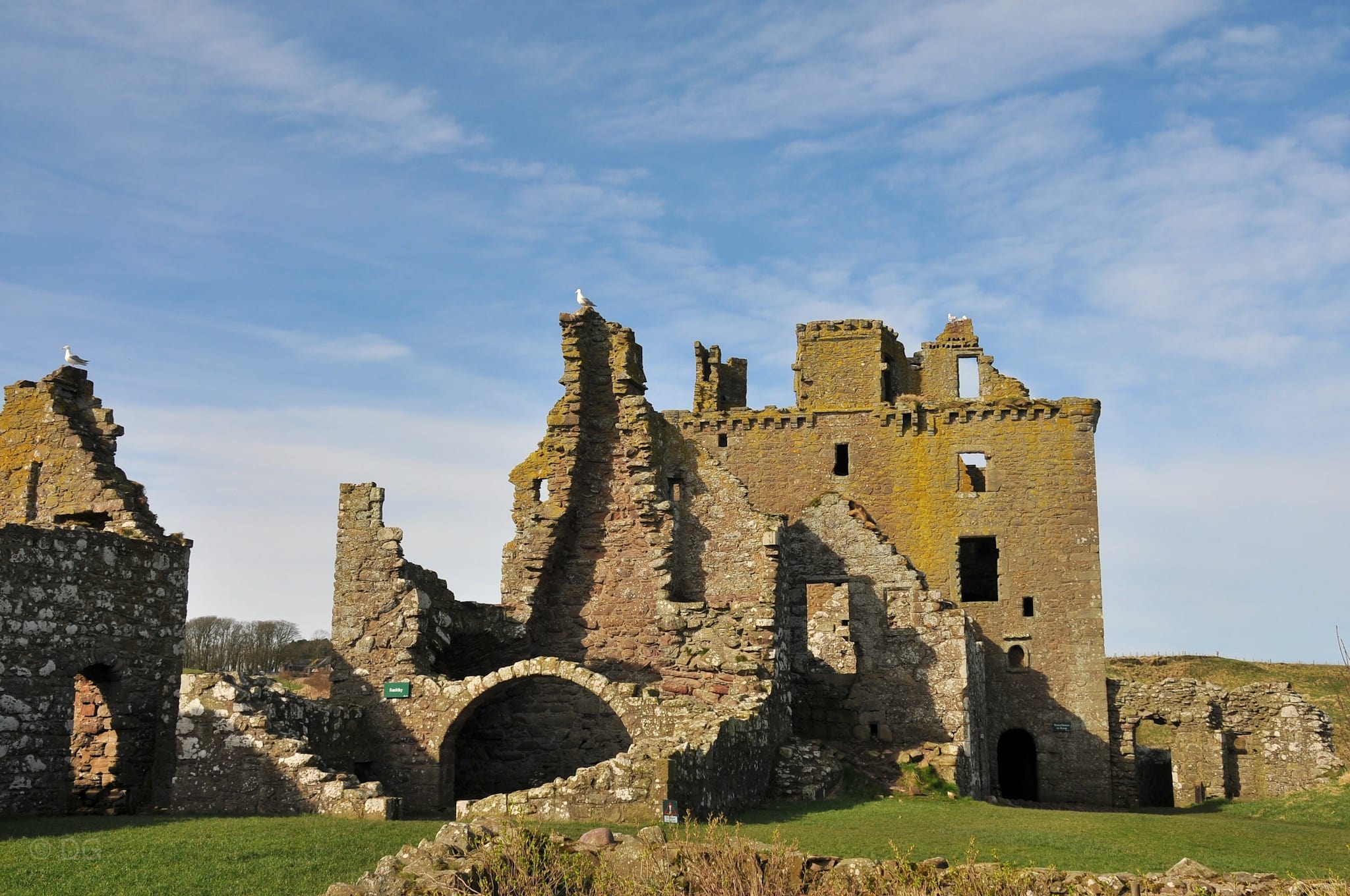
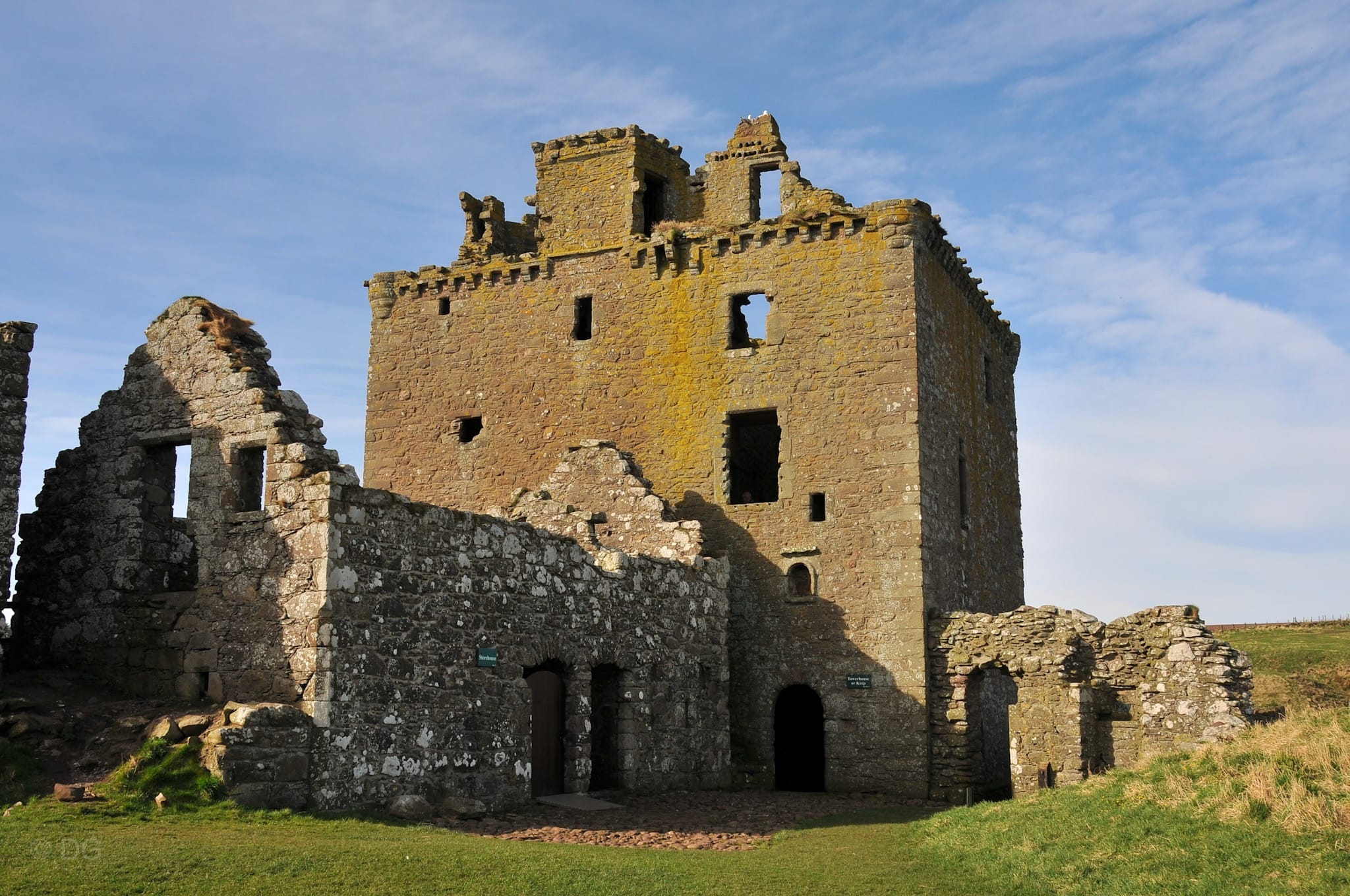
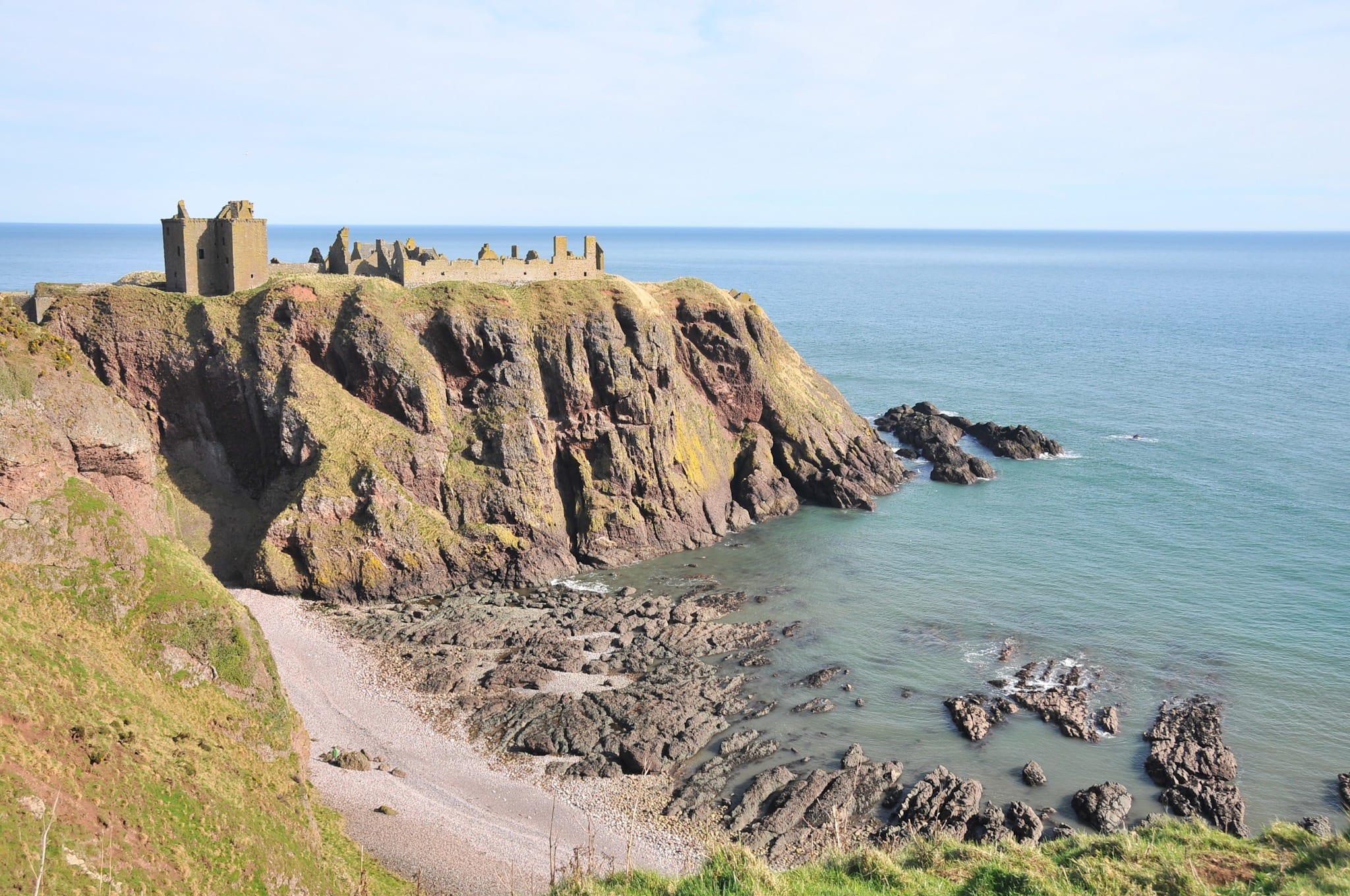
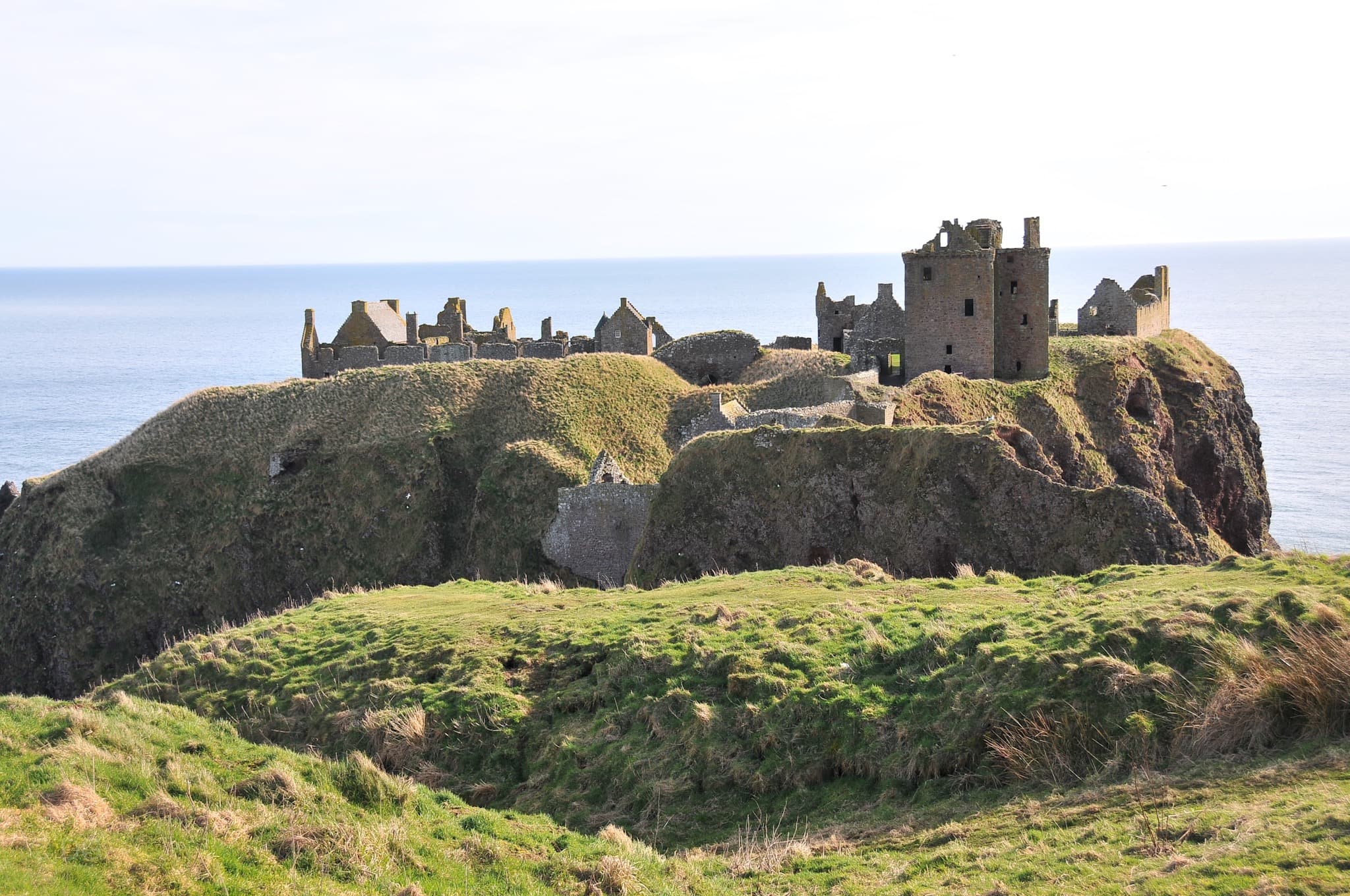
Castles of Scotland-Dunnottar Castle.Dunnottar Castle is a castle in Scotland, located on a rocky coastline in Stonehaven in the county of Kincardine and Deeside.
Castles of Scotland – Dunnottar Castle
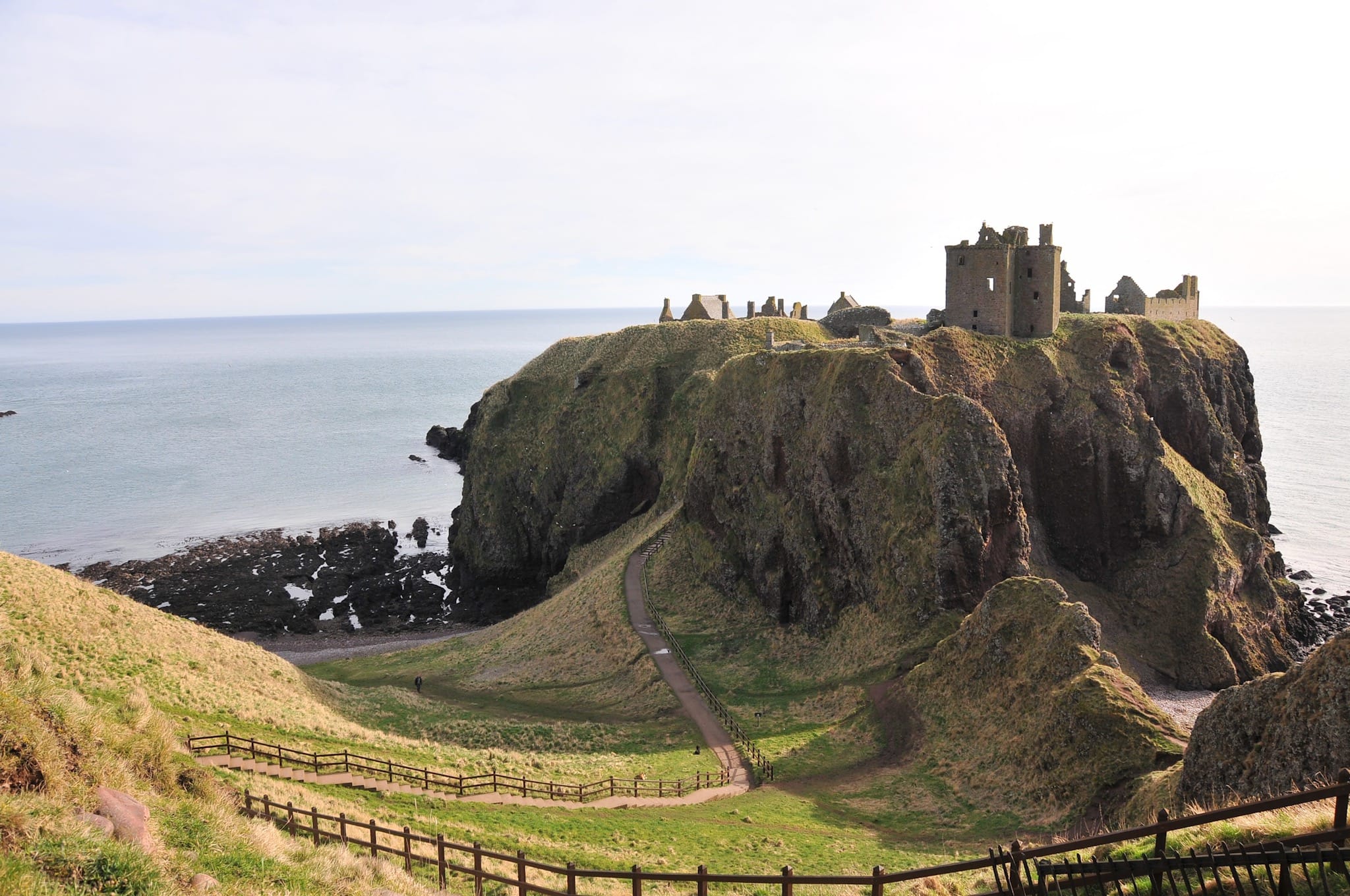
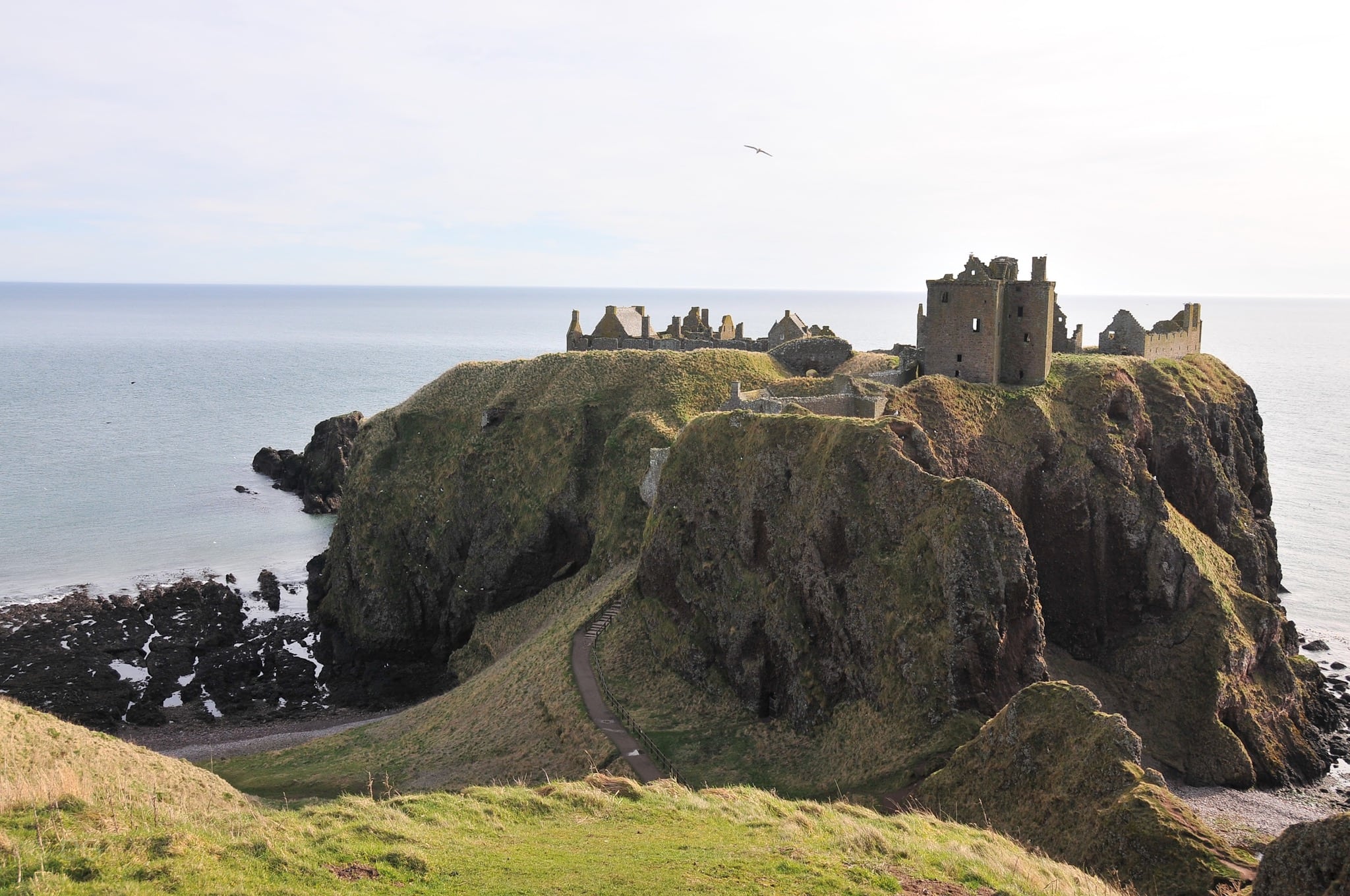
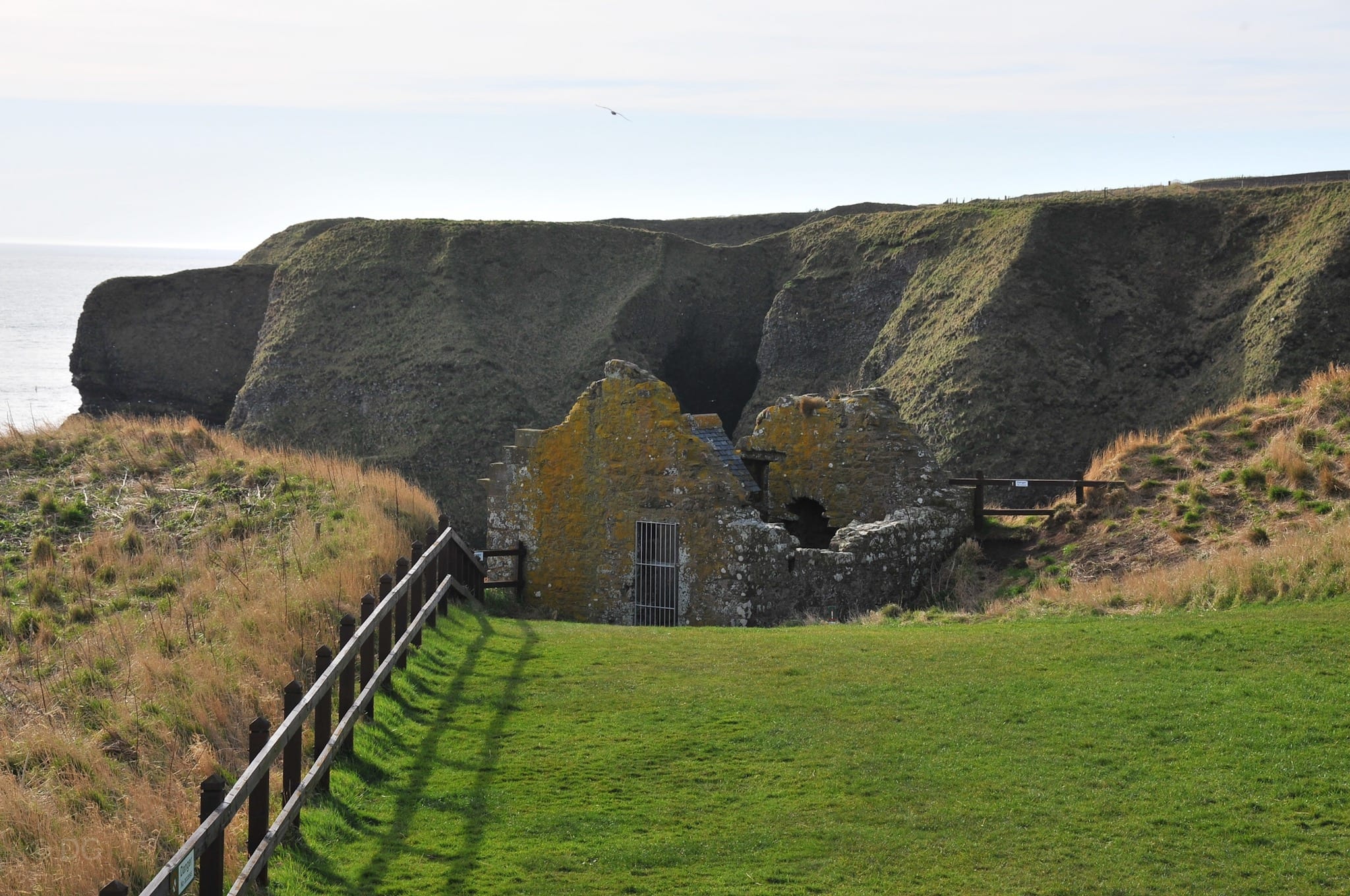
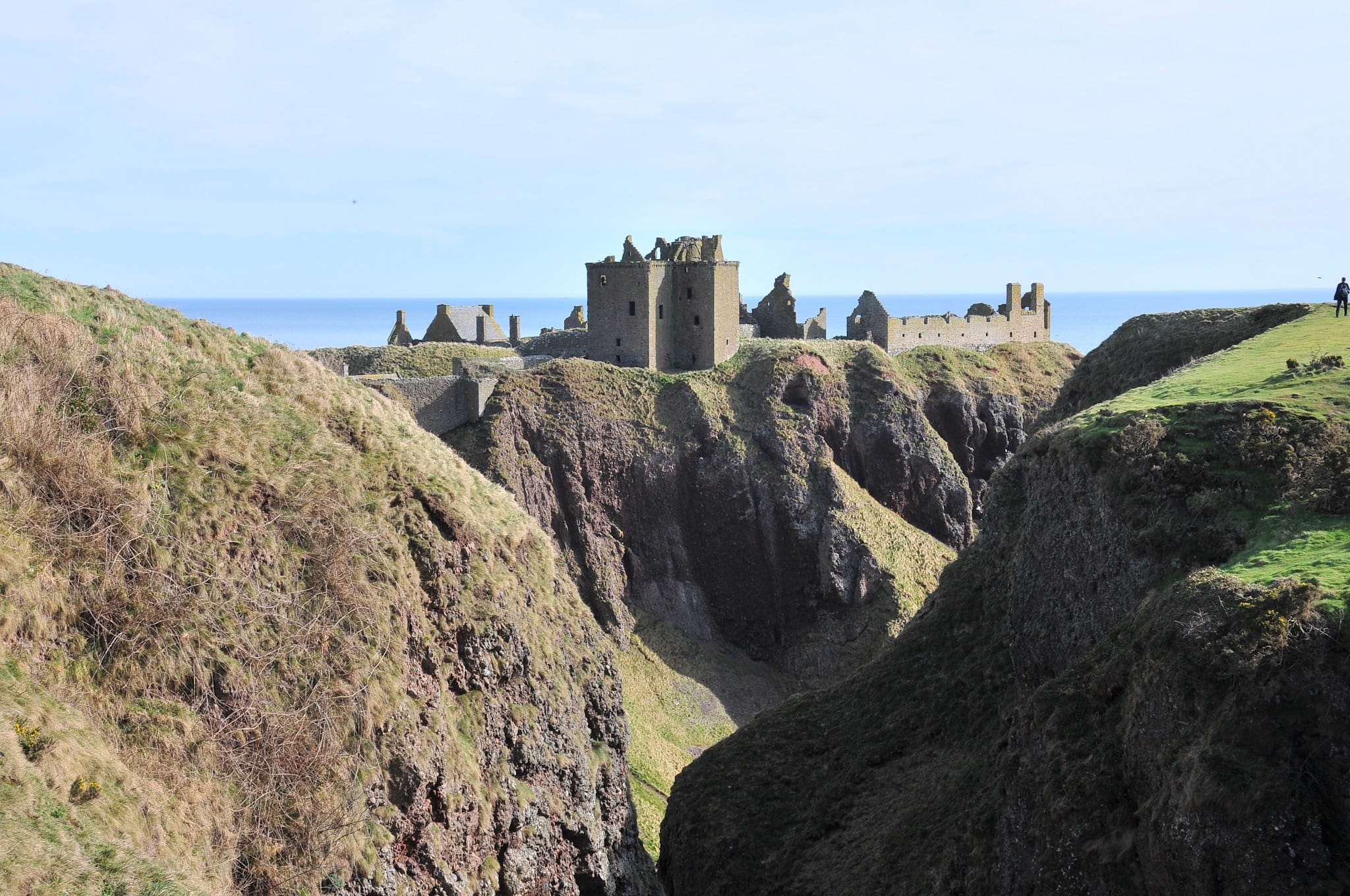
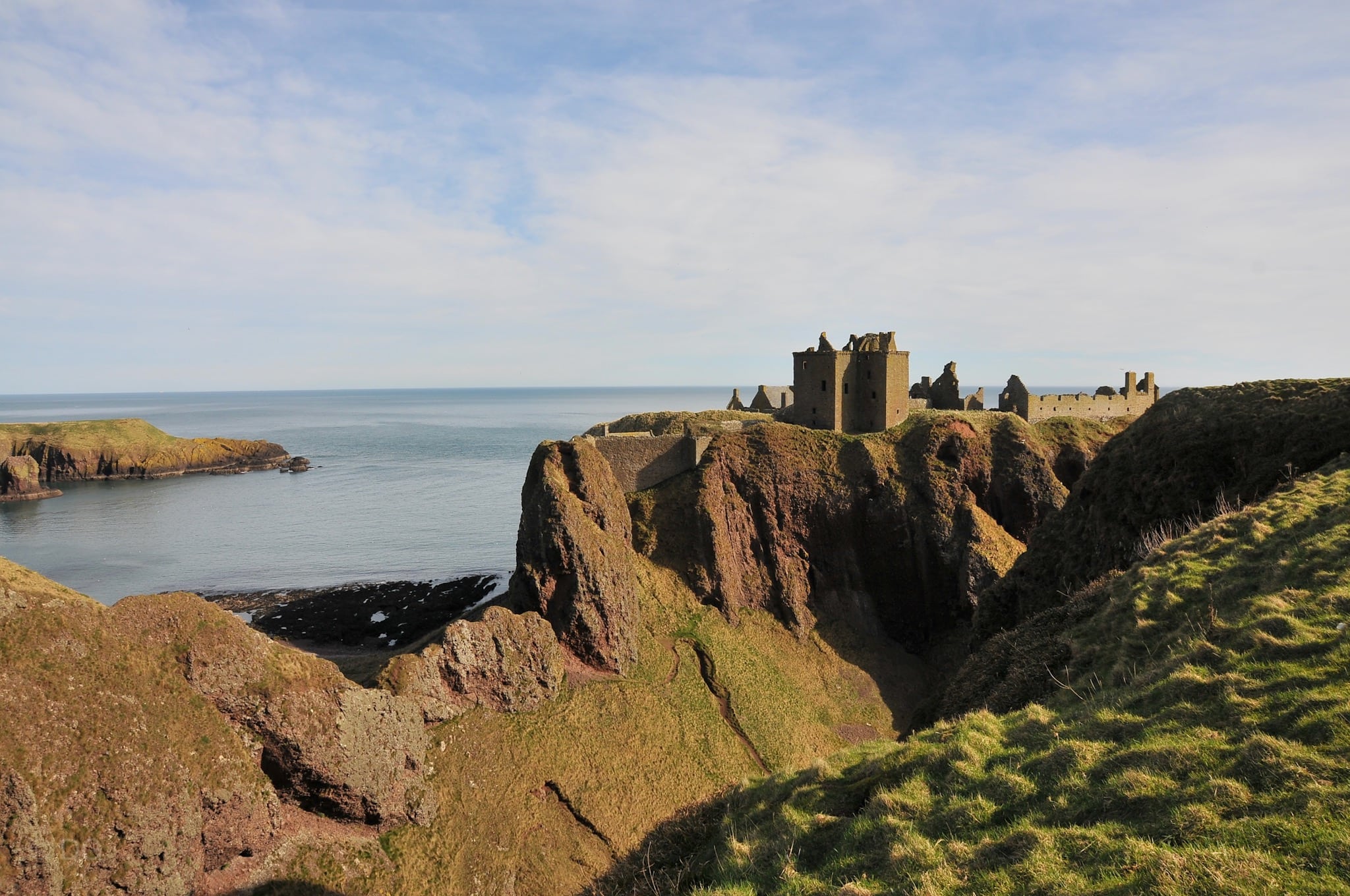
Perched dramatically on a rocky headland high above the North Sea, Dunnottar Castle is one of the most iconic and breathtaking castles in Scotland. Located just south of Stonehaven in Aberdeenshire, the fortress occupies a naturally defensive position, surrounded by steep cliffs on three sides and connected to the mainland by a narrow strip of land.
Its spectacular setting, combined with centuries of turbulent history, has made Dunnottar one of the most famous and photographed castles in the country.
Early Origins
The history of Dunnottar stretches back far beyond the medieval castle visible today.
Archaeological evidence suggests that the site was occupied during the early medieval period and may have been an important Pictish stronghold. The strategic location overlooking the North Sea would have made it a valuable defensive and administrative centre long before the construction of the later stone fortress.
According to tradition, Saint Ninian visited the site in the 5th century and established an early Christian community. While the historical details remain uncertain, Dunnottar has long been associated with some of the earliest chapters of Scottish history.
Medieval Development
The castle that visitors see today was largely built between the 14th and 16th centuries.
During the Middle Ages, Dunnottar became one of the principal strongholds of the powerful Keith family, Earls Marischal of Scotland. As Great Marischals of Scotland, the Keiths held one of the highest offices in the kingdom and played a significant role in national politics.
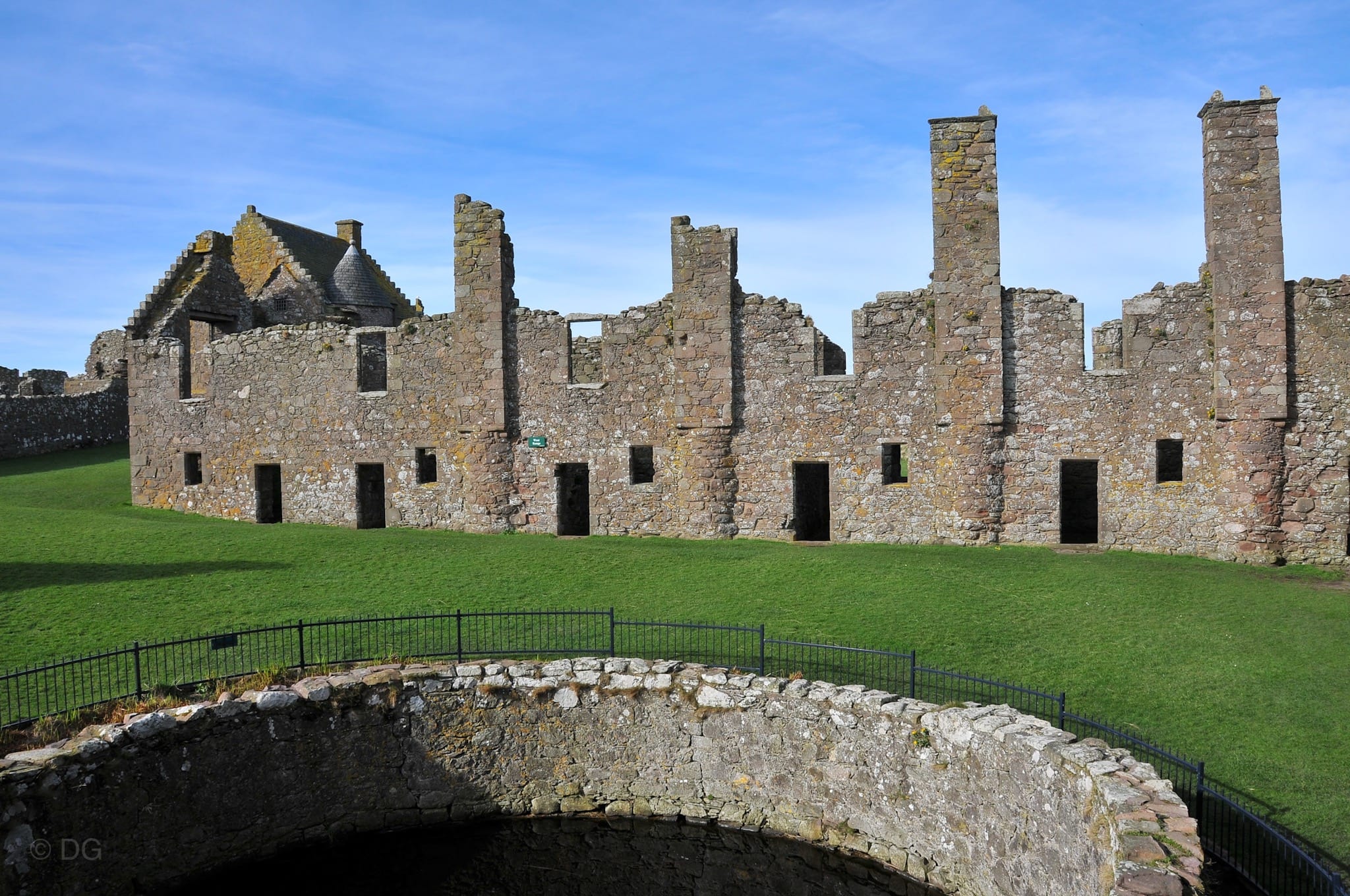
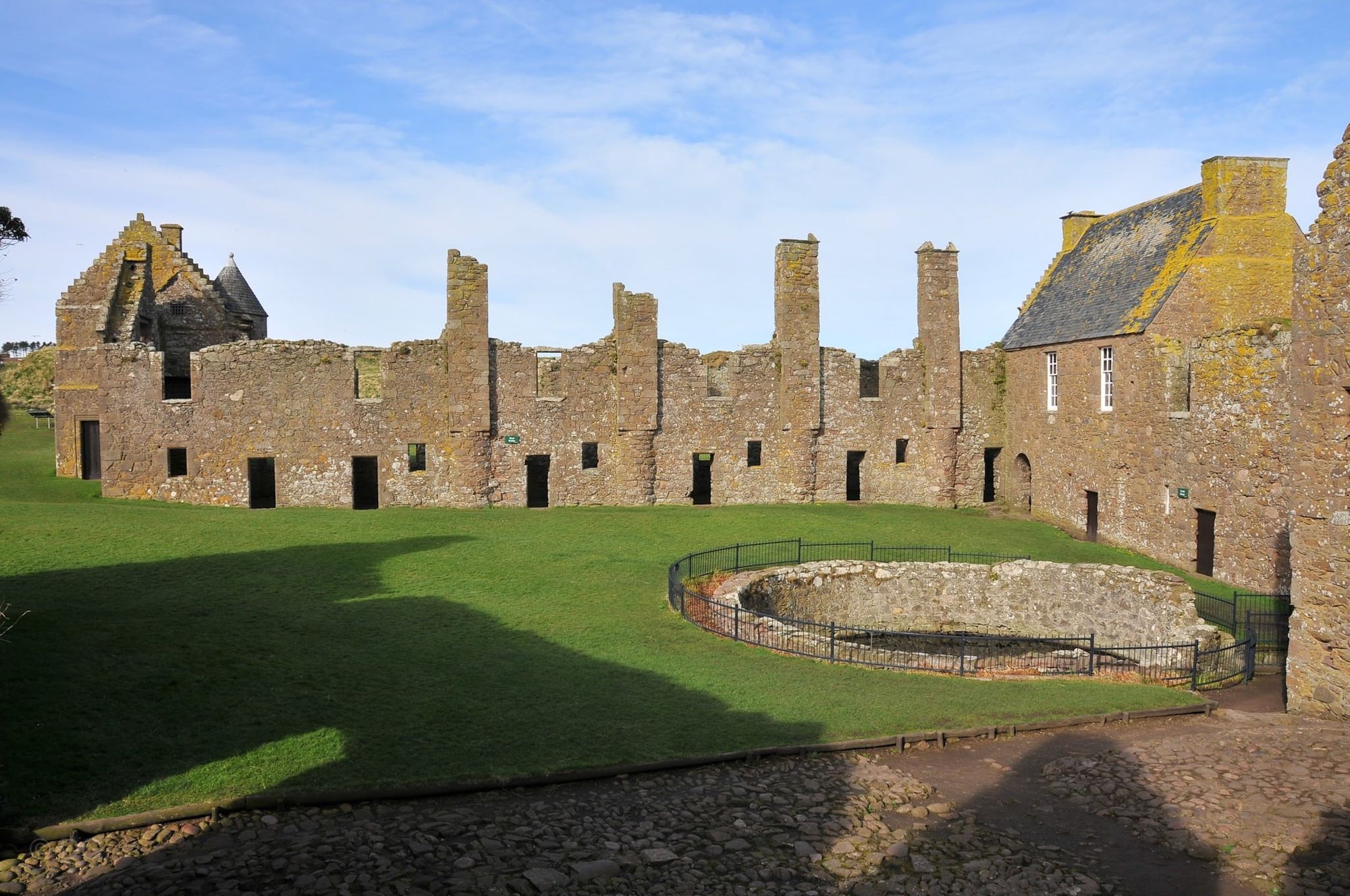
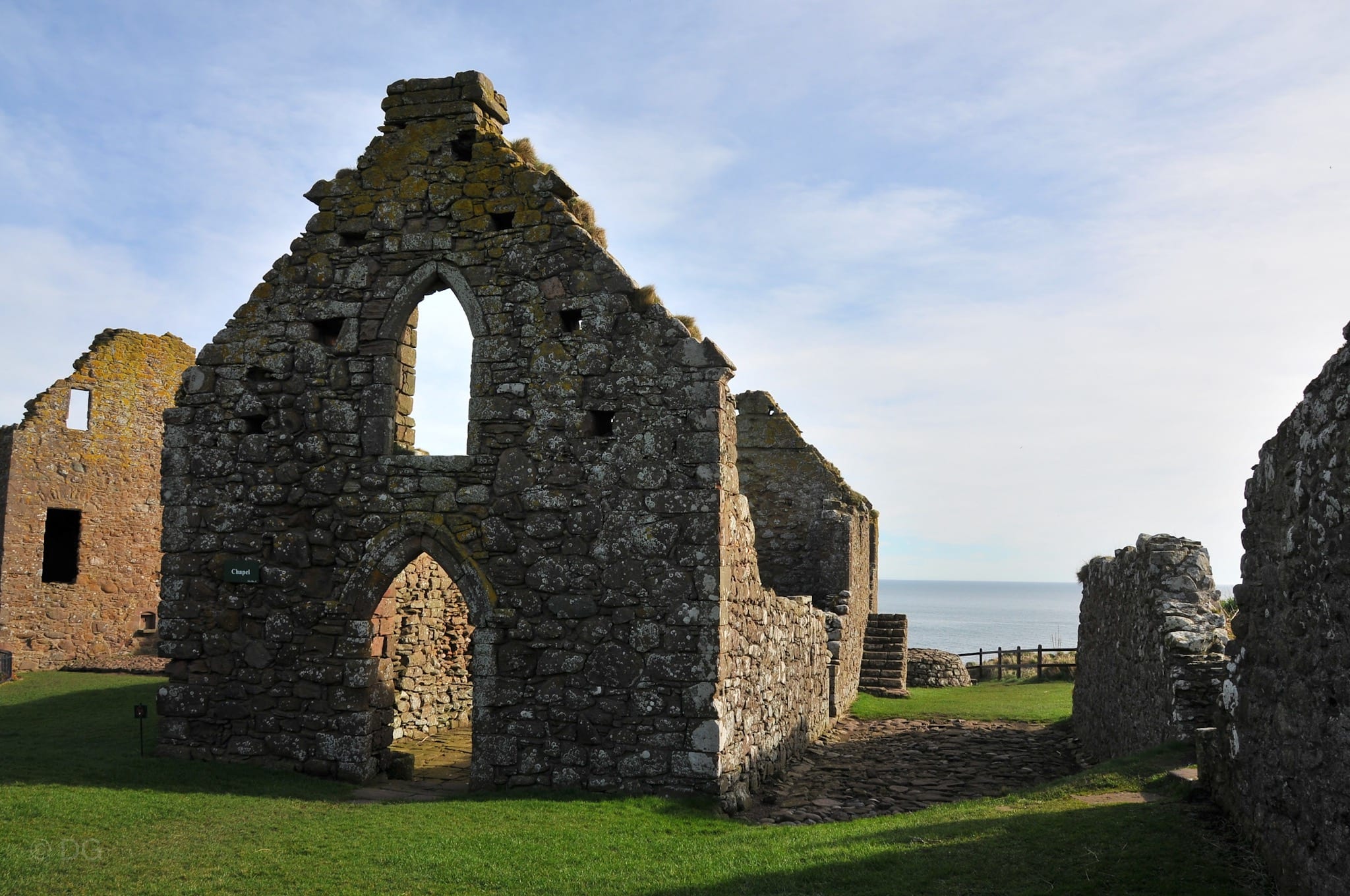
Over time, the castle evolved into a substantial fortress containing residential buildings, defensive structures, storerooms, a chapel, stables, workshops, and military facilities.
William Wallace and the Wars of Independence
One of the most famous events in Dunnottar's history occurred during the Wars of Scottish Independence.
In 1297, William Wallace captured the castle from an English garrison. According to later accounts, the occupying soldiers sought refuge inside a chapel within the castle grounds, which was subsequently set on fire during the assault.
Although some details remain debated by historians, the event became one of the most dramatic episodes associated with Wallace's campaign against English rule.
The Keith Family and Their Fortress
For centuries, Dunnottar remained the seat of the Keith family.
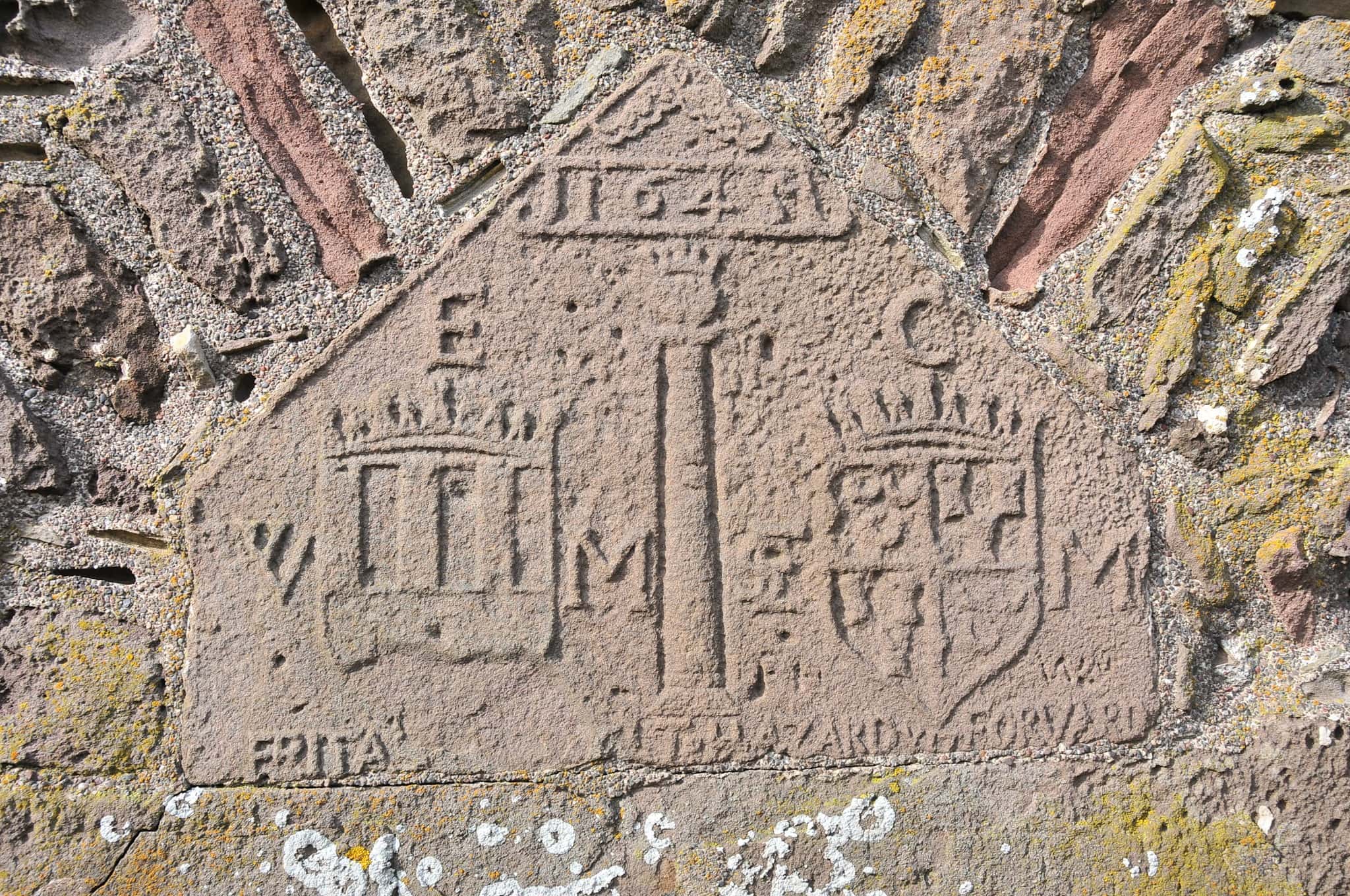
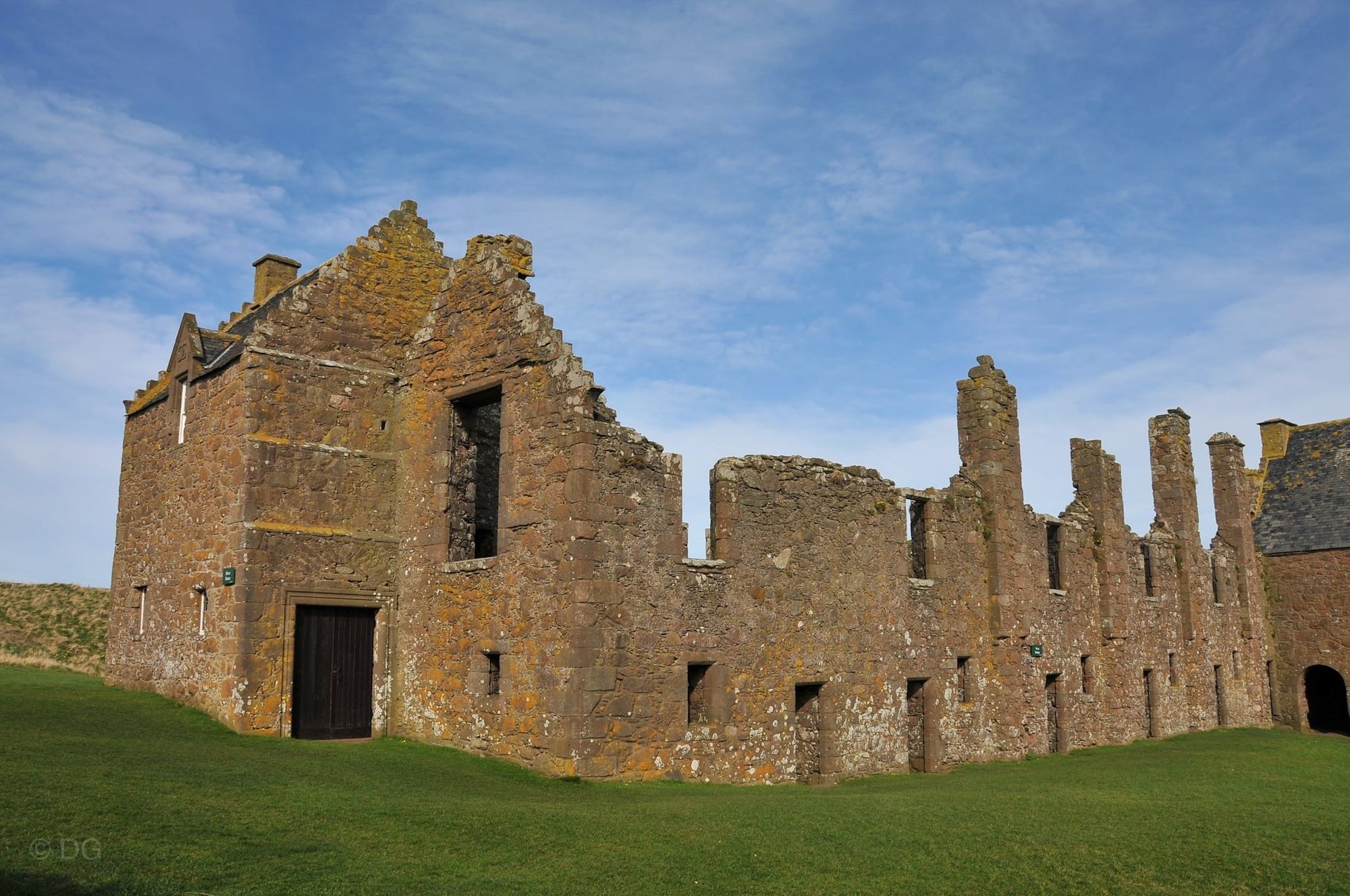
The most significant expansion took place during the 16th century, when George Keith, 5th Earl Marischal, transformed the medieval fortress into an impressive noble residence while retaining its formidable defensive qualities.
Many of the buildings visible today date from this period, including residential ranges designed to accommodate one of Scotland's most powerful aristocratic families.
Saving the Honours of Scotland
Perhaps the most important chapter in the castle's history came during the Wars of the Three Kingdoms in the 17th century.
In 1651, Oliver Cromwell's forces invaded Scotland and sought to capture the Honours of Scotland – the Crown, Sceptre, and Sword of State. These priceless symbols of Scottish sovereignty were brought to Dunnottar Castle for safekeeping.
The castle was besieged by Cromwell's army, but the regalia were secretly smuggled out and hidden before the fortress surrendered.
Their successful rescue ensured the survival of Scotland's national treasures, which can still be seen today in Edinburgh Castle.
The Whig's Vault
Dunnottar also witnessed darker episodes.
In 1685, around 167 Covenanters were imprisoned in a chamber known as the Whig's Vault. They were held in harsh conditions after refusing to swear loyalty to the Crown.
Several prisoners died during their imprisonment, while others escaped or were later transported overseas.
This remains one of the most tragic chapters in the castle's history.
Decline and Ruin
By the early 18th century, Dunnottar's military importance had declined.
Following the involvement of the Keith family in the Jacobite Rising of 1715, much of their property was confiscated by the government. The castle was gradually abandoned and allowed to fall into ruin.
Despite centuries of exposure to the harsh North Sea climate, substantial sections of the fortress have survived remarkably well.
Architecture
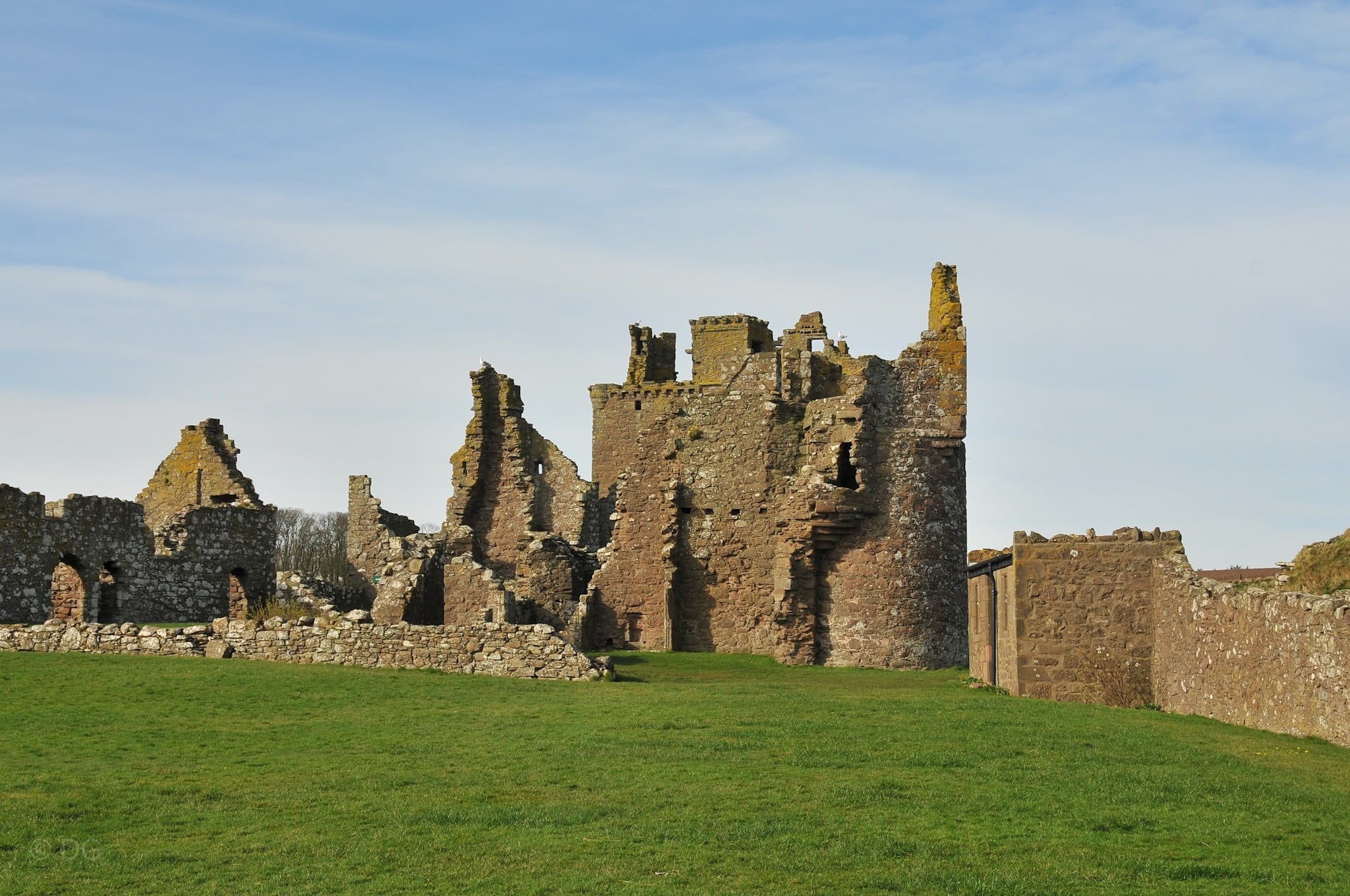
Dunnottar Castle is not a single tower but a vast fortified complex spread across a rocky peninsula.
The site includes defensive gateways, residential buildings, storerooms, stables, a chapel, prison chambers, and extensive courtyards.
Its natural defences were among its greatest strengths. The steep cliffs made direct assault extremely difficult, while the narrow land approach could be heavily fortified and easily defended.
The result was one of the strongest castle sites in Scotland.
Dunnottar Castle Today
Today Dunnottar Castle is one of Scotland's most visited historic attractions.
Visitors reach the castle via a steep footpath descending from the cliff tops before crossing the narrow approach to the fortress. The journey itself offers spectacular views of the coastline and the dramatic ruins.
The castle has also appeared in numerous films and television productions, including Hamlet (1990), further increasing its international reputation.
Conclusion
Dunnottar Castle is far more than a picturesque ruin. It is a place where Scotland's history unfolded through wars, sieges, royal politics, and acts of remarkable courage.
From its possible Pictish origins to William Wallace's campaign, the defence of the Scottish Crown Jewels, and the imprisonment of the Covenanters, Dunnottar has witnessed some of the most important events in the nation's story.
Combined with its extraordinary cliff-top setting above the North Sea, it remains one of the most unforgettable castles in Scotland and an essential destination for anyone interested in Scottish history, architecture, and photography.
Continue reading in this gallery
Scottish Castles
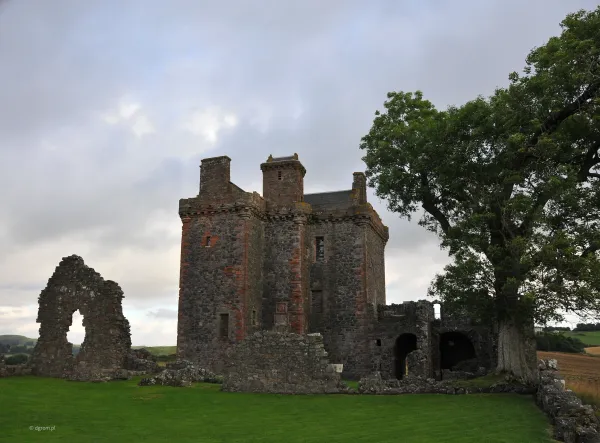
Castles of Scotland- Balvaird
Balvaird Castle is located in central Scotland, near the town of Abernethy. It was built in the 16th century as a residence for Sir Andrew Murray, who was a close friend of Mary, Queen of Scots.
Scottish Castles
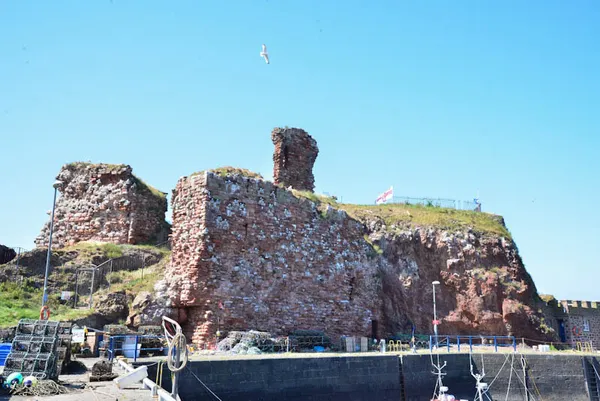
Scottish Castles - Dunbar
If you stand beside the historic harbour in the town of Dunbar,your eyes are quickly drawn to the broken red ruins rising from the rocks above the North Sea.These jagged remains belong to Dunbar Castle,once one of the strongest and most strategically important fortresses in Scotland.
Scottish Castles
Castles of Scotland - Finlarig
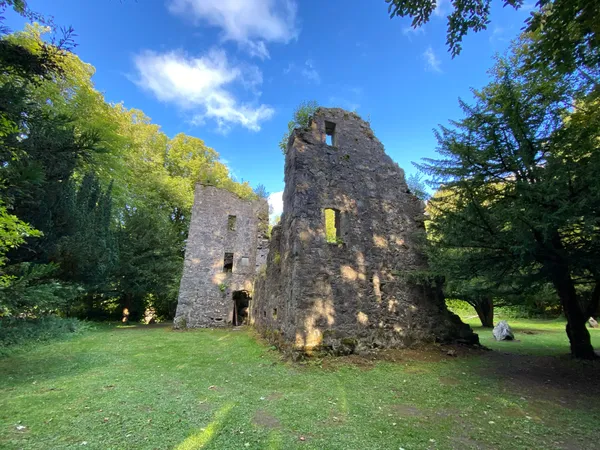
Finlarig Castle is a historic castle located in central Scotland, in the county of Perthshire. The castle belonged to Clan Campbell and was an important administrative and commercial center in the region.
Scottish Castles
Scottish Castles - Craigmillar
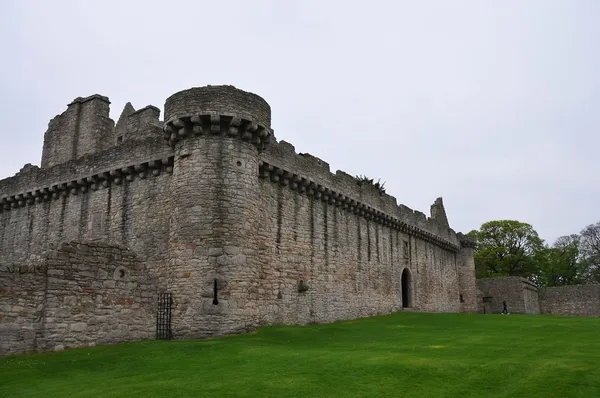
Craigmillar Castle is a ruined medieval castle in Edinburgh, Scotland. It is located about 5 km from the city centre.