
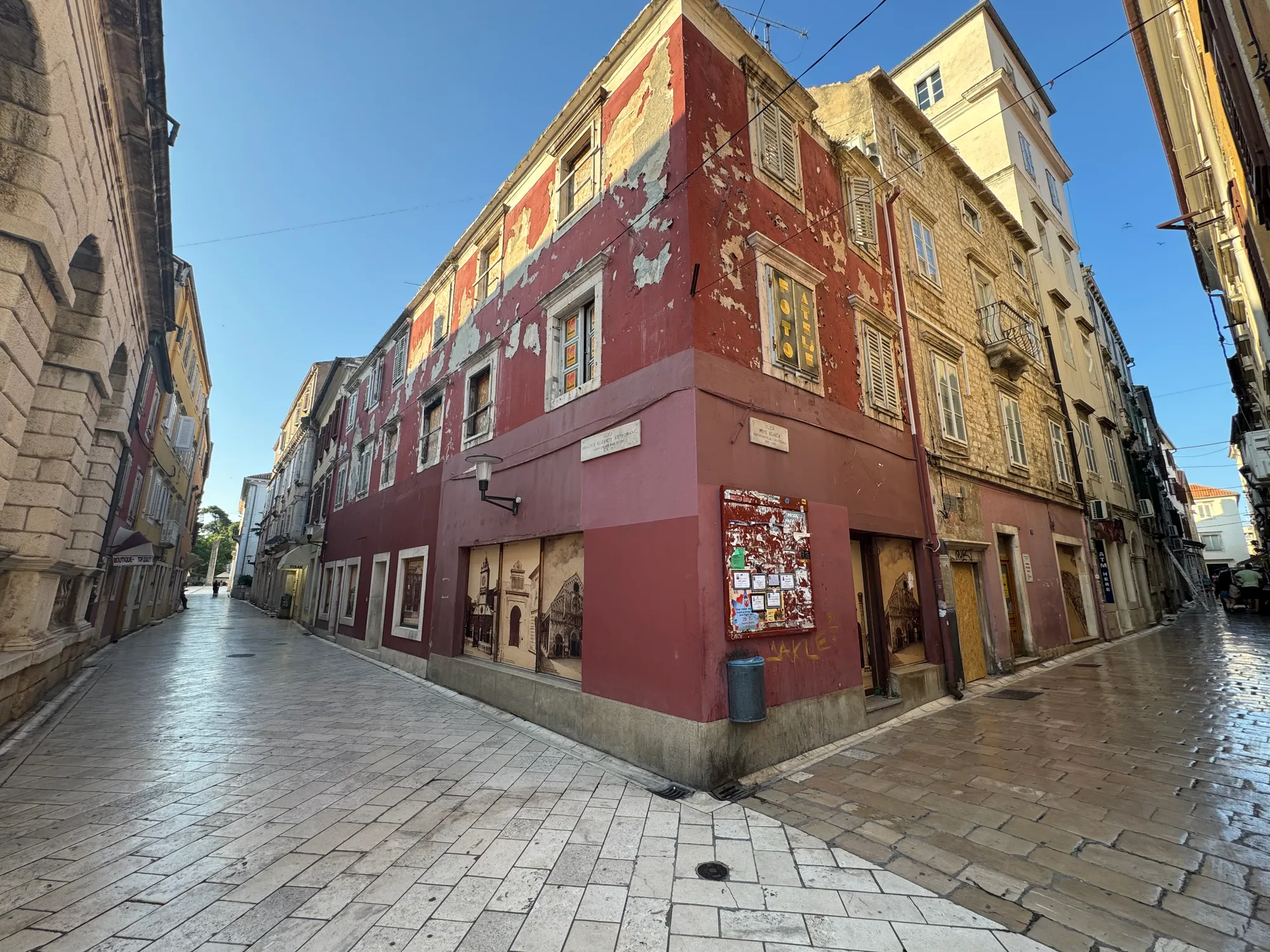
Reconstruction of Zadar.
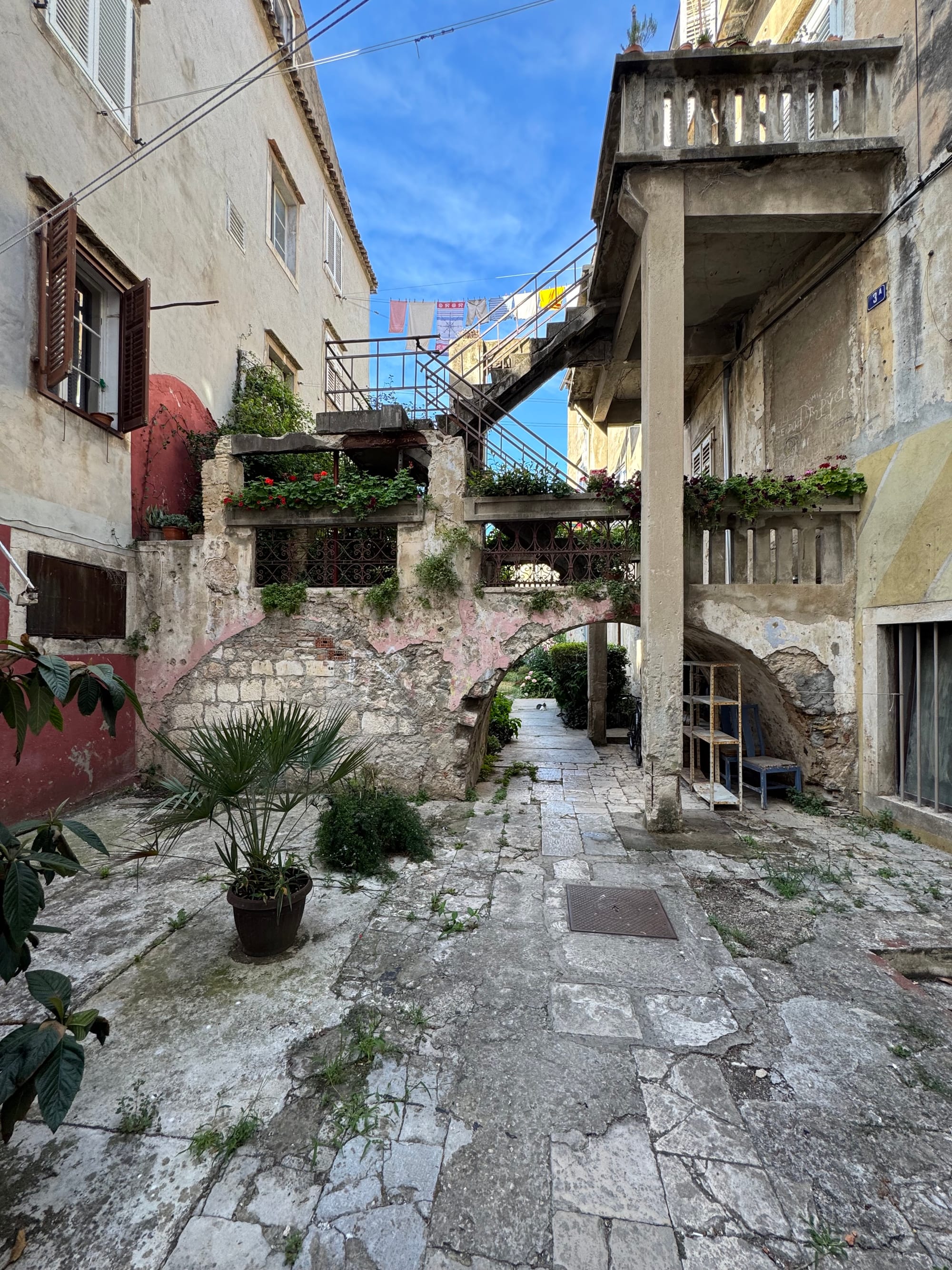
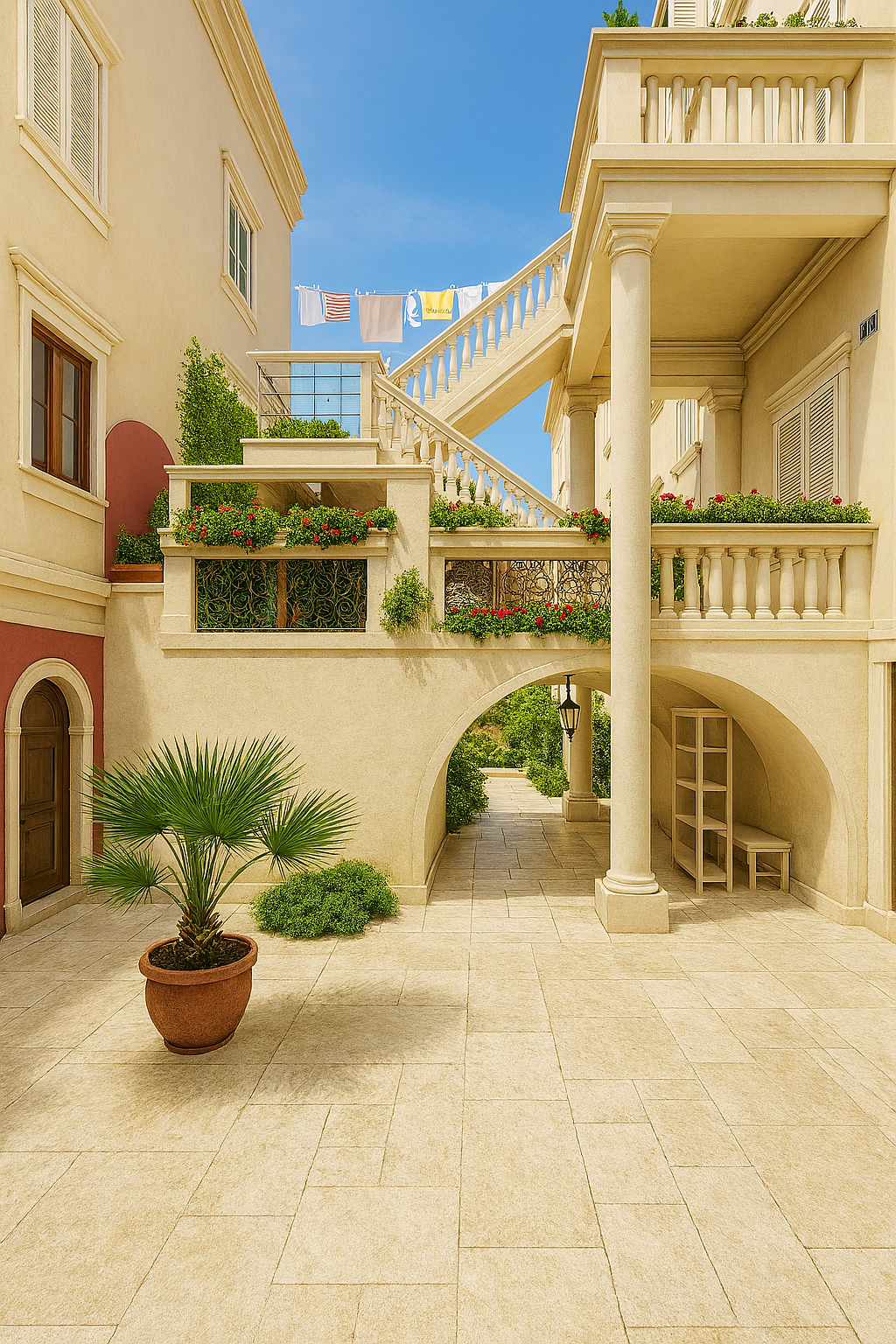
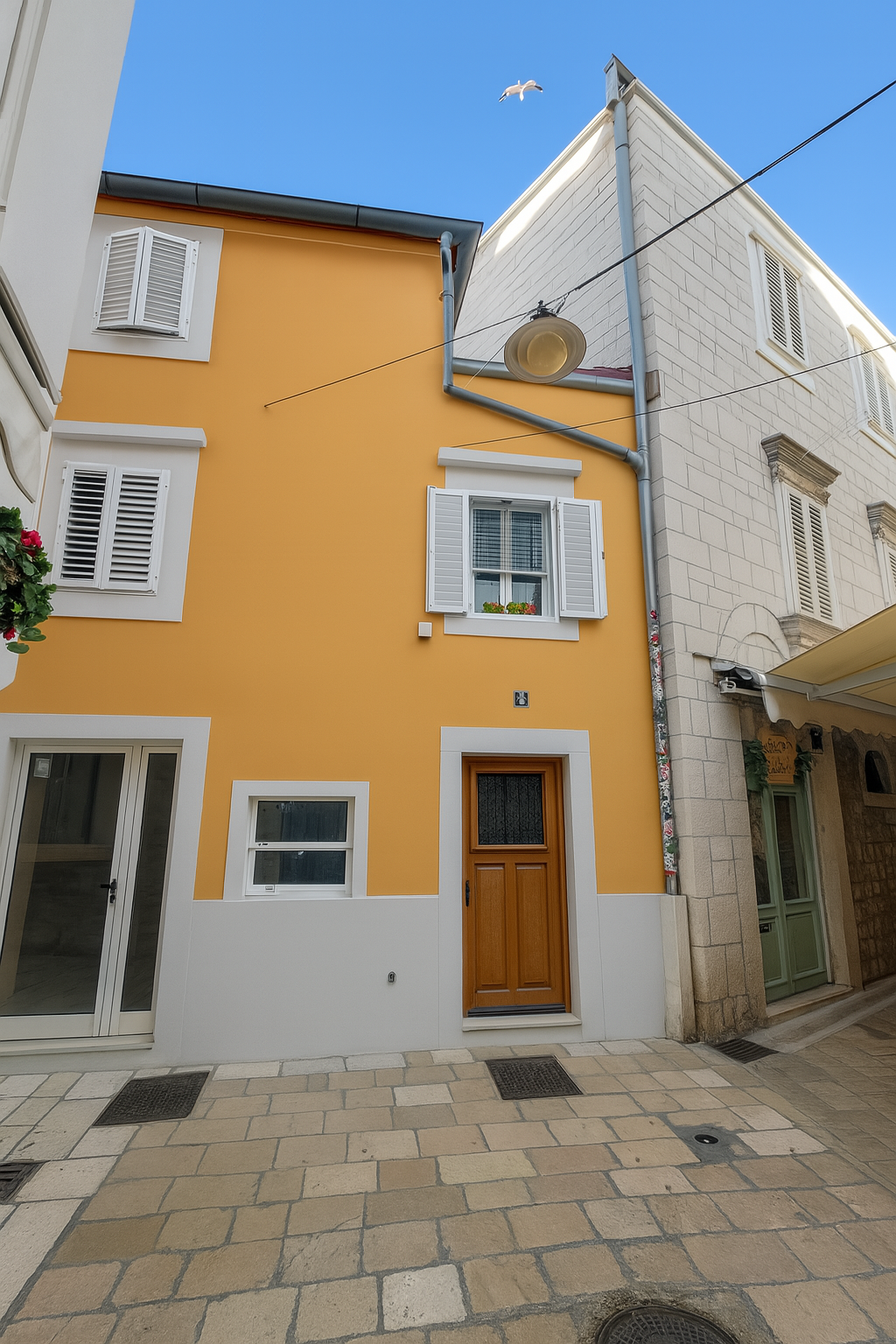
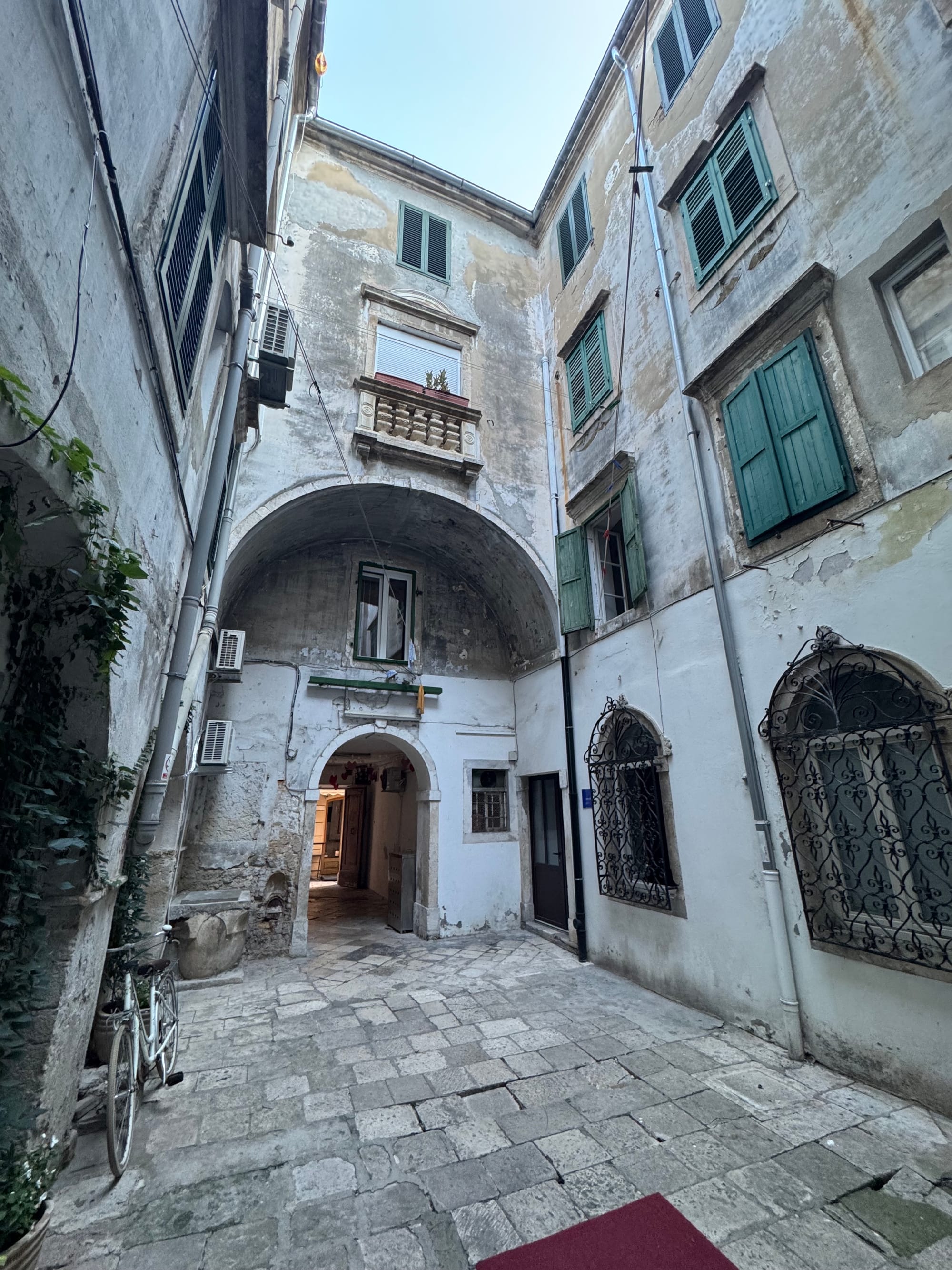
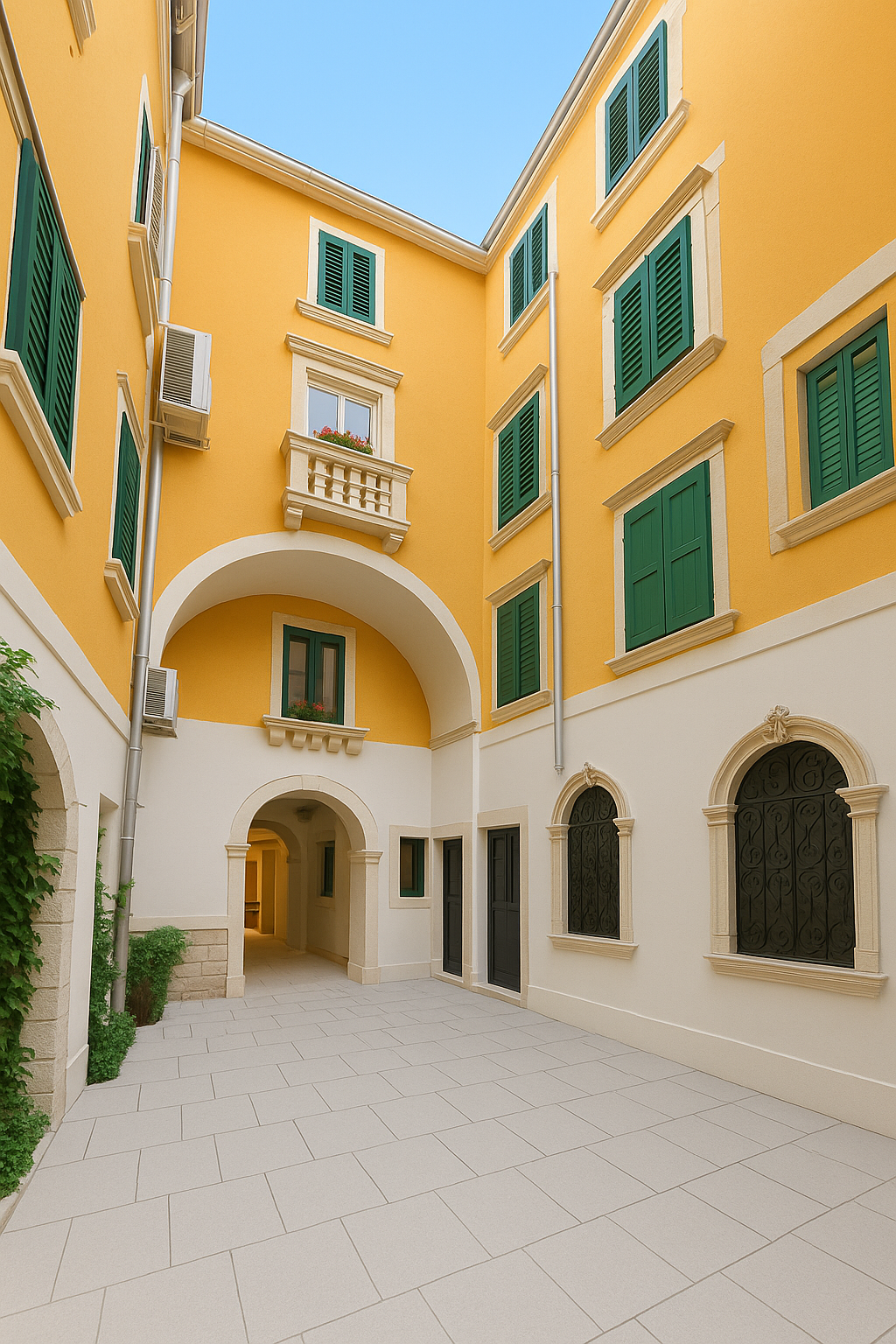
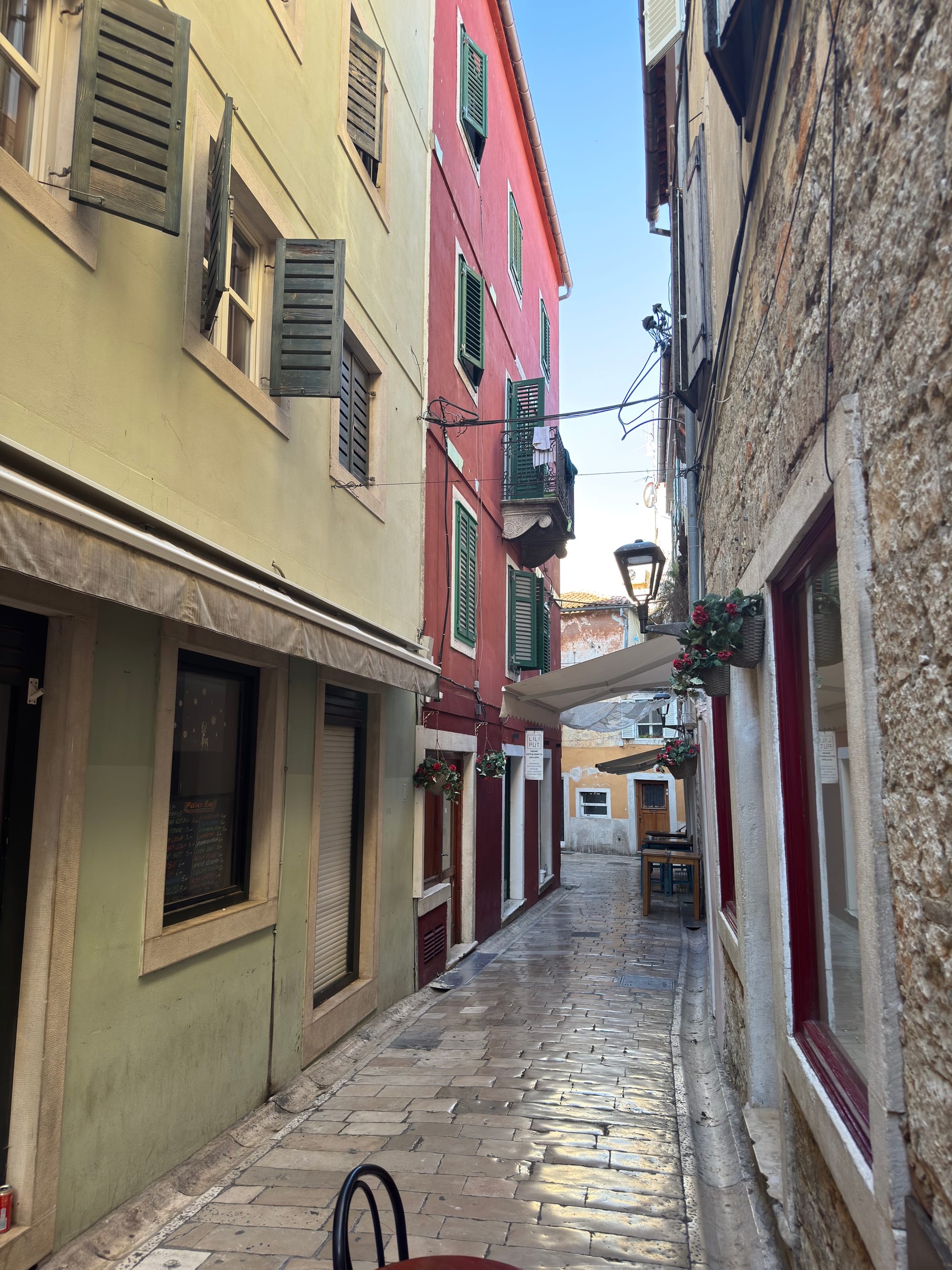
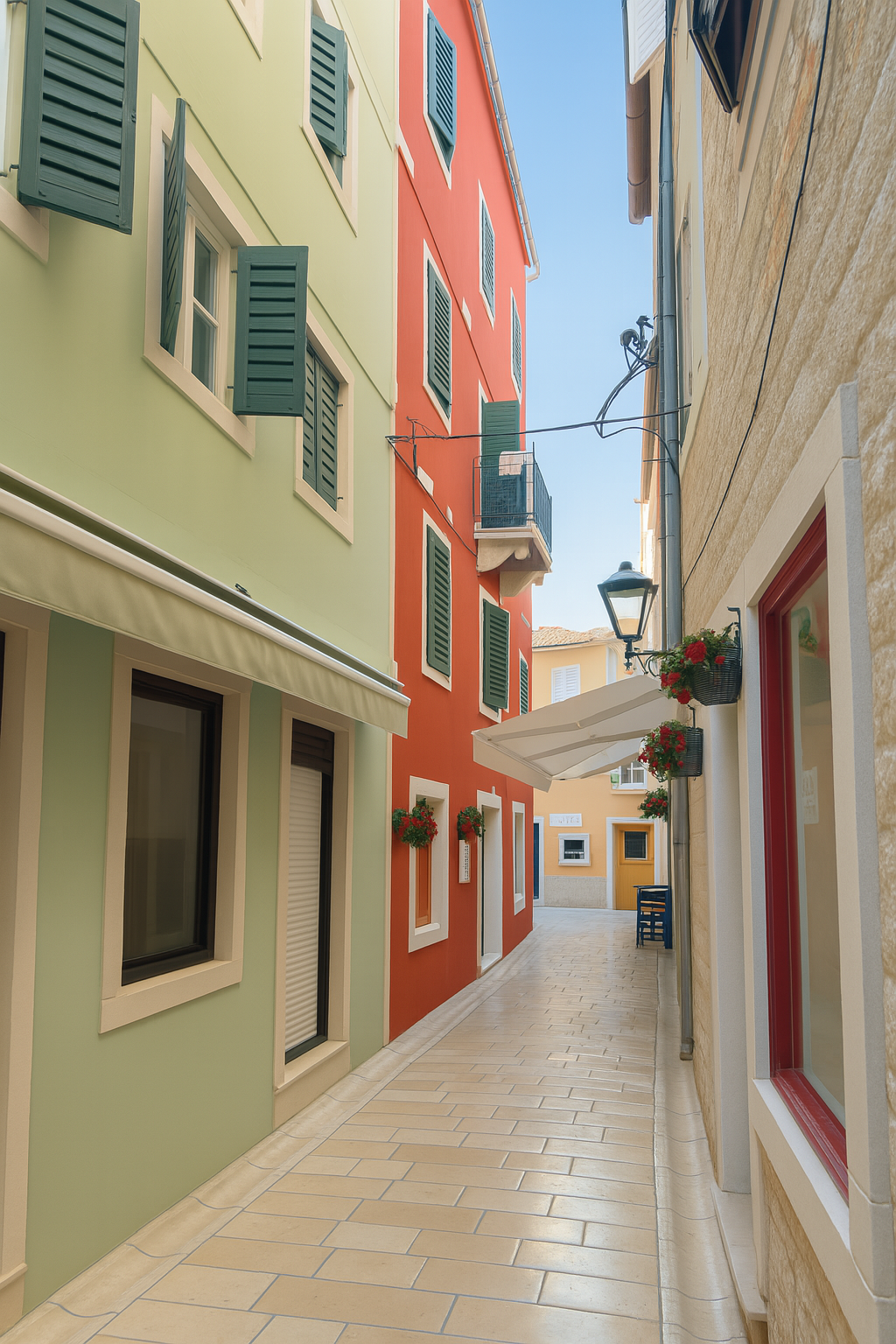
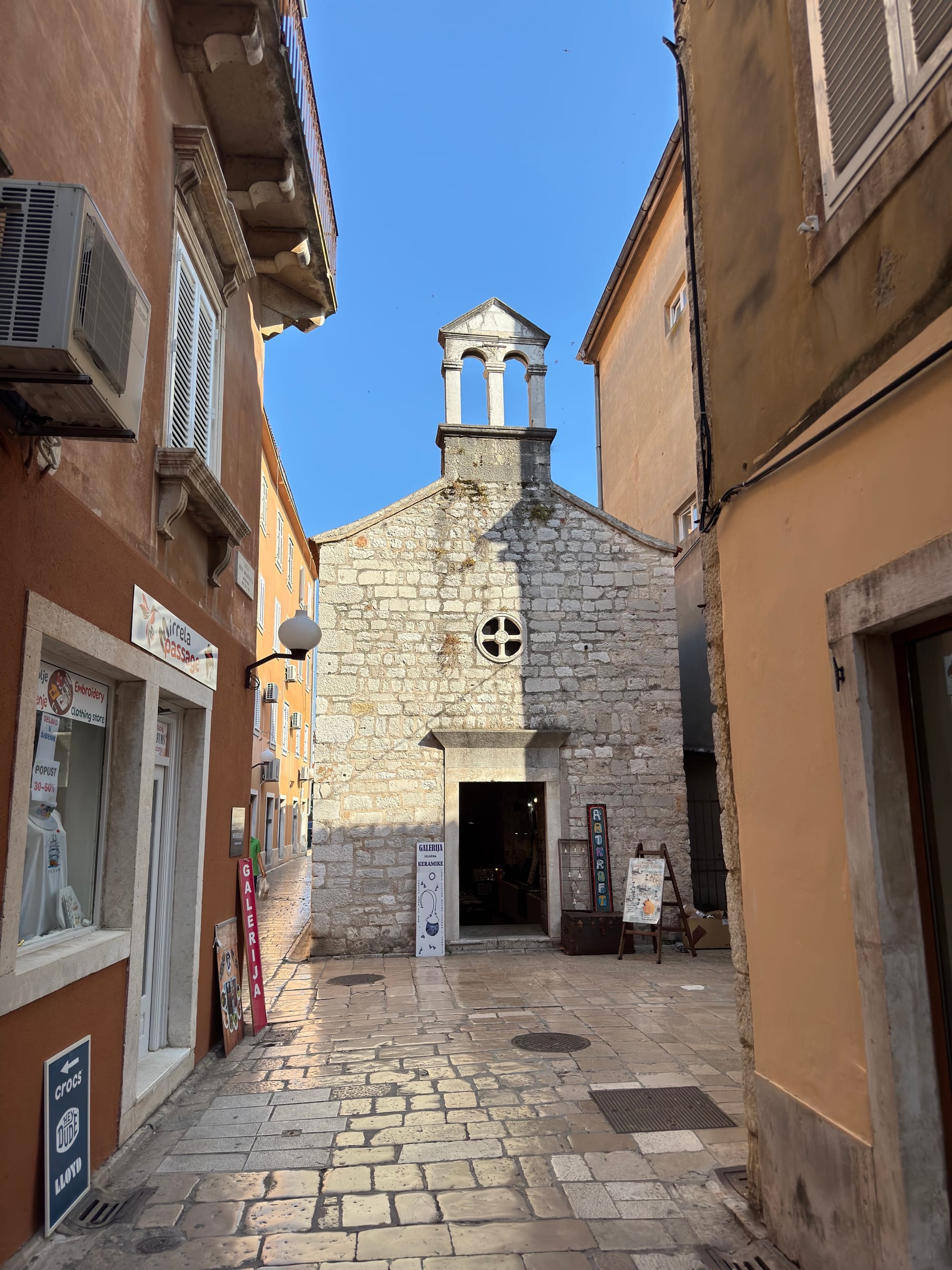
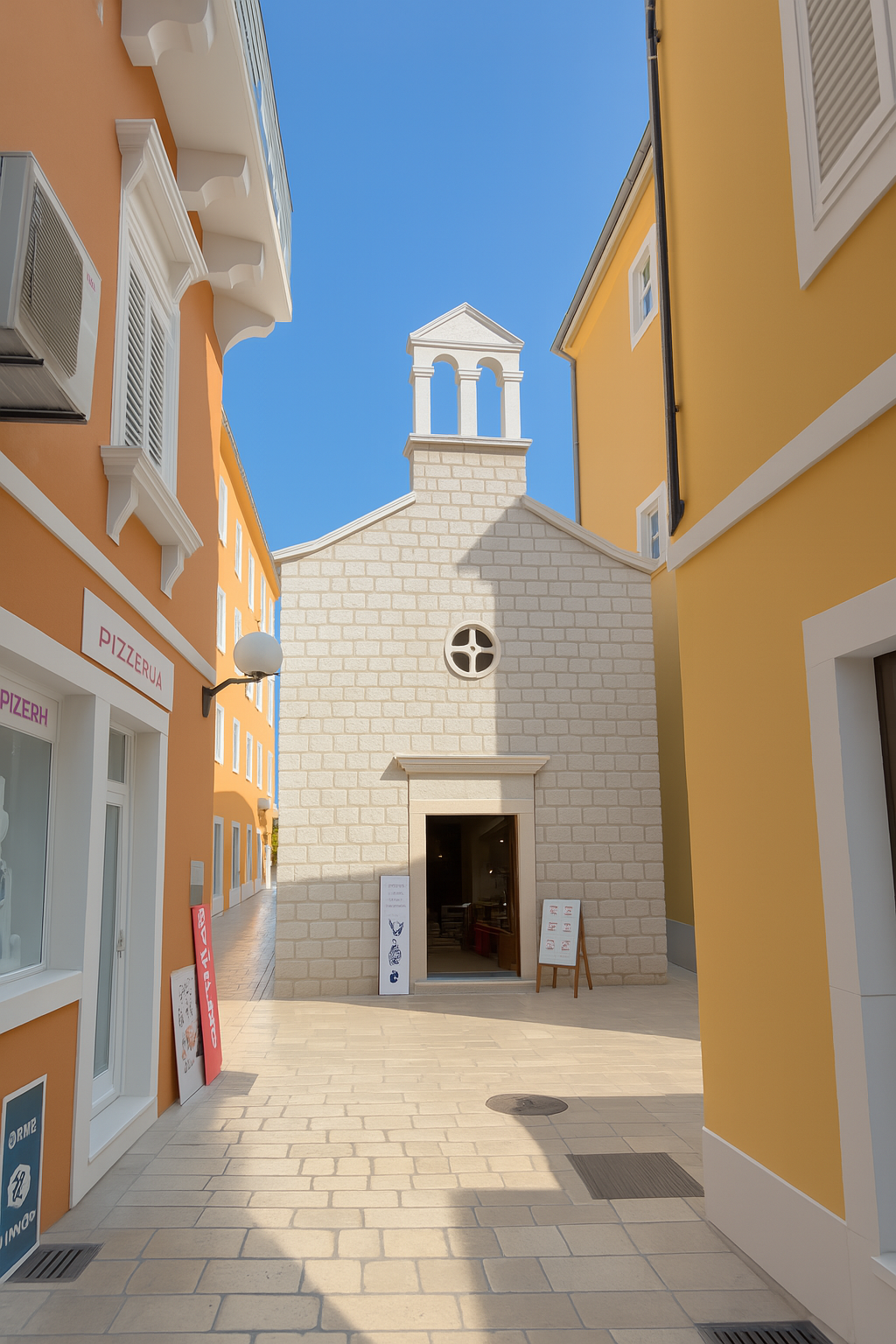
I paired each photograph of the current state of these places with an alternative version — created using artificial intelligence. It's a visualization of how they might have looked in their heyday.

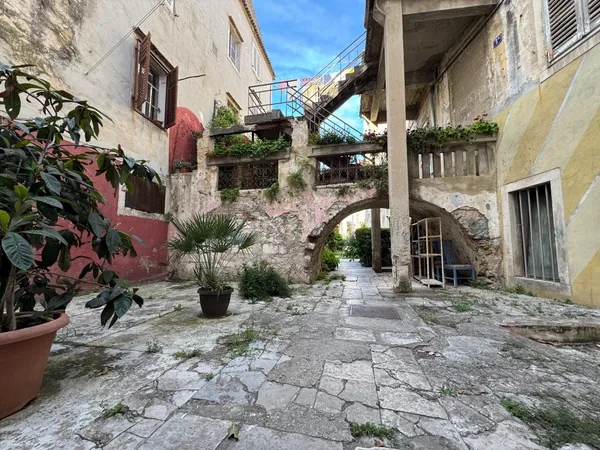
Zadar is a city that doesn't fear time. Every street, every corner bears traces of past eras — some full of splendour, others marked by difficult moments. Walking its lanes, you can feel the presence of bygone centuries not in museums or tourist guides, but right here — in person, among crumbling facades, flaking plaster, overgrown courtyards and uneven stones underfoot. Despite the marks of time, many of these places still retain their unique character. Perhaps it is even because of that that they are so moving. Their imperfection, quiet presence and nostalgia make them hard to look away from. They stop you, stir emotions and invite reflection. They remind us that a city is not only attractions but also the everyday life of earlier generations — their lives, their world.
I wanted to capture that contrast. That's why I paired each photo of the current state of these alleys with an alternative version — created using artificial intelligence. This is not an attempt to faithfully recreate historical realities, but rather a visual interpretation of how these places may have looked in their heyday. Sunlit facades, open shutters, clean cobbled paths — imagined scenes, but based on the aesthetics, architecture and atmosphere of the region. These visions are like a glance into the past — full of longing and fascination.
I paired each photograph of the current state of these places with an alternative version — created using artificial intelligence. It's a visualization of how they might have looked in their heyday.
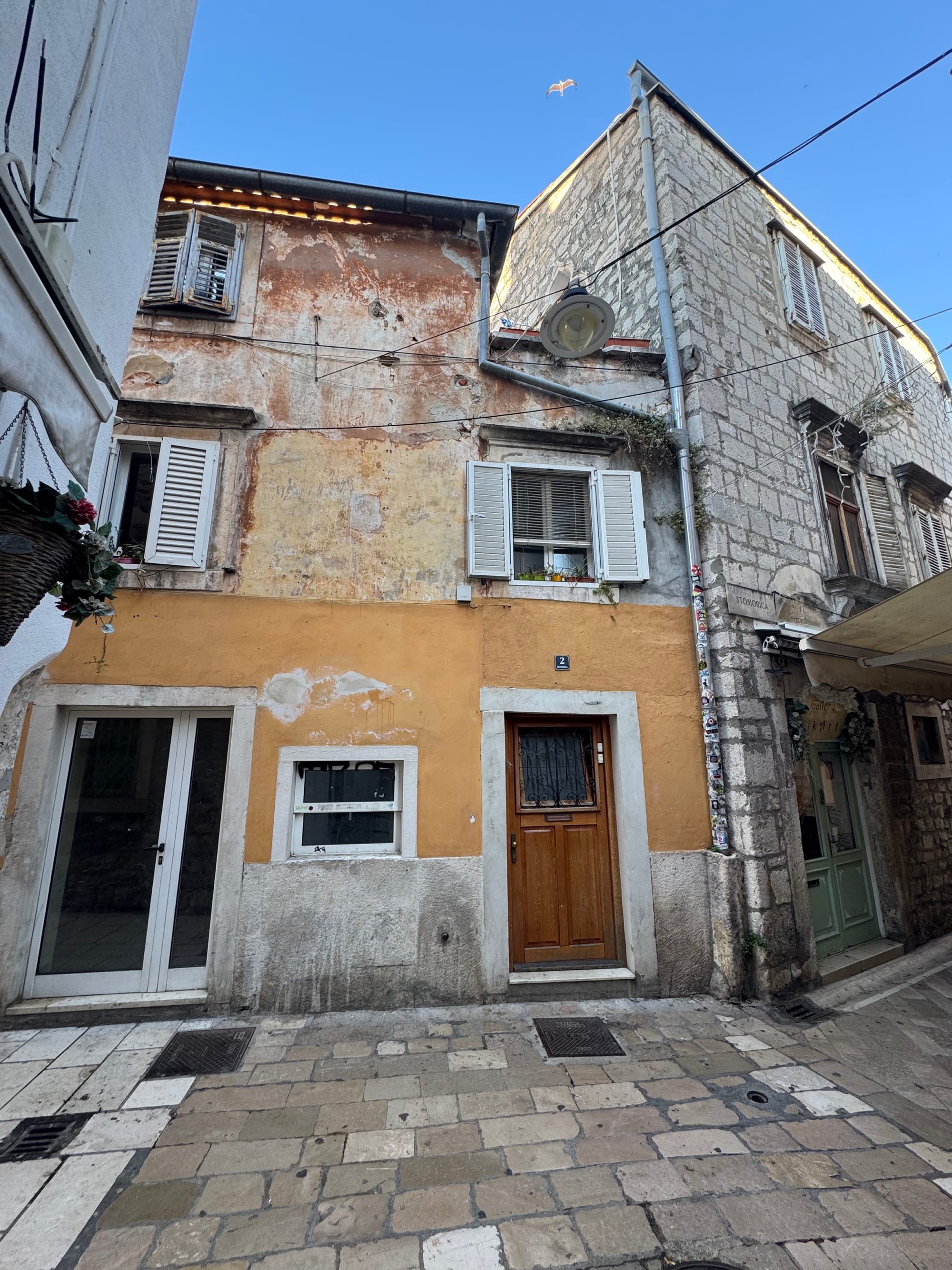
Continue reading in this gallery
Croatia
Plitvice Lakes
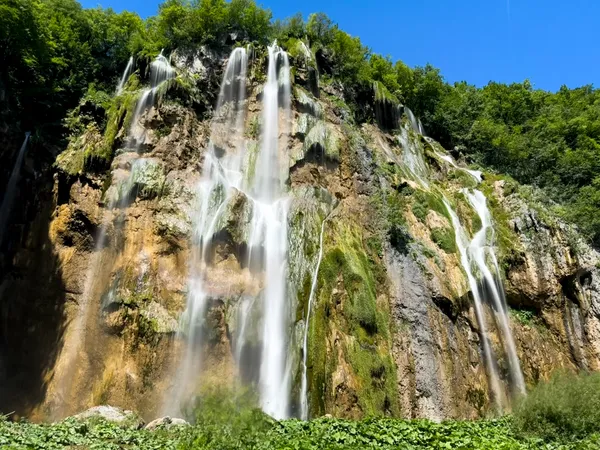
Croatia is a country full of surprises, but none of the guidebooks I read prepared me for what I experienced at Plitvice Lakes National Park. It felt like discovering a completely new world — one that seemed too beautiful to be real.
Croatia
In the Labyrinth of Zadar's Alleyways.
Zadar, located on the Adriatic, is a place where history intertwines with everyday life, and its old streets and stone buildings, though weathered by time, exude an incredible charm. I like to think these places have a soul — a little worn, but full of stories.
Croatia
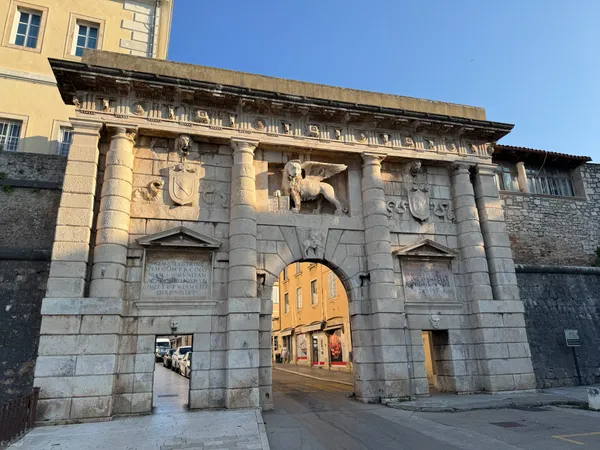
Gate to the city of Zadar
From afar you can already see that this is no ordinary city gate. Monumental, built of light-colored stone, adorned with columns and numerous details. Above the main archway proudly stands the winged lion of St. Mark – the symbol of Venetian power that ruled Zadar for centuries.
Croatia
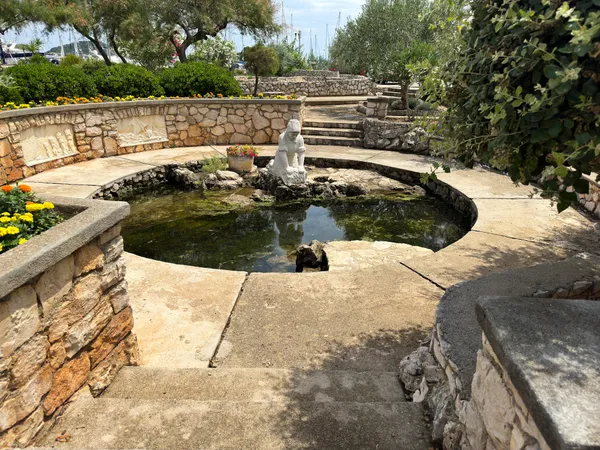
The Preko Tragedy
On the morning of 2 November 1891, 24 women and 7 men set off from Preko toward Zadar. Their gajeta, weighed down with freshly washed laundry, had only a short, few-kilometer crossing ahead. Unfortunately, the unpredictable force of nature proved stronger than man.