
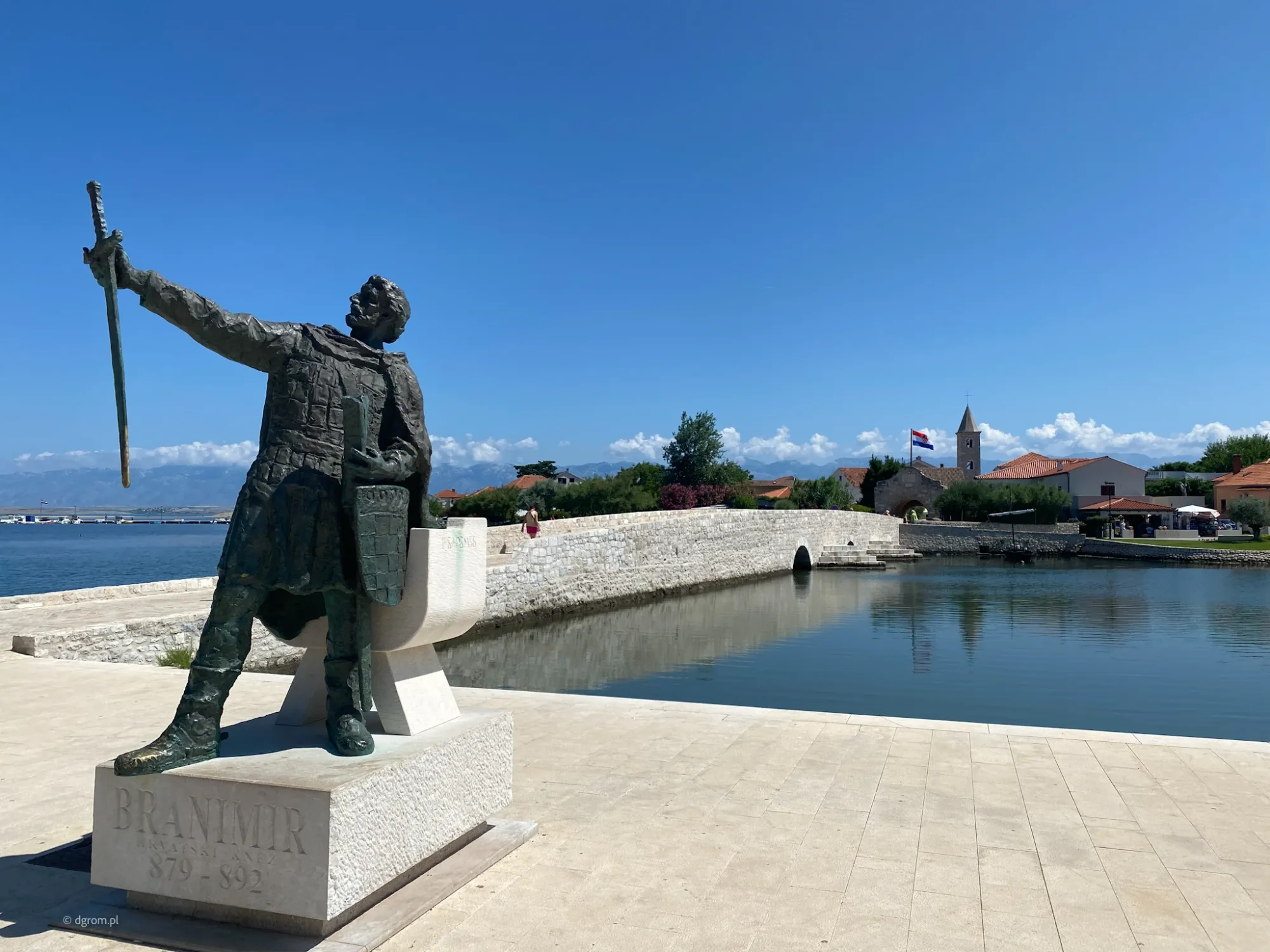
Nin in Croatia
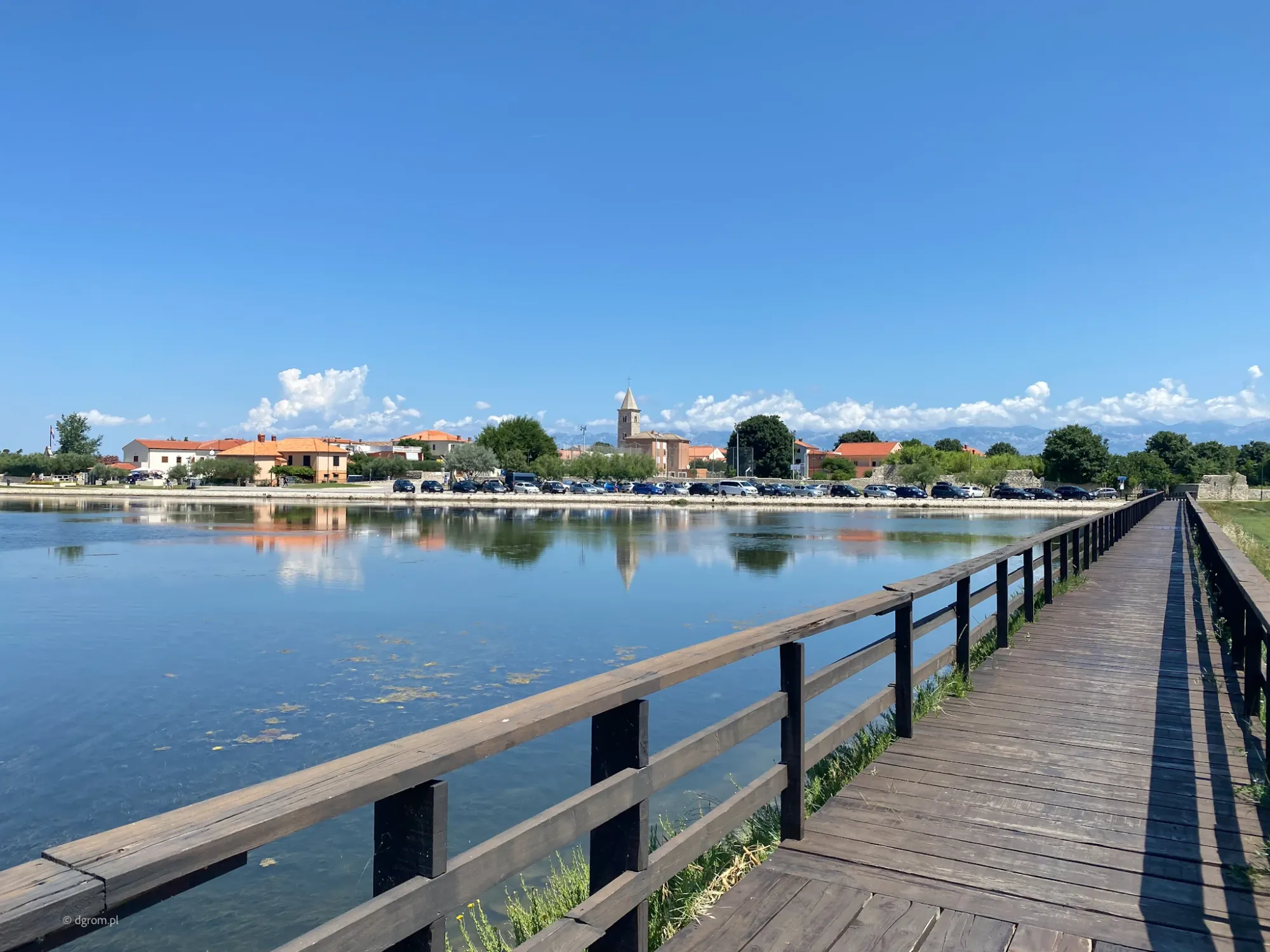
The town of Nin is located on a peninsula, about 15 km northeast of the city of Zadar, on the Adriatic Sea. Although it is a small town, it is famous for its beautiful beaches, stunning views, and rich history.

The town of Nin is located on a peninsula, about 15 km northeast of the city of Zadar, on the Adriatic Sea. Although it is a small town, it is famous for its beautiful beaches, stunning views, and rich history.
Nin is one of the oldest towns in Croatia, with origins dating back to the 8th century BC. In the Middle Ages it was one of the most important towns in Dalmatia. It was the seat of a bishop and an important commercial and cultural center. Nin is home to the Cathedral of St. Anselm, one of the most valuable monuments in Croatia. It was built in the 9th century and is considered one of the oldest cathedrals in Europe.
According to legend, Nin was the first capital of Croatia. In the 9th century Croatian rulers moved the capital to nearby Zadar, but Nin remained an important cultural and religious center. Nin also contains the remains of the ancient Roman town of Aenona, which was destroyed in the 6th century by Avar invaders.
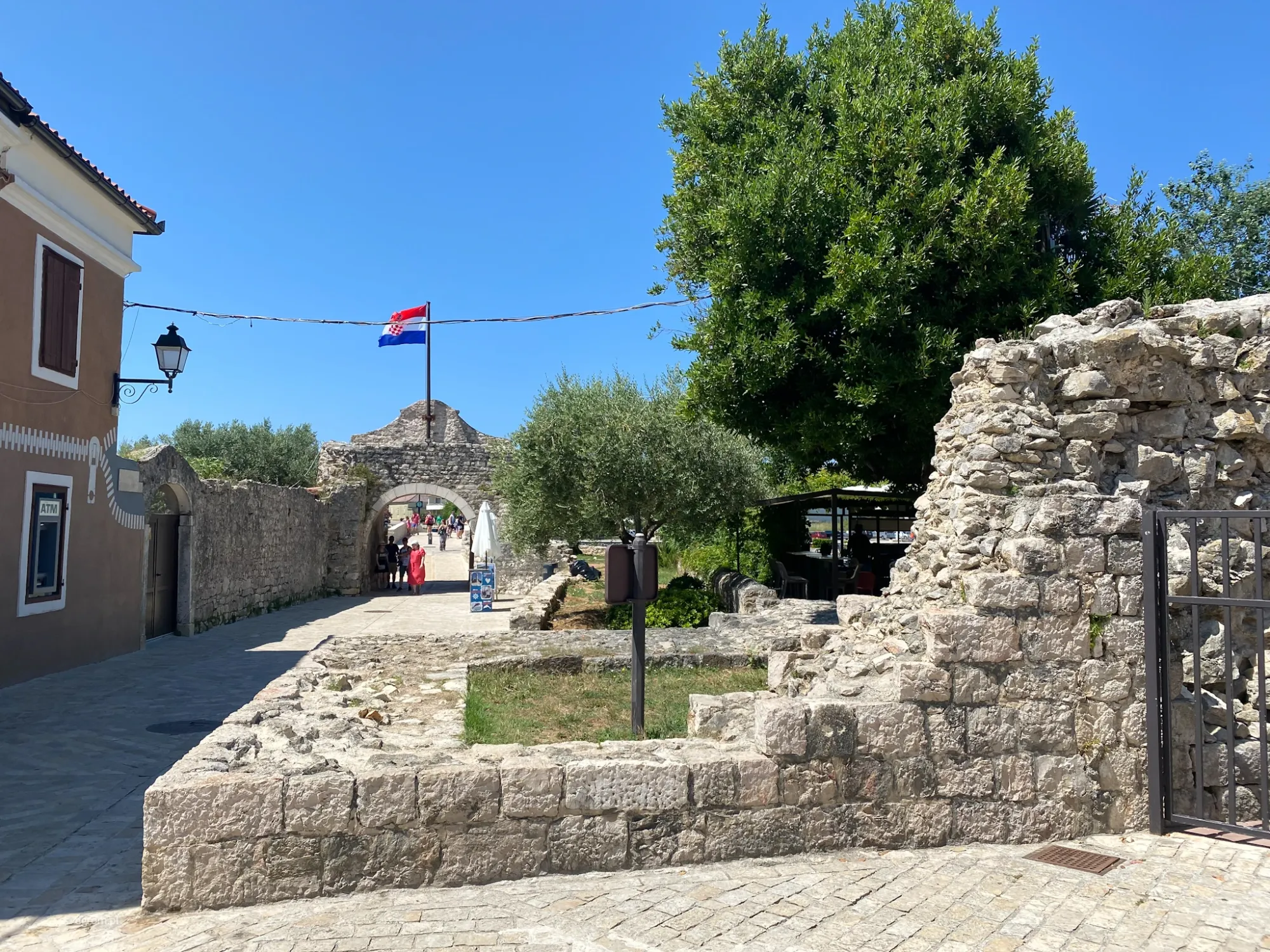
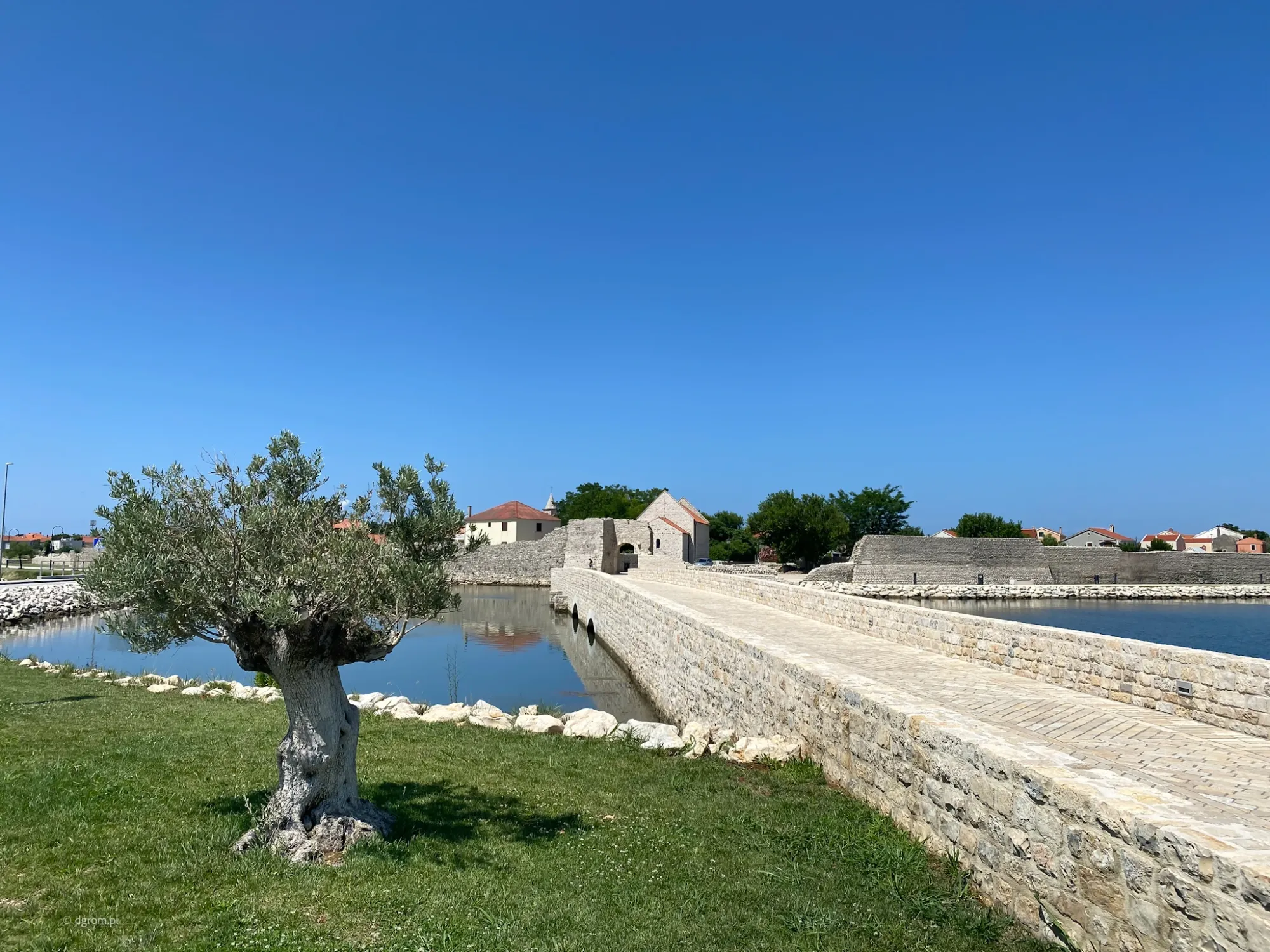
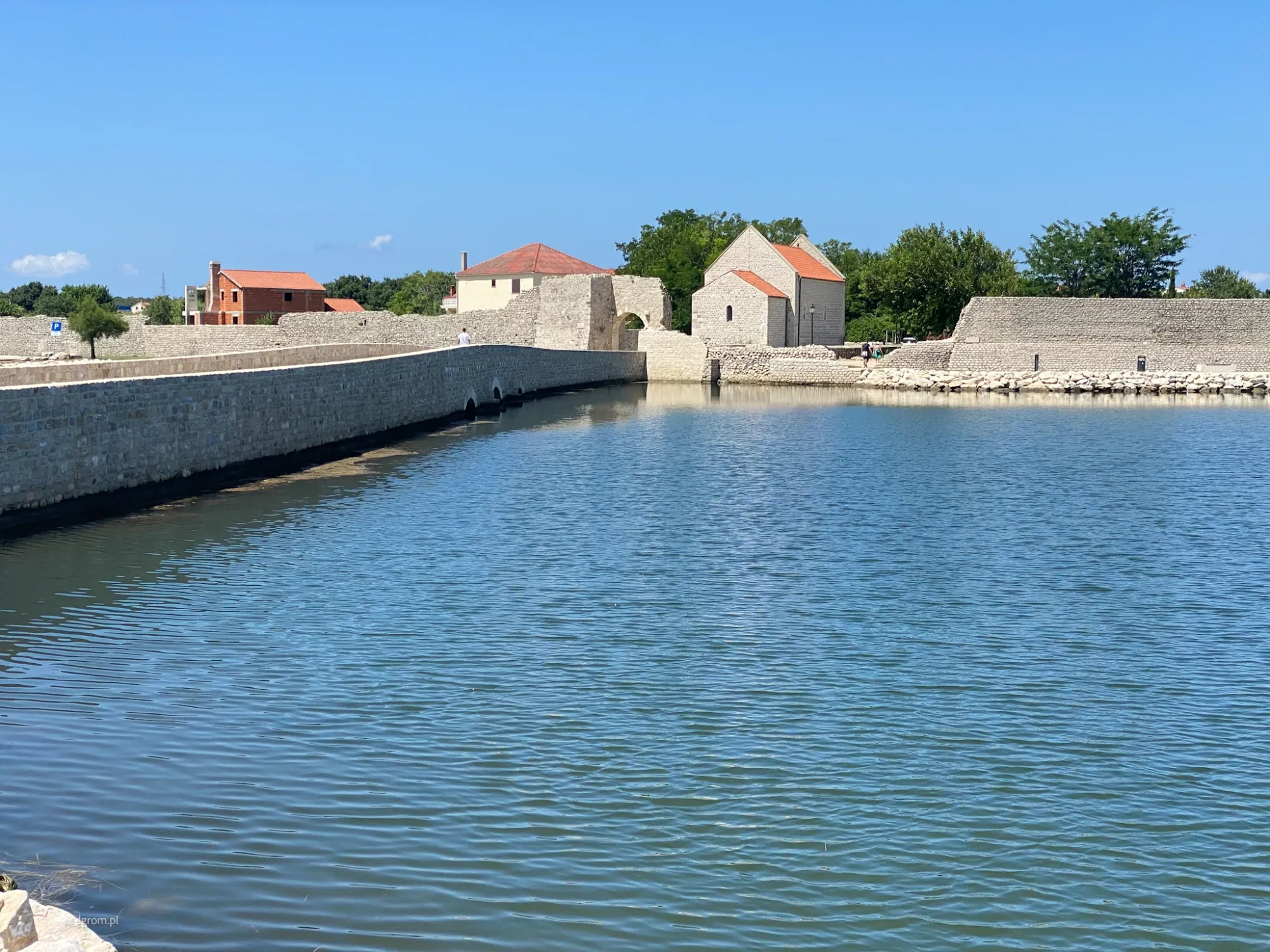
The town is a popular tourist destination because of its beautiful beaches, climate, and rich history. It's also worth seeing the remains of ancient defensive walls, gates, and other monuments. Nin also has a salt museum that presents the history of salt production and the traditions related to its extraction in this region.
- Ancient history: Nin is one of the oldest continuously inhabited towns in Croatia. It is known for its historic churches and is an important site of Croatian heritage. The town was founded by the Illyrians around the 9th century BC and was an important center of trade and crafts.
- King Tomislav: Nin is often called the "royal town" because it was the capital of the first Croatian king, Tomislav. A statue of King Tomislav stands in the town, recalling this part of Croatia's history.
- Church of the Holy Cross: It is known as the "smallest cathedral in the world". Built in the 9th century, the Church of the Holy Cross is one of the most important pre-Romanesque sacred buildings in Croatia. It measures just 7.8 m by 7.6 m.
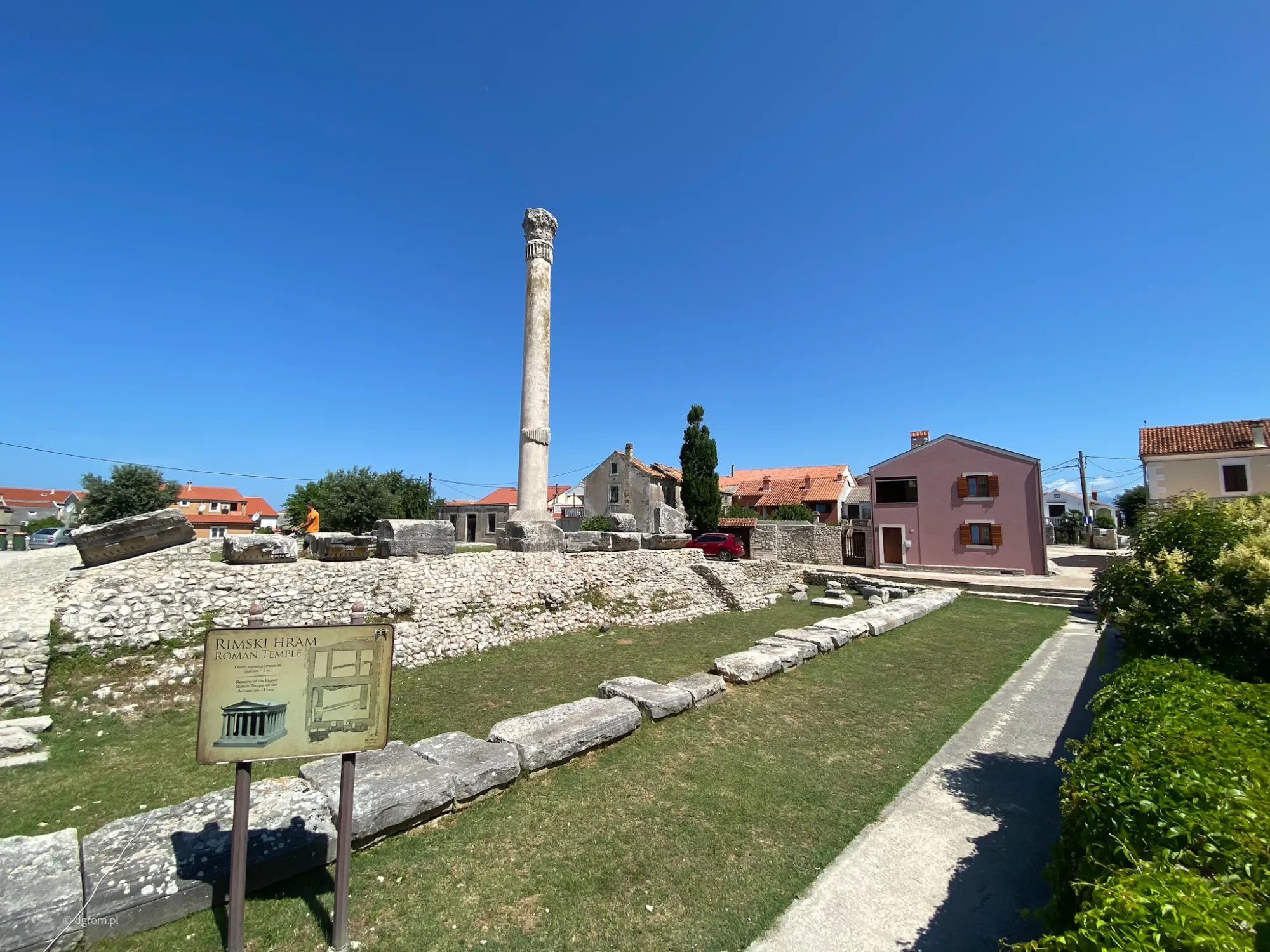
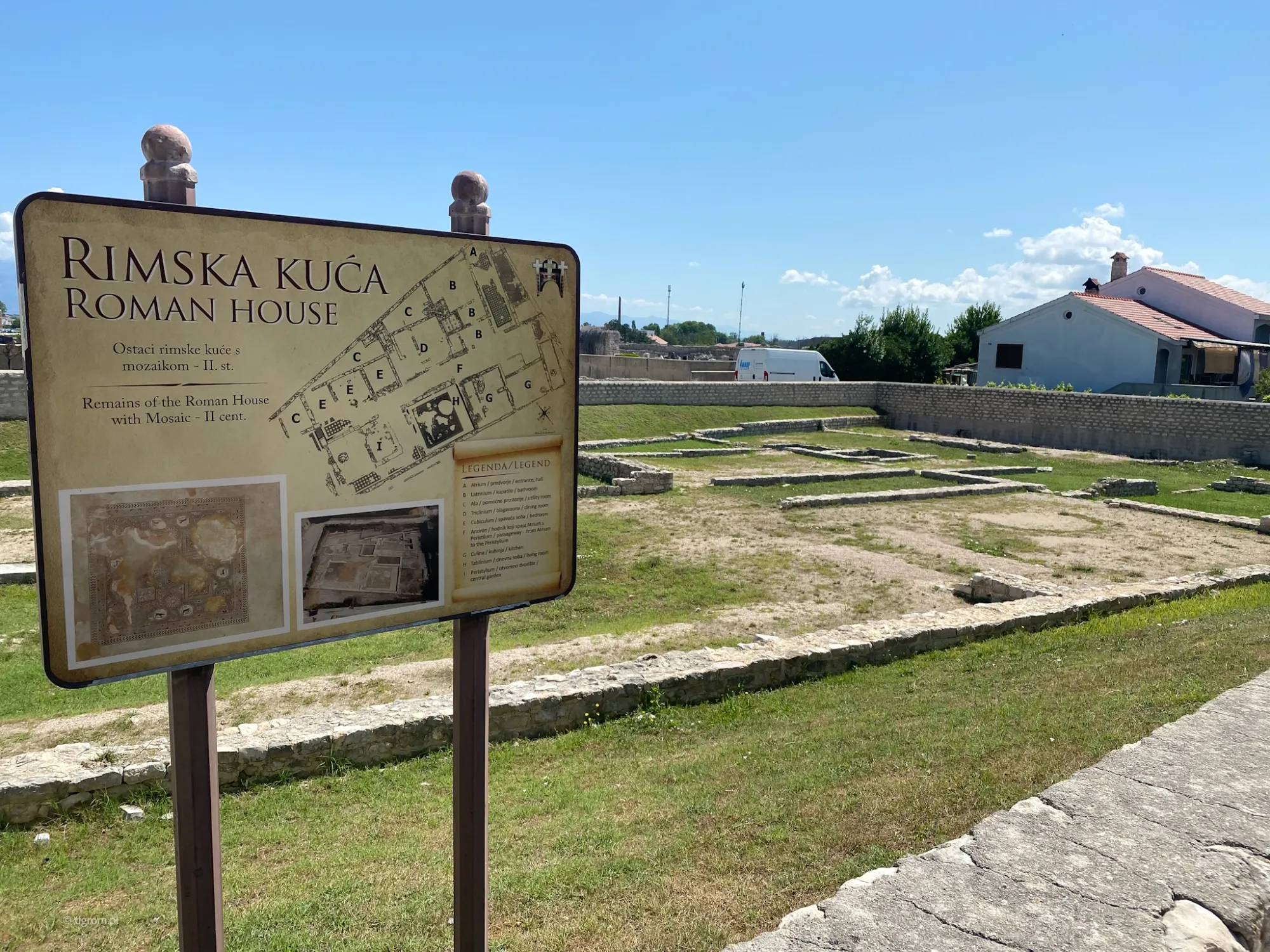
- Roman ruins: In Nin you can find many ruins from Roman times, including an amphitheatre, various structures and the remains of the ancient Roman town of Aenona.
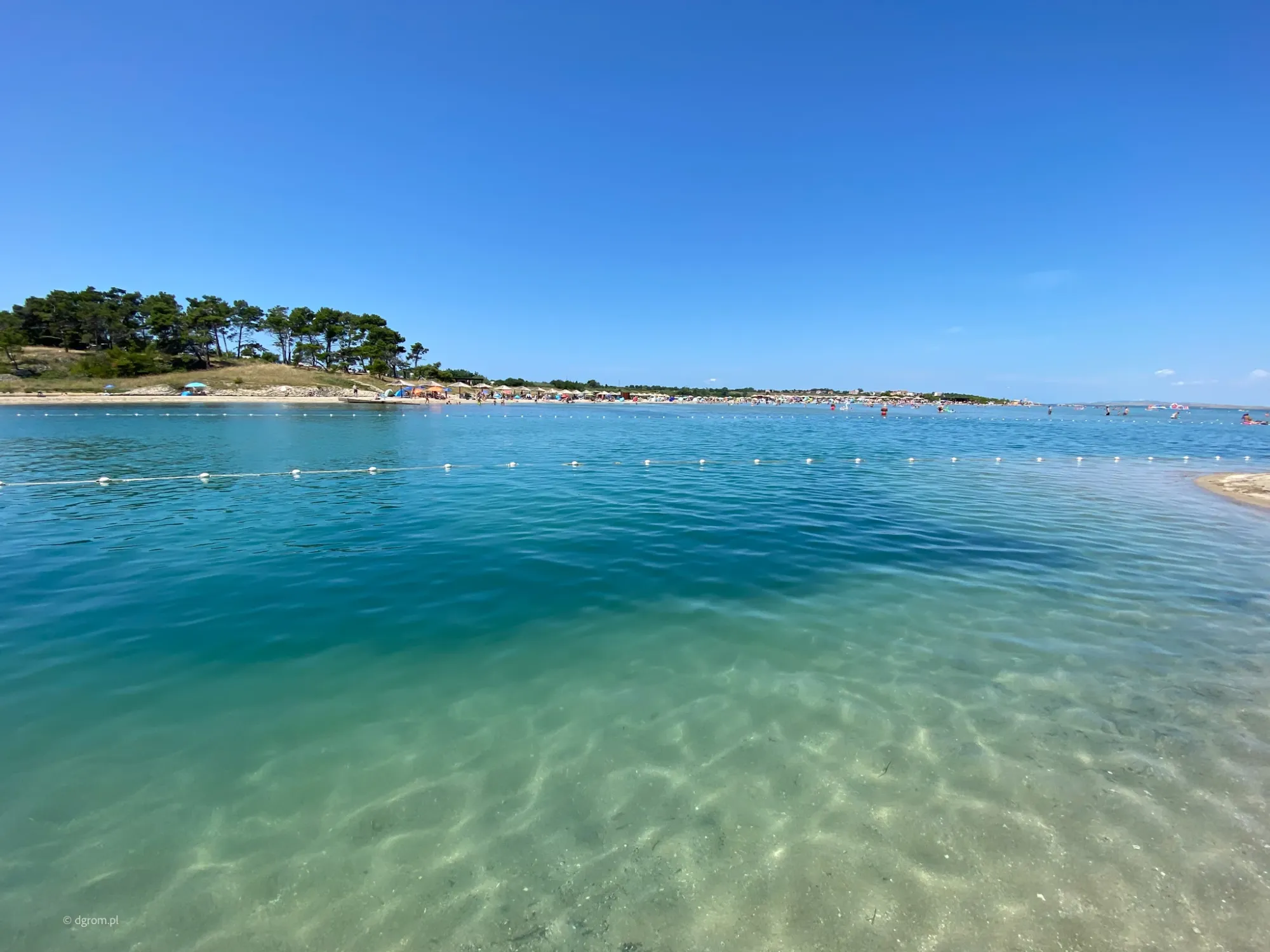
- Enchanting nature: Nin is located near many beautiful beaches, including the most famous, Queen's Beach. The region is also home to many different bird species, making it an attraction for nature lovers.
- Touching Grgur Ninski's fist: Nin also has a large bronze statue of Grgur Ninski, a 10th-century bishop. There is a tradition of touching his big toe for luck.
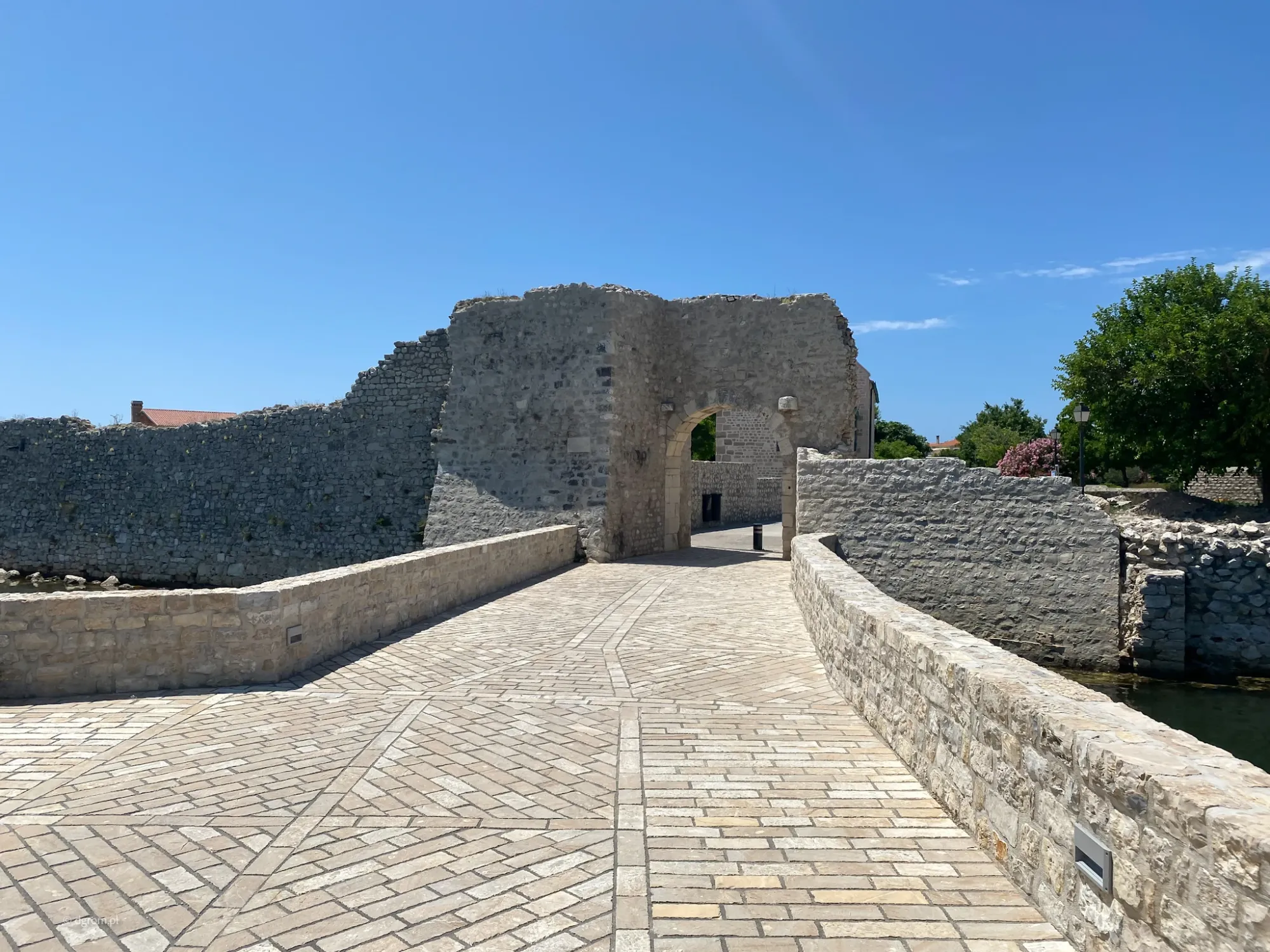
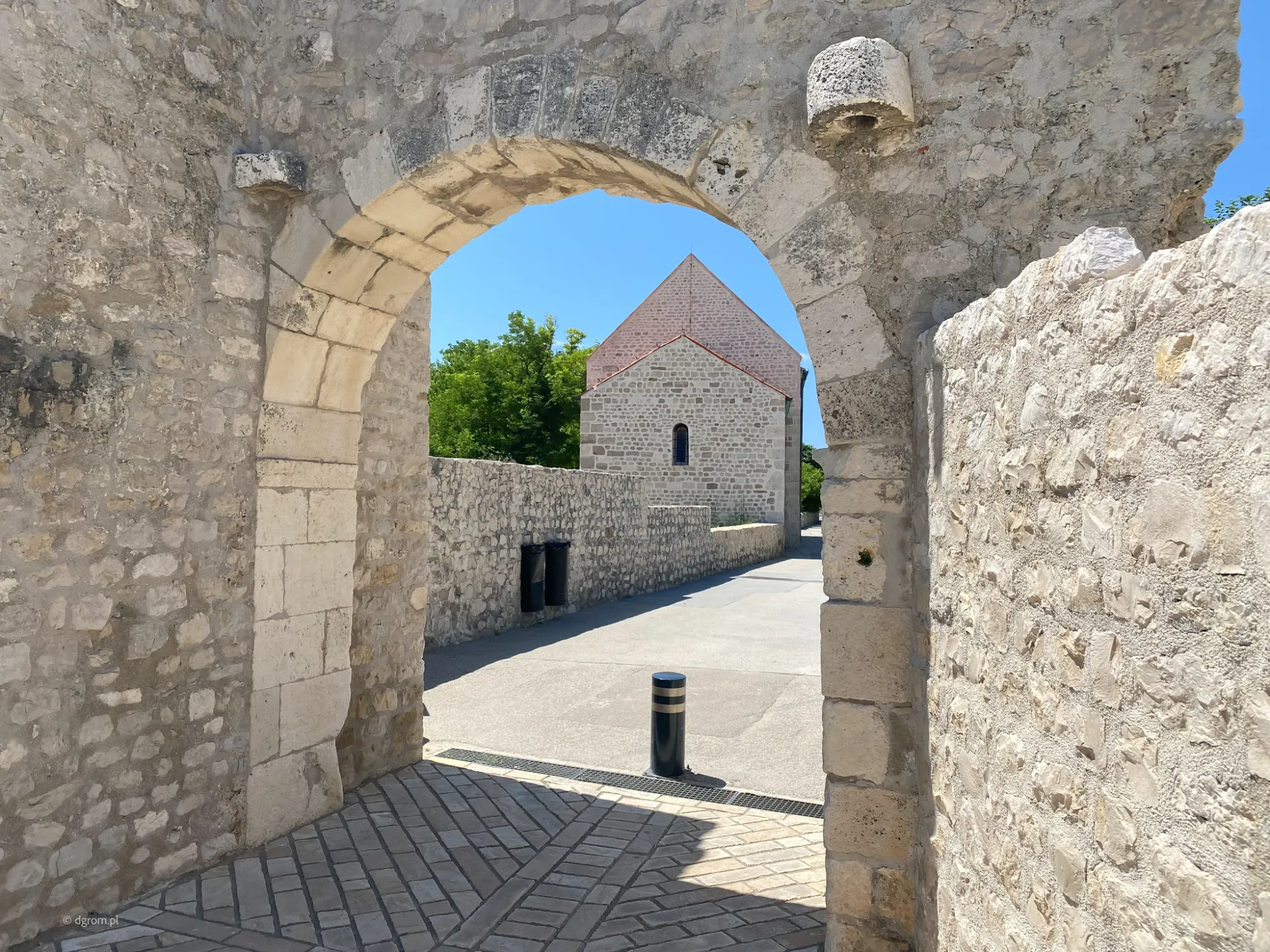
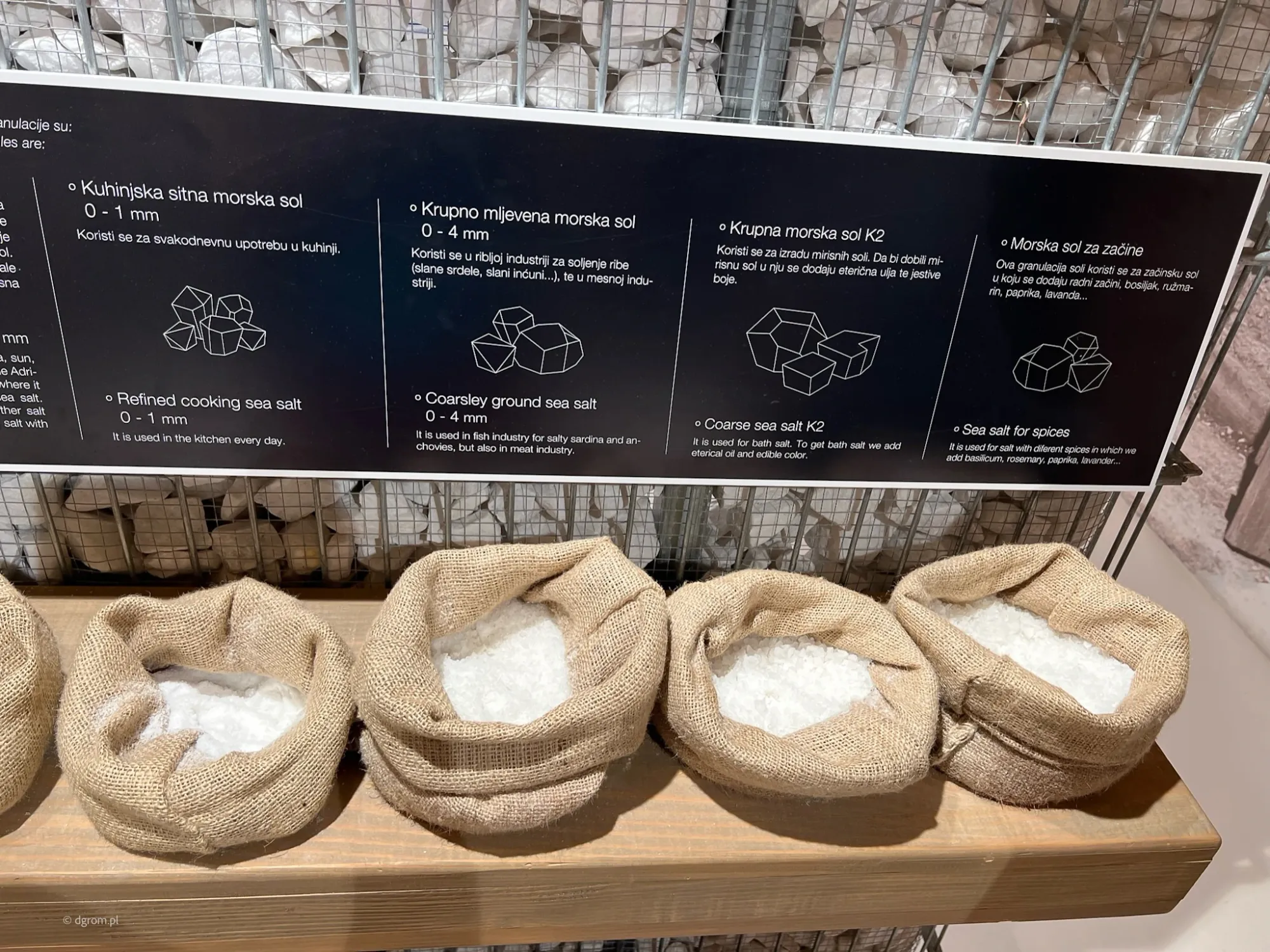


Continue reading in this gallery
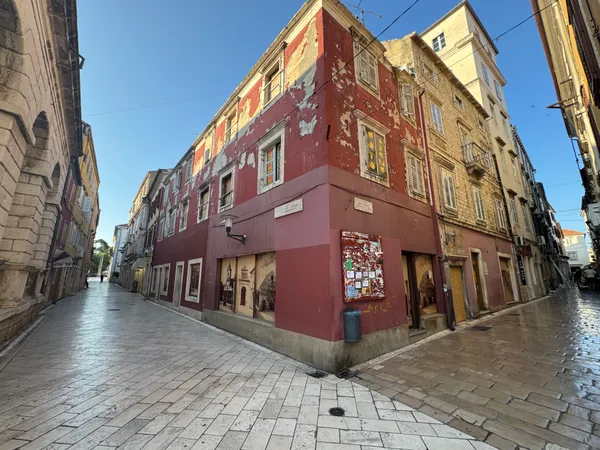
Croatia
Reconstruction of Zadar.
I paired each photograph of the current state of these places with an alternative version — created using artificial intelligence. It's a visualization of how they might have looked in their heyday.
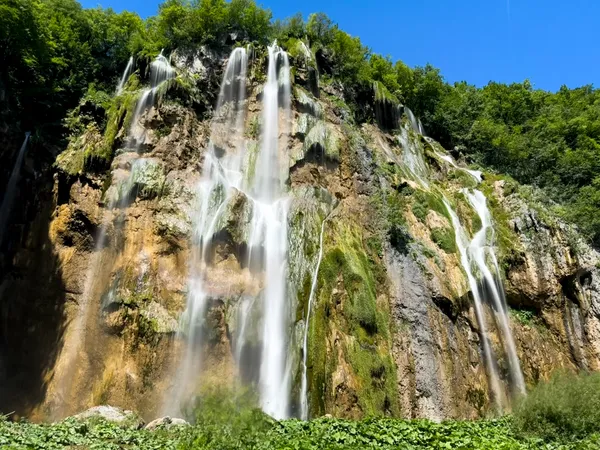
Croatia
Plitvice Lakes
Croatia is a country full of surprises, but none of the guidebooks I read prepared me for what I experienced at Plitvice Lakes National Park. It felt like discovering a completely new world — one that seemed too beautiful to be real.
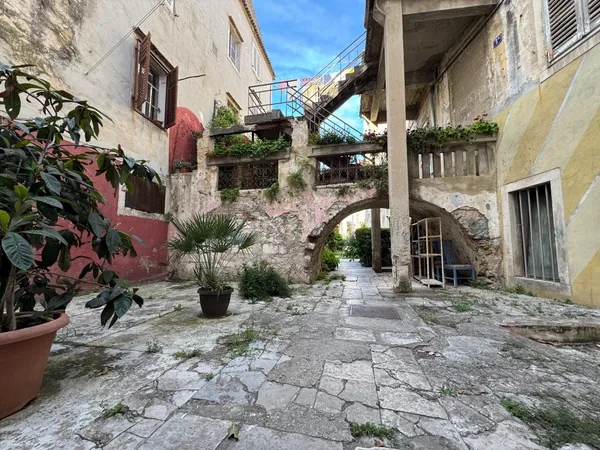
Croatia
In the Labyrinth of Zadar's Alleyways.
Zadar, located on the Adriatic, is a place where history intertwines with everyday life, and its old streets and stone buildings, though weathered by time, exude an incredible charm. I like to think these places have a soul — a little worn, but full of stories.
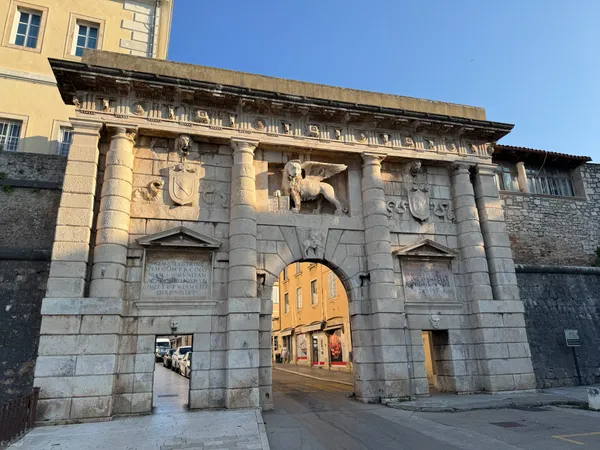
Croatia
Gate to the city of Zadar
From afar you can already see that this is no ordinary city gate. Monumental, built of light-colored stone, adorned with columns and numerous details. Above the main archway proudly stands the winged lion of St. Mark – the symbol of Venetian power that ruled Zadar for centuries.