
The Walls of Edinburgh
Edinburgh, a vibrant city with a rich history, presented itself in the Middle Ages as a fortified stronghold surrounded by powerful defensive walls. These impressive structures played a key role in shaping the city's identity and its survival through numerous conflicts.

Edinburgh, the capital of Scotland, is renowned not only for its picturesque scenery and rich history but also for the impressive defensive walls that once surrounded the city. Although most of the original structures were later destroyed or incorporated into modern architecture, traces of Edinburgh's walls remain visible today, forming a valuable part of the city's cultural heritage.
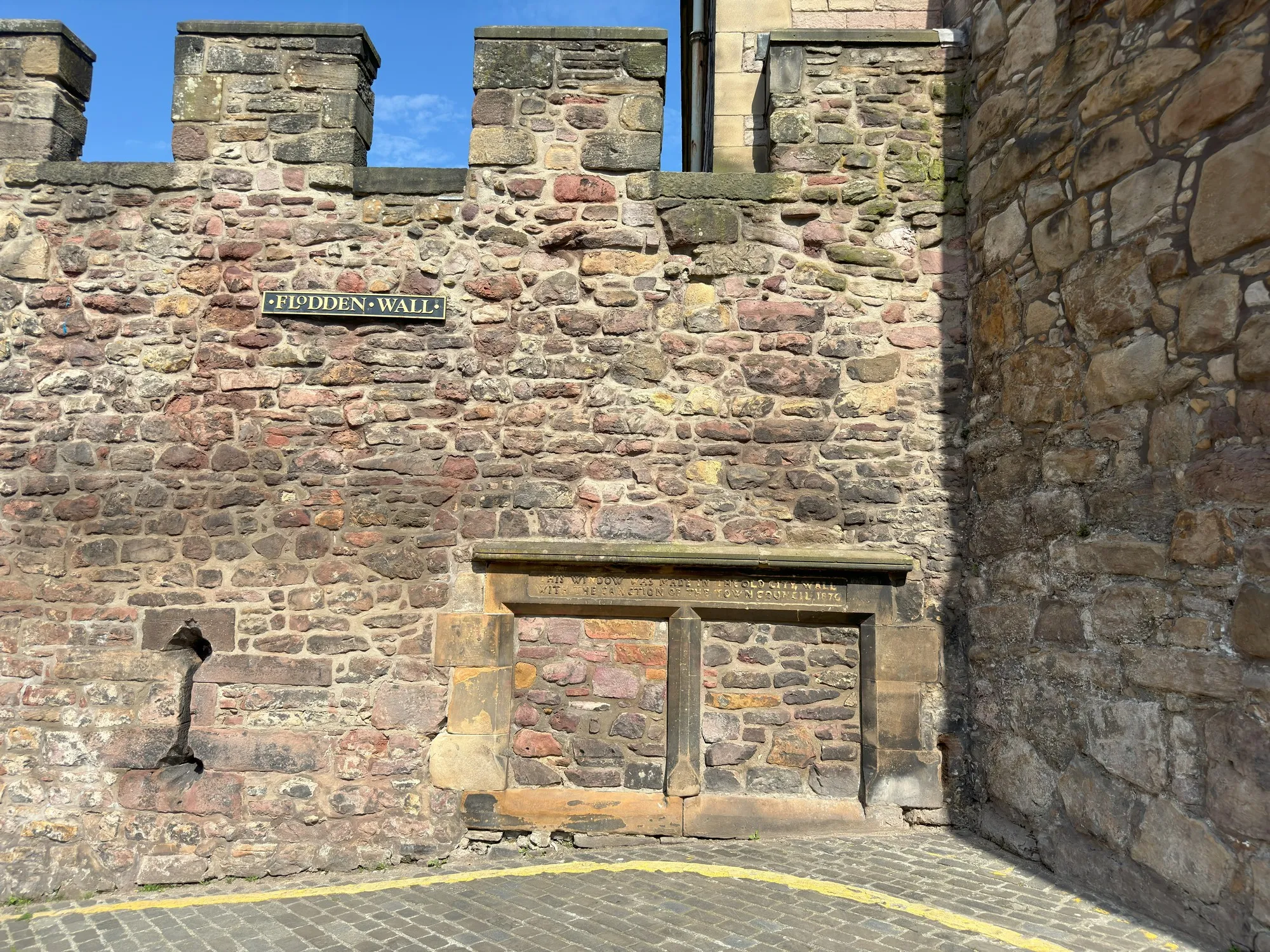
The origins of Edinburgh's defensive walls date back to the Middle Ages, when the city developed around the imposing Edinburgh Castle, situated on the rocky hill known as Castle Rock. The first city walls, known as the Flodden Wall, were built in the early 16th century during the reign of King James IV. Their main purpose was to protect the city from invasions and to provide safety for residents during times of political and military unrest.
Flodden Wall, named after the Battle of Flodden in 1513, was one of Edinburgh's most important defensive lines. The walls stretched for about 1.2 kilometers and were reinforced with watchtowers and gates that controlled access to the city. Erecting these walls was a response to growing threats from political rivals and from foreign armies.
Edinburgh's walls were built from local stone, which gave them durability and resistance to attack. Numerous watchtowers lined the walls, allowing observation of the surrounding areas and communication between different sections of the fortification. City gates included the Royal Mile Gate, Tolport Gate, and South Gate, which not only served defensive functions but also controlled trade and the movement of residents.
The architecture of the walls reflected contemporary construction techniques and defensive strategy. Thick walls, paired with a moat, were difficult for attackers to breach. In addition, the ramparts housed siege engines and positions for archers and artillery, enhancing the effectiveness of the city's defense.
Over time, and with changes in military tactics, Edinburgh's defensive walls began to lose their significance. In the 18th and 19th centuries, as the city expanded and modernized, the walls were gradually dismantled or integrated into new buildings. Some sections were repurposed for road construction, while others were demolished to make way for urban infrastructure.
Despite this process, certain fragments of the walls have survived to the present day. The best-known example is a section of the Flodden Wall by Waverley Station, which is one of the best-preserved stretches of the city walls. Other traces can be found in various parts of the Old Town, where fragments have been preserved as architectural elements of buildings or uncovered during restoration works.
Edinburgh's walls are not only a testament to the city's historical development but also an important element of local identity. They are symbols of defense, determination, and Scotland's rich history. Today, walking through the Old Town, one can see numerous reminders of the walls that recall the times when Edinburgh had to defend itself against external threats.
The Walls of Edinburgh are also a popular tourist attraction, drawing history and architecture enthusiasts. Guided tours are organized that take visitors through the remains of the walls, telling fascinating stories about their construction, defense, and the everyday life of residents in earlier times.
Edinburgh's defensive walls are an integral part of its historic landscape. Although many were destroyed or hidden beneath modern buildings, their remnants recall the city's rich past and its strategic importance in Scotland's history. Today, these traces are not only reminders of earlier times but also a valuable heritage that continues to inspire residents and visitors to Edinburgh from around the world.
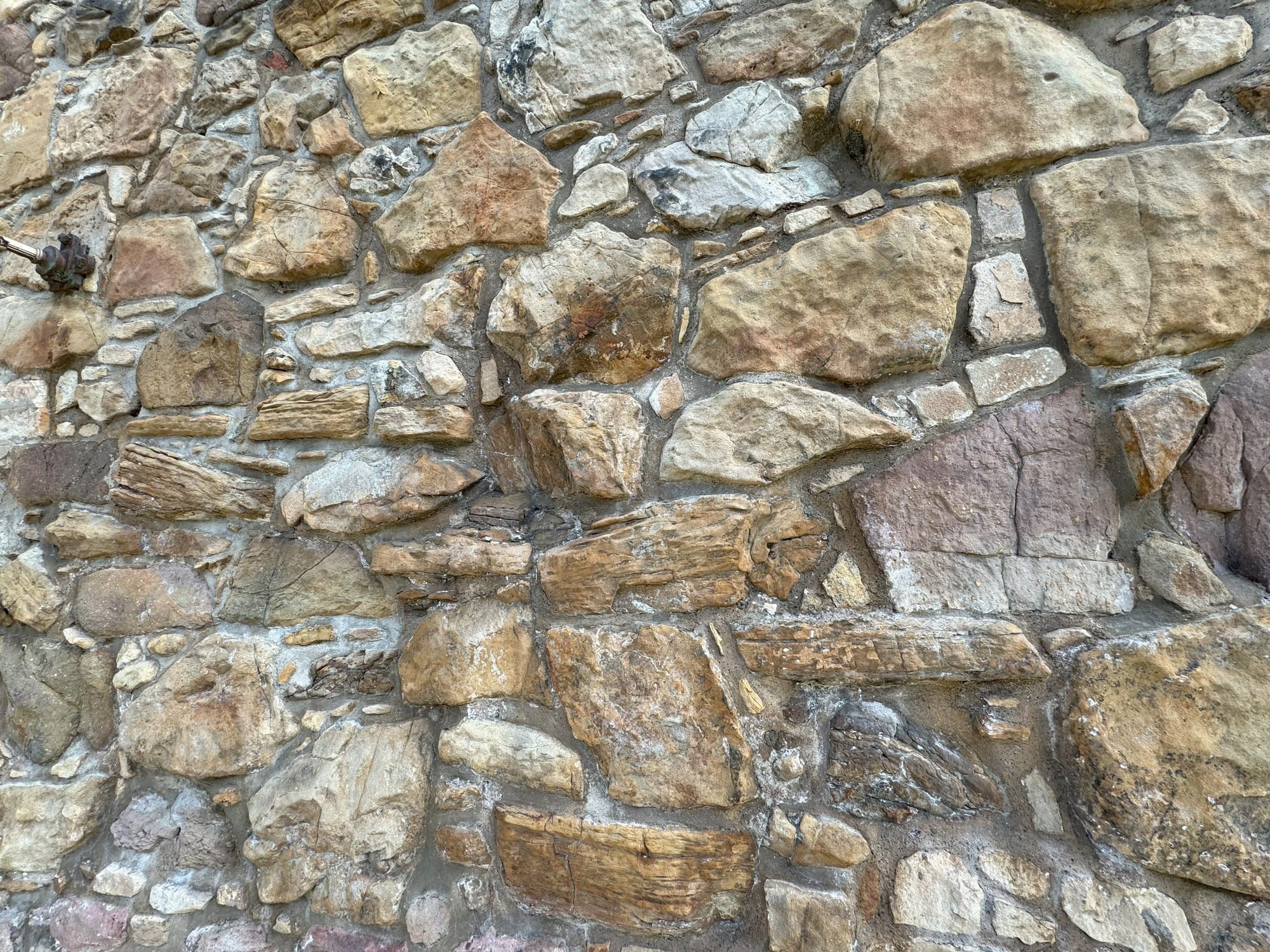
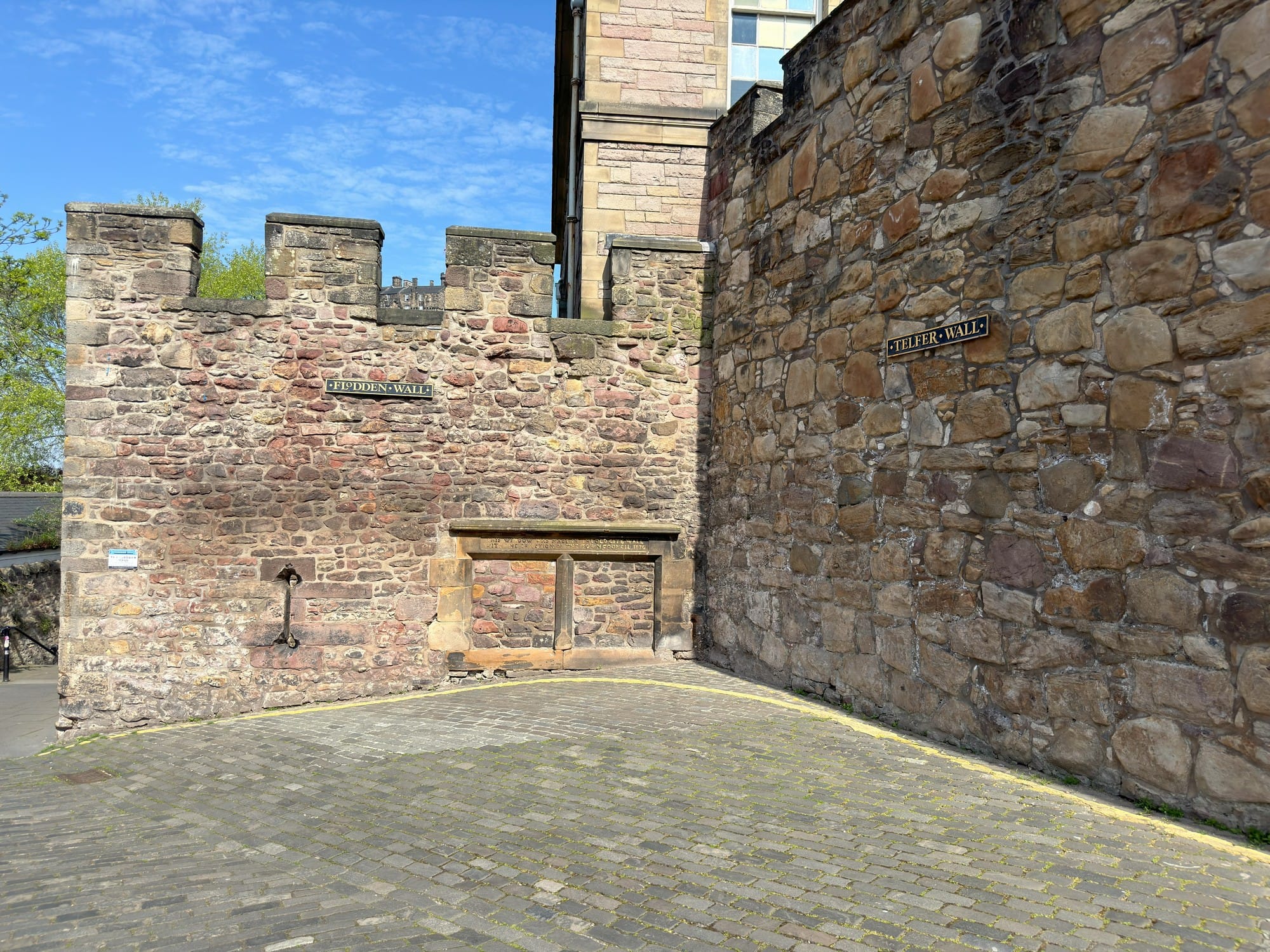
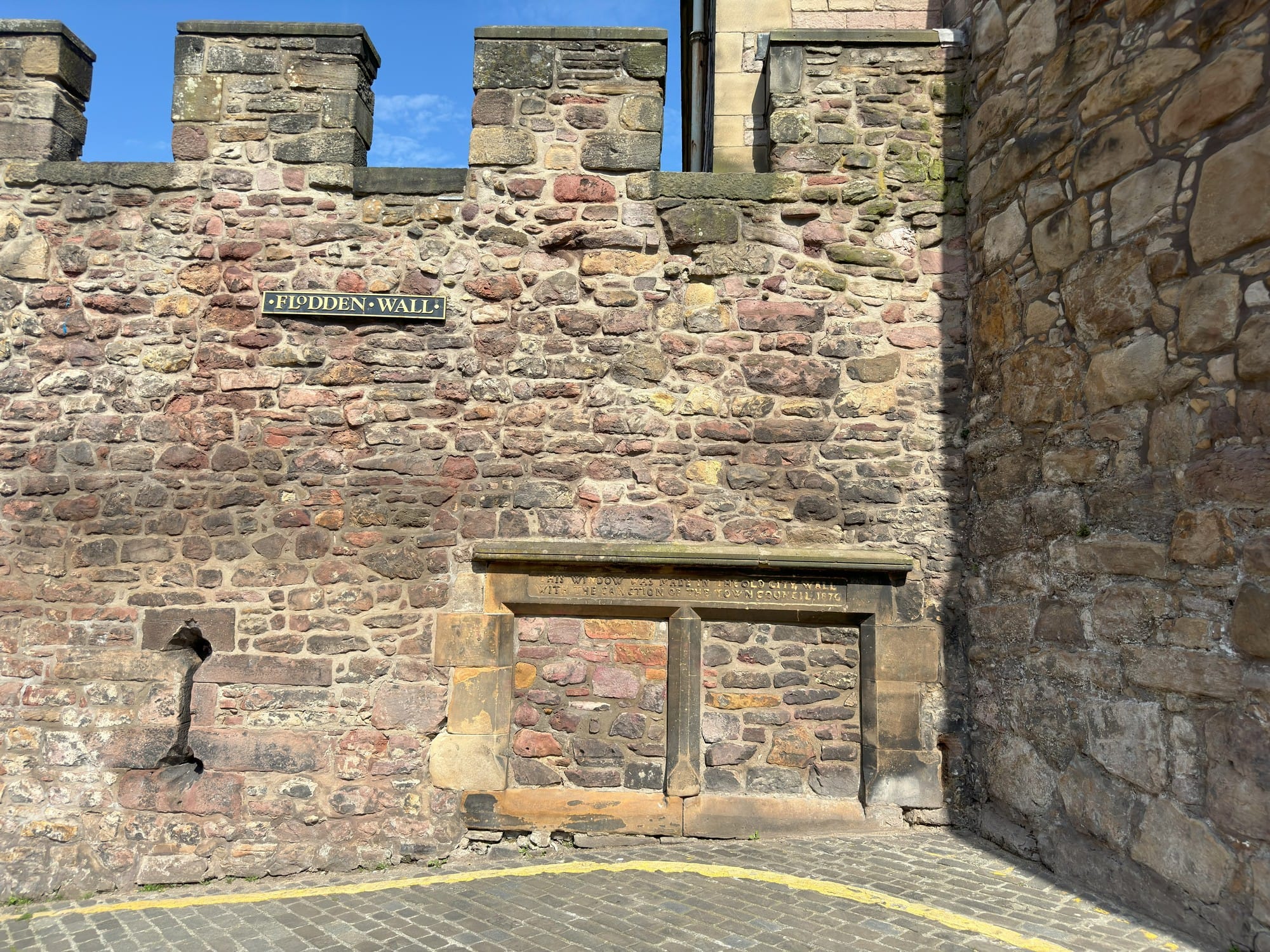
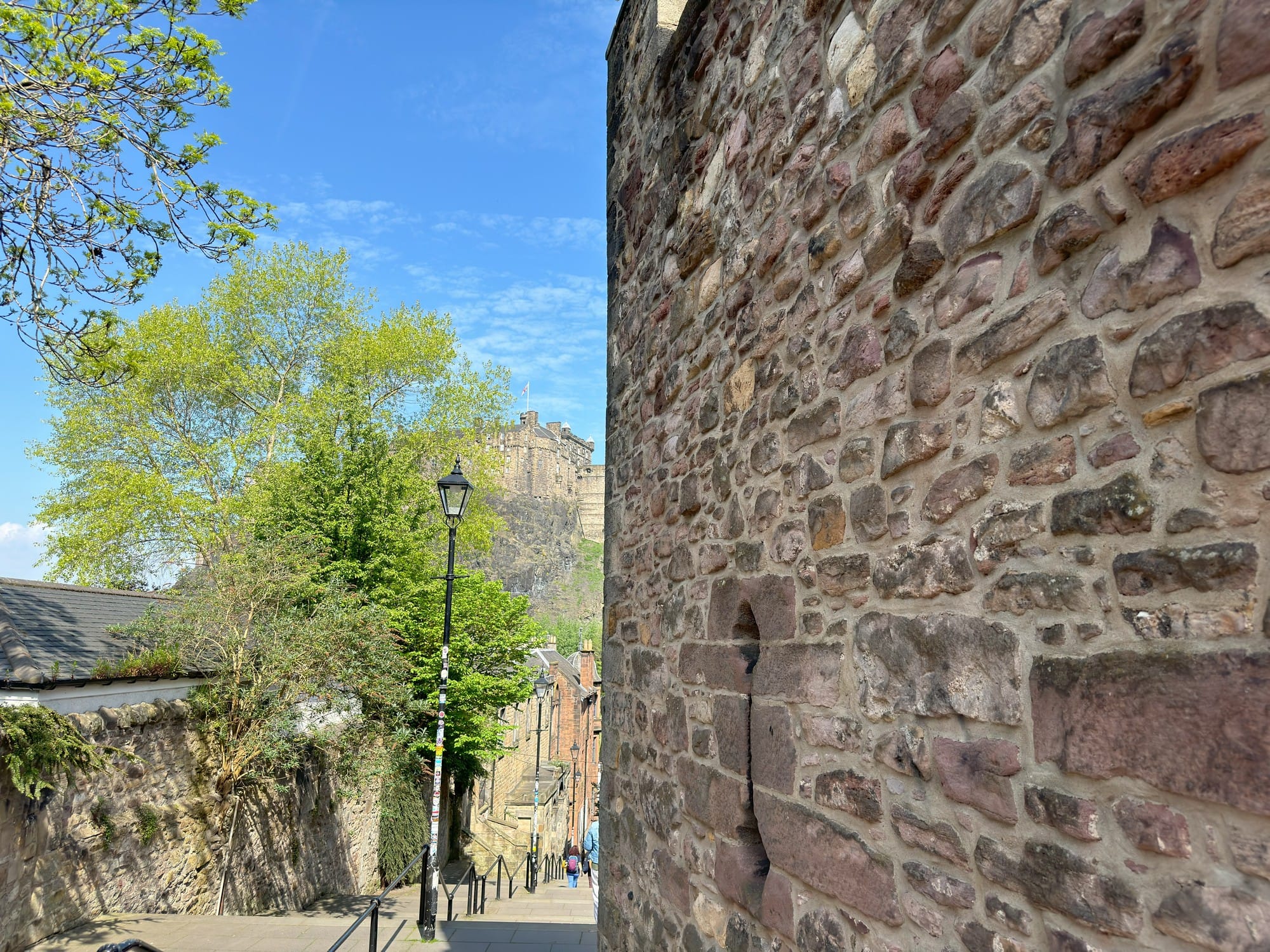
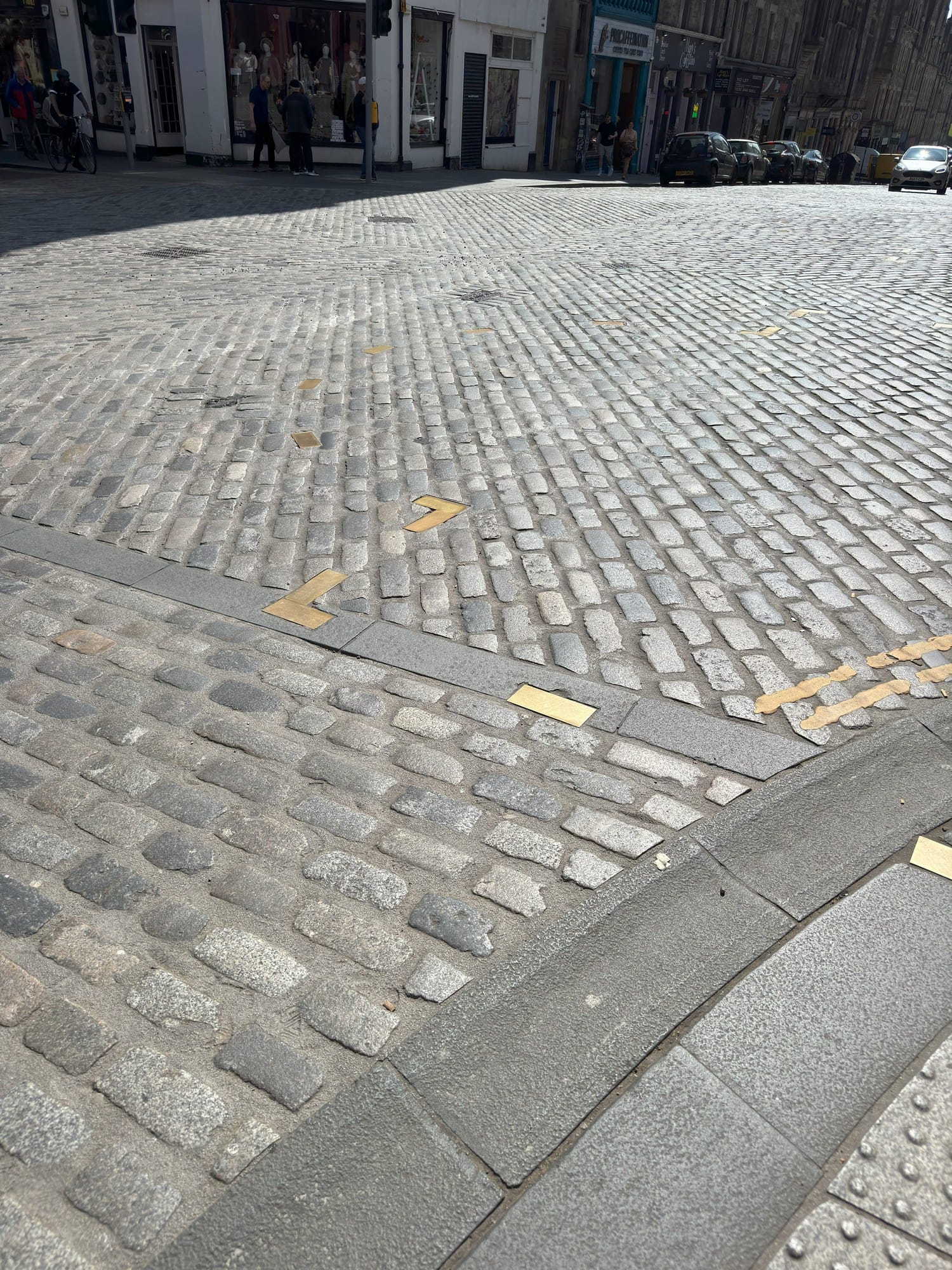
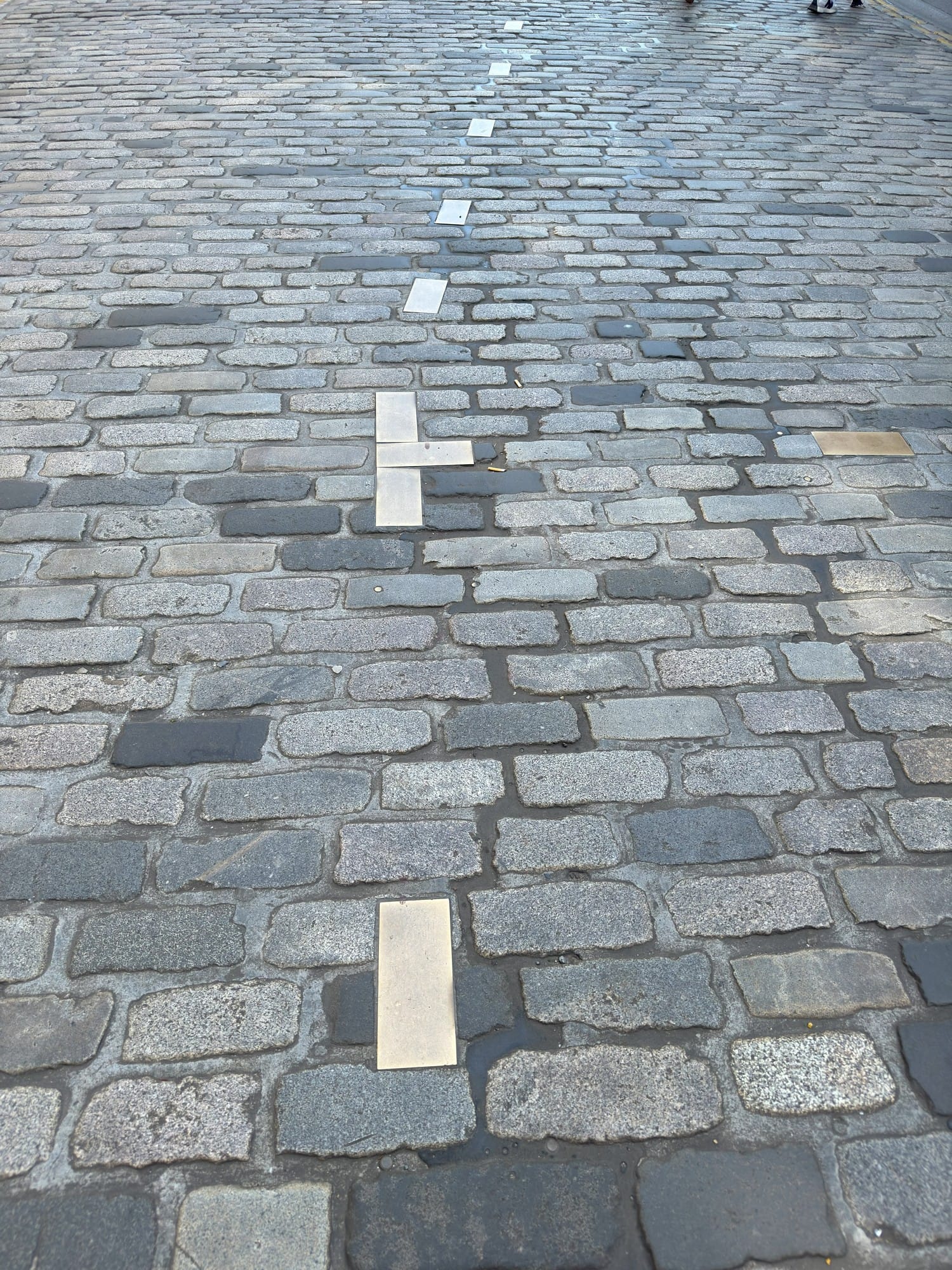
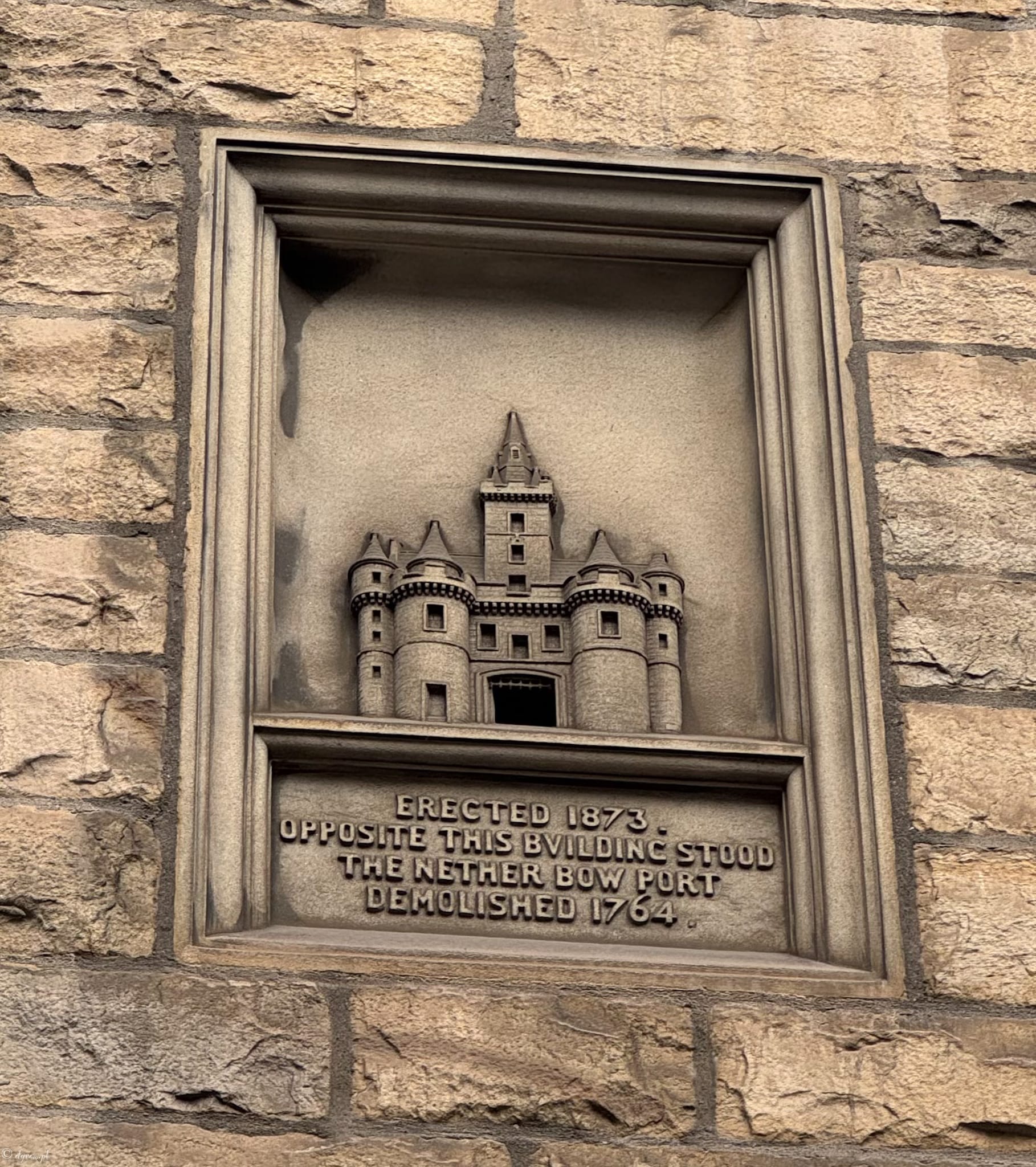
Over time the importance of defensive walls began to decline. The development of firearms and changes in military strategy made the fortifications less effective. In the 18th century the walls began to fall into ruin, and many sections were taken down to make room for the expanding city.
Only small fragments of Edinburgh's former defensive walls have survived to the present day. They can be seen, for example, near St Giles' Cathedral.
Continue reading in this gallery
Scotland
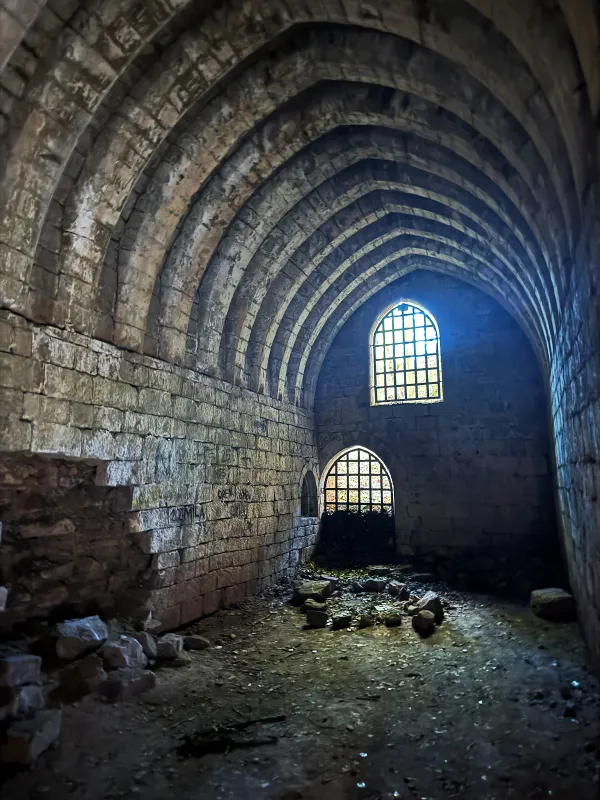
Goblin Hall
Deep within a Scottish woodland lies an extraordinary medieval chamber. According to legend, it was not built by human hands but by demons summoned by a powerful wizard. The place is known as Goblin Hall, and for nearly eight centuries, its story has captured people's imaginations.

Scotland
Scottish Castles-new website
Castles have featured in my photos and here on the blog for a long time. Eventually, I felt I wanted to give them more space and a place of their own, beyond individual blog posts.
Scotland
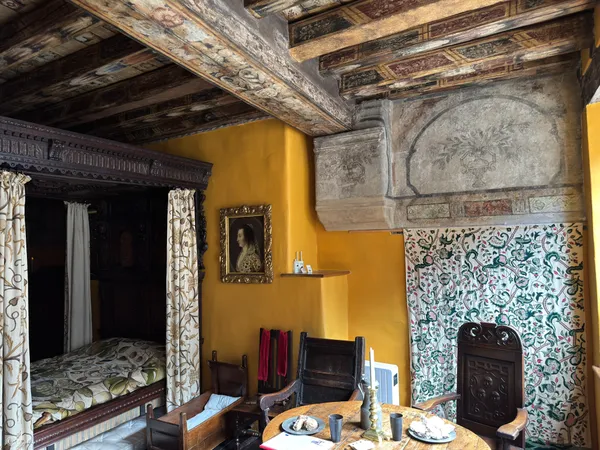
Gladstone’s Land
There’s something about Edinburgh’s Royal Mile that always draws me back. The crowds, the tartan shops, the sound of bagpipes, and the old stone buildings that seem as though they’ve stood here forever. Most of them have been altered so many times over the centuries that very little of the original

Scotland
In the Footsteps of Mary, Queen of Scots
Scotland has something magical about it. Mists, castles, hills – and of course legends. One of the most fascinating figures in Scottish history is Mary Stuart, better known as Mary, Queen of Scots.