
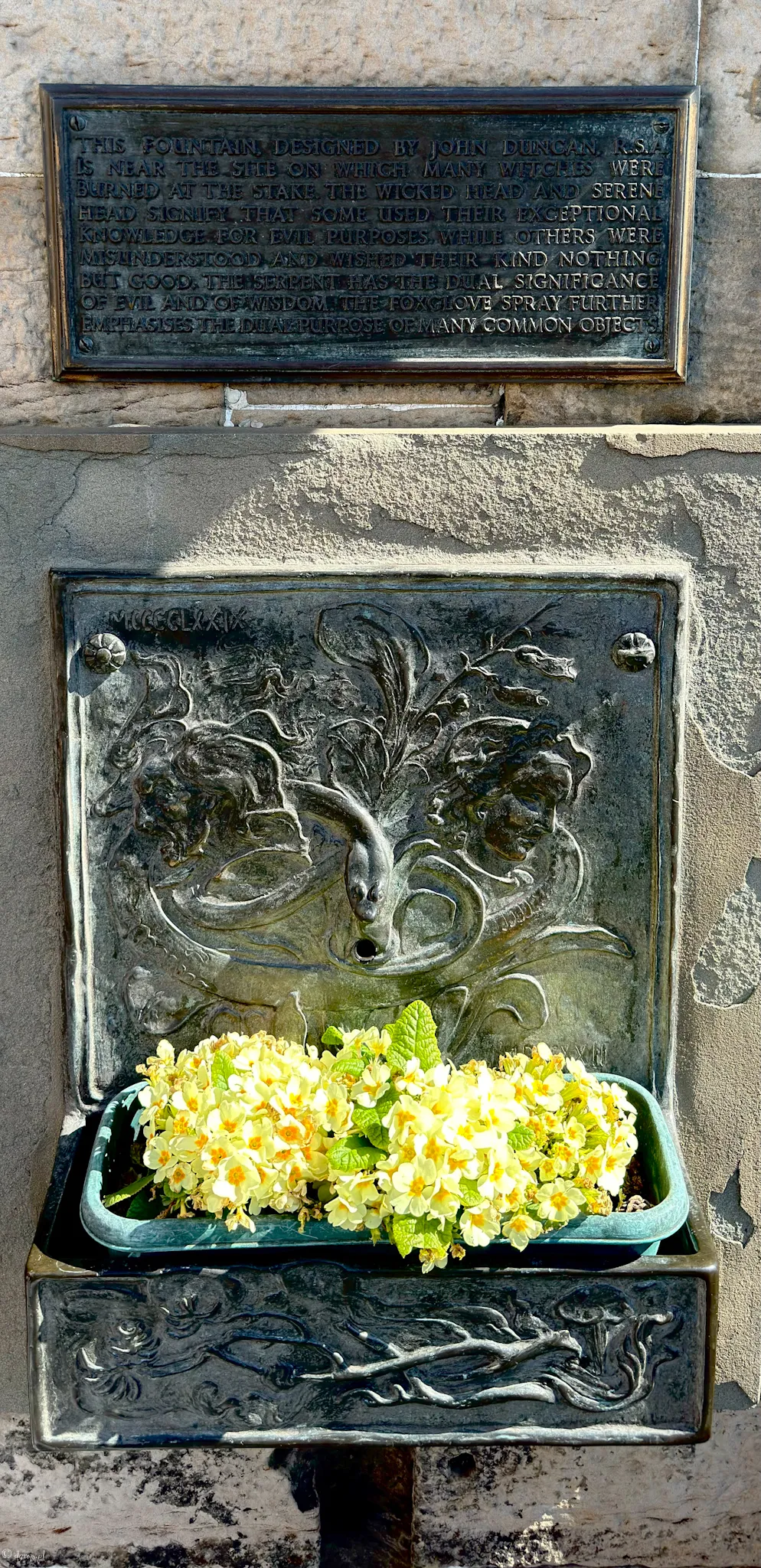
Witches' Well.
Edinburgh, a city full of monuments and mysteries, hides many places that recall its turbulent history. One of these places is the Witches' Well

Edinburgh, a city full of monuments and mysteries, hides many places that recall its turbulent history. One of these places is Witches' Well (The Witches' Well), a small but highly symbolic monument located on Castlehill, right by the road leading to Edinburgh Castle. This place commemorates the victims of witch persecutions in Scotland – a dark chapter of history that lasted from the 15th to the 18th century.
Between 1479 and 1722 in Scotland thousands of people were accused of witchcraft, of whom over 300 women were executed on Castlehill in Edinburgh. The accusations often arose from superstition, fear of the unknown, and religious tensions. Many of these women were innocent victims of social paranoia.
King James VI of Scotland played a key role in intensifying the witch hunts. His obsession with the occult and belief in witchcraft led to numerous trials and executions. Castlehill became a place where the accused were publicly burned at the stake or hanged – these events were intended to intimidate the public and strengthen royal power.
The Witches' Well monument was designed by John Duncan in 1894 at the commission of Sir Patrick Geddes, a well-known philanthropist and urban planner. Although the monument is small, its rich symbolism attracts attention:
- Heads of Hygieia and Asclepius: The goddess of health and her father – the god of medicine – are surrounded by a coiling snake. The snake symbolizes both wisdom and evil, reflecting the dualism of good and evil.
- Foxglove plant: Foxglove is a medicinal plant but can also be poisonous — a metaphor for knowledge that can be used for both good and ill.
- Roman numerals (1479–1722): The top and bottom of the monument show the dates of the largest witch persecutions in Scotland.
- Fish relief: The central element depicts a fish surrounded by plant motifs, which may symbolize life and rebirth.
On the plaque above the monument is an inscription added in 1912. It explains the meaning of the monument's elements and reminds us of the injustice suffered by those accused of witchcraft.
Today the Witches' Well no longer functions as a fountain, but it remains an important place of remembrance. Fresh flowers are often seen at the base of the monument, laid by visitors as a tribute to the victims of injustice.
The monument symbolizes reflection on the past and serves as a reminder of how fear of the unknown can lead to tragedy. Today, increasing numbers of people express a desire to create a new memorial to the victims of the witch trials, although many Edinburgh residents consider the Witches' Well a sufficient testament to history.
The Witches' Well is a place full of history and emotion — a small monument that recalls the dark times of witch persecutions in Scotland. Walking along Castlehill in Edinburgh, it's worth stopping by this remarkable landmark and reflecting on the lessons of the past. It is not only a tribute to the victims of injustice, but also a warning against repeating the mistakes of history.
Continue reading in this gallery
Scotland
Goblin Hall
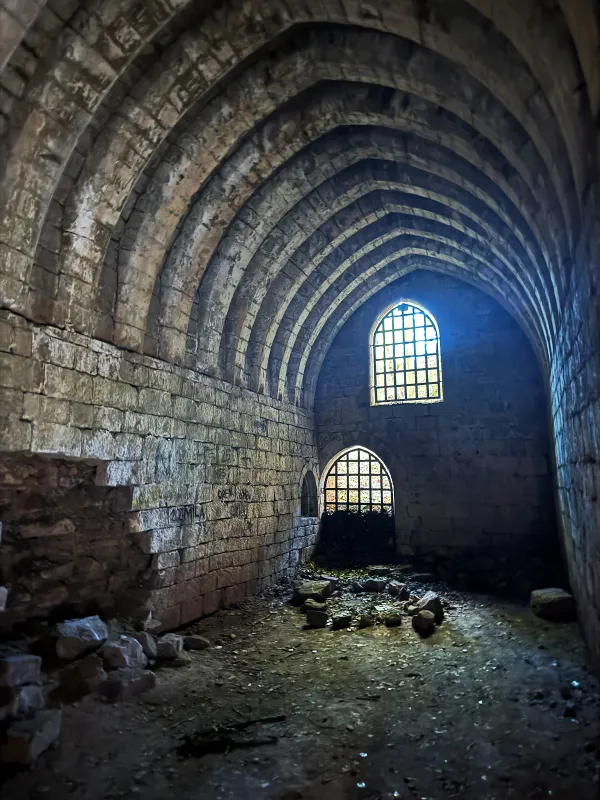
Deep within a Scottish woodland lies an extraordinary medieval chamber. According to legend, it was not built by human hands but by demons summoned by a powerful wizard. The place is known as Goblin Hall, and for nearly eight centuries, its story has captured people's imaginations.

Scotland
Scottish Castles-new website
Castles have featured in my photos and here on the blog for a long time. Eventually, I felt I wanted to give them more space and a place of their own, beyond individual blog posts.
Scotland
Gladstone’s Land
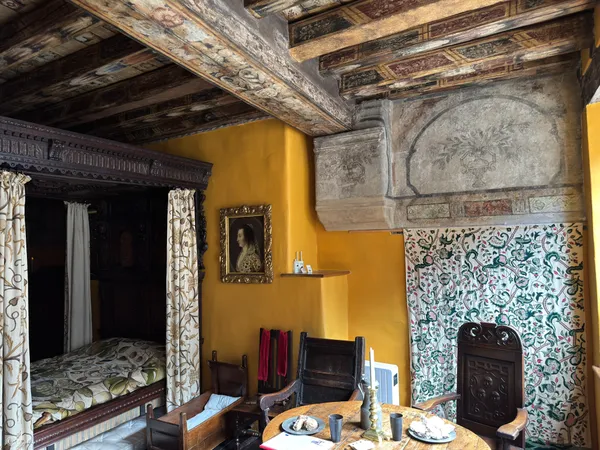
There’s something about Edinburgh’s Royal Mile that always draws me back. The crowds, the tartan shops, the sound of bagpipes, and the old stone buildings that seem as though they’ve stood here forever. Most of them have been altered so many times over the centuries that very little of the original
Scotland
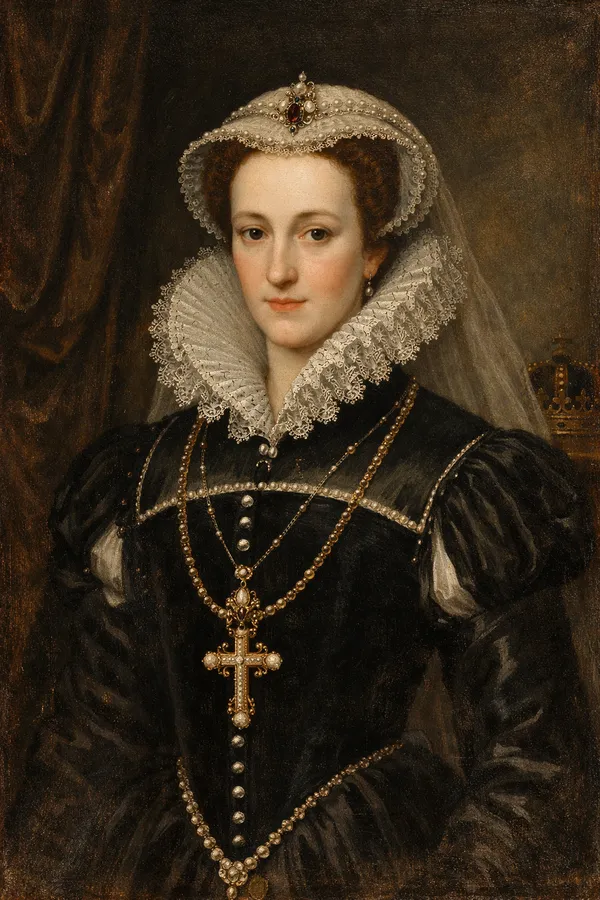
In the Footsteps of Mary, Queen of Scots
Scotland has something magical about it. Mists, castles, hills – and of course legends. One of the most fascinating figures in Scottish history is Mary Stuart, better known as Mary, Queen of Scots.