
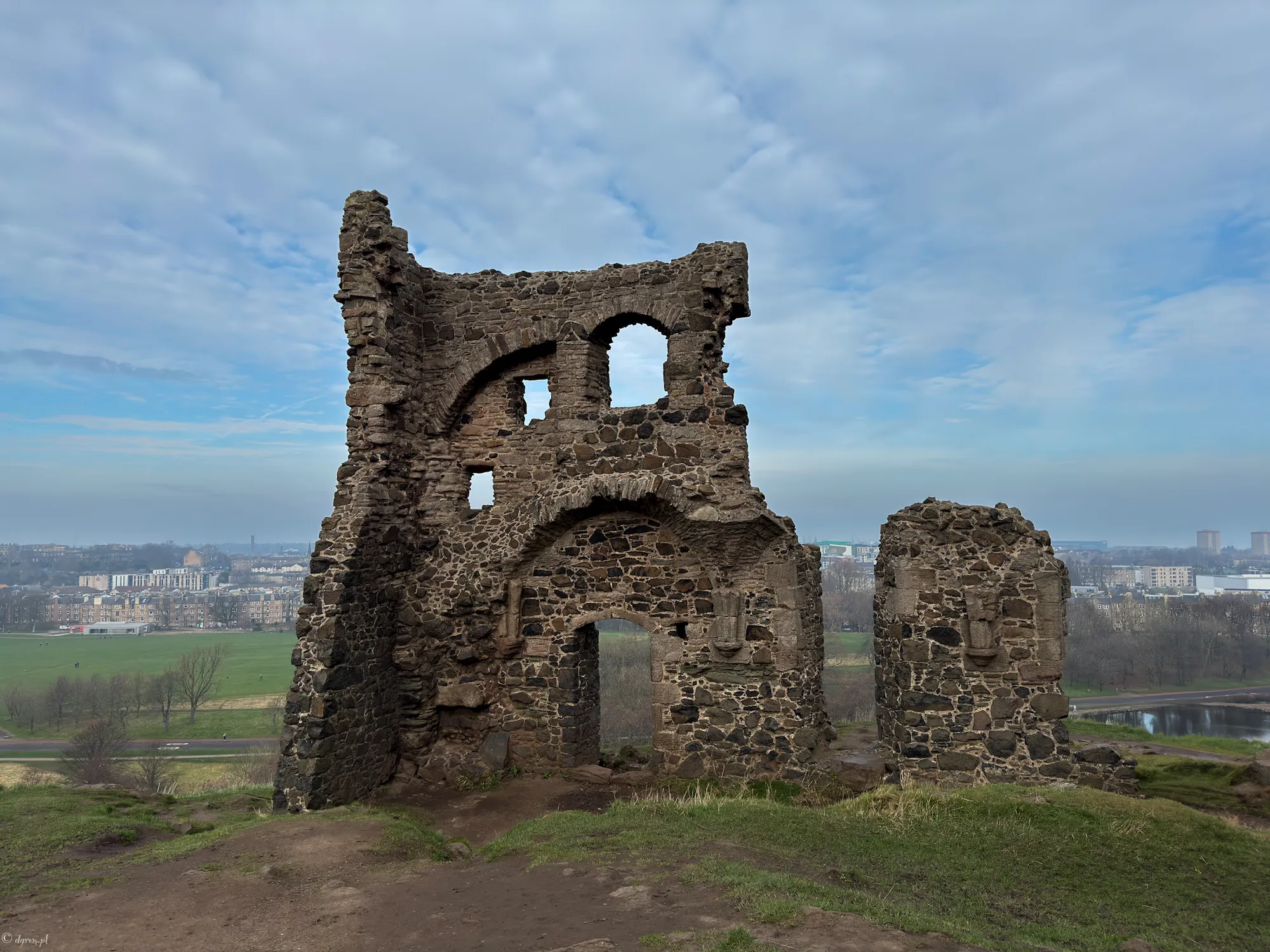
Ruins of St Anthony's Chapel
St Anthony's Chapel is a true enigma. No one knows the exact date it was built or the full purpose it served. Historians estimate it may have been erected before the early 15th century, as evidenced by records from 1426.

The mysterious ruins of St Anthony's Chapel in Edinburgh
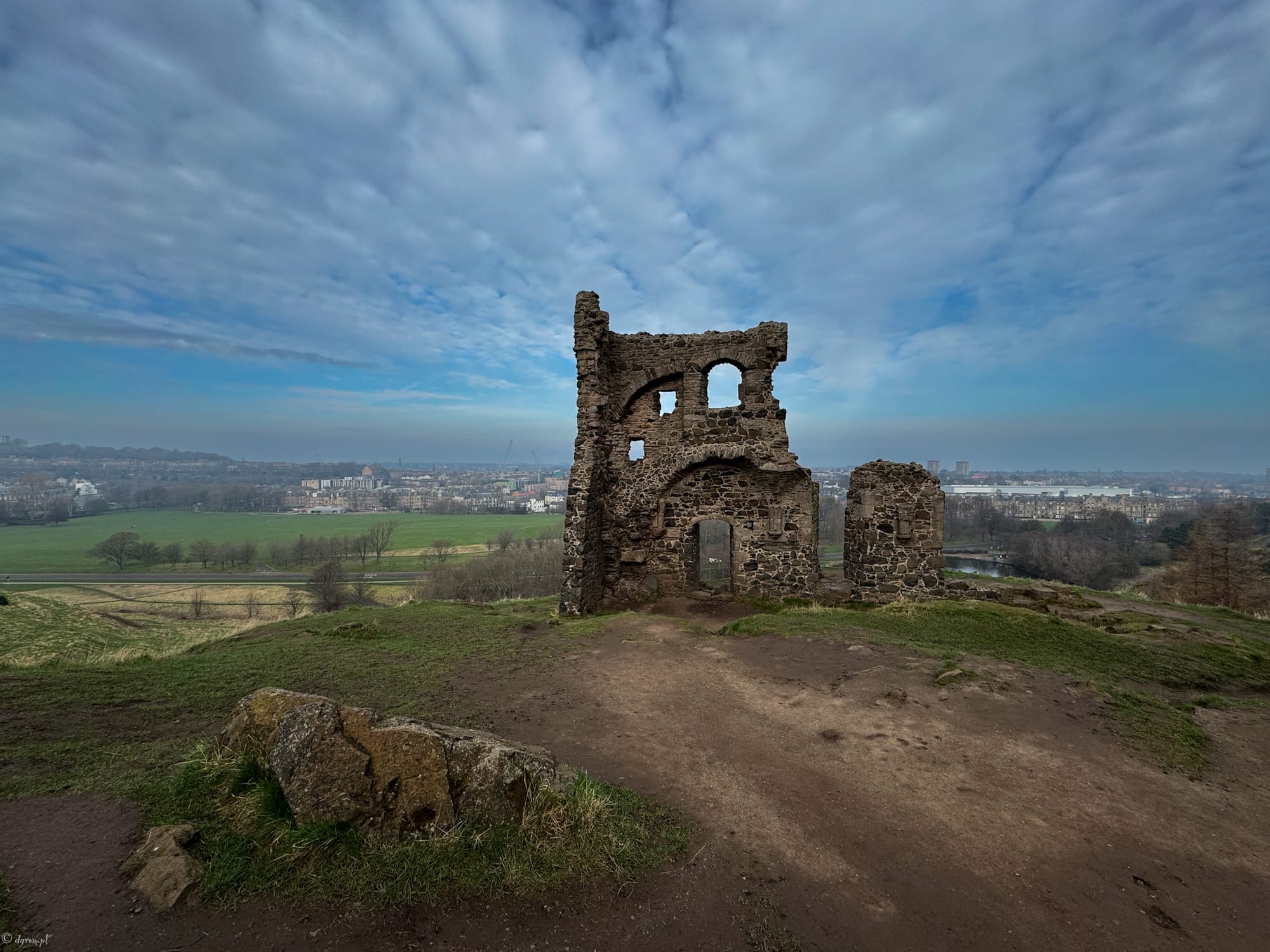
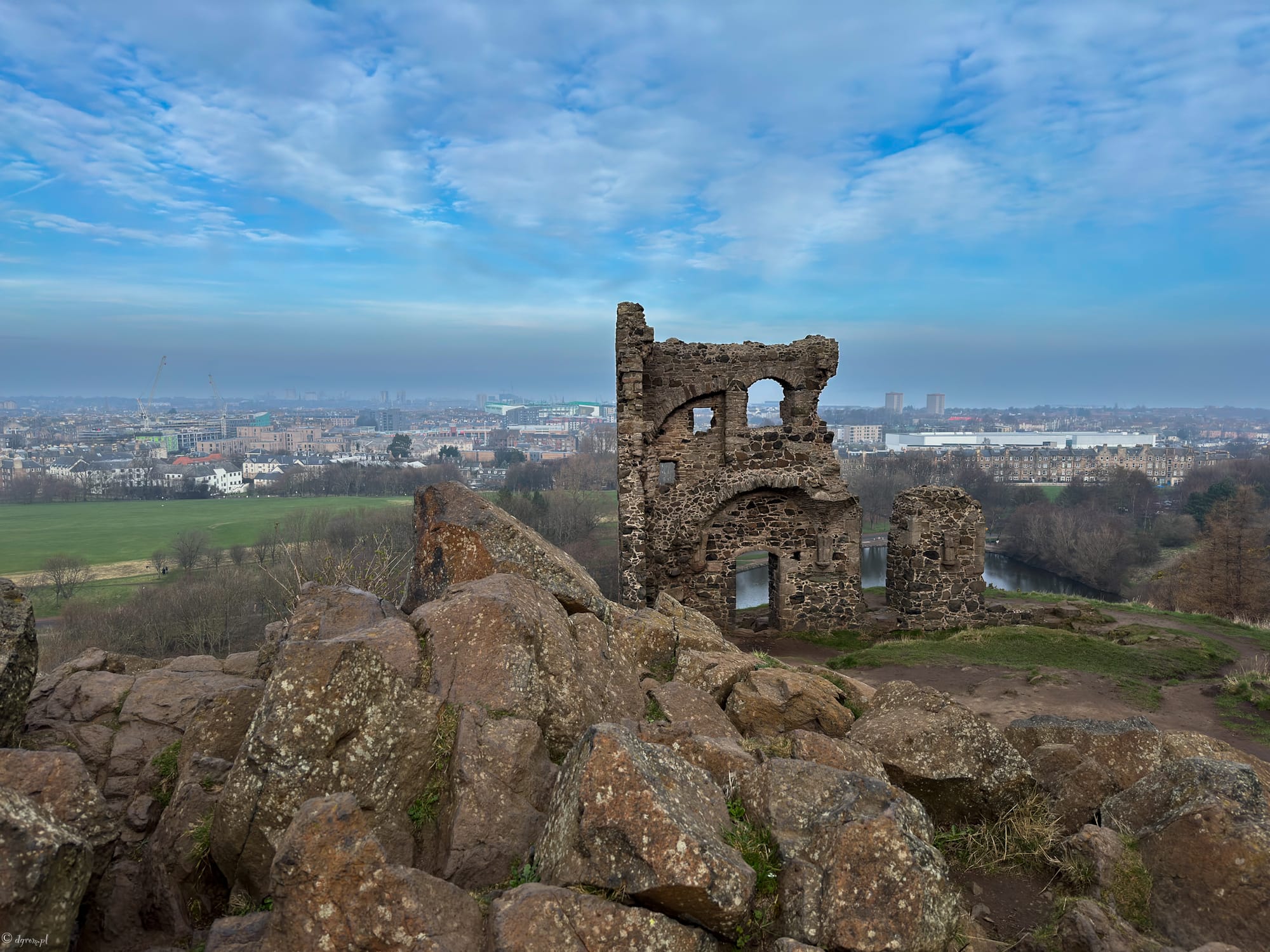
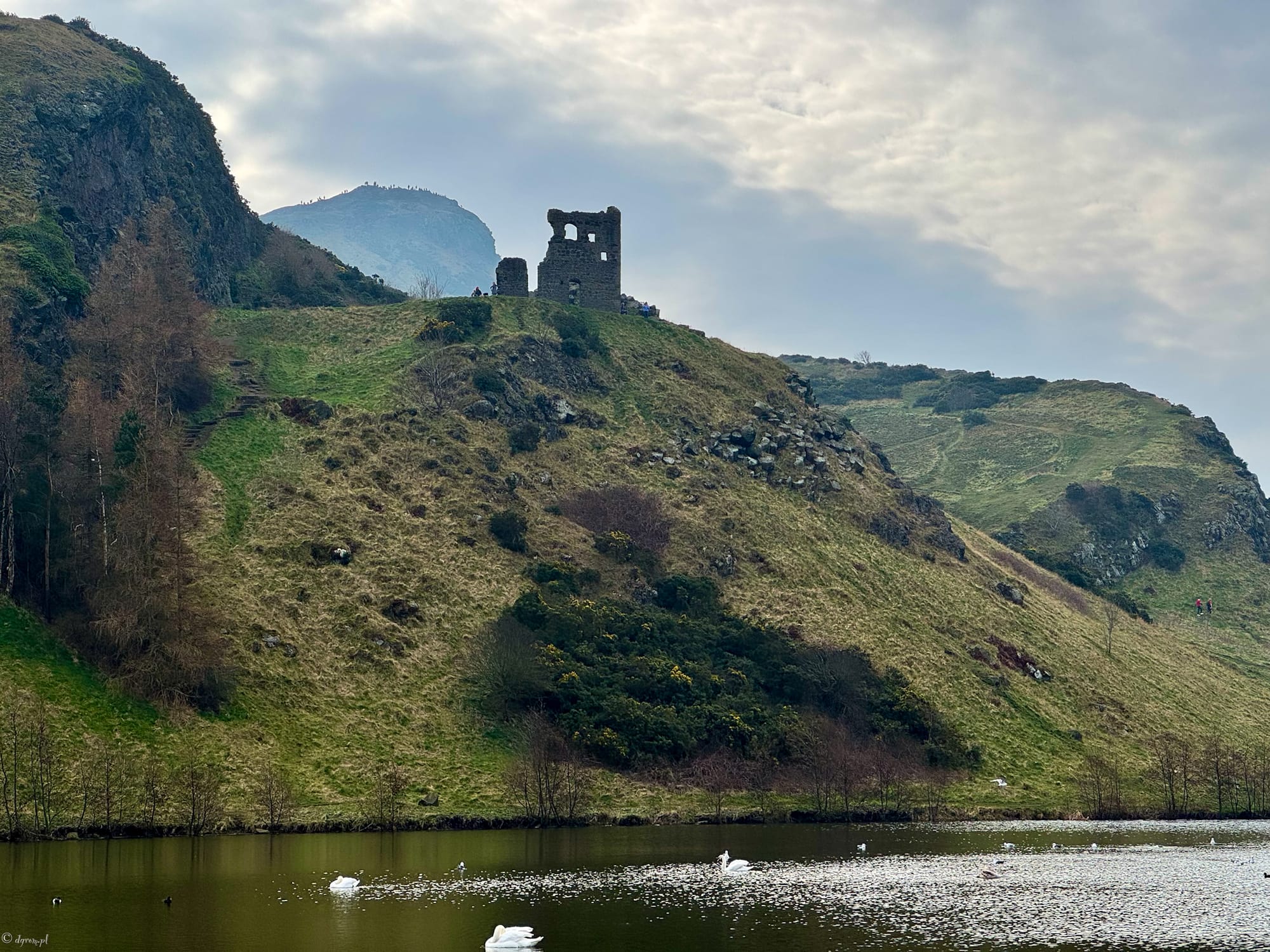
Edinburgh is a city full of history, where every corner hides stories from centuries past. One such place that draws both tourists and lovers of historical mysteries is the ruins of St Anthony's Chapel (St Anthony's Chapel) in Holyrood Park. Perched on a rocky outcrop above St Margaret’s Loch, these medieval remains offer not only views of the city but also a puzzle that has intrigued historians and archaeologists for centuries.
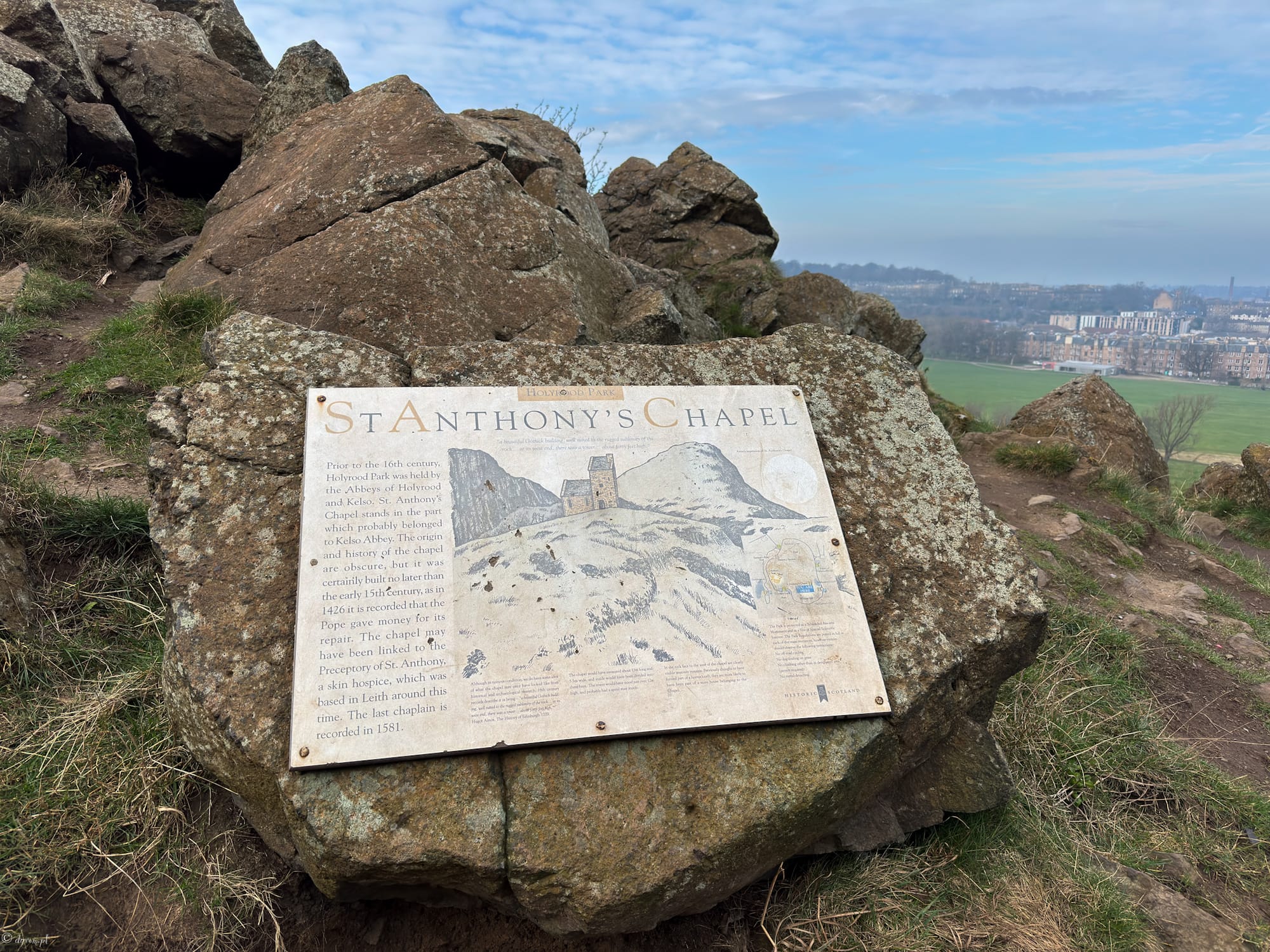
St Anthony's Chapel is a true enigma. No one knows the exact date it was built or the full purpose it served. Historians estimate it may have been erected before the early 15th century, as evidenced by records from 1426. At that time Pope Martin V provided funds for its repair, which suggests the building was already old enough to require renovation. Some believe the chapel may have been founded shortly after the death of St Anthony of Padua in 1231, which would make it one of the earlier structures dedicated to the patron saint of lost things.
In the Middle Ages the area that is now Holyrood Park belonged partly to Kelso Abbey and partly to the nearby Holyrood Abbey, located just a few hundred metres from the chapel. The chapel was probably connected with the latter. One theory is that it served as a landmark for pilgrims arriving at Holyrood Abbey by sea via the River Forth, the abbey being visible from afar thanks to its 12-metre tower. Others suggest it was a subsidiary chapel that helped relieve the main church of excess worshippers.
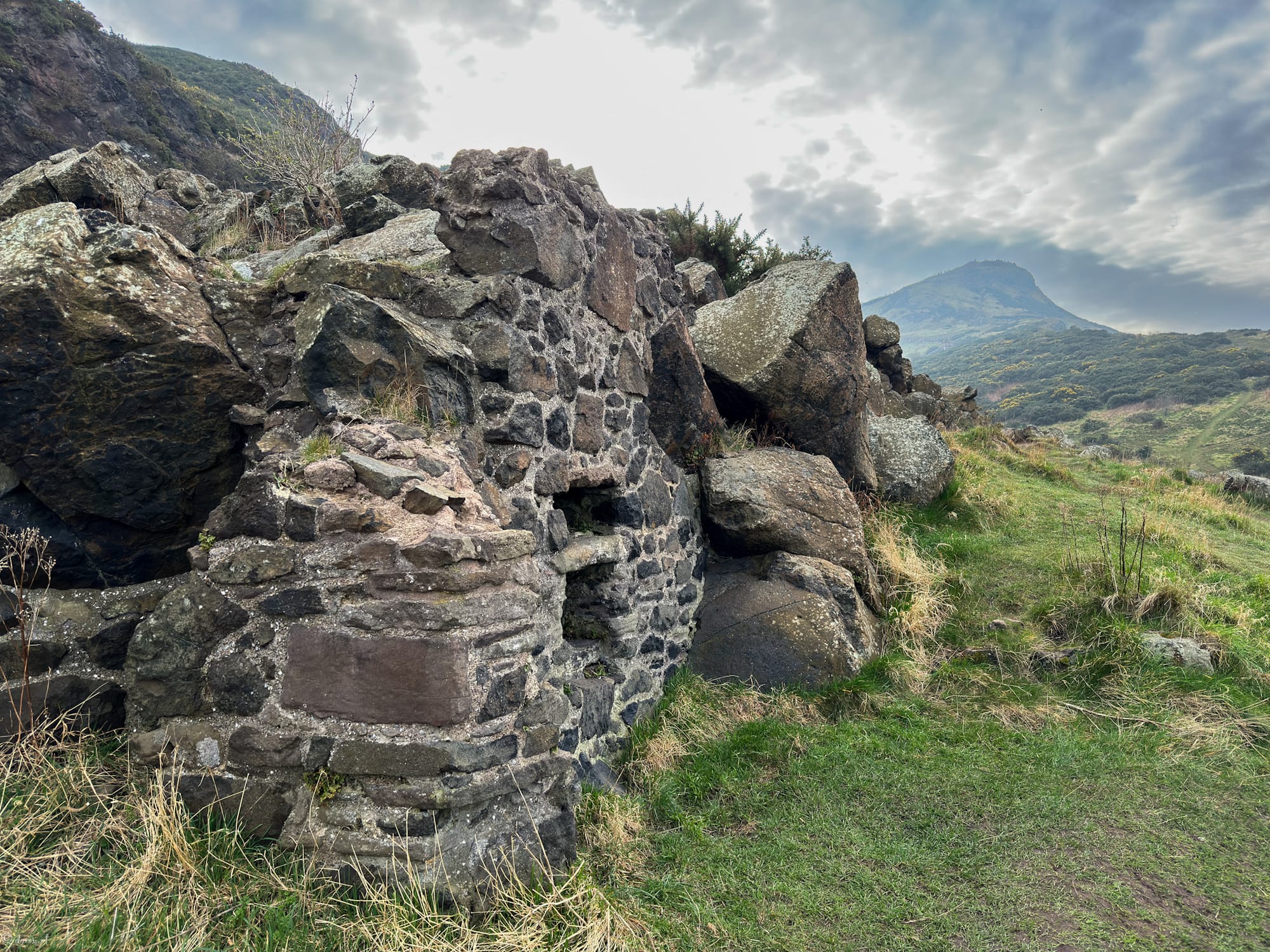
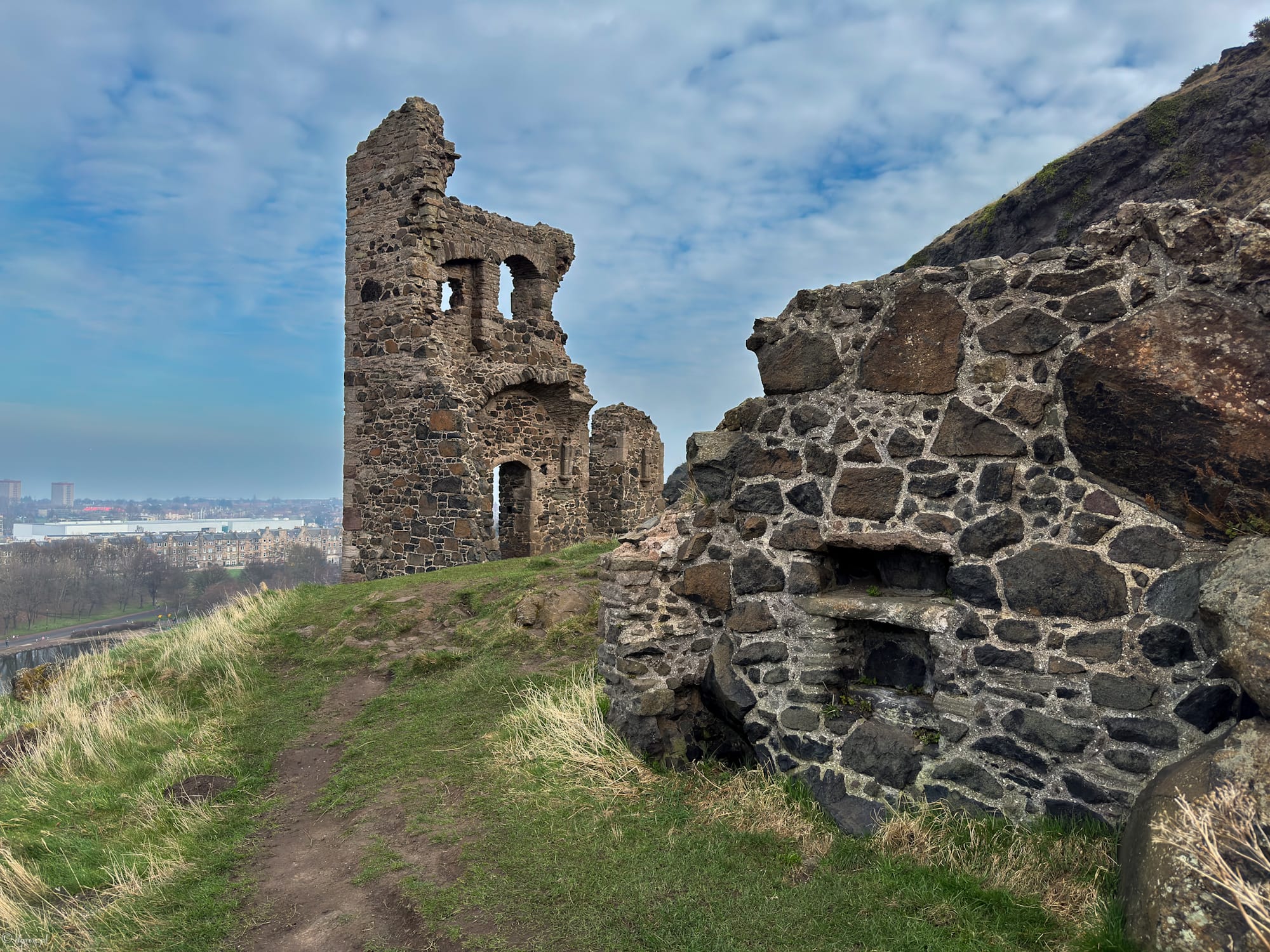
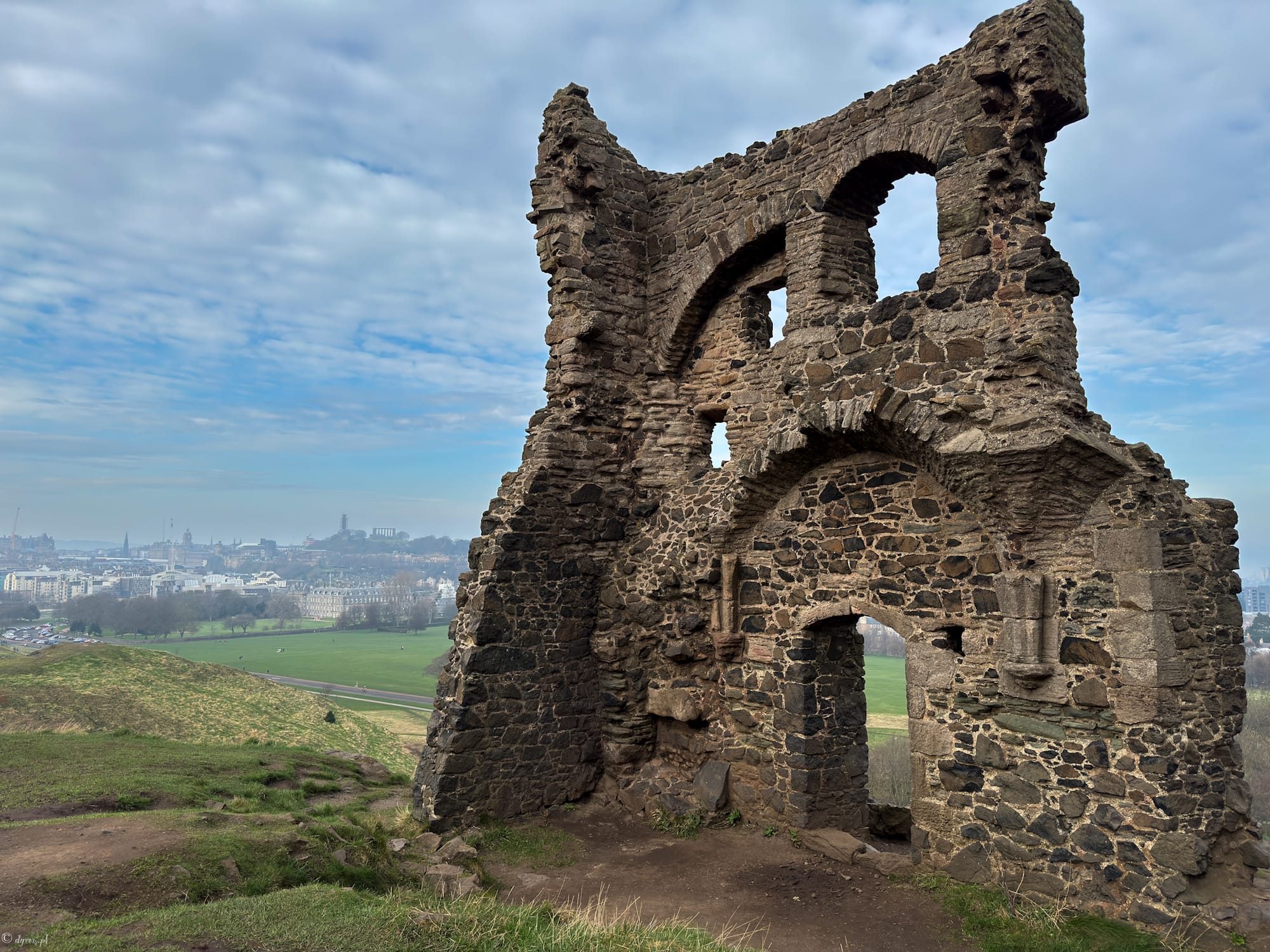
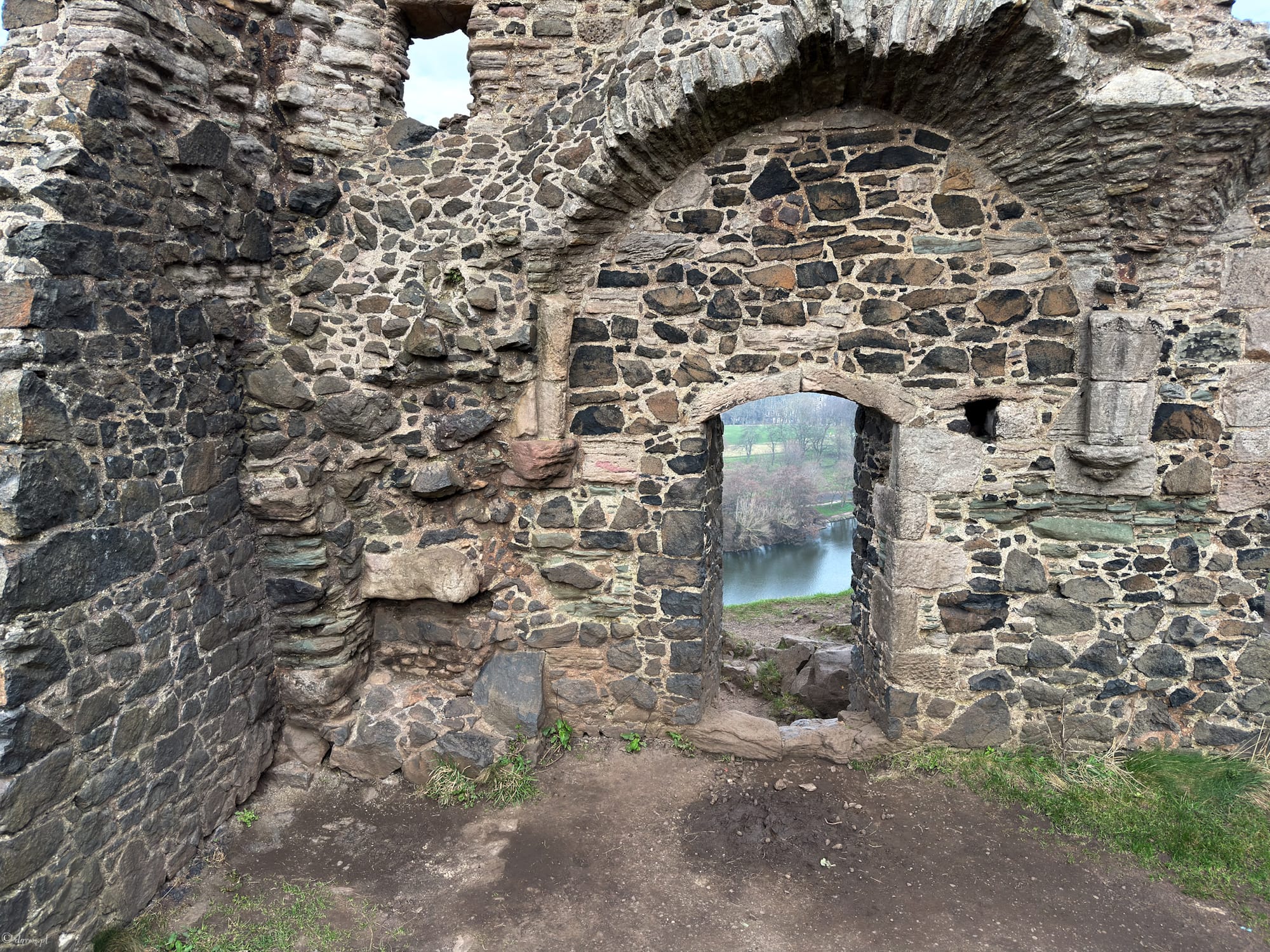
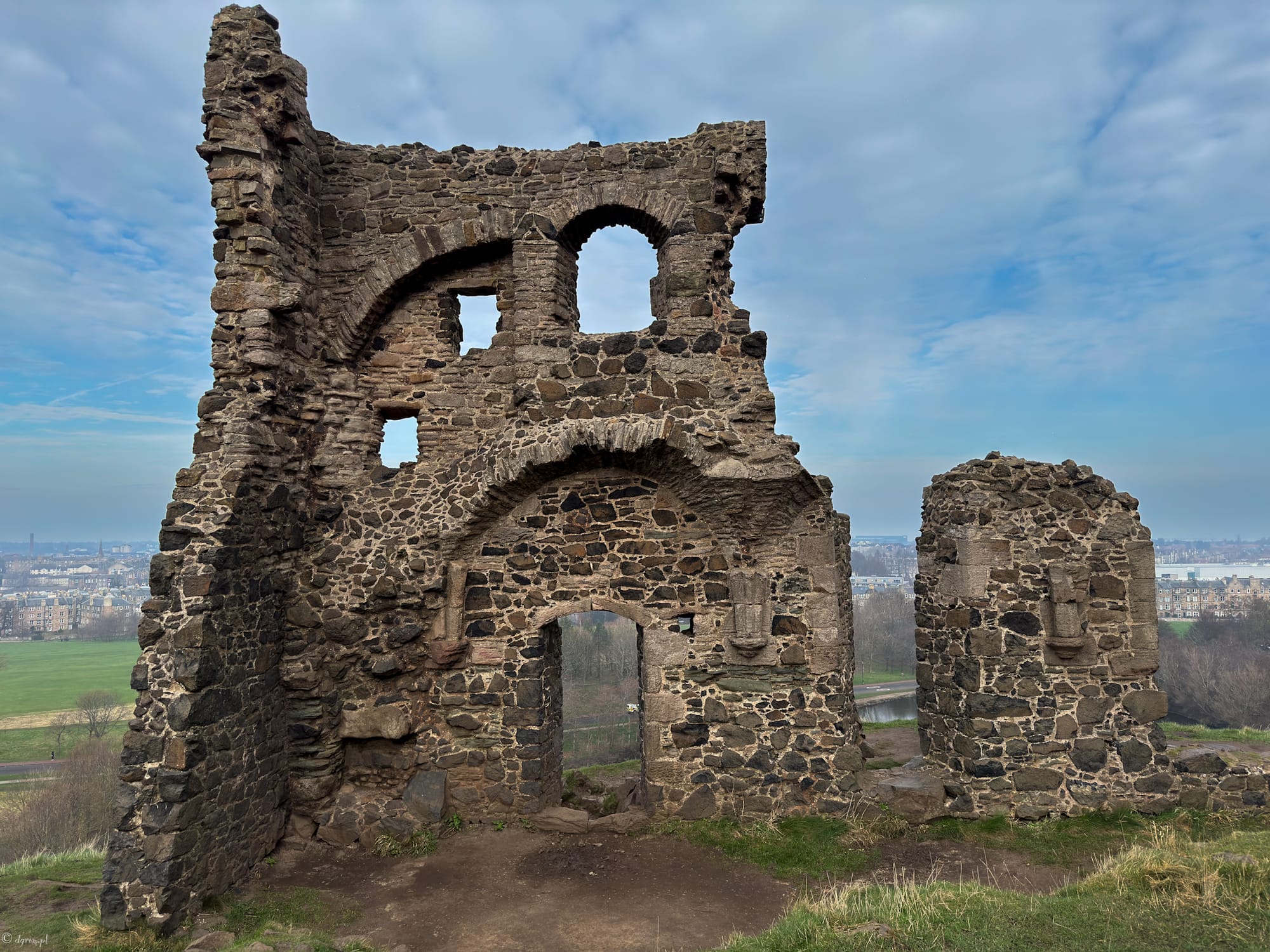
Today little remains of the chapel – mainly a fragment of the north wall and traces of the foundations. However, in its heyday it was a three-storey building with a tower at the west end and an interior space only 2.4 metres wide. The walls, built from local stone, were about 1 metre thick, indicating a solid construction. Beside the chapel there was also a smaller structure, perhaps a monk's cell or a store, built into the rock to the south of the main building. Shallow graves have been found around the site, which may indicate it also served as a burial ground.
The fate of St Anthony's Chapel remains as unclear as its origins. The last chaplain left the place in 1581, and after the Reformation in 1560, which brought the decline of many Catholic buildings in Scotland, the chapel fell into ruin. An engraving by Thomas Hearne from 1779 shows that it was already in an advanced state of decay by then. Modern archaeological investigations have not produced a breakthrough – although human remains have been found (for example, in 1883 a group of boys came across well-preserved bones), the lack of written sources before the 17th century makes it difficult to fully understand its history.
The ruins of St Anthony's Chapel are more than just a historical curiosity. Situated in picturesque Holyrood Park, they offer splendid views over north Edinburgh, Leith and the mouth of the River Forth. A walk to the chapel is a perfect addition to a climb up Arthur’s Seat – the highest point in the park. Although the route requires some effort, it is accessible to people of average fitness. On site you can feel the magic of the place – the silence, the surrounding greenery and the loch in the background create an atmosphere of calm and reflection.
Some visitors describe the chapel as magical or mysterious. That may be due to its unclear past, or simply the charm of ruins contrasted with the park's wild nature. It's worth bringing a camera – the chapel's silhouette against the sky is a treat for photographers.
Despite its popularity with tourists, St Anthony's Chapel still holds many mysteries. Archaeologist John Lawson, quoted in Edinburgh Evening News, stresses that the site deserves further study. The results of earlier excavations have not been fully published, and new discoveries in a growing Edinburgh may one day shed light on its origins. Was it a hermitage, a pilgrimage point, or something else entirely? For now it remains a symbol of how much history still awaits discovery in this fascinating city.
If you find yourself in Edinburgh, don't miss the chance to visit. The ruins of St Anthony's Chapel are not just a piece of medieval history but also a reminder that some mysteries will never be fully solved – and perhaps that is their appeal.
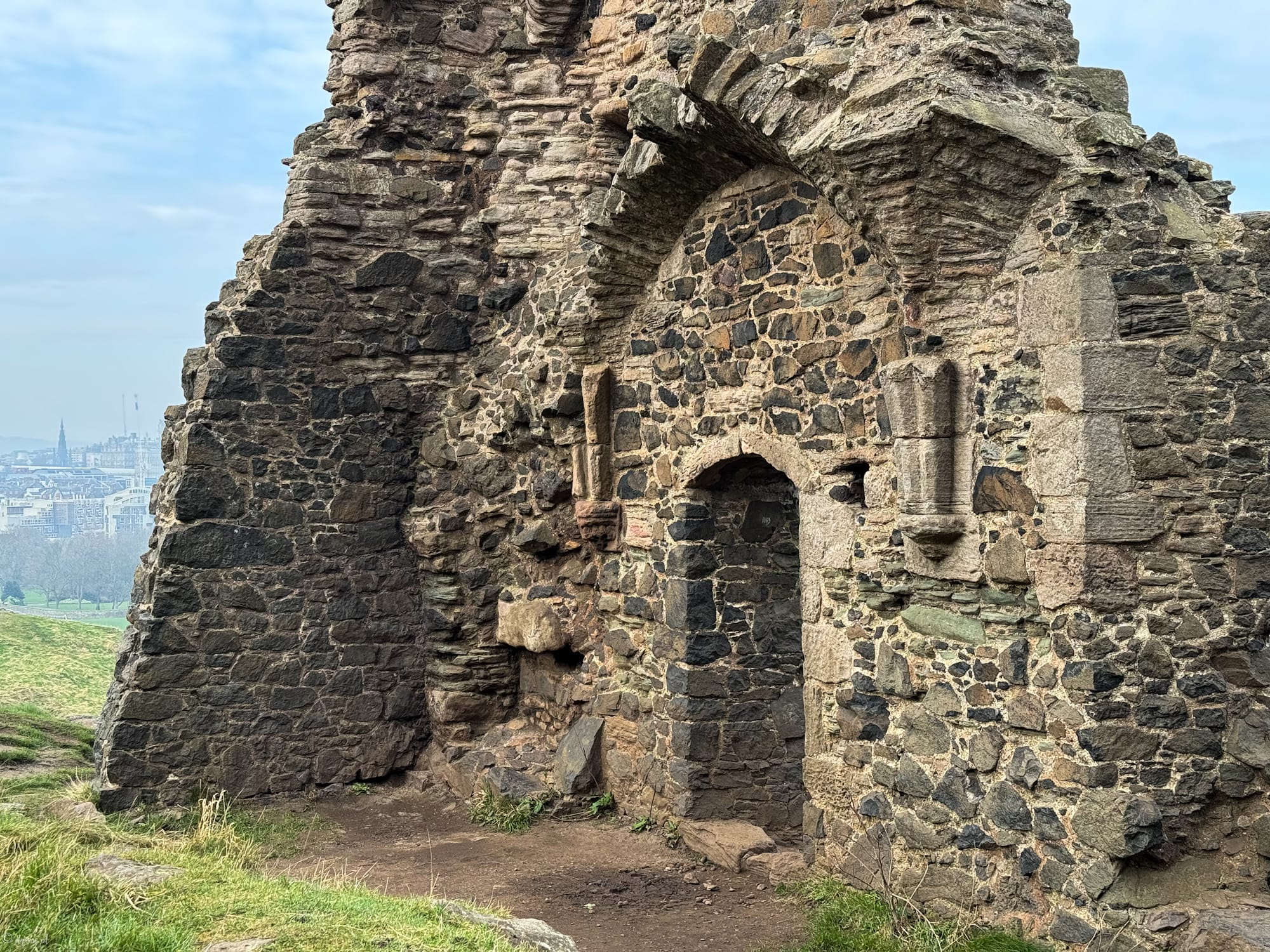
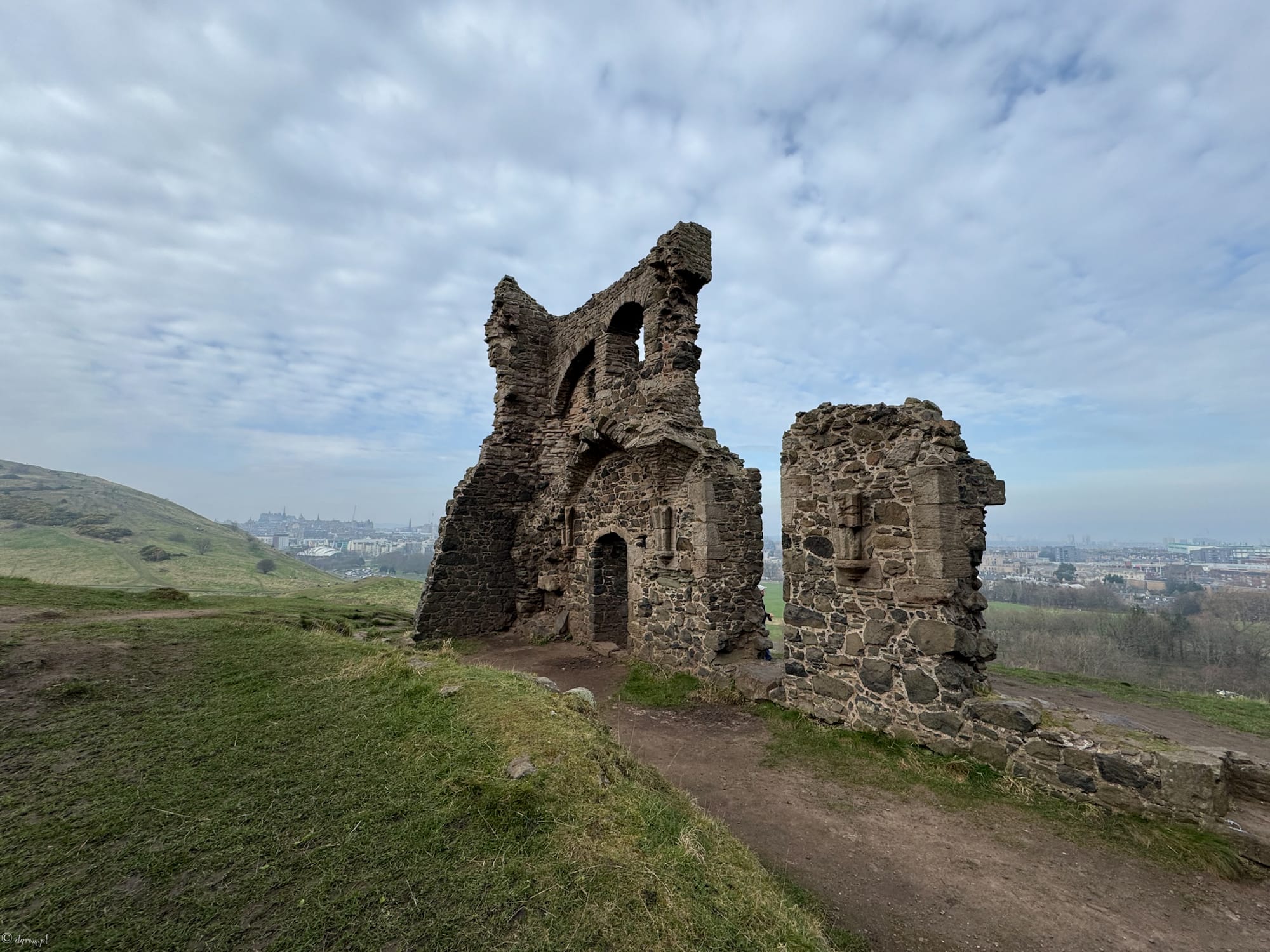
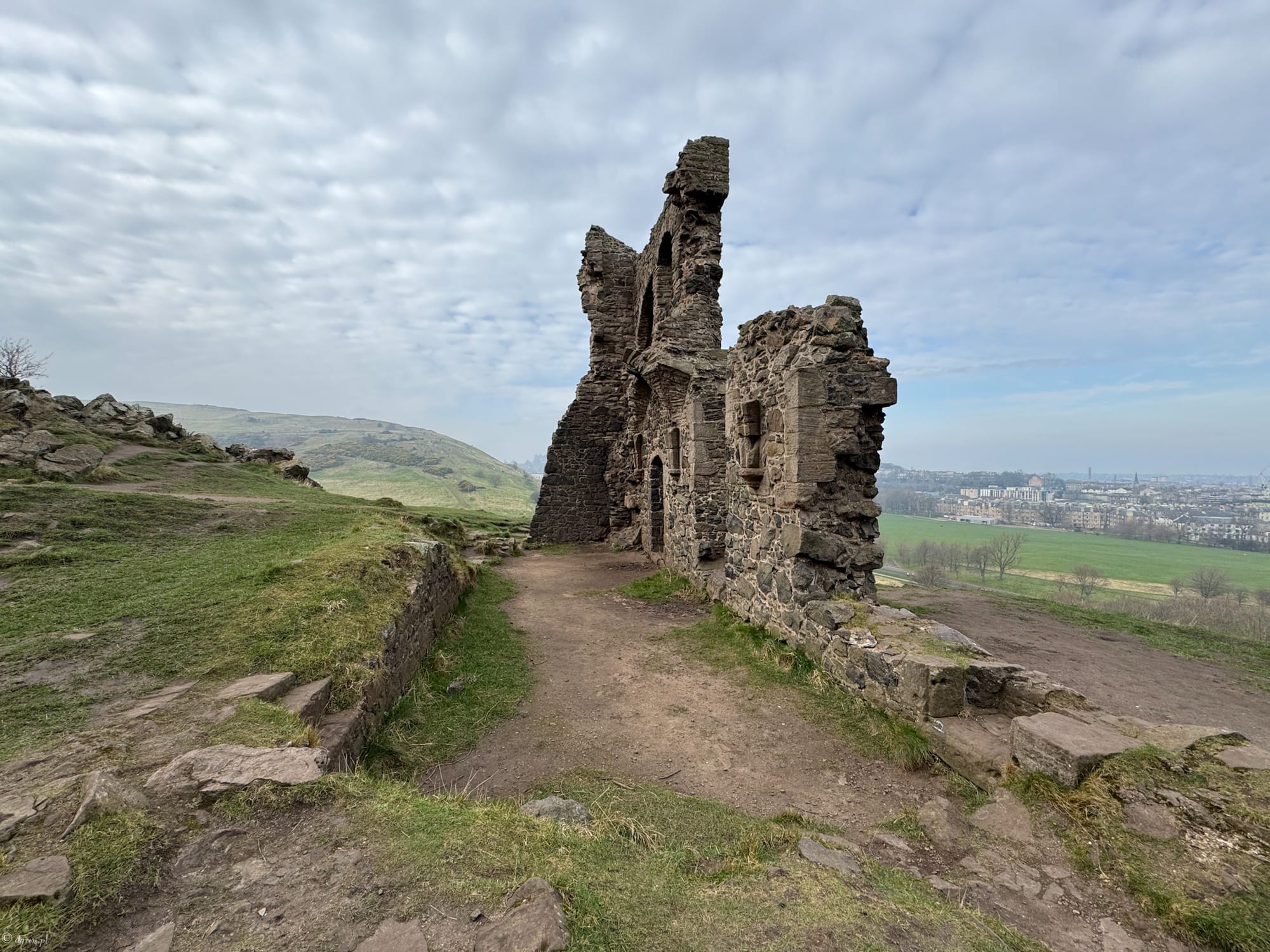
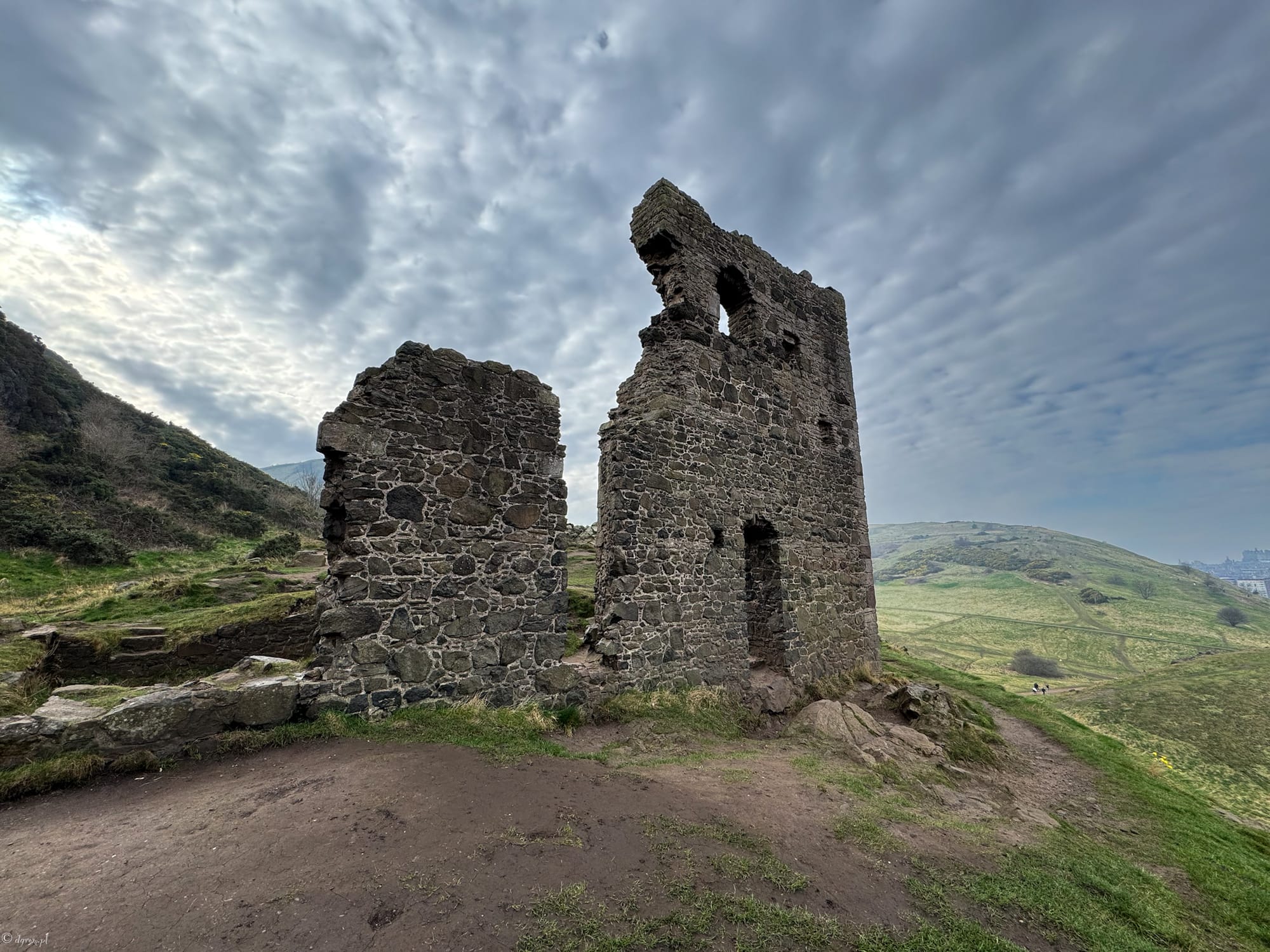
Continue reading in this gallery
Scotland
Goblin Hall
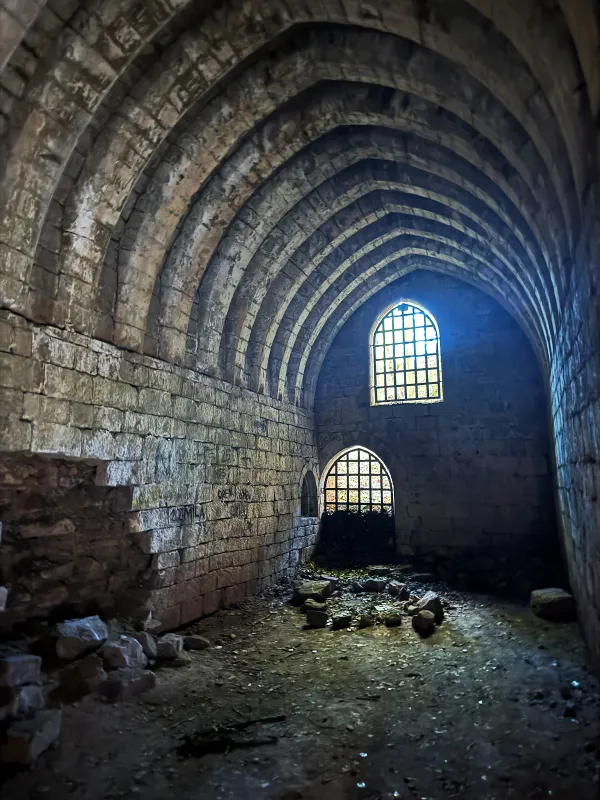
Deep within a Scottish woodland lies an extraordinary medieval chamber. According to legend, it was not built by human hands but by demons summoned by a powerful wizard. The place is known as Goblin Hall, and for nearly eight centuries, its story has captured people's imaginations.

Scotland
Scottish Castles-new website
Castles have featured in my photos and here on the blog for a long time. Eventually, I felt I wanted to give them more space and a place of their own, beyond individual blog posts.
Scotland
Gladstone’s Land
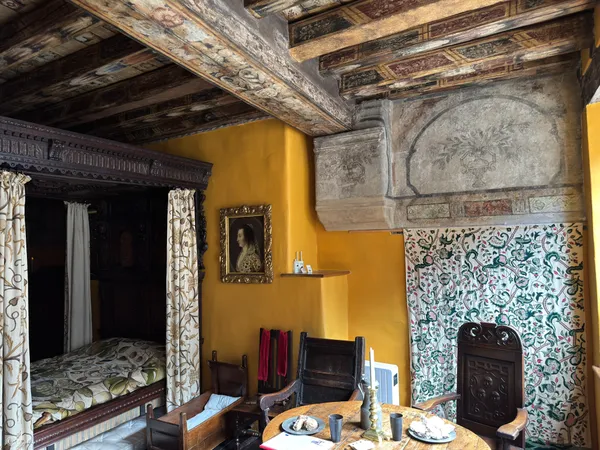
There’s something about Edinburgh’s Royal Mile that always draws me back. The crowds, the tartan shops, the sound of bagpipes, and the old stone buildings that seem as though they’ve stood here forever. Most of them have been altered so many times over the centuries that very little of the original

Scotland
In the Footsteps of Mary, Queen of Scots
Scotland has something magical about it. Mists, castles, hills – and of course legends. One of the most fascinating figures in Scottish history is Mary Stuart, better known as Mary, Queen of Scots.