
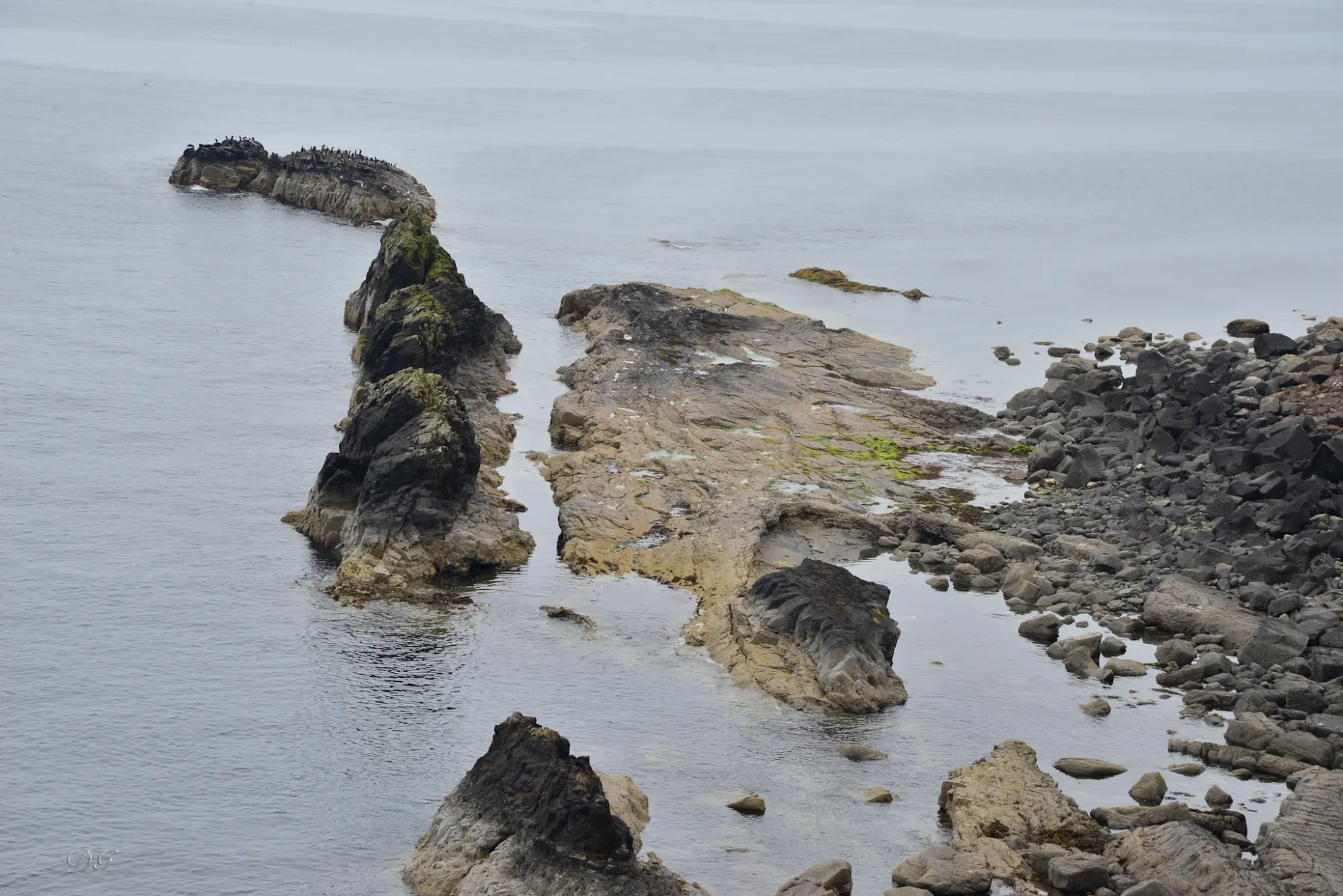
Stone Dragons
Petrified dragons are a fascinating subject for many people. Some believe they are real evidence of the existence of dragons, while others see them as simply interesting rock formations.
Searching for petrified dragons
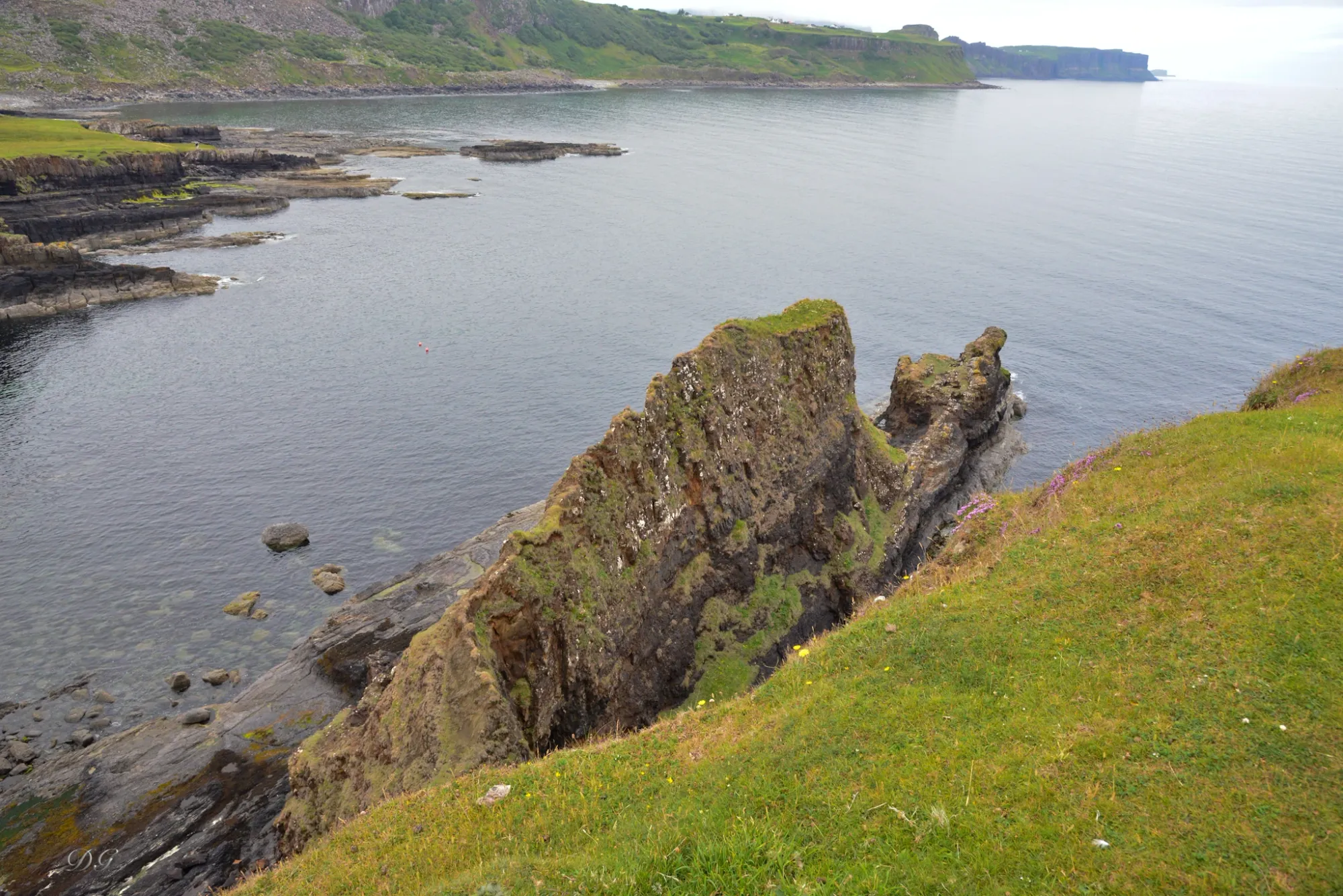
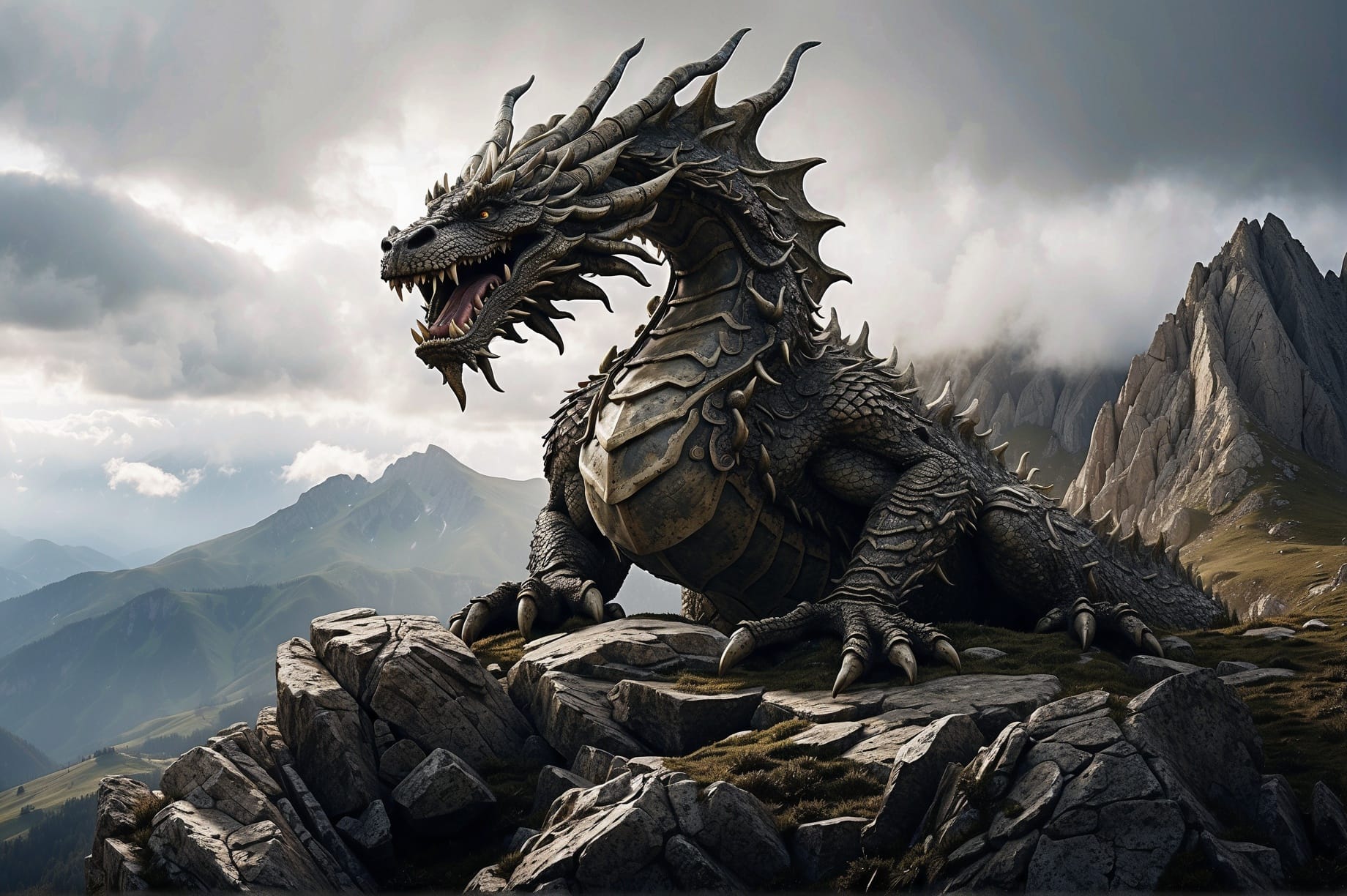
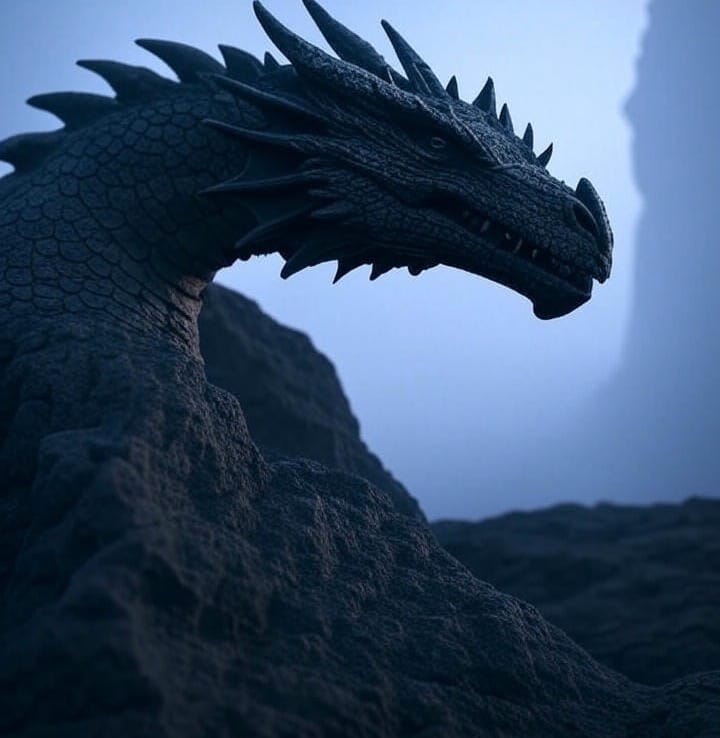
Petrified dragons have stirred the imagination and curiosity of people around the world for centuries. For some they are an intriguing testament to ancient legends and even proof that dragons once existed. For others they are merely extraordinary rock formations shaped by nature in ways that spark the imagination. Regardless of which side of the debate you fall on, searching for such "dragons" is a fascinating adventure that combines geology, history and a touch of magic. In search of dragons. If you want to set out in search of petrified dragons, one of the best places in the world is the Isle of Skye in Scotland. This picturesque island, surrounded by rugged cliffs and misty hills, has long been steeped in legends of dragons and other mythical creatures. It is here that nature has created rocks that bear an uncanny resemblance to ancient beasts. The Isle of Skye attracts not only folklore enthusiasts but also geologists and travelers eager to see these extraordinary natural wonders with their own eyes. Dragons of the Isle of Skye. On the island you can find many rock formations that locals and tourists have christened with dragon names. Here are some of the best-known examples:
- Dragon's Head – this incredible formation is located near the village of Staffin on the island's east coast. The rock resembles a dragon's head with its mouth open, ready to breathe fire. In the right light and with a bit of imagination you can make out the eyes and the sharp teeth of an ancient monster.
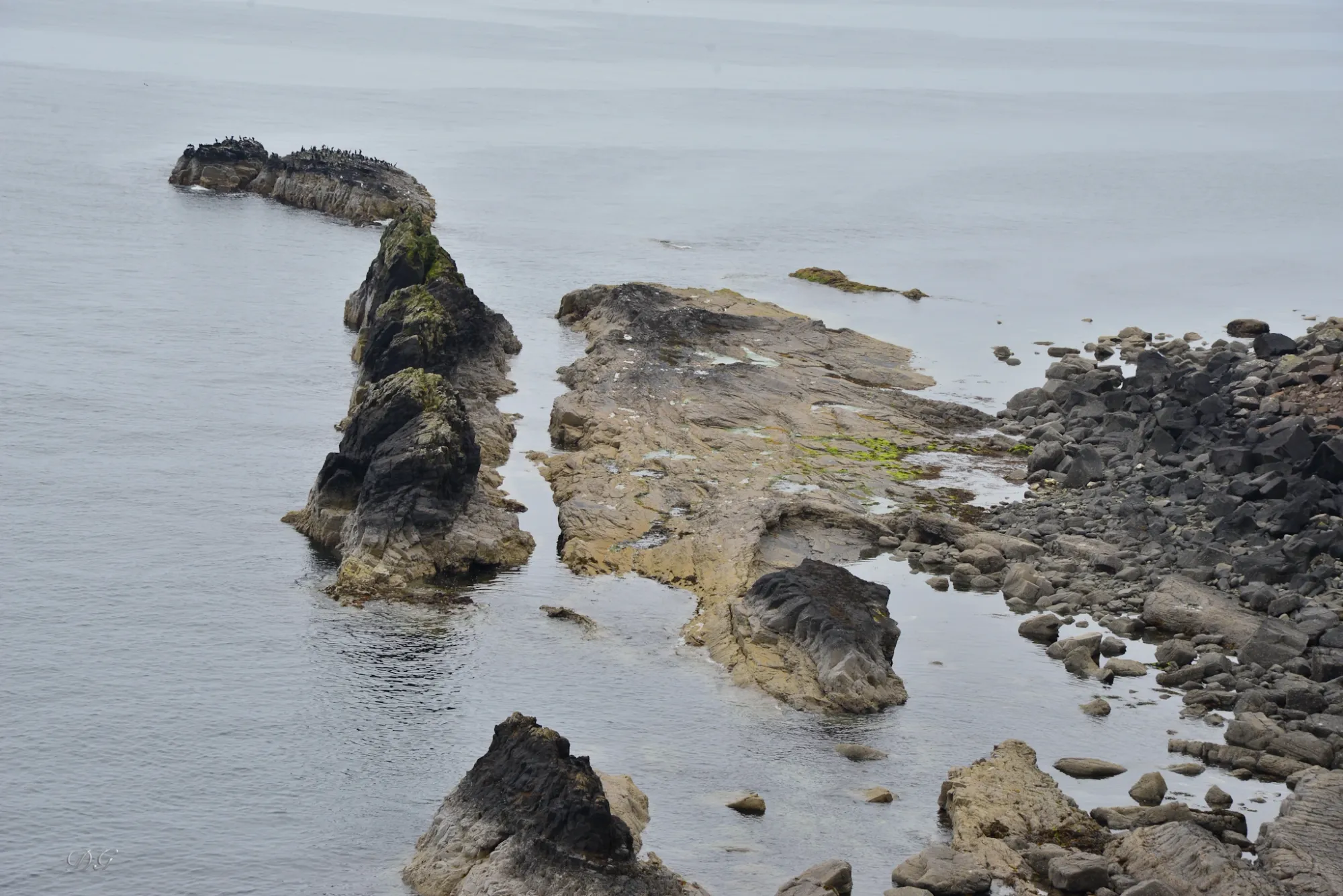
- Dragon's Back – located in the Uig area, this rock formation looks like the back of a dragon covered in protruding scales. Its jagged surface and distinctive shape conjure an image of a beast frozen in stone while climbing the hills.
- Dragon's Claw – near Dunvegan Castle there is a formation resembling a giant dragon's claw driven into the ground. Its size and sharp edges make it look as if it belonged to a creature of immense strength.
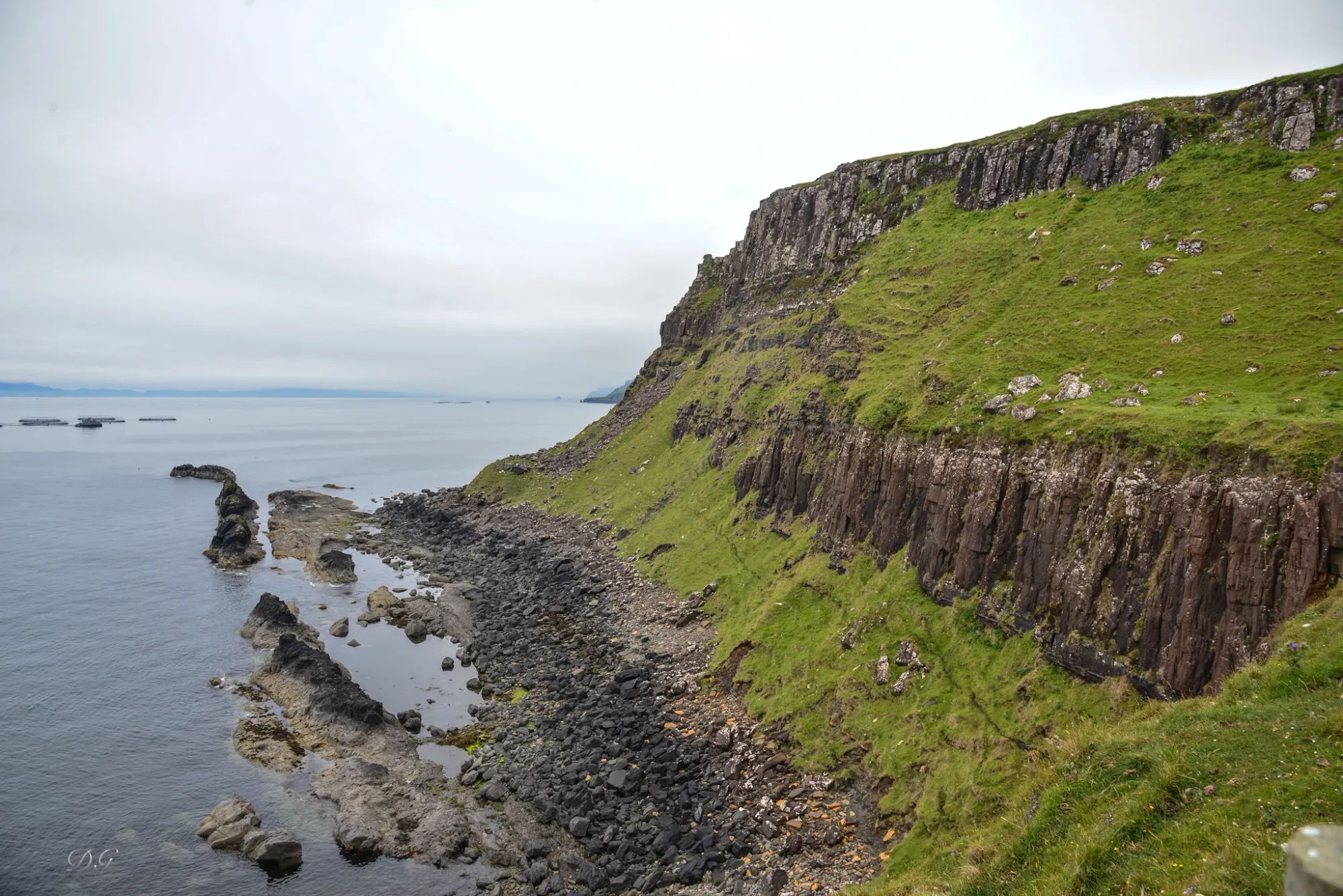
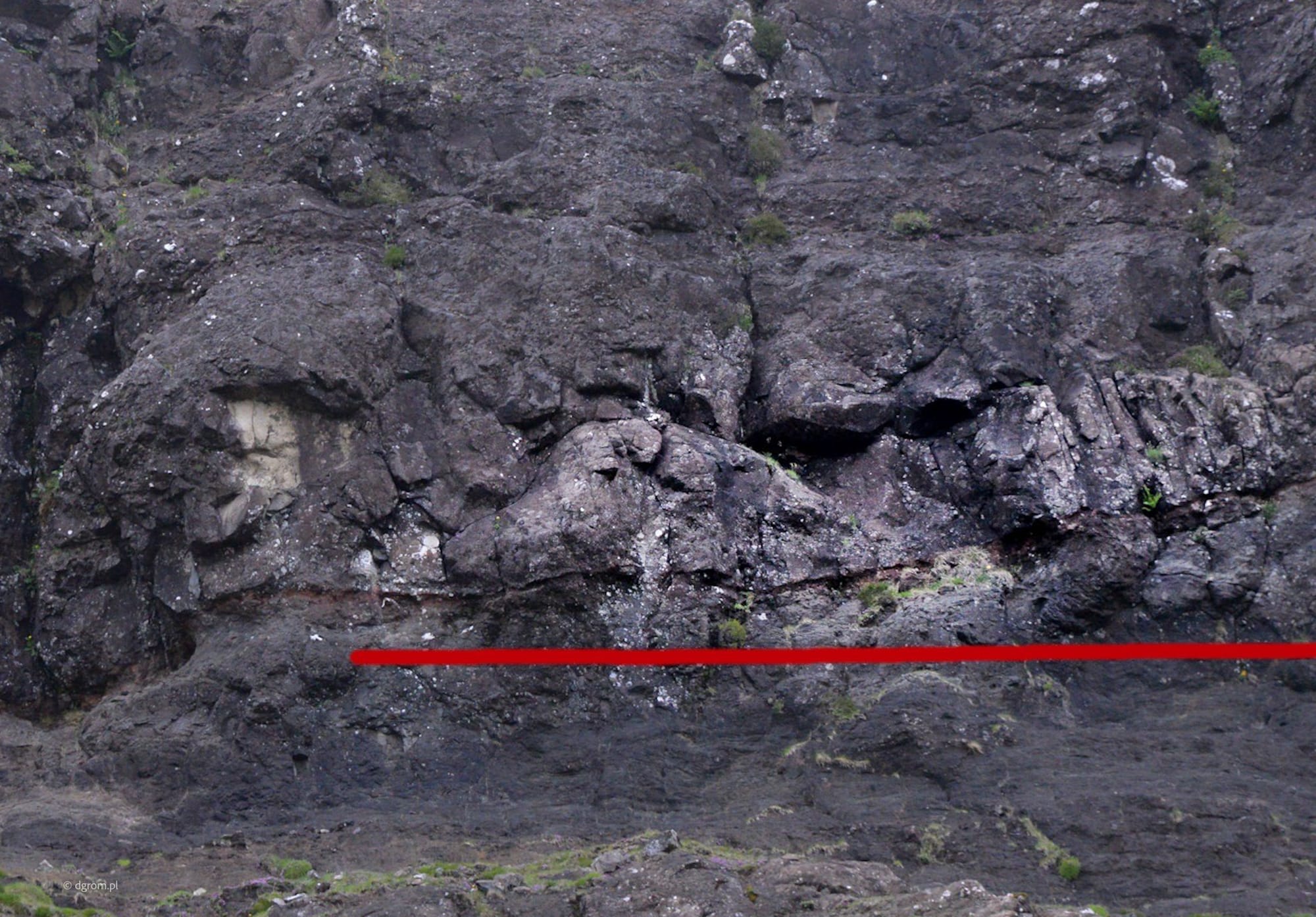
Of course, not everyone sees dragons in these rocks. Geologists explain that they are natural effects of erosion, wind and water that have sculpted the island's basalt and limestone structures over thousands of years. Even if you prefer scientific explanations to fairy tales, these formations still enchant with their beauty and mystery. Stone dragons in other cultures. As we learn from dgrom.pl, the fascination with fossilized dragons is not limited to Scotland. In various parts of the world people find rocks resembling mythical creatures and give them their own stories. For example, in Poland, in the Świętokrzyskie (Holy Cross) Mountains, there are rock formations that, according to local legends, may be remnants of dragons or other legendary beasts. Similarly, in China dragons have for centuries been symbols of power and wisdom, and some natural rock formations are regarded as their petrified incarnations. The Isle of Skye, however, stands out for its unique combination of wild nature and rich Celtic folklore, which gives the dragon rocks here a particularly distinctive character. How to find fossilized dragons on the Isle of Skye? If you decide to set out on an expedition, here are some practical tips to help you locate these extraordinary formations:
- Look for rocks with unusual shapes – dragons often "hide" in formations that stand out against the landscape. These can be sharp edges, rounded protrusions, or natural arches.
- Pay attention to places near water – rivers, lakes and coastlines are areas where erosion often creates the most fanciful shapes. On the Isle of Skye it's worth exploring cliffs and beaches, such as those around Staffin.
- Use the knowledge of local guides – island residents know the best spots and are happy to share the stories connected with particular rocks. A guide can lead you to lesser-known but equally impressive formations.
- Take into account the time of day and the weather – dragon rocks look most beautiful at dawn or dusk, when the light highlights their contours. The mist so characteristic of Skye can further lend them a mysterious charm.
Why visit the petrified dragons? Whether you believe in dragons or regard them as a product of human imagination, a visit to the Isle of Skye is an unforgettable experience. These extraordinary rock formations remind us of the power of nature and its ability to create shapes that inspire stories passed down through generations. It can be an opportunity to step away from everyday life for a moment and see the world through the eyes of ancient bards, for whom dragons were more than just legend. If you're planning a trip, don't forget to prepare properly – comfortable shoes, a camera, and an open mind are all you need to set off in search of the petrified dragons!
Good luck with your search!
Continue reading in this gallery
Scotland
Goblin Hall
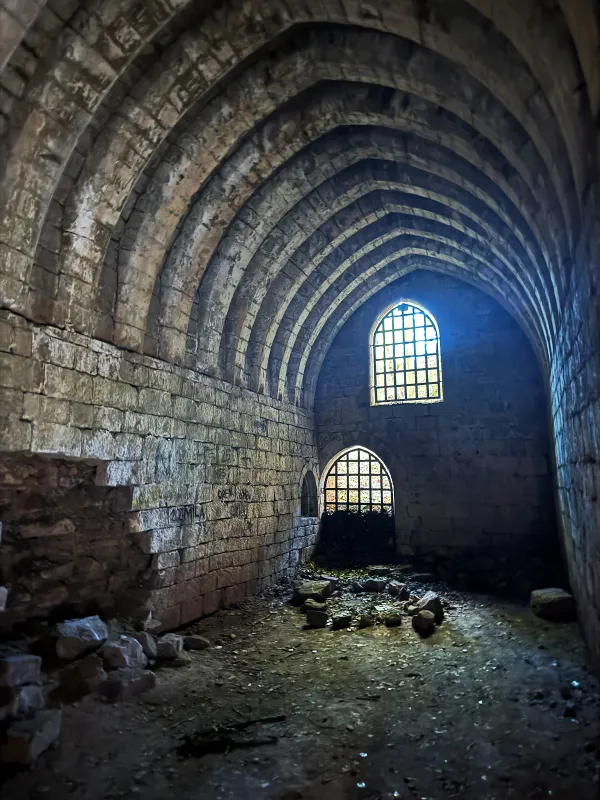
Deep within a Scottish woodland lies an extraordinary medieval chamber. According to legend, it was not built by human hands but by demons summoned by a powerful wizard. The place is known as Goblin Hall, and for nearly eight centuries, its story has captured people's imaginations.

Scotland
Scottish Castles-new website
Castles have featured in my photos and here on the blog for a long time. Eventually, I felt I wanted to give them more space and a place of their own, beyond individual blog posts.
Scotland
Gladstone’s Land
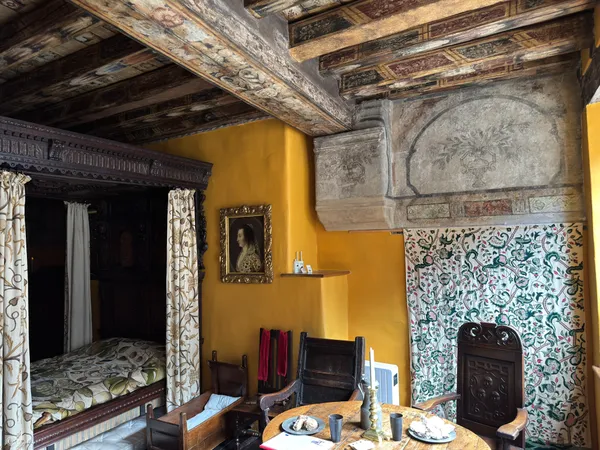
There’s something about Edinburgh’s Royal Mile that always draws me back. The crowds, the tartan shops, the sound of bagpipes, and the old stone buildings that seem as though they’ve stood here forever. Most of them have been altered so many times over the centuries that very little of the original

Scotland
In the Footsteps of Mary, Queen of Scots
Scotland has something magical about it. Mists, castles, hills – and of course legends. One of the most fascinating figures in Scottish history is Mary Stuart, better known as Mary, Queen of Scots.