
Wieliczka Salt Mine
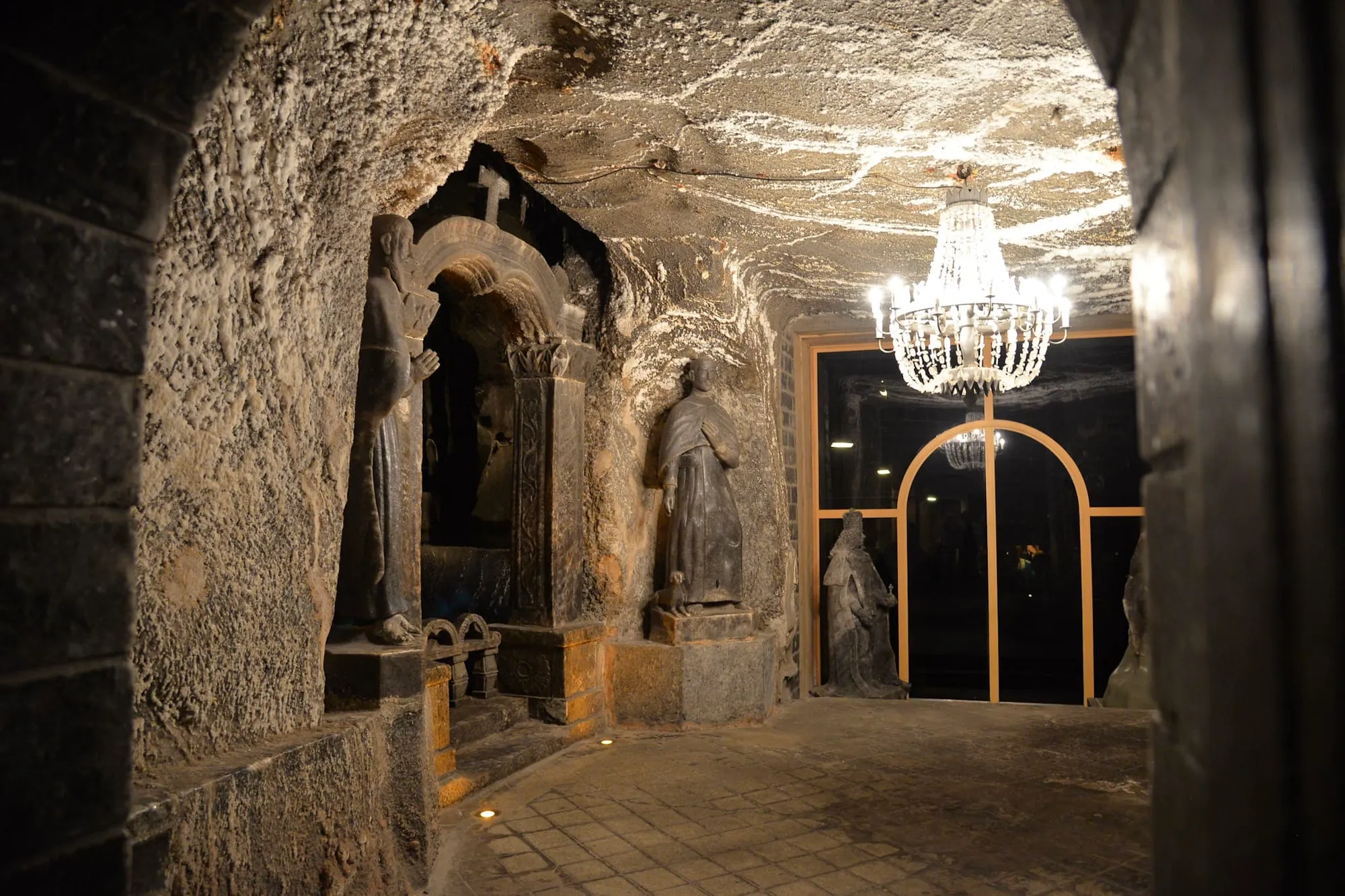
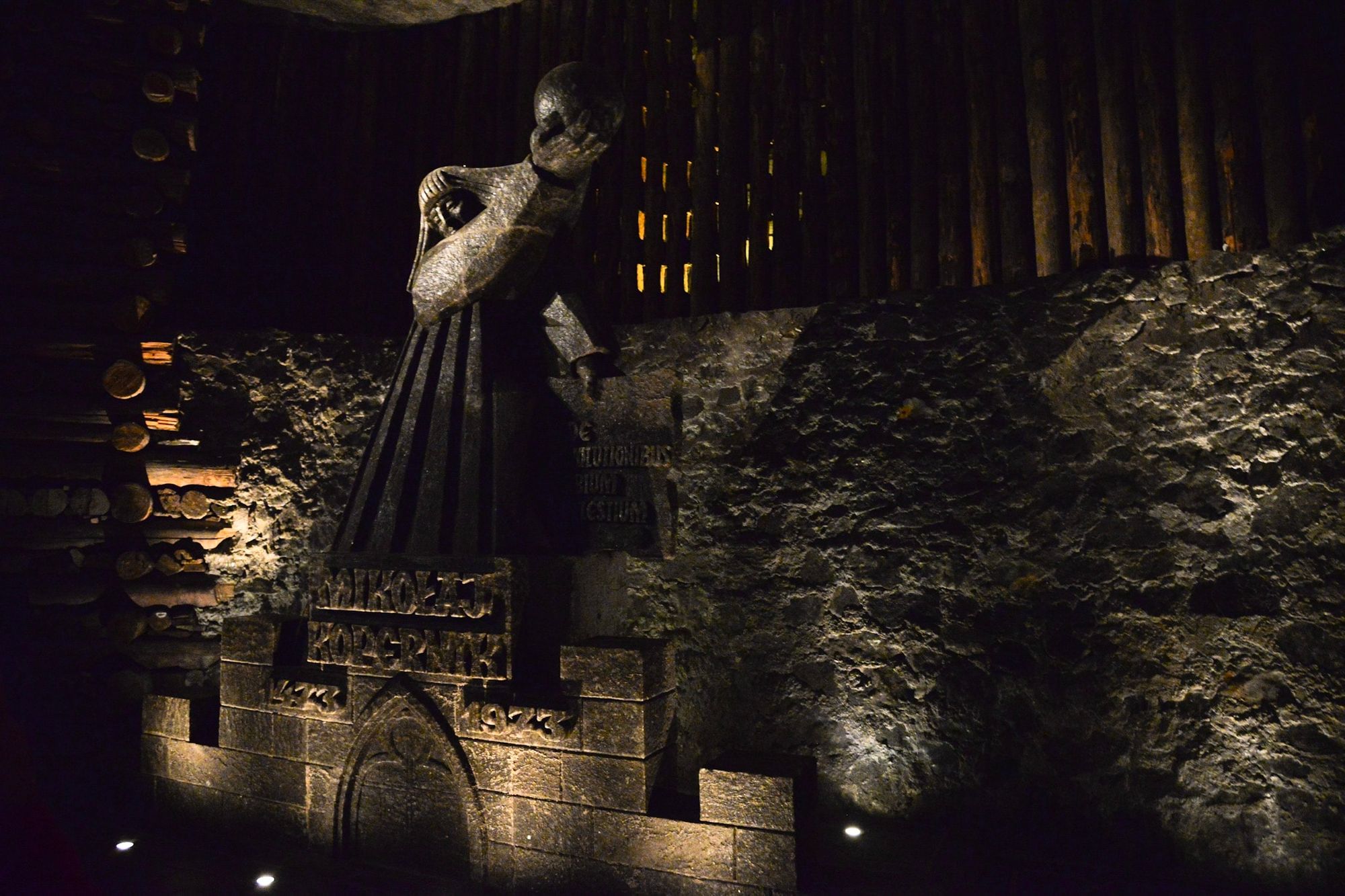
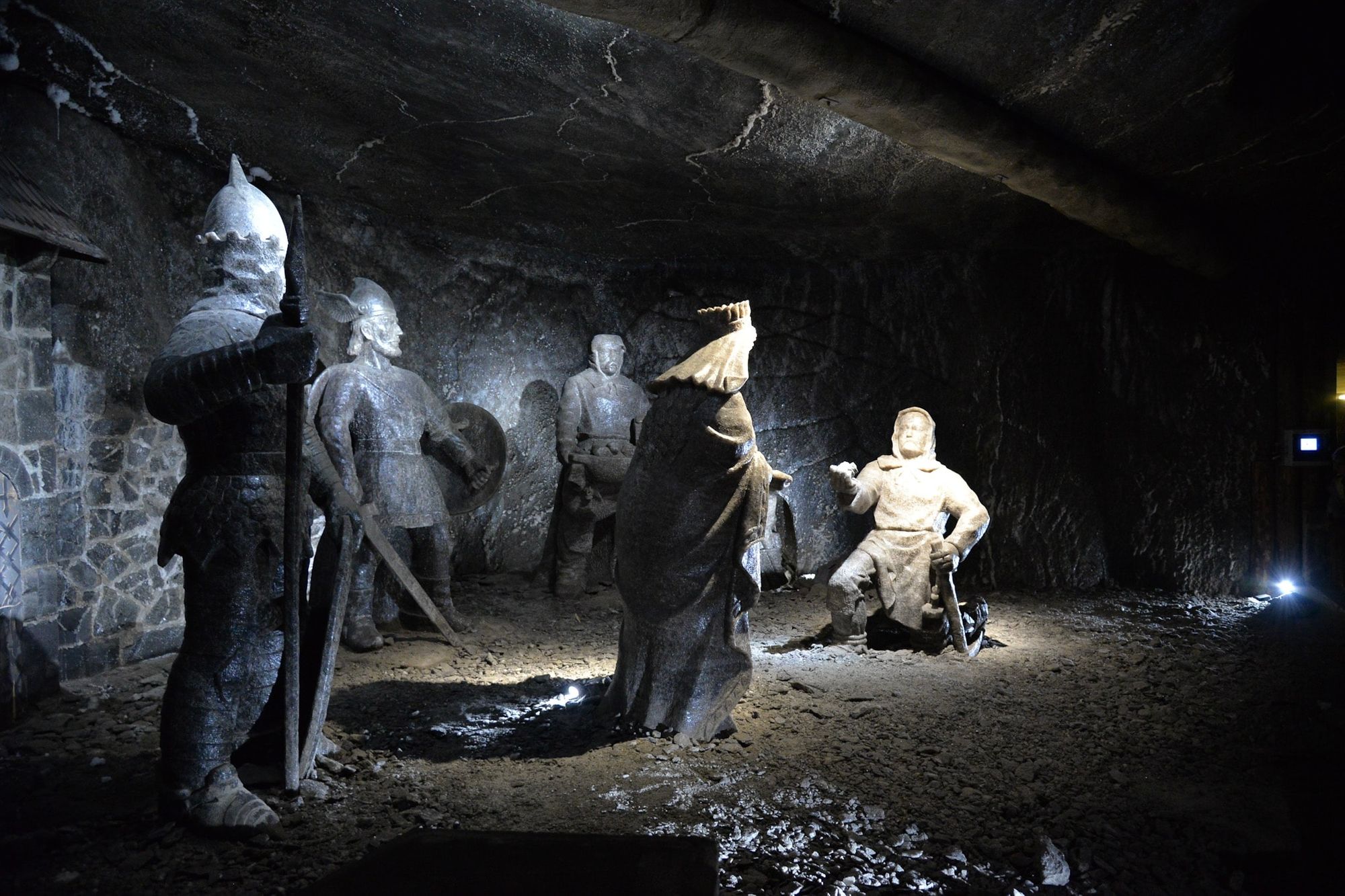
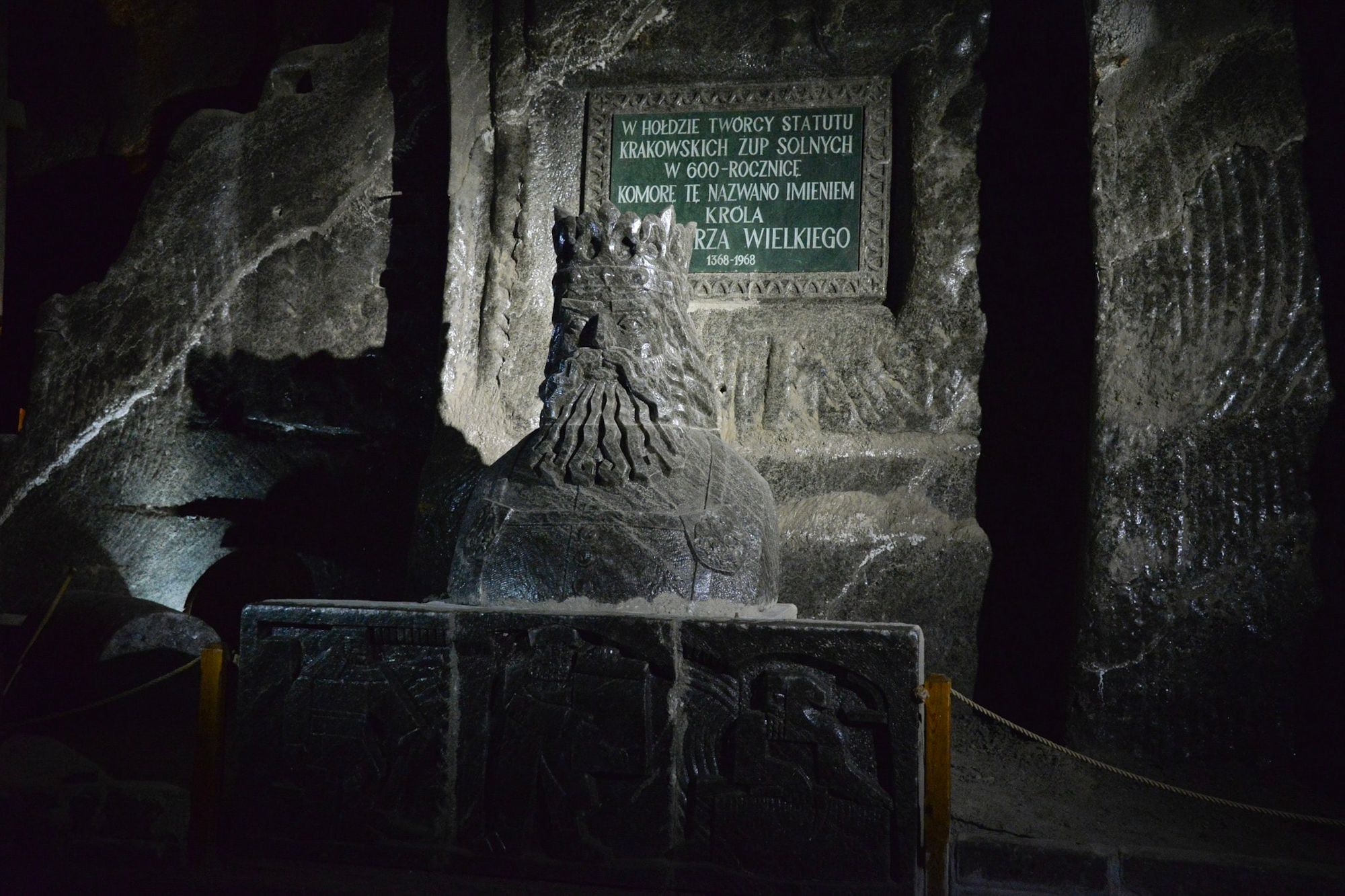
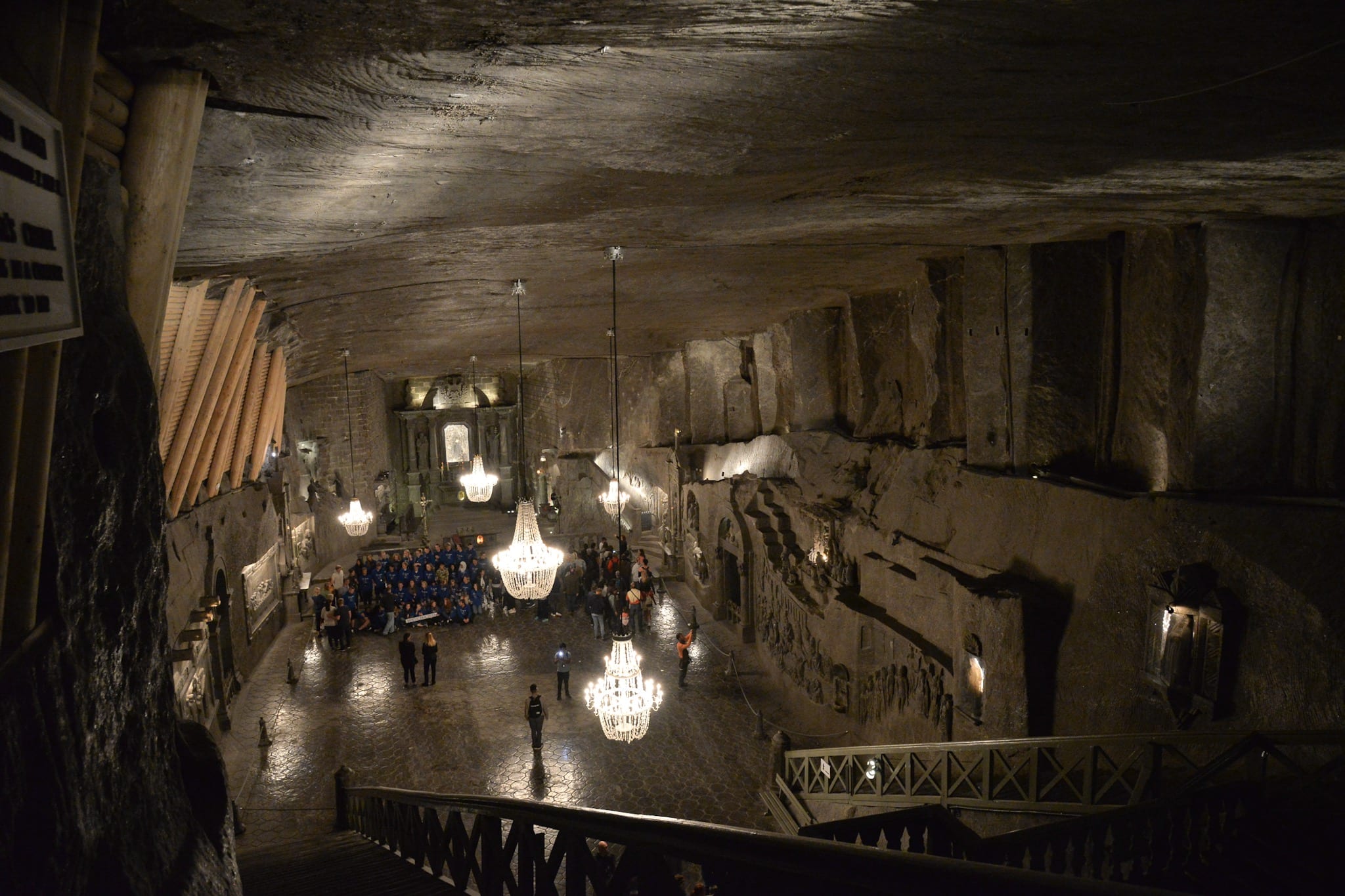
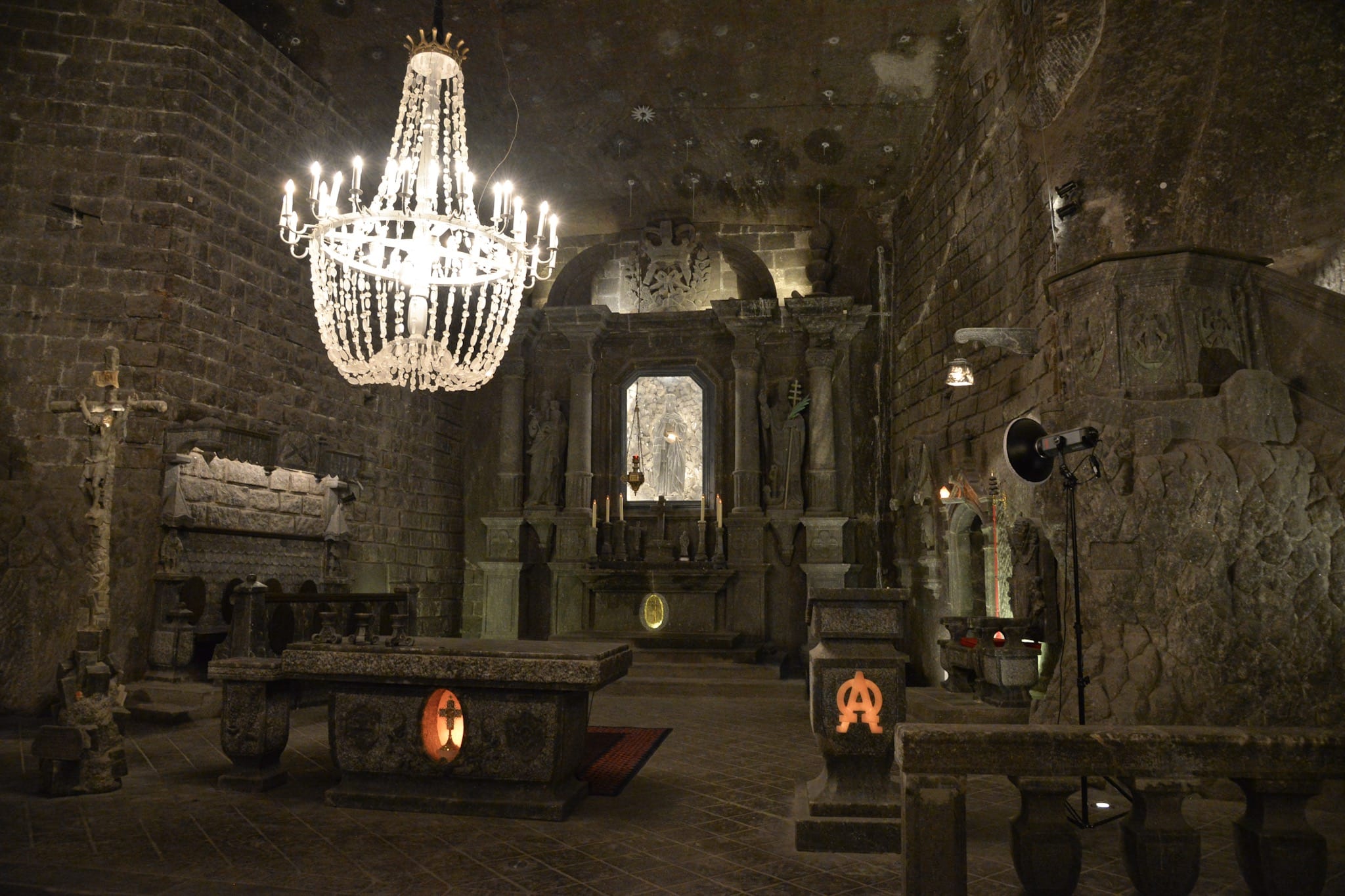
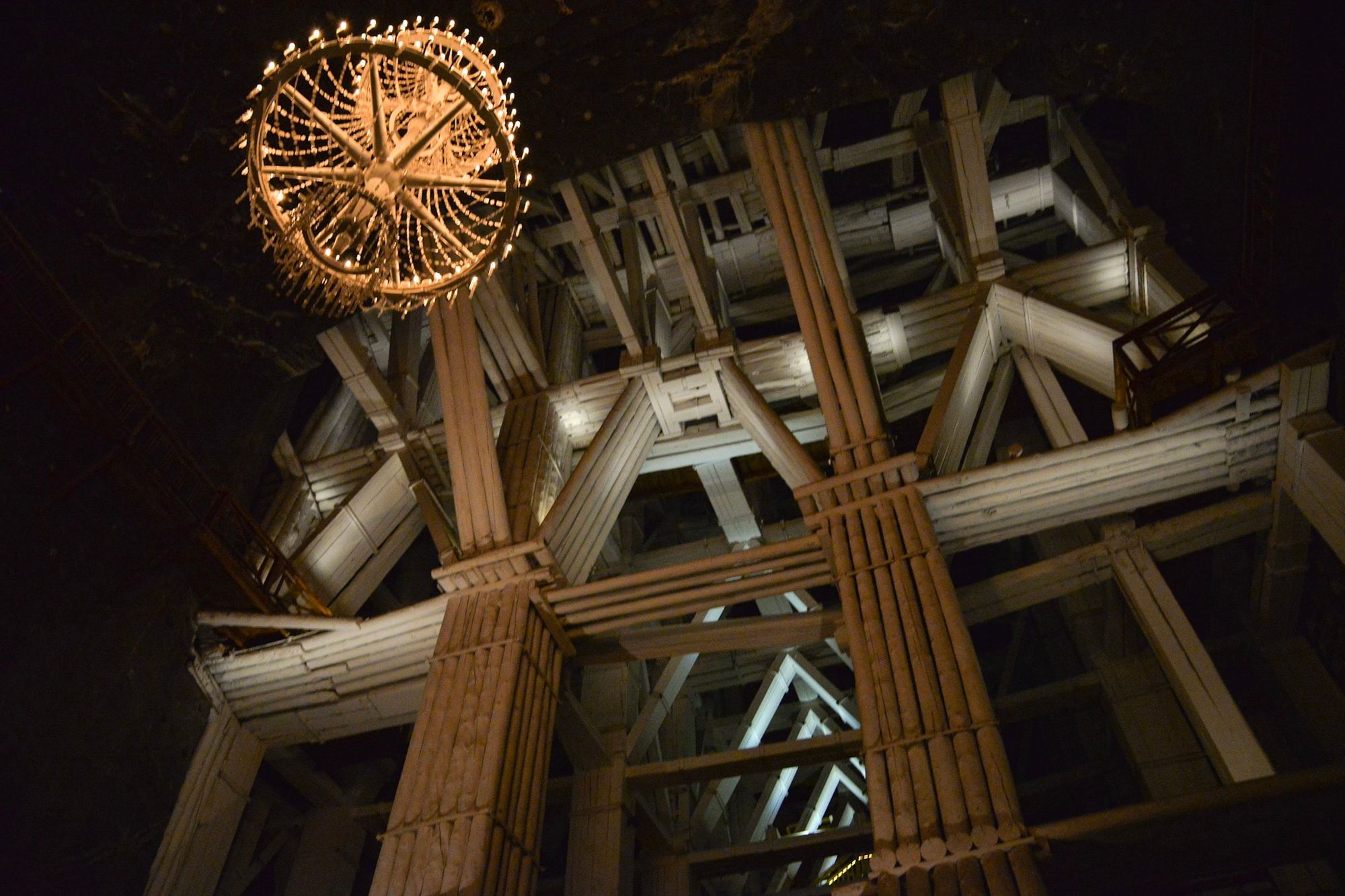
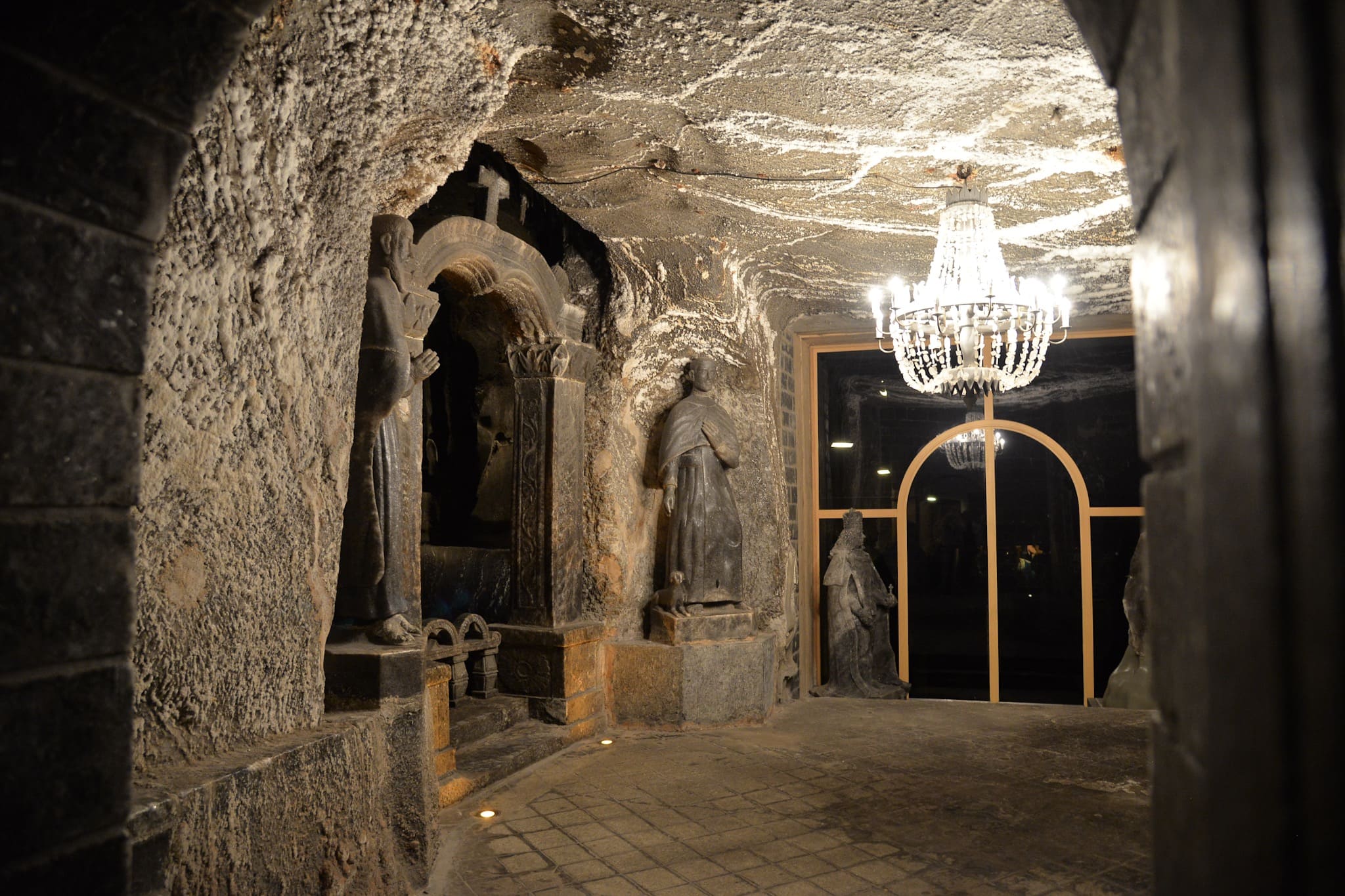
The Wieliczka Salt Mine is known for its unique underground corridors, salt chambers, chapels and galleries carved into the rock salt. The corridors and salt chambers are decorated with sculptures

This is one of the more interesting attractions in the area around Krakow. I visited this mine as a child, so it was about time to refresh some memories. The mine is very easy to reach from Krakow. We took the train and the trip lasted about 15 minutes. Because I had been to this mine as a child, the only thing I remember is licking the salty wall. In fact, you can still do that today.
The mine is still in operation, although salt is now extracted from brine. The tour had about 40 people and we were accompanied by a guide who explained everything. The whole tour lasted about two and a half hours.
The Wieliczka Salt Mine is one of the oldest salt mines in the world, located in southern Poland, near Krakow. The mine was founded in the 13th century and is still in operation, making it one of the longest-operating sites in the world.
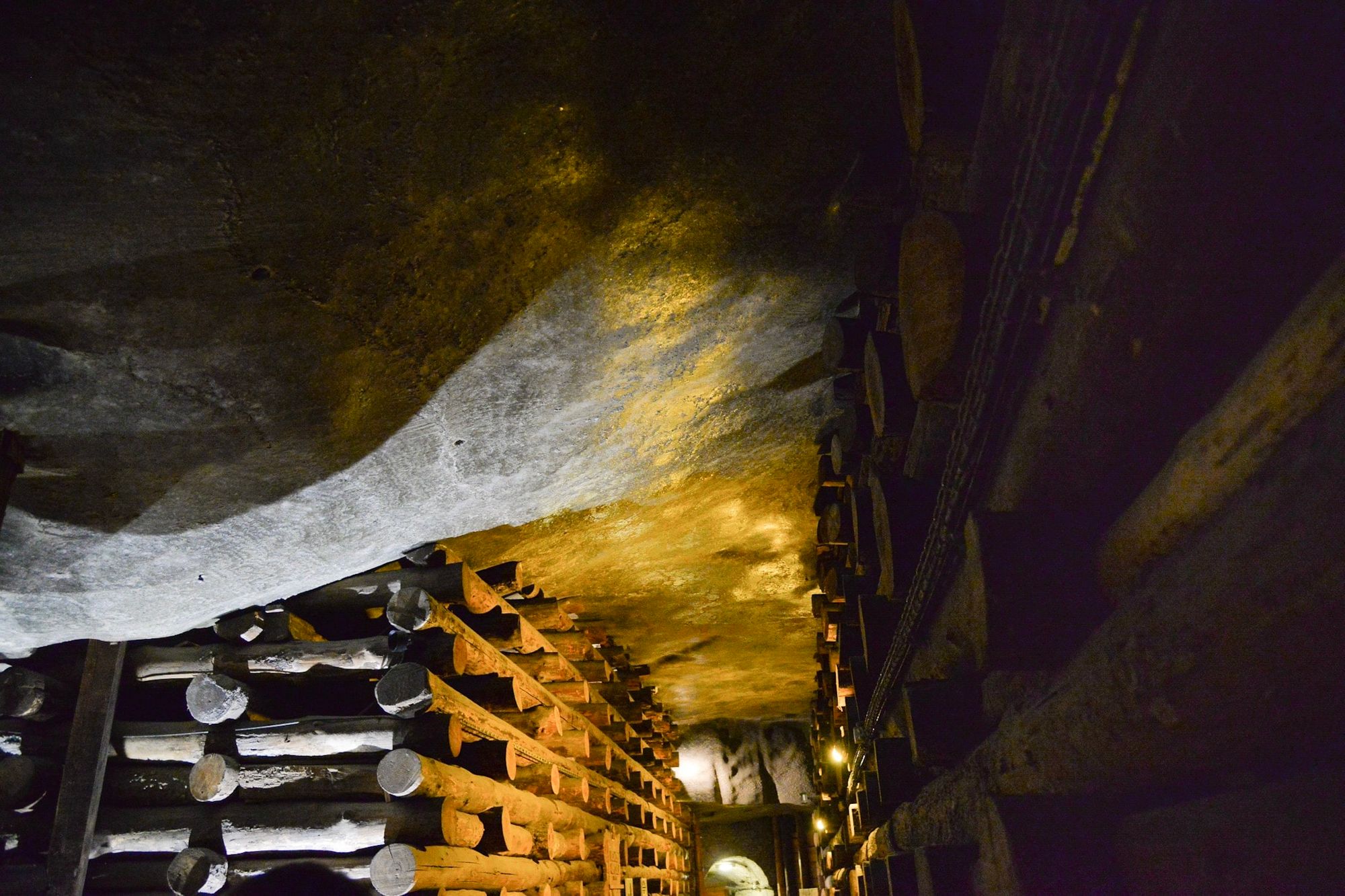
The Wieliczka Salt Mine is known for its unique underground corridors, salt chambers, chapels and galleries carved into the rock salt. The corridors and chambers are decorated with sculptures, reliefs, and even entire cathedrals carved out of salt. Underground you can also see, among other things, underground lakes, mining equipment, and many other interesting sites.
Wieliczka was one of the most important economic centers of Poland in the Middle Ages. During the Renaissance the mine experienced a period of prosperity, and the salt produced in Wieliczka was exported to European countries such as Germany, Italy and the Czech Republic. In the 19th century the mine began to attract tourists who admired not only the wealth of the resource but also the extraordinary sculptural works created underground.
Today the Wieliczka Salt Mine is one of Poland's most important cultural and tourist monuments. In 1978 it was inscribed on the UNESCO World Heritage List, and in 2007 it was recognized as one of the Seven Wonders of Poland. The mine's underground also houses the Salt Mine Museum, where you can learn about the mine's history and tour the historic corridors and salt chambers.
Visiting the Wieliczka Salt Mine is one of the most interesting and unforgettable experiences in Poland. The mine's rich history, extraordinary landscapes and unique atmosphere continue to attract thousands of tourists from around the world.
Legends
Legend of St. Kinga
One of the best-known legends says that the Hungarian princess Kinga, wife of the Polish prince Bolesław the Chaste, brought salt to Poland. According to the legend, when Kinga was getting married she threw her engagement ring into a salt shaft in Hungary. Soon after, salt was discovered in Wieliczka, and Kinga's ring was found in a lump of salt. To this day St. Kinga is the patron saint of salt miners.
Legend of the Skarbnik
Another legend tells of the Skarbnik, a protective spirit of the mine. The Skarbnik was said to be a benevolent spirit who helped miners in need and protected them from dangers. It was said that the Skarbnik appeared as a small, grey-haired man dressed in traditional miner's clothing.
Legend of the White Lady
There is also a legend of the White Lady, the spirit of a woman who died in the mine. It is said that the White Lady appears in the mine to warn miners of dangers. Some miners believe the White Lady is the spirit of a good woman who wants to protect them from harm, while others think she is an evil spirit that seeks to lead them to their death.
Legend of the Salins
The legend of the Salins, small, mischievous creatures that live in the mine. It is said that the Salins are responsible for various pranks, such as misplacing tools and extinguishing lights. Miners often leave offerings of food and tobacco for the Salins to appease them.
Continue reading in this gallery

Poland
Gdańsk After All These Years
It is hard to believe that so much time has passed since our last visit.We have always had good memories of Gdańsk,but this time we were especially curious to see how much the city had changed over all those years.
Poland
The Piasts' Castle of Silesia.
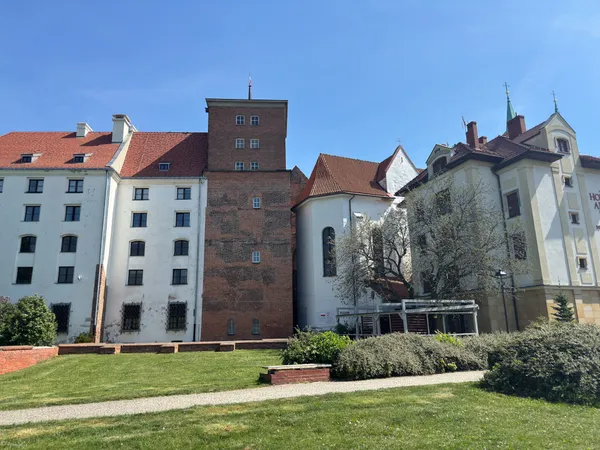
Brzeg Castle, often called the "Silesian Wawel", is a true gem of Renaissance architecture. From the very first moments it enchants with its majestic form and beautiful details. Our guide, with great passion, introduced us to the world of the Silesian Piasts.
Poland
Home
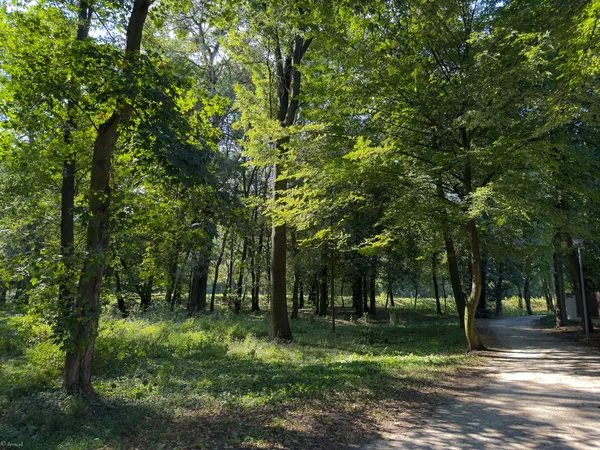
Each of these places holds many memories for me. I always look back on those moments with fondness, when I played there carefree as a child. Today, walking the same paths, I can see how time has changed the landscape – both in nature and in my own feelings.
Poland
Automotive Museum in Oława
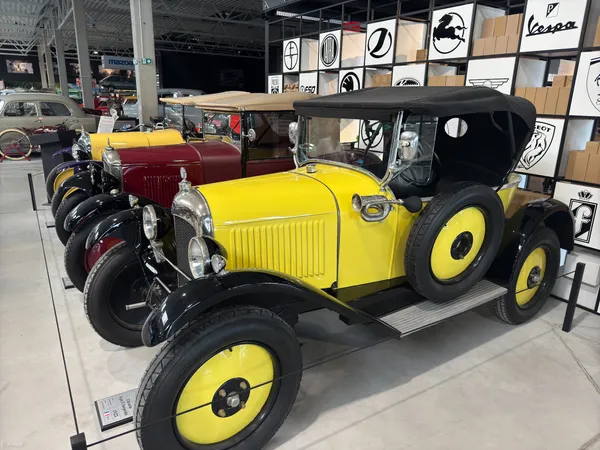
Recently I had the opportunity to visit one of the most interesting places in Oława – the Automotive Museum. It's a place that will surely interest not only automotive enthusiasts, but also anyone who appreciates the history and development of transport technology.