
Polish Castles - Malbork
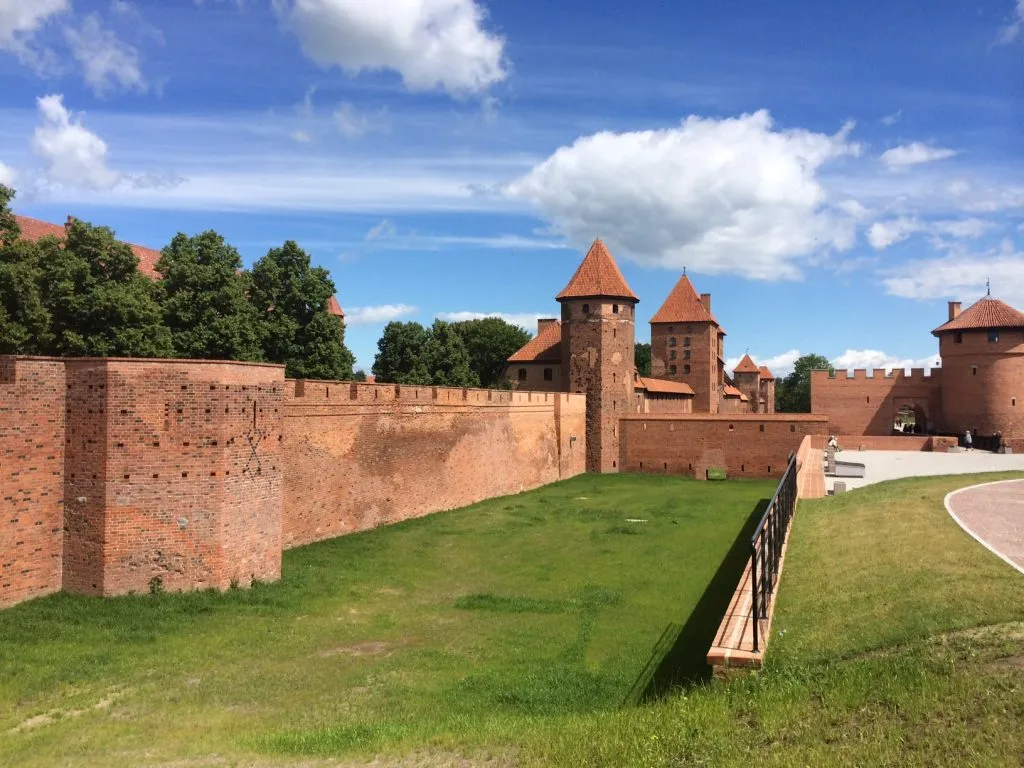
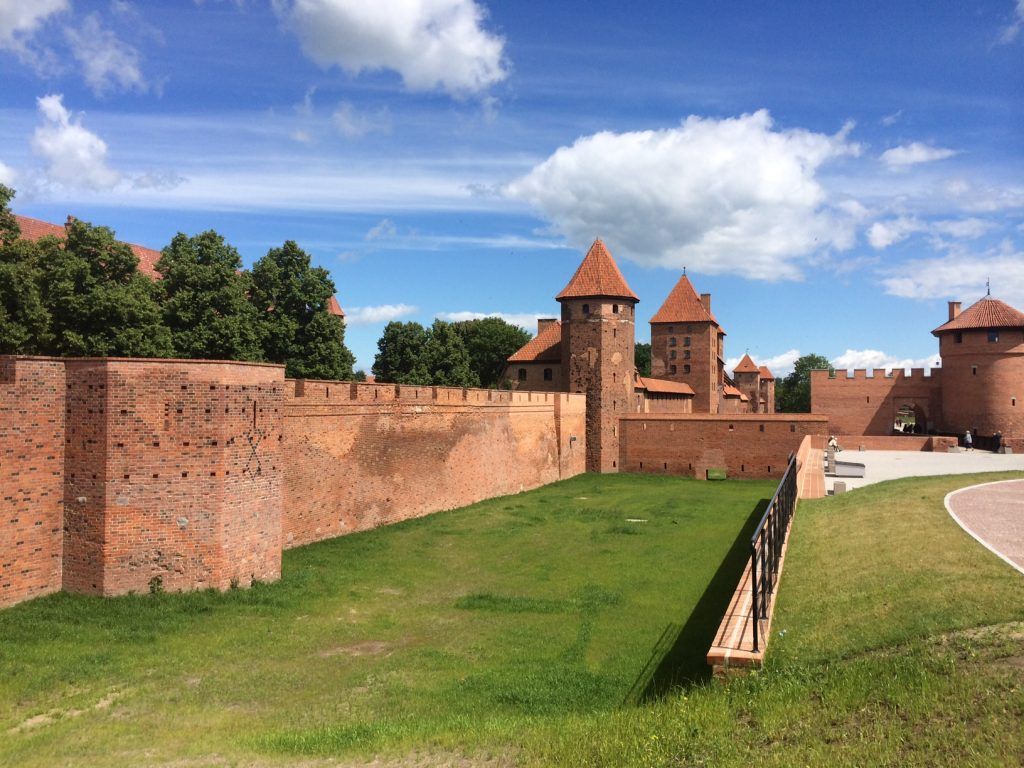
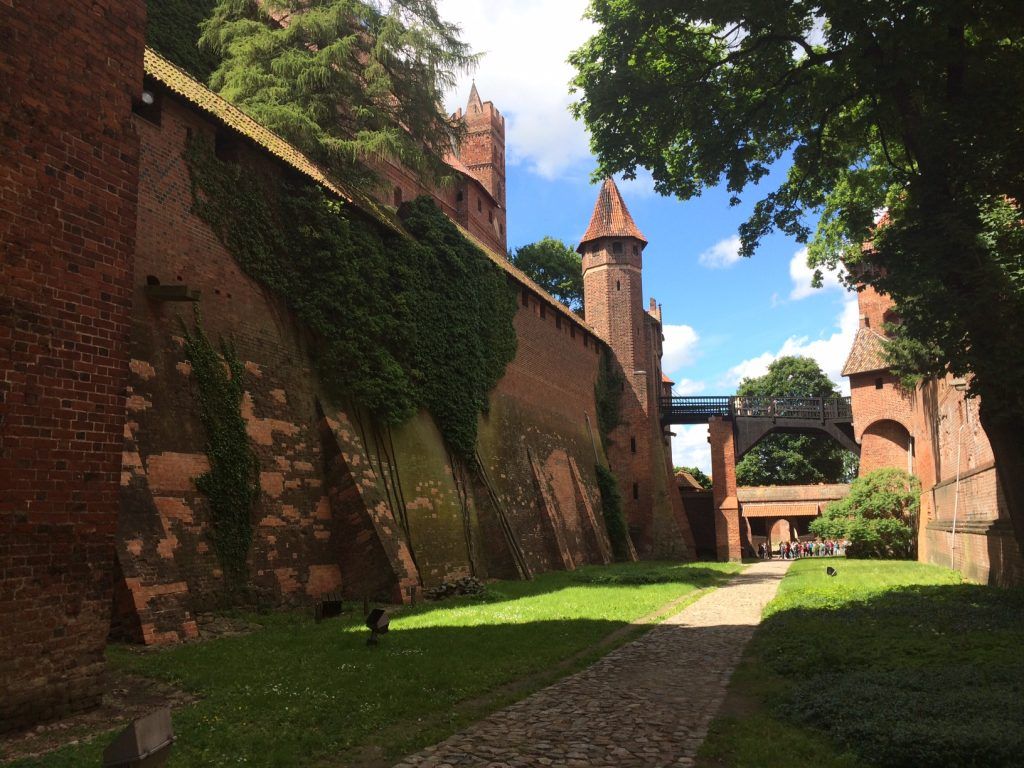
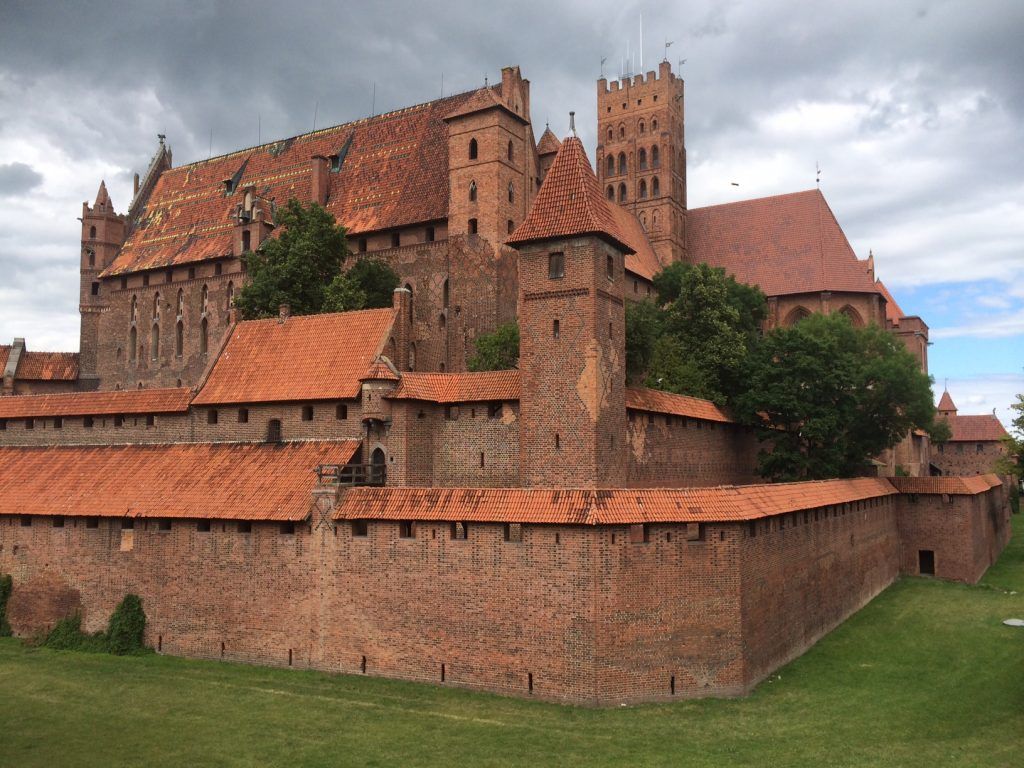
Malbork Castle is a historic fortress located in northern Poland, in the Pomeranian Voivodeship, on the Nogat River. It is one of the largest and most beautiful castles in the world and the largest medieval brick building in Europe.

Malbork Castle is a historic fortress located in northern Poland, in the Pomeranian Voivodeship, on the Nogat River. It is one of the largest and most beautiful castles in the world and the largest medieval brick building in Europe.
The castle's history dates back to the 13th century, when the Teutonic Order commissioned the construction of a castle here to serve as the order's command center and the seat of the Grand Master. Over the centuries the castle was expanded and modernized, and its system of fortifications was considered one of the most advanced in the world.
In the 15th century Malbork was one of the most important centers of power in Central Europe, serving as the residence of the Grand Master of the Teutonic Order as well as a cultural and commercial center. In 1457 the castle was captured by Polish forces under King Casimir IV Jagiellon, and from that time it became Polish property.
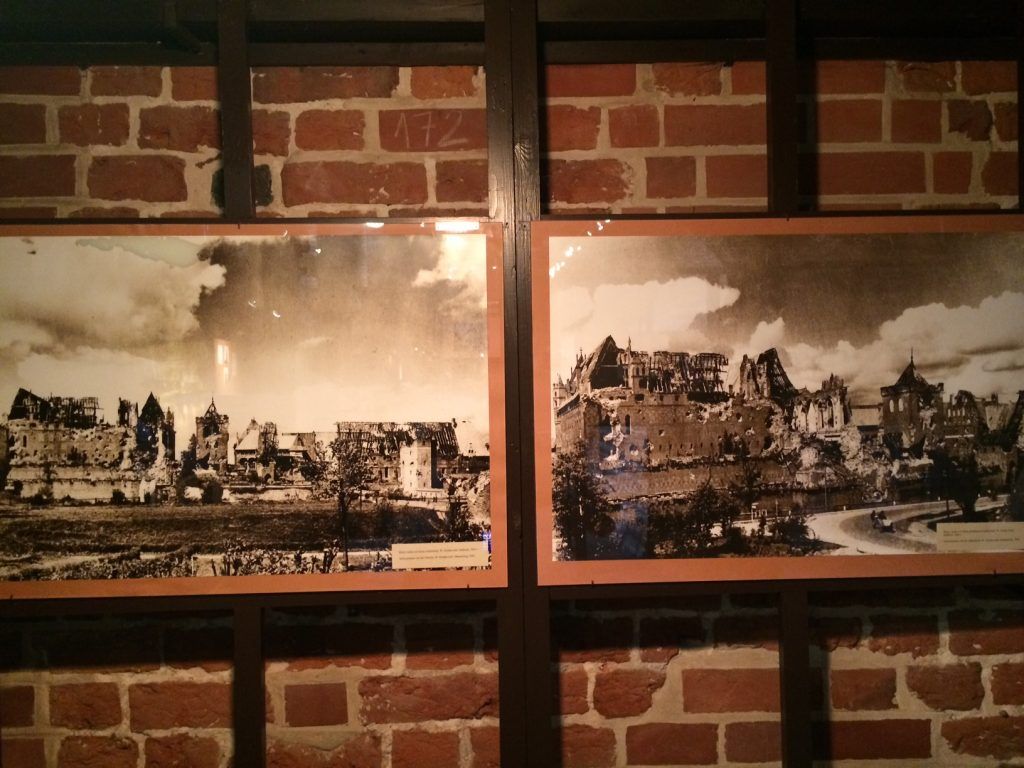
In subsequent centuries Malbork Castle suffered damage and underwent repairs, including severe destruction during World War II, when it was largely ruined. After the war a comprehensive reconstruction of the castle was carried out, restoring its former splendor.
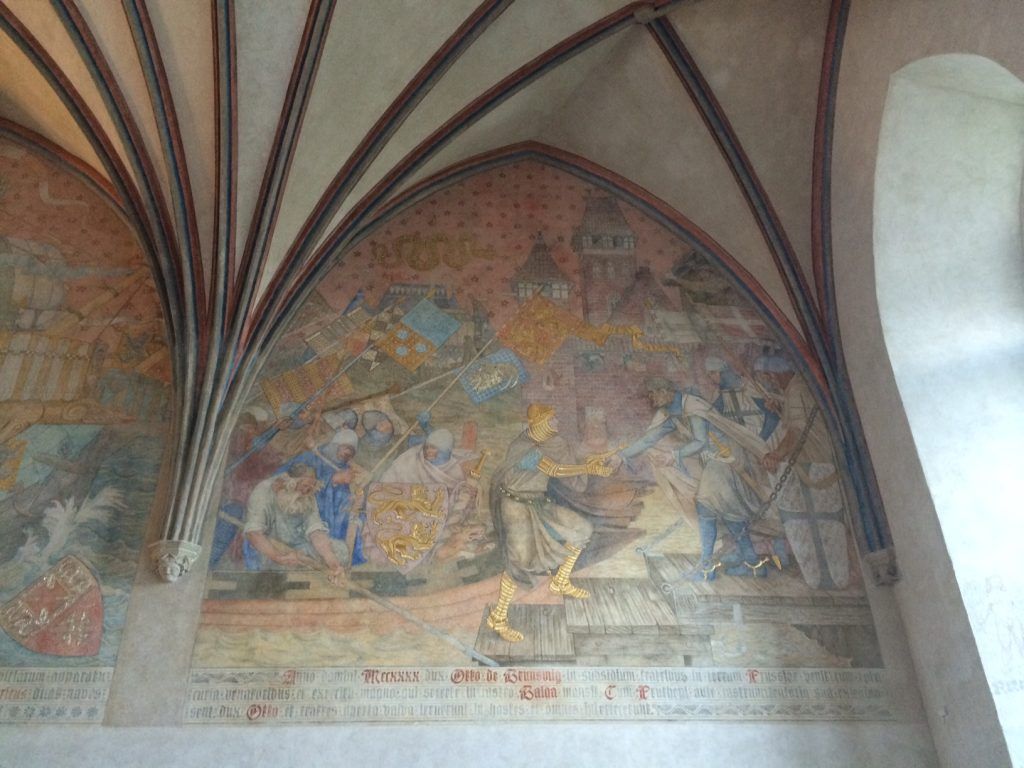
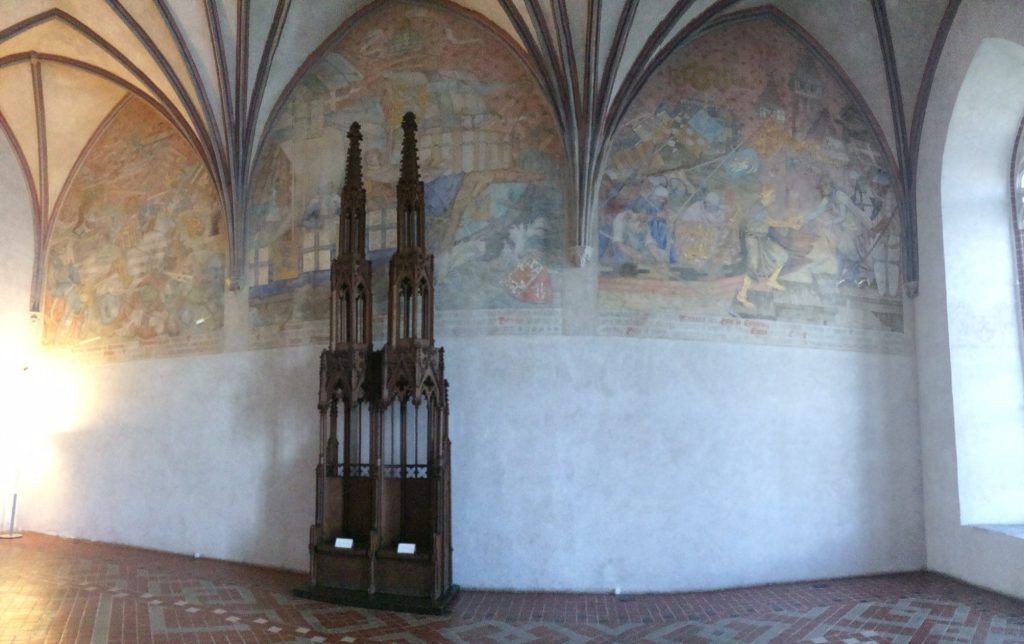
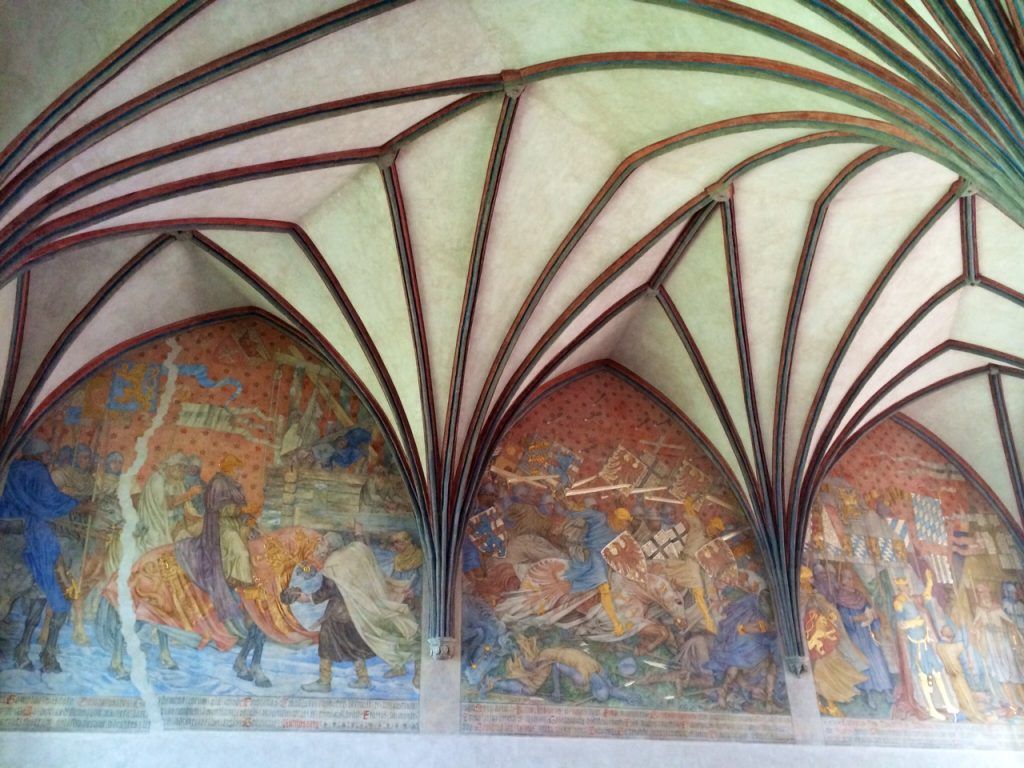
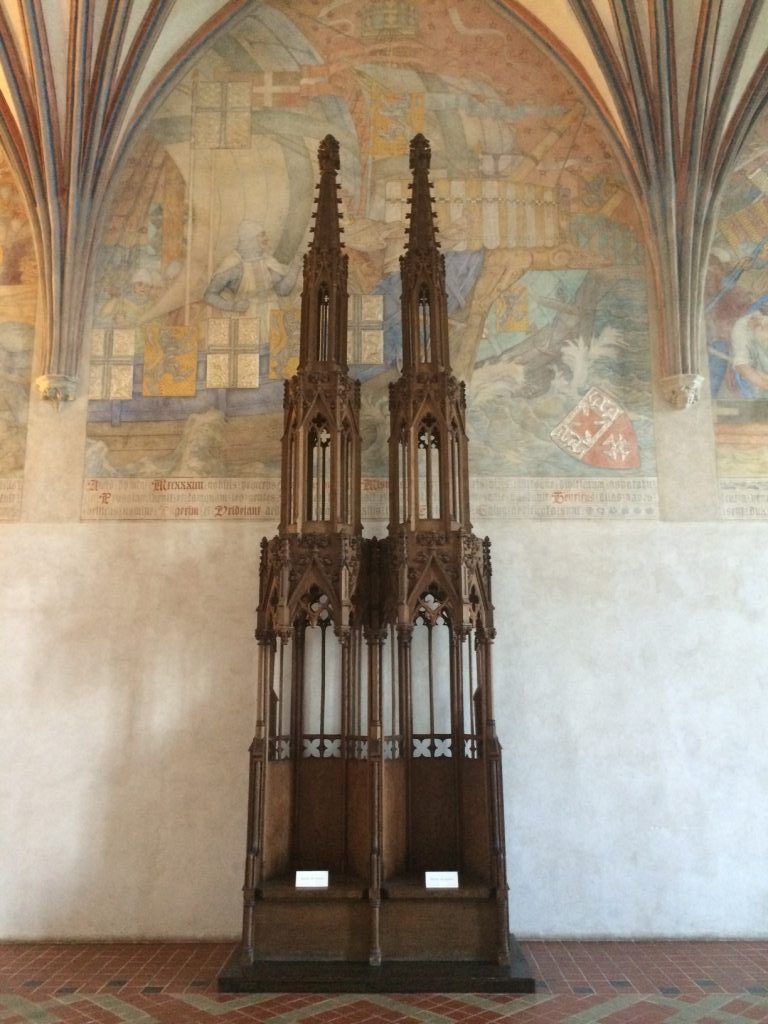
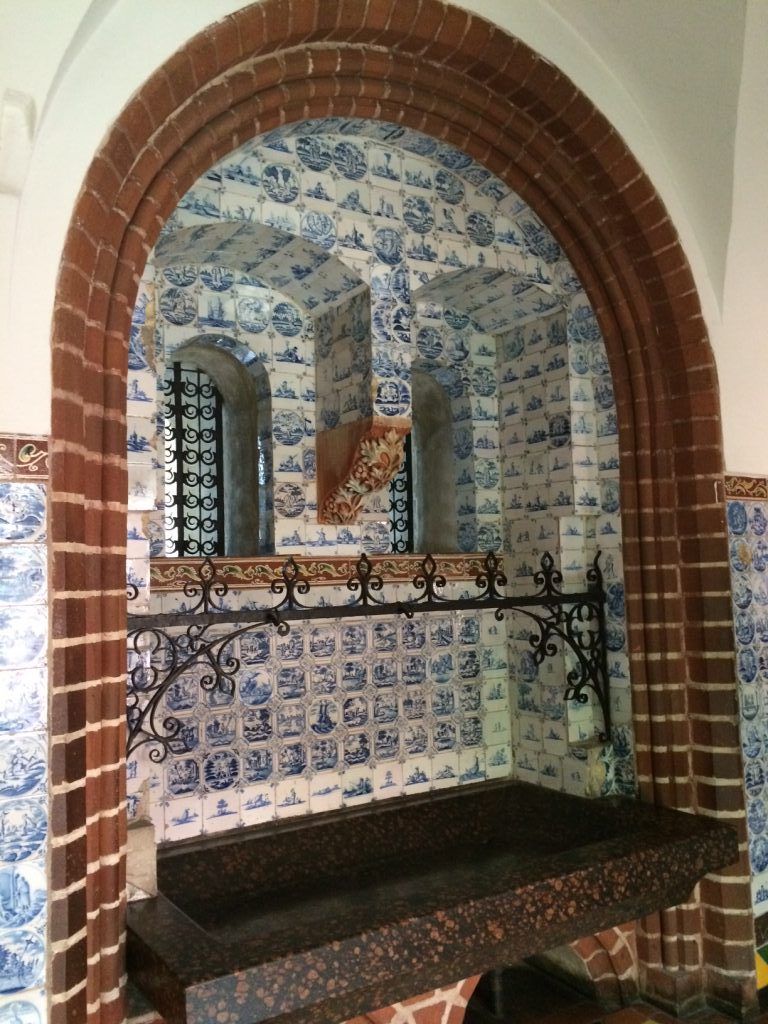
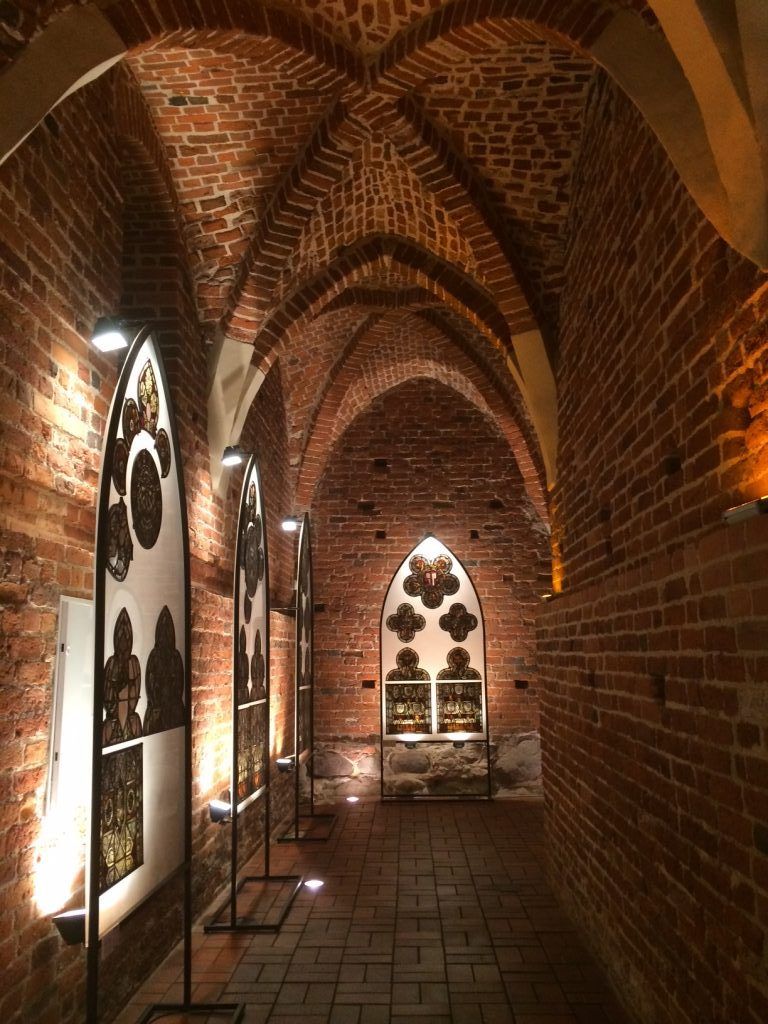
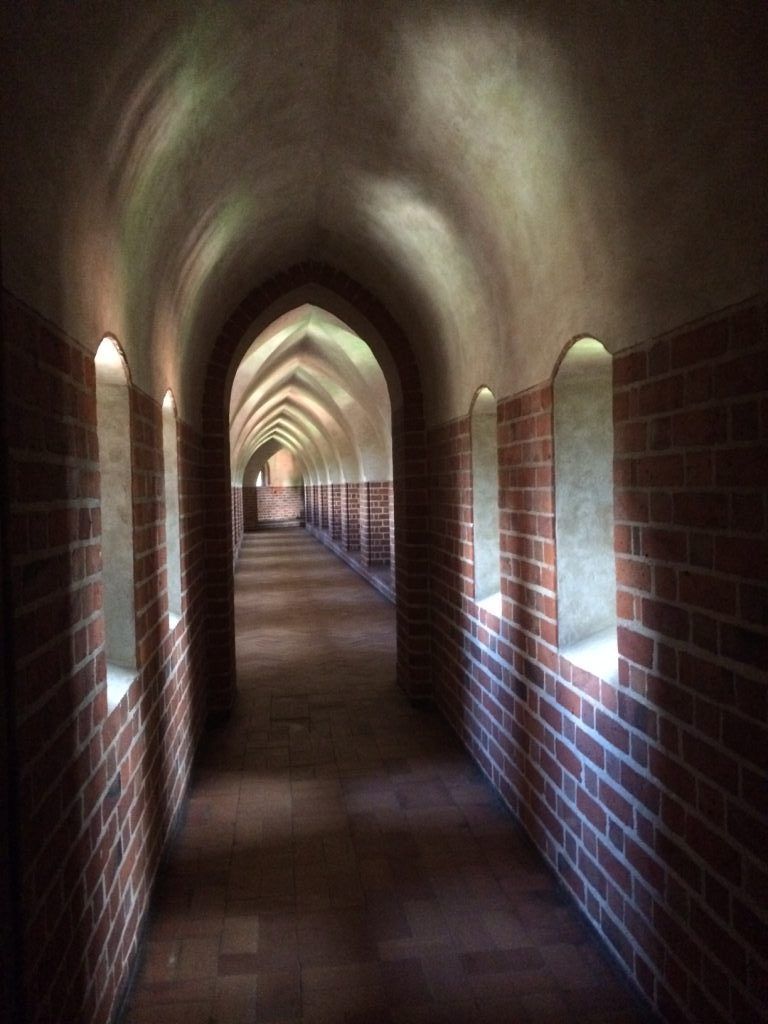
Today Malbork Castle is one of Poland's greatest tourist attractions, drawing thousands of visitors from around the world each year. On the castle grounds you can visit reconstructed halls and chambers that depict life in the castle during various historical periods. Numerous cultural events, exhibitions, and concerts are also held on the grounds.
Malbork Castle is listed on the UNESCO World Heritage List and is one of the most important monuments of medieval culture in Europe.
Malbork Castle, the largest Gothic castle in the world, is a place full of legends and stories. Here are a few of them:
Malbork Castle is not only a beautiful structure and a marvel of medieval architecture. It is also a place that hides many secrets and is associated with incredible stories. There are many legends about the castle, the Teutonic Order, and the town that are little known among residents and tourists. Want to learn some of them? Here are some of the most interesting legends about Malbork Castle:
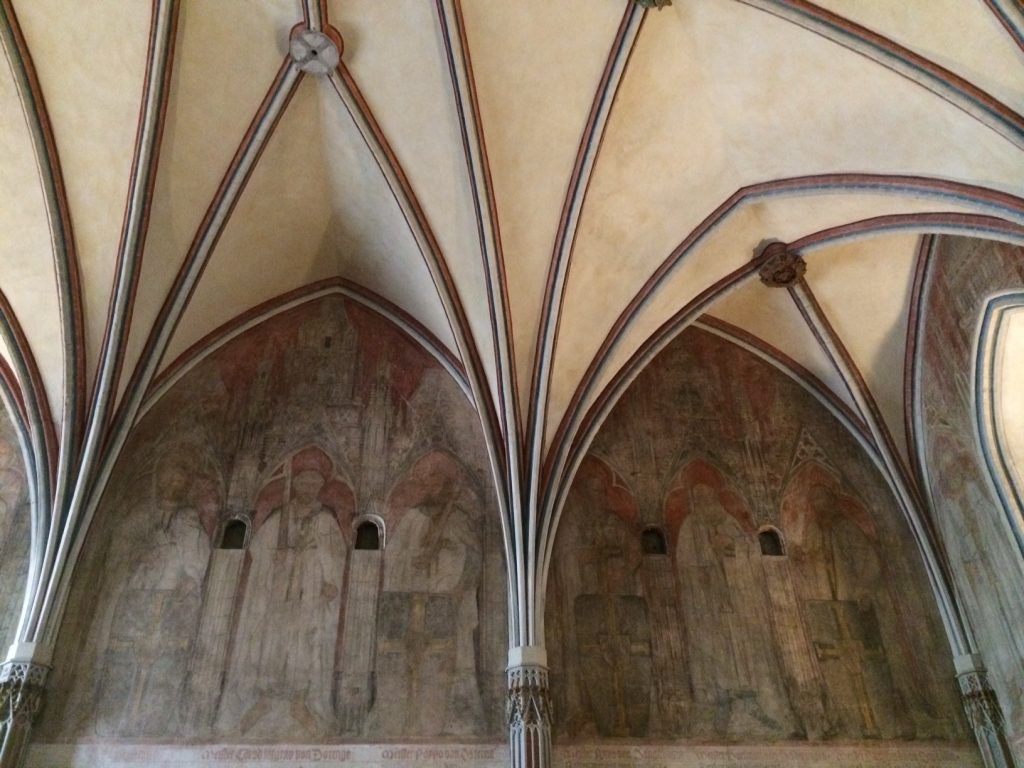
- Legend of St. Anne's Chapel: St. Anne's Chapel in the castle is the resting place of the Grand Masters of the Order. According to the legend, the Teutonic Knights repeatedly tried to seal two openings in the chapel wall that were used for ventilation. But each time, the next day, the openings reappeared and there was no trace of the bricks. It was said that the spirits of the deceased masters did not want to be deprived of fresh air and destroyed the wall that separated them from it.
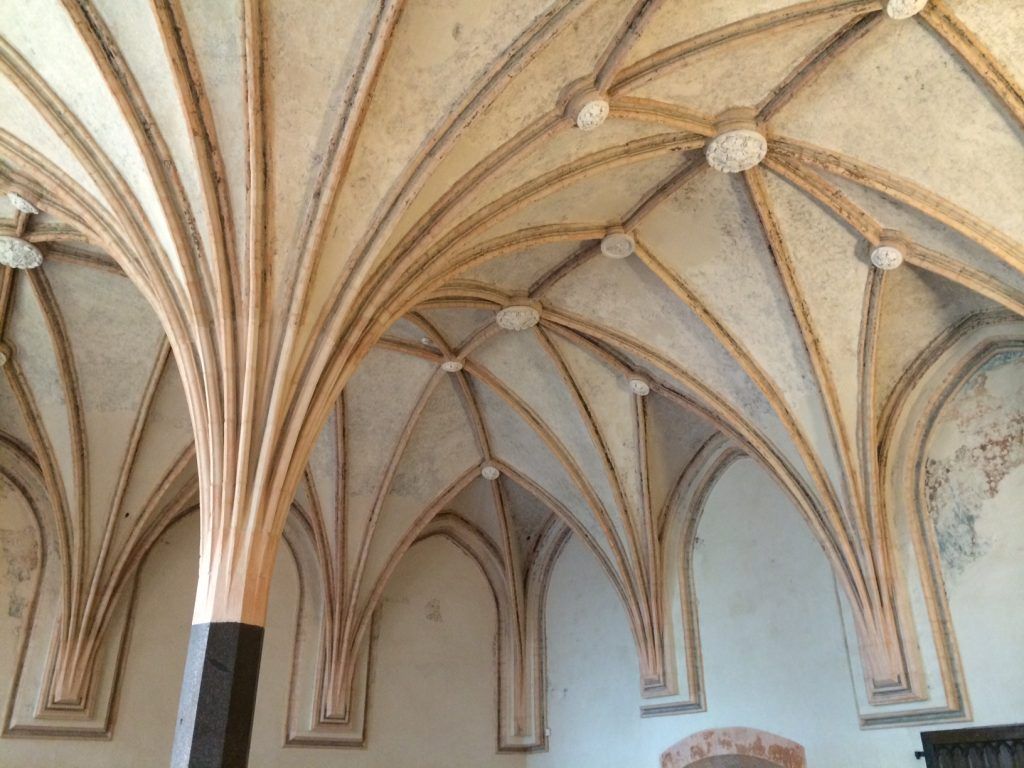
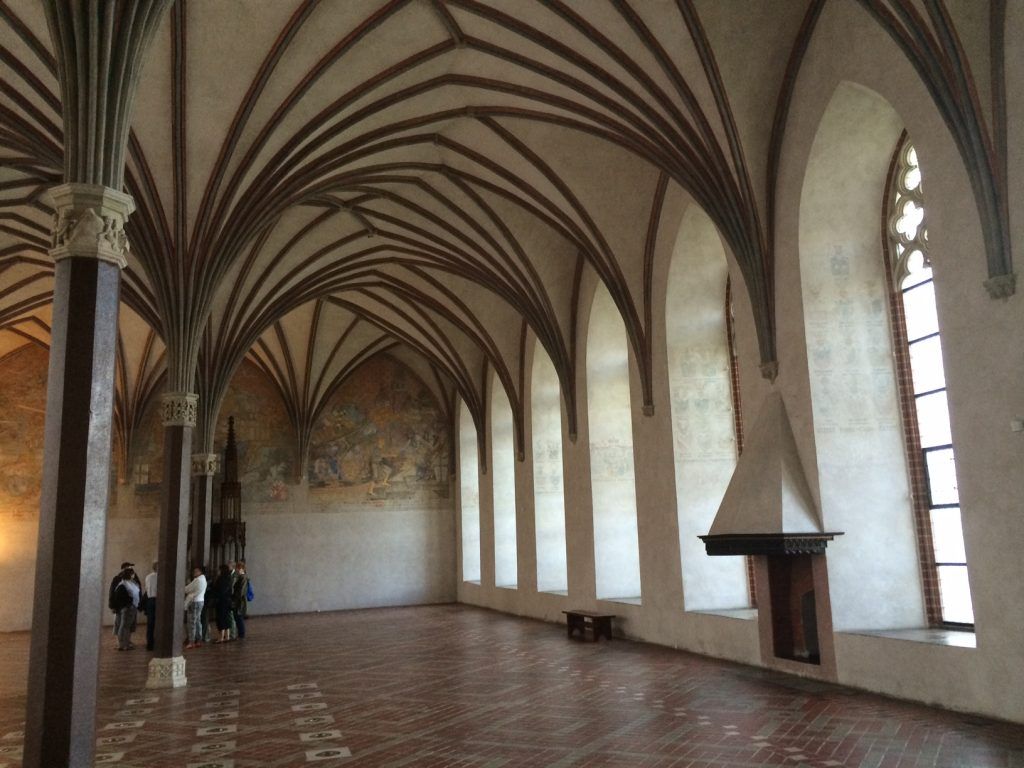
- Legend of the Three Accurate Shots: During the siege of Malbork by Polish forces in 1410, King Władysław Jagiełło decided to use a ruse to destroy the Summer Refectory, where meetings of the Teutonic leadership were held. He brought in a large bombard and used a Polish agent who was serving the Teutonic Knights. When a meeting was taking place in the refectory, the servant stuck a colorful cap out of the window, which was the signal for the crew of the powerful gun. The bombard fired three times, but none of the projectiles hit the pillar supporting the refectory ceiling, which was the attack's target. One projectile passed through the wall and fell into the hall, but missed the support and only smashed the floor. Komtur Henryk von Plauen regarded it as a miracle and ordered a fragment of the projectile to be built into the wall together with a commemorative plaque so that anyone who looks at it would know that Malbork cannot be taken.
- Legend of the break-in to the castle treasury: One night, when the castle was quiet, two bakers decided to break into the castle treasury where valuables and money were kept. They knew the treasury was in the Middle Castle and that a secret passage from the High Castle led to it. They managed to get into the High Castle, where the bakeries were located, and find the hidden door. They went through it and found themselves in the Middle Castle. There, however, they encountered a guard who began chasing them. The bakers fled back to the High Castle and hid in the bakery. The guard closed the passage door and reported the break-in. The next day, when the commander questioned the bakers, they denied having been in the Middle Castle and claimed they had spent the whole night in the bakery. The commander did not believe them and ordered them to show what was in their pockets. To his surprise, a gold coin stamped "Golden Eagle" fell out of one of their pockets. It was the coin the commander had received from the King of Poland as payment for freeing prisoners after the Battle of Grunwald. The commander recognized the coin and ordered the bakers killed and their bodies thrown into the moat.
- Legend of the miraculous painting of St. Barbara: In the Middle Castle there is a chapel dedicated to Saint Barbara, patron saint of miners and artillerymen. In this chapel there is a painting depicting the saint with a tower and a sword. According to legend, this painting has miraculous power and protects the castle from fires and explosions. During the siege of Malbork by Polish forces in 1457, the painting was damaged by a projectile from a bombard that pierced the chapel wall. However, the painting did not burn; it only split into two parts. The Teutonic Knights took this as a sign that Saint Barbara had not abandoned them and was still protecting them. They therefore glued the painting to the wall and continued to pray before it. After the siege ended, the painting was restored and placed in a new frame, but the mark left by the projectile remained visible.
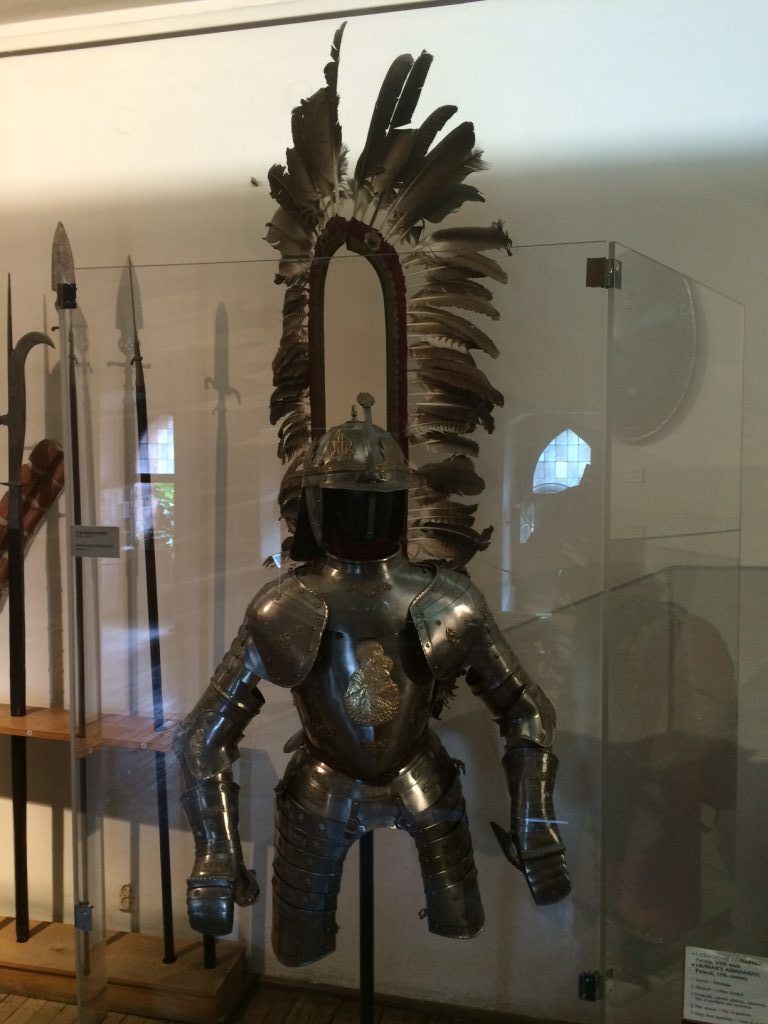
Continue reading in this gallery

Poland
Gdańsk After All These Years
It is hard to believe that so much time has passed since our last visit.We have always had good memories of Gdańsk,but this time we were especially curious to see how much the city had changed over all those years.
Poland
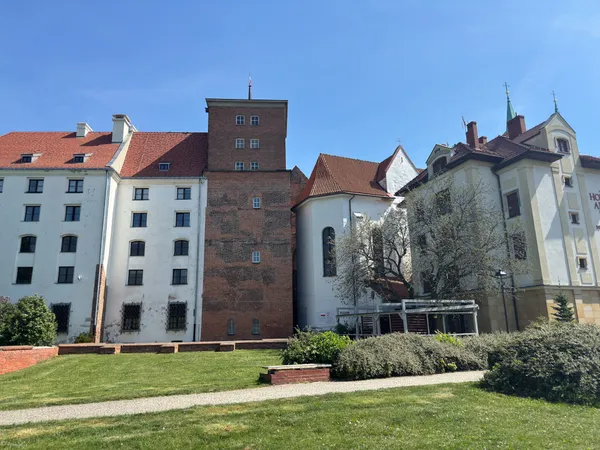
The Piasts' Castle of Silesia.
Brzeg Castle, often called the "Silesian Wawel", is a true gem of Renaissance architecture. From the very first moments it enchants with its majestic form and beautiful details. Our guide, with great passion, introduced us to the world of the Silesian Piasts.
Poland
Home
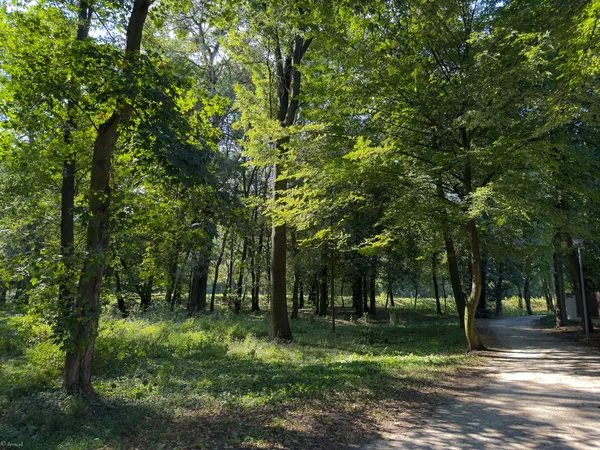
Each of these places holds many memories for me. I always look back on those moments with fondness, when I played there carefree as a child. Today, walking the same paths, I can see how time has changed the landscape – both in nature and in my own feelings.

Poland
Automotive Museum in Oława
Recently I had the opportunity to visit one of the most interesting places in Oława – the Automotive Museum. It's a place that will surely interest not only automotive enthusiasts, but also anyone who appreciates the history and development of transport technology.