
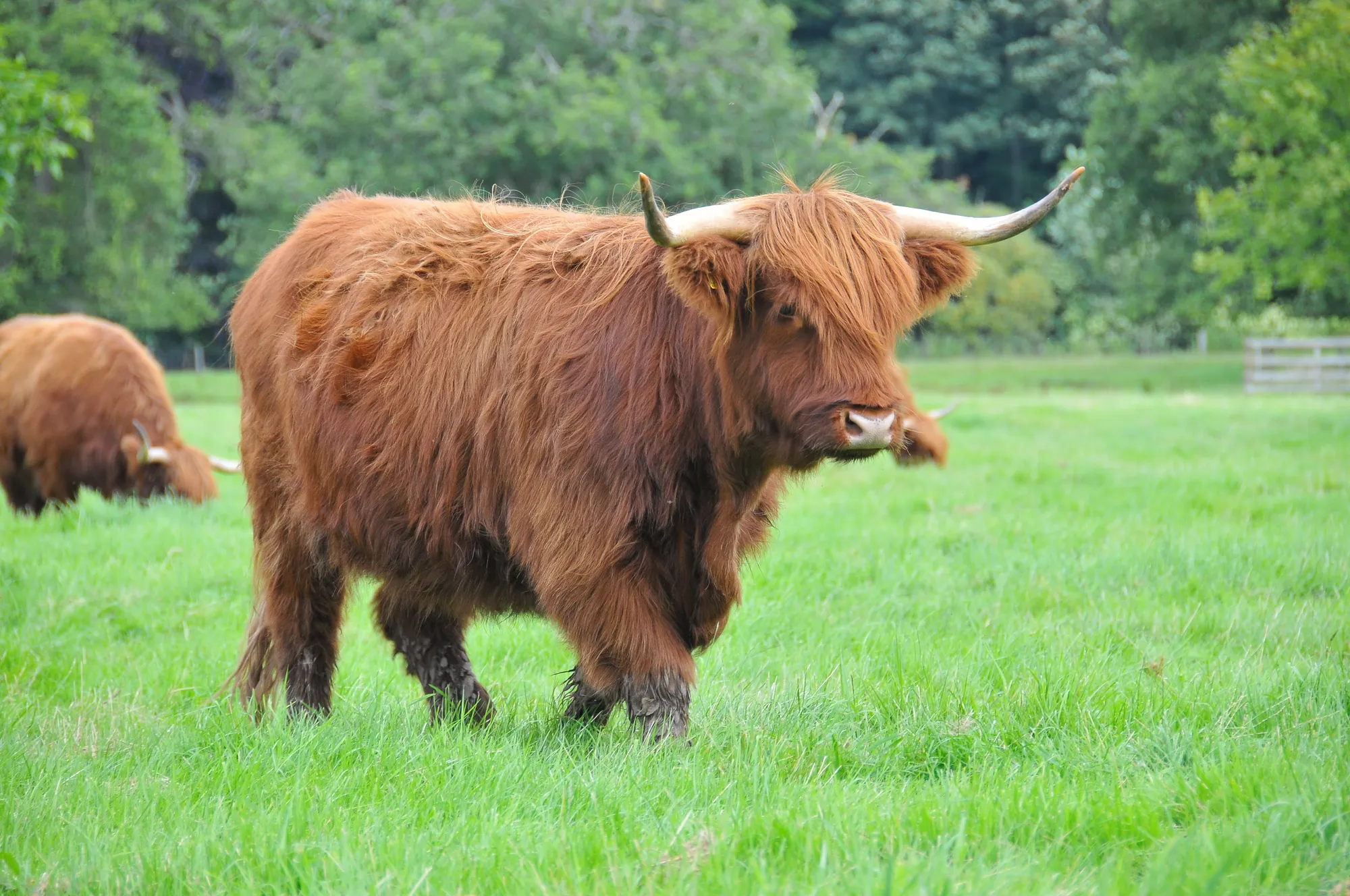
Highland cow – the shaggy symbol of Scotland
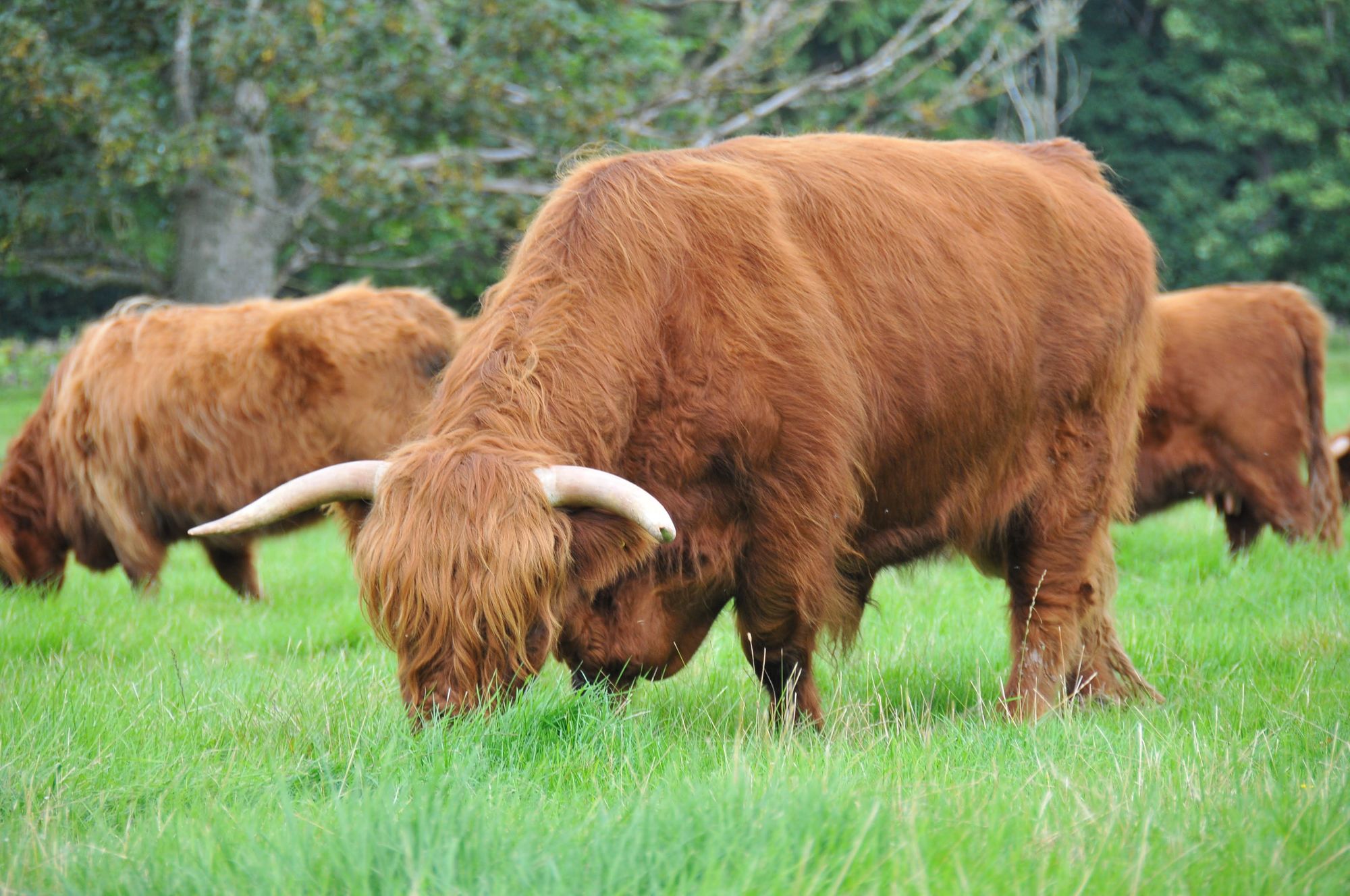
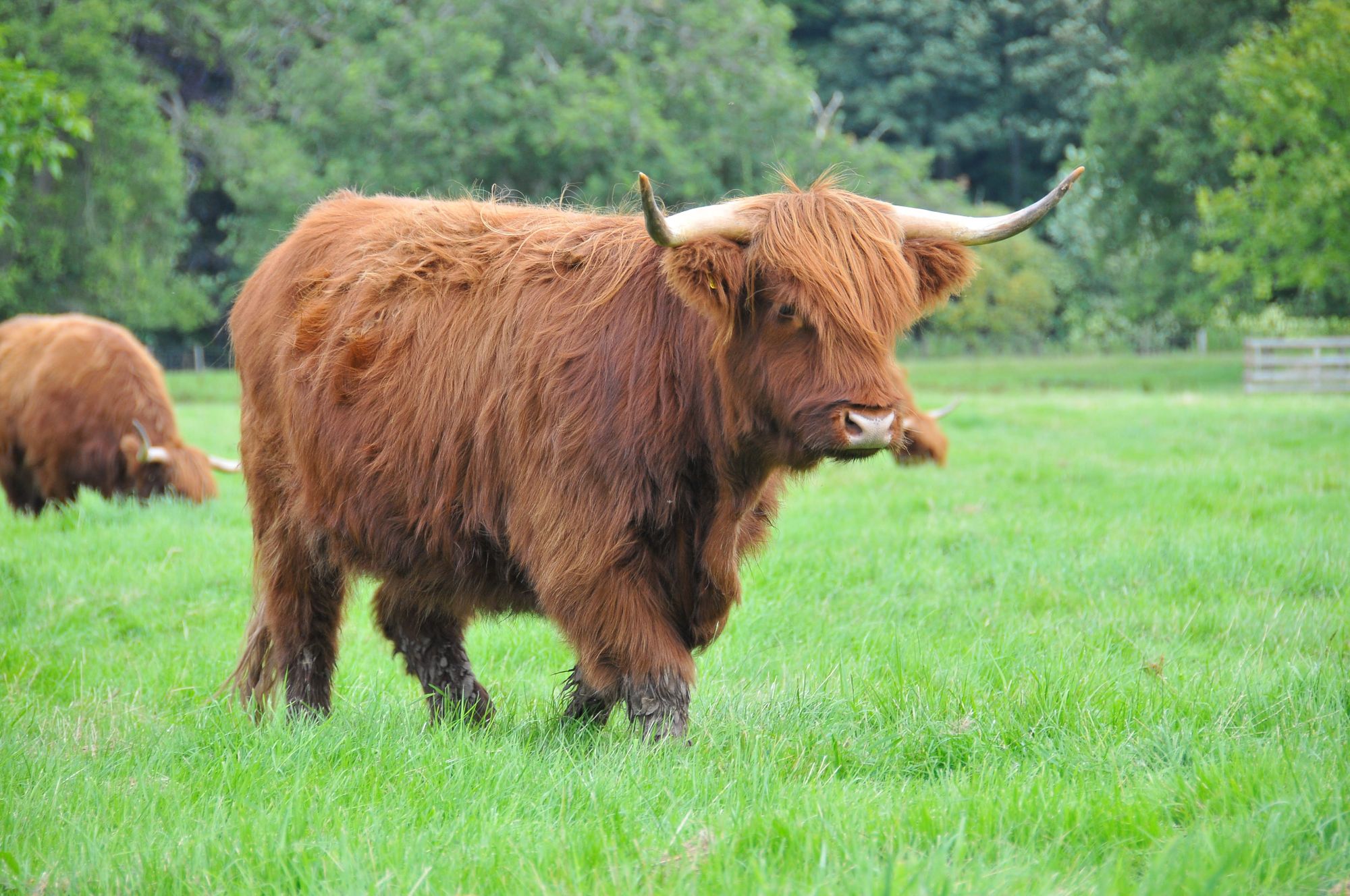
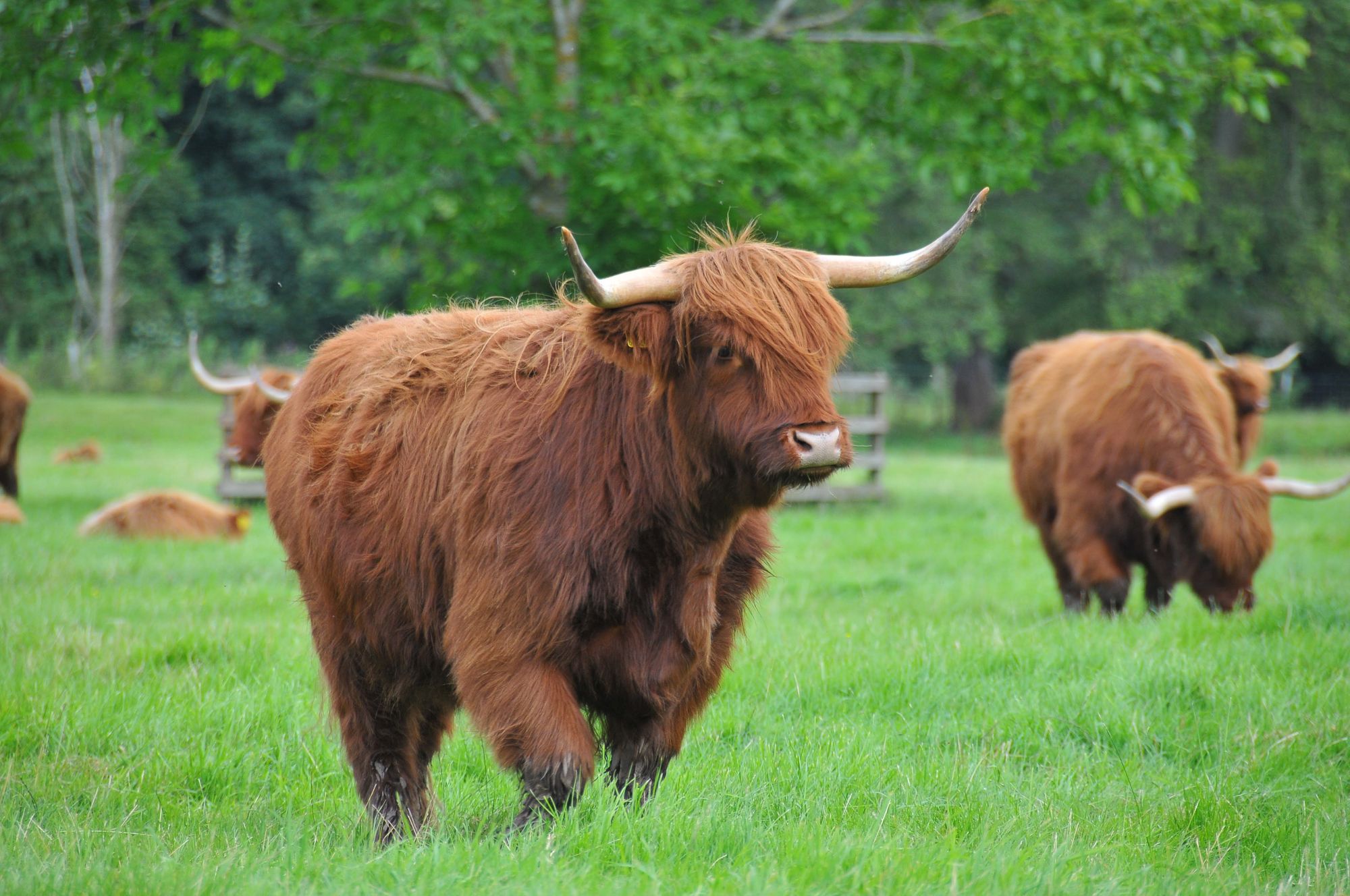
The Scottish cow, known worldwide as the Highland cow breed, is undoubtedly one of Scotland's most charming symbols. In addition to the breathtaking landscapes and majestic castles, it was these extraordinary Scottish cows that were the biggest attraction for me.
Highland cow – the shaggy symbol of Scotland. Where can you meet one in Poland?
Scottish cow, known worldwide as the Highland cattle breed, are undoubtedly one of the most charming and photogenic symbols of Scotland. These majestic animals, affectionately nicknamed „Hairy Coo” by the locals, have long captivated tourists and photographers. Before I set off on my journey to the north of Great Britain, I knew one thing: apart from the rugged landscapes of the Isle of Skye and historic castles, it was precisely Scottish cows had to be in my frame.
In this article you'll learn everything about this extraordinary breed – from their fascinating history, through their distinctive physical features, to a list of places, Where to see Highland cows in Poland.
Characteristics of the Highland breed – why are they so special?
Scottish Highland cattle is one of the oldest registered breeds in the world. Their appearance is not the work of chance, but the result of hundreds of years of evolution in extremely harsh conditions.
Double coat: Natural armor
What catches the eye most is their long, shaggy coat. Interestingly, it consists of two layers:
• Outer layer: They are long, oily hairs that protect the animal from torrential rain and strong winds.
• Undercoat (underwool): A soft, fluffy layer that acts as top-class thermal insulation.
Thanks to this structure Highland cow doesn't need to have a thick layer of subcutaneous fat to survive freezing weather. This, in turn, makes their meat leaner and lower in cholesterol than beef from other breeds.
Impressive horns and forelock
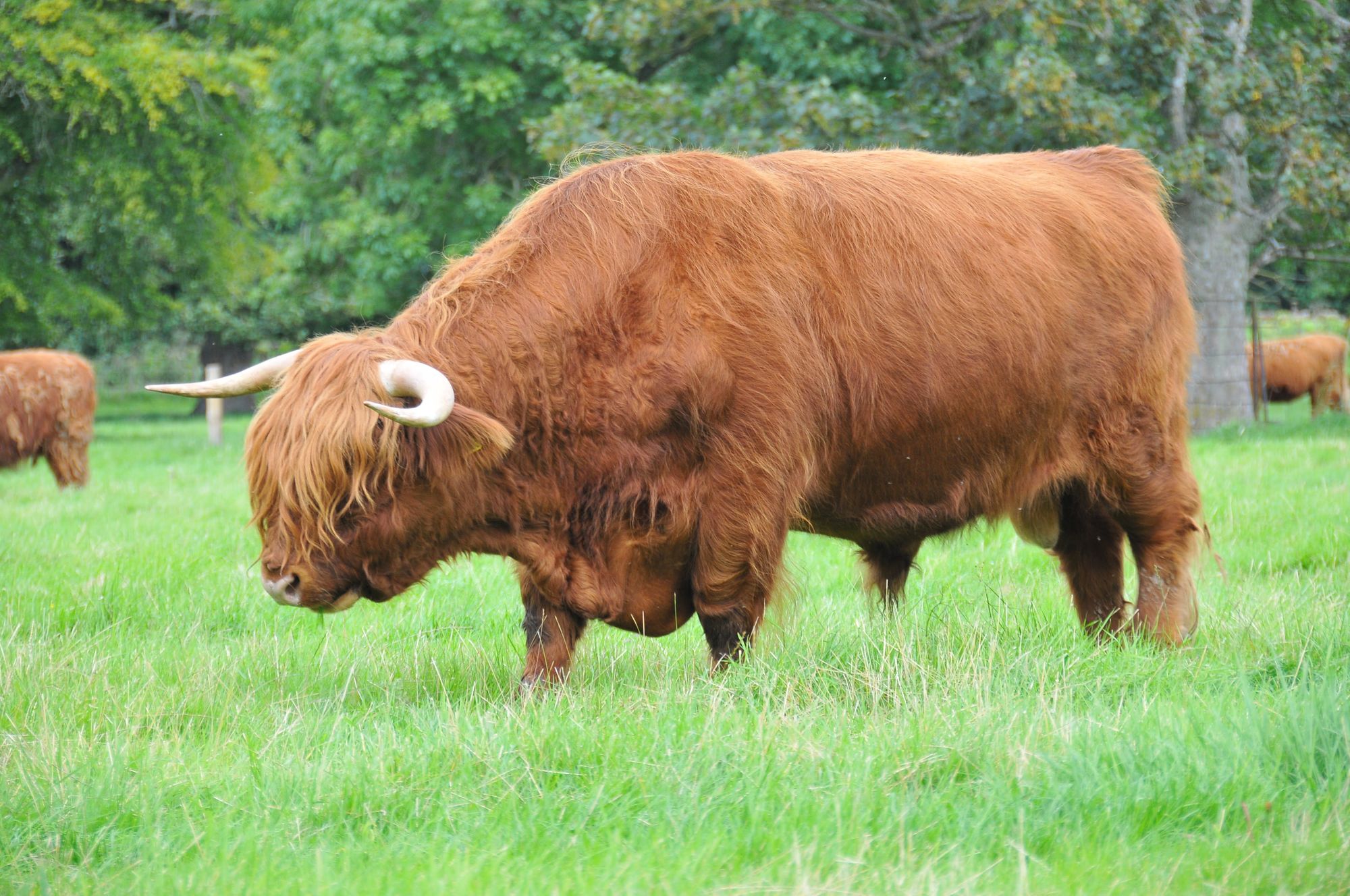
Both bulls and cows have powerful horns. In females they are usually longer and directed upwards, while in males they are thicker and curved forward. They serve not only for defense but also for sweeping snow aside while searching for food during harsh winters. And the famous “forelock”? It has a very practical purpose - it protects the animals' eyes from insects as well as strong gusts of wind and rain.
Where to see Highland cows in Poland?
Although their natural home is the Scottish Highlands, Highland cattle breeding in Poland is becoming increasingly popular. Because of their low maintenance needs and great resilience to Polish winters, more and more agritourism farms are opting for these “living lawnmowers”. Here are a few places where you can spot them:
1. Highland Warmia (Zerbuń): It's one of the best-known places in Poland. An agritourism farm located by a lake, where a herd of Highland cattle lives in near-natural conditions. An ideal spot for a photoshoot and relaxation in the spirit of slow life.
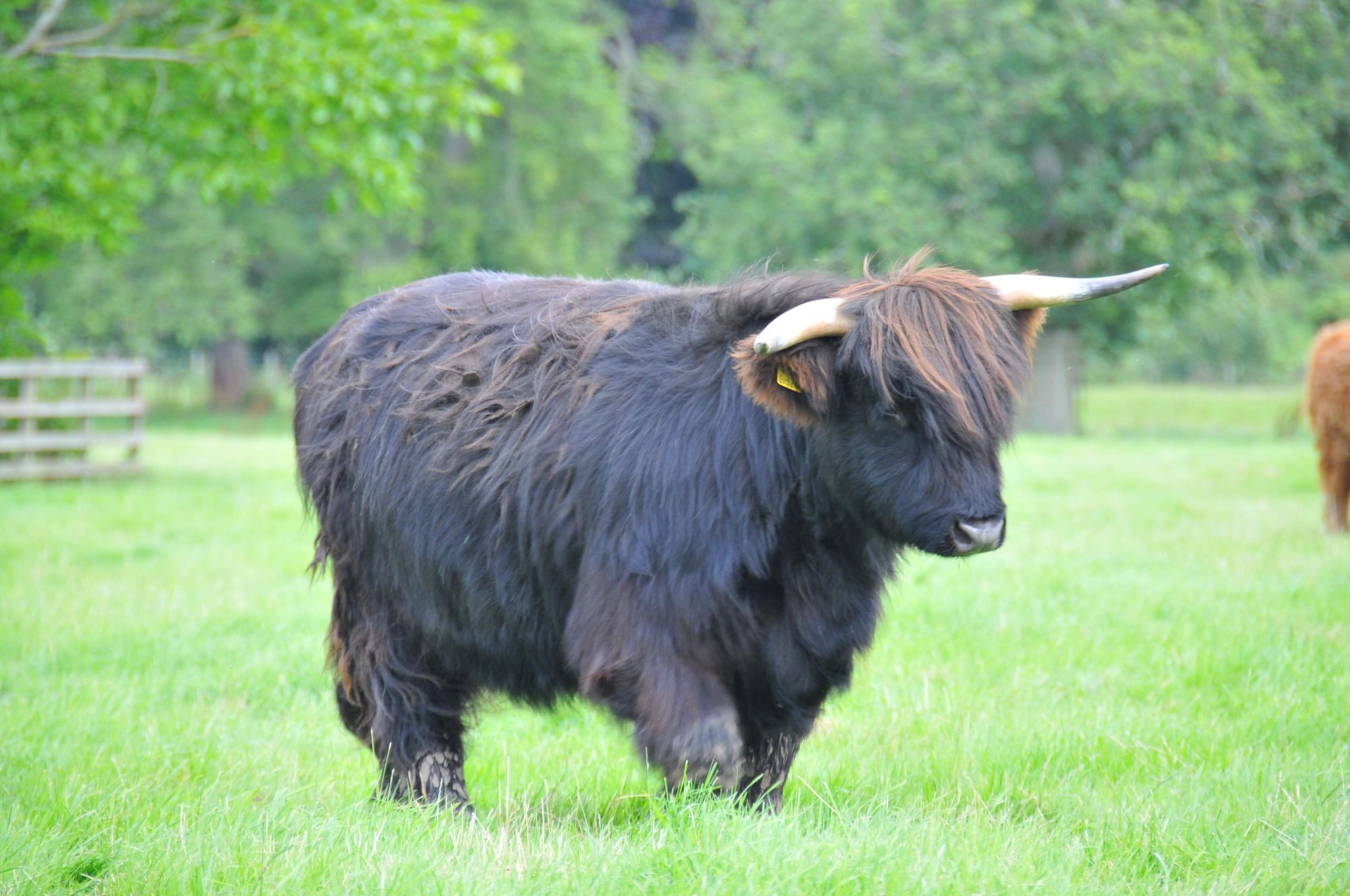
2. Scottish Cows – Nowe Marzy (Kuyavian-Pomeranian): A specialized breeding farm that gladly welcomes visitors. Here you can see animals in a variety of coat colors – from the classic reddish-brown to black and white.
3. Highland Beef from the Pilica (near Kielce): An organic regenerative farm where Highland cattle live free-range year-round, even during the harshest frosts.
4. Mini Zoos and Educational Farmyards: Many places, such as „Zwierzaki nad Potokiem” and local farmyards in the Sudetes and Podlasie, offer these friendly animals that love contact with people (and carrots!).
Facts about Highland cows you didn't know
To get to know these fascinating animals even better, I've prepared a list of facts that might surprise you:
• Variety of colors: Although we most often associate them with a reddish color, Highland cows occur in many colors: black, yellow, white, and even silvery (dun) and brindled (brindle).
• Longevity: They are one of the longest-living cattle breeds. Highland cows can live up to 20 years and give birth to healthy calves at 15-18 years old!
• Royal love: Queen Elizabeth II was a great admirer of this breed. She kept her own herd at Balmoral and it was said they were the only cows she personally tended.
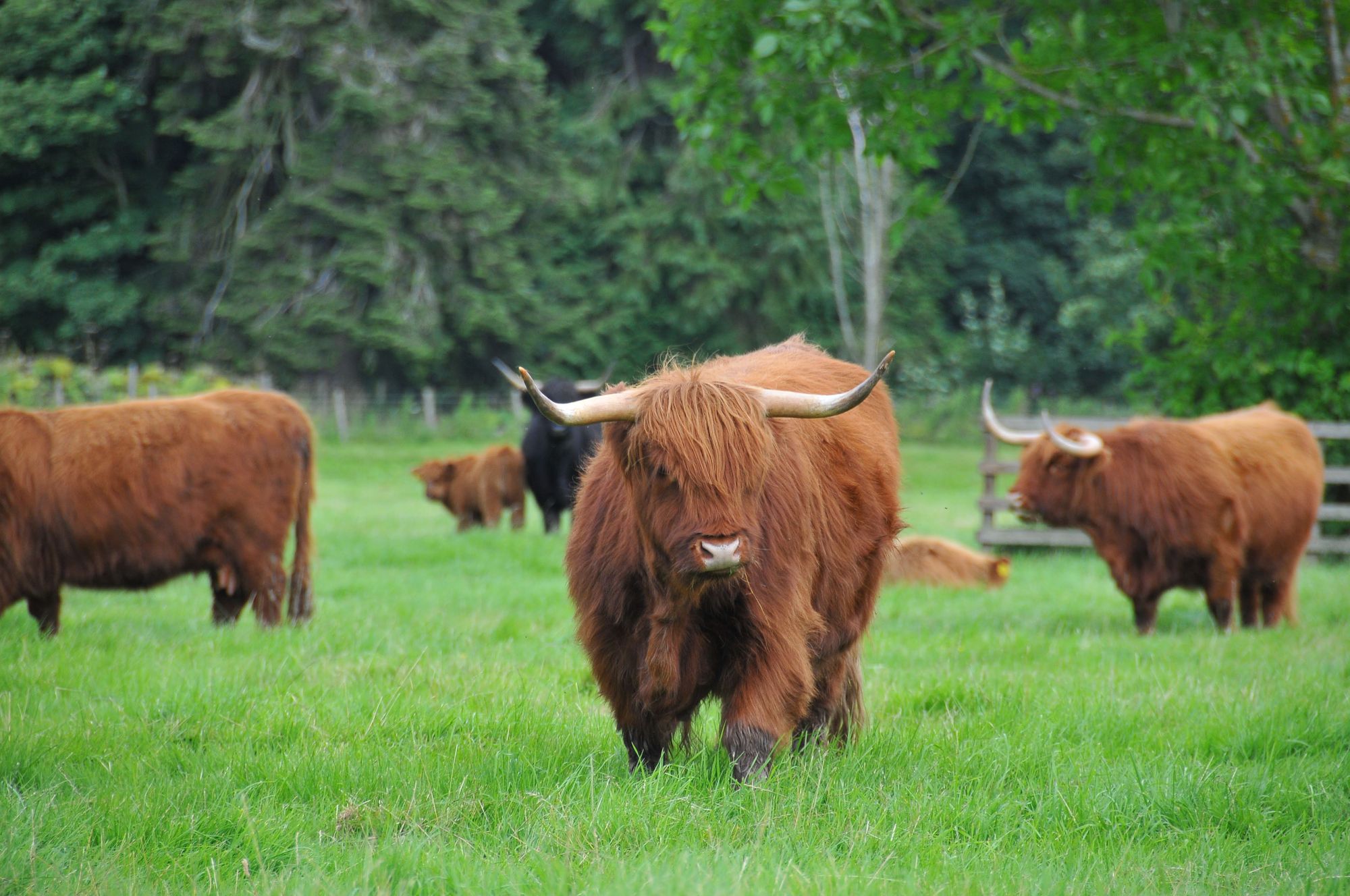
• The group is called „Fold”: In contrast to other cows, whose group we call „herd”, the group of Highland cows is called „fold” (from Eng. 'enclosure'). The name dates back to when these animals were locked up at night in stone enclosures to protect them from wolves.
• Gentle temperament: Despite their fearsome appearance and massive horns, they are intelligent and friendly animals. They have a highly developed social hierarchy and rarely show aggression toward people, unless they feel their calves are threatened.
My personal encounter with a Scottish cow
During my trip to Scotland, the most beautiful encounter with these animals took place in the vicinity of Glamis Castle. The sight of a herd grazing against the backdrop of the historic walls and lush green hills was like something out of a fairy tale.
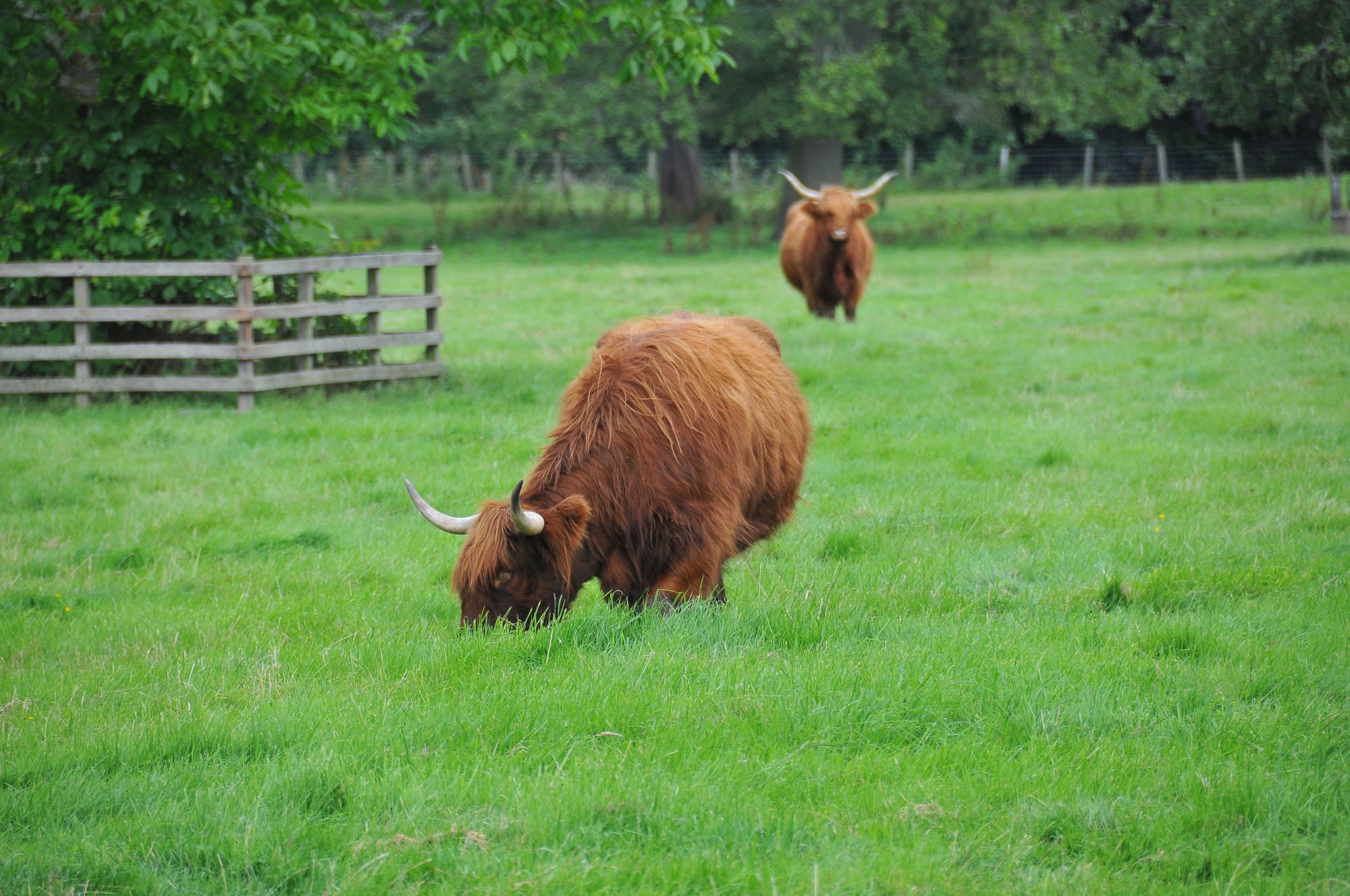
I was struck by how calm these animals are. You can stand a few meters from them, and they will lazily lift their heads, chewing the grass and looking at you from beneath their long forelocks. They're the perfect subjects for any photographer – Highland cows almost seem to pose for photos!
Why raise Highland cows?
From the point of view of agriculture and nature conservation, highland cattle have huge advantages:
1. Ecological pasture clearing: They eat plants that other breeds scorn (e.g. thistle or ferns), helping to reclaim neglected land.
2. Disease resistance: They rarely fall ill and do not require complicated veterinary care.
3. Easy calving: Cows of this breed are known for their excellent maternal instinct and trouble-free calvings, which often take place on the pasture without human assistance.
Summary
Whether you're planning a trip to Scotland, or you're looking for an interesting place for a weekend getaway in Poland, an encounter with a Highland cow zawsze brings plenty of joy. These “plush giants” are living proof of how nature can adapt to the harshest conditions while retaining an irresistible charm.
If you have the chance – visit one of the Polish farms or head north to see them in their natural environment. Just remember one thing: although they are friendly, always respect their horns and don't startle the herd, especially when there are young calves.
Continue reading in this gallery
Scotland
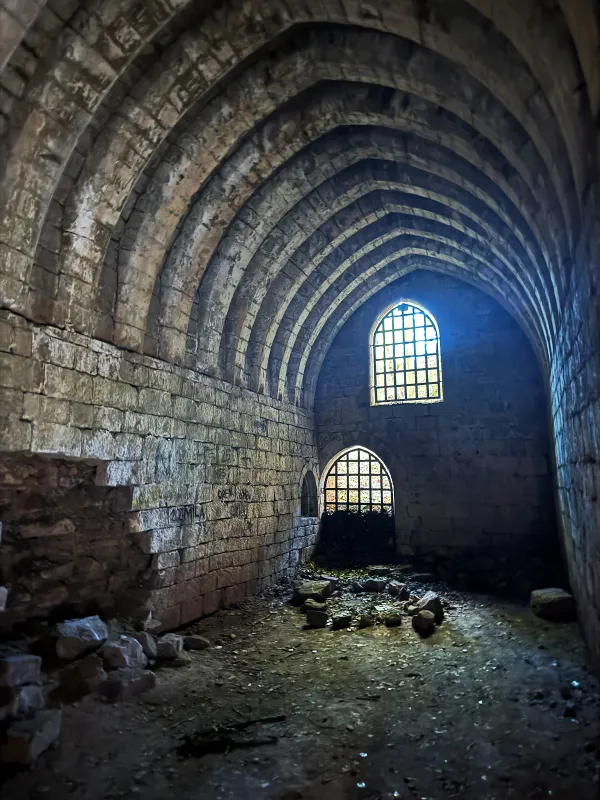
Goblin Hall
Deep within a Scottish woodland lies an extraordinary medieval chamber. According to legend, it was not built by human hands but by demons summoned by a powerful wizard. The place is known as Goblin Hall, and for nearly eight centuries, its story has captured people's imaginations.

Scotland
Scottish Castles-new website
Castles have featured in my photos and here on the blog for a long time. Eventually, I felt I wanted to give them more space and a place of their own, beyond individual blog posts.
Scotland
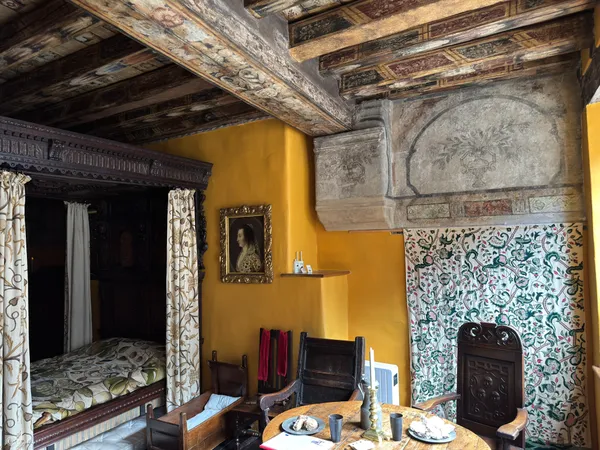
Gladstone’s Land
There’s something about Edinburgh’s Royal Mile that always draws me back. The crowds, the tartan shops, the sound of bagpipes, and the old stone buildings that seem as though they’ve stood here forever. Most of them have been altered so many times over the centuries that very little of the original
Scotland
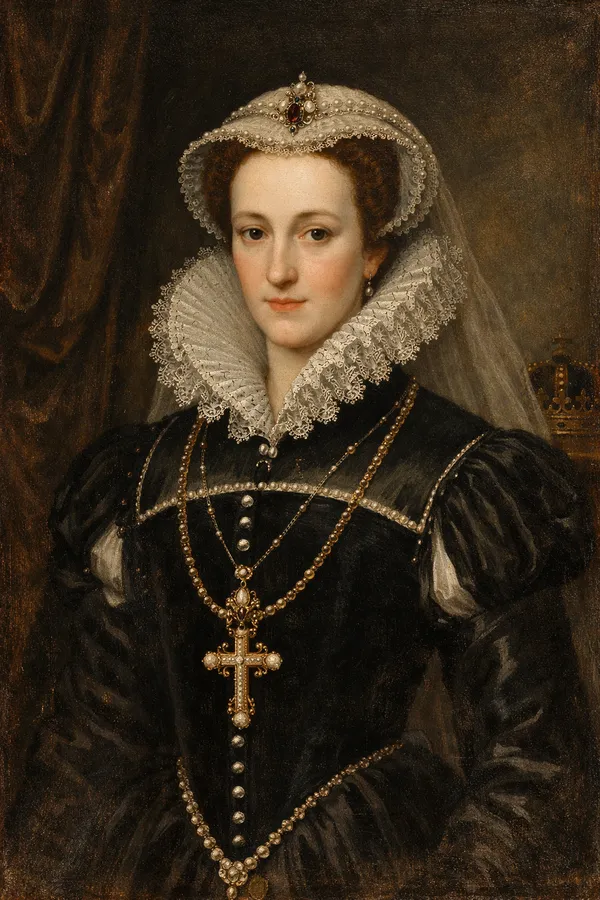
In the Footsteps of Mary, Queen of Scots
Scotland has something magical about it. Mists, castles, hills – and of course legends. One of the most fascinating figures in Scottish history is Mary Stuart, better known as Mary, Queen of Scots.