
Polish accents
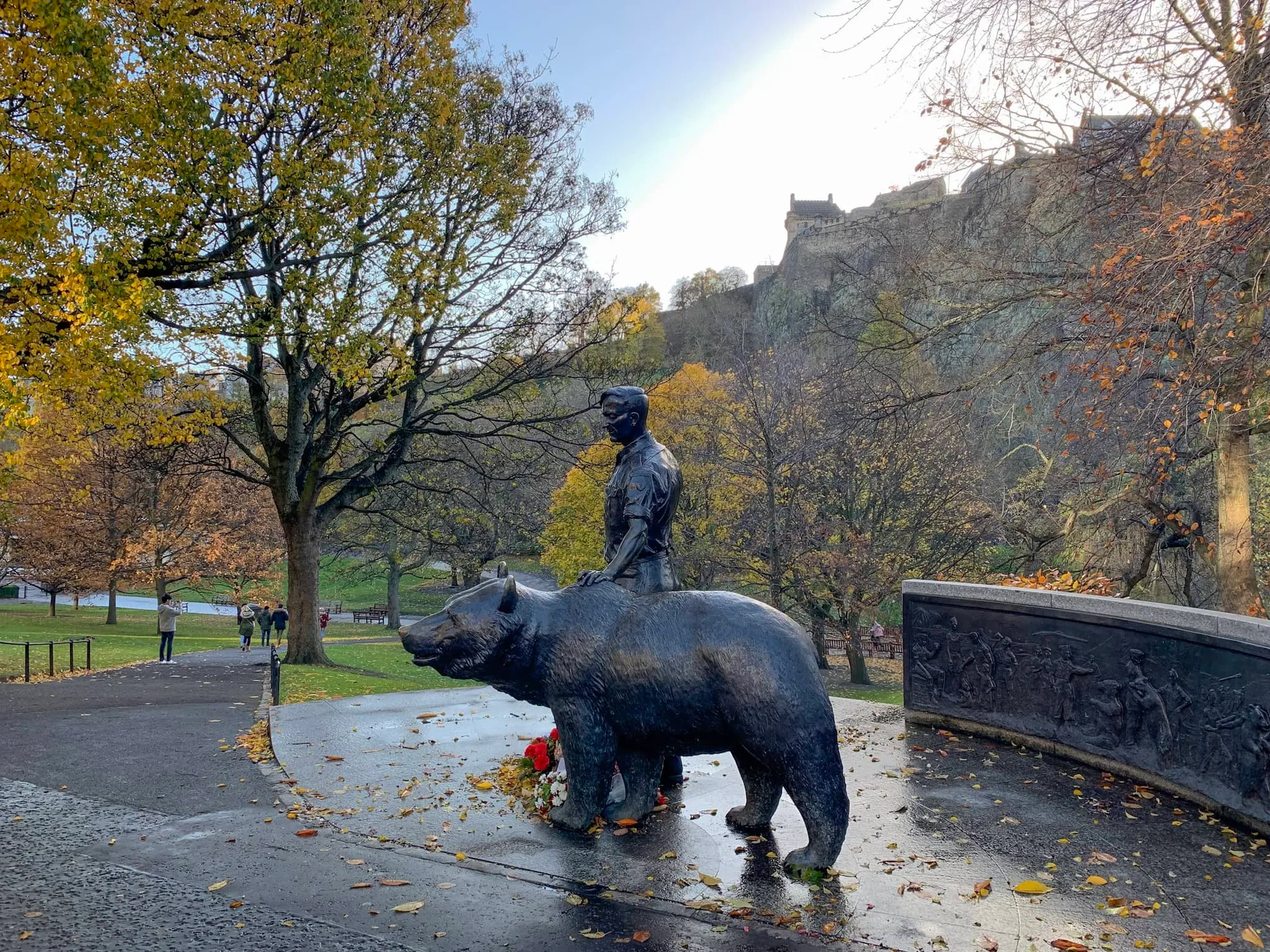
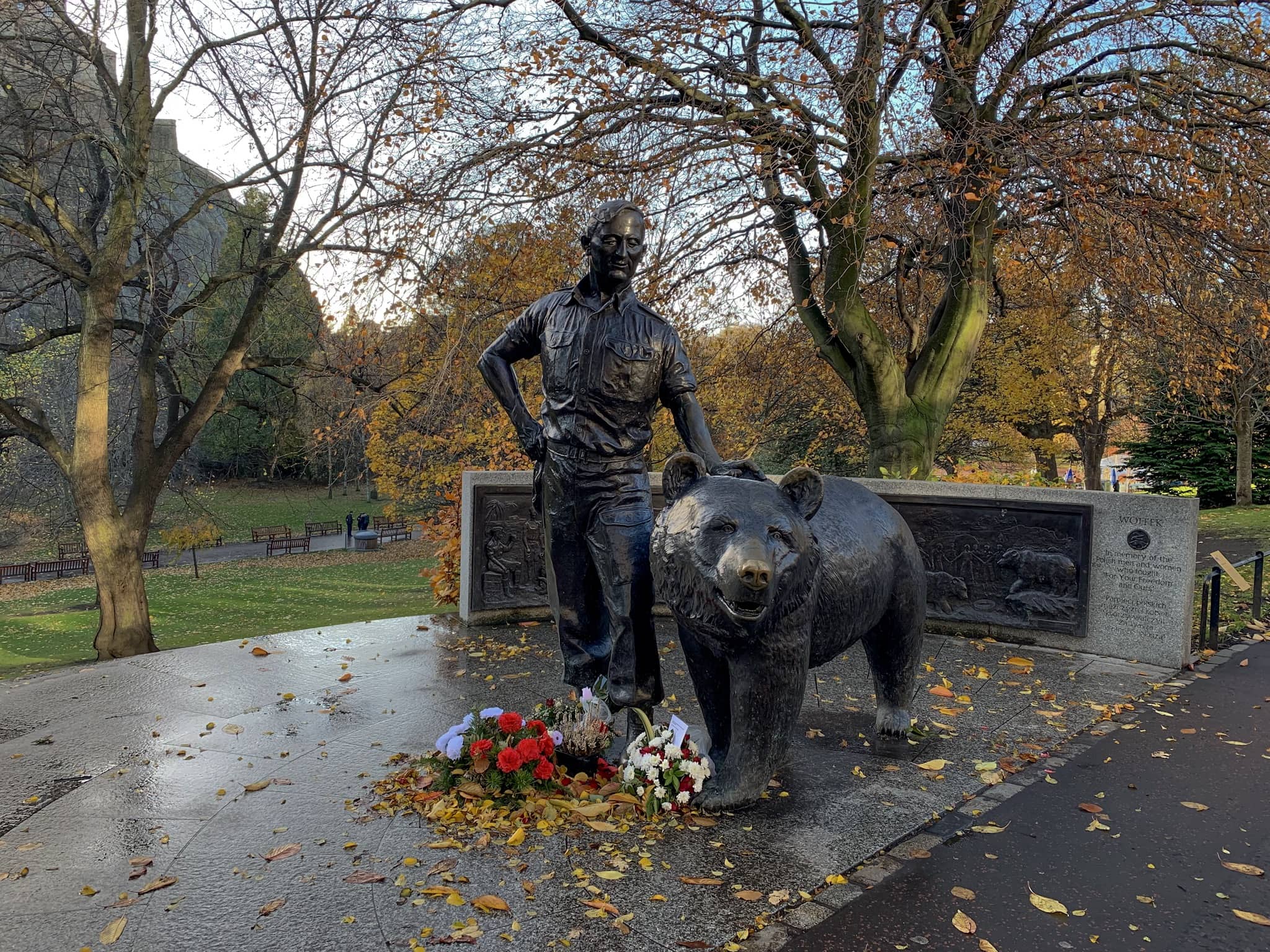
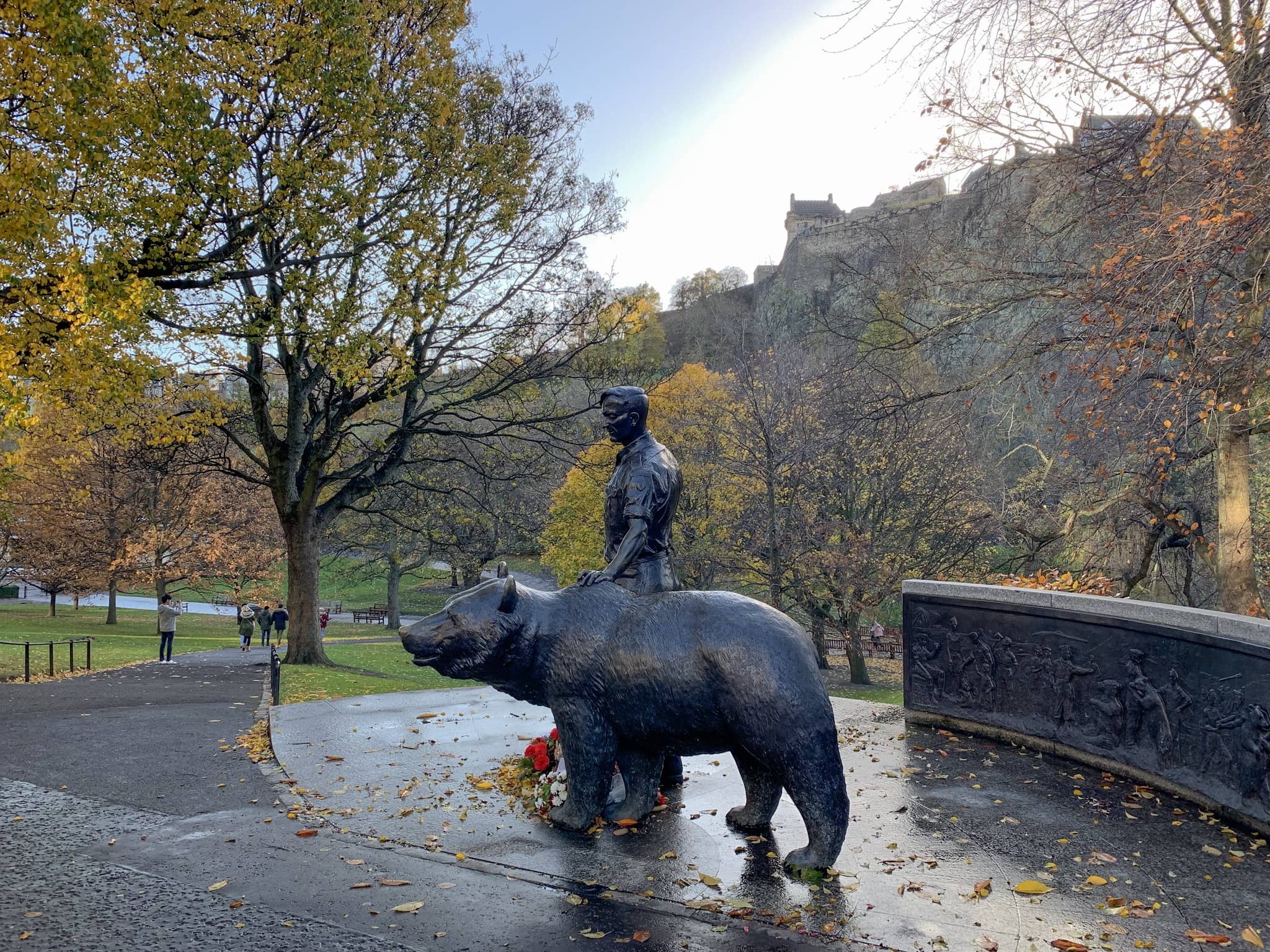
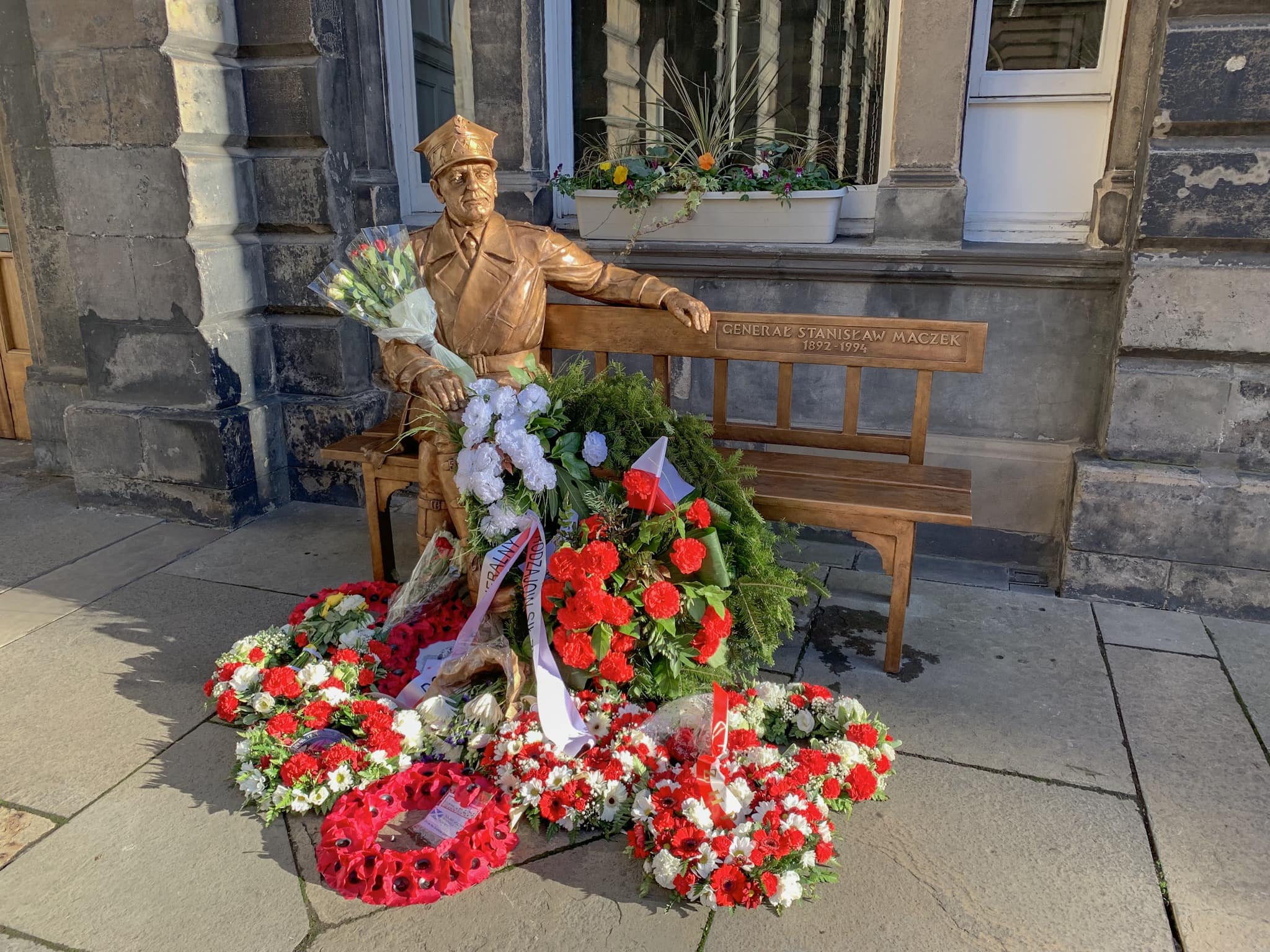
Since today is November 11th, I'm adding two Polish touches I spotted during today's walk. The new monument to General Maczek, which was unveiled just a few days ago. There is also Wojtek the Bear, who came to Edinburgh during the Second World War.
Since today is November 11th, I'm adding two Polish touches I spotted during today's walk. The new monument to General Maczek, which was unveiled just a few days ago. There is also Wojtek the Bear, who came to Edinburgh during the Second World War.
Wojtek the Bear it's an extraordinary story. He was a brown bear who became a hero during World War II. Initially found as a young cub by a Polish soldier, he quickly became part of the 22nd Supply Company of the Polish Artillery of the Second Corps in Scotland.
Wojtek was adopted by the soldiers, who taught him various soldierly habits. He was so close to his comrades that, over time, he learned to walk on his hind legs, eat the same food as them and even drink beer. The bear became not only a mascot but also an aide, helping to transport artillery to the front.
During the Battle of Monte Cassino in Italy, Wojtek was seen carrying crates of ammunition to artillery positions, which shows his loyalty and courage. After the war, together with the company, he was transported to Scotland and settled in Edinburgh.
Today, Wojtek's monument stands in West Princes Street Gardens in Edinburgh, commemorating his extraordinary role and friendship with Polish soldiers. His story is a moving testament to the remarkable bond that can form between humans and animals, even in the most difficult circumstances of war.
General Stanisław Maczek was born on 31 March 1892 in Austrian Galicia, in the town of Szczerzec (now in Ukraine). From 1910 to 1913 he studied at Lviv Polytechnic, and then joined the Austrian army. During World War I he served in the Austro-Hungarian army on the Italian front.
After the war he joined the Polish Army and was promoted to the rank of major. As commander of the 10th Regiment of Mounted Rifles he took part in the Polish–Soviet War (1919–1921) and in the defense of Lwów during the Polish–Ukrainian War.
General Maczek's greatest achievements came during World War II, when he commanded the 1st Polish Armoured Division. His unit was known for its exceptional mobility, courage and determination. In 1944, as part of the 1st Armoured Division, he took part in the Battle of Normandy and the Battle of Falaise, as well as in the campaign in Western Europe, reaching as far as the Netherlands and Breda.
After the war, General Maczek did not return to Poland because the communist authorities, who disapproved of his military activities, were hostile to him. He was exiled from the country and settled in the United Kingdom, where he died on 11 December 1994 in Edinburgh.
Stanisław Maczek is regarded as a national hero in Poland and in many of the countries where his division fought during World War II. He remains an important symbol of Polish heroism and determination in the fight for freedom.
Continue reading in this gallery
Scotland
Goblin Hall
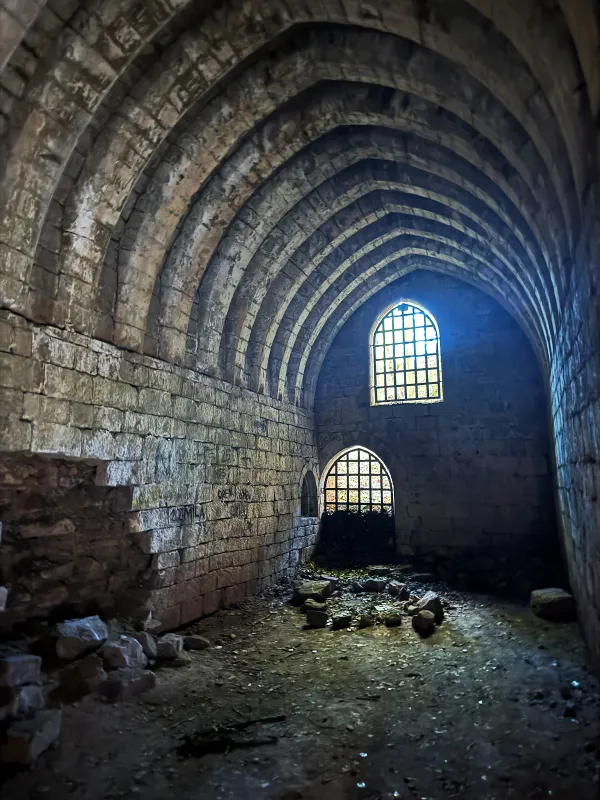
Deep within a Scottish woodland lies an extraordinary medieval chamber. According to legend, it was not built by human hands but by demons summoned by a powerful wizard. The place is known as Goblin Hall, and for nearly eight centuries, its story has captured people's imaginations.
Scotland
Scottish Castles-new website
Castles have featured in my photos and here on the blog for a long time. Eventually, I felt I wanted to give them more space and a place of their own, beyond individual blog posts.
Scotland
Gladstone’s Land
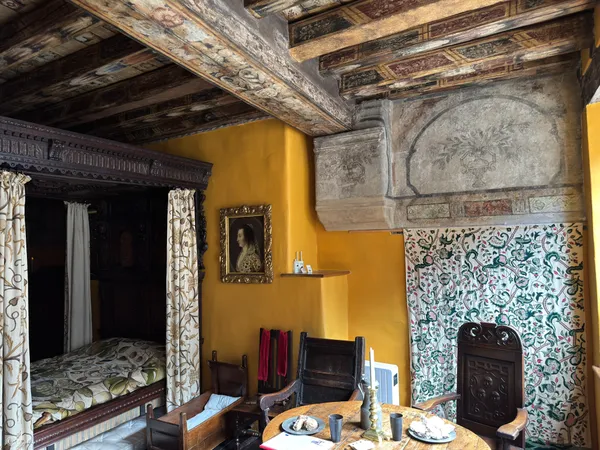
There’s something about Edinburgh’s Royal Mile that always draws me back. The crowds, the tartan shops, the sound of bagpipes, and the old stone buildings that seem as though they’ve stood here forever. Most of them have been altered so many times over the centuries that very little of the original
Scotland
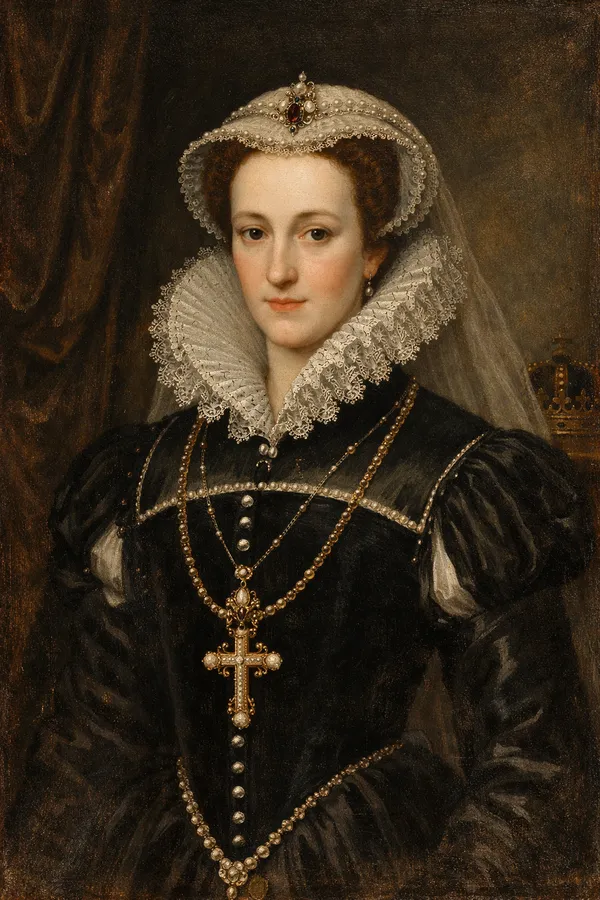
In the Footsteps of Mary, Queen of Scots
Scotland has something magical about it. Mists, castles, hills – and of course legends. One of the most fascinating figures in Scottish history is Mary Stuart, better known as Mary, Queen of Scots.