
William Wallace
William Wallace is one of the most recognisable national heroes in Scottish history.His name became a symbol of courage,resistance to English rule and the struggle for Scotland’s freedom.

William Wallace – Hero of Scotland’s Fight for Independence
William Wallace is one of the most recognisable national heroes in Scottish history.His name became a symbol of courage,resistance to English rule and the struggle for Scotland’s freedom.Wallace played an important role during the First War of Scottish Independence,and although his life was relatively short,his actions left a permanent mark on the country’s history.
His story became known around the world largely because of the 1995 film “Braveheart”,in which Wallace was portrayed by Mel Gibson.The film was extremely successful,but it should be remembered that it presents a heavily fictionalised version of his life.Many of its characters,costumes and events differ considerably from the historical evidence.
The origins of William Wallace
The exact date and place of William Wallace’s birth remain uncertain.He is generally believed to have been born around 1270.Tradition identifies Elderslie in Renfrewshire as his birthplace,although some historians have suggested Ellerslie in Ayrshire.
Wallace probably came from a family belonging to the lower ranks of the Scottish nobility.Very little is known about his childhood,education or early adult life.Many stories about his youth come from legends written long after his death and cannot be reliably confirmed.
The English occupation of Scotland
At the end of the thirteenth century,Scotland entered a serious political crisis.Following the deaths of King Alexander III and his granddaughter Margaret,known as the Maid of Norway,there was no clear heir to the Scottish throne.
King Edward I of England became involved in the dispute over the crown.In 1292 he supported the selection of John Balliol as King of Scots,but he also attempted to treat Balliol as his subordinate.
When Balliol resisted English demands,Edward invaded Scotland in 1296.He defeated the Scottish forces,forced Balliol to abdicate and took control of much of the country.
English administration and the presence of occupying troops caused growing resentment among the Scottish population.Local rebellions began to break out across the country.William Wallace emerged as one of their most important leaders.
The beginning of the rebellion
Wallace first appears clearly in the historical record in 1297.In May of that year he took part in an attack at Lanark,during which the English sheriff William Heselrig was killed.
Men willing to fight English rule began gathering around Wallace.At approximately the same time,Andrew de Moray was leading a rebellion in northern Scotland.The two leaders eventually combined their forces,creating an army capable of challenging the much larger English forces.
The Battle of Stirling Bridge
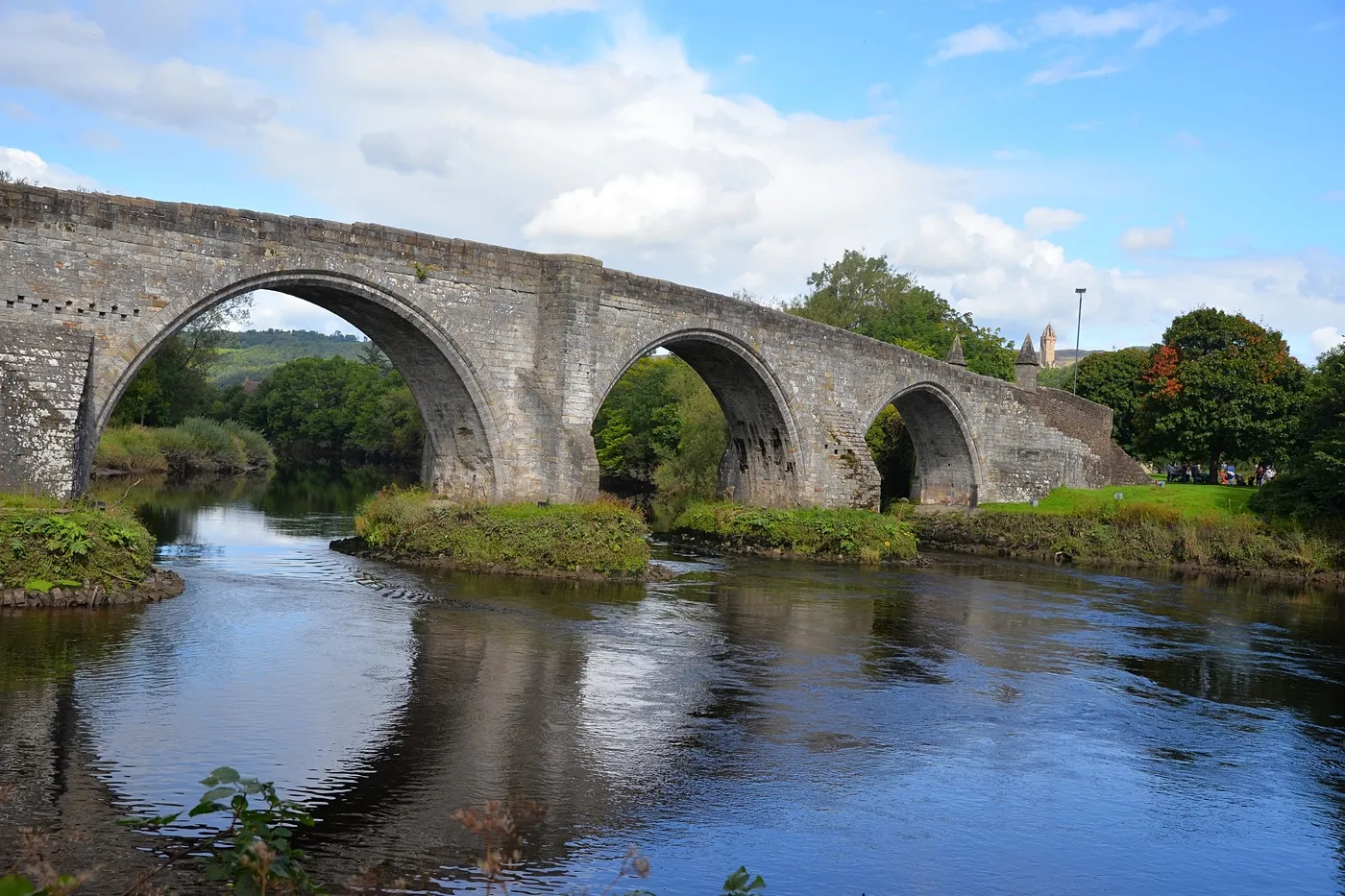
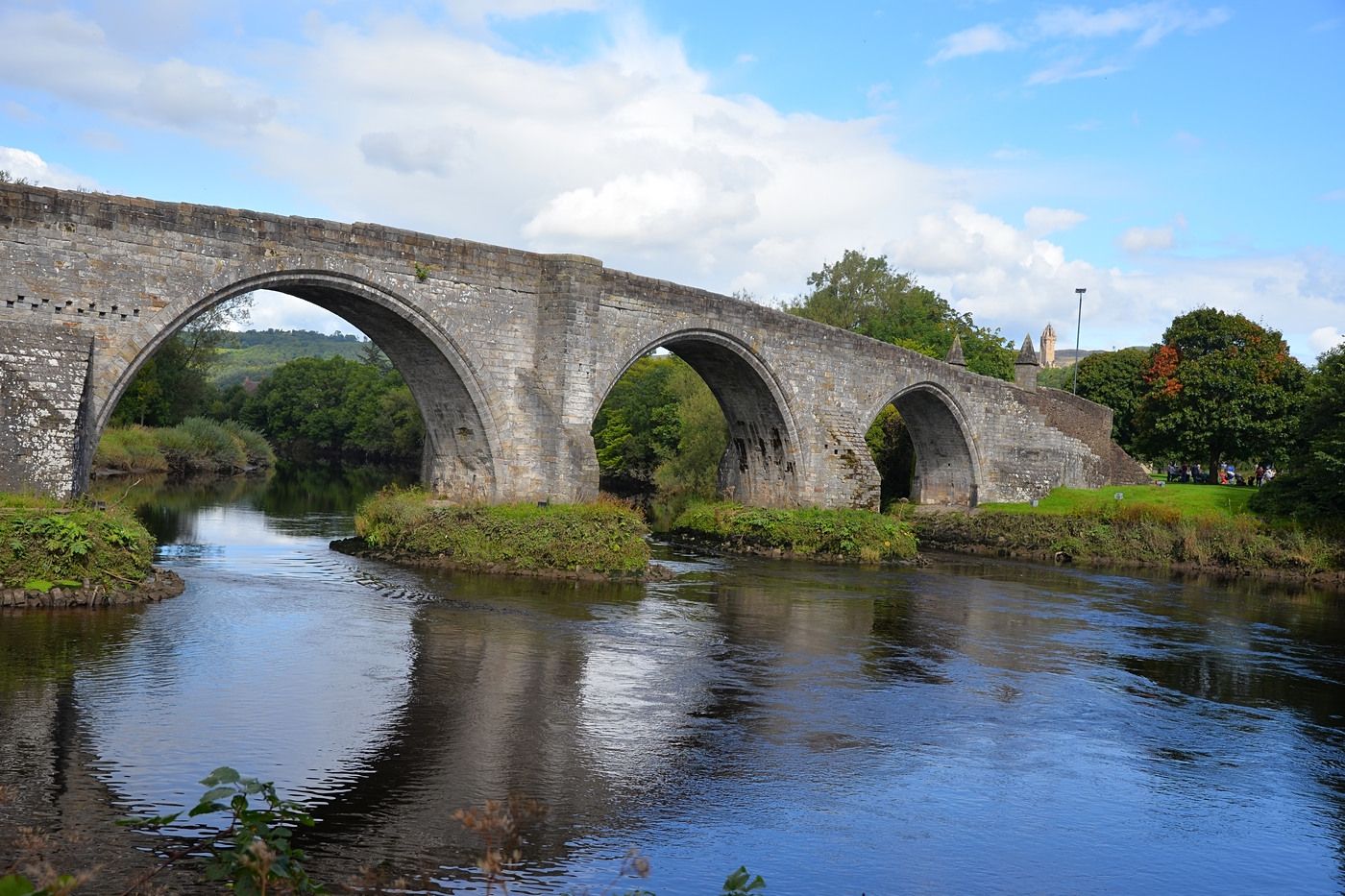
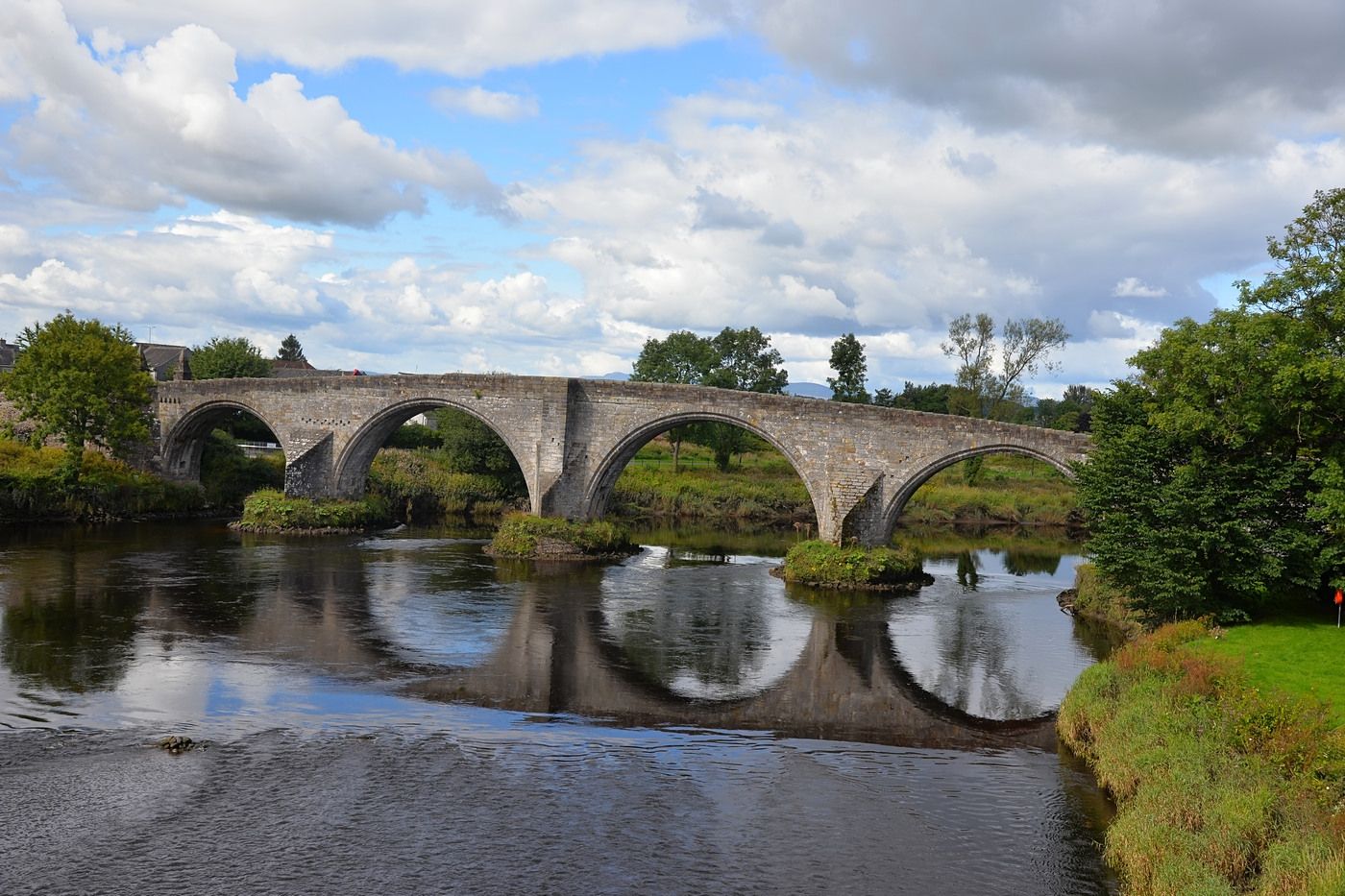
Wallace achieved his greatest victory on 11 September 1297 at the Battle of Stirling Bridge.William Wallace and Andrew de Moray commanded a Scottish army positioned near a narrow bridge across the River Forth.
The English troops were forced to cross the bridge in small groups.The Scots waited until part of the English army had reached the northern bank of the river before launching a sudden attack.
The English were unable to use their numerical advantage effectively.The narrow bridge prevented them from reinforcing their troops quickly and made an organised retreat extremely difficult.
The battle ended in a major Scottish victory.Many English soldiers were killed,while the survivors withdrew south.It was one of the most important successes of the Scottish uprising.
The victory came at a high cost.Andrew de Moray was badly wounded during the battle and died several weeks later.Wallace was left as the principal leader of the Scottish resistance.
Guardian of the Kingdom of Scotland
Following the victory at Stirling Bridge,Wallace was knighted and appointed Guardian of the Kingdom of Scotland.He exercised military and political authority in the name of King John Balliol,who remained in English captivity.
Wallace did not attempt to claim the Scottish crown for himself.His objective was to remove Edward I’s authority from Scotland and restore independent Scottish government.
Scottish forces under his command also carried out raids into northern England.These campaigns were partly military operations and partly attempts to obtain food and supplies for a country badly damaged by war.
Defeat at Falkirk
Edward I had no intention of accepting the loss of his authority in Scotland.In 1298 he personally led a large English army north.
The two armies met at the Battle of Falkirk on 22 July 1298.The Scottish spearmen were arranged in dense defensive formations known as schiltrons.At first these formations were able to resist attacks by the English cavalry.
The situation changed when English archers began firing into the Scottish ranks.The arrows weakened the formations,and further cavalry attacks eventually broke Wallace’s army.
The battle ended in a serious Scottish defeat.Following the loss,Wallace resigned from his position as Guardian of Scotland.This did not,however,mark the end of his involvement in the struggle.
The mission to France
After the Battle of Falkirk,Wallace is believed to have travelled to France,where he attempted to secure international support for the Scottish cause.He sought help from the French king and from other European powers.
Surviving documents indicate that Wallace was recognised as a representative of Scottish resistance.He was unable,however,to obtain enough military assistance to change the situation in Scotland.
Wallace eventually returned home and continued resisting English rule.Unlike some members of the Scottish nobility,he never formally submitted to Edward I.
Capture and trial
William Wallace remained a wanted man for several more years.In August 1305 he was captured near Glasgow by men acting for Sir John Menteith,a Scottish nobleman who had entered the service of the English king.
Wallace was taken to London and placed on trial.He was accused of several offences,including treason against Edward I.
Wallace rejected the accusation of treason.He argued that he had never recognised Edward as his king and had never sworn loyalty to him.From the point of view of the English court,this defence made little difference.The outcome of the trial had effectively been decided in advance.
The execution of William Wallace
Wallace was executed in London on 23 August 1305.He received the particularly brutal punishment traditionally imposed on those convicted of high treason.
He was first dragged through the streets of London to the place of execution.He was then hanged,disembowelled,beheaded and quartered.
His head was displayed on London Bridge.Parts of his body were sent to several cities,including Newcastle,Berwick,Stirling and Perth.The punishment was intended to warn others against continuing the rebellion against Edward I.
The legacy of Wallace
The death of William Wallace did not end Scotland’s struggle for independence.In 1306 Robert the Bruce was crowned King of Scots and launched a renewed rebellion against English rule.
In 1314 the Scots won a major victory at the Battle of Bannockburn.England did not formally recognise Scotland’s independence,however,until the Treaty of Edinburgh–Northampton in 1328.
Wallace did not live to see the victory for which he had fought.His resistance nevertheless helped preserve the idea of an independent Scotland during one of the most difficult periods in the country’s history.
Over time he became a symbol of freedom,courage and sacrifice.His life became surrounded by legends,and the boundary between historical fact and later storytelling is not always clear.
This does not change the fact that William Wallace was one of the most important leaders of the First War of Scottish Independence.His resistance helped inspire future generations and ensured that his name would remain closely connected with Scotland’s struggle for freedom.
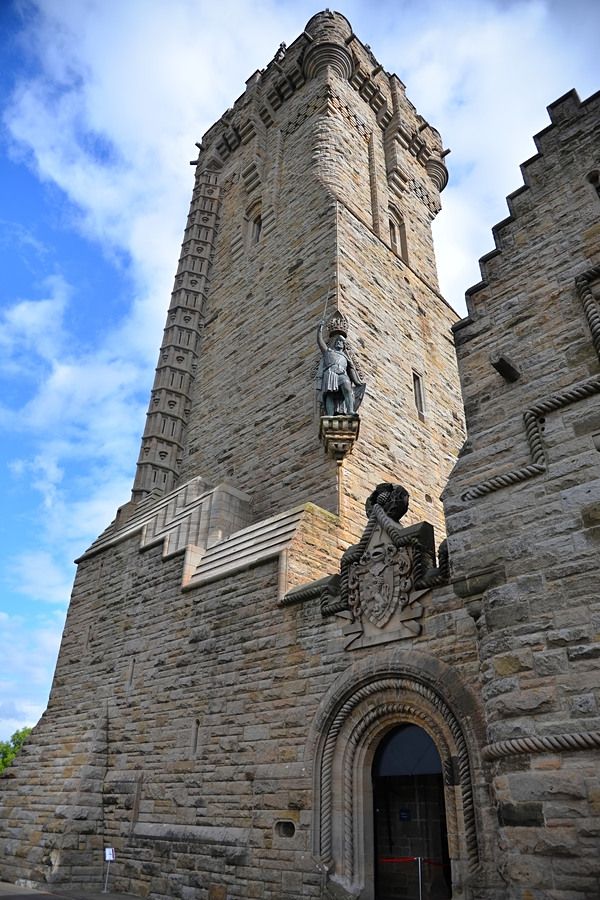
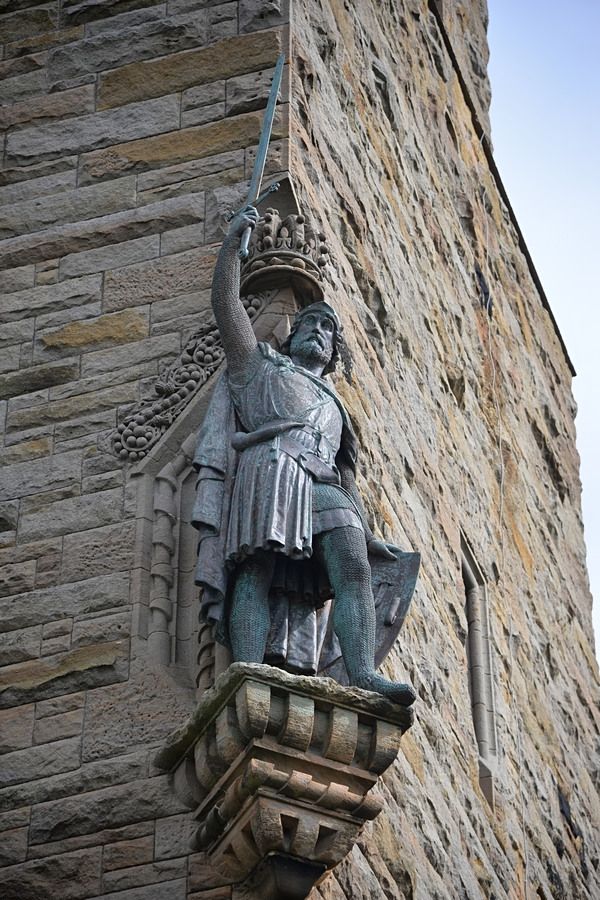
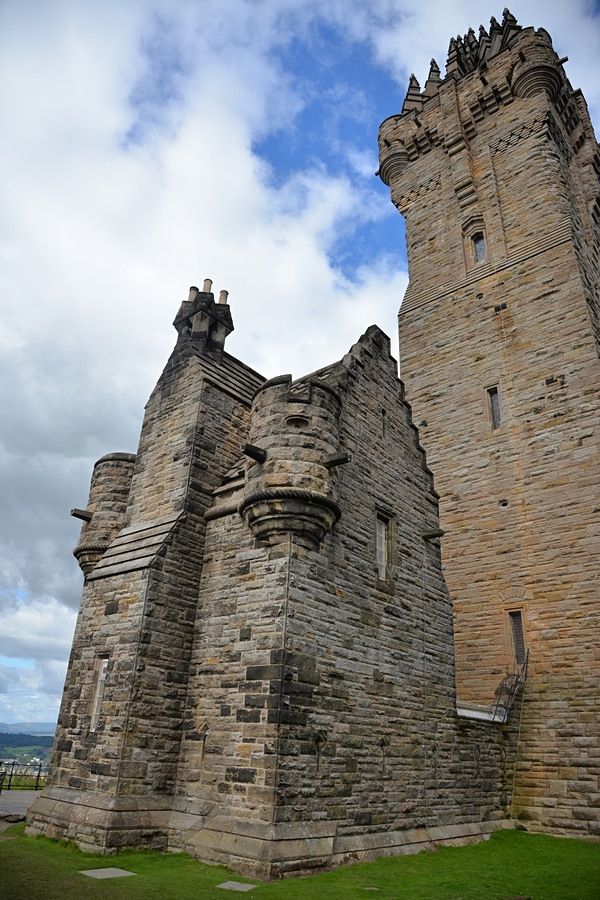
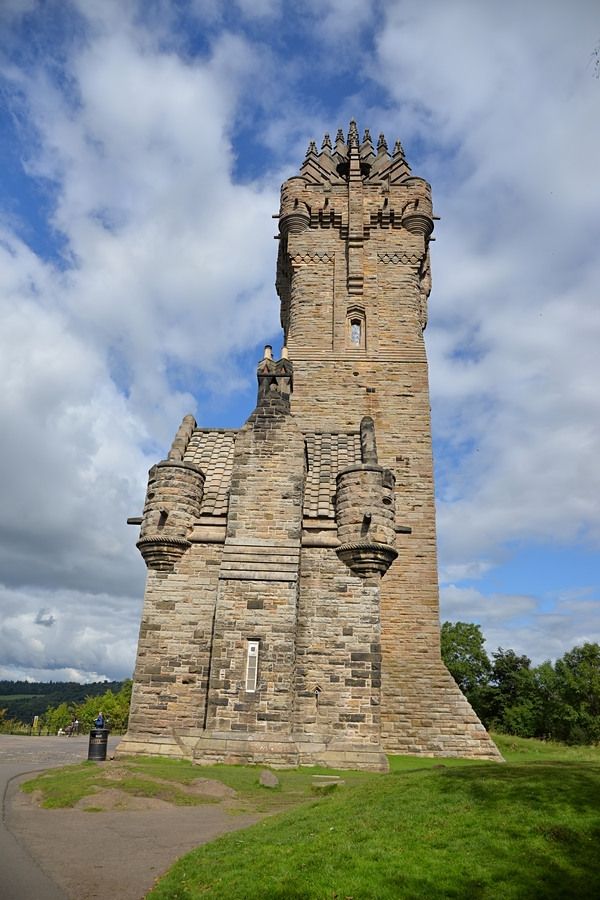
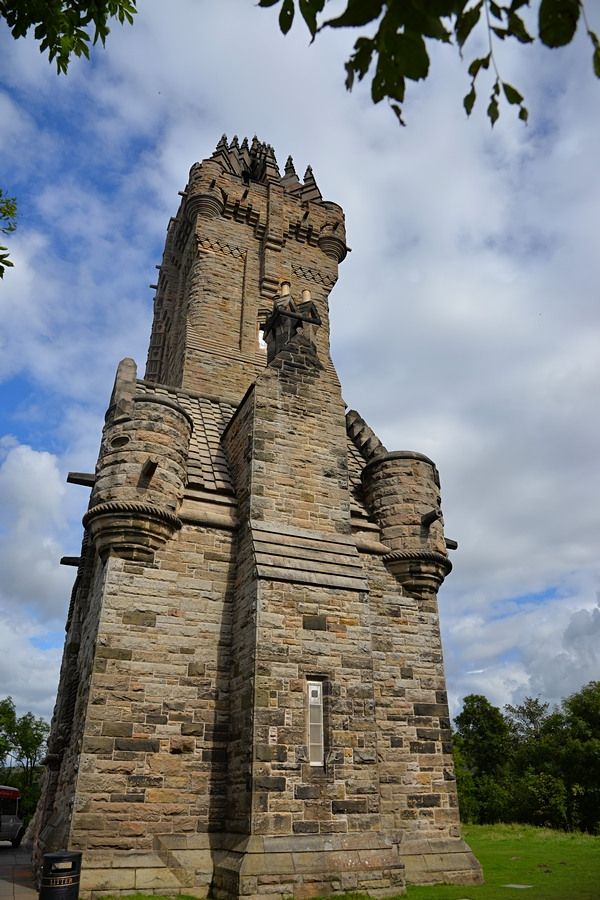
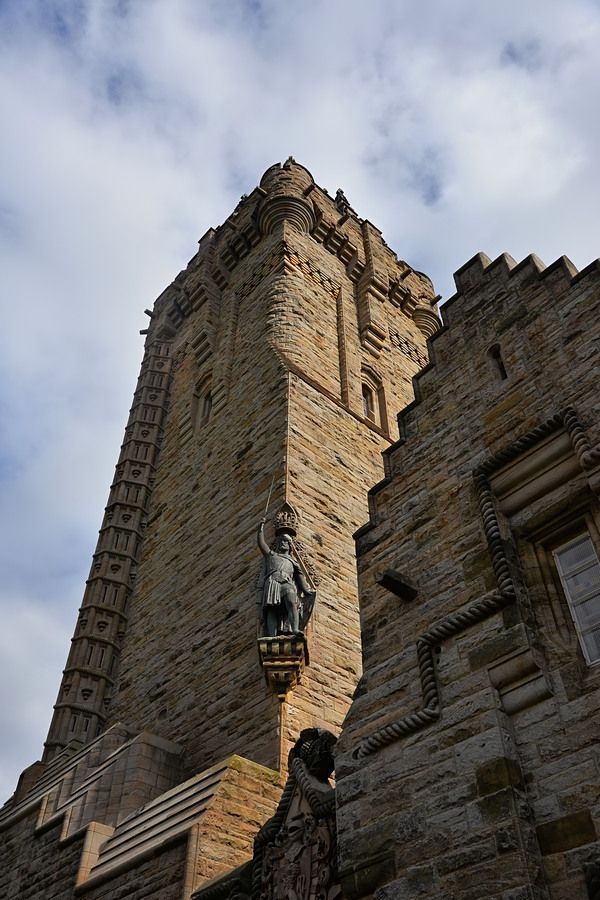
Today Wallace continues to hold a special place in Scottish history and culture.The National Wallace Monument stands above Stirling in memory of the man who challenged one of the most powerful kings in Europe and became one of the most enduring symbols of Scottish independence.
Continue reading in this gallery
Scotland
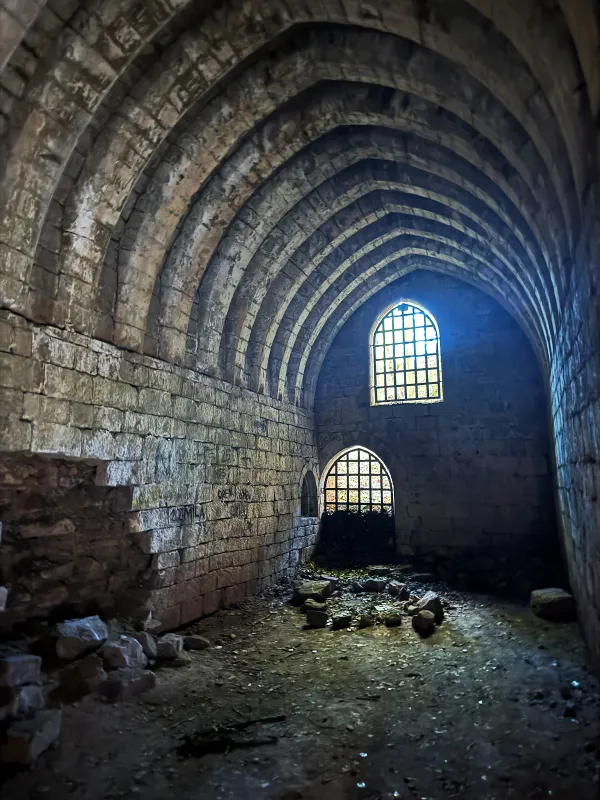
Goblin Hall
Deep within a Scottish woodland lies an extraordinary medieval chamber. According to legend, it was not built by human hands but by demons summoned by a powerful wizard. The place is known as Goblin Hall, and for nearly eight centuries, its story has captured people's imaginations.

Scotland
Scottish Castles-new website
Castles have featured in my photos and here on the blog for a long time. Eventually, I felt I wanted to give them more space and a place of their own, beyond individual blog posts.
Scotland
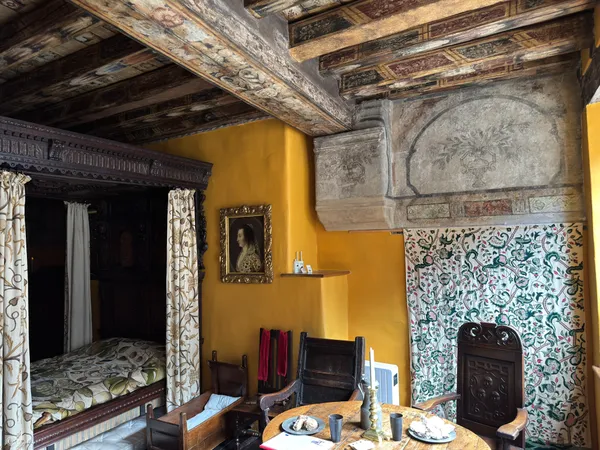
Gladstone’s Land
There’s something about Edinburgh’s Royal Mile that always draws me back. The crowds, the tartan shops, the sound of bagpipes, and the old stone buildings that seem as though they’ve stood here forever. Most of them have been altered so many times over the centuries that very little of the original
Scotland
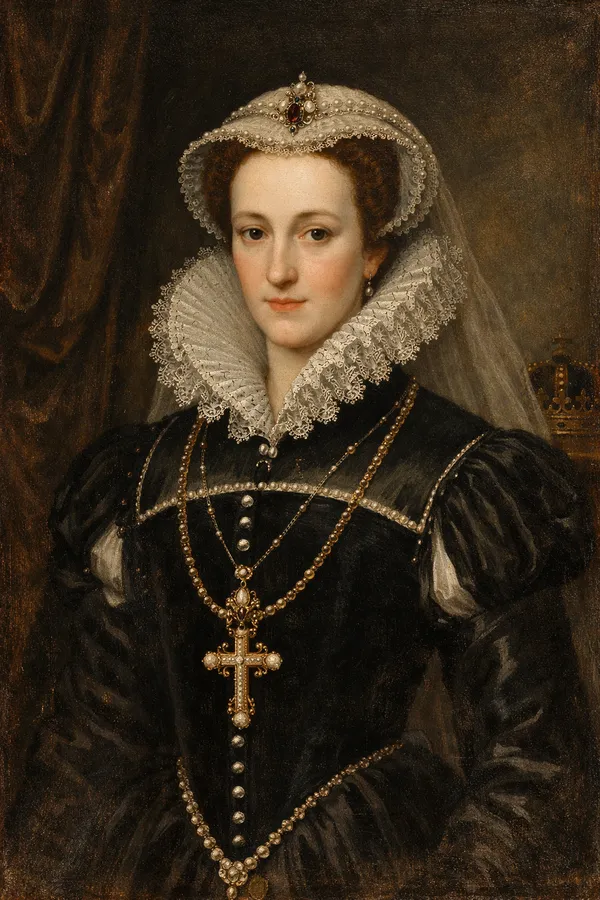
In the Footsteps of Mary, Queen of Scots
Scotland has something magical about it. Mists, castles, hills – and of course legends. One of the most fascinating figures in Scottish history is Mary Stuart, better known as Mary, Queen of Scots.