
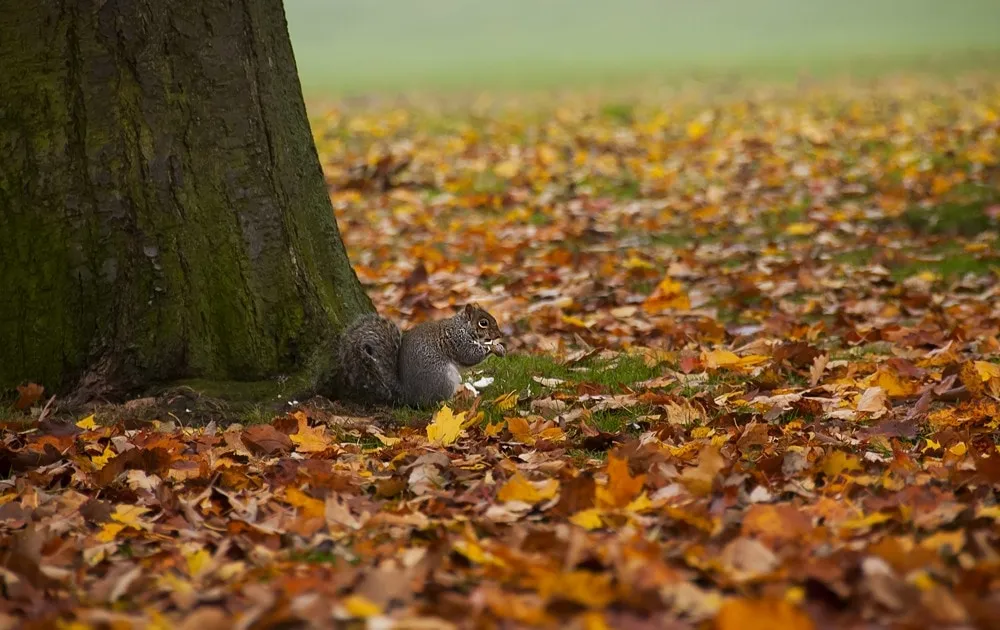
Animals in their natural habitat
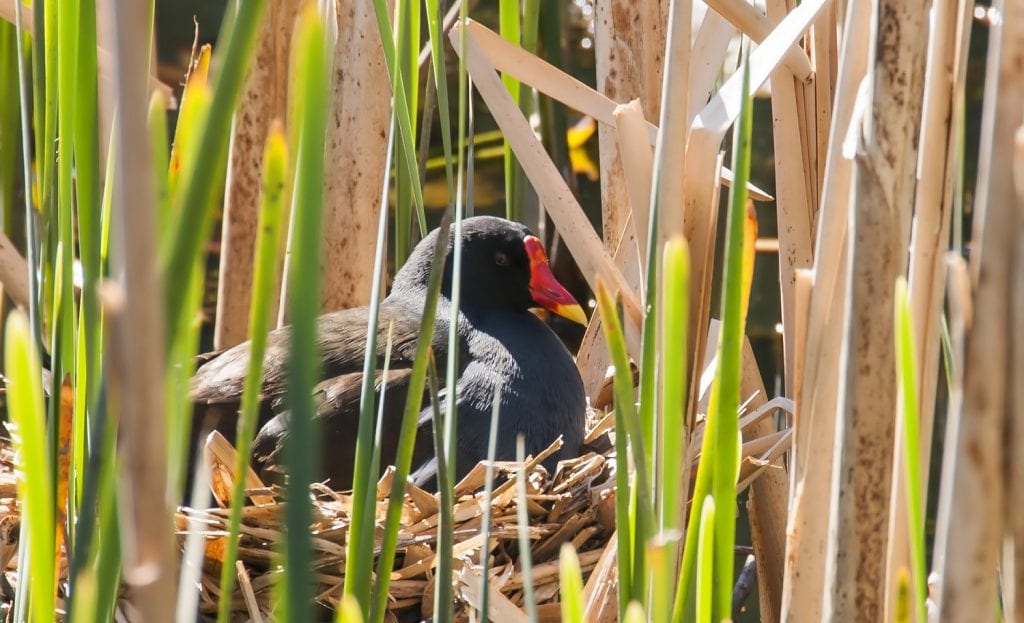
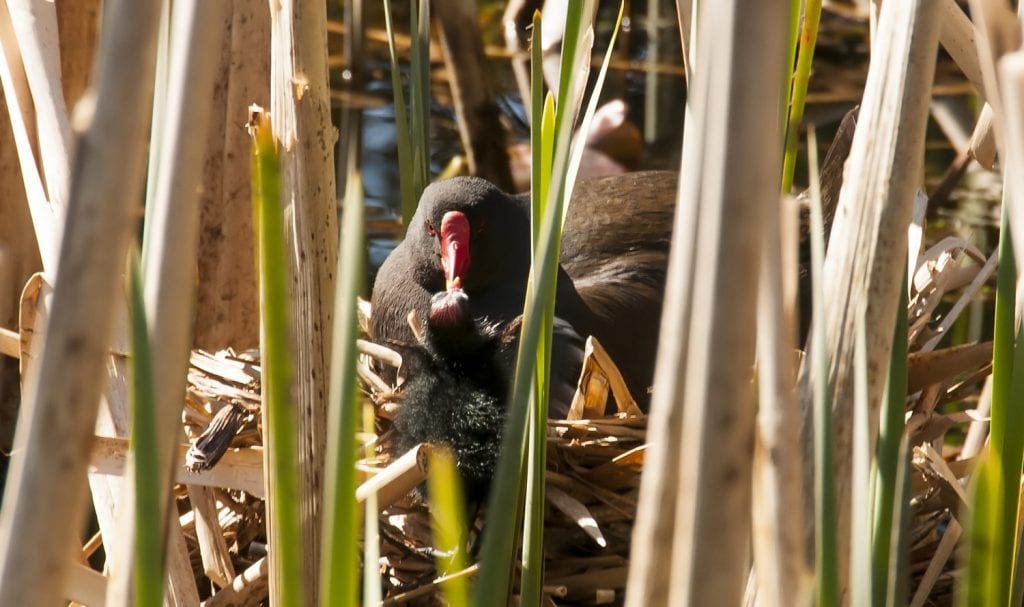
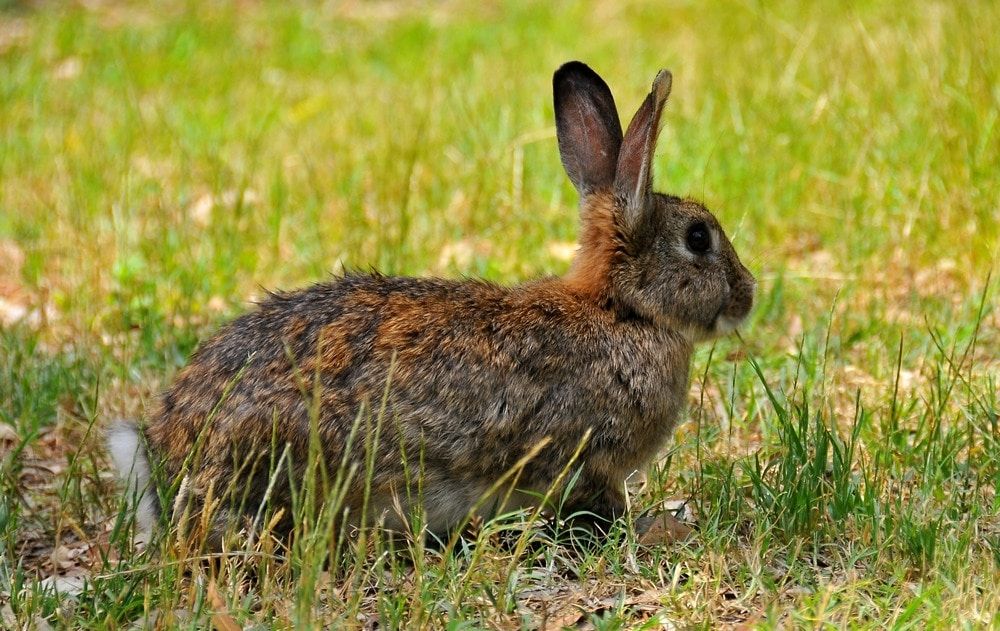
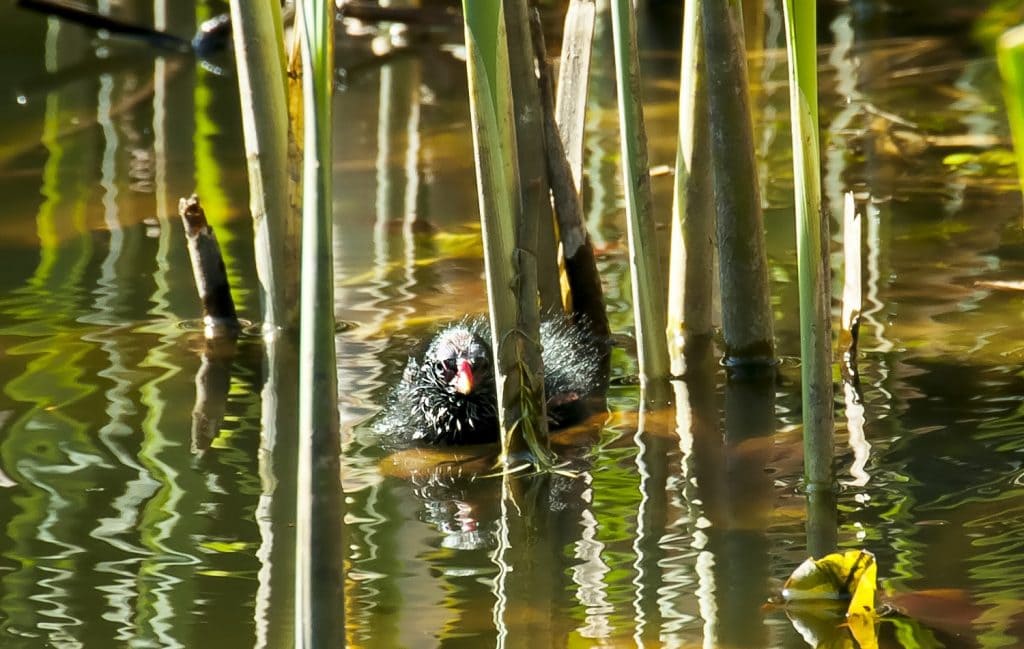
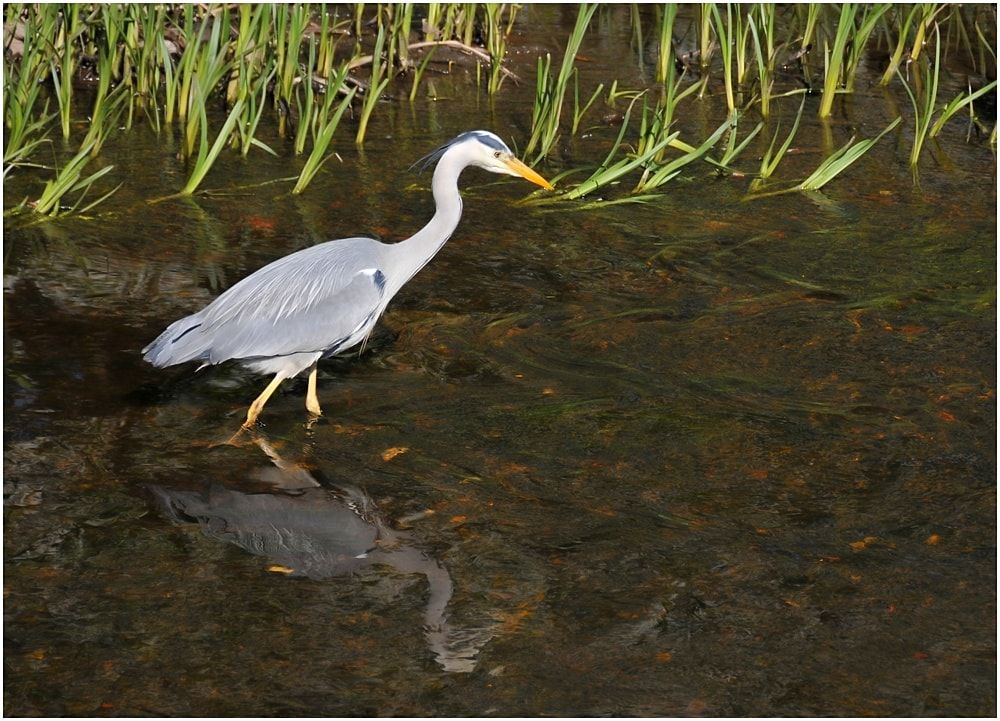
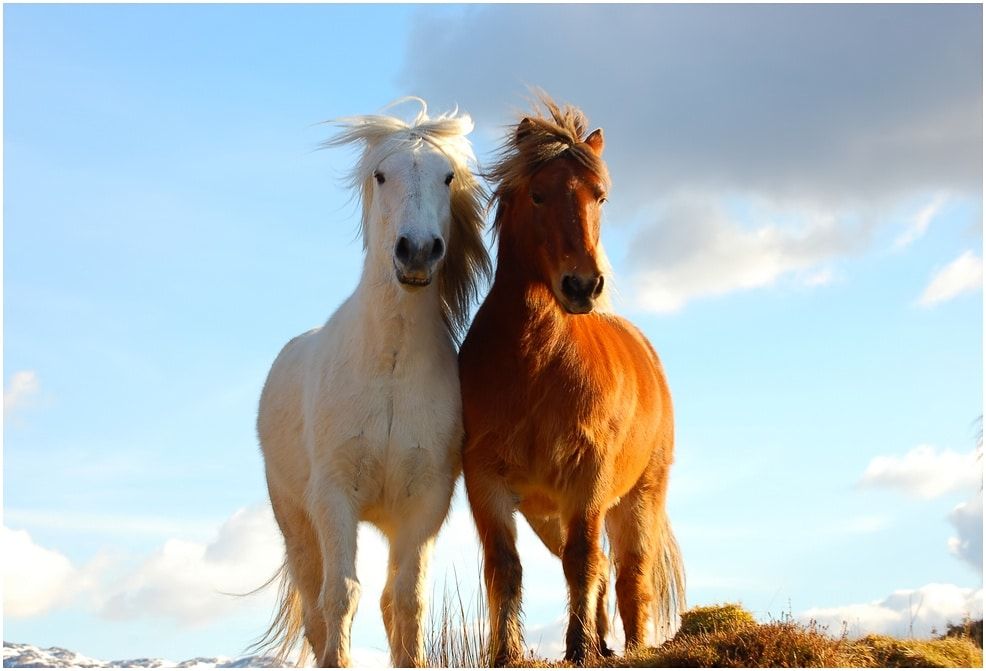
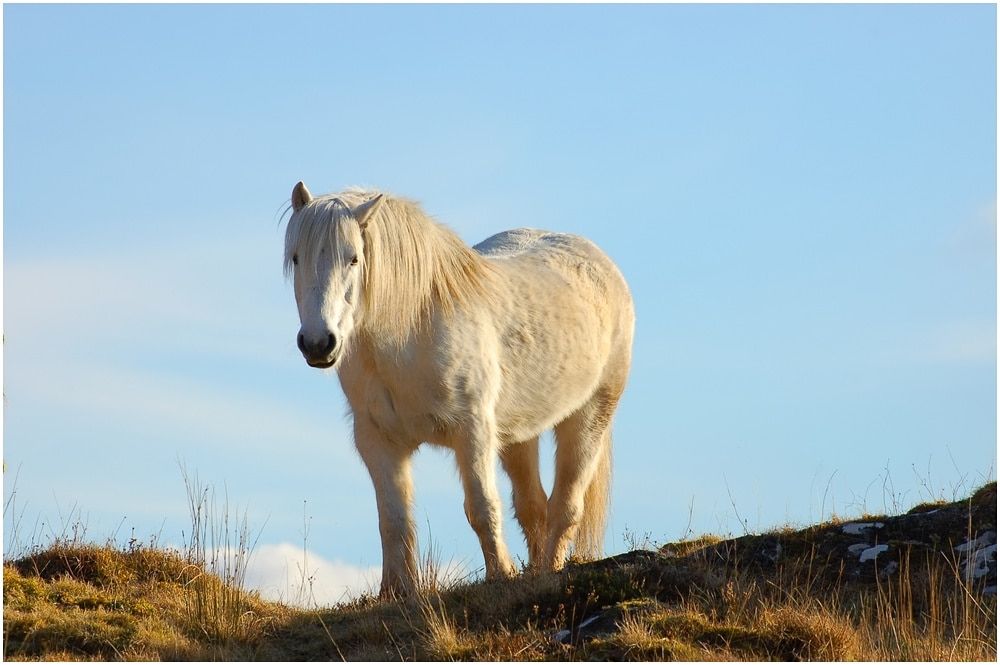
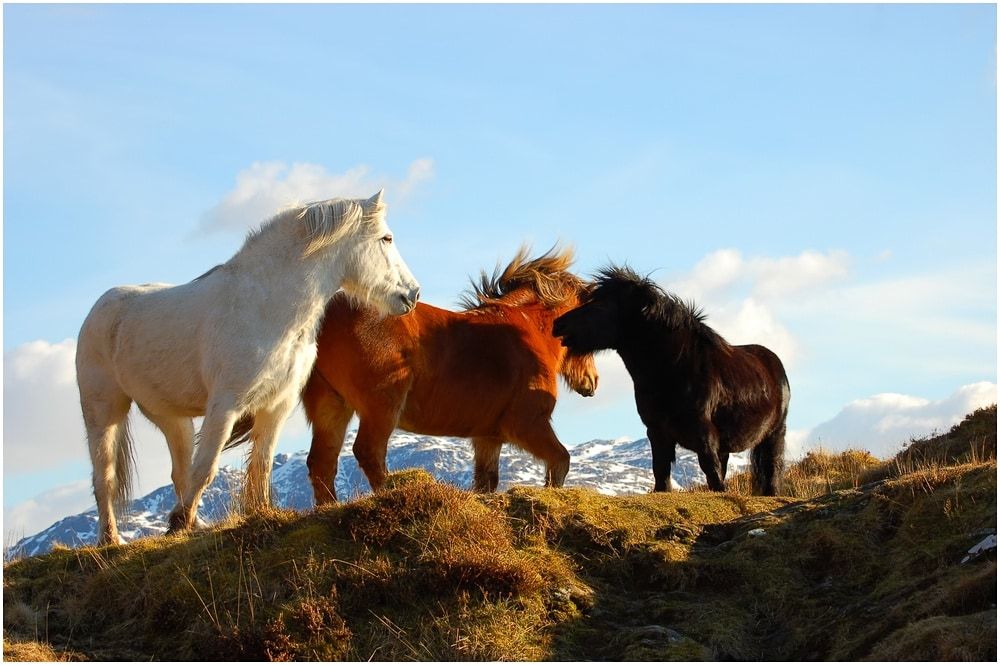
This time a few photos of animals in their natural habitat. I'm increasingly convinced that this kind of photography gives me the most satisfaction. It's not easy photography, not always immediately striking, and it often requires patience.
Animals in their natural habitat
This time a few photos of animals in their natural habitat. I'm becoming more and more convinced that this kind of photography gives me the greatest satisfaction. It's not easy photography, not always striking at first, and it often requires patience, but it has something very true about it. Animals captured where they really live behave completely differently than those photographed in controlled conditions. They don't pose, they don't wait for the perfect frame, they don't position themselves for the light. The photographer must adapt, slow down, stop, and observe.
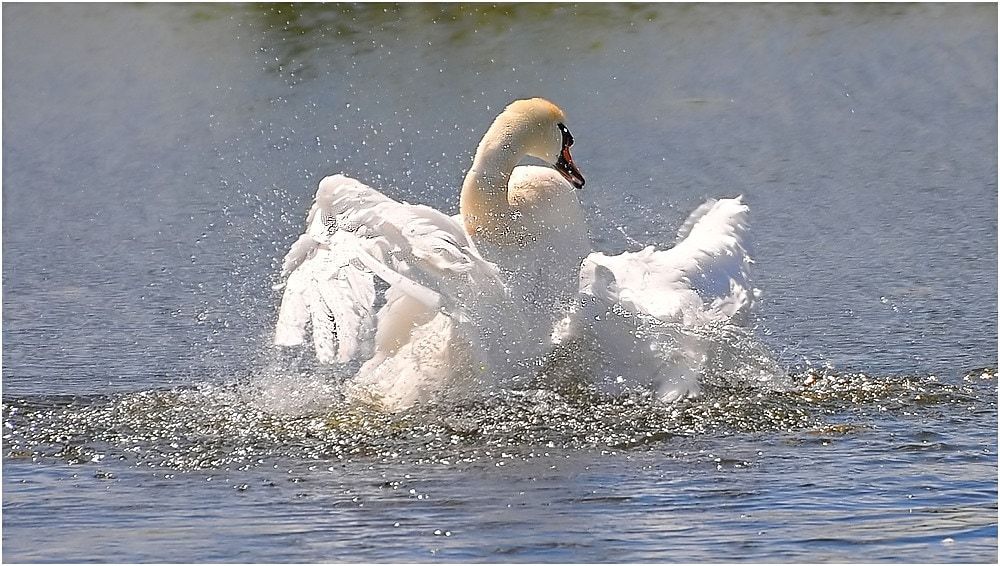
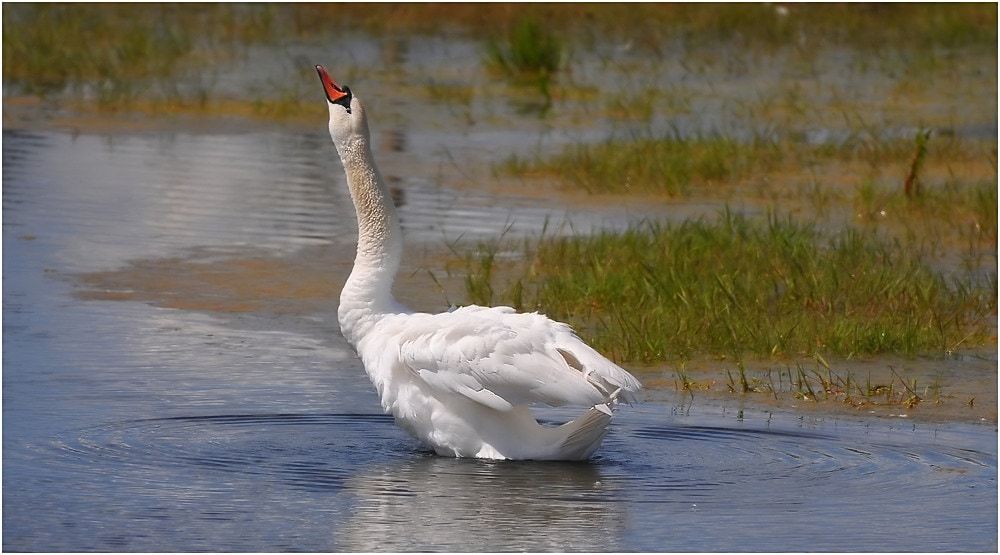
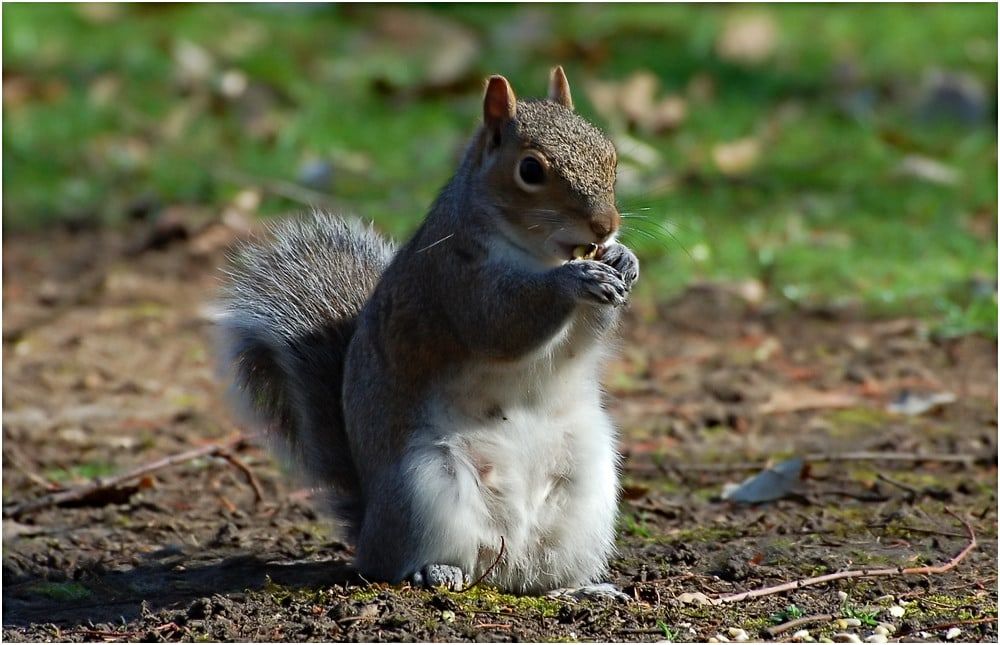
What I like most about wildlife photography is precisely that unpredictability. You can go out for a walk with your camera and not encounter anything special, or you can accidentally see a scene you couldn't have planned. A bird flying low over the water, a roe deer hidden among the trees, a squirrel darting along a branch, or a sheep standing calmly against the backdrop of a Scottish landscape. Such moments are short, sometimes lasting only a few seconds, and that's exactly why they are so charming.
I prefer this kind of photography because it shows animals in their own world. Without artifice, without props, without human interference. The natural environment adds context to the photos. You can see not only the animal itself but also the place where it lives: grass, stones, branches, water, mist, light, and space. All of that builds atmosphere. Sometimes a photo doesn't have to be technically perfect to have value. A look from the animal, a movement, a moment of silence, or the relationship between it and its surroundings is enough.
Unfortunately, for now I'm lacking a strong lens, and in this type of photography that matters a lot. Animals usually don't come close. Often you have to keep your distance so as not to scare them and not disturb their peace. A good telephoto lens lets you photograph from a greater distance while still capturing details: feathers, fur, eyes, or a subtle movement. Without such equipment you have to be more creative. Seek better light, approach more cautiously, wait longer, and use the landscape as part of the composition.
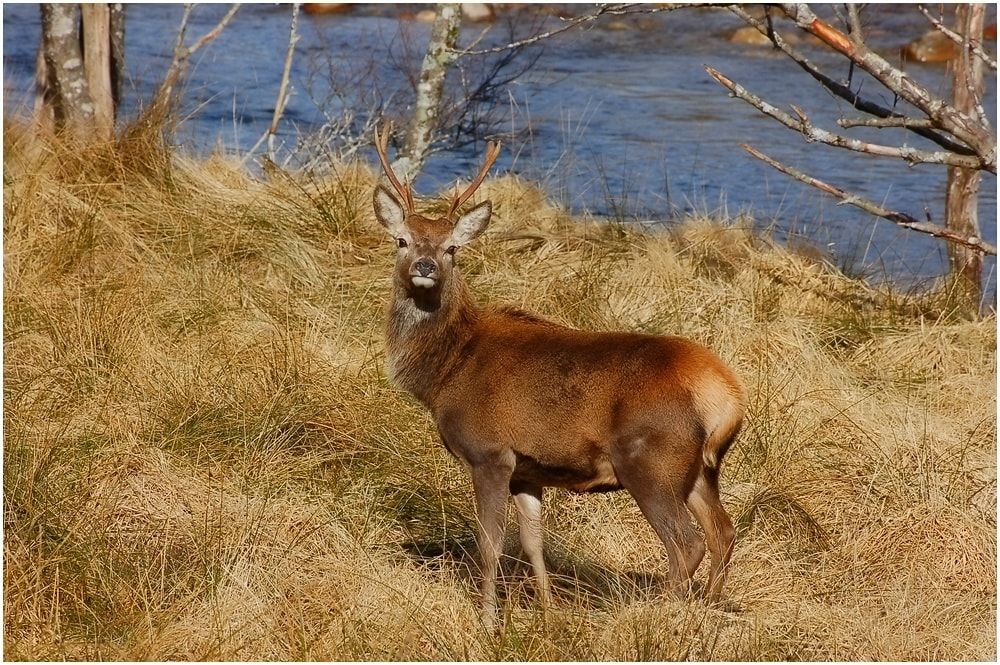
On the other hand, not having perfect gear teaches humility. Not every photo has to be a close portrait. Sometimes it's more interesting to show the animal as a small element of a larger scene. A bird against a vast sky. A deer in the distance between the hills. A Highland cow set into the rugged landscape of the Highlands. Such photography can be moodier and more narrative. It doesn't just show 'what' was photographed but also 'where' and 'at what moment'.
Photographing animals in the wild is a bit like learning patience. You can't control everything. You have to accept the weather, the light, the distance, and the animals' behavior. Sometimes the best photo is taken when you stop forcing a search and just start looking. Nature itself offers up frames, but only if you give it a little time.
I also like that such photos are a kind of record of an encounter. It's not just about the image itself but about the moment behind it: the silence of the morning, the wind, the mud on your boots, the waiting, the sudden rustle in the grass. Each photo carries a memory of a place and a moment. Even if it's not technically perfect, for me it has value because it shows something real.
I hope that over time I'll be able to upgrade my equipment and buy a more powerful lens that will allow me to delve deeper into wildlife photography. For now, though, I use what I have and try to make the most of every situation. Because in photography the equipment isn't always the most important thing. Sometimes having an eye, patience, and the willingness to notice things others pass by without seeing is more important.
These few photos are a small record of encounters with animals in their natural world. No elaborate preparations, no perfect conditions, just the genuine joy of observing nature as it is.
Continue reading in this gallery
Various
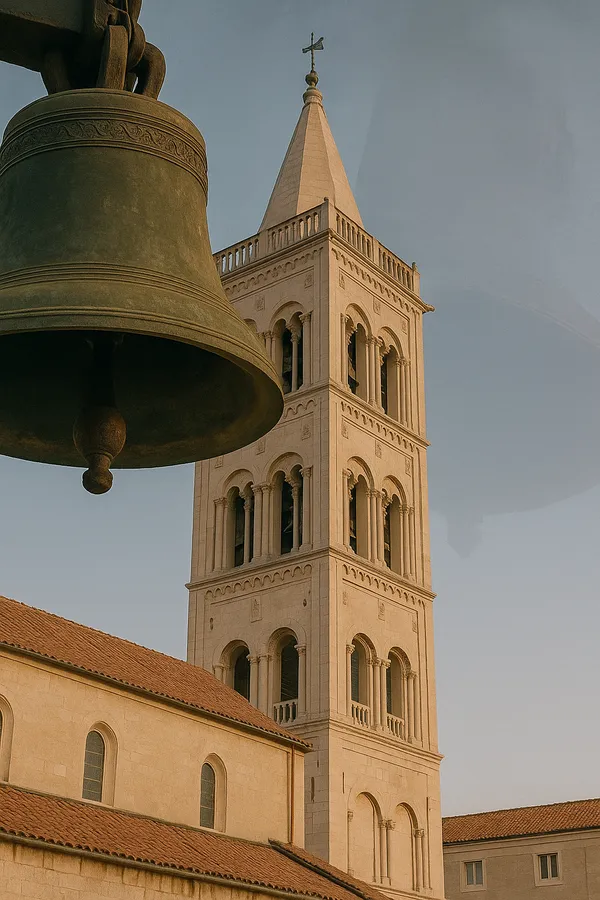
The sounds of bells
The rhythm of the strikes, the long reverberation and the space of the place create a sense of order and breath. In tradition, bells have for centuries accompanied moments of focus, prayer and important events. Their sound carries far beyond the walls of churches, connecting people regardless of wh…
Various
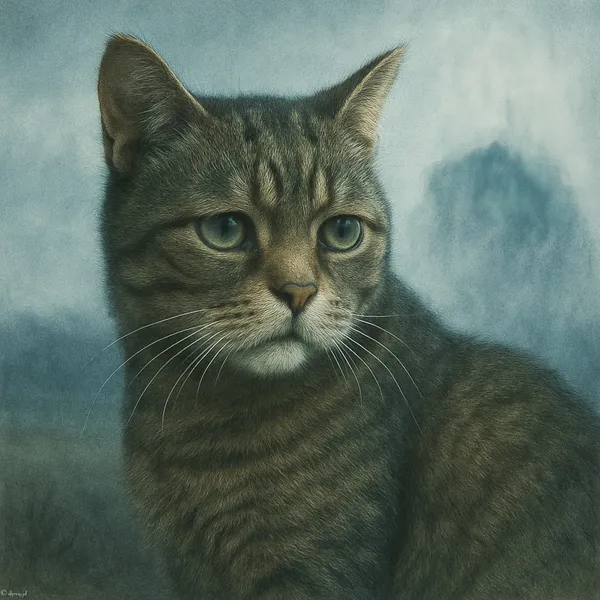
Towards the past.
An unplanned visit to my family’s hometown that wasn't supposed to happen. It was meant to be an ordinary week, away from the past, away from memories. Unfortunately, fate had other plans. A phone call came that changed the course of the day, and sometimes even of life.

Various
The early days of the blog
Recently, while tidying up files on my computer, I came across screenshots of archival versions of my website — a project I've been working on for many years.
Scotland
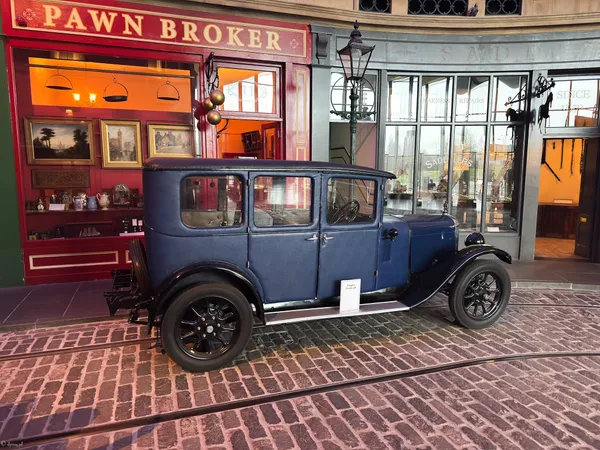
Transport Museum - Glasgow
The Transport Museum in Glasgow (Riverside Museum) is a transport and technology museum in Glasgow, Scotland. The museum is located near the River Kelvin and the River Clyde, and it opened in 2011.