
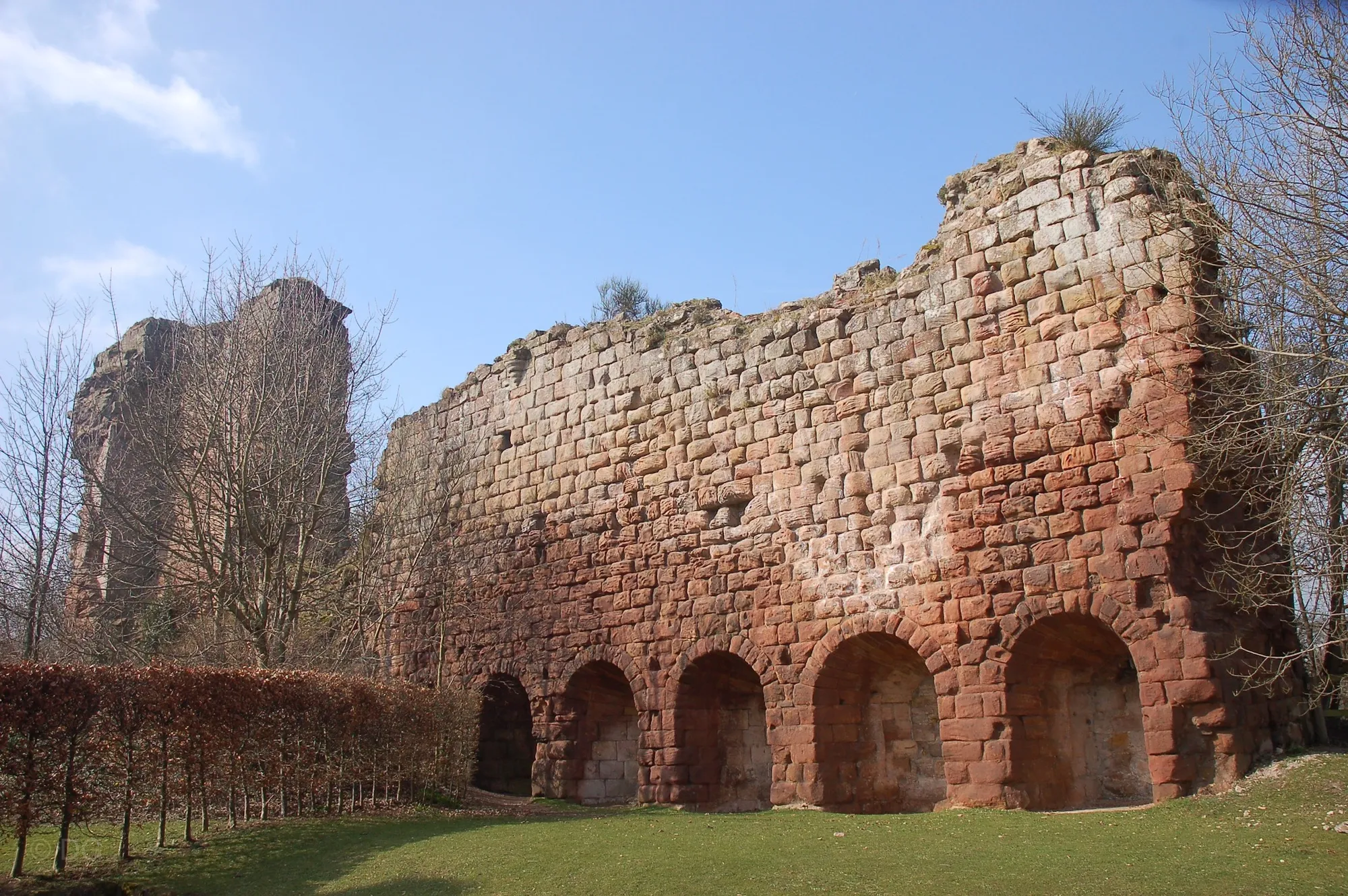
Castles of Scotland - Roslin
Roslin Castle is a 14th-century castle located near the village of Roslin in Scotland. It played an important role in Scotland's history and remains a popular tourist destination to this day.
Castles of Scotland – Roslin Castle
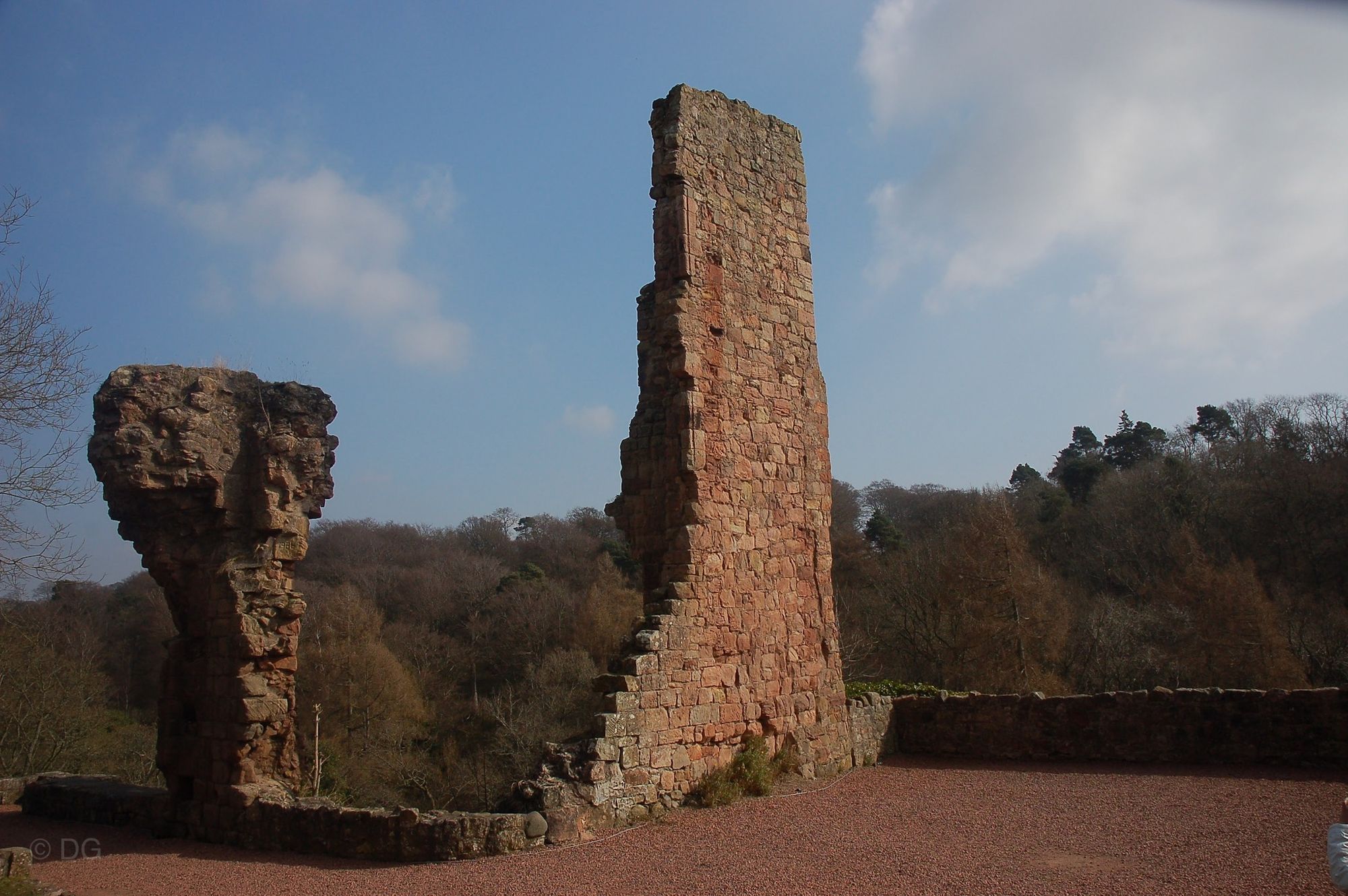
Nestled within the beautiful Roslin Glen in Midlothian, Roslin Castle is one of the most atmospheric and picturesque castle ruins in Scotland. Perched on a rocky promontory above the River North Esk, the castle has captivated visitors for centuries with its dramatic setting, fascinating history, and connection to the powerful St Clair family.
Although often overshadowed by the nearby Rosslyn Chapel, Roslin Castle was the ancestral stronghold of the St Clairs and played an important role in Scottish history for hundreds of years.
Early Origins
The history of Roslin Castle dates back to the late 14th century. Around 1390, Sir Henry St Clair, Earl of Orkney and Baron of Roslin, built a substantial defensive tower on the south-western corner of the rocky site.
However, the St Clair family's connection to Roslin goes back much further. They had held lands in the area since the medieval period and became one of the most influential noble families in Scotland.
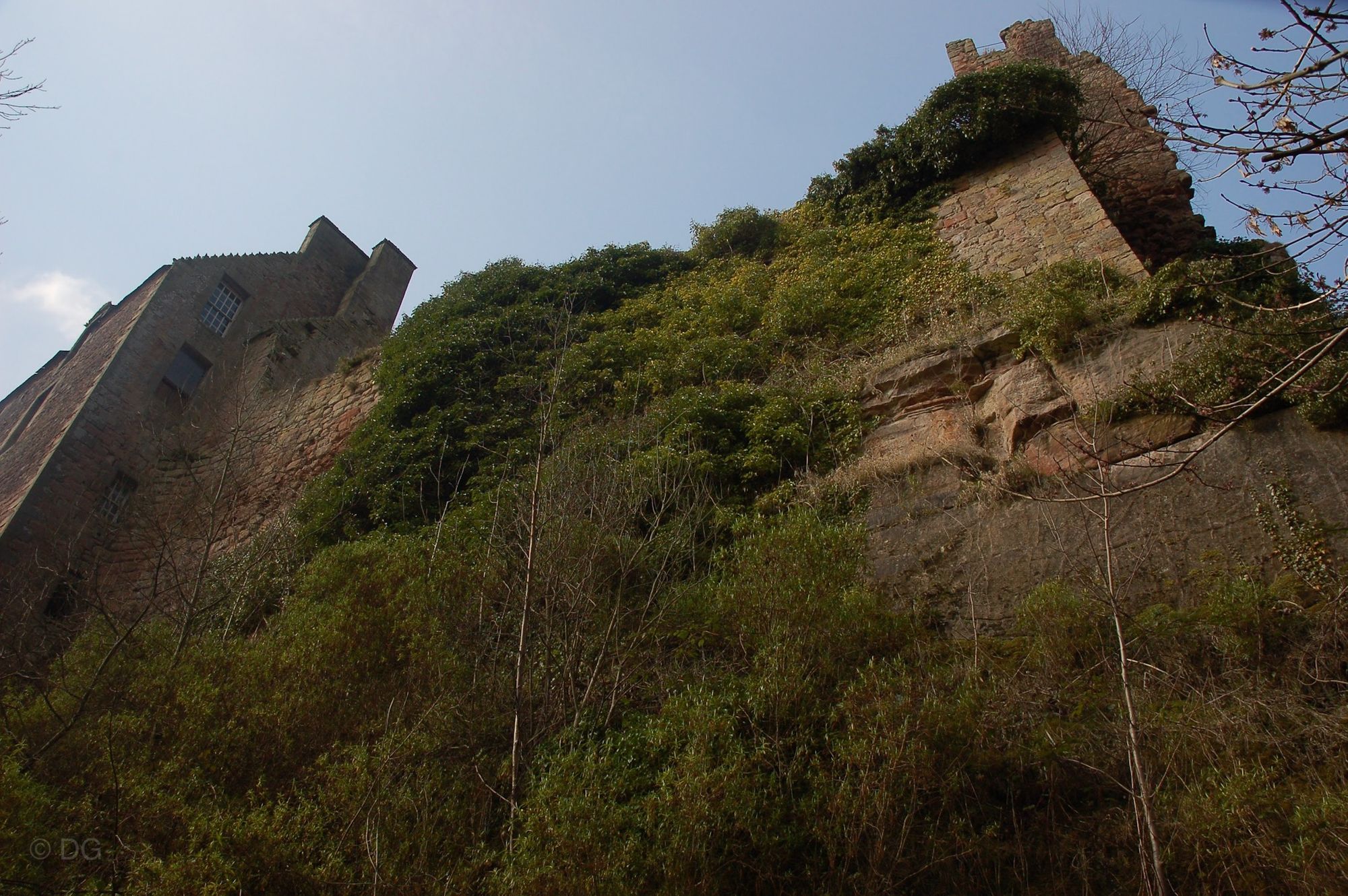
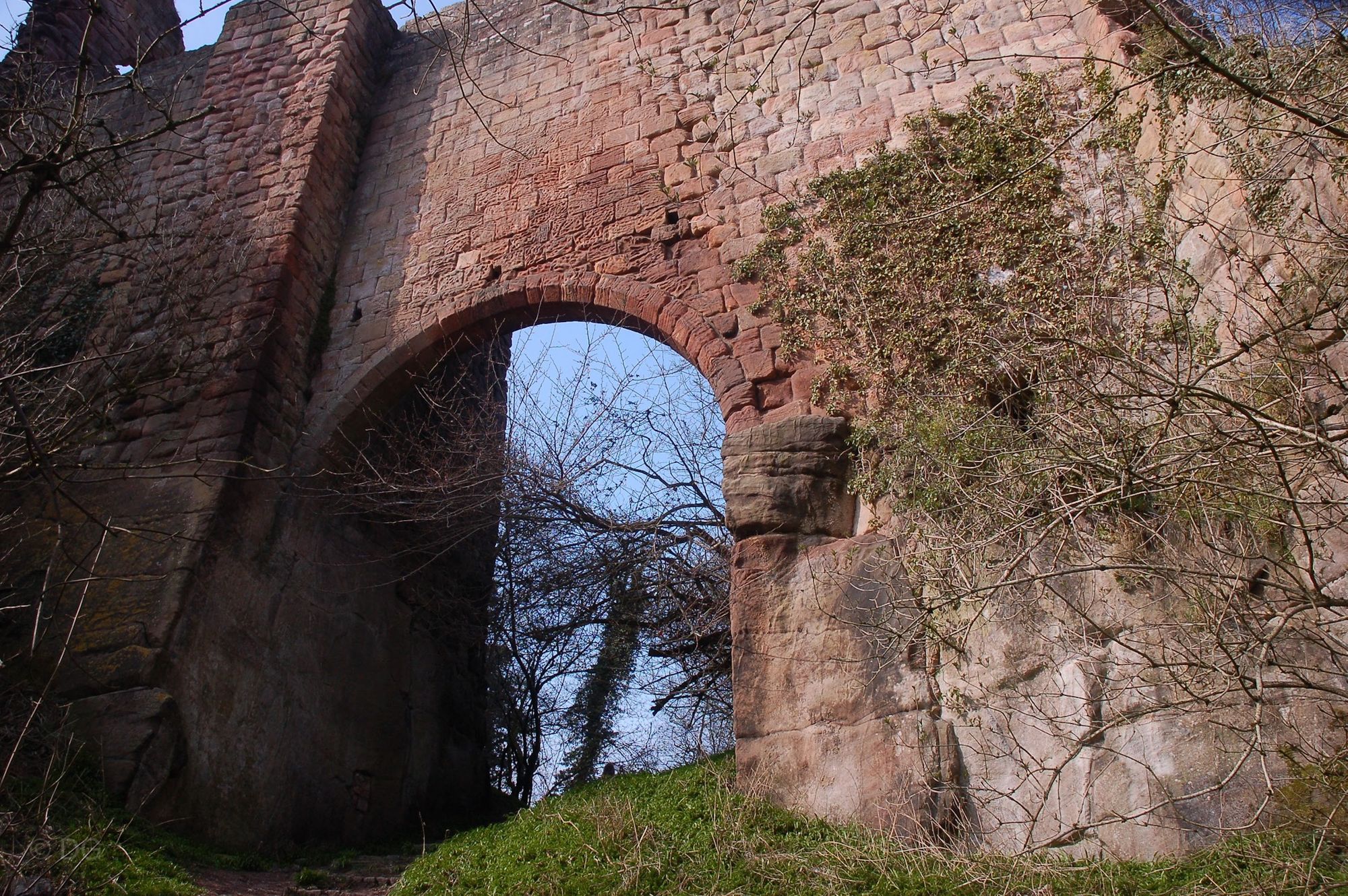
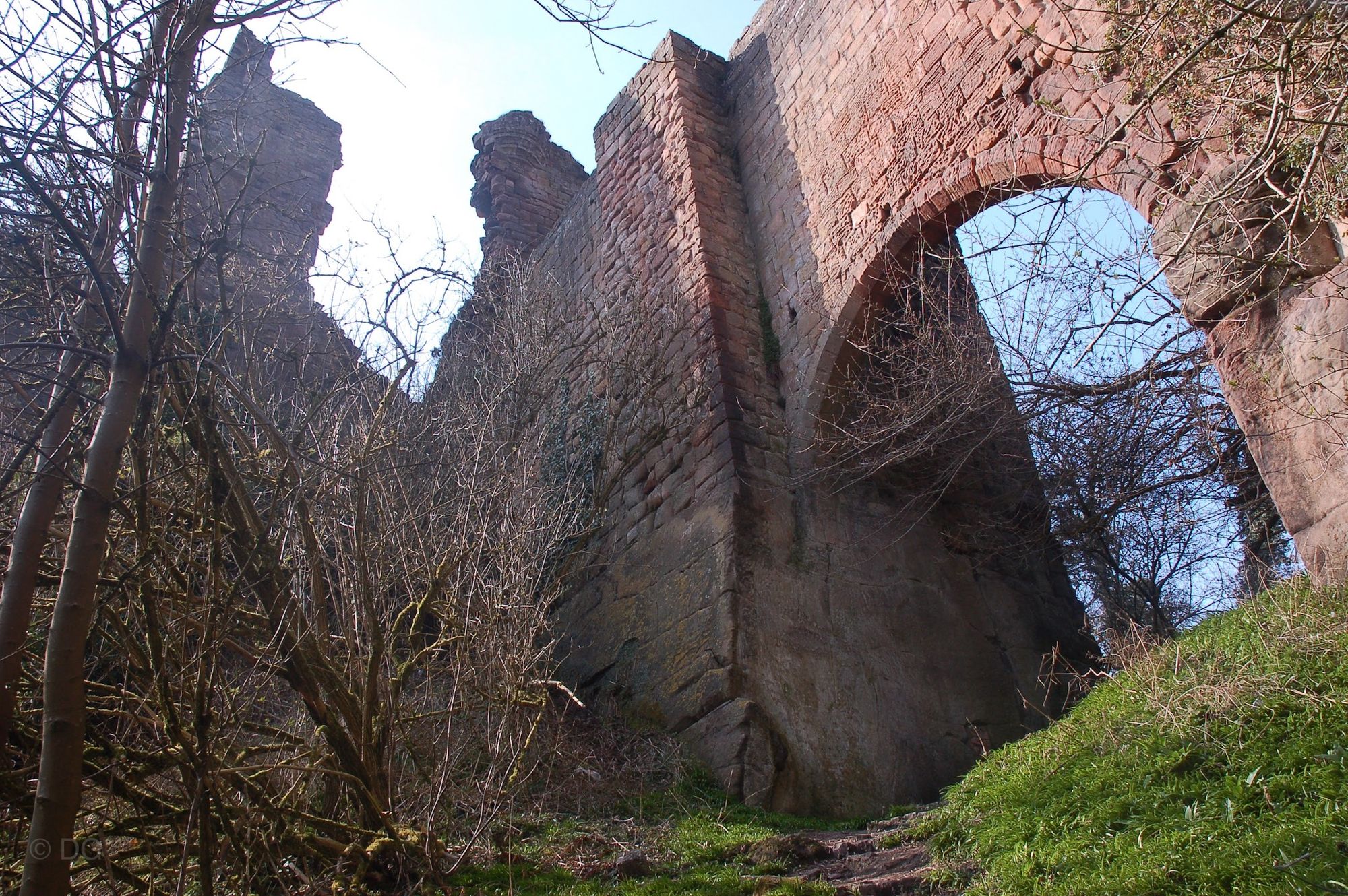
The location was naturally defensive. Steep slopes falling towards the River North Esk protected three sides of the castle, while the only practical approach was from the north. To strengthen its defences, a deep rock-cut ditch was excavated across the neck of the promontory and crossed by a bridge.
Expansion of the Castle
During the 15th century, successive generations of the St Clair family expanded and improved the castle.
Sir William St Clair, best known as the founder of Rosslyn Chapel, enlarged and strengthened the fortress while introducing architectural influences inspired by his travels in France. New residential buildings, halls, and defensive structures transformed the castle into both a secure stronghold and an impressive noble residence.
By this period, Roslin Castle had become one of the most important family seats in southern Scotland.
Rosslyn Chapel and the St Clair Family
Only a short walk from the castle stands the world-famous Rosslyn Chapel, founded by Sir William St Clair in 1446.
The chapel was built as a place of worship and burial for the St Clair family and remains closely connected to the history of the castle. Today, many visitors explore both sites during the same visit, discovering how closely the fortunes of the chapel and castle were intertwined.
Together, they form one of Scotland’s most remarkable historic landscapes.
Wars and Destruction
Like many Scottish castles, Roslin Castle suffered during periods of conflict.
In 1544, during the campaign known as the Rough Wooing, English forces led by the Earl of Hertford attacked and burned the castle. The campaign was part of Henry VIII’s attempt to force a marriage between Mary, Queen of Scots, and his son, the future Edward VI of England.
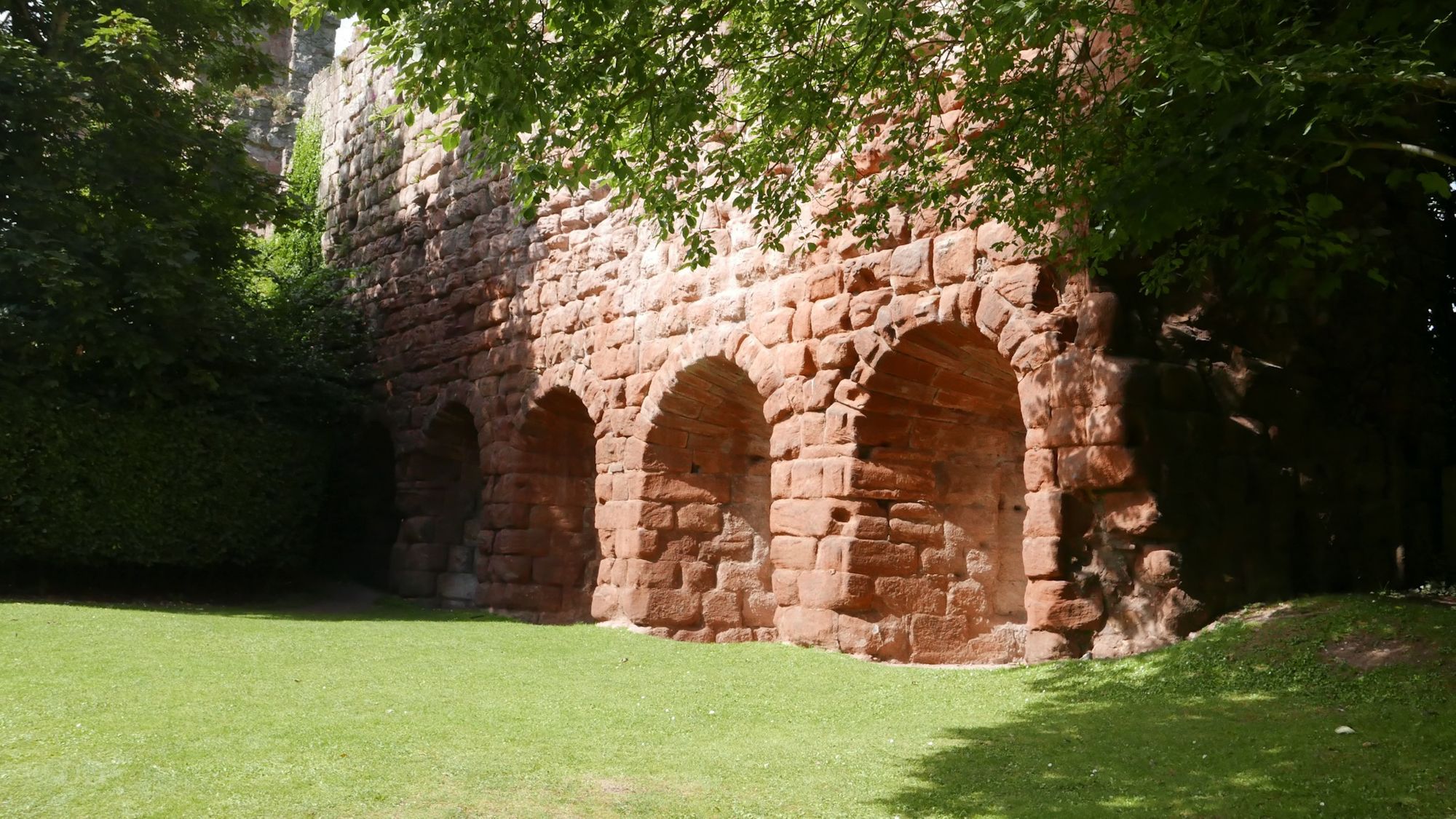
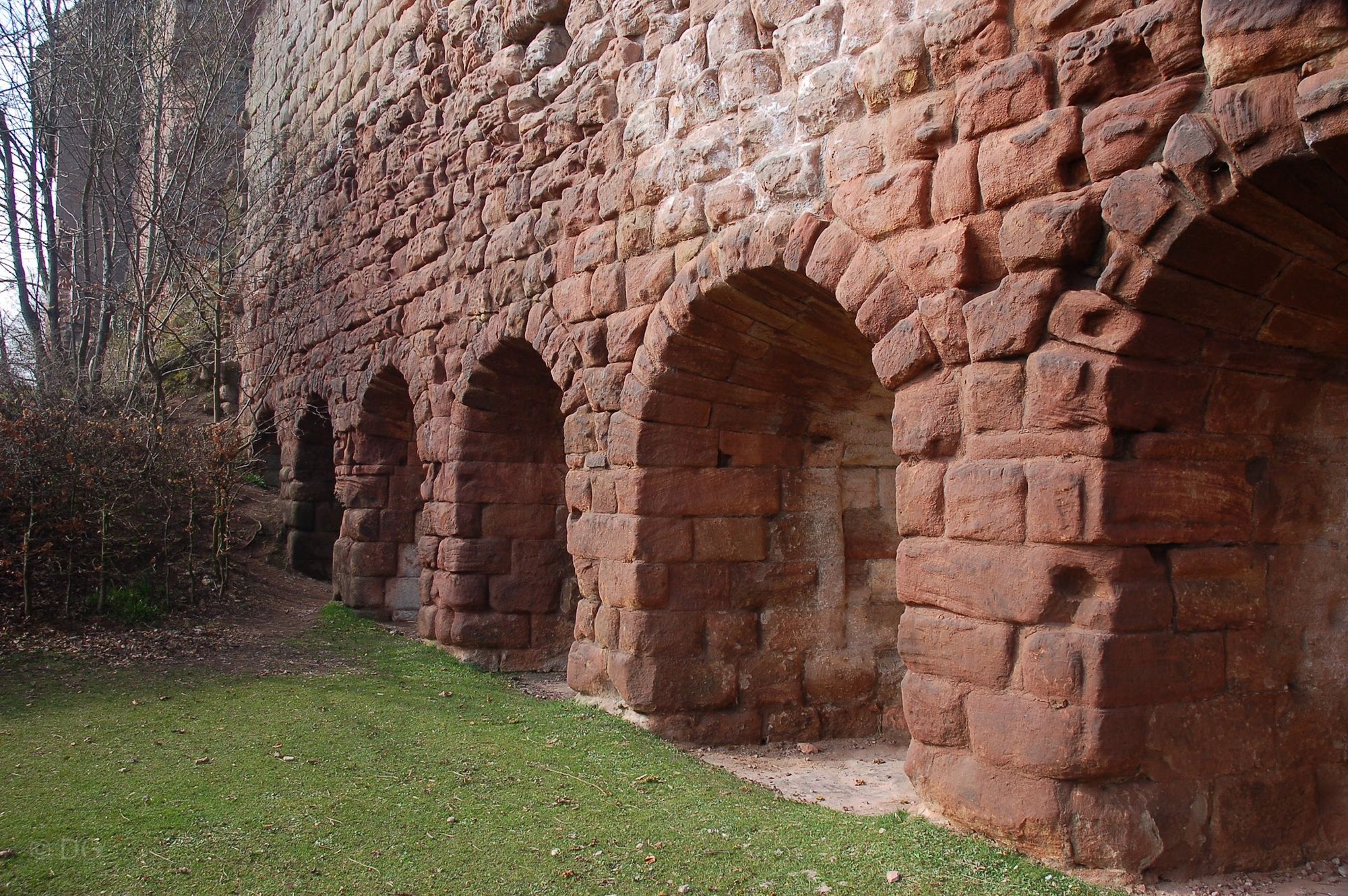
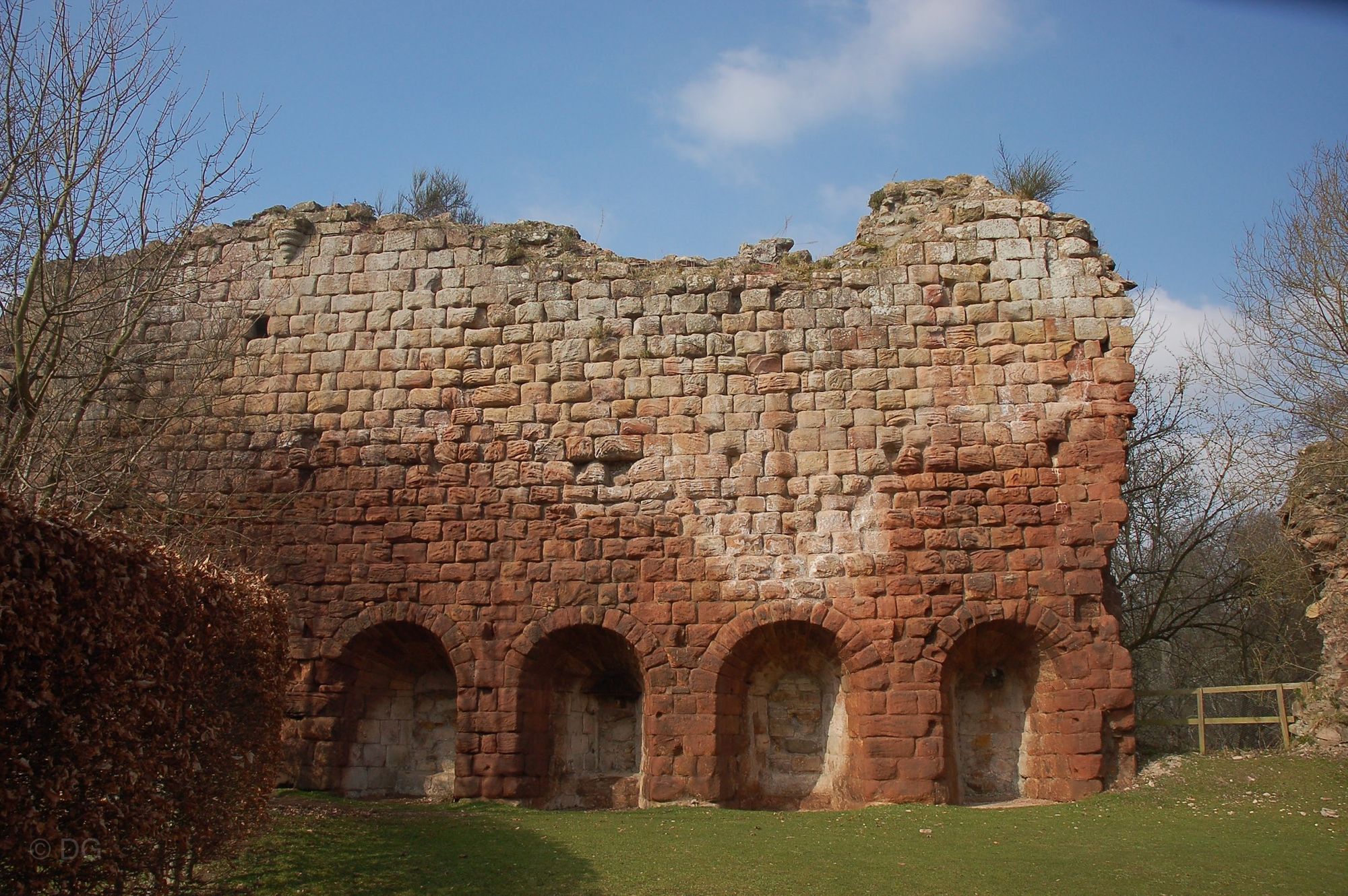
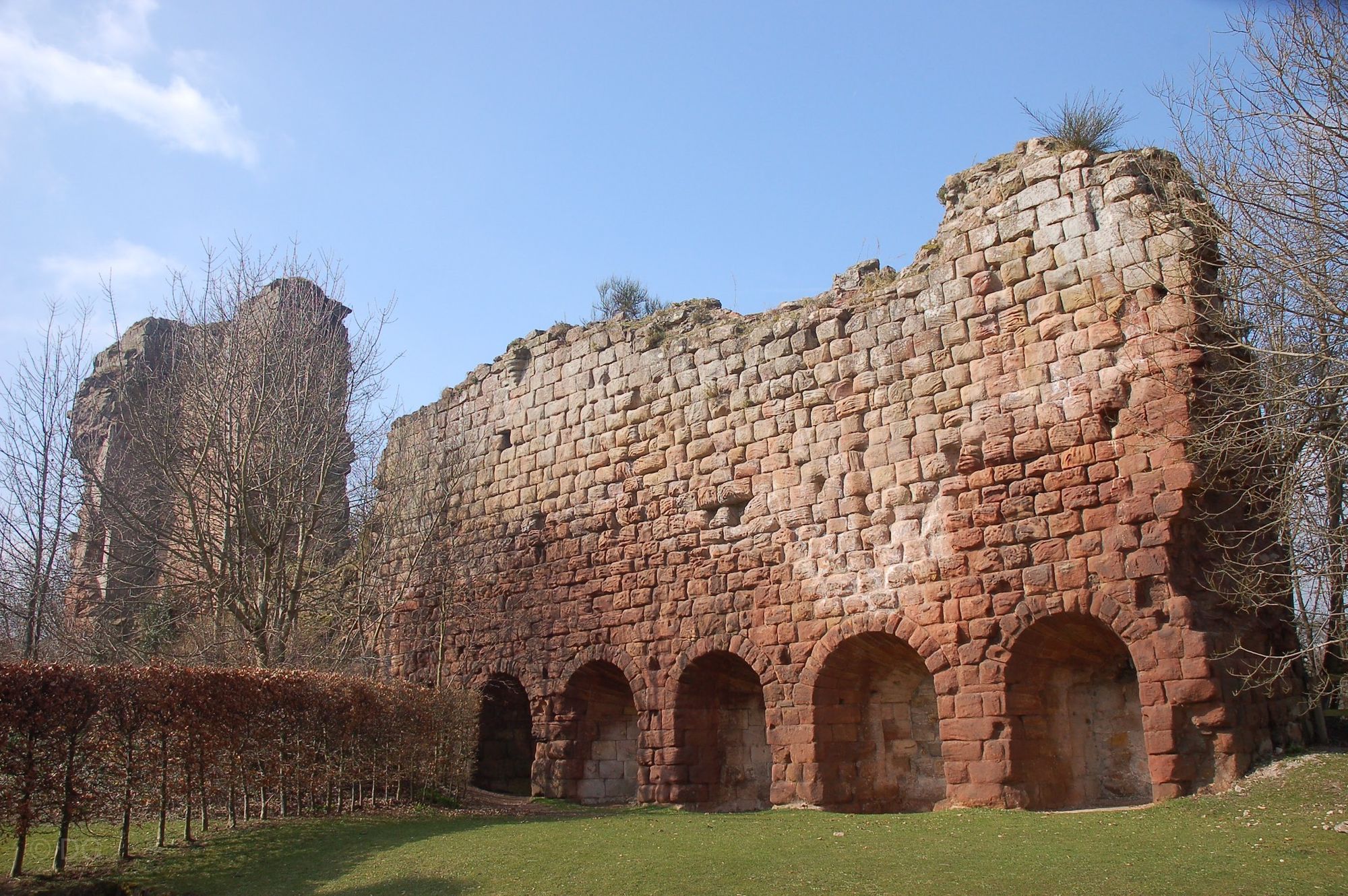
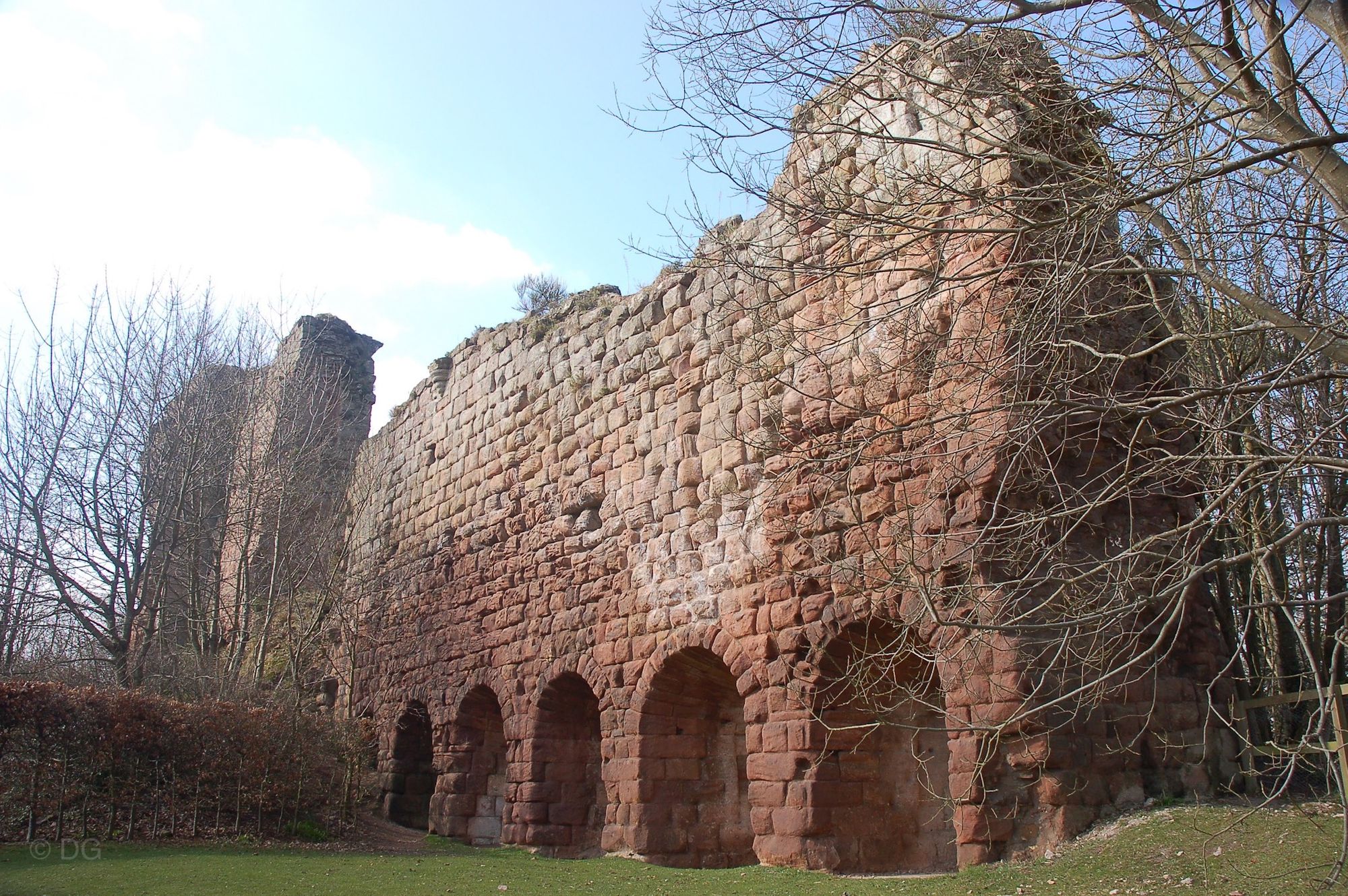
Although heavily damaged, parts of the castle were rebuilt in the late 16th century. A new residential range was constructed directly into the rock face, creating some of the most impressive surviving sections of the castle.
Further destruction came during Oliver Cromwell’s invasion of Scotland. In 1650, troops commanded by General Monck bombarded the castle, causing severe damage to its medieval structures.
The castle suffered additional damage during religious unrest in 1688, after which it gradually declined as a major residence.
Architecture
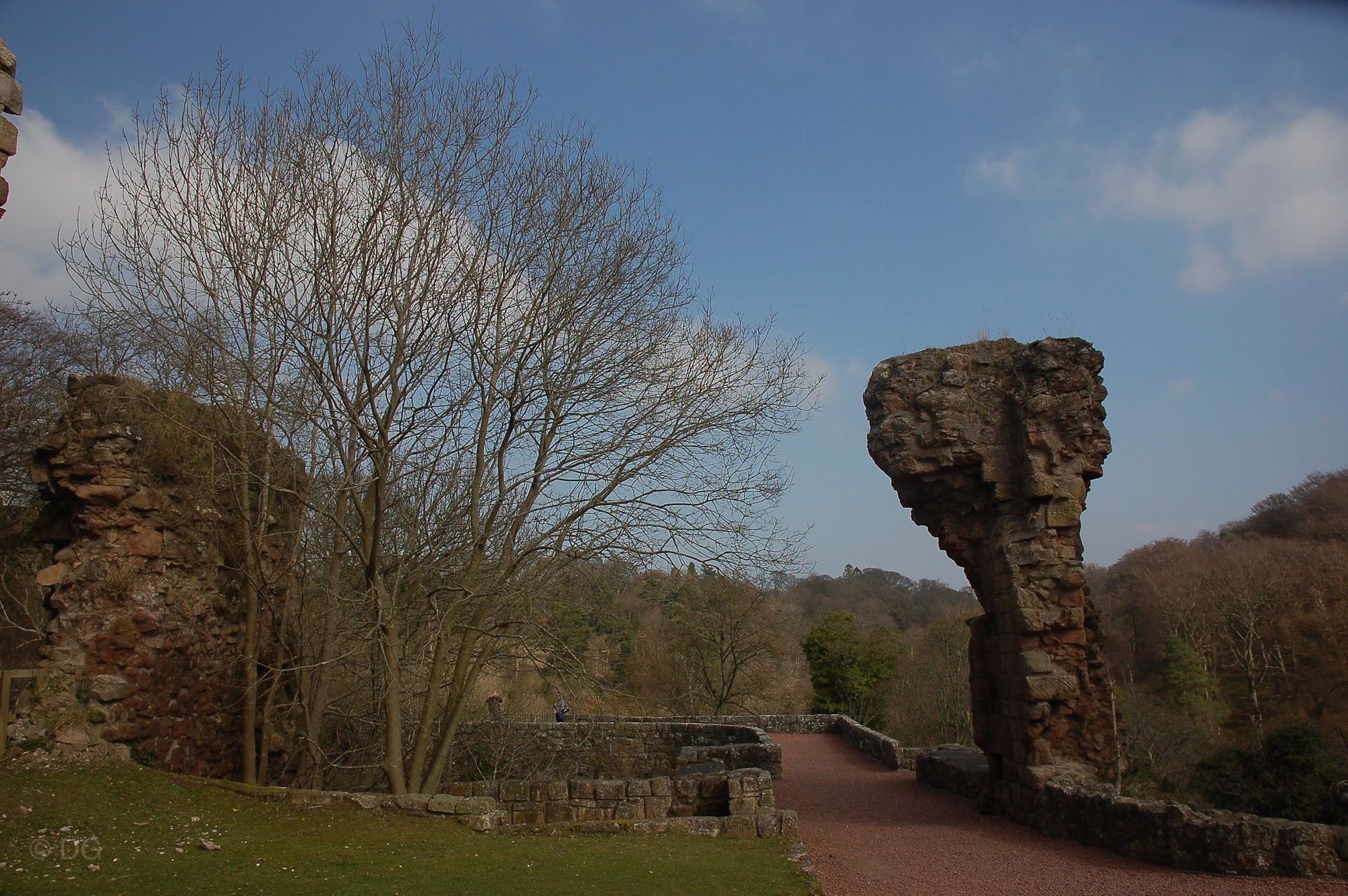
Even in its ruined state, Roslin Castle remains architecturally impressive.
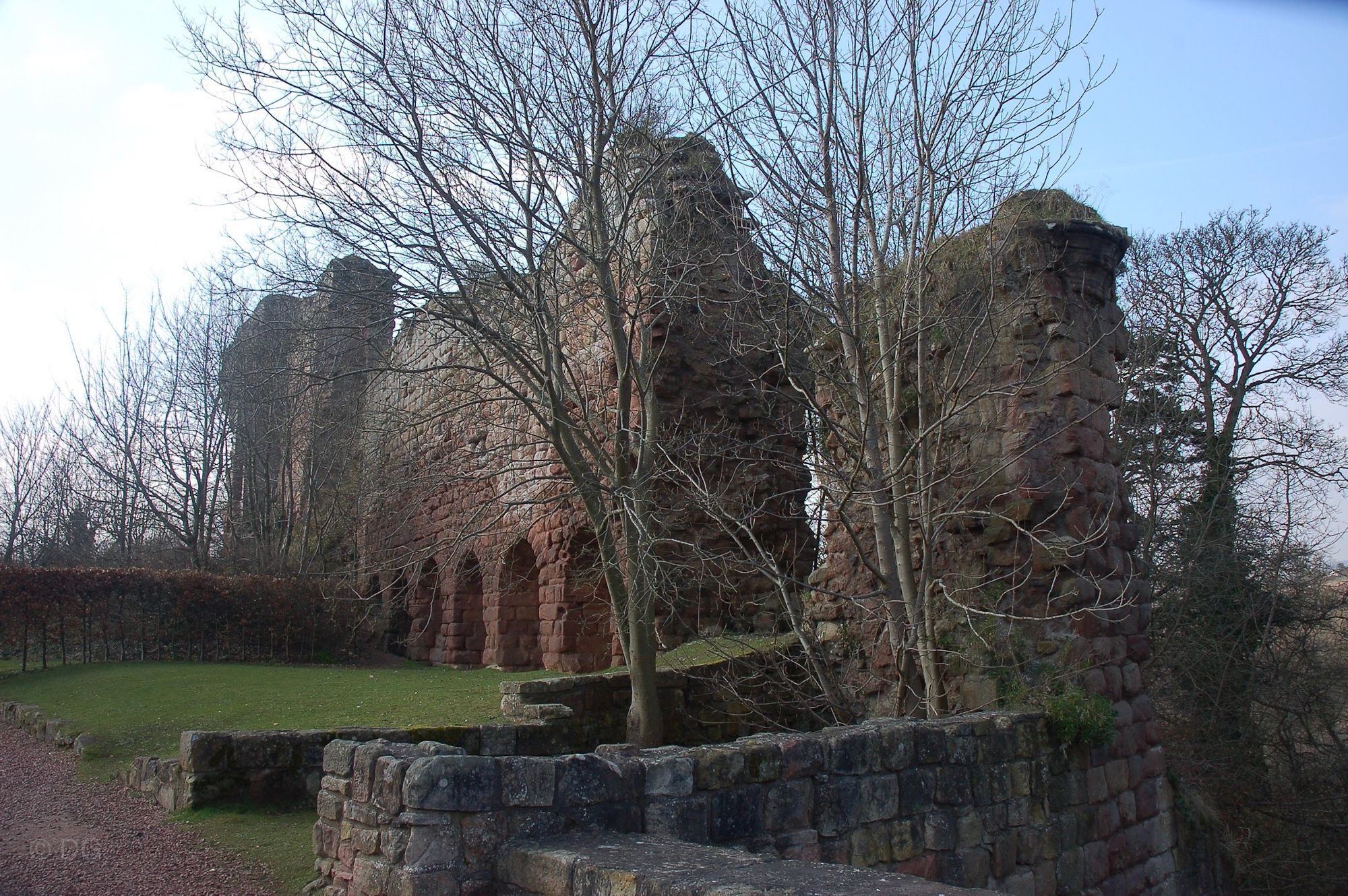
Visitors approach the castle across a stone bridge spanning the deep defensive ditch before entering the remains of the courtyard complex.
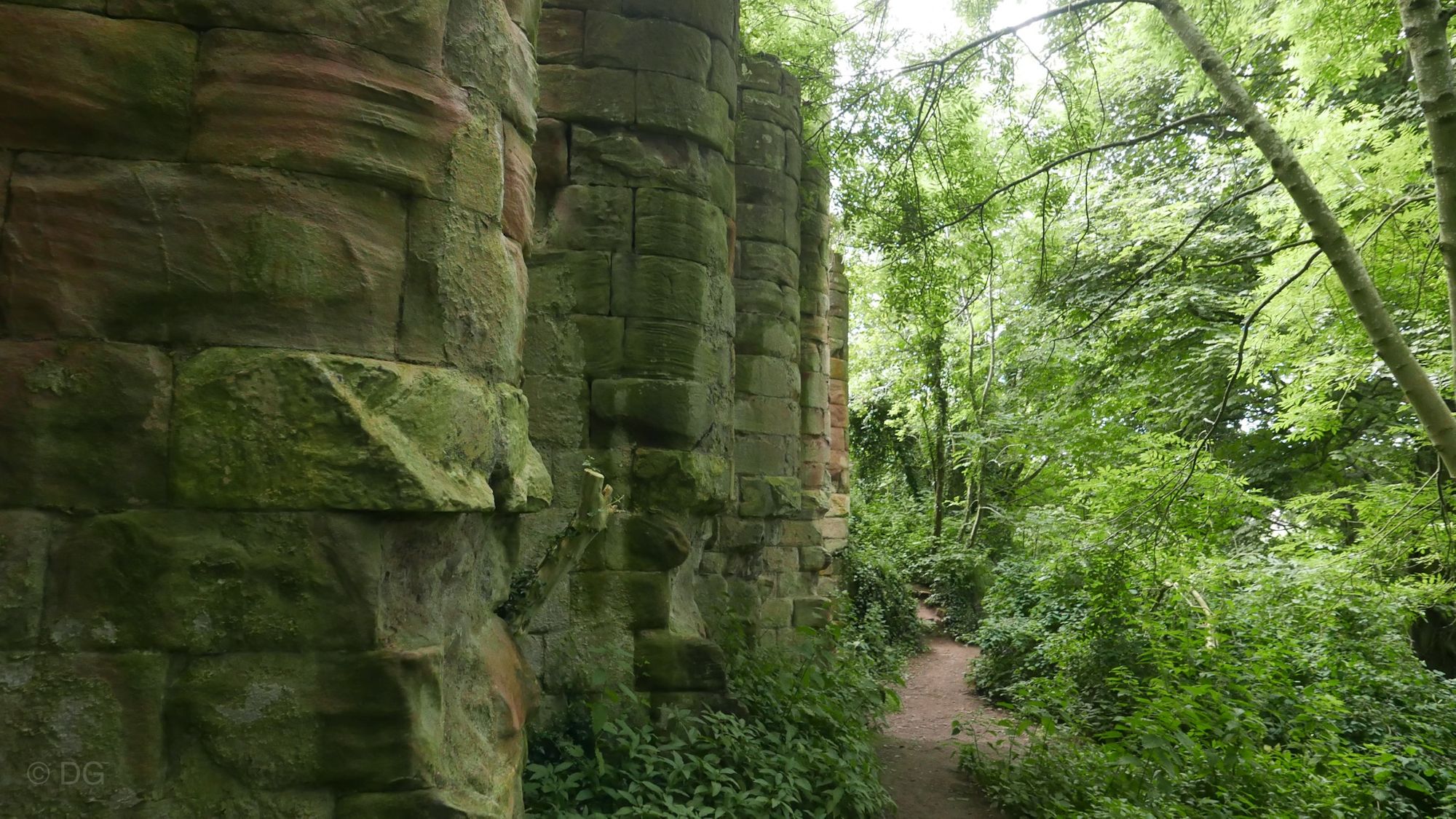
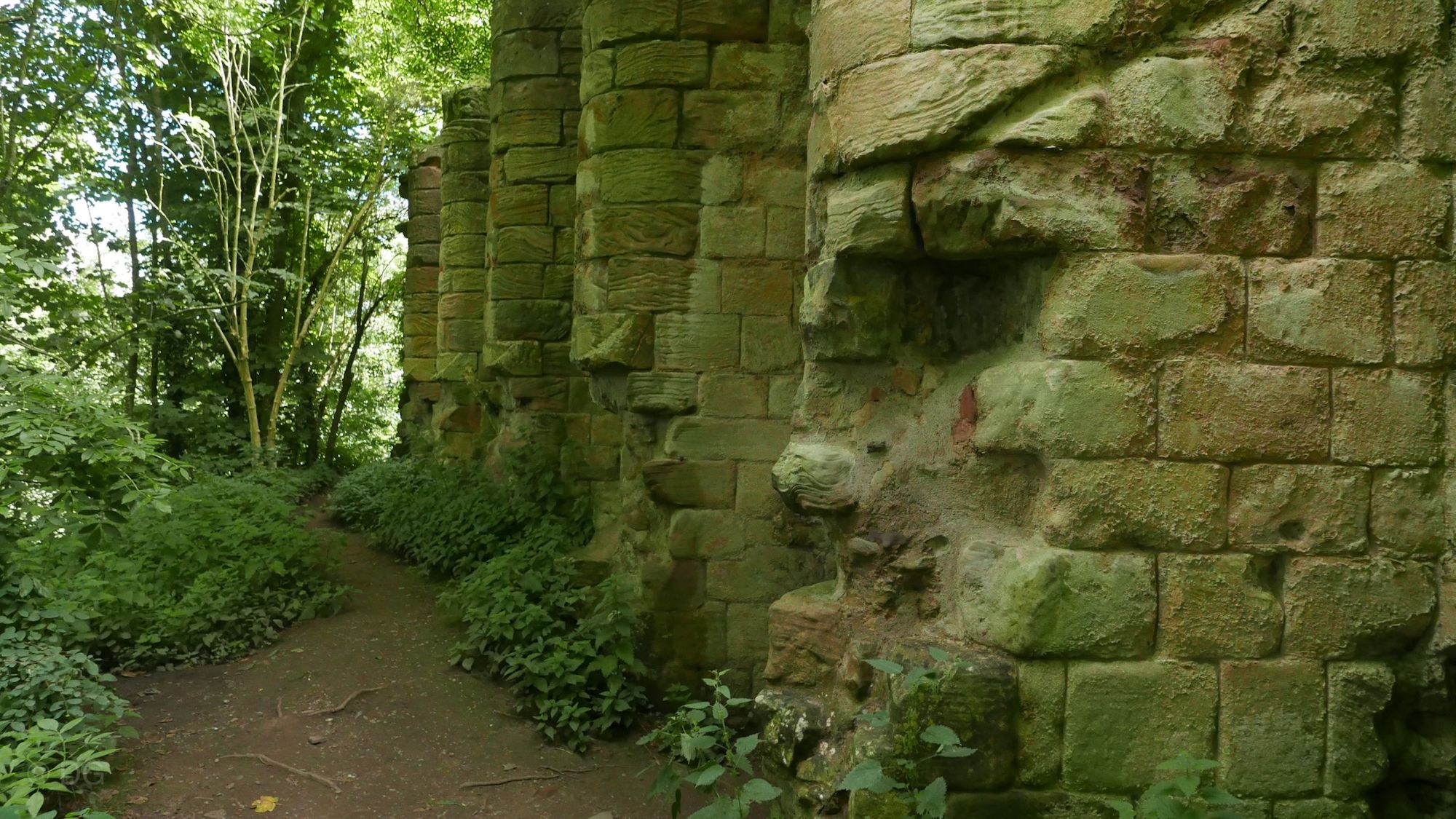
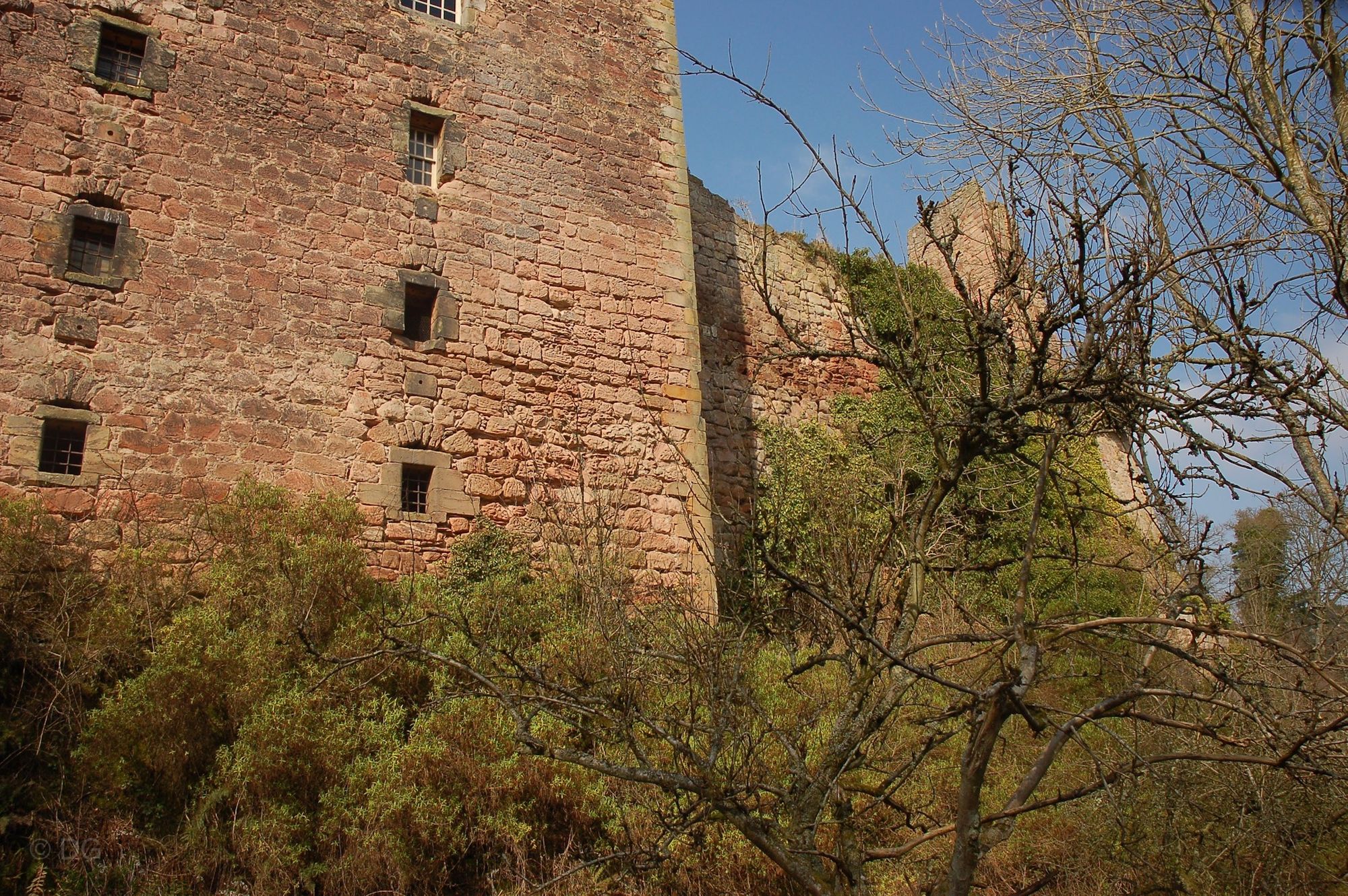
The most striking surviving structure is the East Range, built dramatically into the cliff edge above the River North Esk. This section preserves much of its historic character and offers a glimpse into the comfort and sophistication enjoyed by the castle’s noble occupants.
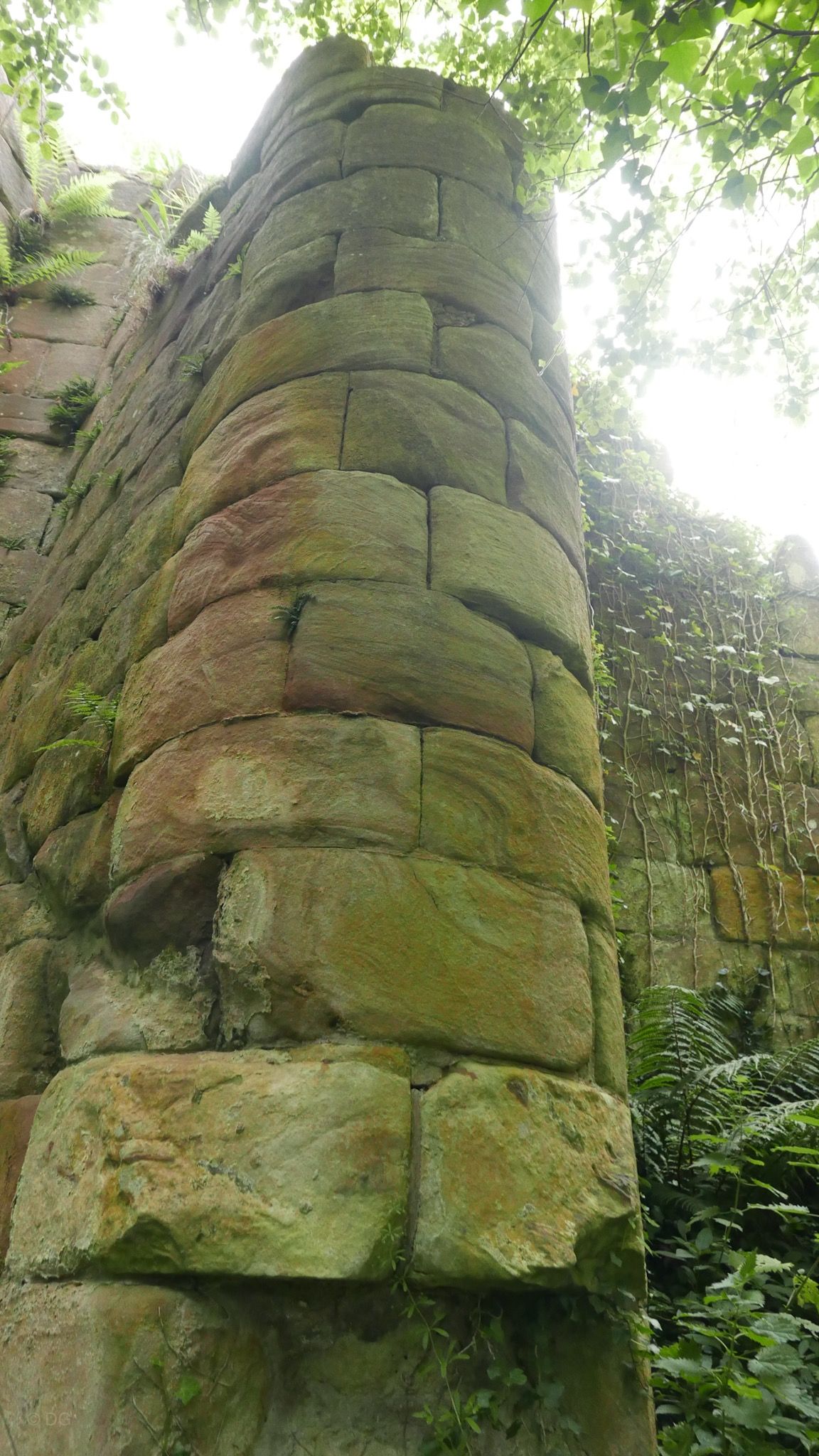
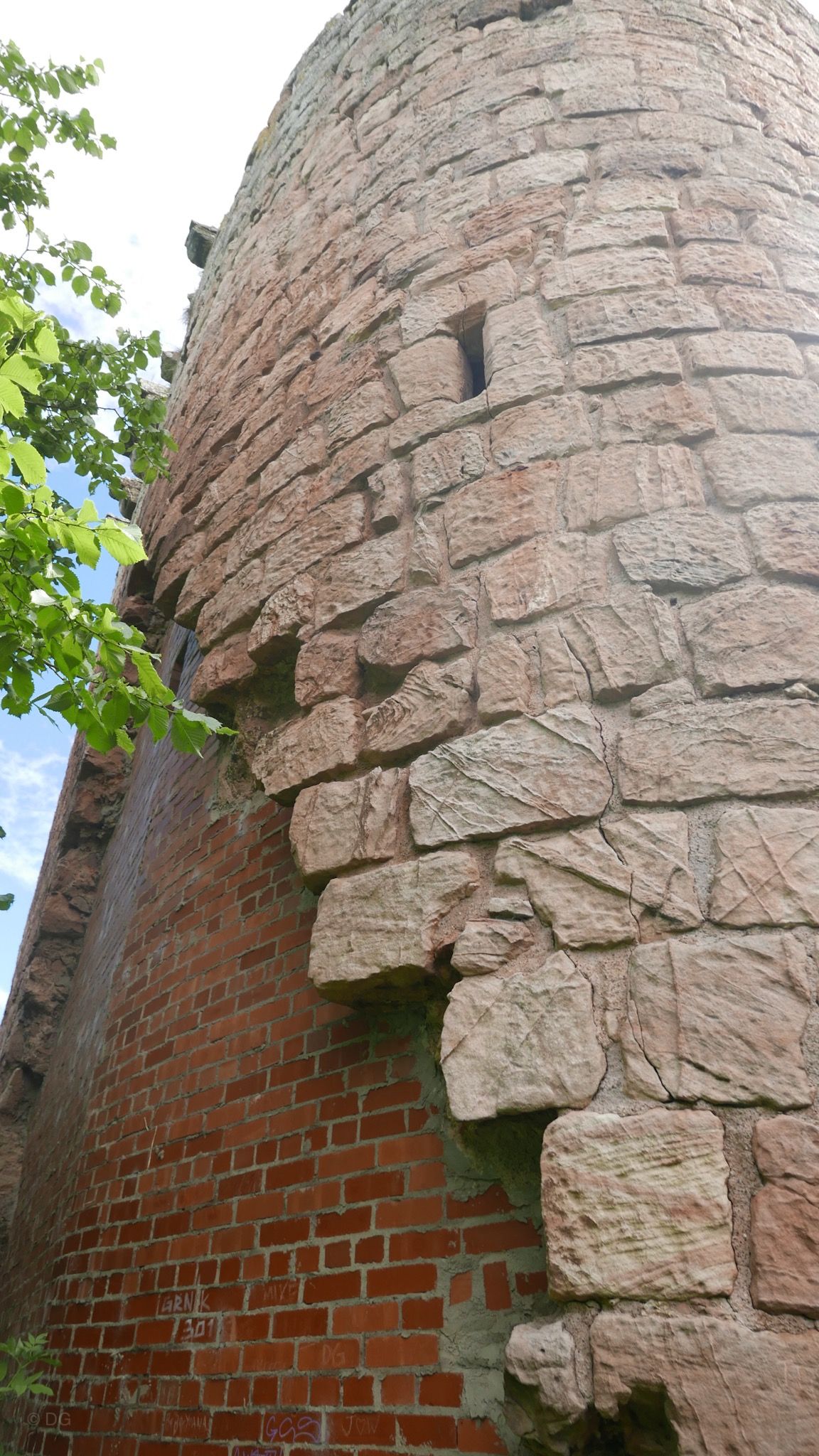
The combination of medieval masonry, rugged cliffs, and woodland scenery makes Roslin Castle one of the most photogenic castle ruins in Scotland.
Legends and Mysteries
Roslin Castle has long been associated with mystery and legend.
Many stories focus on the St Clair family and their alleged connections with the Knights Templar. According to popular legends, hidden treasures or sacred relics, including the Holy Grail, were concealed somewhere within the Roslin estate.
However, there is no historical evidence supporting these claims. Such stories belong to local folklore and modern speculation rather than established history.
Interest in these legends increased dramatically following the publication of Dan Brown’s novel The Da Vinci Code, which brought worldwide attention to Rosslyn Chapel and the surrounding area.
Despite the lack of evidence, the myths continue to add an extra layer of fascination to the site.
Roslin Castle Today
Today, Roslin Castle remains one of the most remarkable historic sites near Edinburgh.
Part of the castle has been carefully restored and adapted as unique accommodation, allowing visitors to stay within the historic walls while enjoying modern comforts.
The surrounding woodland, river gorge, and walking trails of Roslin Glen provide an exceptional setting for exploring the castle and its landscape.
Visitors can enjoy spectacular views, discover centuries of history, and experience one of Scotland’s most atmospheric historic locations.
Conclusion
Roslin Castle is a remarkable blend of history, architecture, and natural beauty. From its origins as a medieval stronghold of the St Clair family to its destruction during wars and its later association with mystery and legend, the castle has witnessed some of the most fascinating chapters of Scotland’s past.
Although much of the castle now stands in ruin, its dramatic setting and rich heritage continue to inspire visitors from around the world. Combined with nearby Rosslyn Chapel, Roslin Castle remains one of the most captivating historic destinations in Scotland.
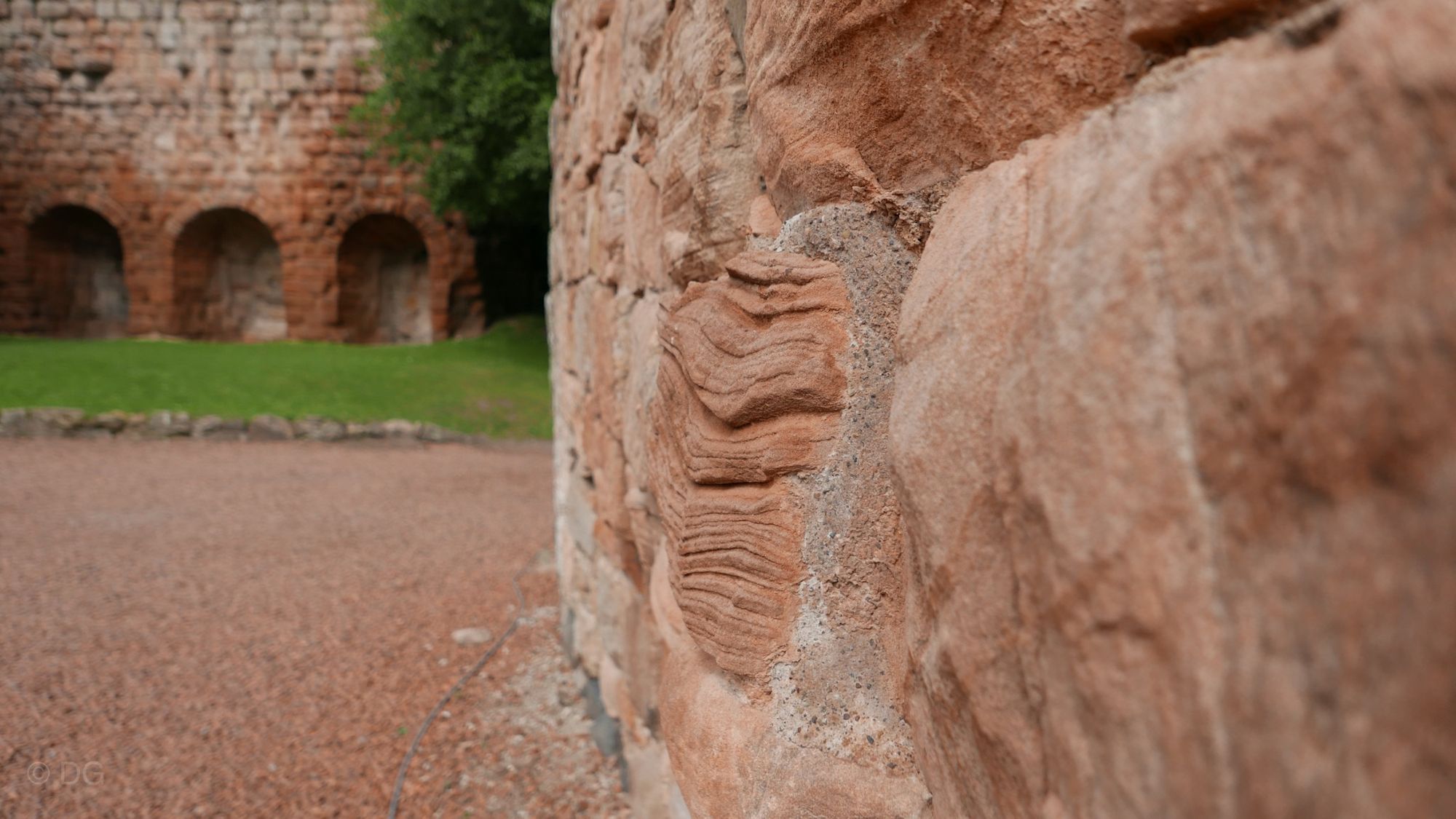
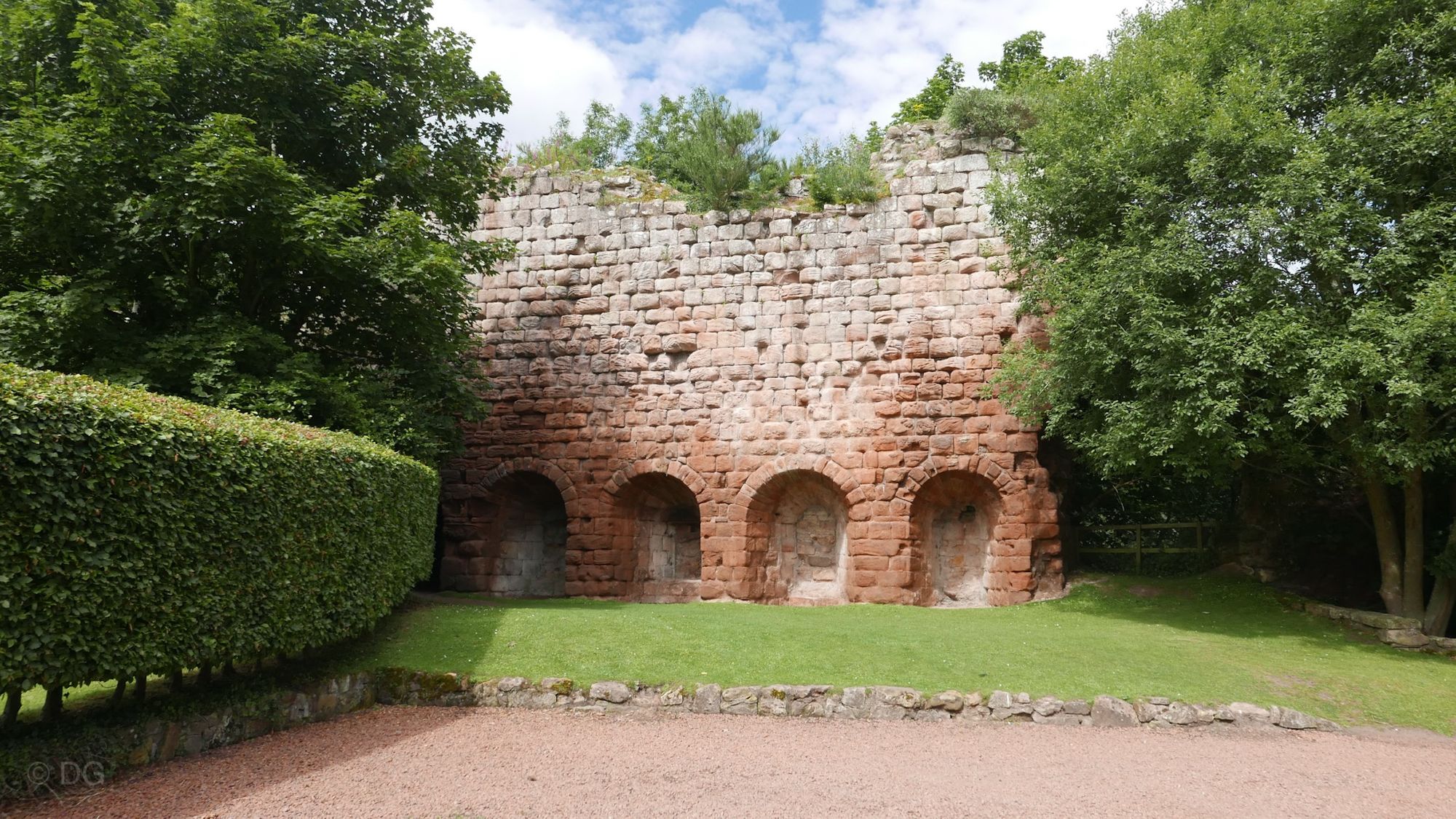
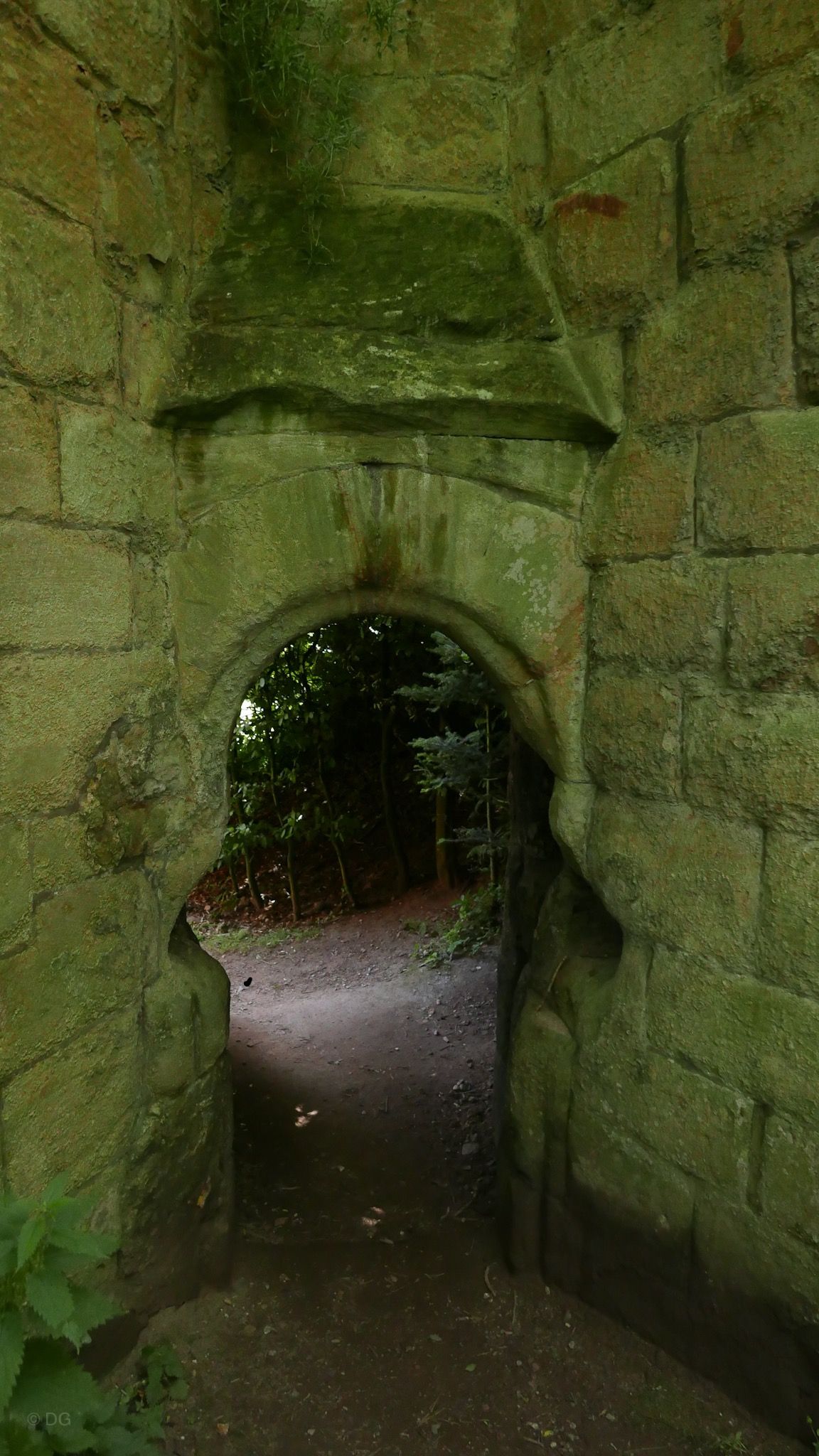
Castles of Scotland - Roslin Castle
Continue reading in this gallery
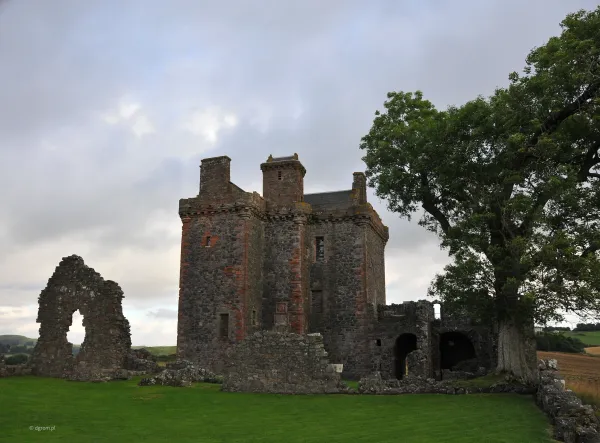
Scottish Castles
Castles of Scotland- Balvaird
Balvaird Castle is located in central Scotland, near the town of Abernethy. It was built in the 16th century as a residence for Sir Andrew Murray, who was a close friend of Mary, Queen of Scots.
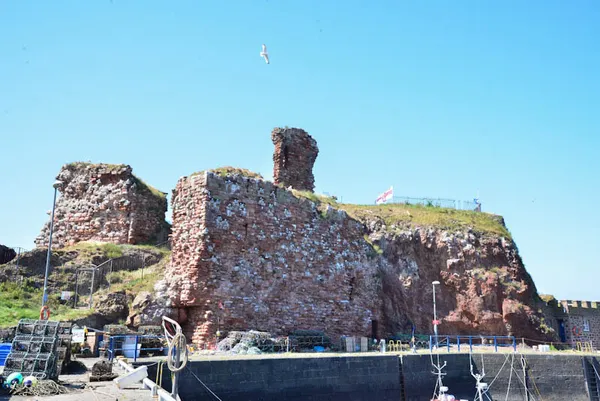
Scottish Castles
Scottish Castles - Dunbar
If you stand beside the historic harbour in the town of Dunbar,your eyes are quickly drawn to the broken red ruins rising from the rocks above the North Sea.These jagged remains belong to Dunbar Castle,once one of the strongest and most strategically important fortresses in Scotland.
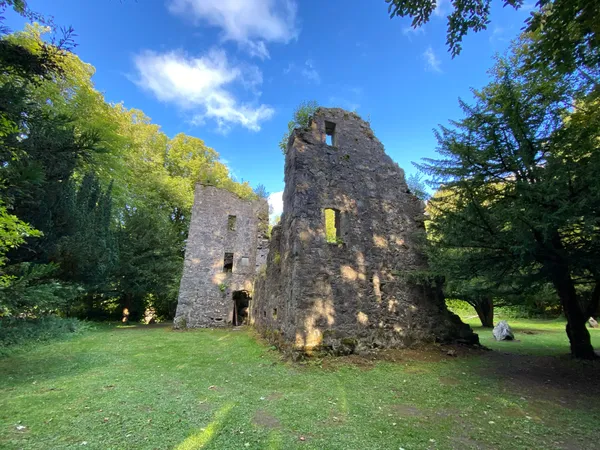
Scottish Castles
Castles of Scotland - Finlarig
Finlarig Castle is a historic castle located in central Scotland, in the county of Perthshire. The castle belonged to Clan Campbell and was an important administrative and commercial center in the region.
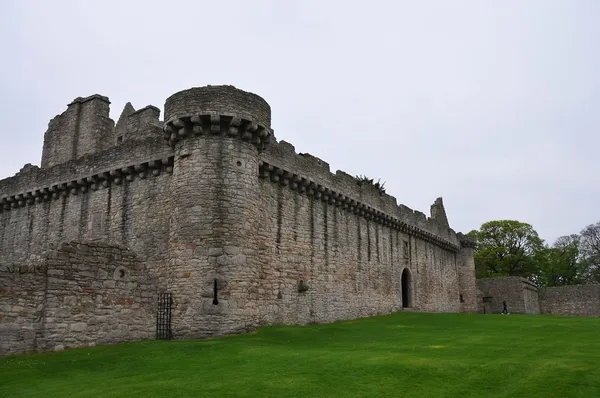
Scottish Castles
Scottish Castles - Craigmillar
Craigmillar Castle is a ruined medieval castle in Edinburgh, Scotland. It is located about 5 km from the city centre.