
Castles of Scotland - Duffus
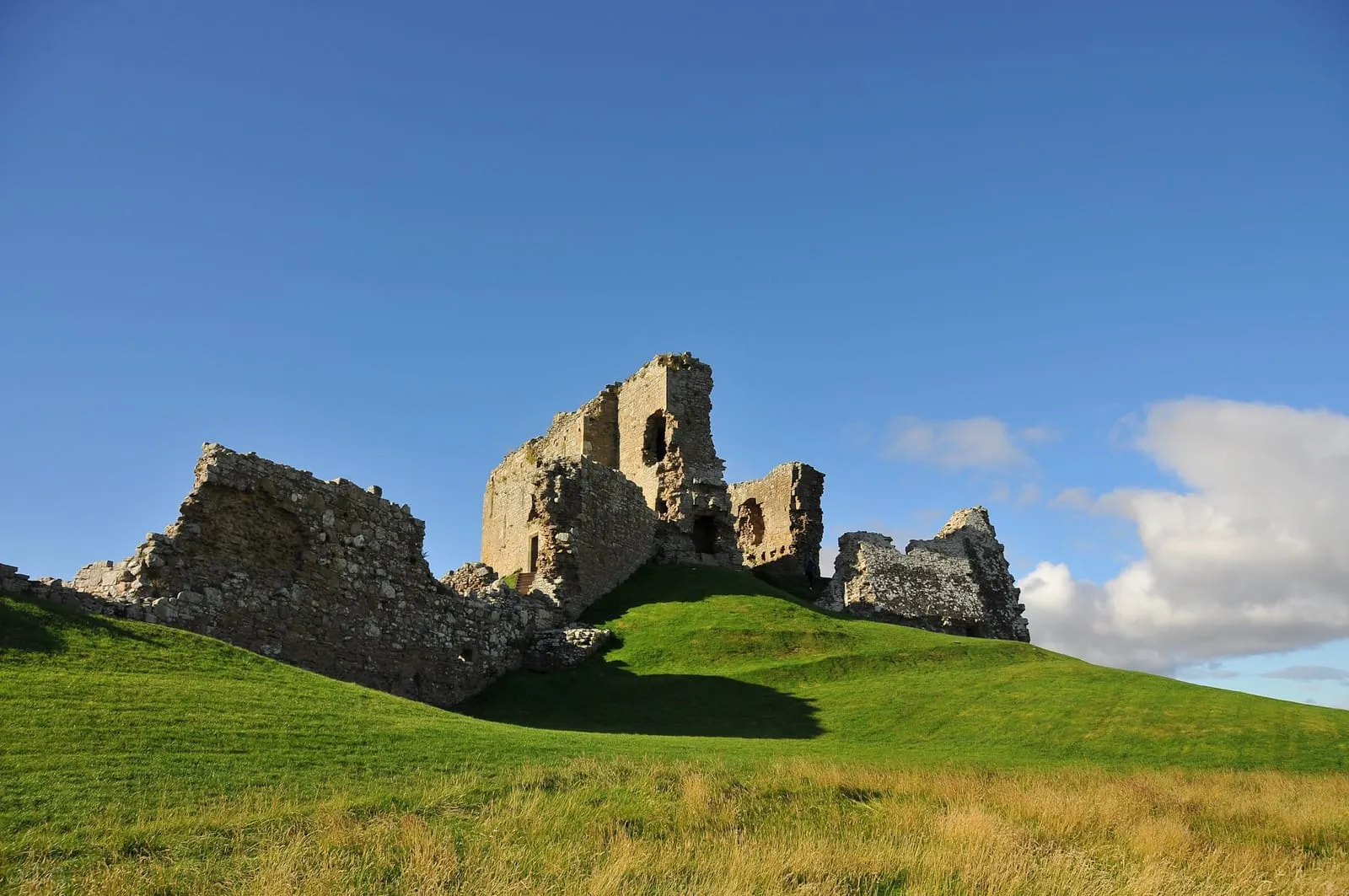
Duffus Castle is a castle located near the town of Elgin, in the Moray region of Scotland. It was built on a hill above the shore of the Moray Firth in the 13th century, on the site of an earlier Viking-era fortification.

Castles of Scotland – Duffus Castle
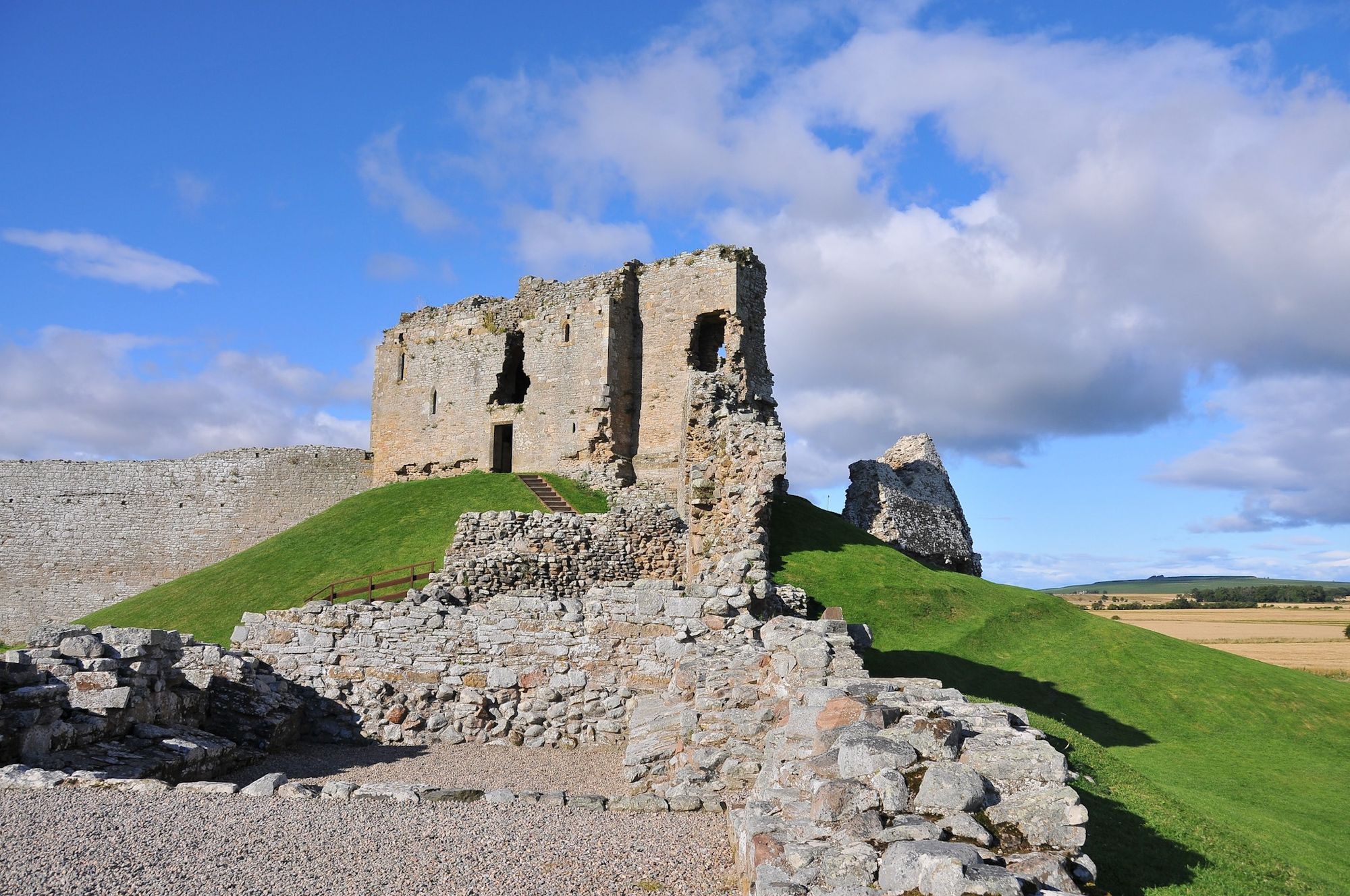
Standing proudly on the flat landscape of Moray near Elgin,Duffus Castle is one of Scotland’s finest examples of a motte-and-bailey castle. Although today it survives as a dramatic ruin,its history stretches back almost nine centuries and reflects the rise of some of the most influential noble families in northern Scotland.
The castle’s distinctive silhouette can be seen from miles away,with its great earth mound rising above the surrounding countryside. Few castles in Scotland illustrate the evolution from timber fortification to stone stronghold as clearly as Duffus Castle.
The Origins of Duffus Castle
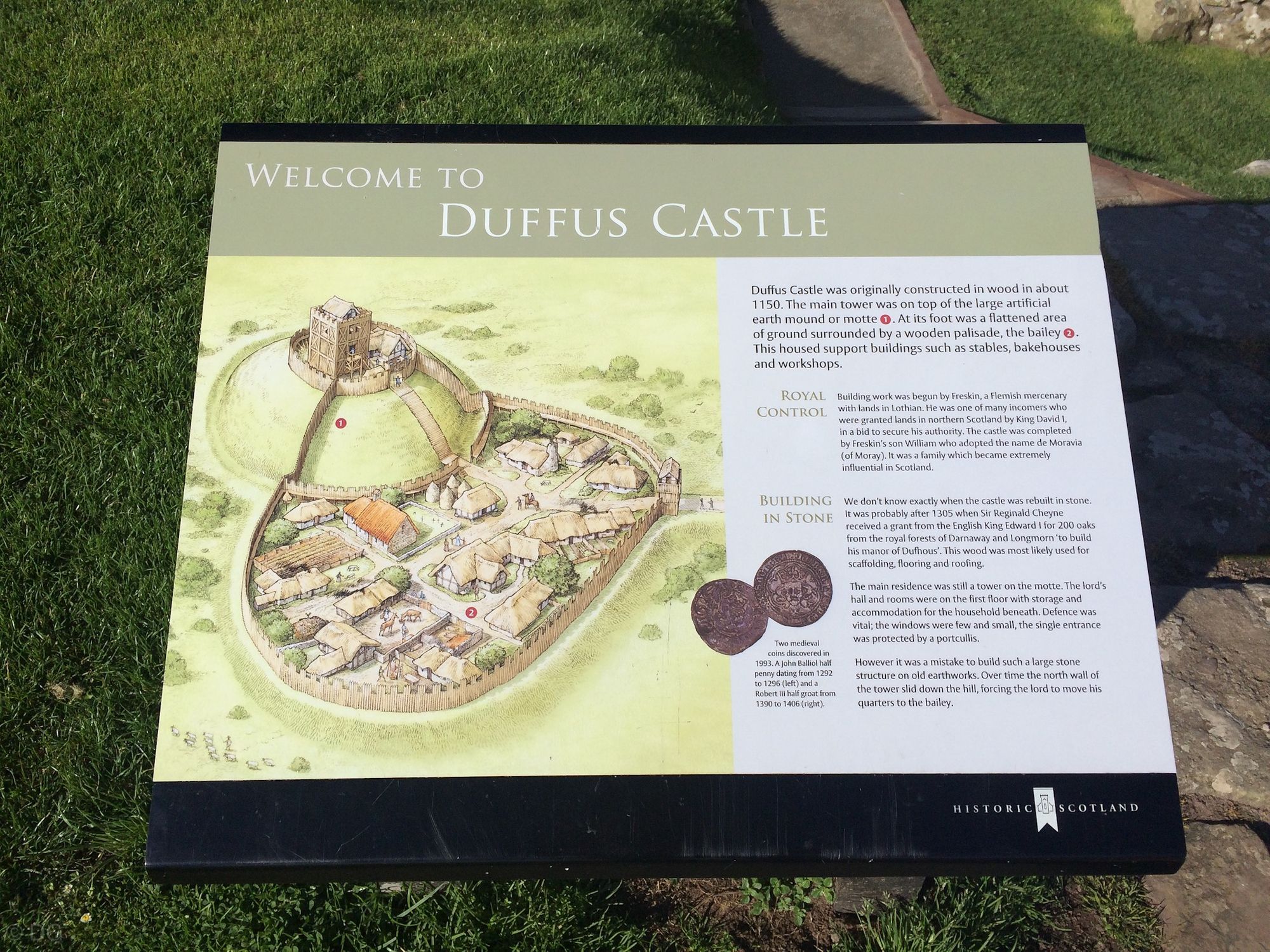
The story of Duffus Castle begins around 1140,when a Flemish nobleman named Freskin was granted lands in Moray by King David I.
Following a rebellion by the men of Moray in 1130,the king sought to strengthen royal authority in the region. Freskin became one of his most trusted representatives and established a large timber motte-and-bailey castle at Duffus.
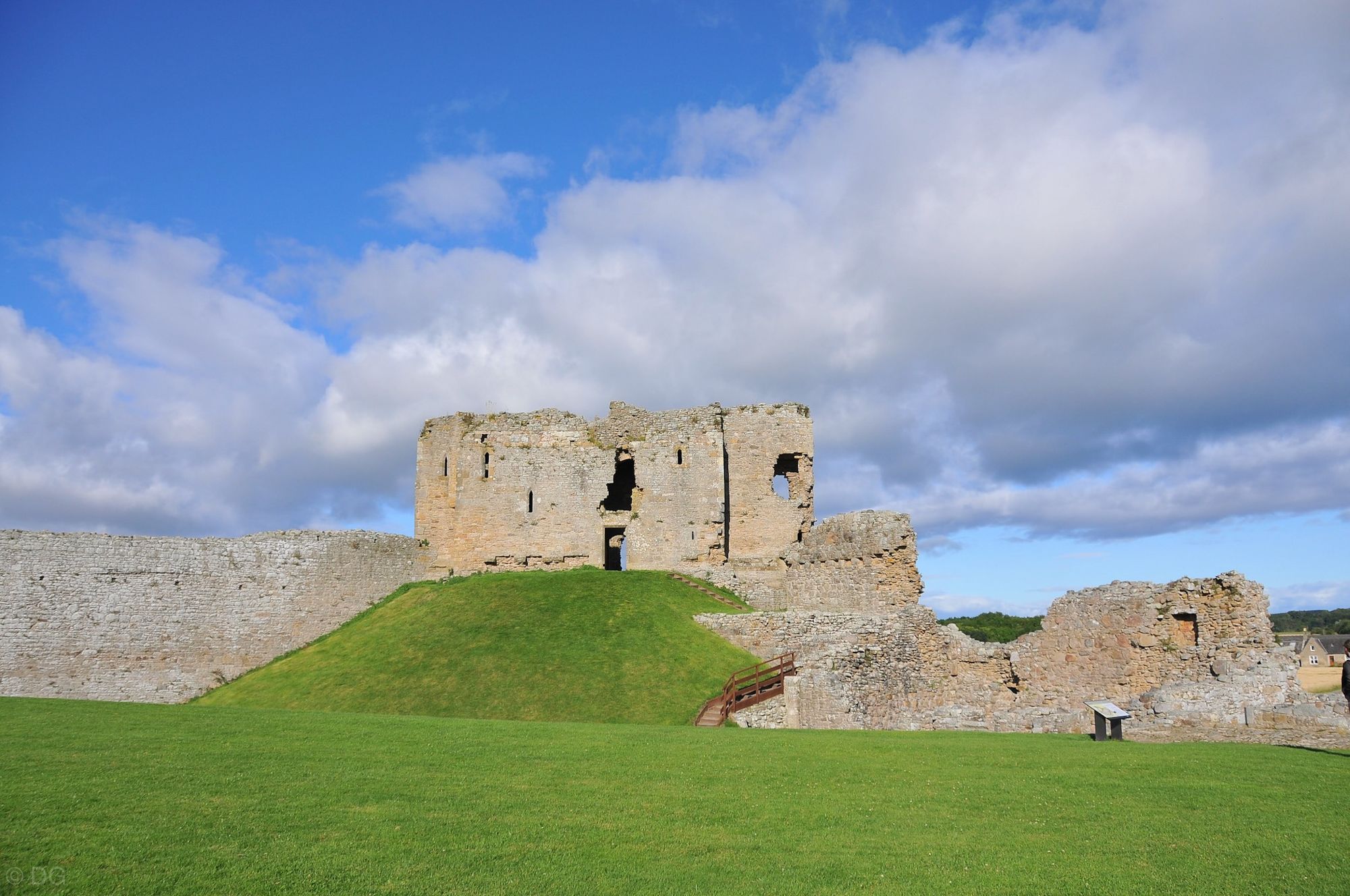
The castle consisted of a wooden fortification built on top of a huge artificial mound,known as a motte. Below it lay an enclosed courtyard,or bailey,which contained domestic buildings,workshops and stables.
The site was strategically positioned on what was then marshy ground near Spynie Loch,making it far more defensible than it appears today.
The Moray Family
Freskin’s descendants adopted the name de Moravia,meaning “of Moray”.
Over time they became one of the most powerful noble families in northern Scotland. Their descendants would eventually give rise to both Clan Murray and the Earls of Sutherland.
Duffus Castle became the ancestral seat of a family whose influence would shape Scottish history for centuries.
The Stone Castle
By the late 13th century,the original timber fortifications were becoming outdated.
Around 1270,the castle passed through marriage to Sir Reginald Cheyne of Inverugie. It was probably Cheyne who replaced the wooden structures with a substantial stone castle.
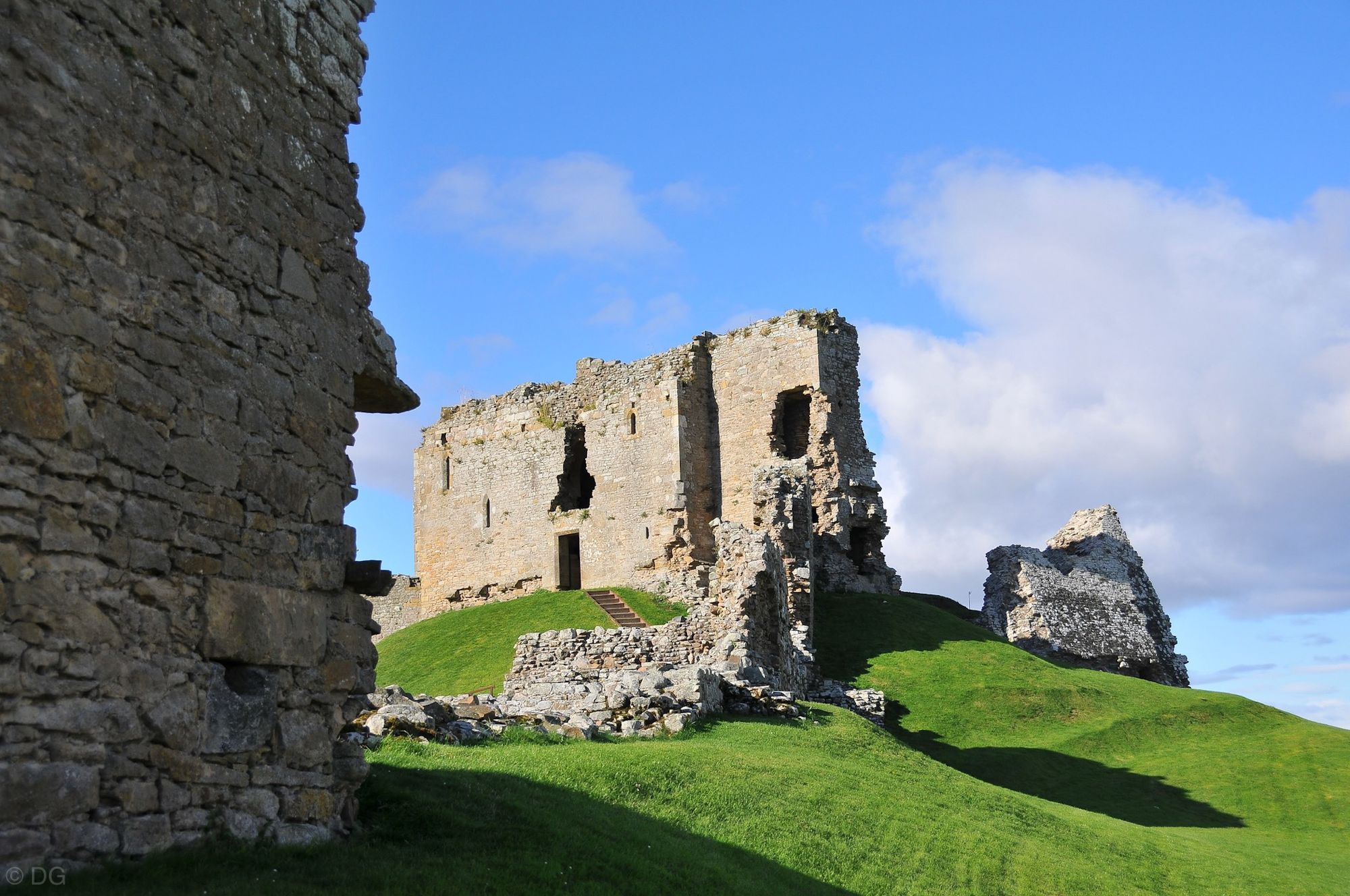
A large stone keep was constructed on top of the motte,while a curtain wall enclosed the bailey below.
In 1305,King Edward I of England granted Reginald Cheyne two hundred oak trees from royal forests. These were likely used in the construction of roofs,floors and other parts of the new stone fortress.
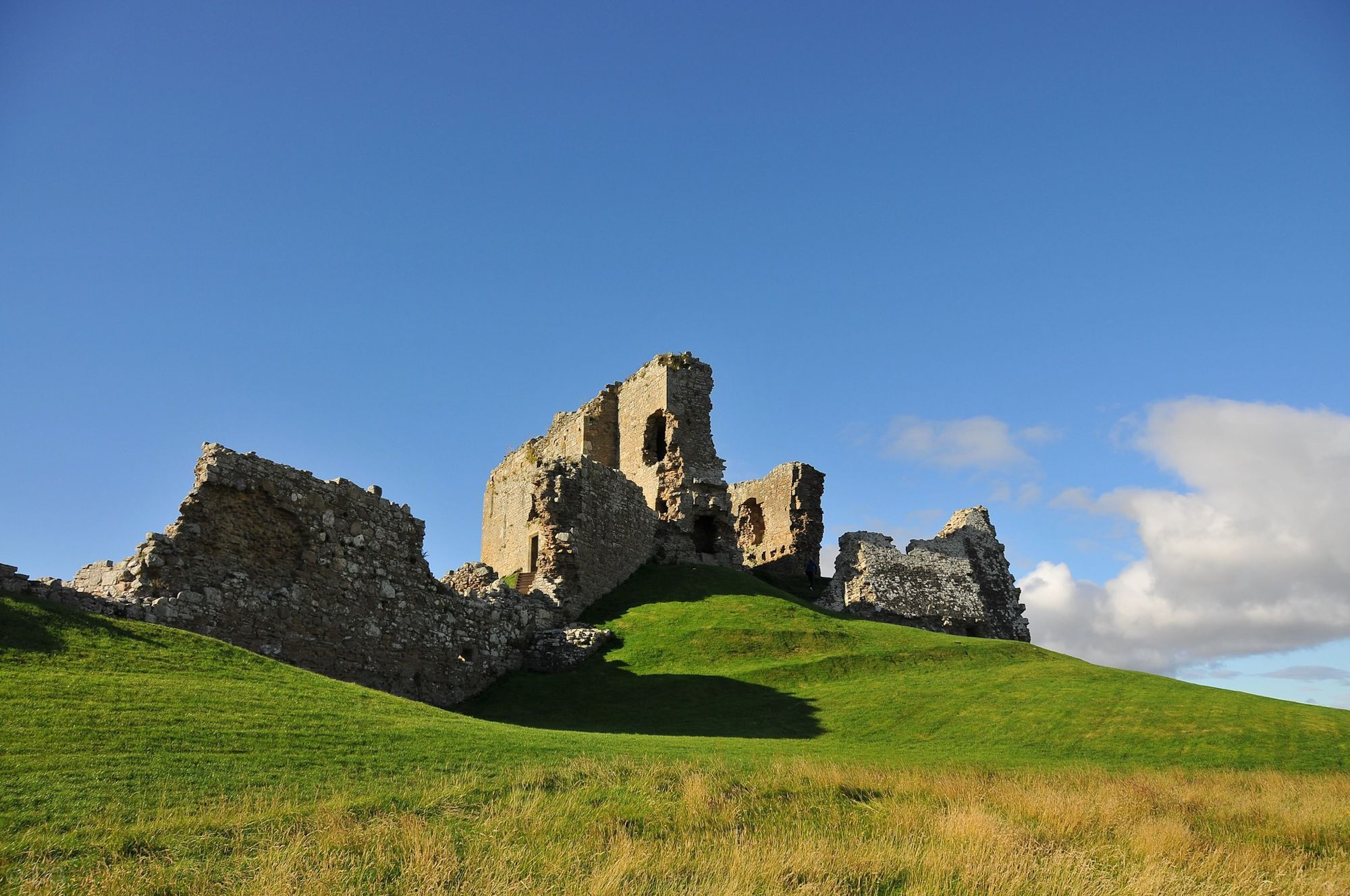
The remains of this stone castle form the impressive ruins visible today.
The Problem of Building on a Motte
One of the most fascinating aspects of Duffus Castle is the way its builders underestimated the long-term effects of constructing a heavy stone fortress on an earth mound.
The original motte had been designed to support timber buildings. When the massive stone keep was added,the mound gradually became unstable.
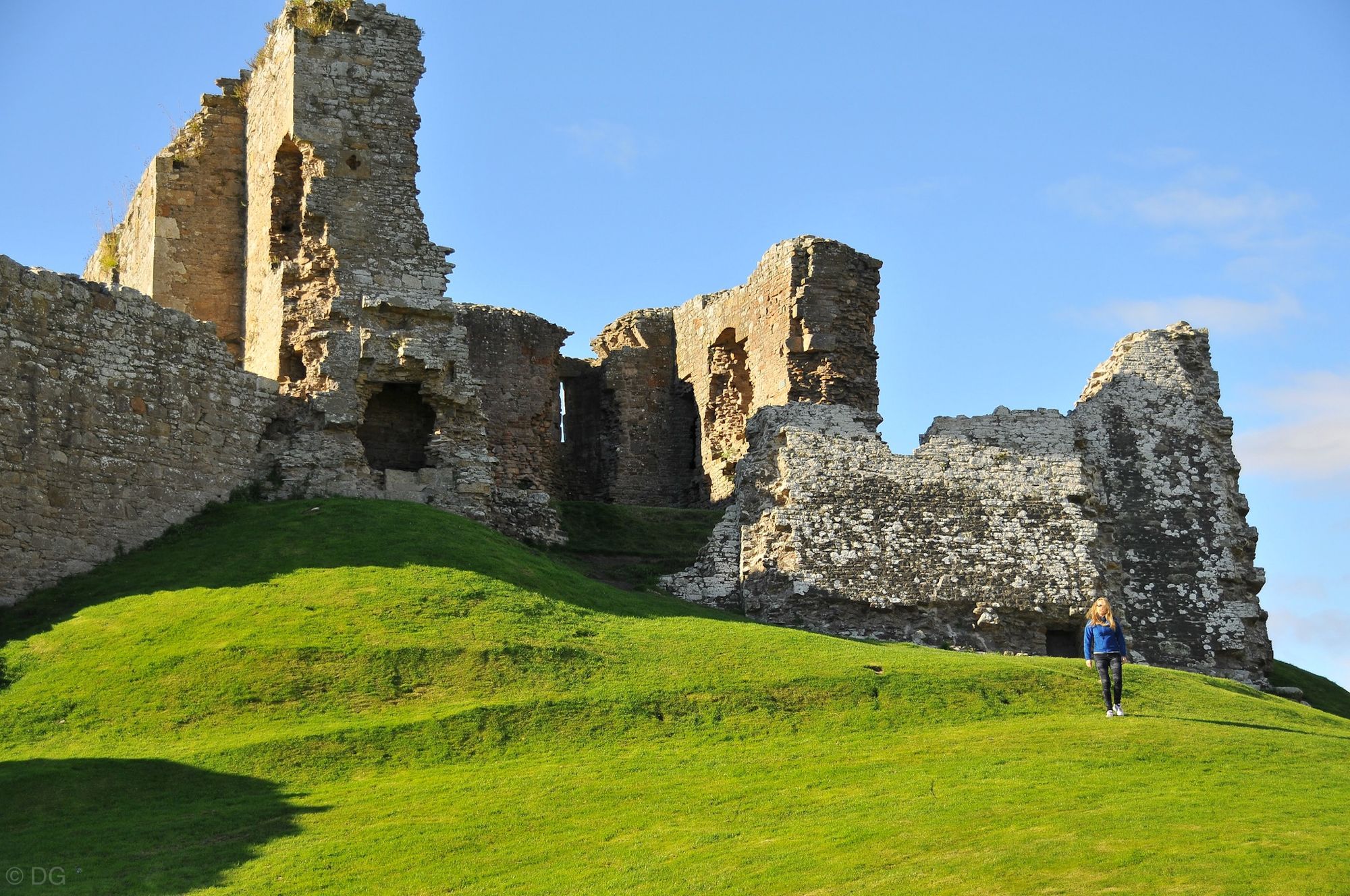
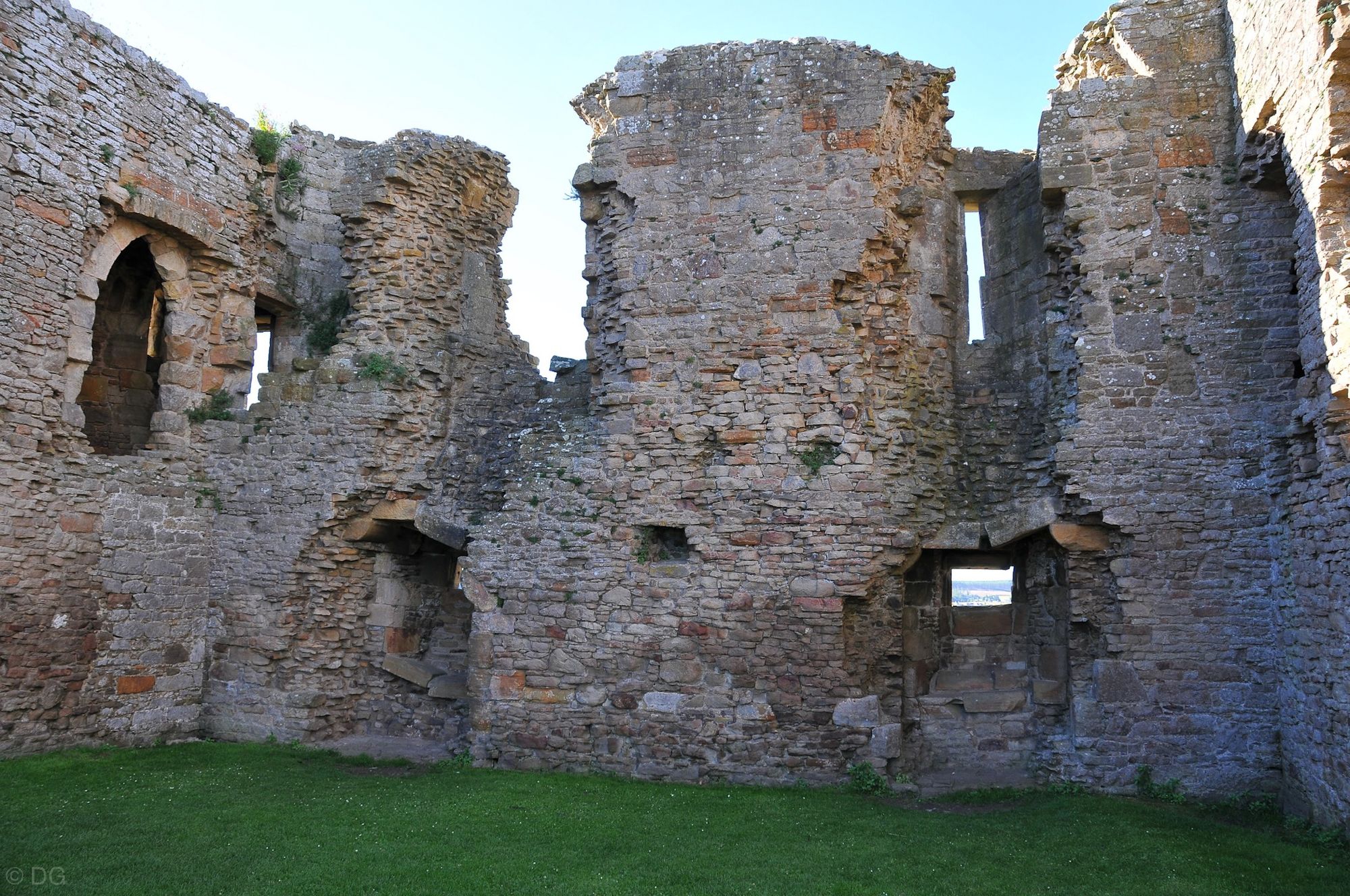
Over time,the weight caused parts of the structure to shift and sink. The famous leaning walls of Duffus Castle remain visible today and give the ruins their unique appearance.
This gradual movement eventually forced later occupants to move their main living quarters elsewhere within the castle complex.
The Sutherland Lords of Duffus
By the middle of the 14th century,Duffus Castle had passed into the hands of the Sutherland family through marriage.
The Sutherlands of Duffus remained associated with the castle for centuries and continued to develop parts of the site.
During the 15th century,new residential buildings were added within the bailey to provide more comfortable accommodation than the increasingly unstable keep.
The castle remained an important noble residence throughout the late medieval and early modern periods.
Decline and Abandonment
By the 17th century,Duffus Castle was becoming less suitable as a noble residence.
Changing expectations of comfort and status encouraged aristocratic families to build more modern houses rather than continue living in medieval fortifications.
After the death of the second Lord Duffus in 1705,the castle was abandoned.
Without regular maintenance,the buildings gradually deteriorated and became the romantic ruins that visitors see today.
Architecture
Duffus Castle is one of the best-preserved motte-and-bailey castles in Scotland.
The enormous earth mound remains the dominant feature of the site. On its summit stand the remains of the stone keep,whose leaning walls reveal centuries of structural movement.
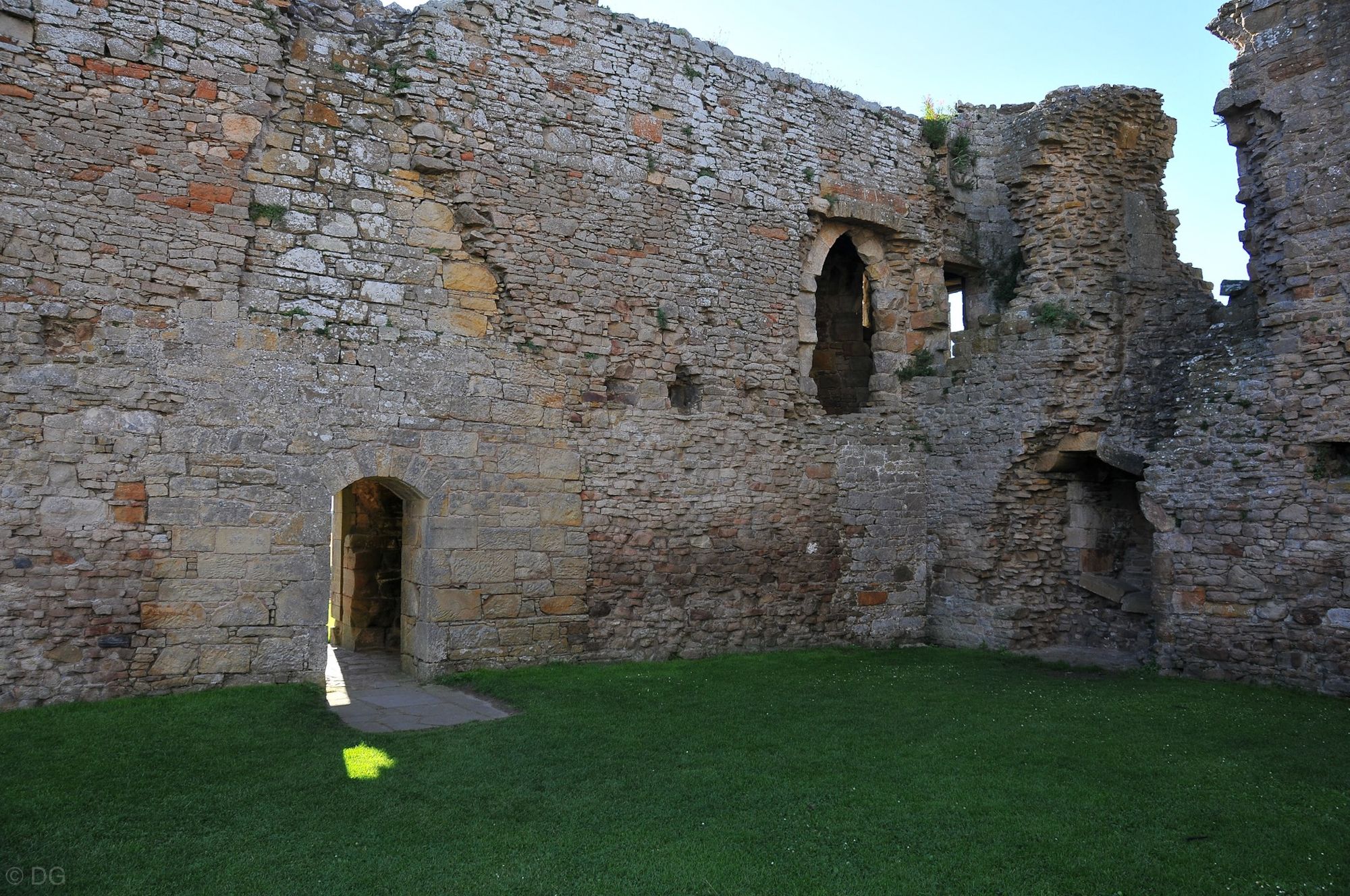
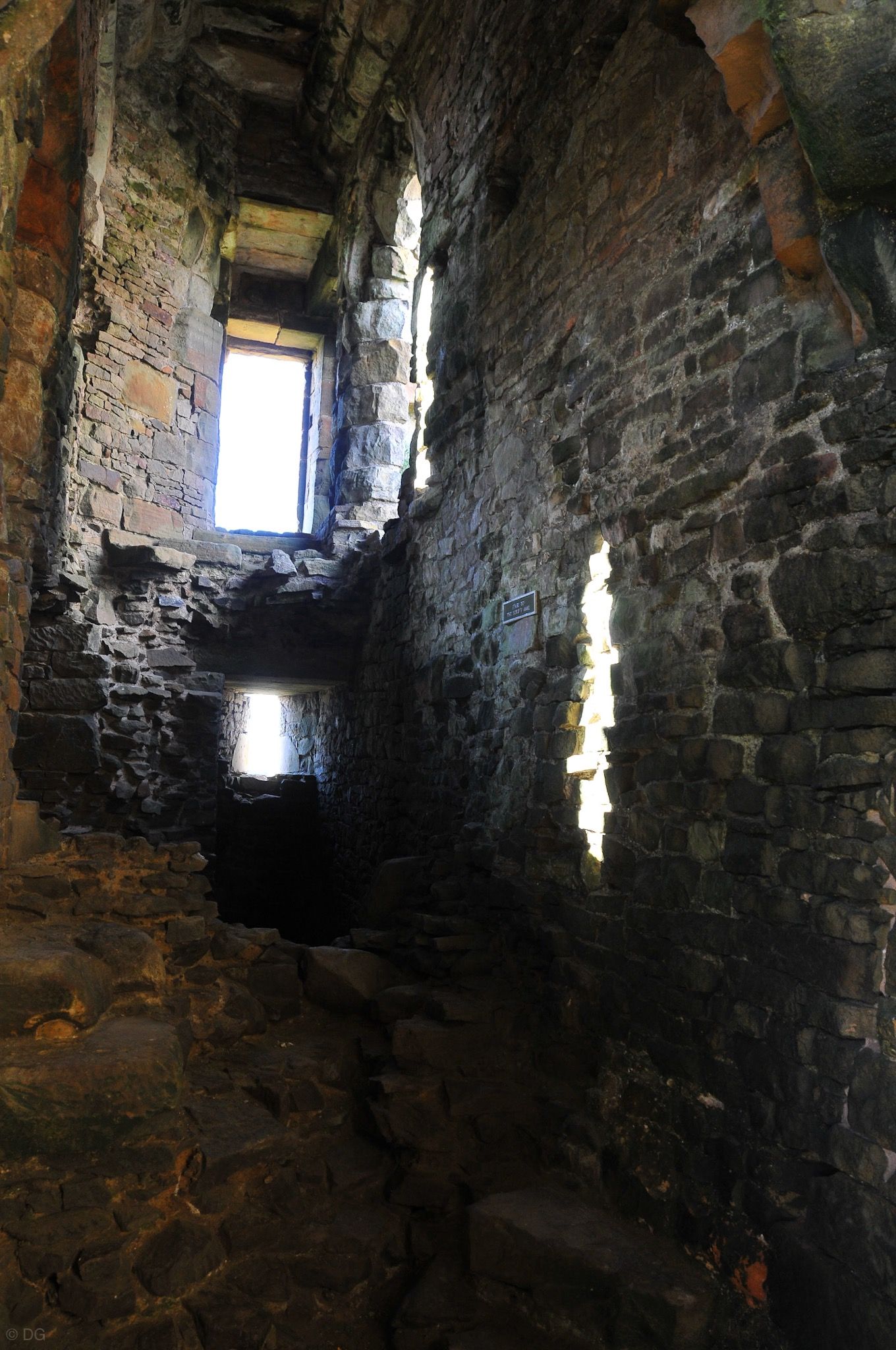
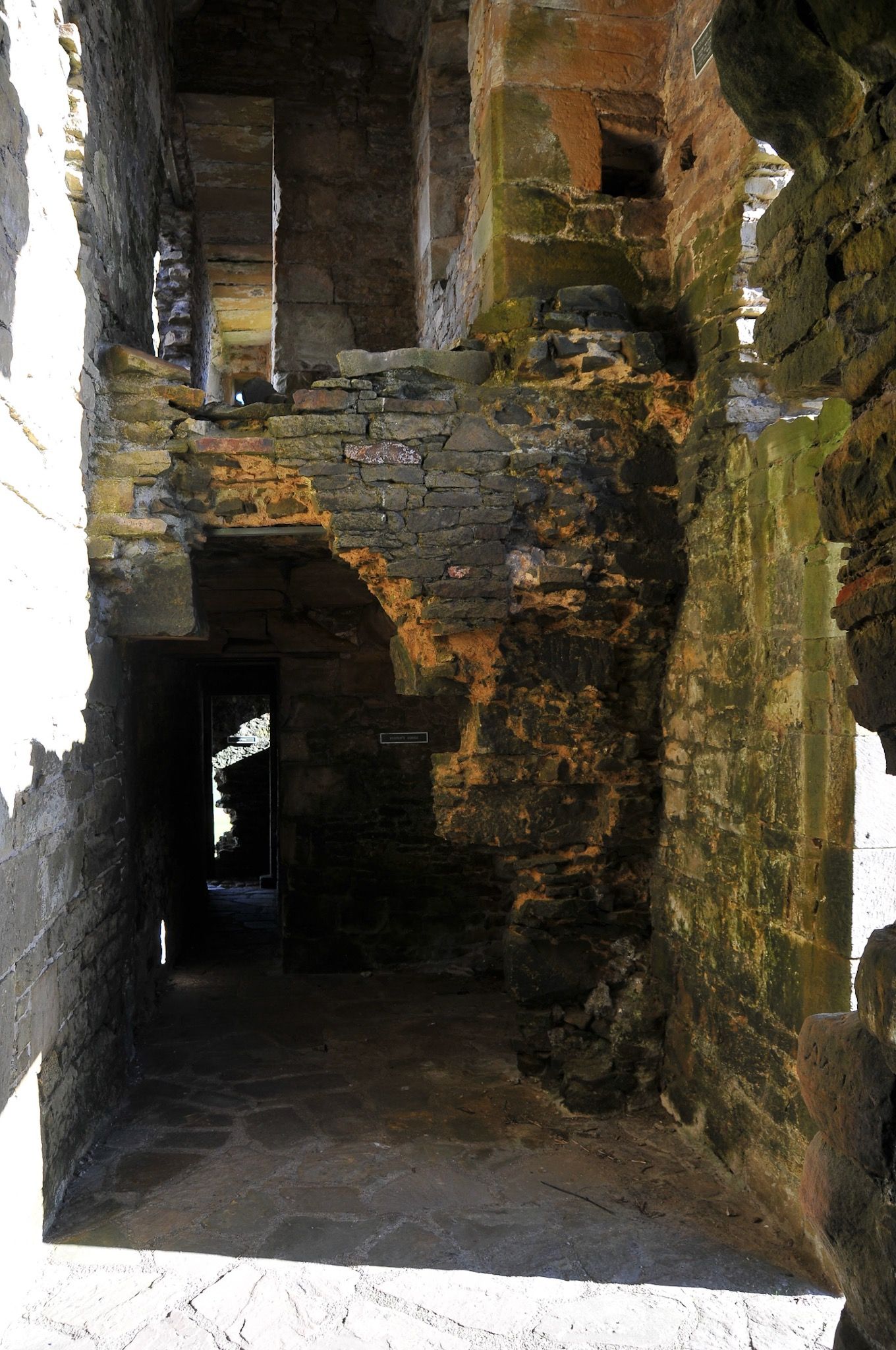
The bailey below contains traces of curtain walls,residential buildings and service areas that once supported life within the castle.
A surrounding ditch and water-filled defences further strengthened the castle’s position.
Together these features provide a remarkable insight into medieval castle design.
Duffus Castle Today
Today Duffus Castle is cared for by Historic Environment Scotland and is open to visitors throughout the year.
The site is free to visit and offers a rare opportunity to explore one of Scotland’s most significant medieval earthwork castles.
Visitors can climb the motte,walk around the ruins and enjoy panoramic views across the Moray landscape.
Its unusual leaning walls and impressive earthworks make it one of the most distinctive castle ruins in northern Scotland.
Conclusion
Duffus Castle is far more than a simple ruin. It represents the story of royal power,noble ambition and medieval engineering across nearly six centuries of Scottish history.
From its beginnings as a timber fortress built by Freskin,to its transformation into a powerful stone castle and its eventual abandonment in 1705,Duffus Castle remains one of the most important and fascinating historic sites in Moray.
Its remarkable earthworks,leaning stone walls and connection to some of Scotland’s greatest noble families ensure that it continues to captivate visitors to this day.
Continue reading in this gallery
Scottish Castles
Castles of Scotland- Balvaird
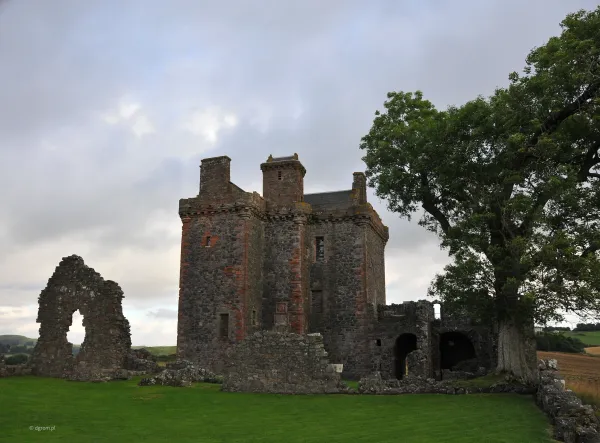
Balvaird Castle is located in central Scotland, near the town of Abernethy. It was built in the 16th century as a residence for Sir Andrew Murray, who was a close friend of Mary, Queen of Scots.
Scottish Castles
Scottish Castles - Dunbar
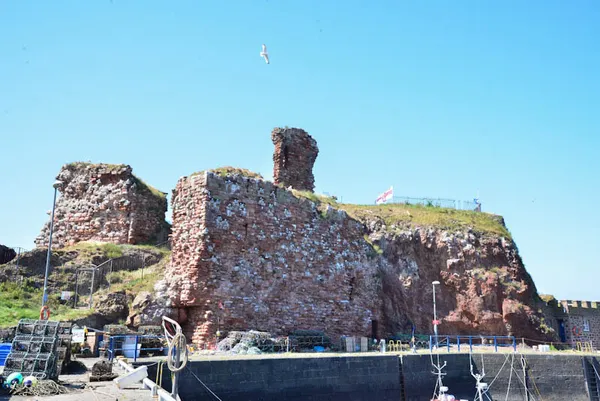
If you stand beside the historic harbour in the town of Dunbar,your eyes are quickly drawn to the broken red ruins rising from the rocks above the North Sea.These jagged remains belong to Dunbar Castle,once one of the strongest and most strategically important fortresses in Scotland.
Scottish Castles
Castles of Scotland - Finlarig
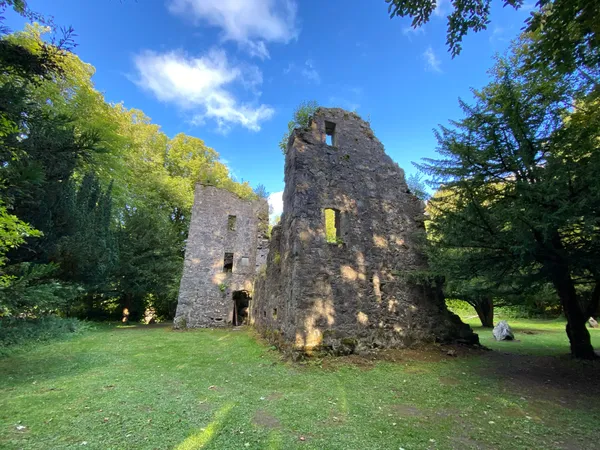
Finlarig Castle is a historic castle located in central Scotland, in the county of Perthshire. The castle belonged to Clan Campbell and was an important administrative and commercial center in the region.
Scottish Castles
Scottish Castles - Craigmillar
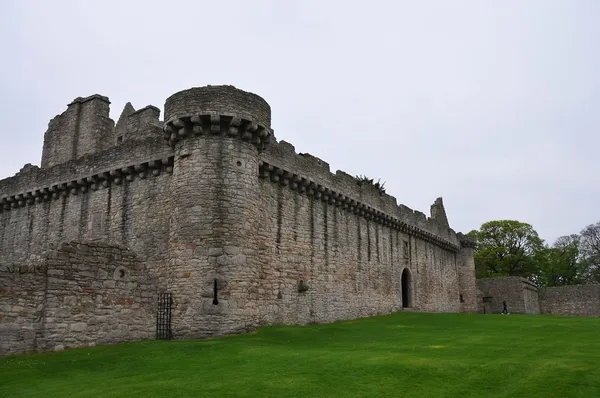
Craigmillar Castle is a ruined medieval castle in Edinburgh, Scotland. It is located about 5 km from the city centre.