
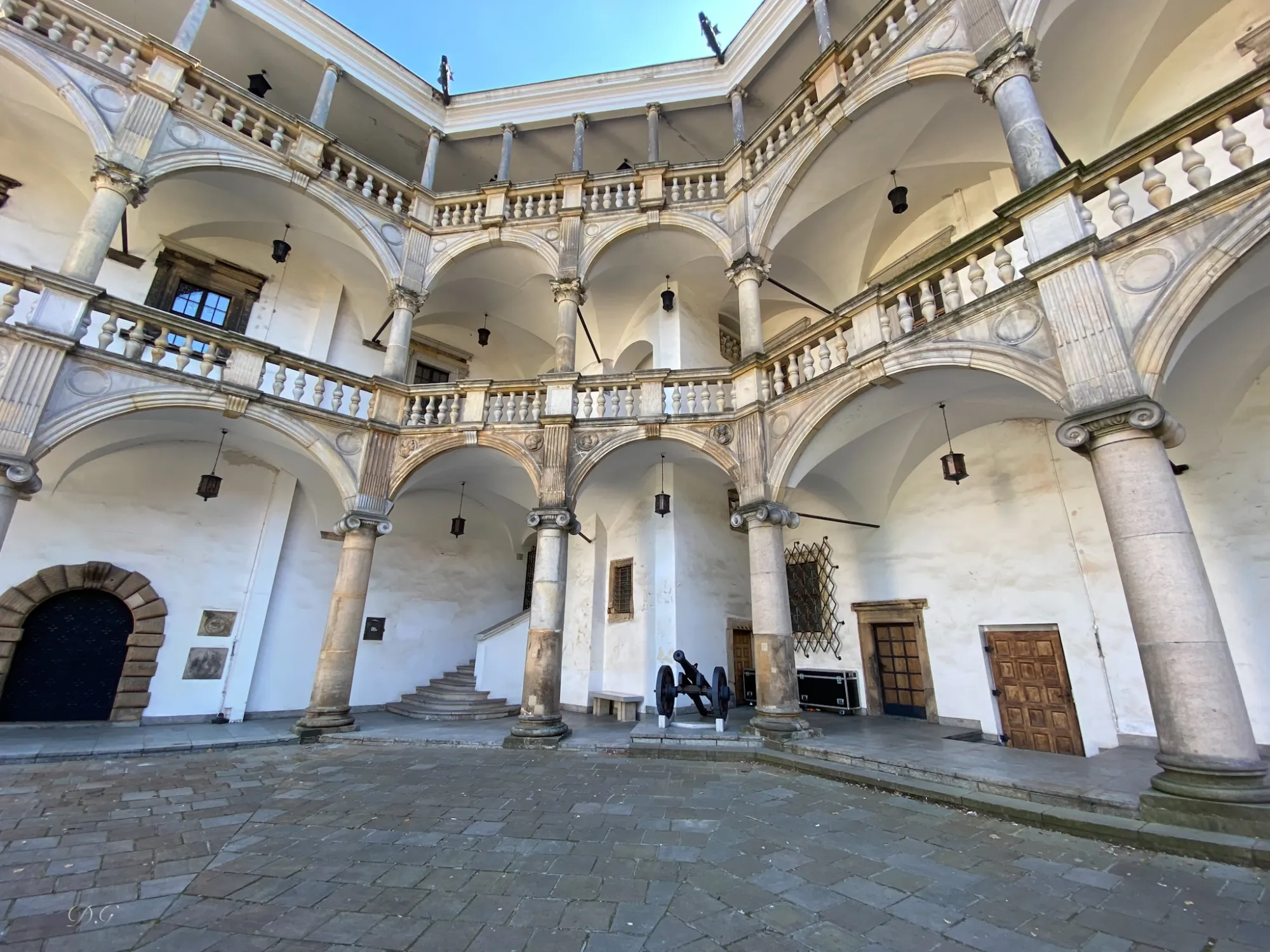
Brzeg Castle
The Castle of the Piasts of Silesia in Brzeg is a castle built in the Middle Ages. The castle was the seat of the Piasts of Silesia and was rebuilt many times over the centuries. Today the castle is partially restored and open to visitors.

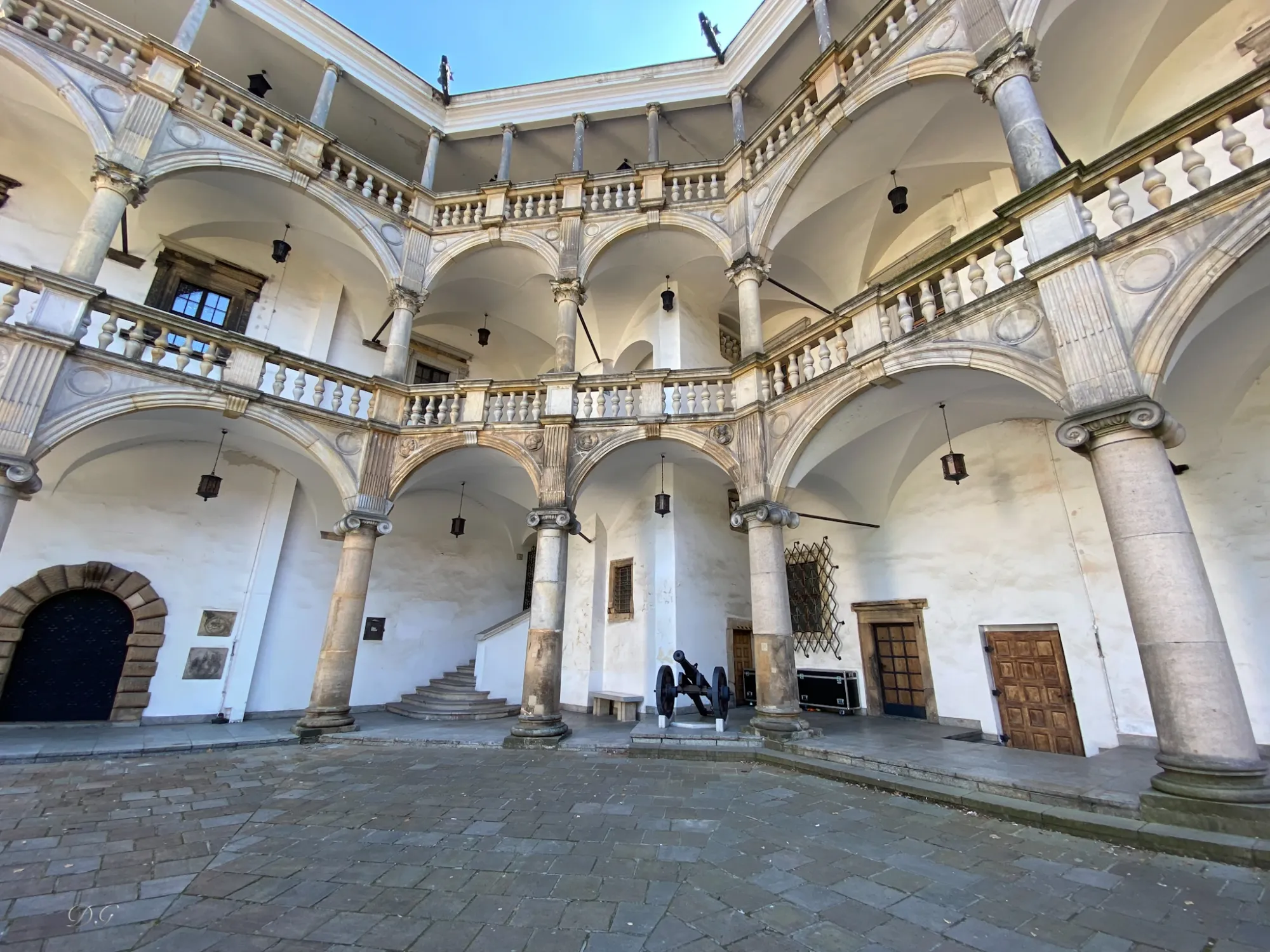
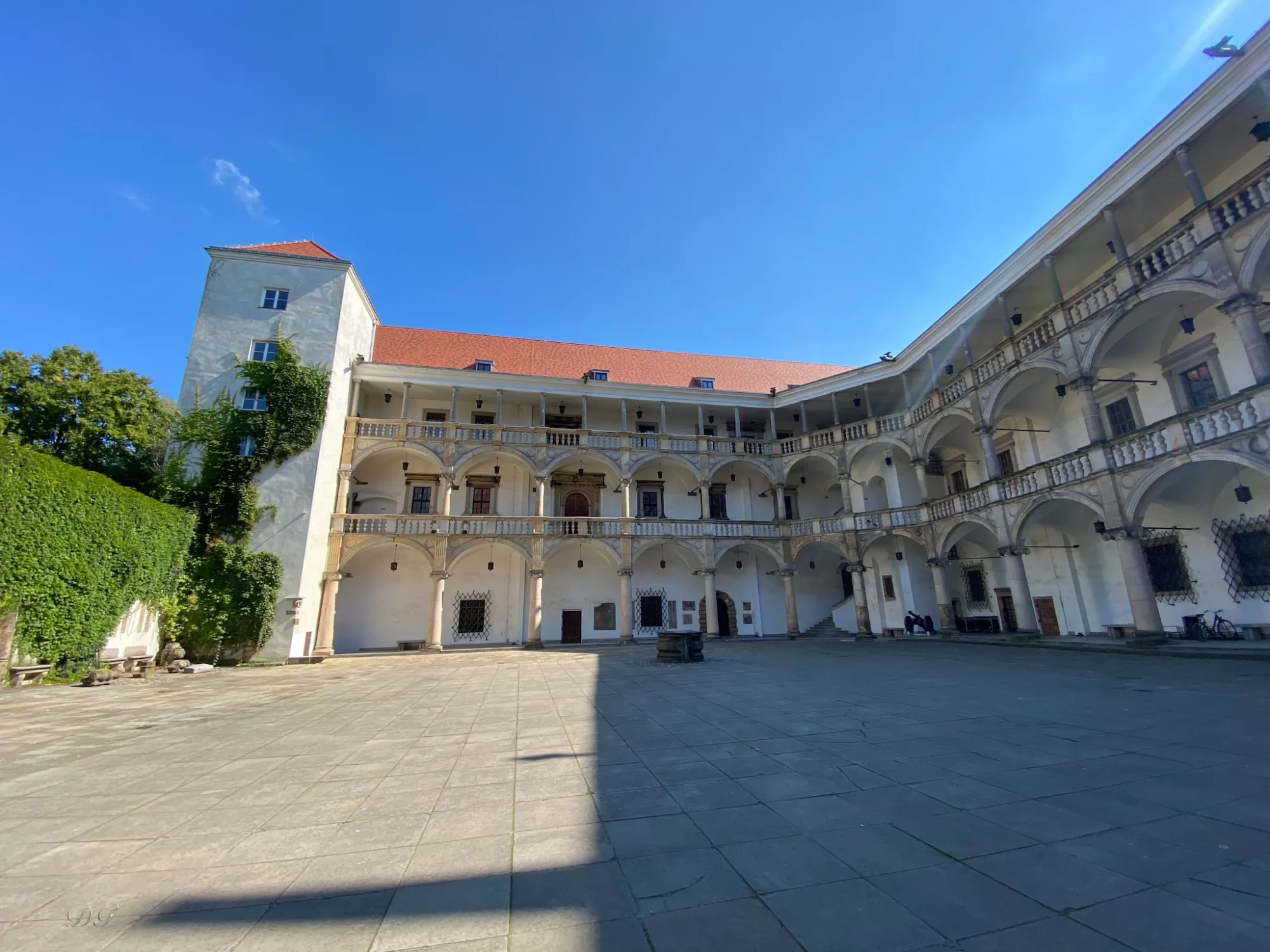
Despite being close to the town, I seldom come to Brzeg. It just wasn’t on my way and I didn’t know if there was anything worth seeing there. I had heard about the castle, so that convinced me to finally go and have a look. The castle was closed, but fortunately the courtyard could at least be seen.
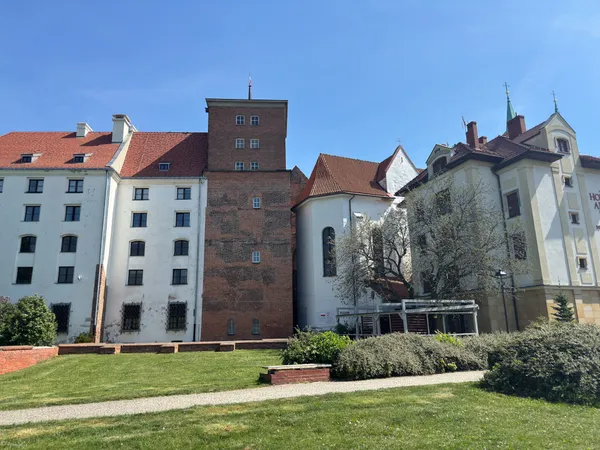
The Castle of the Piasts of Silesia in Brzeg is a true gem of the Opole region, captivating visitors with its history and Renaissance architecture. Located in the heart of the town of Brzeg, on the banks of the Oder, this medieval structure originated in the 13th century, with beginnings dating back to the time of Henry I the Bearded. The first mentions of a defensive site at this location come from 1235, when a wooden manor surrounded by a rampart and moat stood here, serving as the seat of the ducal governor and as a stopover for princes traveling from Wrocław. With the creation of the Duchy of Brzeg in 1311, the castle gained importance, becoming the official residence of the Silesian Piasts of the Legnica–Brzeg line.
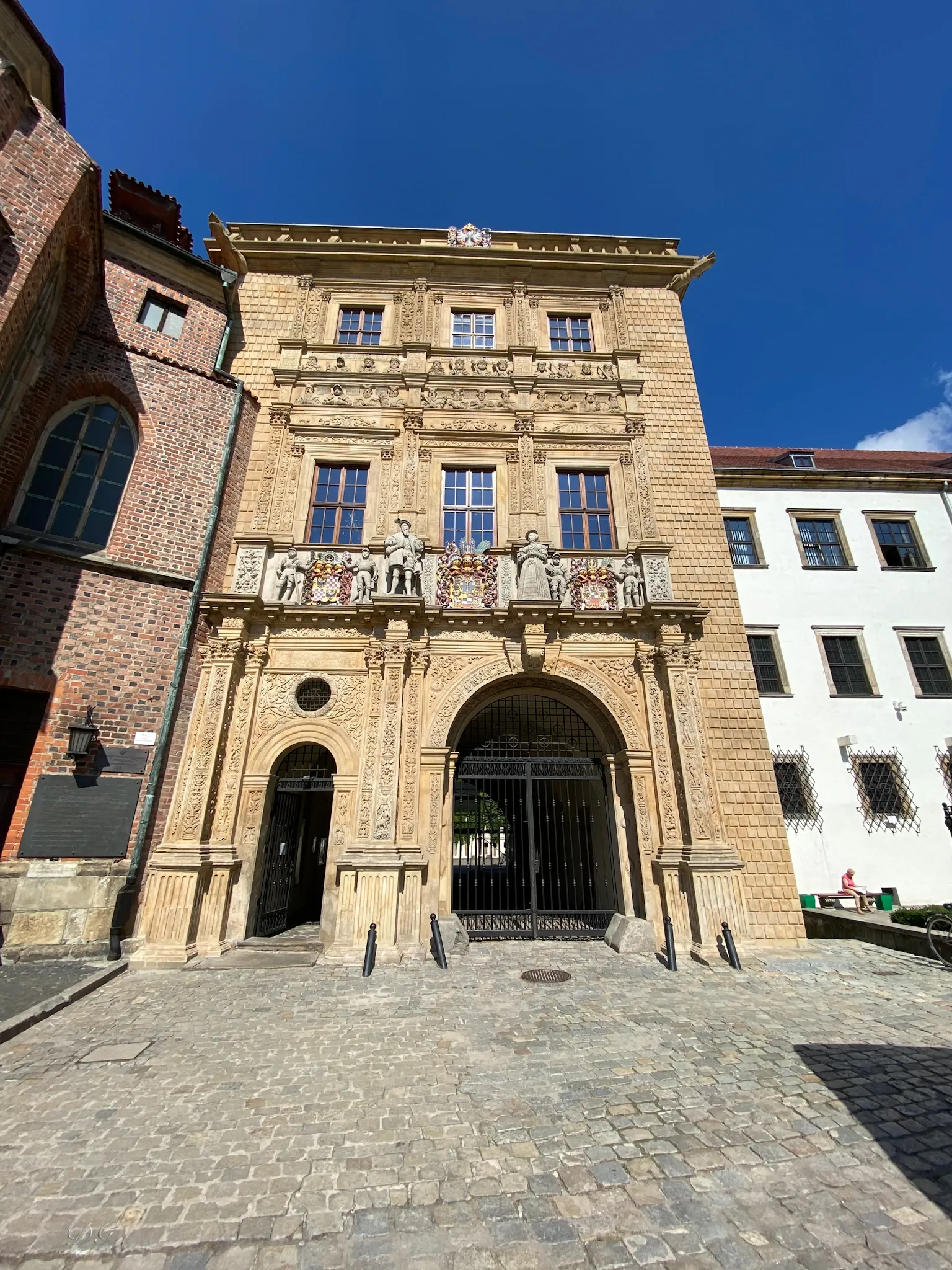
In the 14th century, during the reign of Duke Louis I, the castle underwent its first significant expansion. It was then that the masonry, quadrangular Tower of Lions was erected, named for the stone lions that adorn its top — the lower part of this structure survives to this day as the oldest element of the building. Subsequent centuries brought further changes, but the castle’s real heyday came in the 16th century under Frederick II and his son George II. It was George II, a patron of the arts and admirer of the Renaissance, who initiated the transformation of the Gothic fortress into an impressive residence inspired by Kraków’s Wawel — hence the nickname “Silesian Wawel”. Between 1554 and 1560 the famous Gate of Honor was created, decorated with sculptures of Polish rulers and the Silesian Piasts, including statues of George II and his wife Barbara of Hohenzollern, as well as family coats of arms. The work was overseen by Italian architects Jakub and Franciszek Parr, who gave the building a distinctive Italian character, visible for example in the arcaded cloisters surrounding the courtyard.
The castle witnessed both moments of glory and decline. In 1675 George William IV, the last male descendant of the Silesian Piasts, died here, ending the dynasty and beginning a period of neglect. After coming under Habsburg rule, and later Prussian rule, the castle lost its ducal function. In 1741, during the First Silesian War, it was seriously damaged by Prussian bombardment and subsequently fell into ruin — it was used as a warehouse, a tavern, and even as barracks. Only after World War II, when Brzeg became part of Poland, were reconstruction efforts undertaken. Work begun in 1966 lasted almost 30 years, restoring the building’s former glory.
Today the castle houses the Museum of the Piasts of Silesia, which presents the region’s and dynasty’s rich history. Among the exhibits, the collection of portraits of the Piast dukes and the sarcophagi in St. Hedwig’s Chapel stand out; this chapel is the largest necropolis of the dynasty — at least 43 of its members lie here. The Renaissance gate, the cloisters and the restored interiors attract tourists, and since 2018 the castle has held the status of a Historic Monument, underlining its exceptional significance. A walk along its walls is a journey through the centuries — from a medieval stronghold to a Renaissance residence that still tells the story of Silesia and its former rulers.
Castle of the Piasts of Silesia.
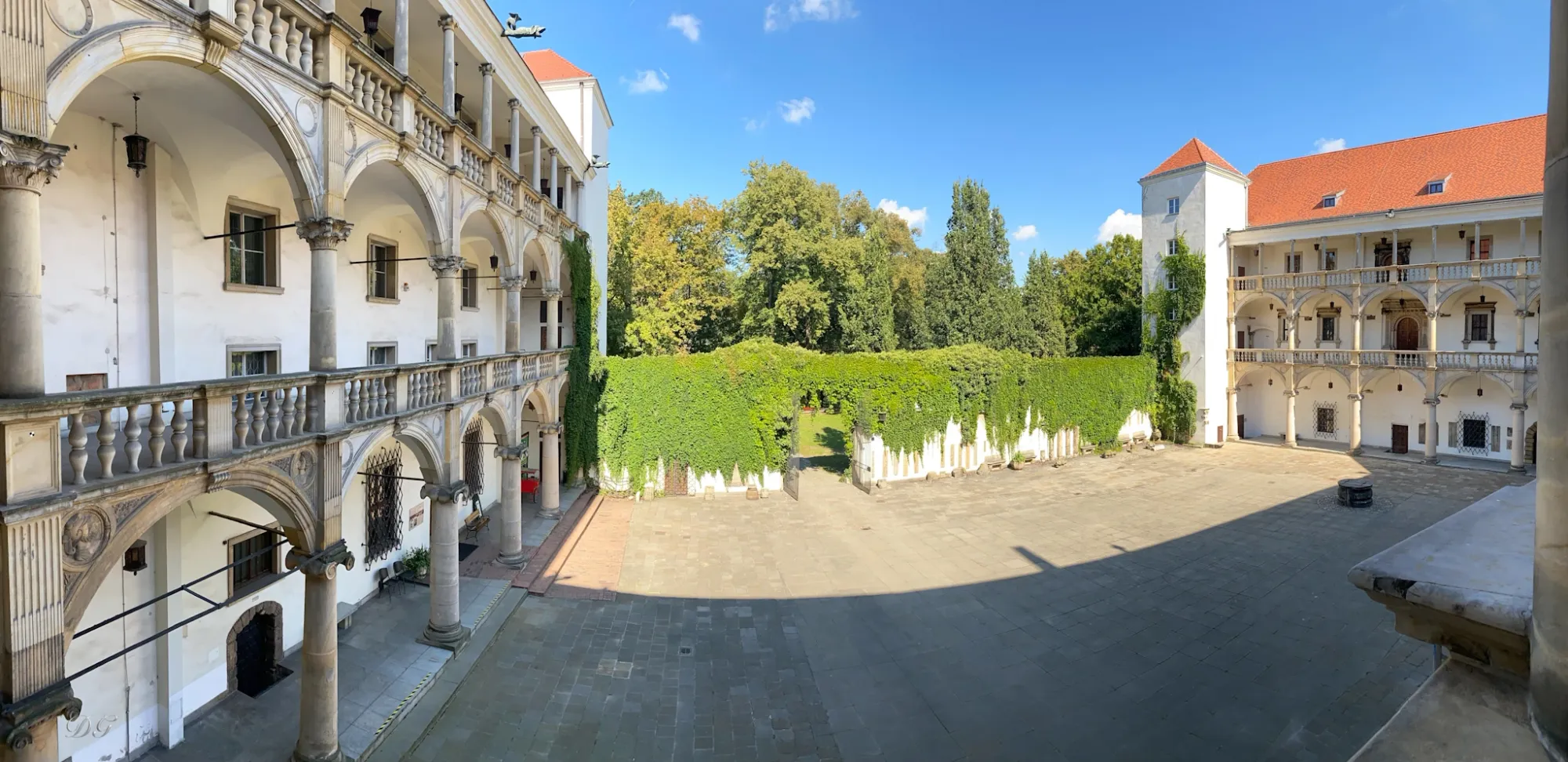
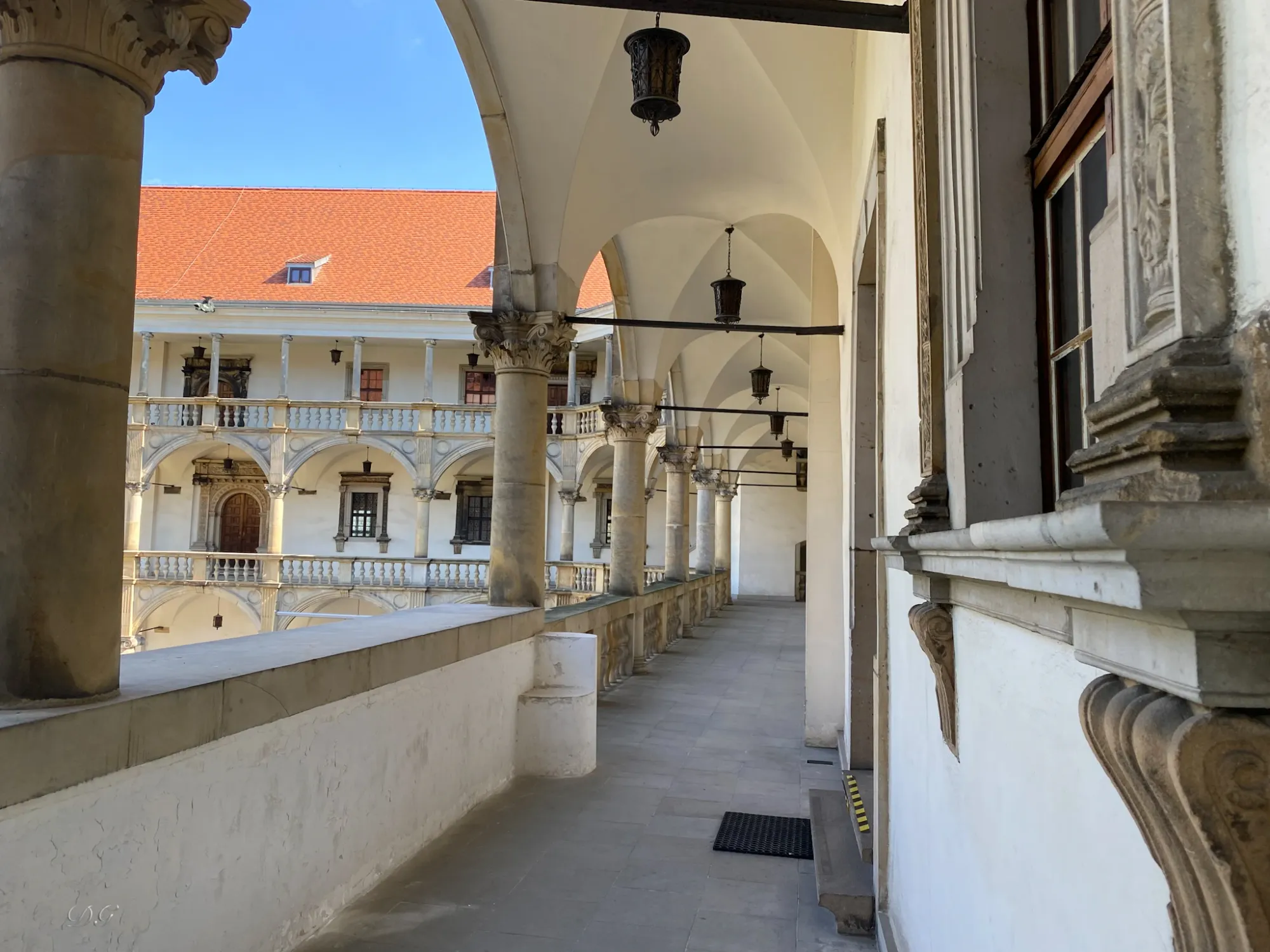
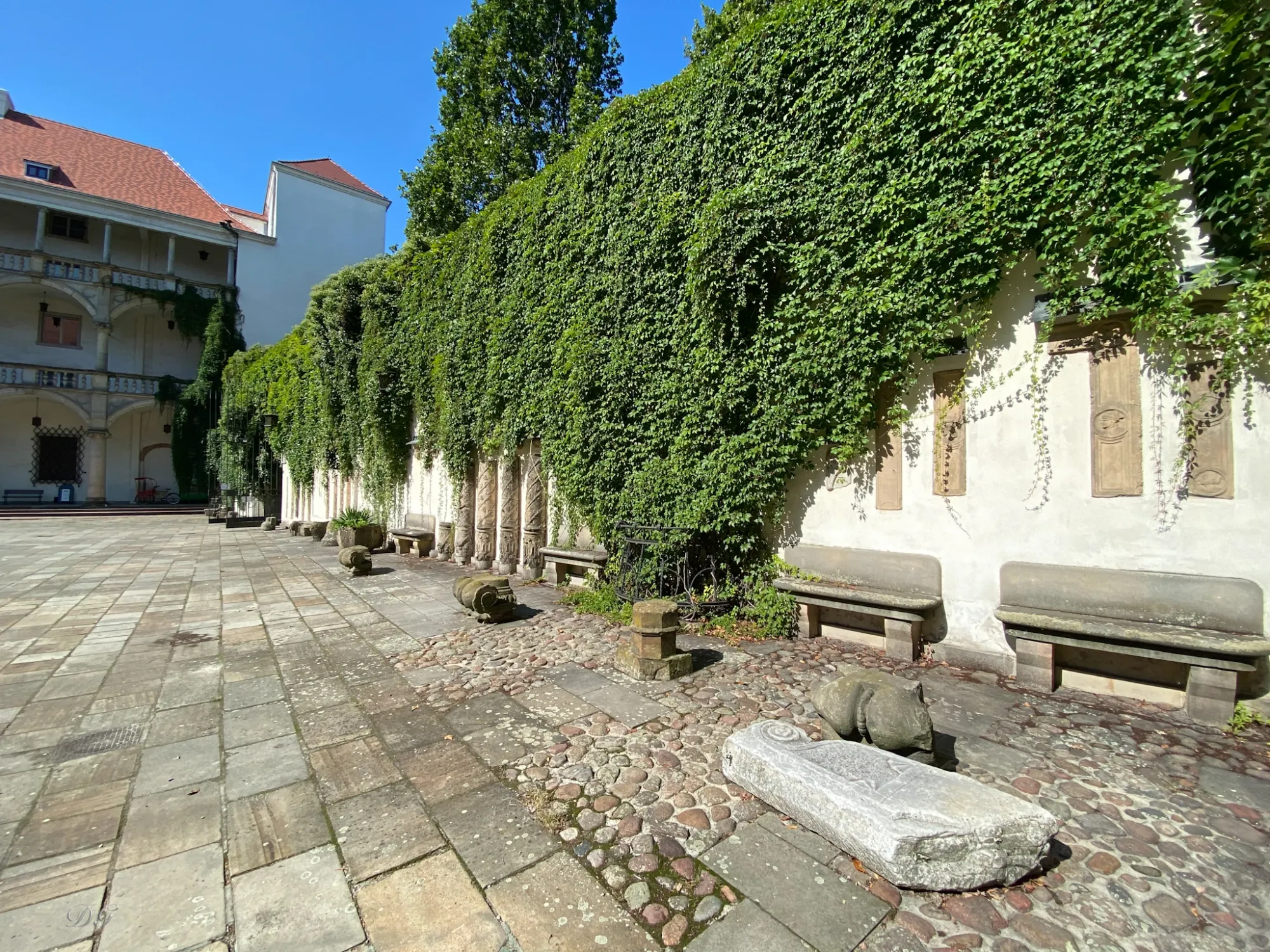
Continue reading in this gallery

Poland
Gdańsk After All These Years
It is hard to believe that so much time has passed since our last visit.We have always had good memories of Gdańsk,but this time we were especially curious to see how much the city had changed over all those years.
Poland
The Piasts' Castle of Silesia.
Brzeg Castle, often called the "Silesian Wawel", is a true gem of Renaissance architecture. From the very first moments it enchants with its majestic form and beautiful details. Our guide, with great passion, introduced us to the world of the Silesian Piasts.
Poland
Home
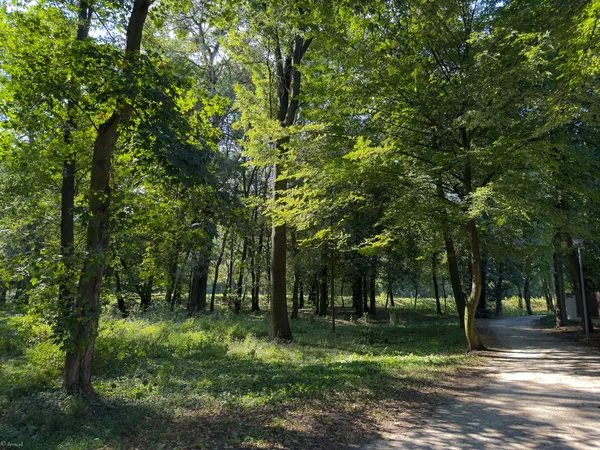
Each of these places holds many memories for me. I always look back on those moments with fondness, when I played there carefree as a child. Today, walking the same paths, I can see how time has changed the landscape – both in nature and in my own feelings.

Poland
Automotive Museum in Oława
Recently I had the opportunity to visit one of the most interesting places in Oława – the Automotive Museum. It's a place that will surely interest not only automotive enthusiasts, but also anyone who appreciates the history and development of transport technology.