
Castles of Scotland - Hailes
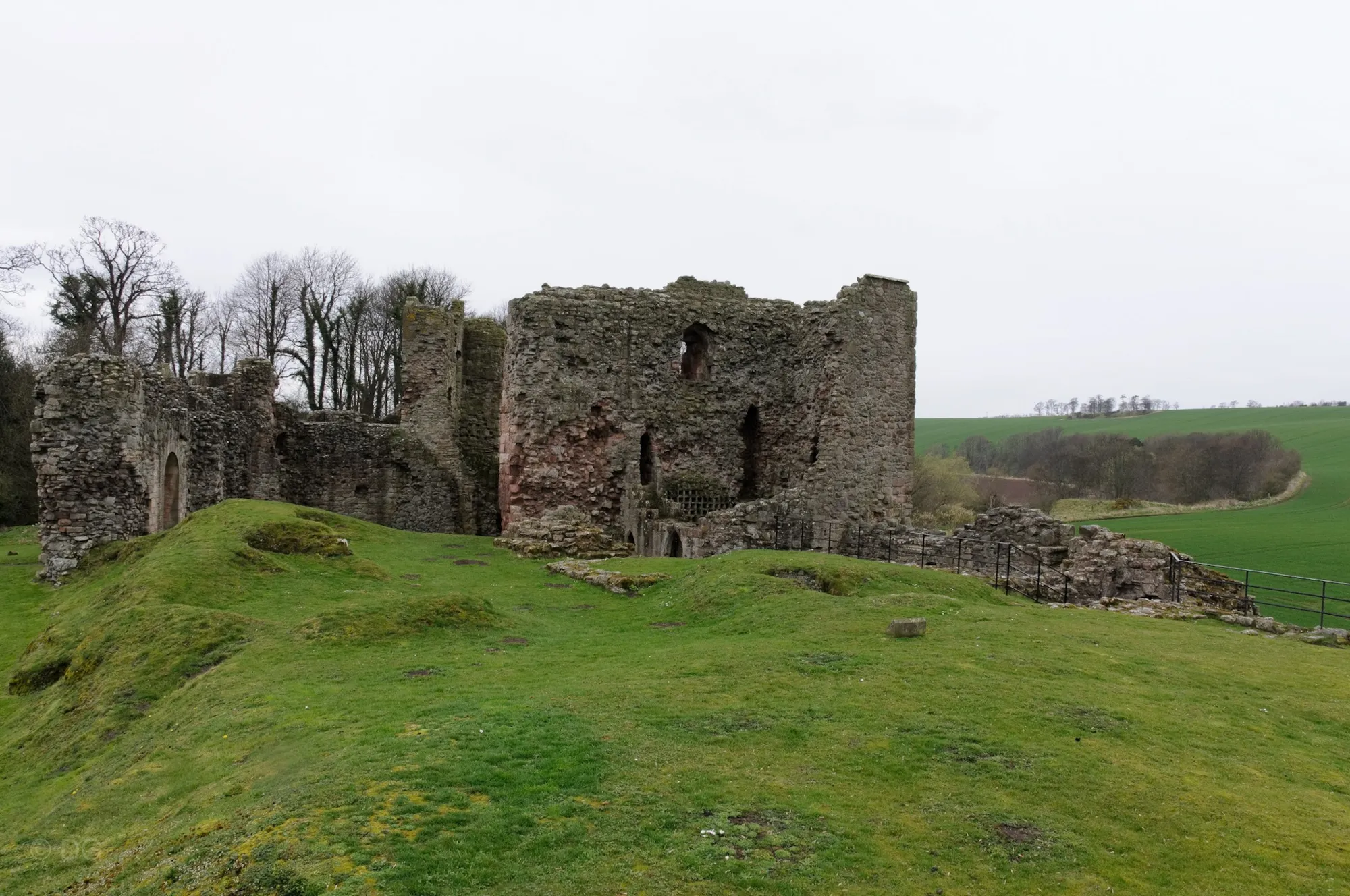
Castles of Scotland-Hailes Castle.Hailes Castle is a historic castle located in East Lothian, in southeastern Scotland. The castle was built in the 15th century and served as the seat of the Hepburn family.

Castles of Scotland – Hailes Castle
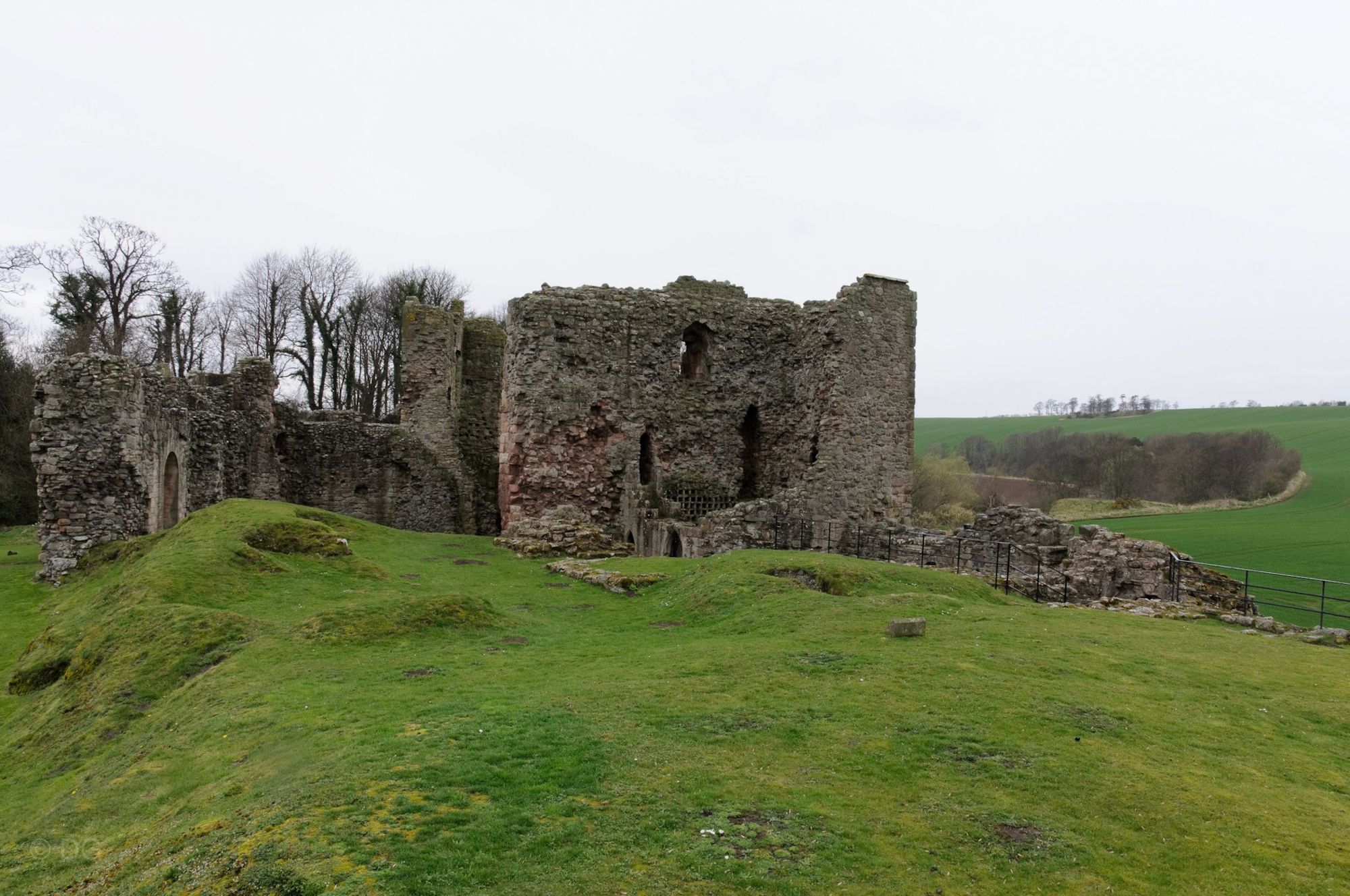
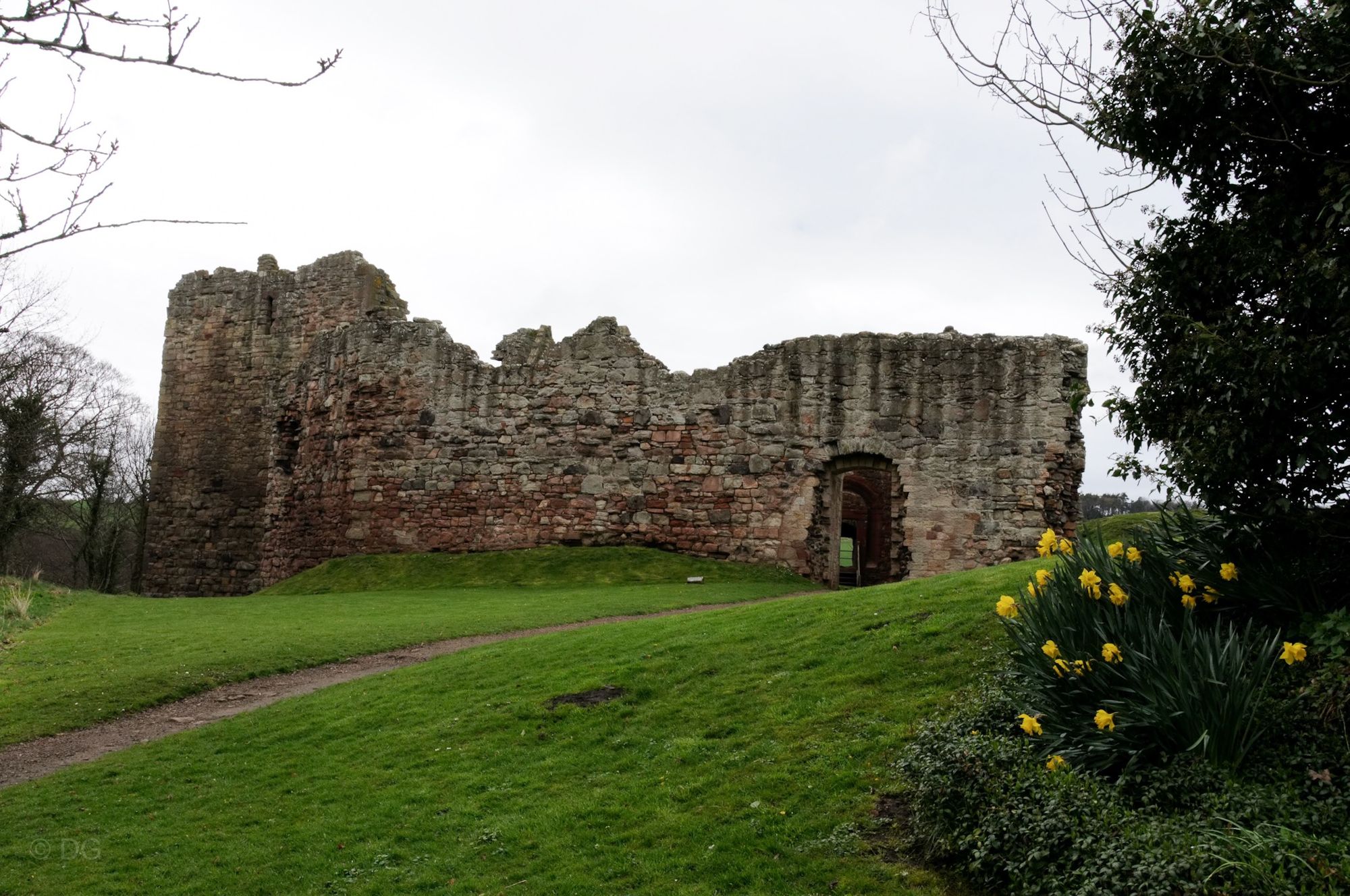
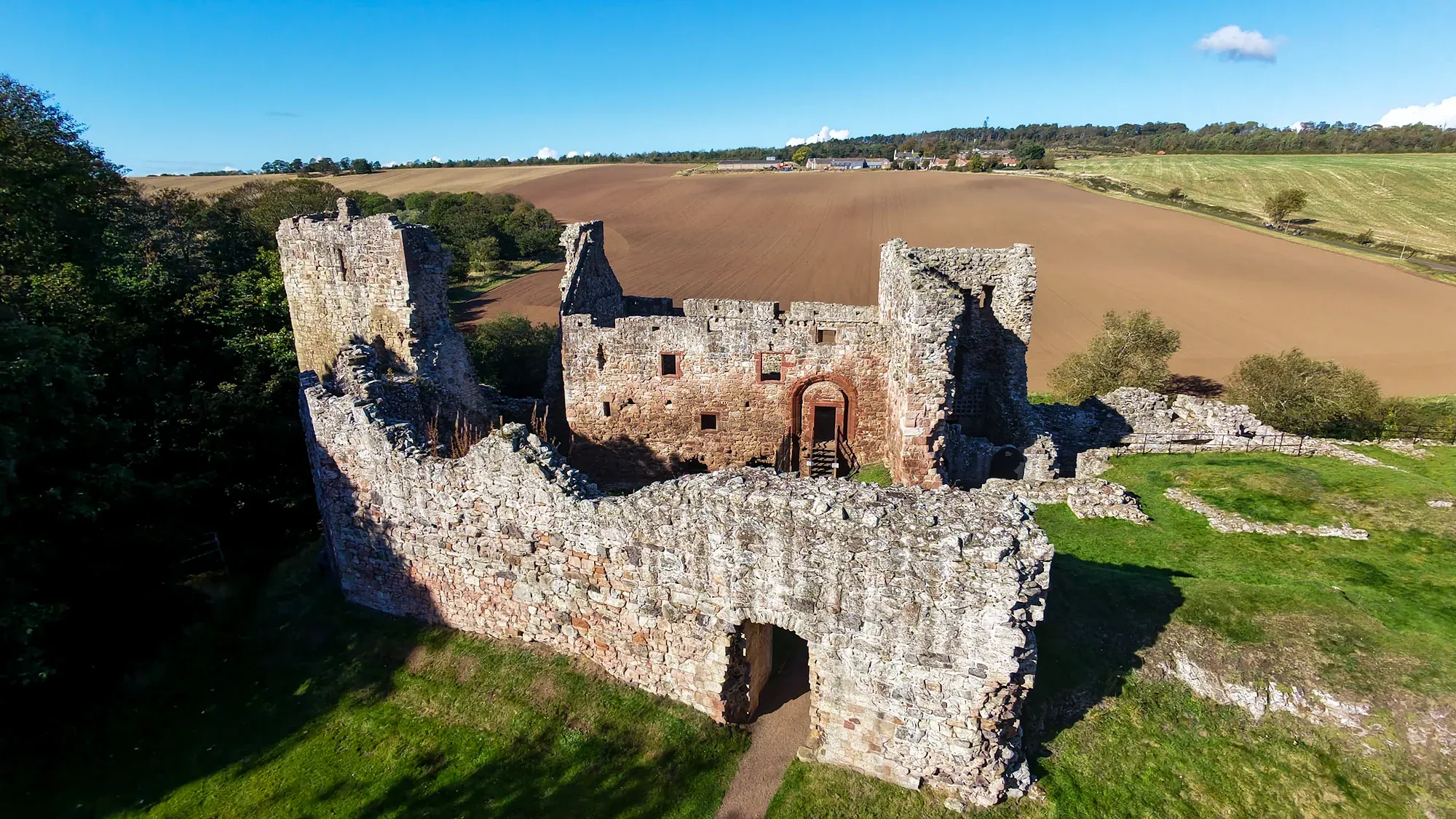
Hidden within the peaceful valley of the River Tyne near East Linton,Hailes Castle is one of the oldest surviving stone castles in Scotland.Although less monumental than some of the country’s better-known fortresses,its secluded riverside setting,ancient masonry and connections with major figures in Scottish history make it one of East Lothian’s most fascinating medieval ruins.
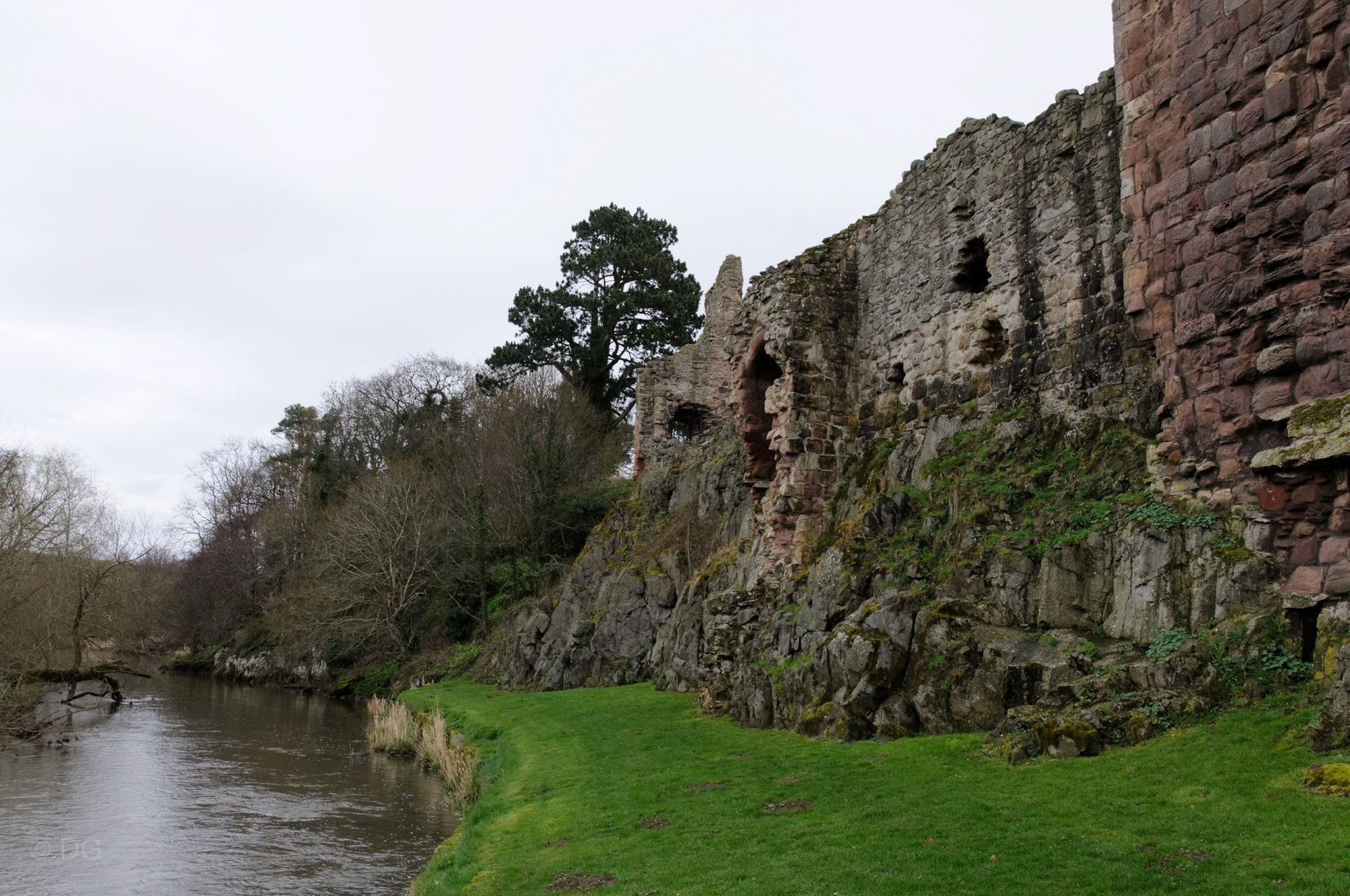
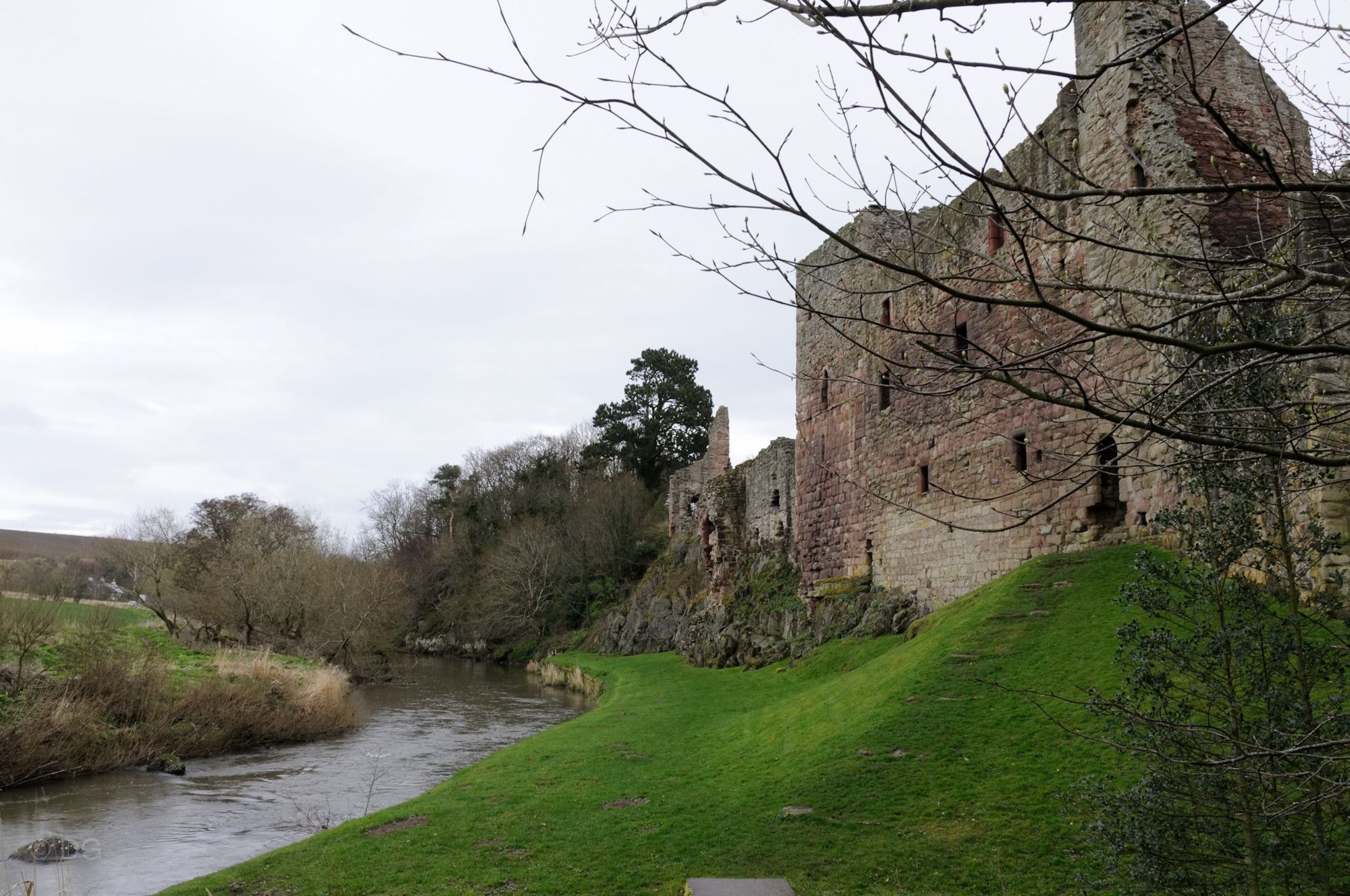
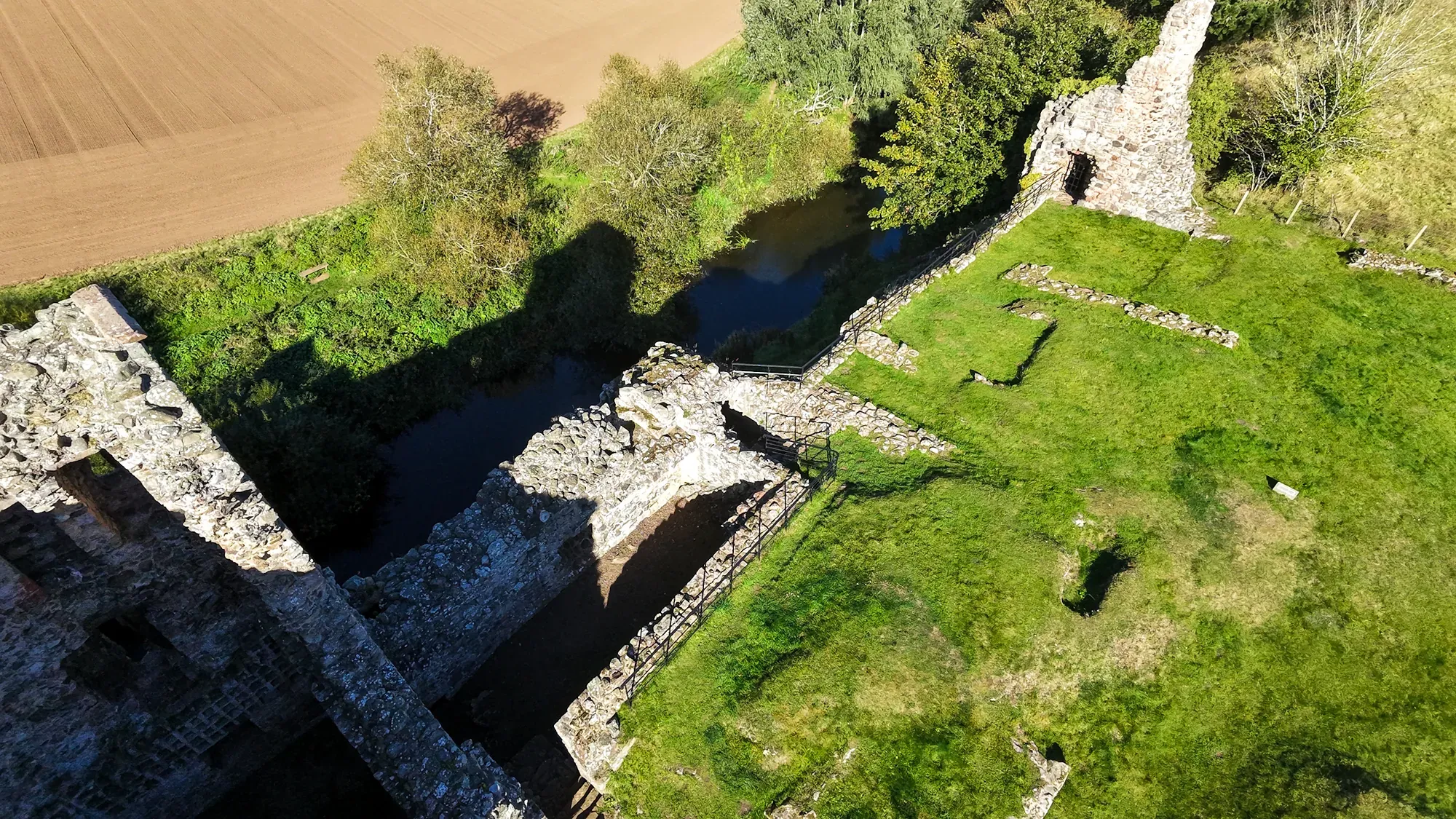
The castle stands approximately one and a half miles south-west of East Linton.Its remains occupy a naturally defensible position beside the river,with steep ground and water protecting parts of the site.
The Origins of Hailes Castle
The earliest parts of Hailes Castle date from the early 13th century.The original stronghold was probably constructed by the de Gourlay family,who were important landowners in medieval East Lothian.
This first castle was considerably smaller than the extensive ruin visible today.It appears to have consisted of a fortified stone residence protected by a curtain wall.
Because stone castles were still comparatively uncommon in Scotland at that time,Hailes is regarded as one of the country’s earliest surviving examples of medieval stone fortification.
The castle was not constructed during the 15th century,as is sometimes incorrectly claimed.By that period,Hailes had already existed for approximately two hundred years.
The Wars of Scottish Independence
Hailes Castle was involved in the turbulent period of the Wars of Scottish Independence.
The de Gourlay family supported the English crown during the conflict.As a result,their Scottish lands were eventually forfeited.After the decline of the Gourlays,the castle passed through other hands before becoming associated with the Hepburn family.
Its position in East Lothian placed it within a region frequently affected by military campaigns,raids and political struggles between Scotland and England.
The Hepburn Family
The Hepburn family acquired Hailes during the 14th century and remained connected with the castle for more than two hundred years.Under their ownership,the original fortified residence was greatly expanded.
New towers,domestic buildings and defensive walls were added during the 14th and 15th centuries.These developments transformed Hailes from a relatively modest stone stronghold into a substantial noble residence.
The Hepburns became one of the most powerful aristocratic families in southern Scotland.They later received the title of Earl of Bothwell,and Hailes Castle became one of the principal strongholds associated with their estates.
There is no reliable evidence that the castle passed into the permanent ownership of the Sinclair family during the 16th century.The statement that the Sinclairs transformed Hailes into an important cultural centre regularly visited by poets and artists also appears to be unsupported.
James Hepburn,Earl of Bothwell
The most famous person connected with Hailes Castle was James Hepburn,4th Earl of Bothwell.He was probably born at the castle around 1535.
Bothwell became one of the most controversial figures in the history of 16th-century Scotland.He was a powerful nobleman,an experienced military commander and a close political associate of Mary,Queen of Scots.
He was accused of involvement in the murder of Mary’s second husband,Henry Stuart,Lord Darnley,who died following an explosion at Kirk o’ Field in Edinburgh in February 1567.
Although Bothwell was tried and acquitted,the proceedings were widely regarded as politically influenced.
Mary,Queen of Scots at Hailes
Hailes Castle is closely associated with one of the most dramatic episodes in the life of Mary,Queen of Scots.
In April 1567,Bothwell intercepted Mary near Edinburgh and took her towards Dunbar.The precise circumstances remain disputed.Some accounts describe the event as an abduction,while others suggest that Mary may have cooperated with Bothwell.
During the journey,Mary and Bothwell stopped at Hailes Castle.
They married at Holyroodhouse in Edinburgh on 15 May 1567.The marriage was deeply unpopular and contributed to a rebellion among the Scottish nobility.
Following Mary’s defeat at the Battle of Carberry Hill in June 1567,Bothwell fled Scotland.He eventually reached Denmark,where he was imprisoned and died in 1578.
The downfall of Bothwell effectively ended the Hepburn family’s long association with Hailes Castle.
Attacks on the Castle
Hailes Castle experienced several episodes of conflict during its history.
English troops attacked or occupied the castle on more than one occasion during the late medieval and early modern periods.In 1548,during the conflict known as the Rough Wooing,English forces occupied Hailes.
The Rough Wooing was part of an attempt by England to force a marriage between the young Mary,Queen of Scots,and Prince Edward,the son of Henry VIII.
The castle was later recovered by Scottish and French forces.
However,the claim that Hailes was besieged numerous times and systematically destroyed by government troops during the 17th-century civil wars is misleading.
The decisive event came during Oliver Cromwell’s invasion of Scotland in 1650.Cromwell’s forces damaged the castle,and its role as an effective military stronghold came to an end.
Decline and Abandonment
After the events of 1650,Hailes Castle was no longer maintained as an important fortified residence.
Changes in warfare,politics and aristocratic lifestyles made medieval castles increasingly unsuitable as comfortable homes.The owners of large estates preferred modern houses that provided better living conditions and required less maintenance.
Hailes gradually fell into ruin during the following centuries.Stone may also have been removed for use in other local buildings,a fate experienced by many abandoned Scottish castles.
Despite this decline,significant sections of the medieval structure survived.
Architecture of Hailes Castle
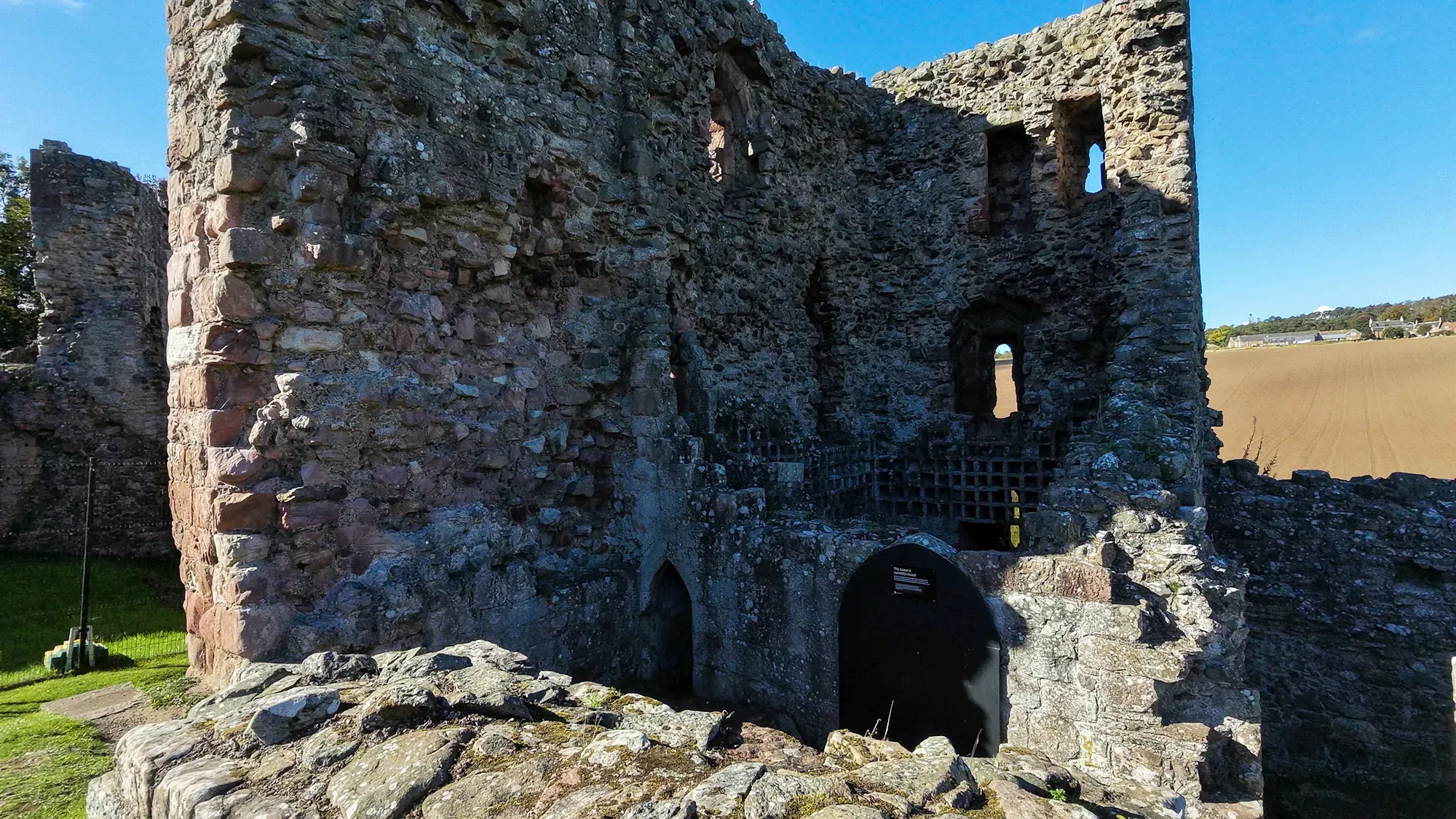
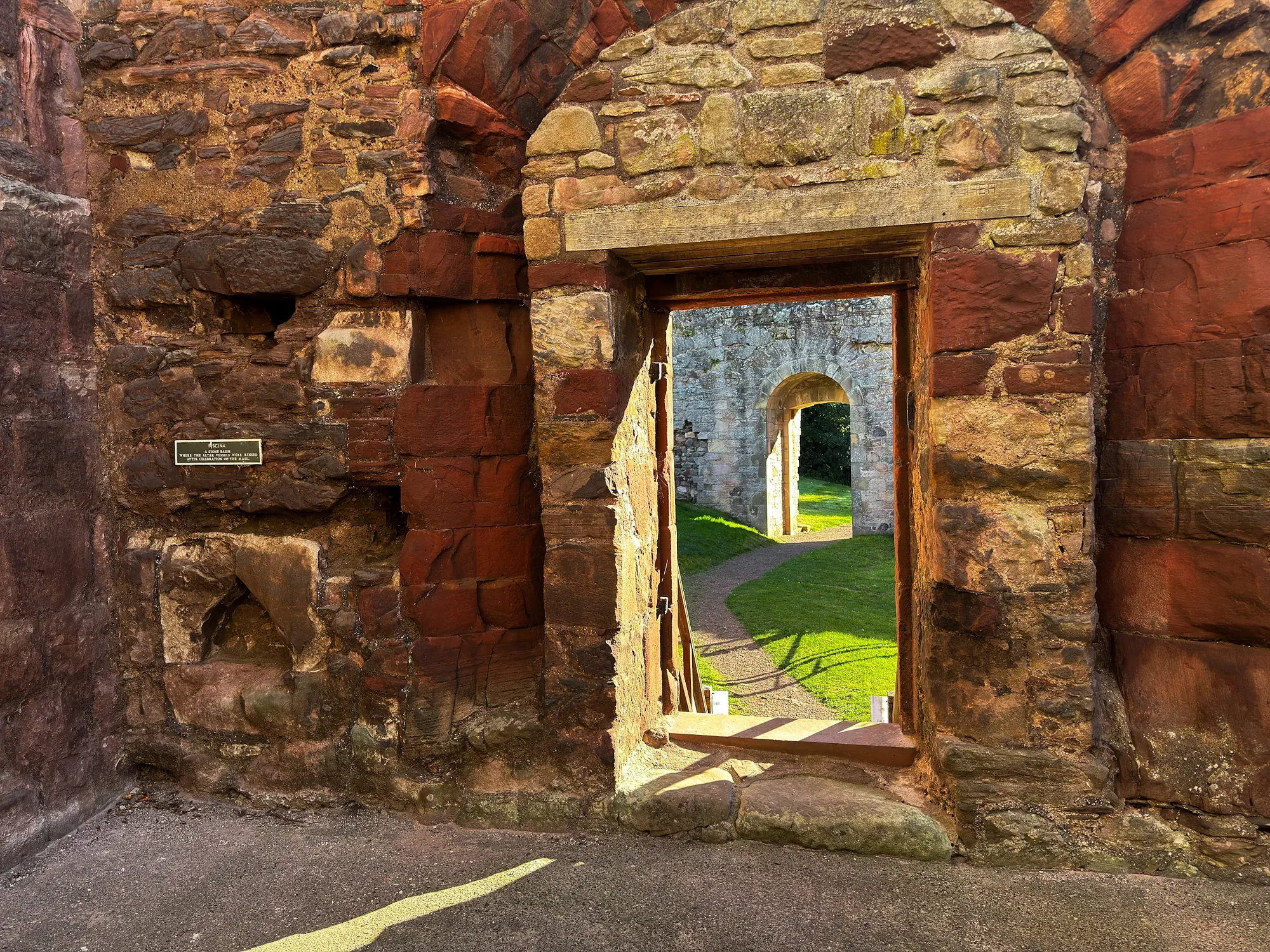
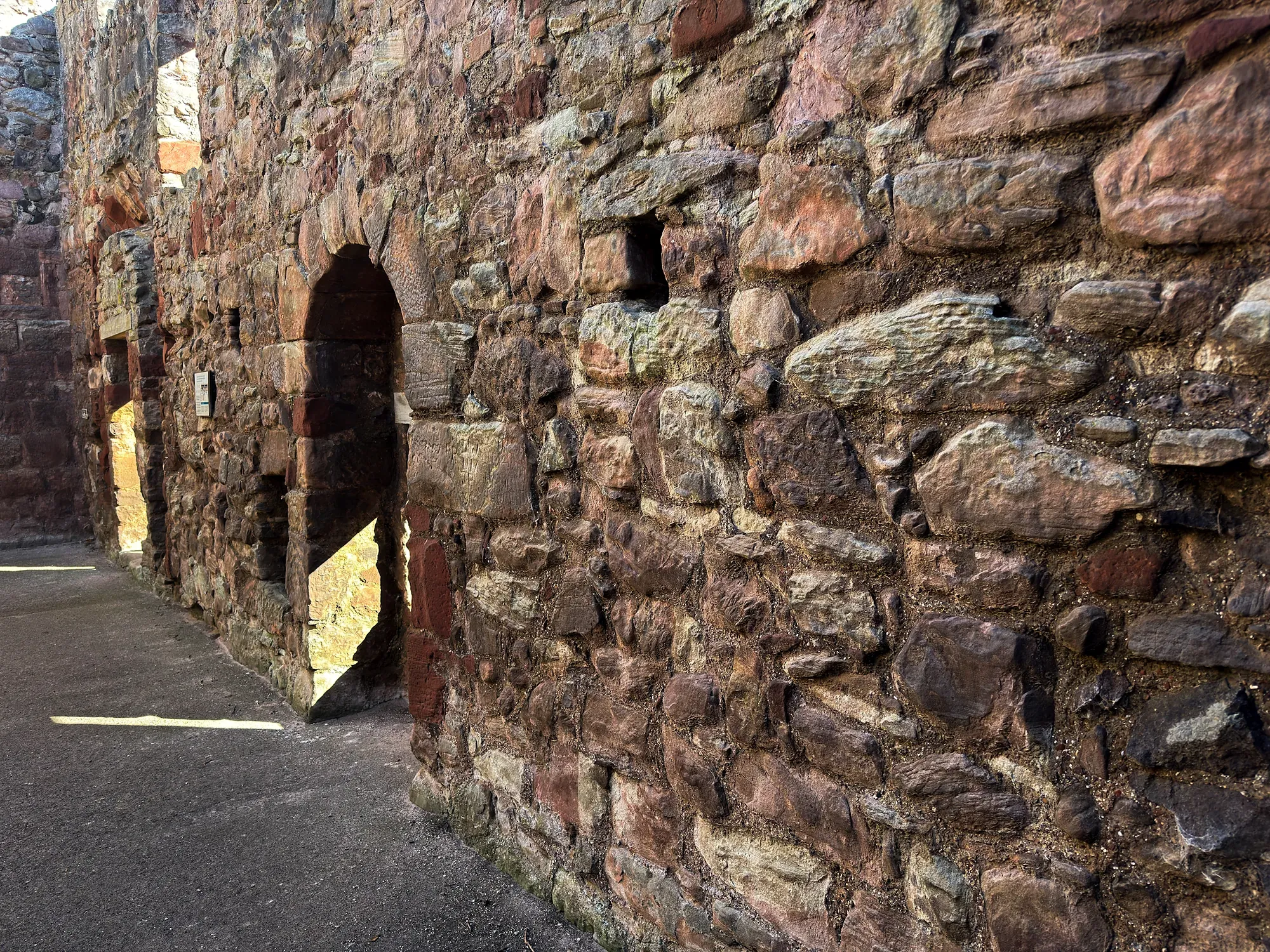
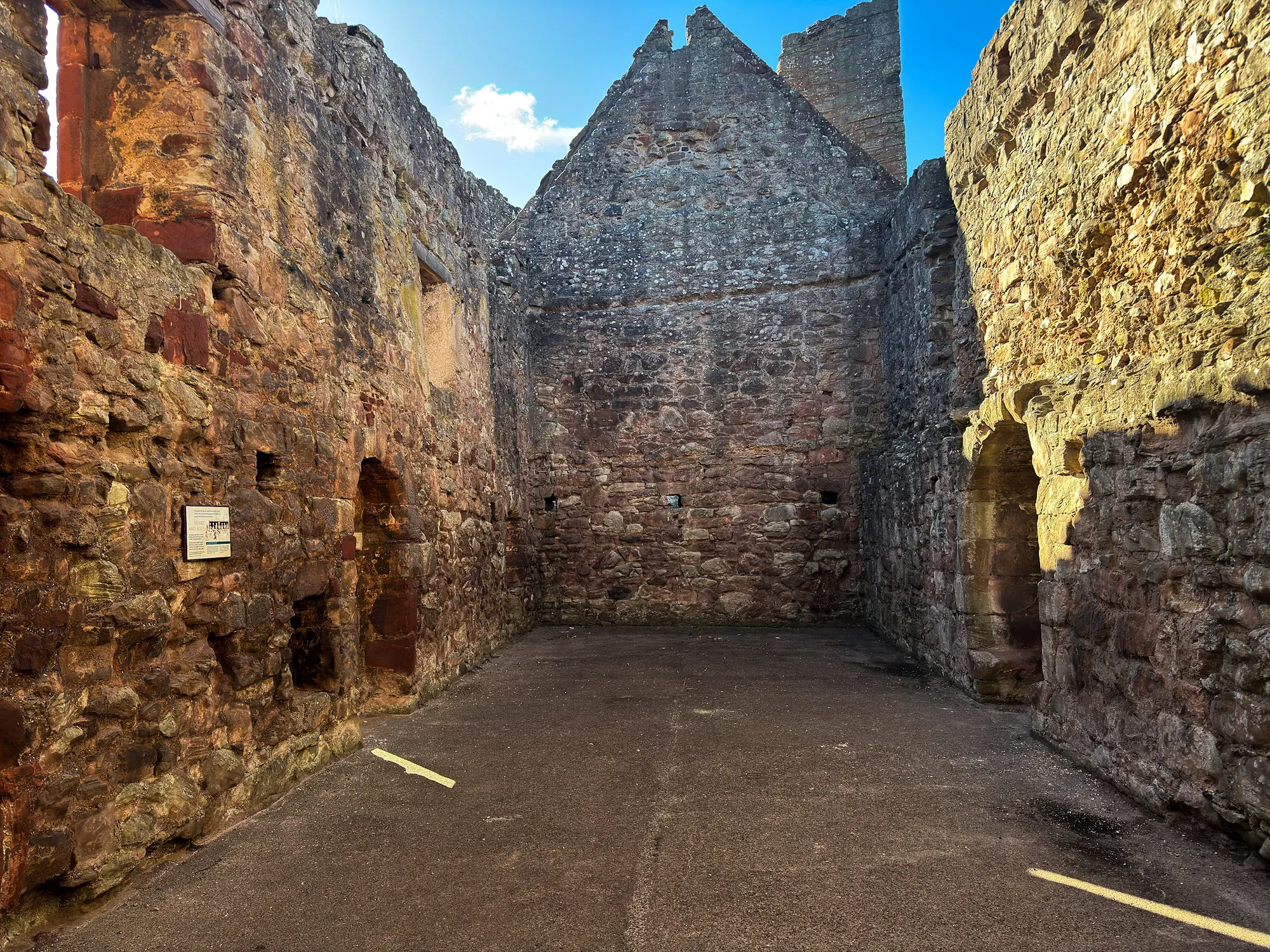
The remains of Hailes Castle represent several different phases of construction.
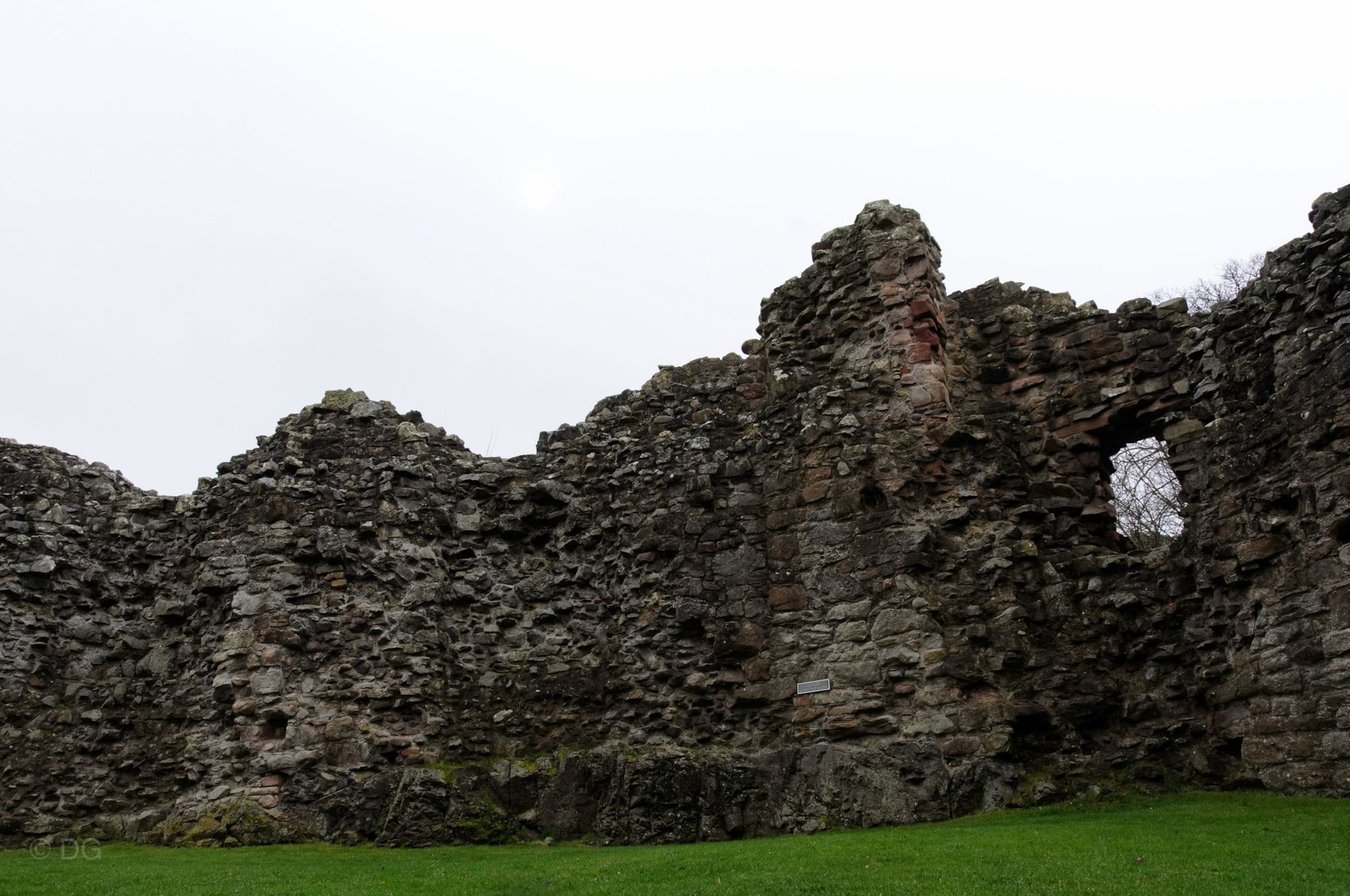
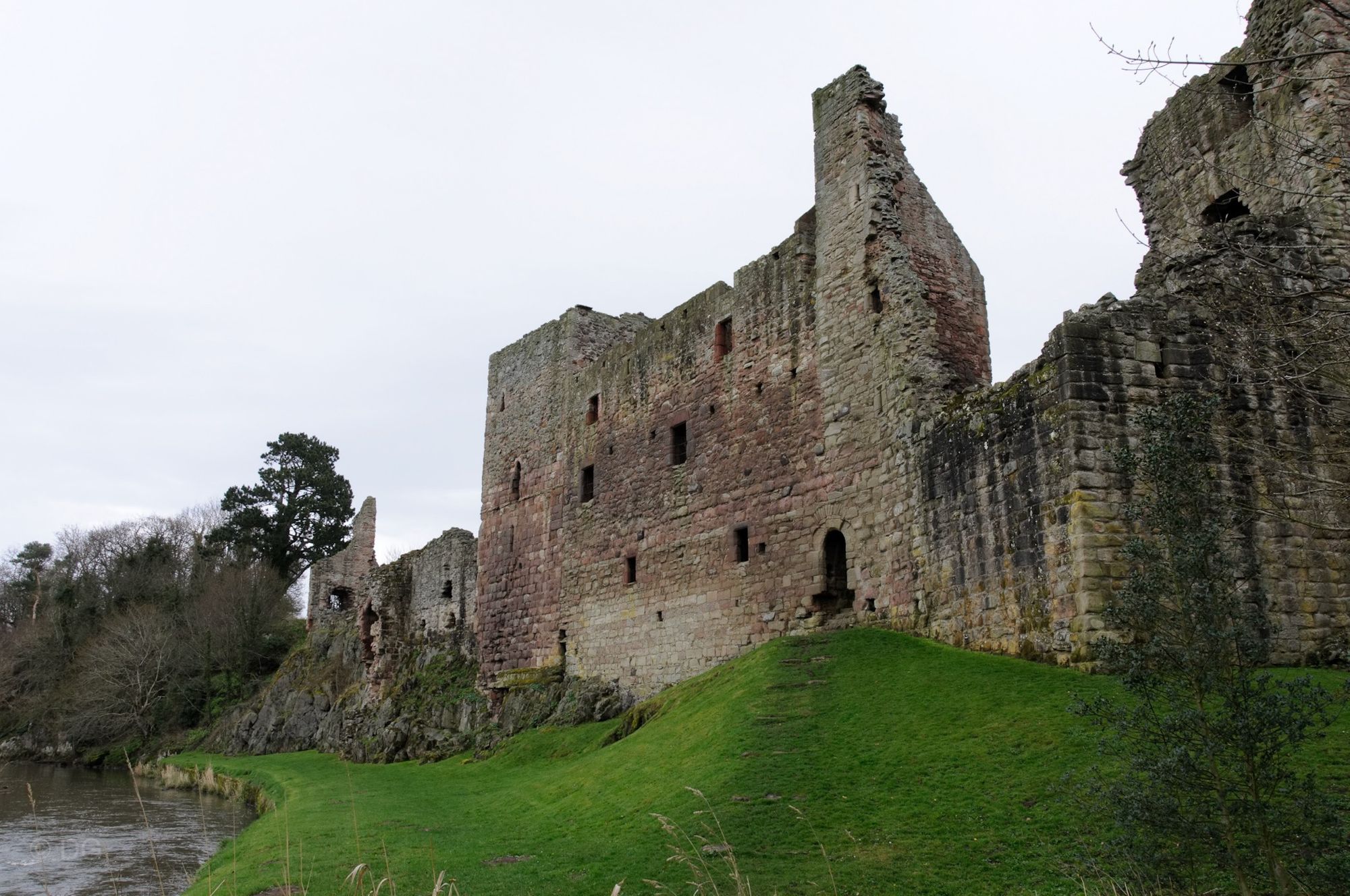
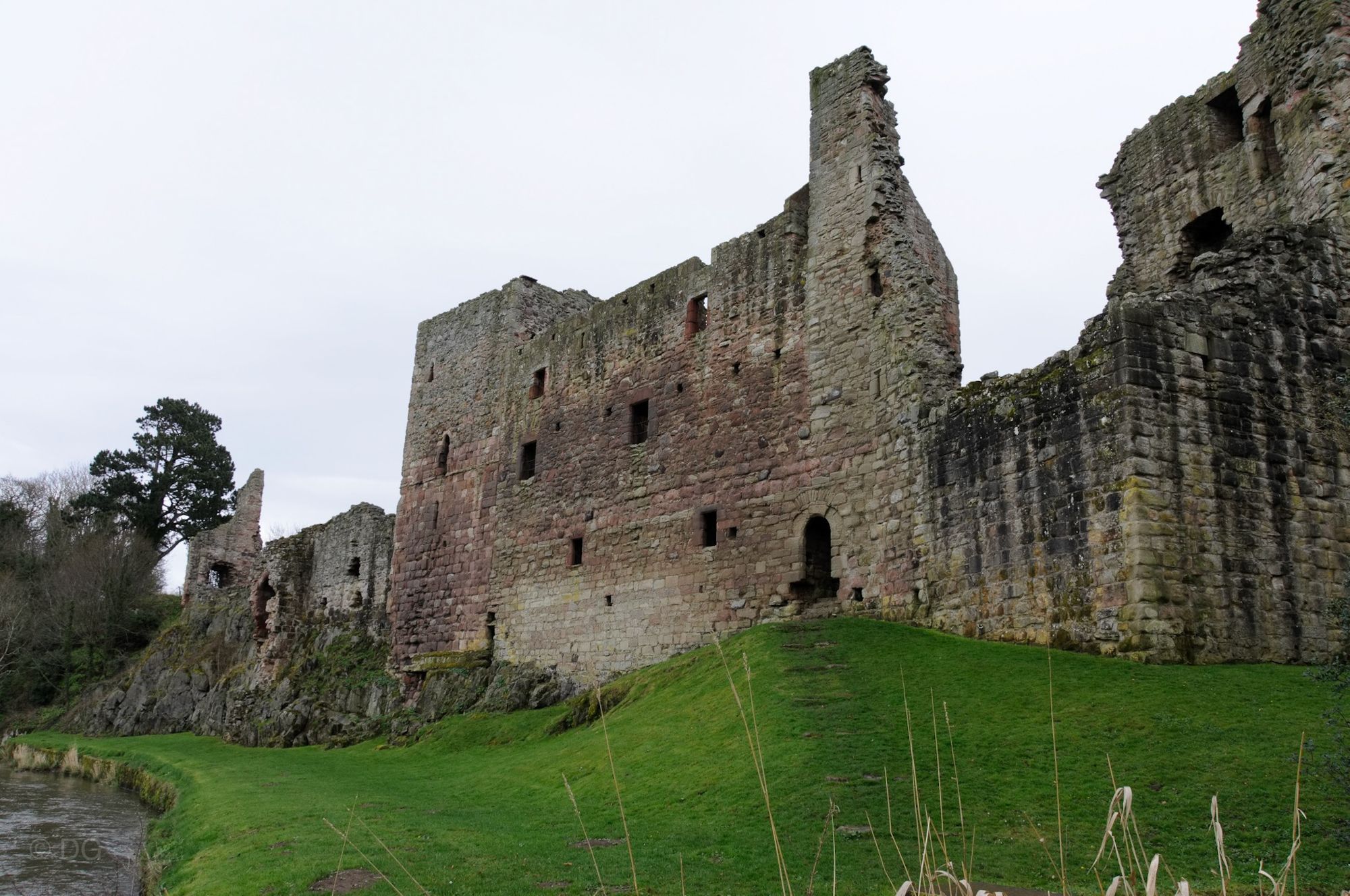
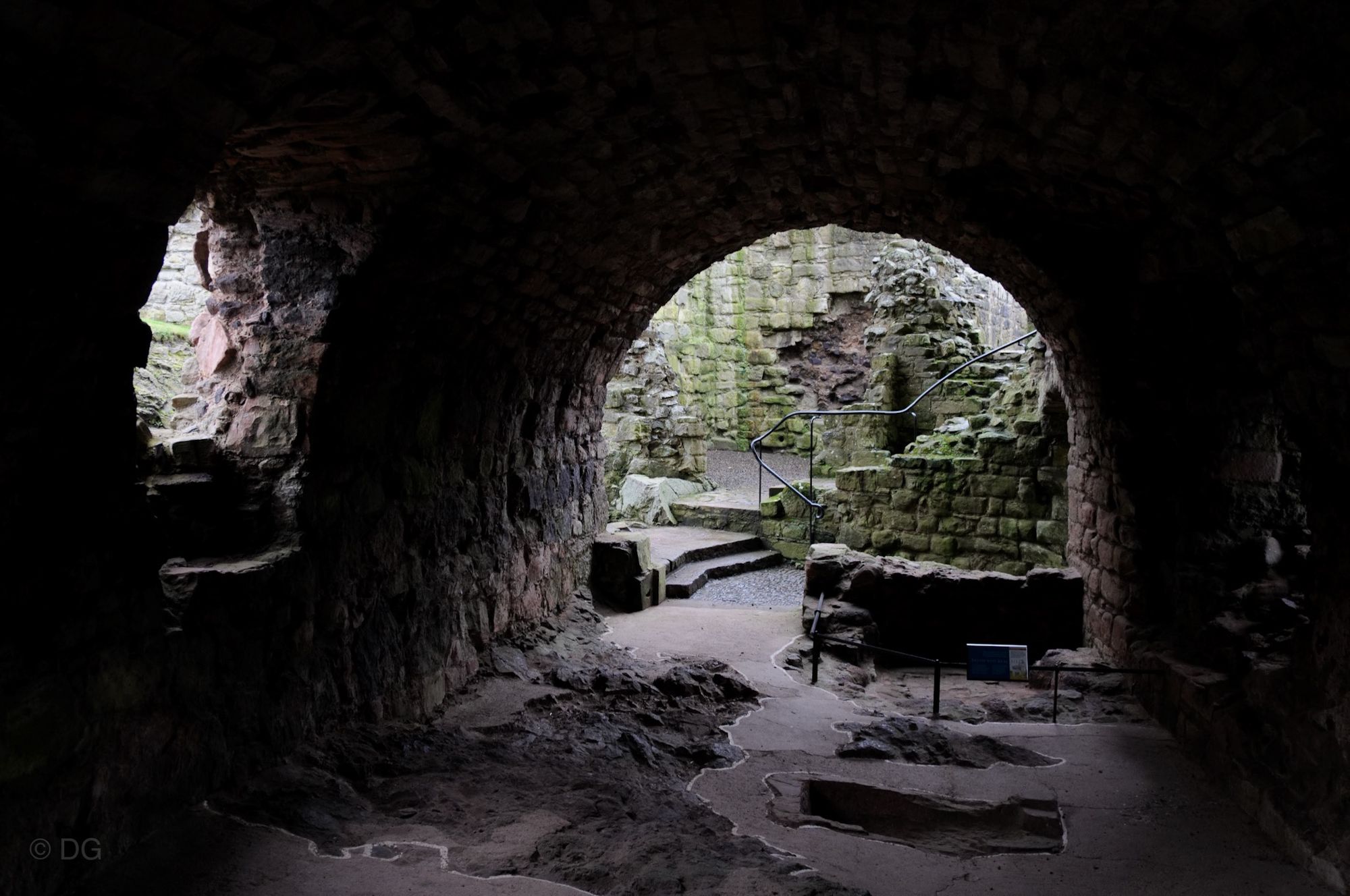
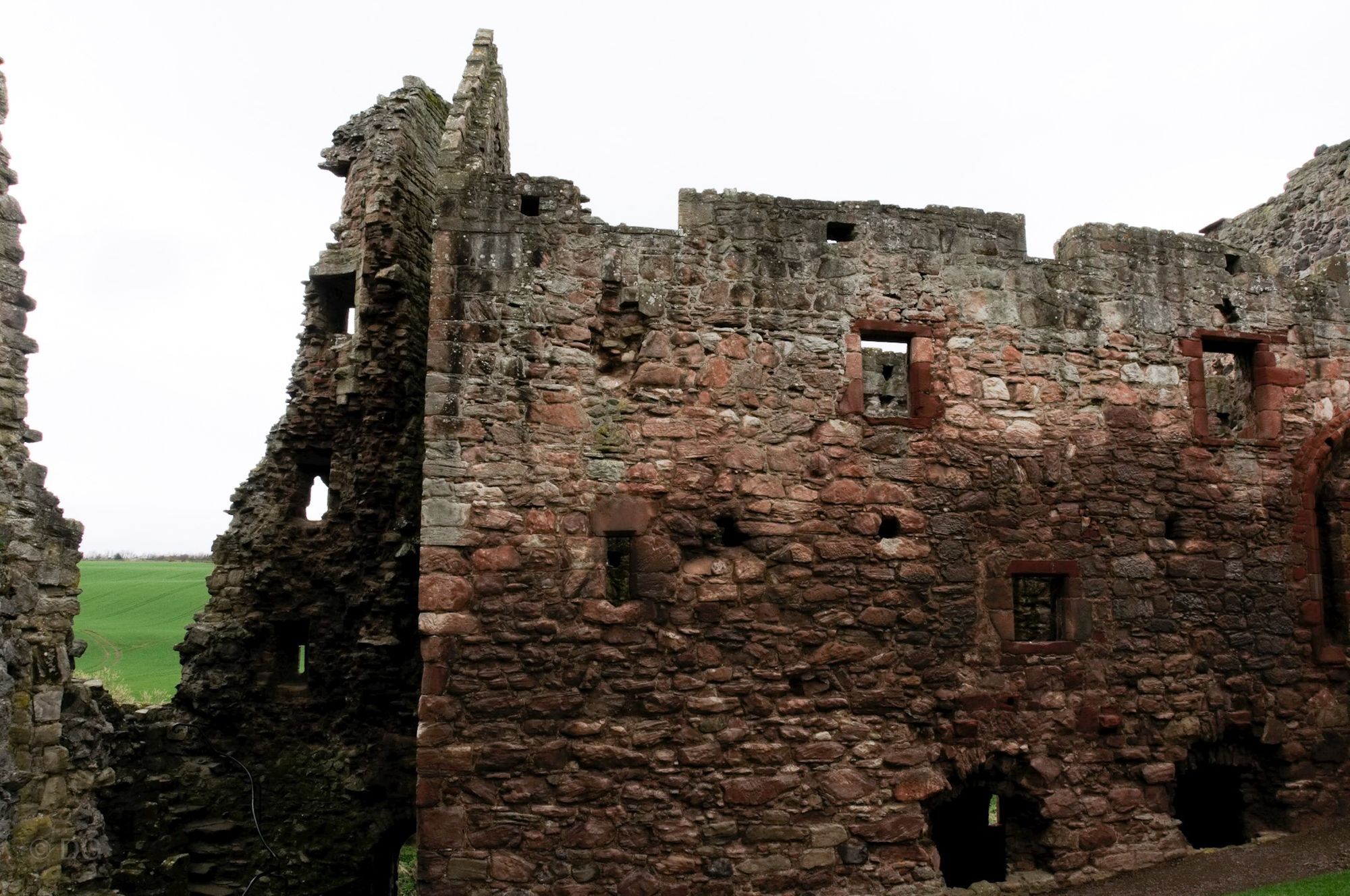
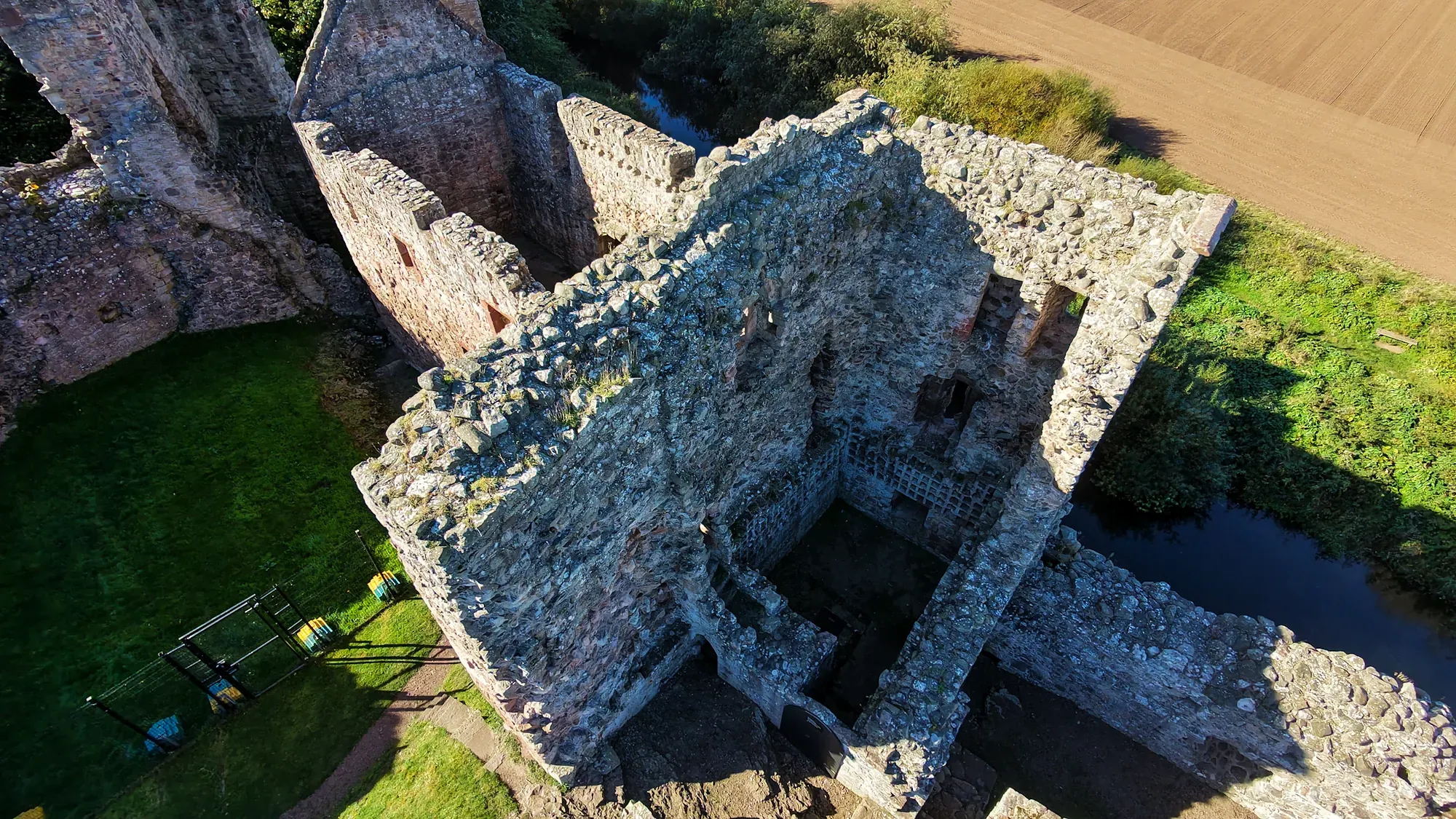
The western part contains some of the earliest surviving masonry,dating from the 13th century.Later additions include towers,domestic ranges,vaulted chambers and sections of the surrounding curtain wall.
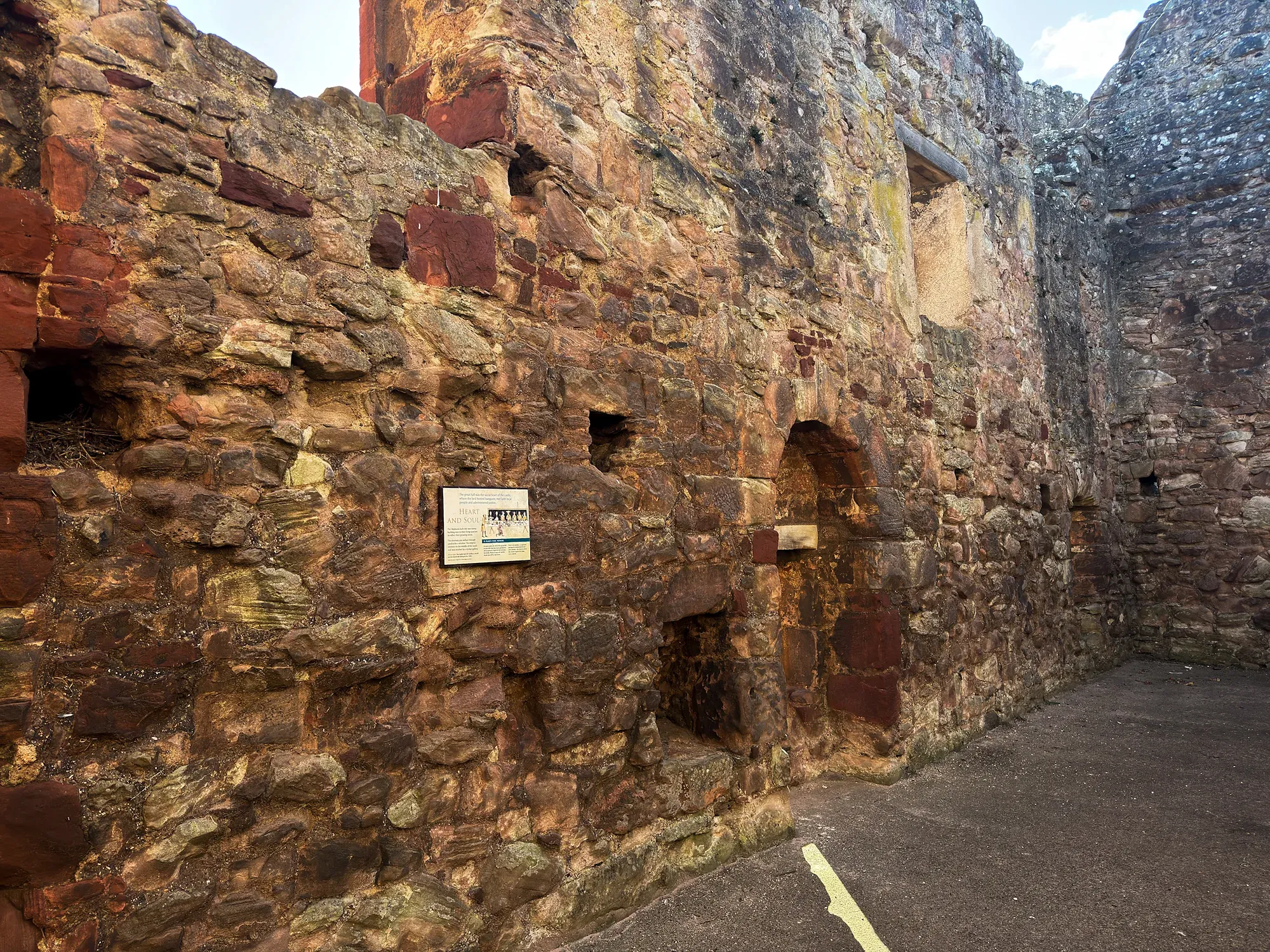
The castle’s great hall would once have been the centre of social and political life.It was used for meals,meetings,ceremonies and the reception of guests.
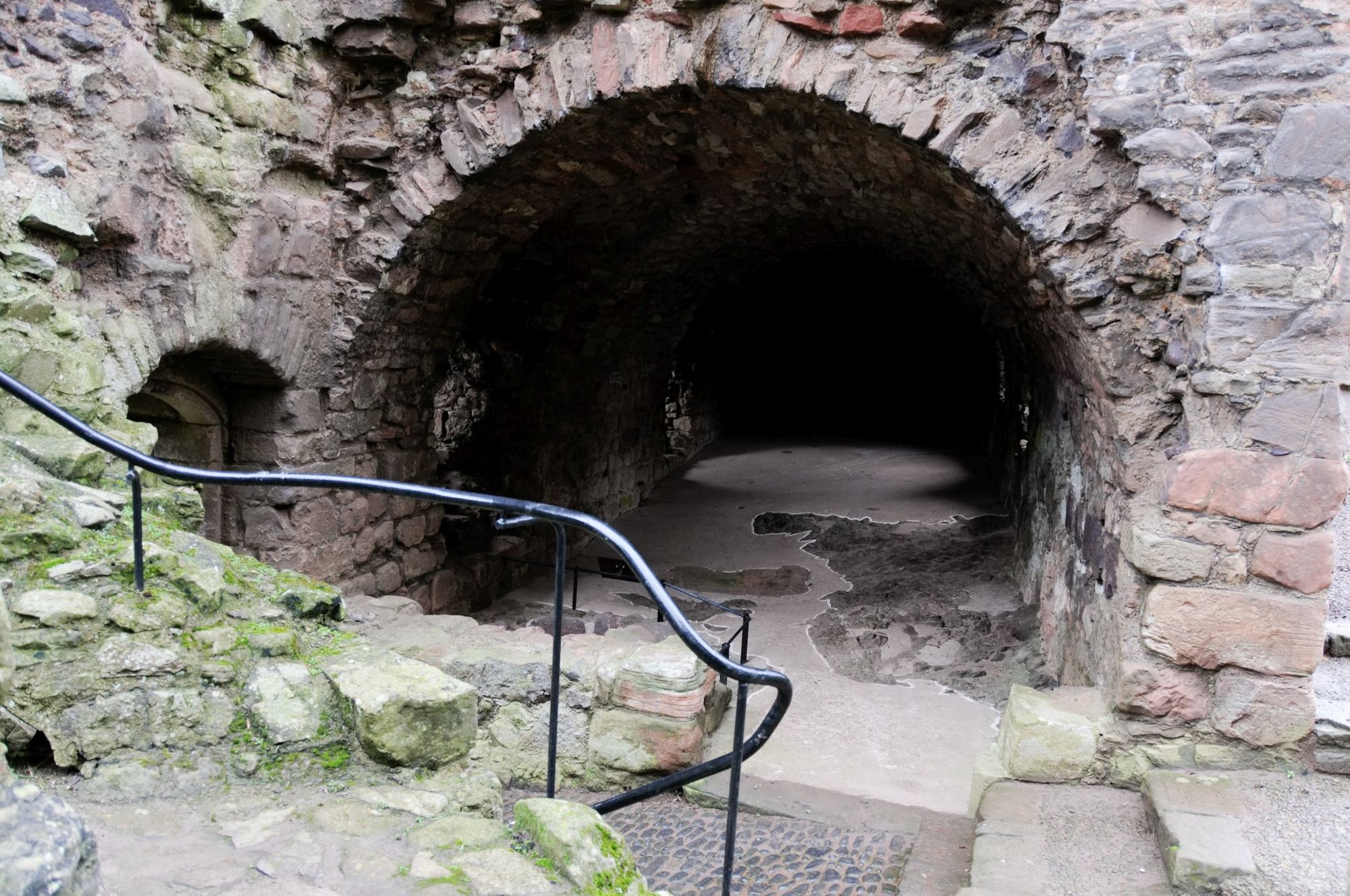
Other surviving features include storage rooms,kitchens,fireplaces,window openings and defensive structures.These elements show that Hailes served both as a fortress and as the residence of an influential noble family.
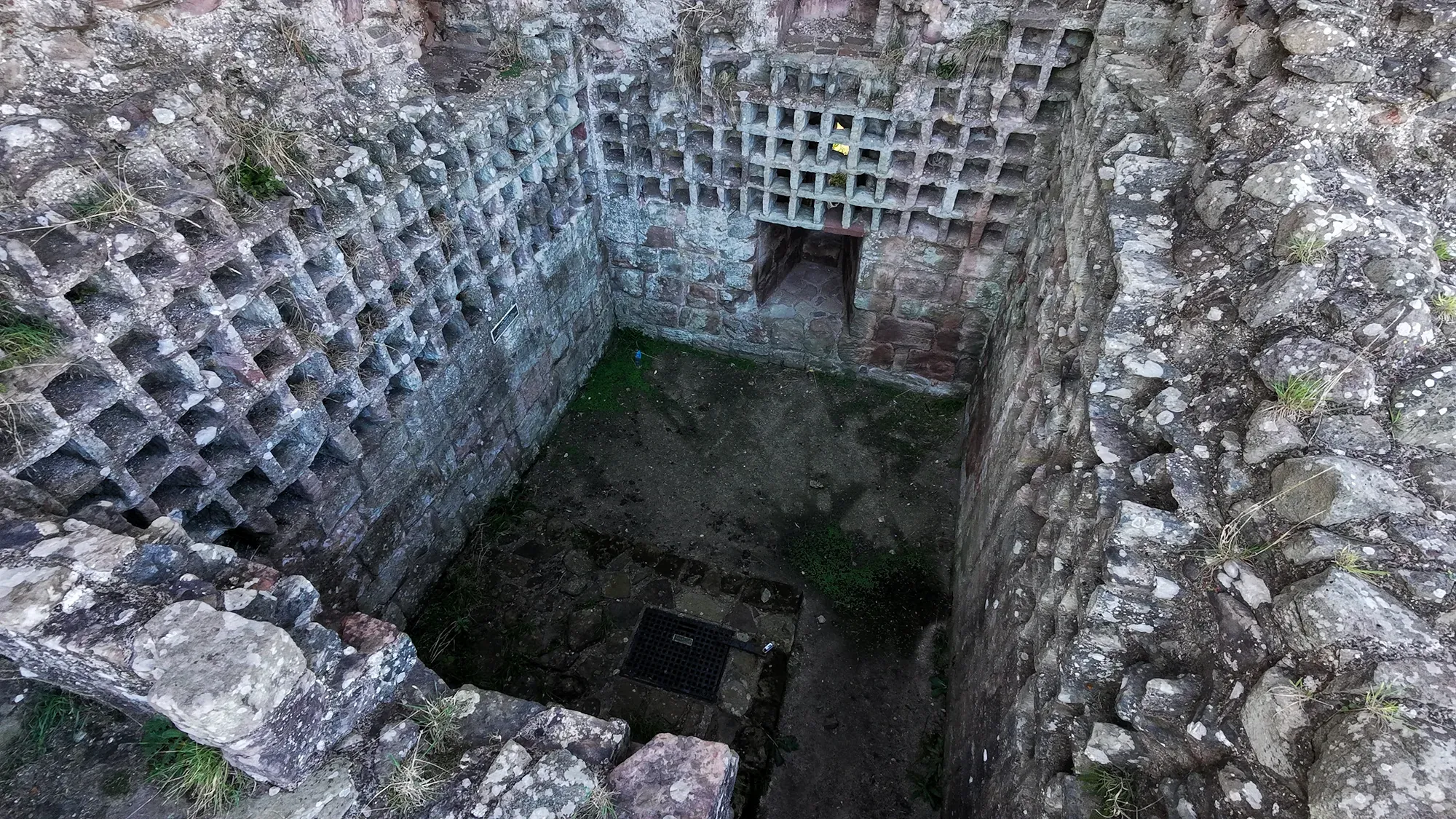
A doocot,or dovecot,also survives at the site.Pigeons provided an important source of fresh meat during the medieval and early modern periods,and the possession of a substantial doocot was also an indication of wealth and social status.
A Castle Beside the River Tyne
One of the most distinctive features of Hailes Castle is its location.
Rather than standing dramatically on a mountain or exposed coastal cliff,the castle lies low in the sheltered valley of the River Tyne.The water flows directly beside the ruins,while woodland and agricultural land surround the site.
This position offered practical advantages.The river formed a natural defensive barrier and provided access to water.At the same time,the fertile land of East Lothian supported farming and helped sustain the castle’s inhabitants.
The description of Hailes as standing prominently on a hill with extensive views over the surrounding countryside is therefore not entirely accurate.Its atmosphere comes instead from its hidden,riverside location.
Incorrect Information About Nearby Attractions
Some descriptions of Hailes Castle mention a nearby St Andrew’s Church constructed at the same time as the castle and containing 15th-century stained glass windows.
This information does not appear in reliable official accounts of the monument and is likely to have been confused with another historic location.
The same applies to references to Hailes Quarry Country Park.Hailes Quarry Park is located in Edinburgh,beside the Union Canal,and has no direct geographical connection with Hailes Castle near East Linton.
Visitors should therefore not expect either attraction to be located immediately beside the castle.
Hailes Castle Today
Hailes Castle is now cared for by Historic Environment Scotland.The monument is normally accessible throughout the year,and admission is free.
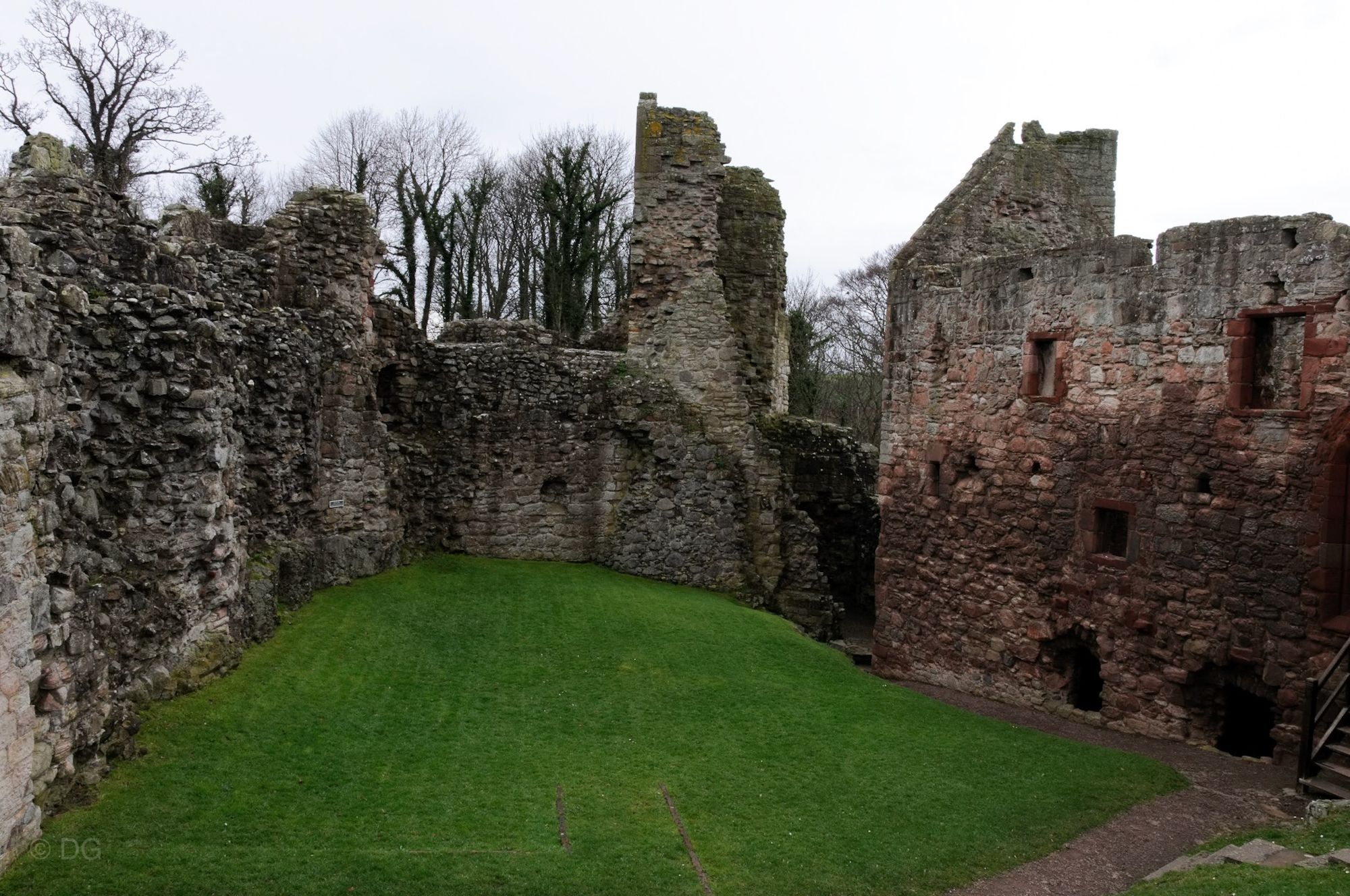
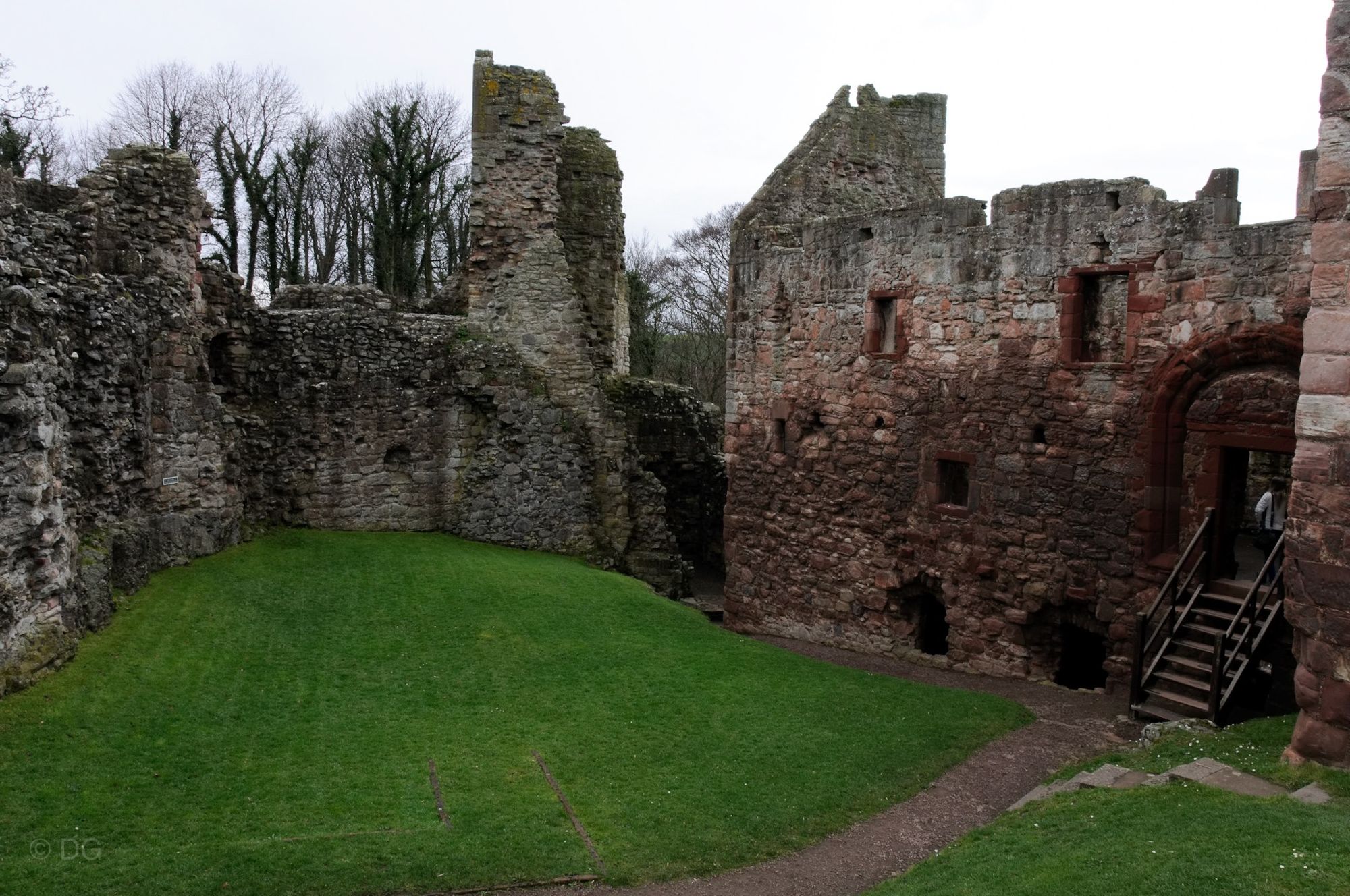
Visitors can walk through the surviving courtyards,examine the remains of the towers and domestic buildings,and enjoy the quiet riverside surroundings.
The site is unattended and has limited facilities.Parking is restricted,and some areas may occasionally be inaccessible because of conservation work or safety measures.The ground is uneven,so appropriate footwear is recommended.
Because the castle is less crowded than major attractions such as Edinburgh Castle or Tantallon Castle,it offers a quieter and more atmospheric experience.
A Remarkable East Lothian Ruin
Hailes Castle may not possess the towering walls or dramatic cliff-top position of Scotland’s largest fortresses,but its importance should not be underestimated.
Its surviving ruins represent more than four centuries of construction,conflict and aristocratic life.The castle is connected with the Wars of Scottish Independence,the powerful Hepburn family,James Hepburn,Earl of Bothwell,and Mary,Queen of Scots.
Set beside the River Tyne and surrounded by the peaceful countryside of East Lothian,Hailes Castle remains a rewarding destination for anyone interested in Scotland’s medieval history and its lesser-known historic places.
Continue reading in this gallery
Scottish Castles
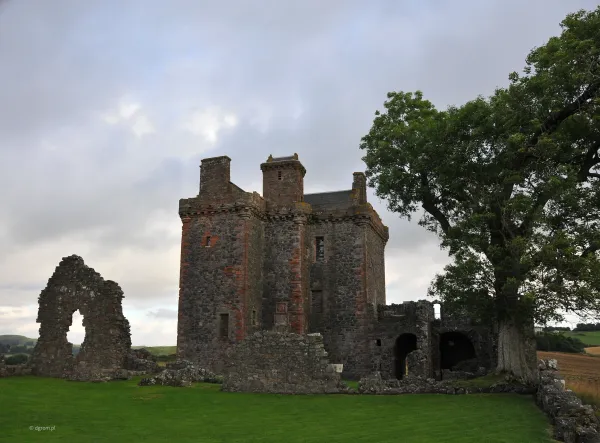
Castles of Scotland- Balvaird
Balvaird Castle is located in central Scotland, near the town of Abernethy. It was built in the 16th century as a residence for Sir Andrew Murray, who was a close friend of Mary, Queen of Scots.
Scottish Castles
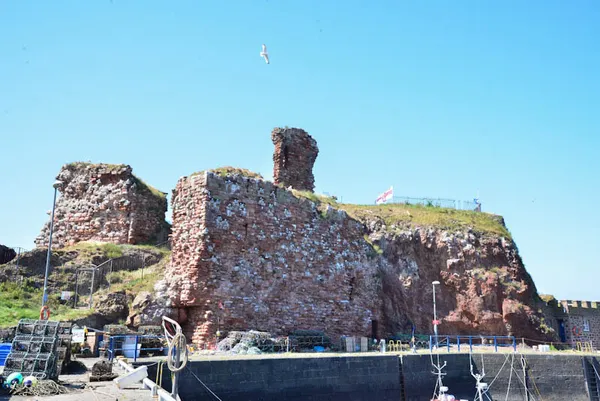
Scottish Castles - Dunbar
If you stand beside the historic harbour in the town of Dunbar,your eyes are quickly drawn to the broken red ruins rising from the rocks above the North Sea.These jagged remains belong to Dunbar Castle,once one of the strongest and most strategically important fortresses in Scotland.
Scottish Castles
Castles of Scotland - Finlarig
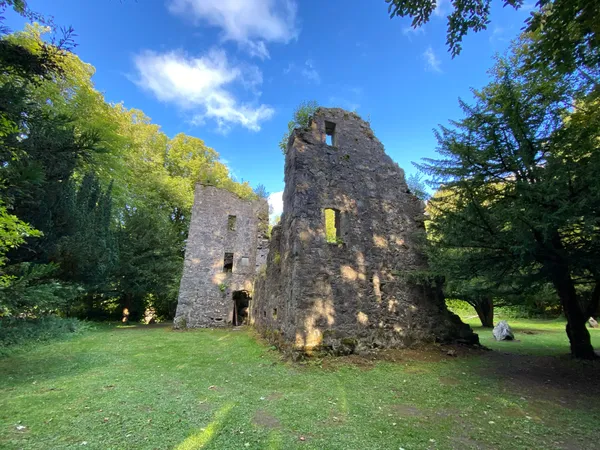
Finlarig Castle is a historic castle located in central Scotland, in the county of Perthshire. The castle belonged to Clan Campbell and was an important administrative and commercial center in the region.
Scottish Castles
Scottish Castles - Craigmillar
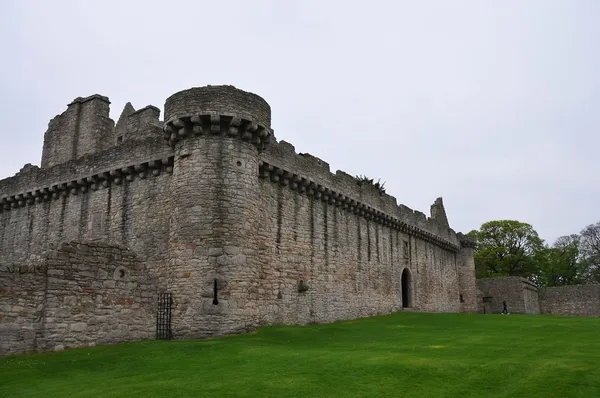
Craigmillar Castle is a ruined medieval castle in Edinburgh, Scotland. It is located about 5 km from the city centre.