
Castles of Scotland - Sinclair Girnigoe
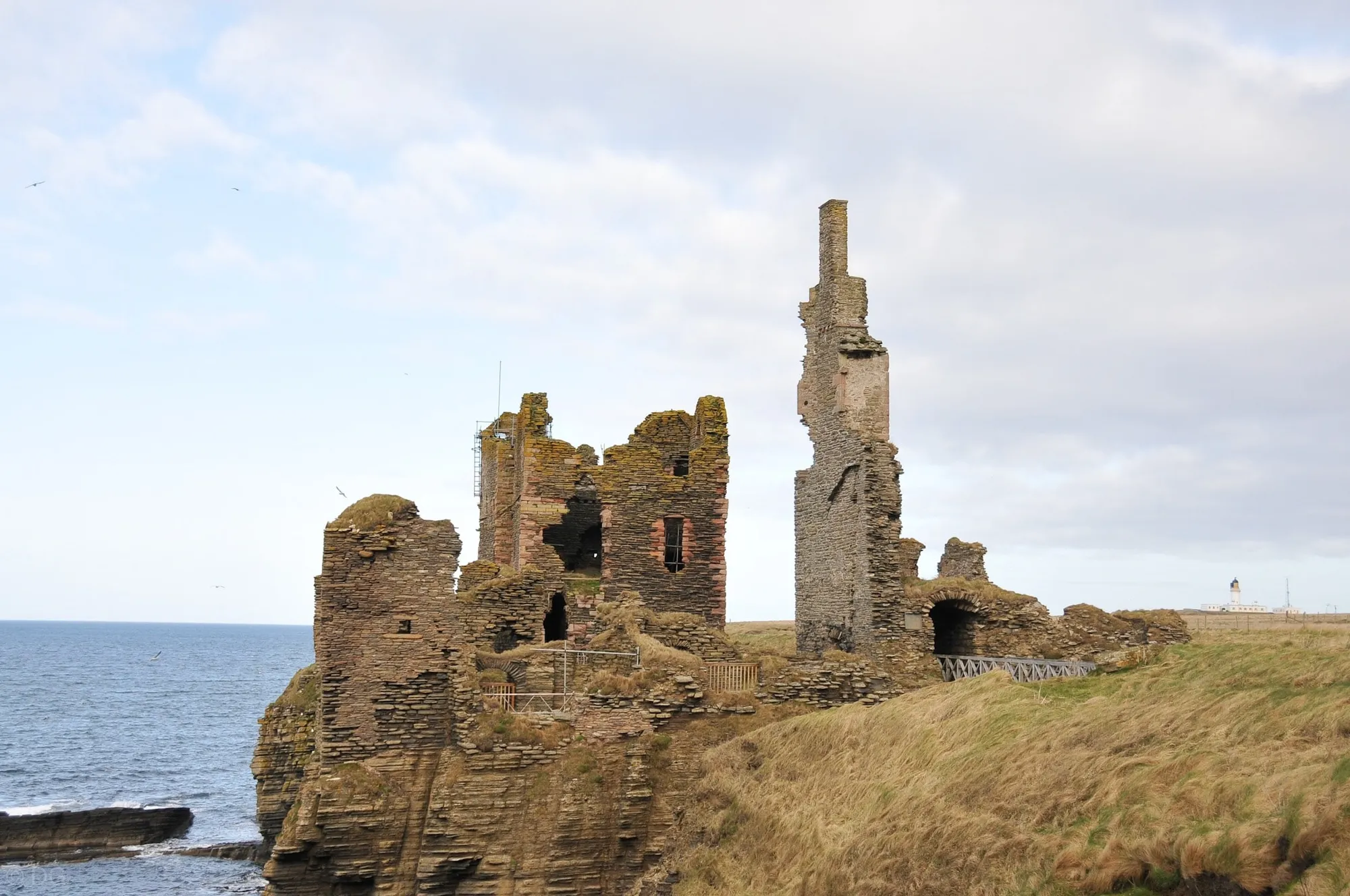
Sinclair Castle (English: Sinclair Castle), also known as Girnigoe Castle (English: Girnigoe Castle),
Castles of Scotland – Sinclair Girnigoe Castle
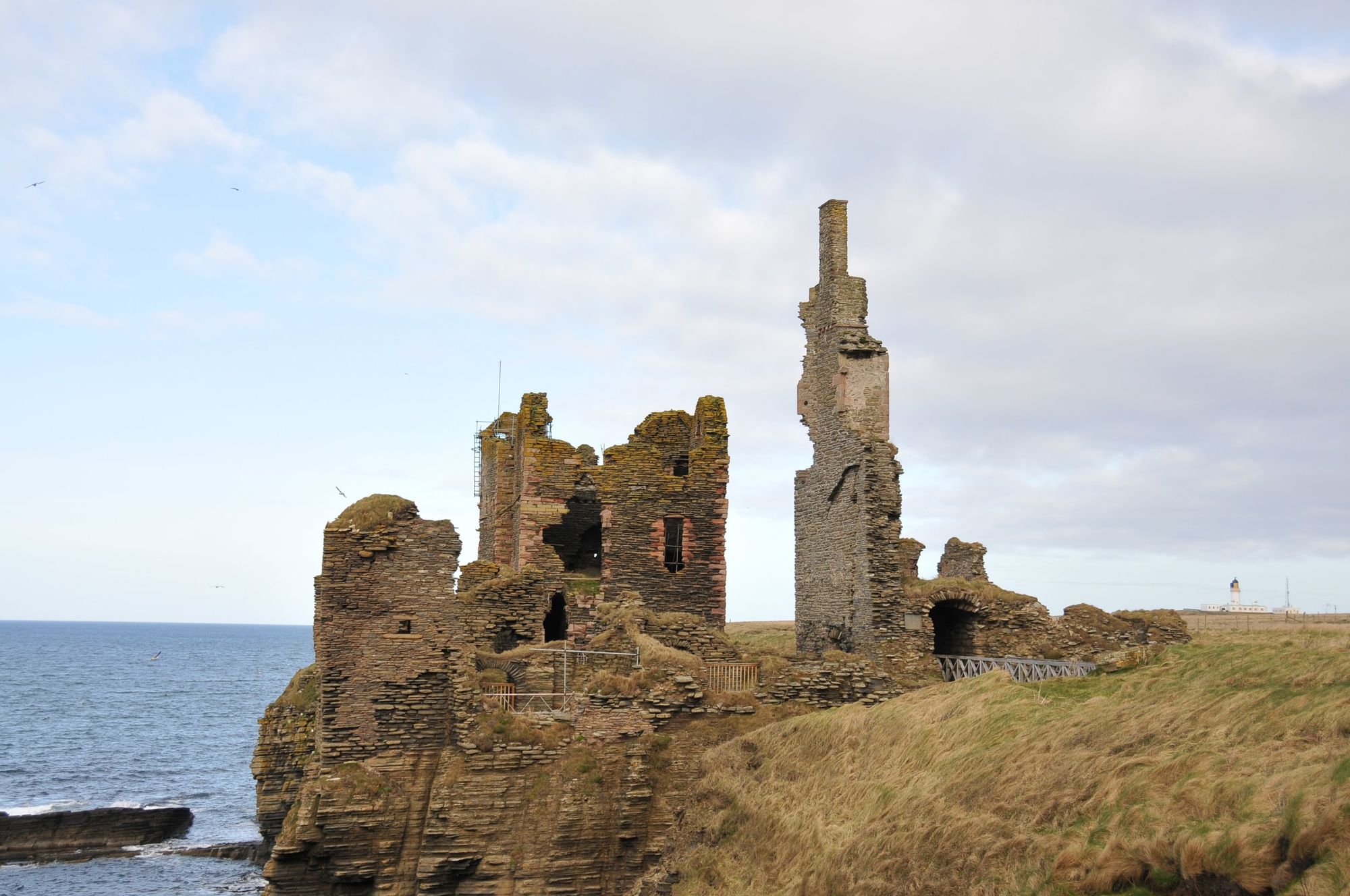
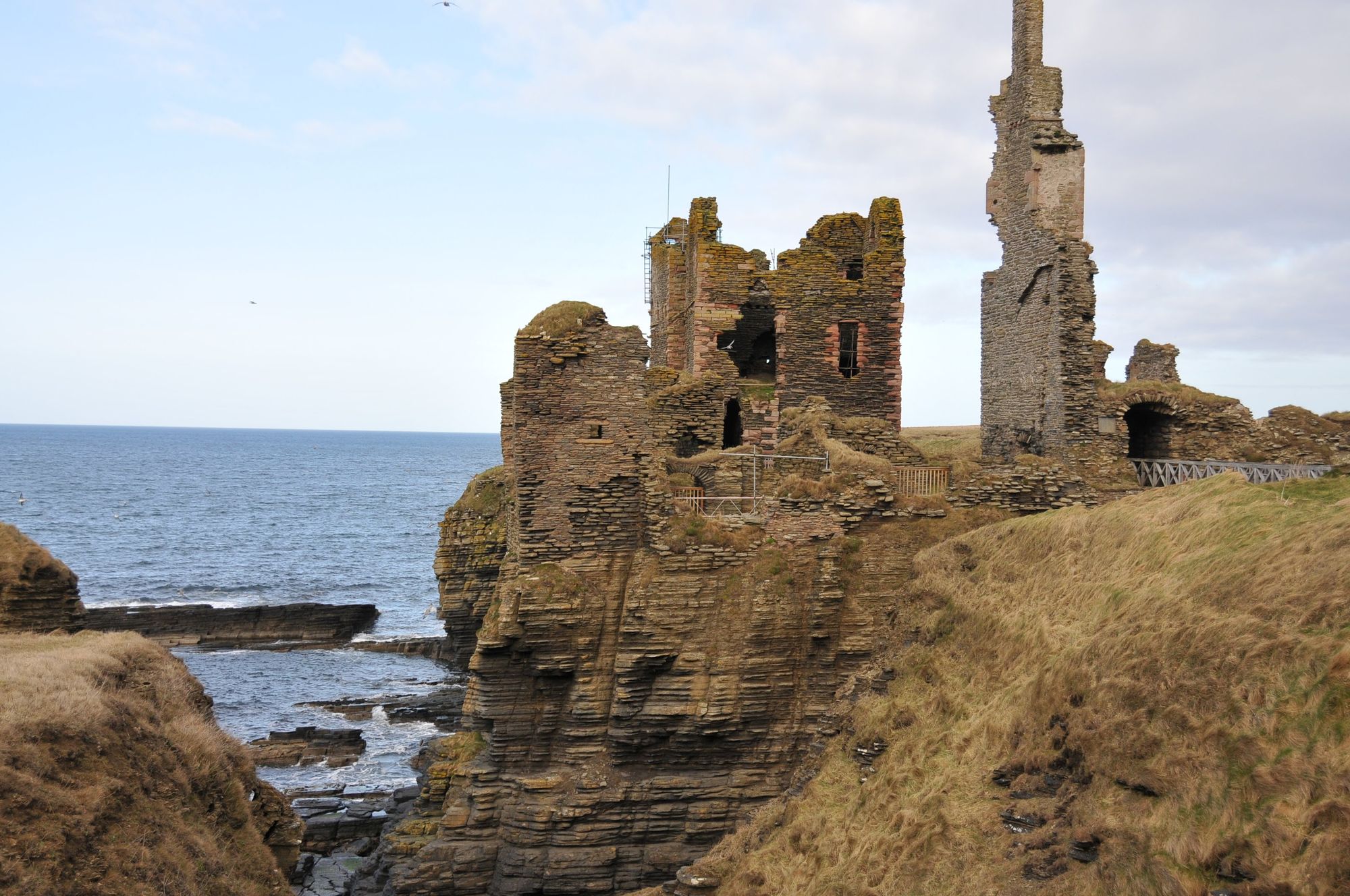
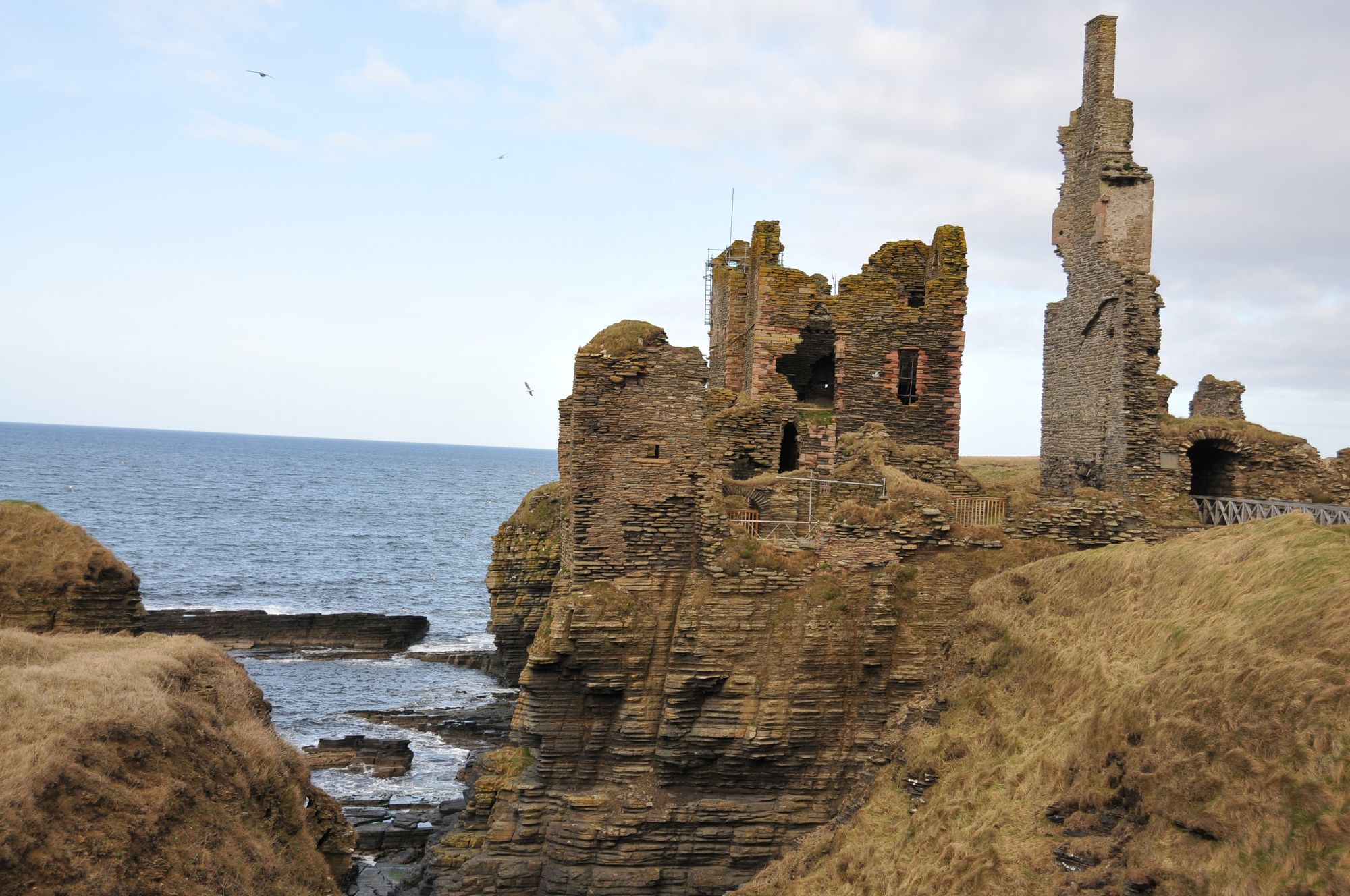
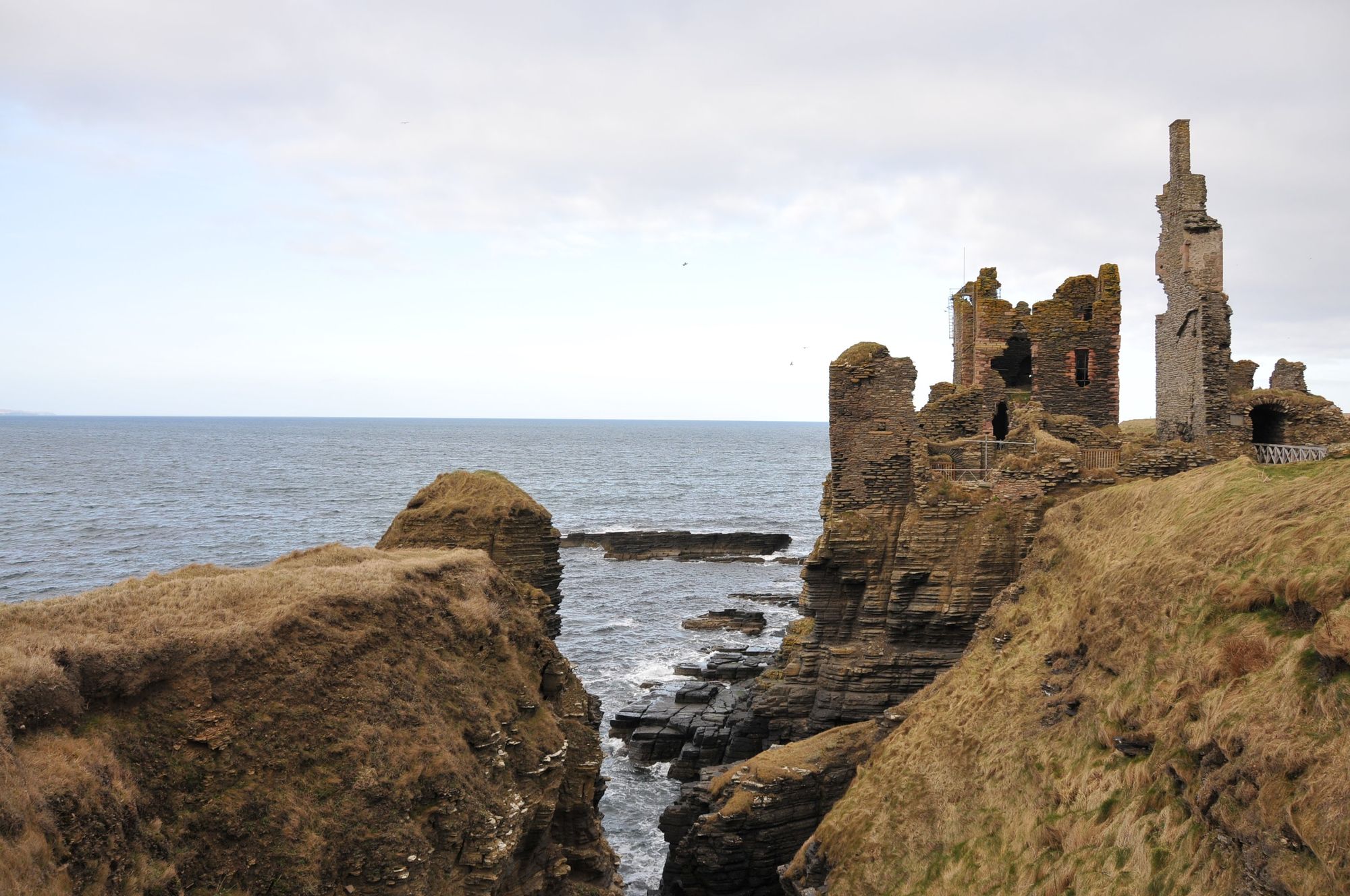
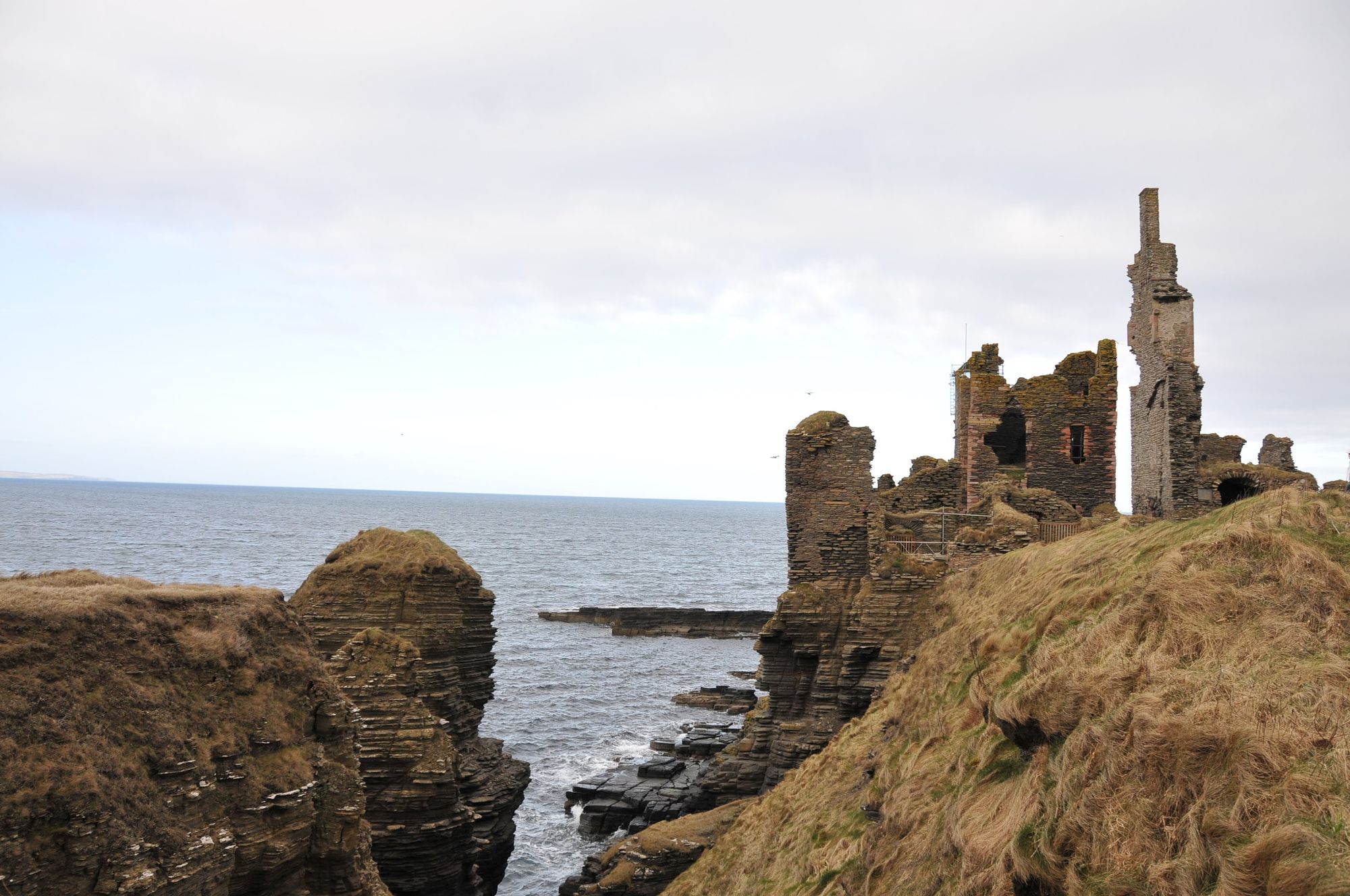
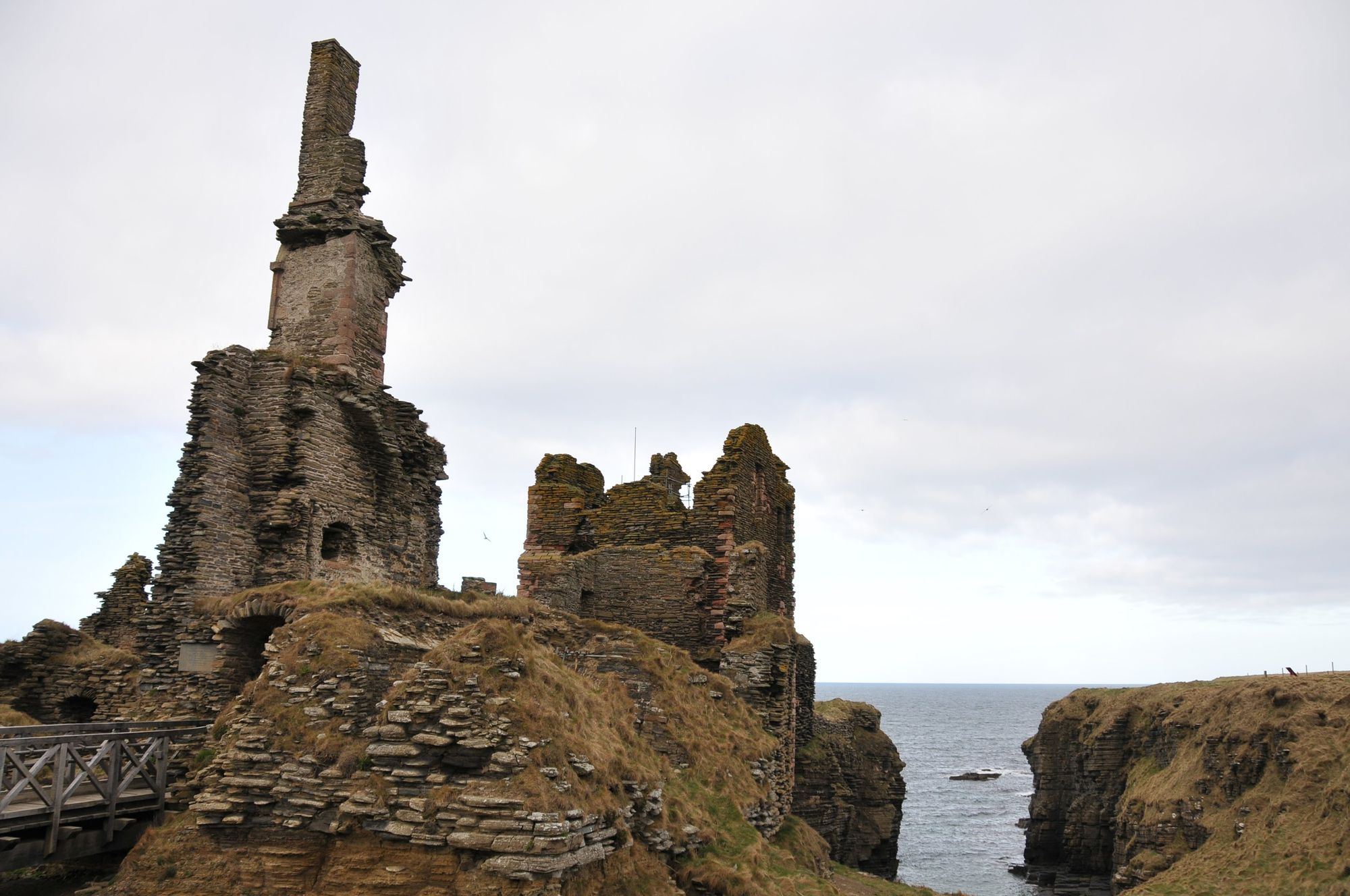
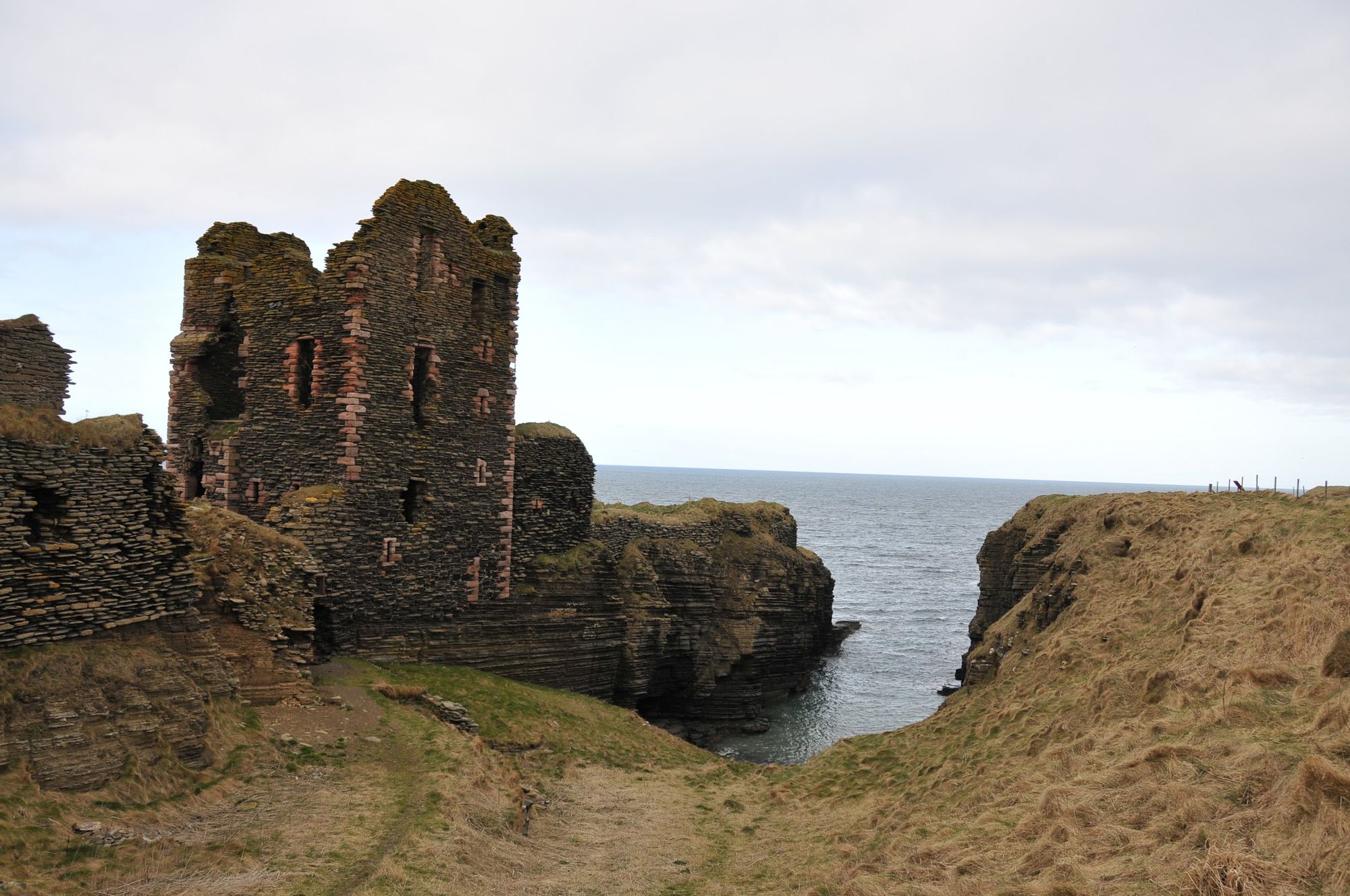
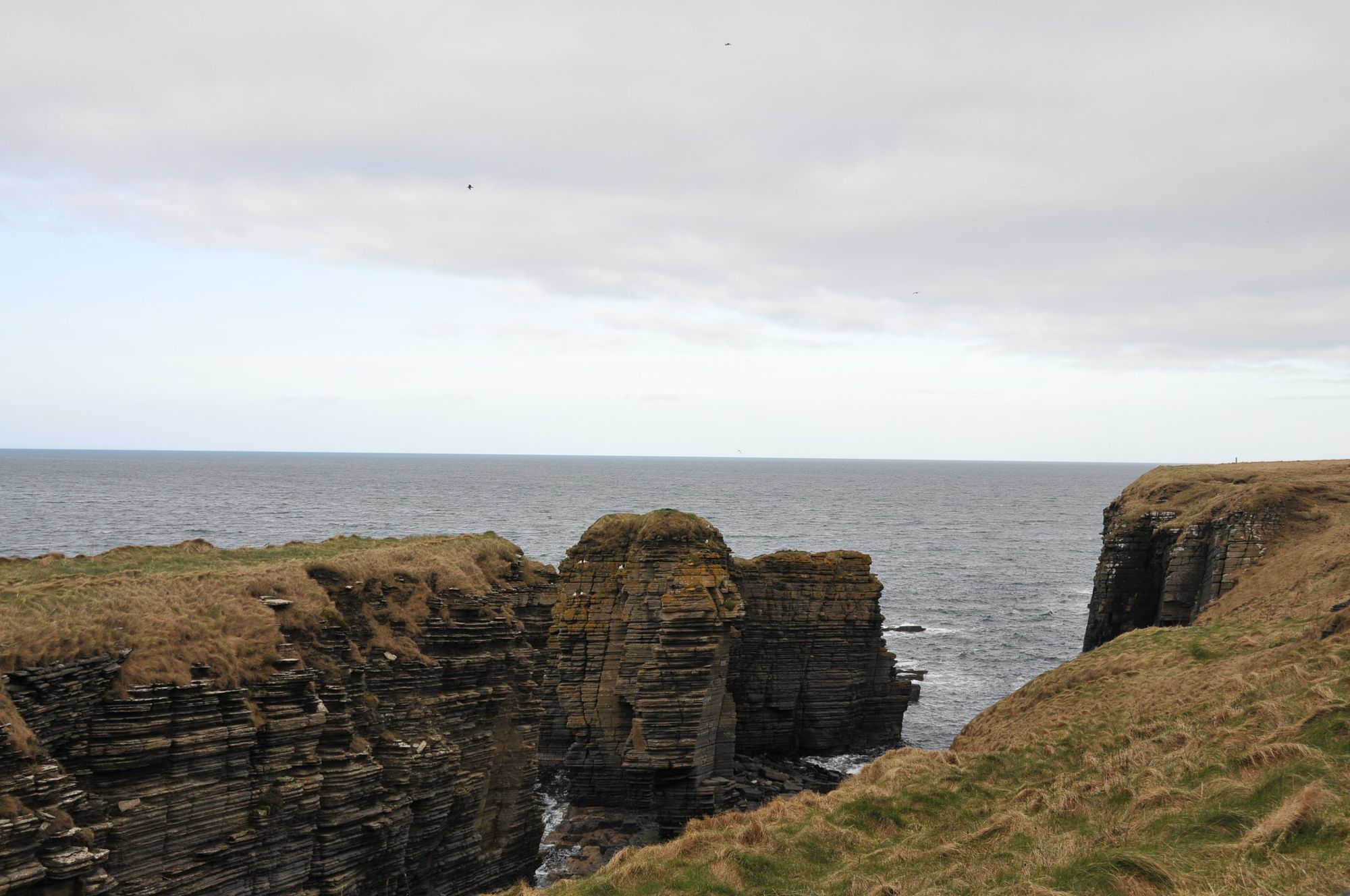
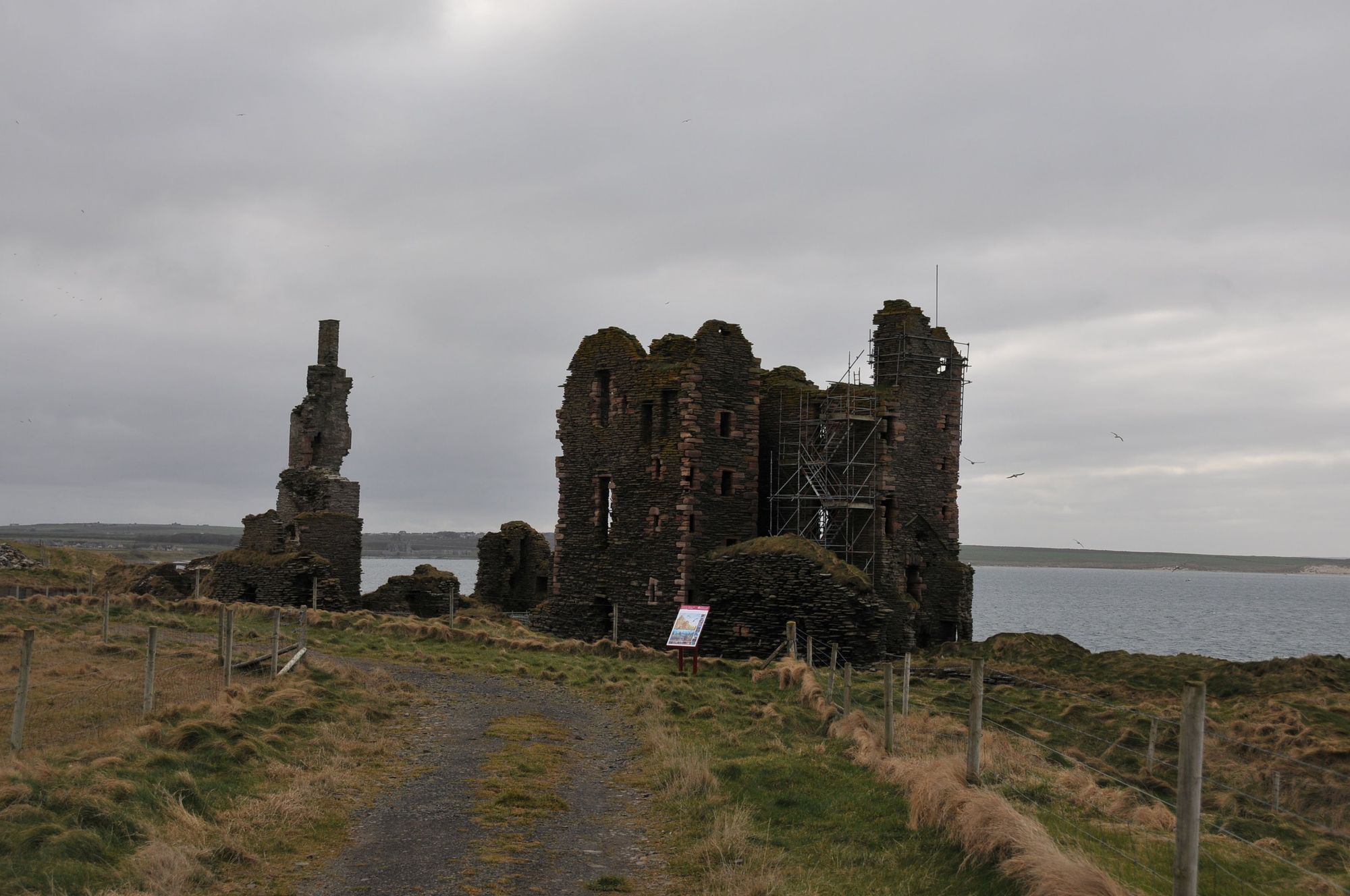
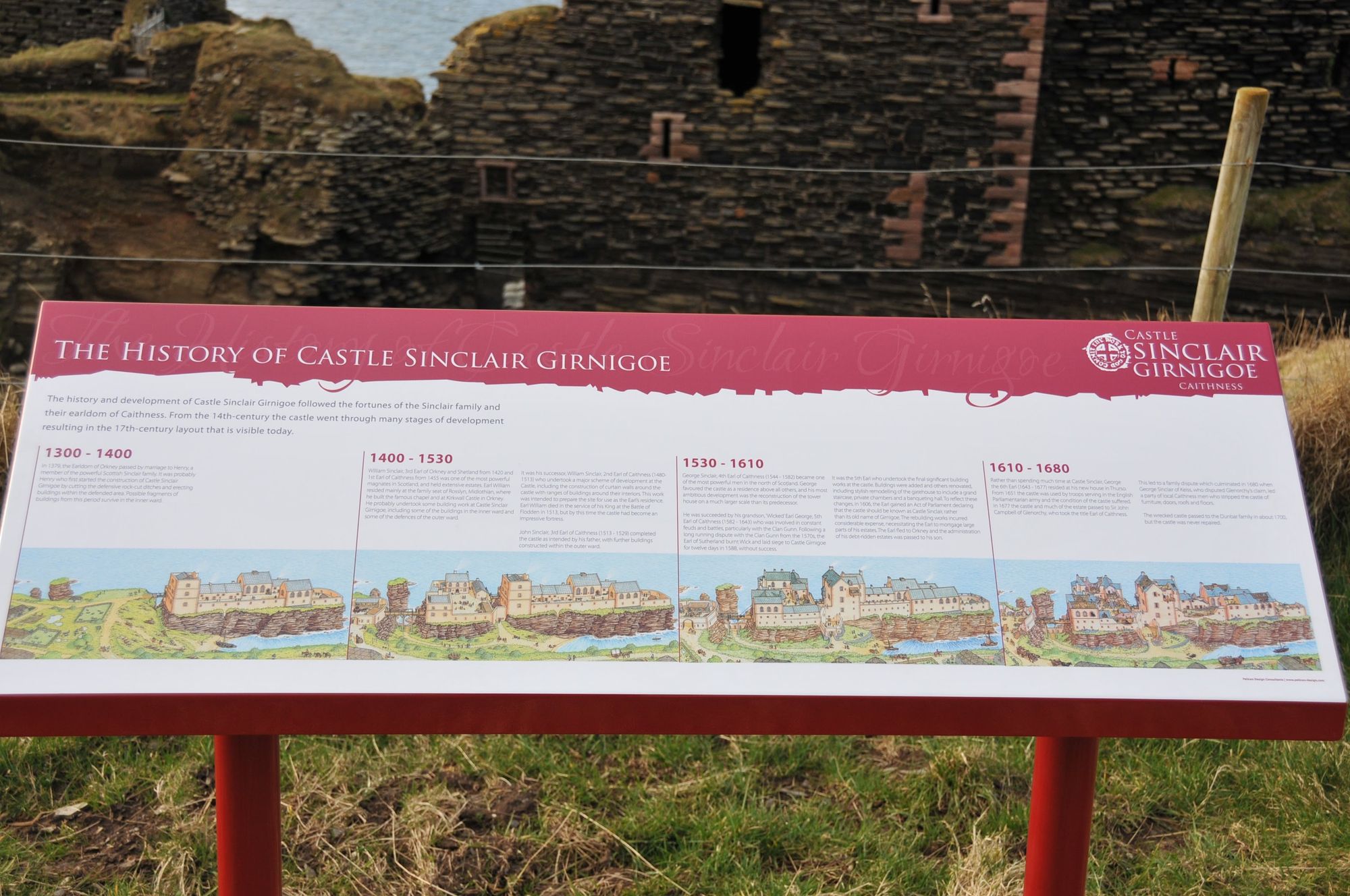
Perched dramatically on a narrow sea cliff just north of Wick in Caithness, Sinclair Girnigoe Castle is one of the most spectacular castle ruins in Scotland. Surrounded by steep cliffs and the crashing waters of the North Sea, the fortress occupies one of the most impressive defensive positions in the country.
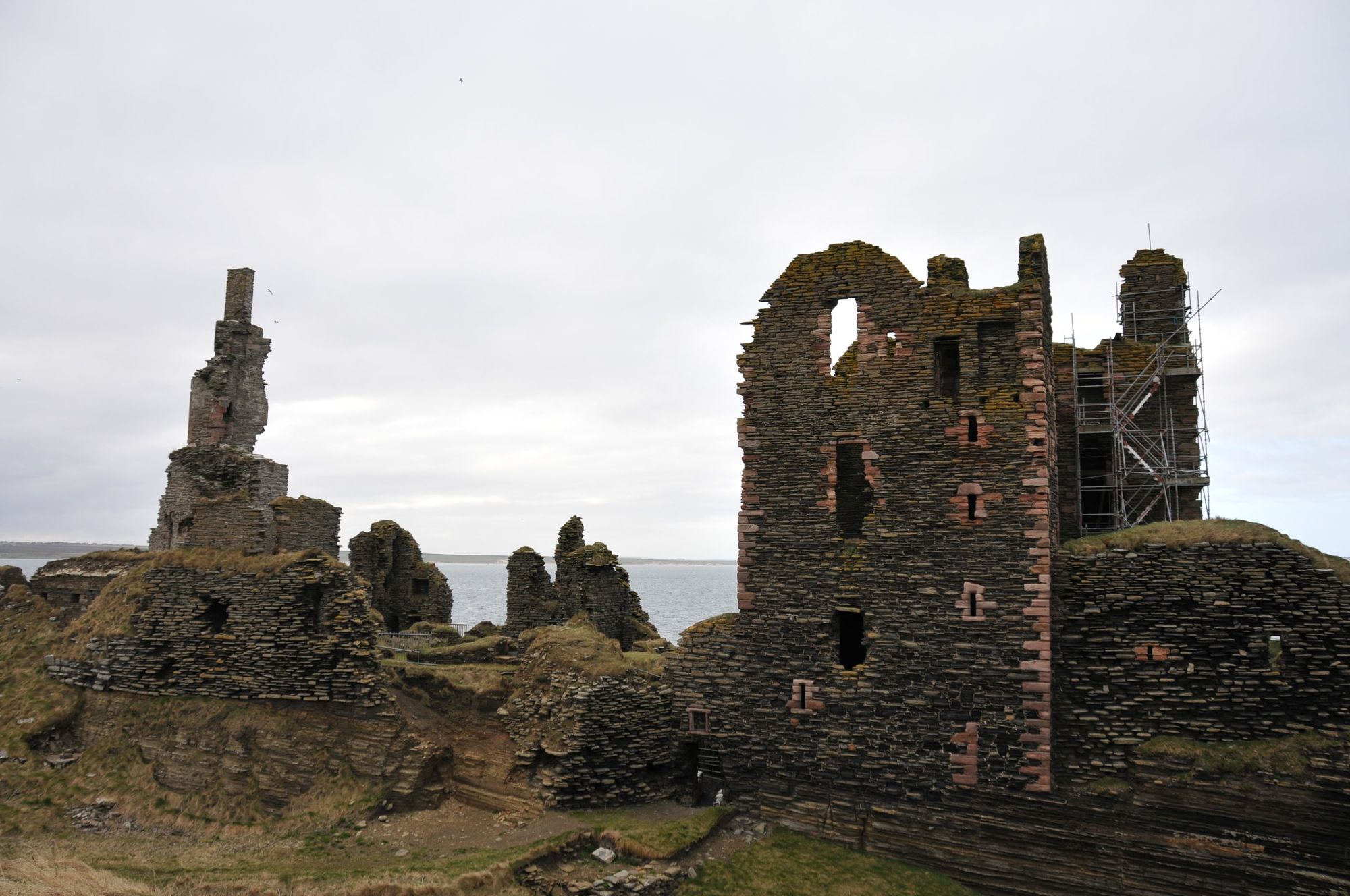
Today the ruins are known as Sinclair Girnigoe Castle, reflecting the fact that the site consists of two closely connected castles: the older Girnigoe Castle and the later Sinclair Castle.
Origins of the Castle
The earliest part of the complex, Girnigoe Castle, was probably built during the late 15th century by William Sinclair, 2nd Earl of Caithness.
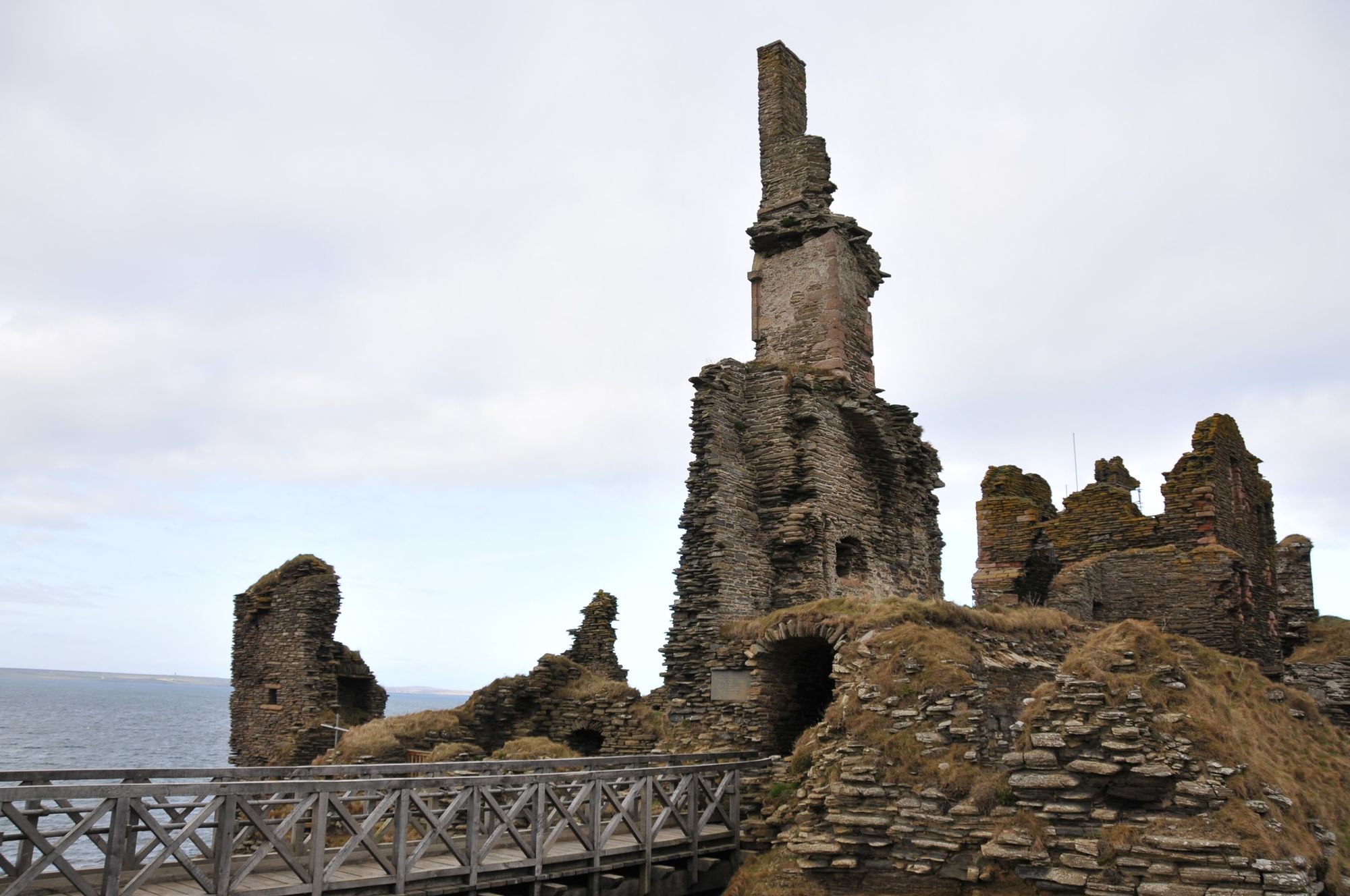
The castle stood on a narrow rocky peninsula connected to the mainland by a bridge and protected by sheer cliffs on almost every side.
Its isolated position made it one of the strongest natural defensive sites in northern Scotland.
The Earls of Caithness
For centuries the castle served as one of the principal strongholds of the Sinclair family, Earls of Caithness.
The Sinclairs were among the most powerful noble families in northern Scotland and controlled large areas of Caithness and the Northern Isles.
As their wealth and influence increased, the original fortress was greatly expanded.
Expansion into Sinclair Castle
During the 16th and early 17th centuries extensive new buildings were added to the south of the original castle.
These additions created a much larger residential complex known as Sinclair Castle.
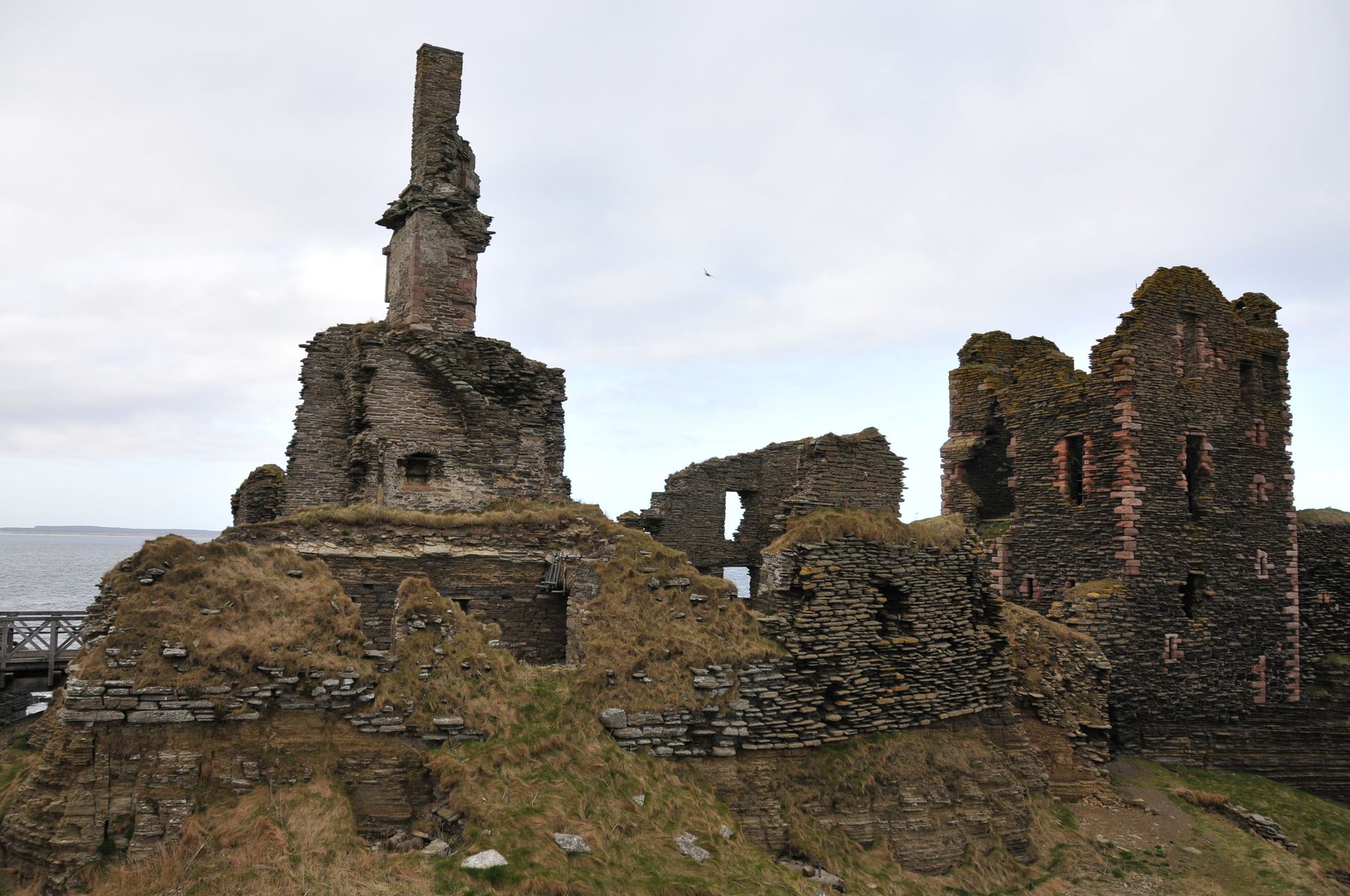
The expanded fortress contained grand halls, private apartments, kitchens, service buildings and defensive structures.
At its height, Sinclair Girnigoe was one of the largest and most impressive castle complexes in the Highlands.
A Dark Family Story
One of the most famous stories connected with the castle concerns John Sinclair, Master of Caithness.
According to tradition, he was imprisoned within the castle by his father, George Sinclair, 4th Earl of Caithness.
Legend claims that John was deliberately starved to death after being confined in a small chamber.
Although some details remain uncertain, the story reflects the intense family rivalries that often affected powerful Scottish noble families.
The Fall of the Castle
The castle's decline began during internal disputes within the Sinclair family.
In 1690, George Sinclair, 6th Earl of Caithness, attacked and captured the fortress during a conflict involving his own son.
Following the siege, parts of the castle were deliberately dismantled and abandoned.
Without regular maintenance, the buildings gradually fell into ruin.
Over the following centuries the harsh coastal weather accelerated the deterioration of the structure.
Architecture
One of the most remarkable aspects of Sinclair Girnigoe Castle is its location.
The castle occupies a narrow promontory surrounded by cliffs that plunge directly into the North Sea.
Bridges, gateways, towers and defensive walls were carefully integrated into the natural landscape.
The combination of medieval fortification and dramatic coastal scenery creates one of the most memorable castle settings in Scotland.
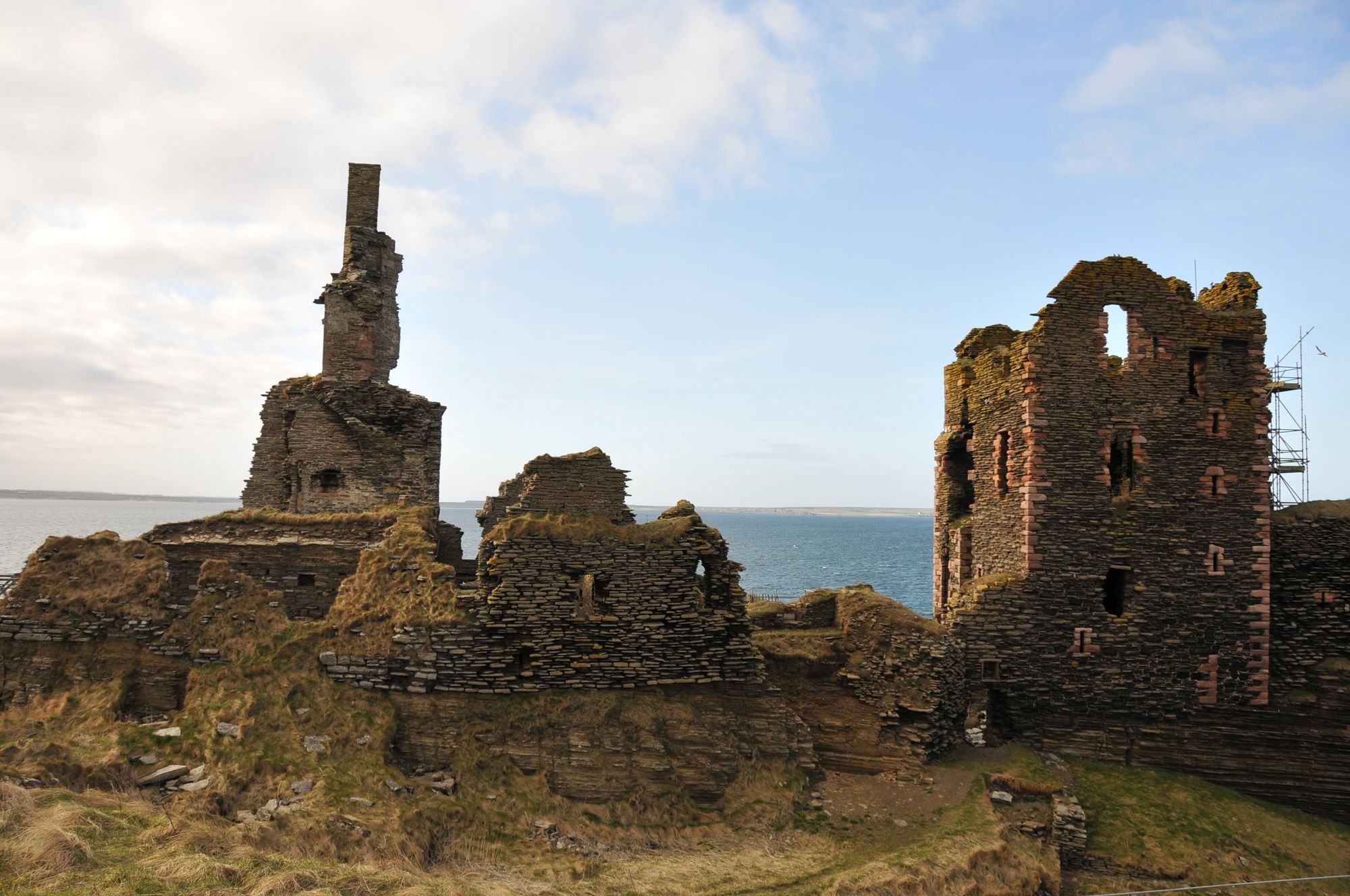
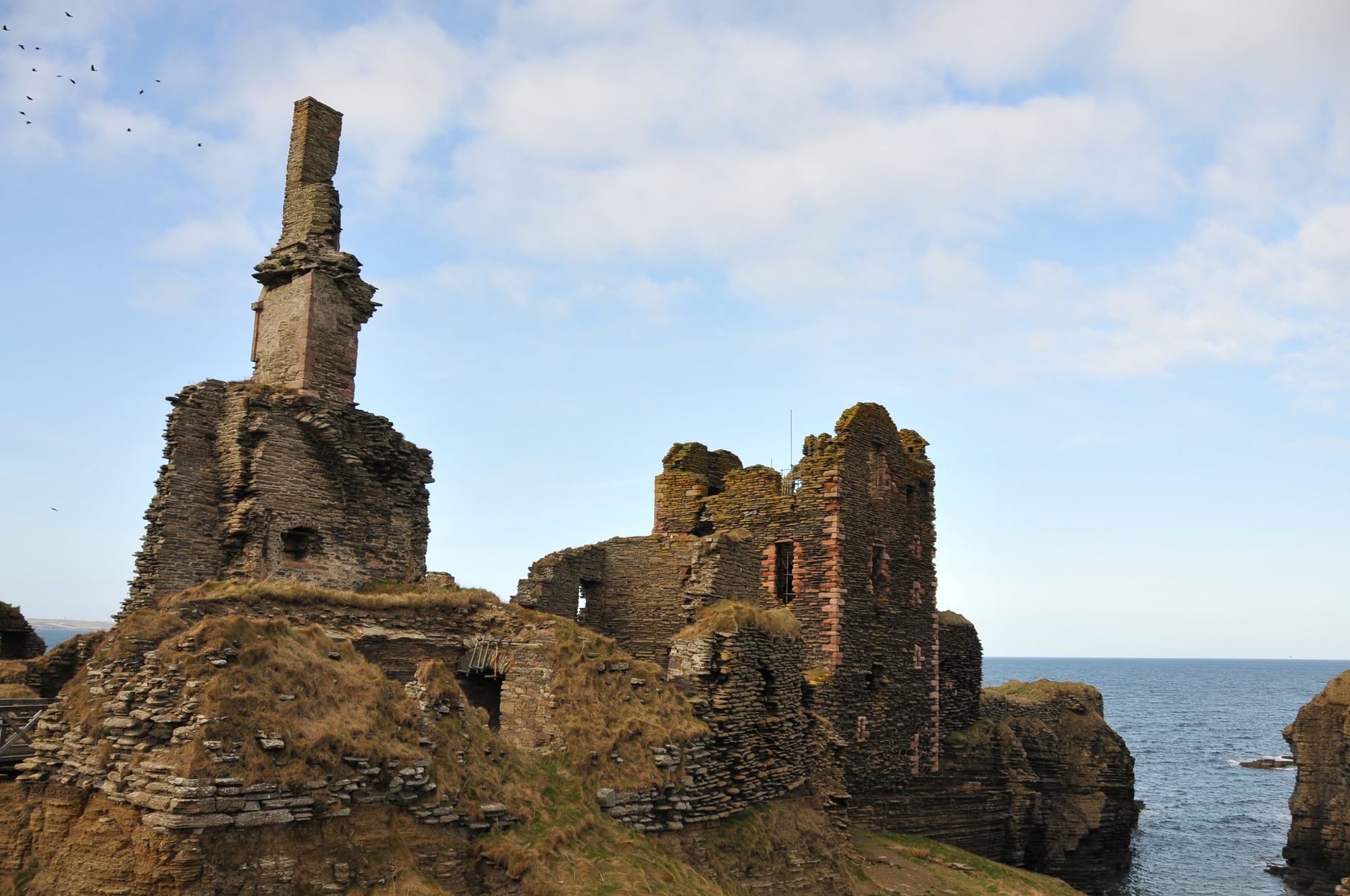
Even today, substantial sections of walls, towers and chambers survive, allowing visitors to appreciate the scale of the original complex.
Legends and Ghost Stories
Like many ancient Scottish castles, Sinclair Girnigoe is associated with numerous legends.
Stories tell of ghostly figures appearing among the ruins and mysterious sounds echoing through the abandoned chambers.
The tragic tale of John Sinclair has contributed significantly to the castle's reputation as one of the most atmospheric historic sites in northern Scotland.
However, many of these stories belong to local folklore rather than documented history.
Sinclair Girnigoe Castle Today
Today the castle is cared for by the Sinclair Girnigoe Castle Trust, which has carried out extensive conservation work to stabilise the ruins.
Visitors can explore parts of the complex, walk along the cliff-top paths and enjoy spectacular views across Sinclair's Bay and the North Sea.
The castle remains one of the most photogenic historic sites in Caithness and a highlight of Scotland's northern coastline.
Conclusion
Sinclair Girnigoe Castle is one of Scotland's most dramatic castle ruins. Its combination of powerful history, family intrigue, spectacular architecture and breathtaking coastal scenery makes it one of the most fascinating historic sites in the Highlands.
Standing above the North Sea, the ruins continue to tell the story of the mighty Sinclair family and the turbulent centuries during which they dominated Caithness.
Continue reading in this gallery
Scottish Castles
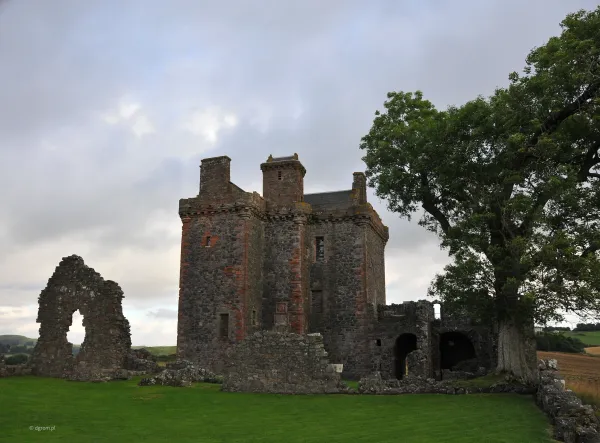
Castles of Scotland- Balvaird
Balvaird Castle is located in central Scotland, near the town of Abernethy. It was built in the 16th century as a residence for Sir Andrew Murray, who was a close friend of Mary, Queen of Scots.
Scottish Castles
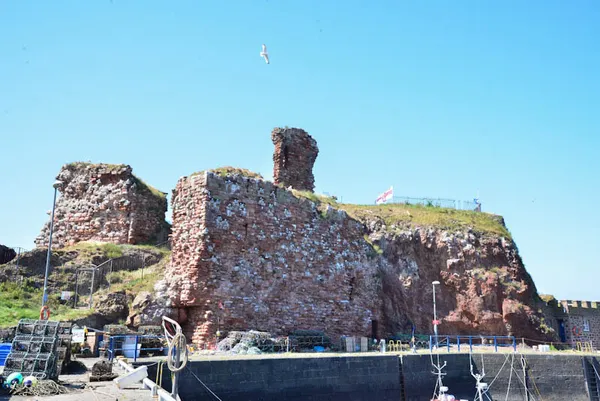
Scottish Castles - Dunbar
If you stand beside the historic harbour in the town of Dunbar,your eyes are quickly drawn to the broken red ruins rising from the rocks above the North Sea.These jagged remains belong to Dunbar Castle,once one of the strongest and most strategically important fortresses in Scotland.
Scottish Castles
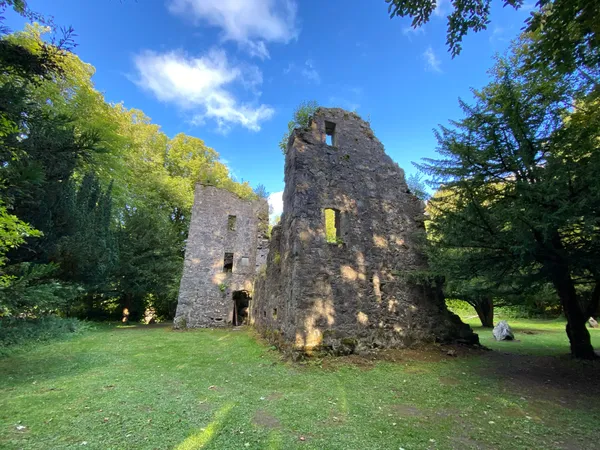
Castles of Scotland - Finlarig
Finlarig Castle is a historic castle located in central Scotland, in the county of Perthshire. The castle belonged to Clan Campbell and was an important administrative and commercial center in the region.
Scottish Castles
Scottish Castles - Craigmillar
Craigmillar Castle is a ruined medieval castle in Edinburgh, Scotland. It is located about 5 km from the city centre.