
Venice, which I wanted to see with my own eyes
For a long time I dreamed of seeing Venice in person. Not just in photos, in films, on postcards or in short clips from travel shows. I wanted to step into the city, feel its rhythm, and see the water reflecting the light.
For a long time I dreamed of seeing Venice in person. Not just in photos, in films, on postcards or in short clips from travel shows. I wanted to step into the city, feel its rhythm, see the water reflecting the light between the old walls, and find out whether it was truly as magical as I had always imagined. Venice was one of those places that seemed a little unreal to me: a city without cars, without ordinary urban noise, without streets in the sense we know them elsewhere. Instead there are canals, bridges, narrow passages, boats, and the sound of footsteps echoing off stone walls.
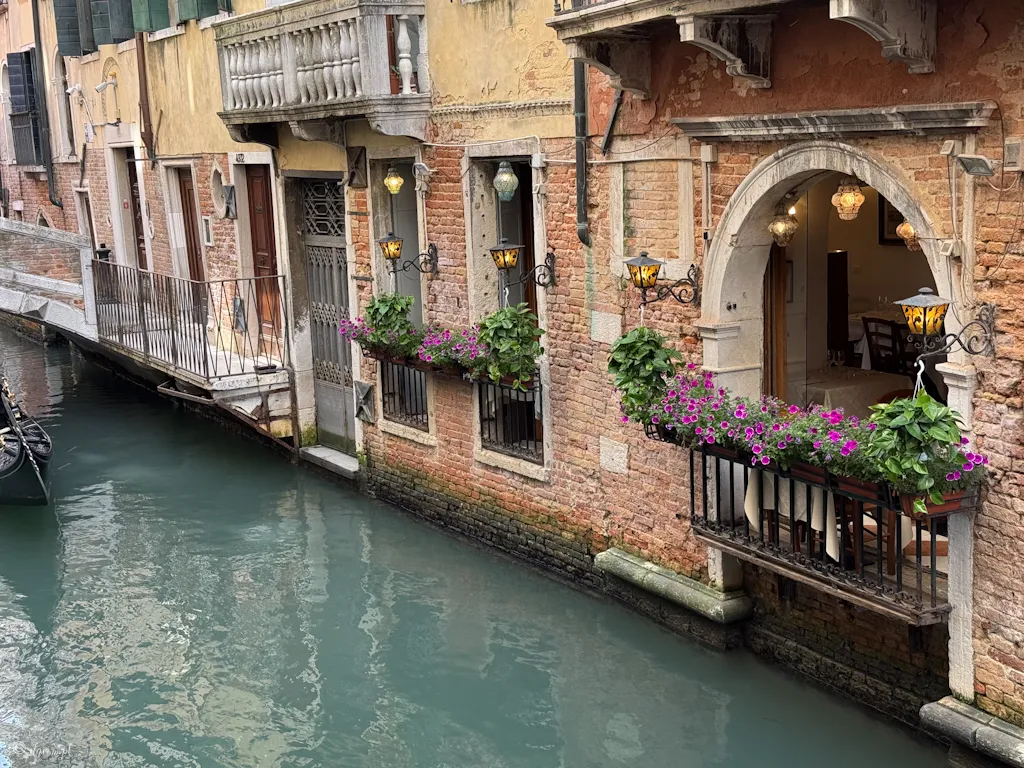
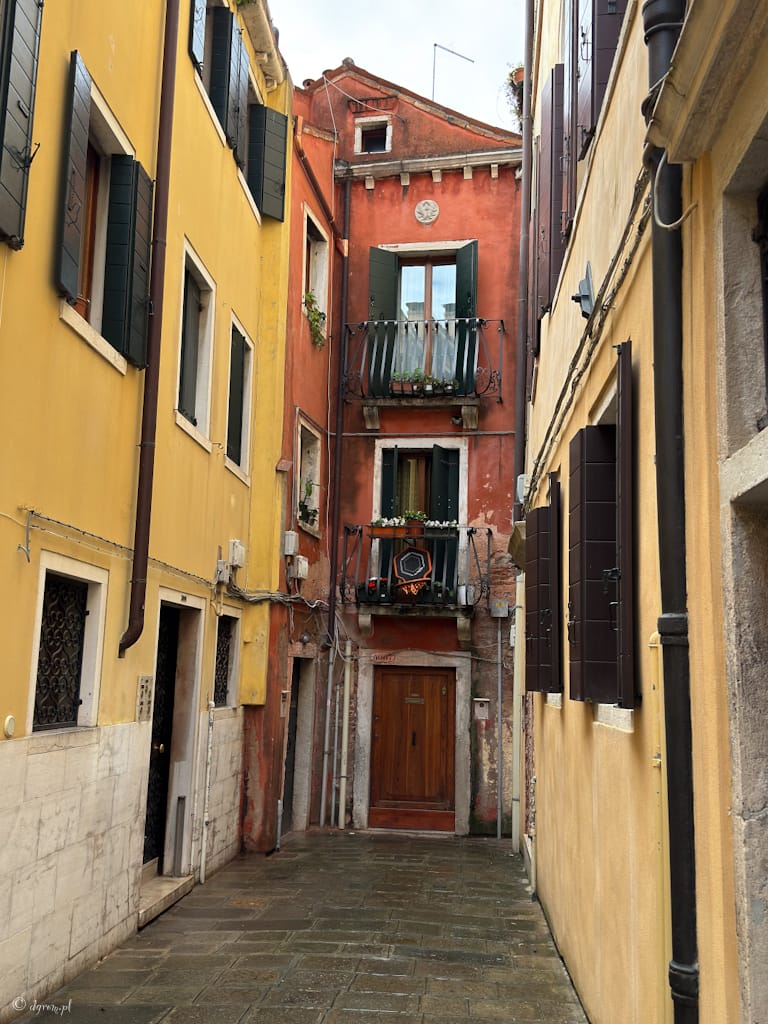
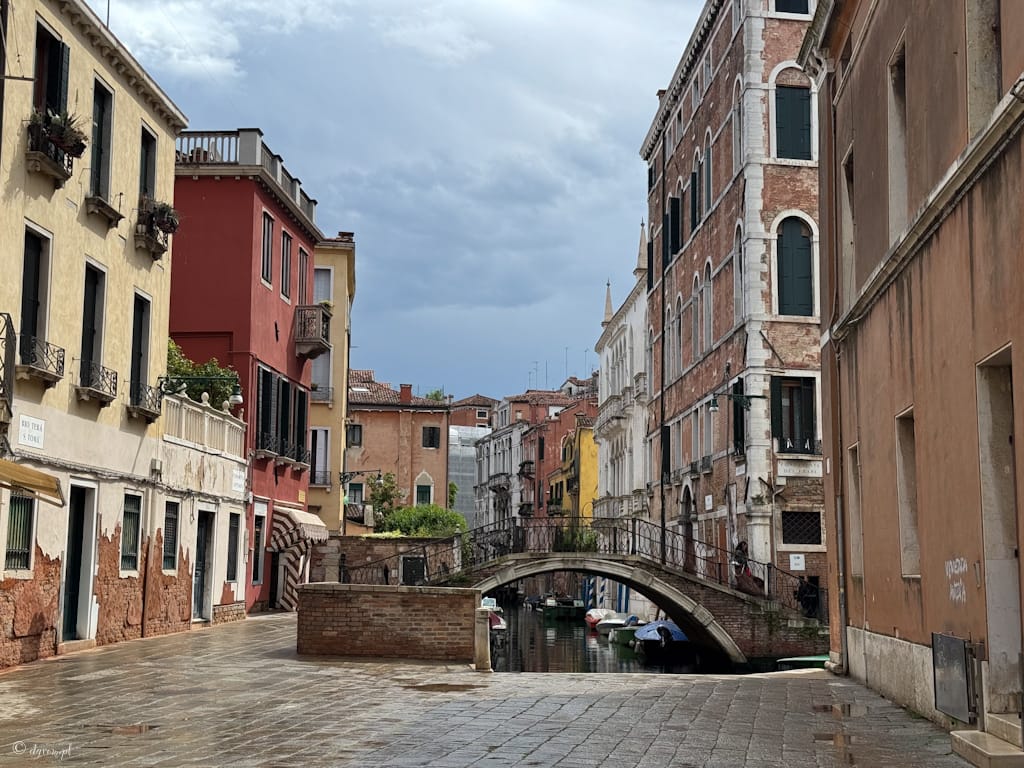
When we arrived in Venice, rain greeted us. It wasn't exactly dream weather for a first walk, but in a way it suited the city. Wet stones, darker building facades, reflections in puddles, and a quieter atmosphere made Venice show a different face right away. It didn't bother me. On the contrary, the rain added a layer of mystery. The canals looked more cinematic, and the old buildings seemed as if they had been weathering exactly such conditions for centuries and were still standing in place.
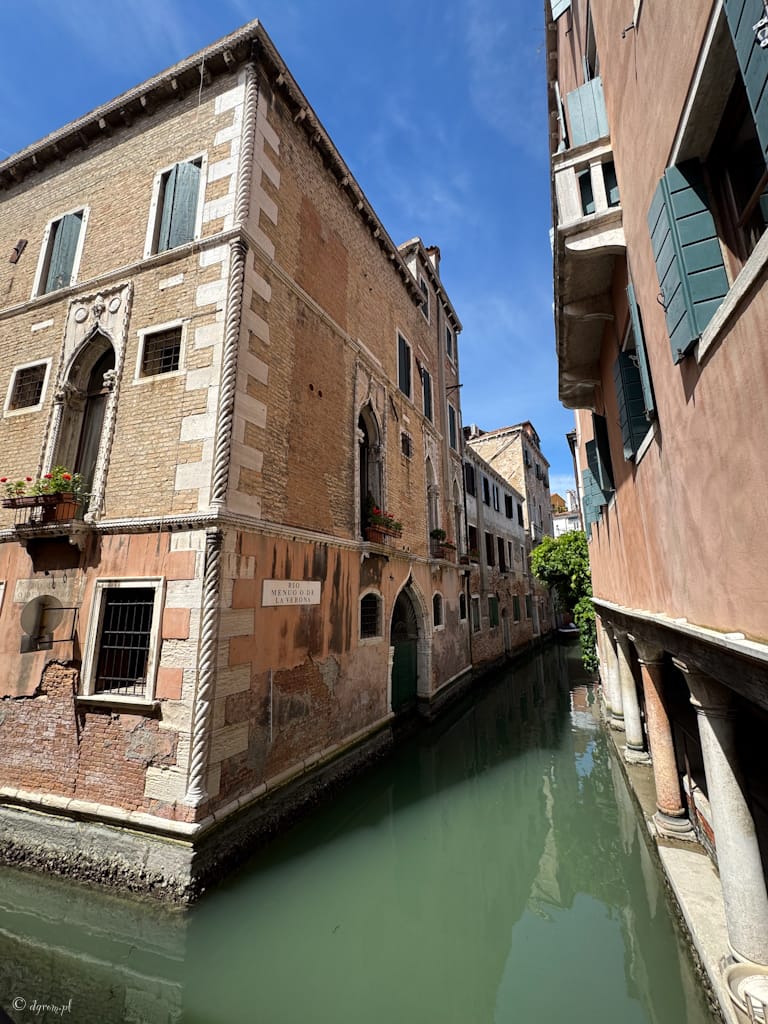
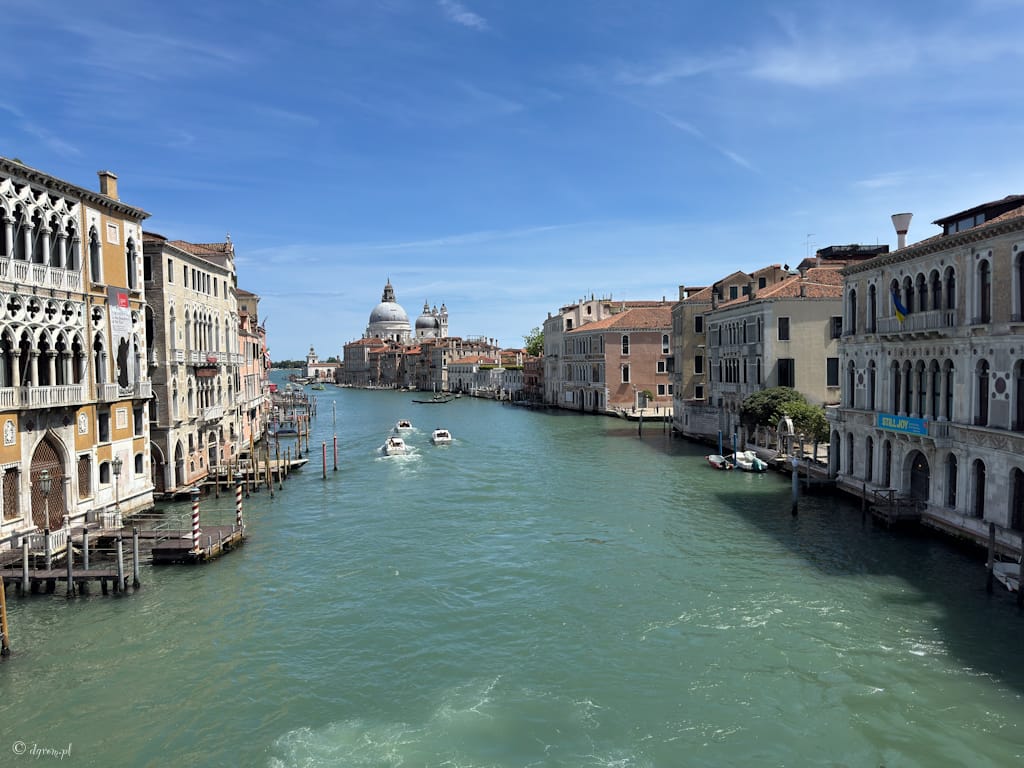
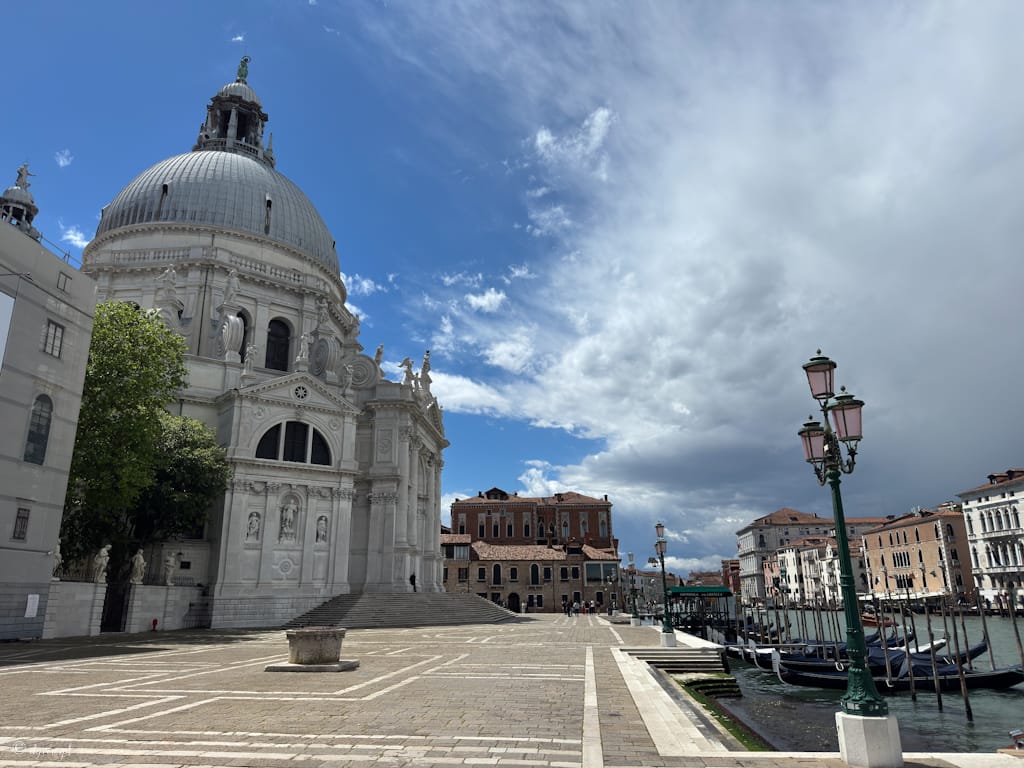
After a while the weather began to change. The clouds slowly gave way and the sun appeared between them. Venice suddenly became brighter, warmer, and more colorful. Light began to reflect off the water, and the fronts of the houses took on a completely different character. It was a bit as if the city first wanted to show its melancholic side, and later revealed the more postcard-perfect one. Both had their charm.
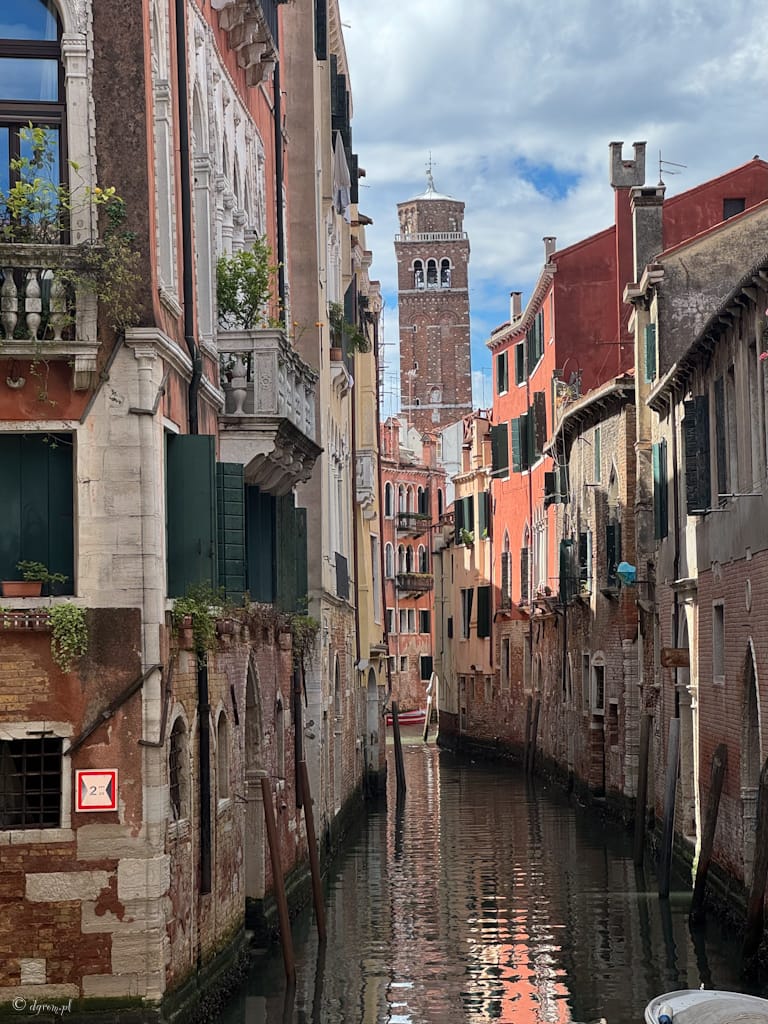
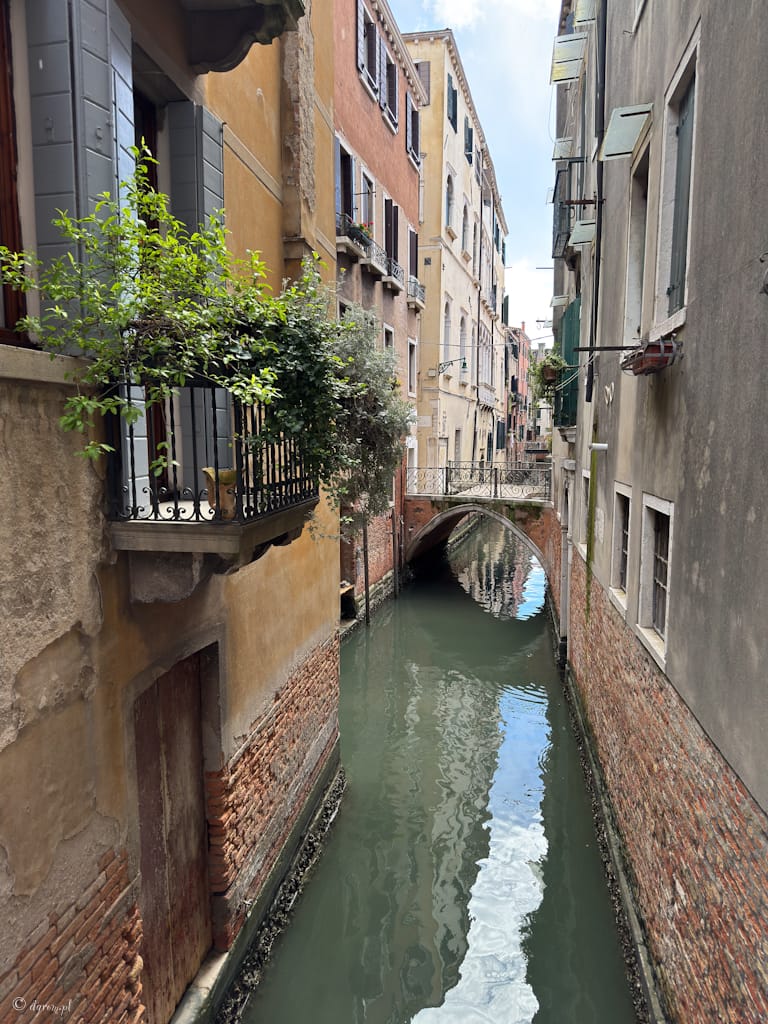
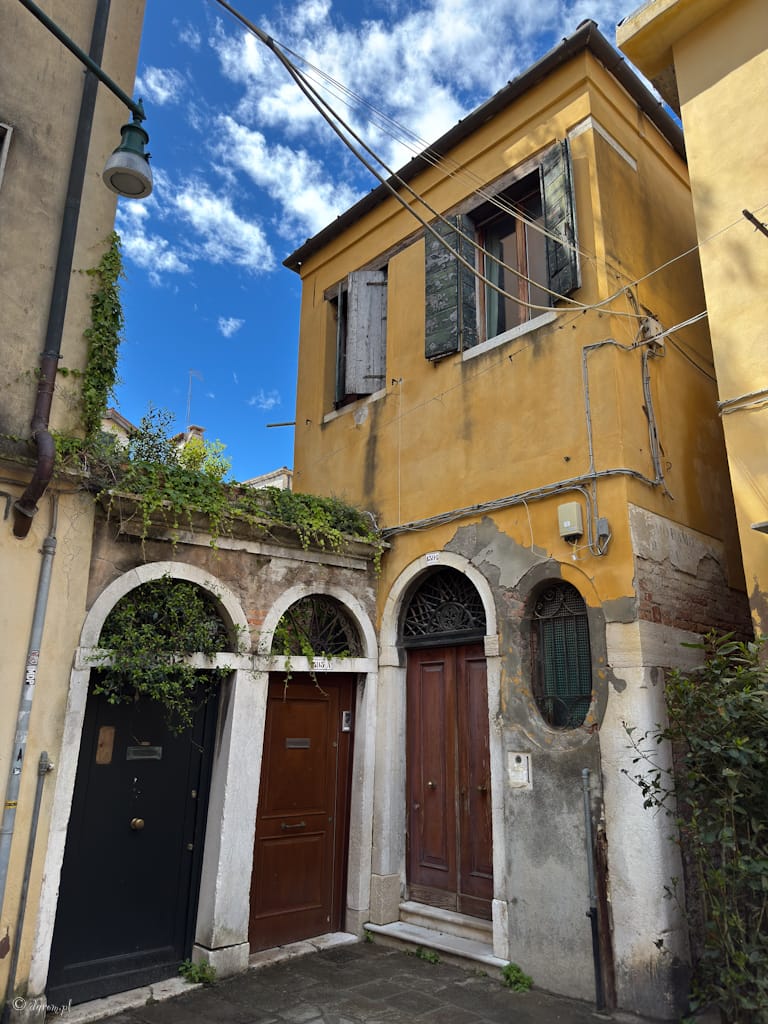
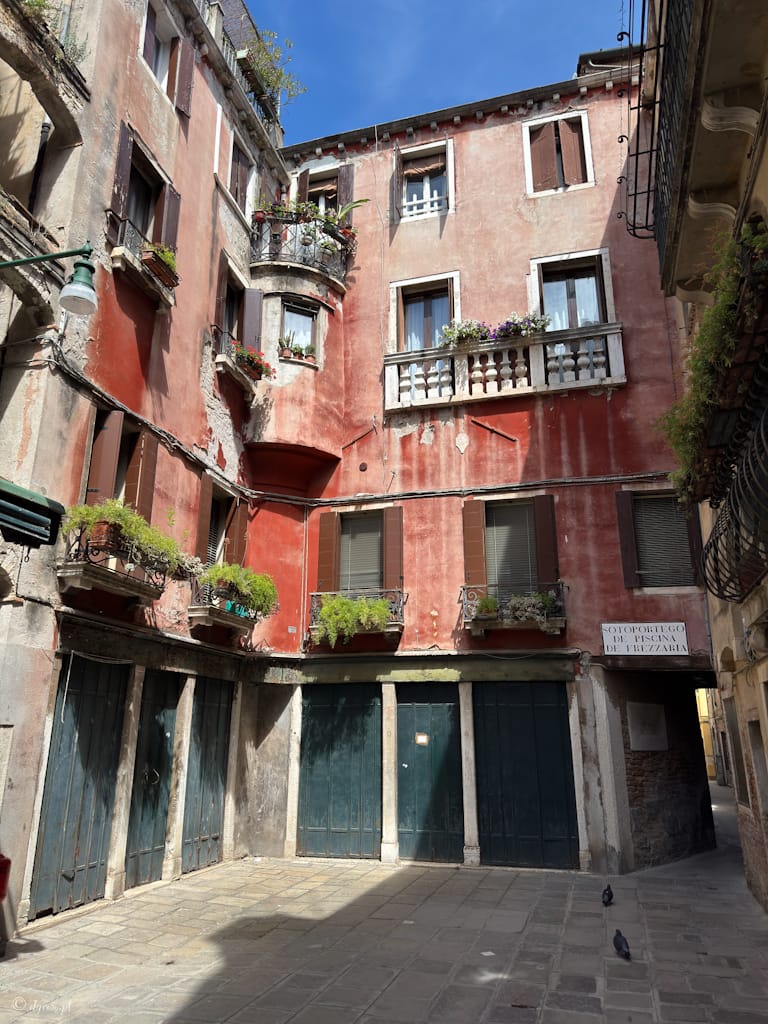
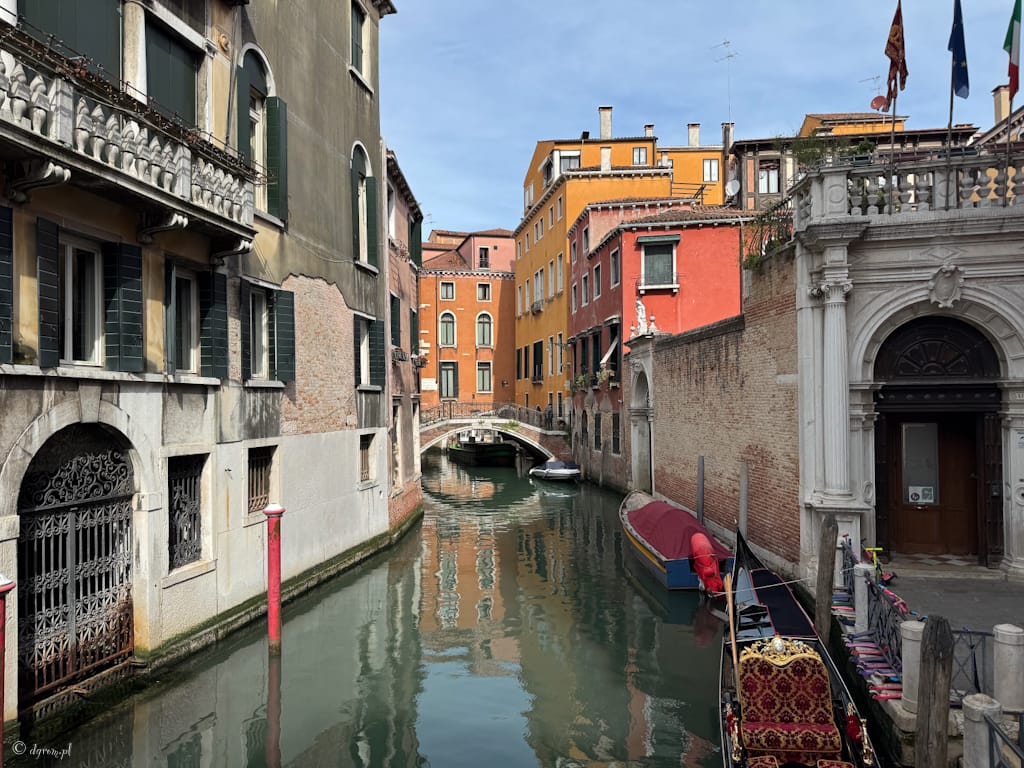
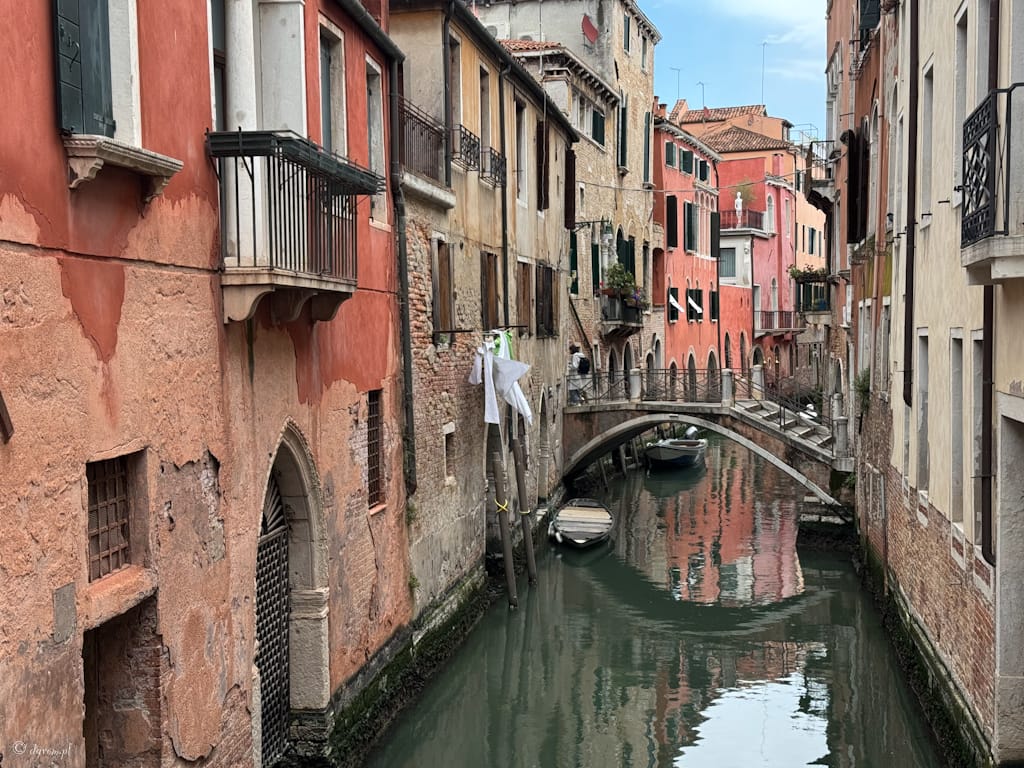
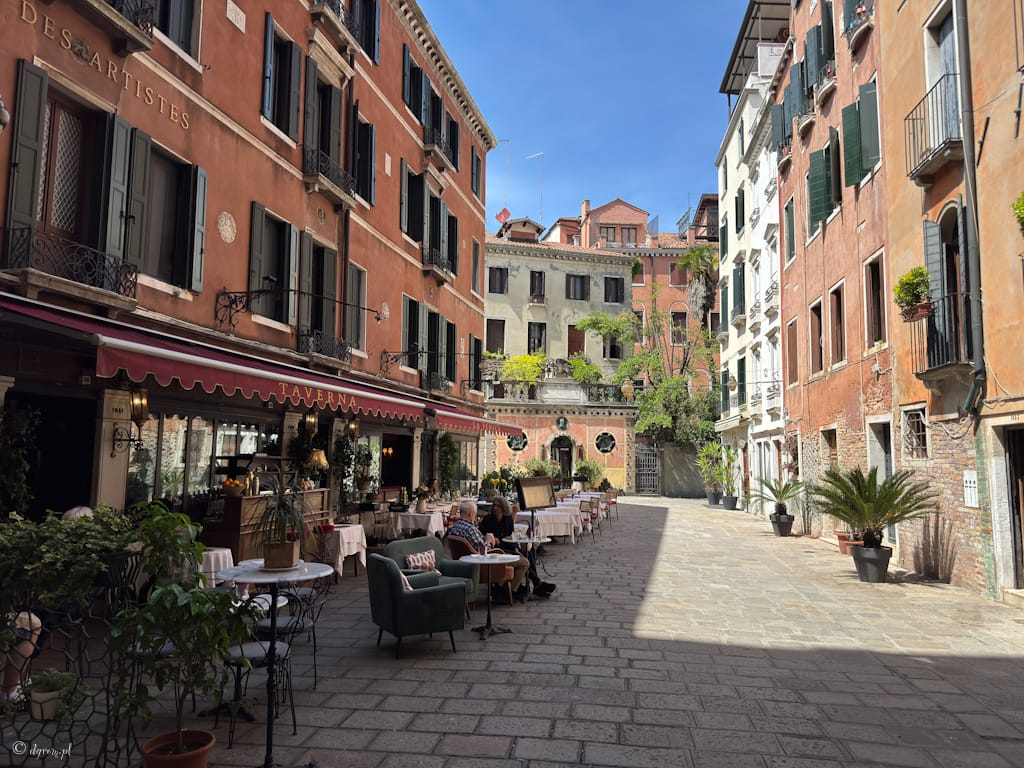
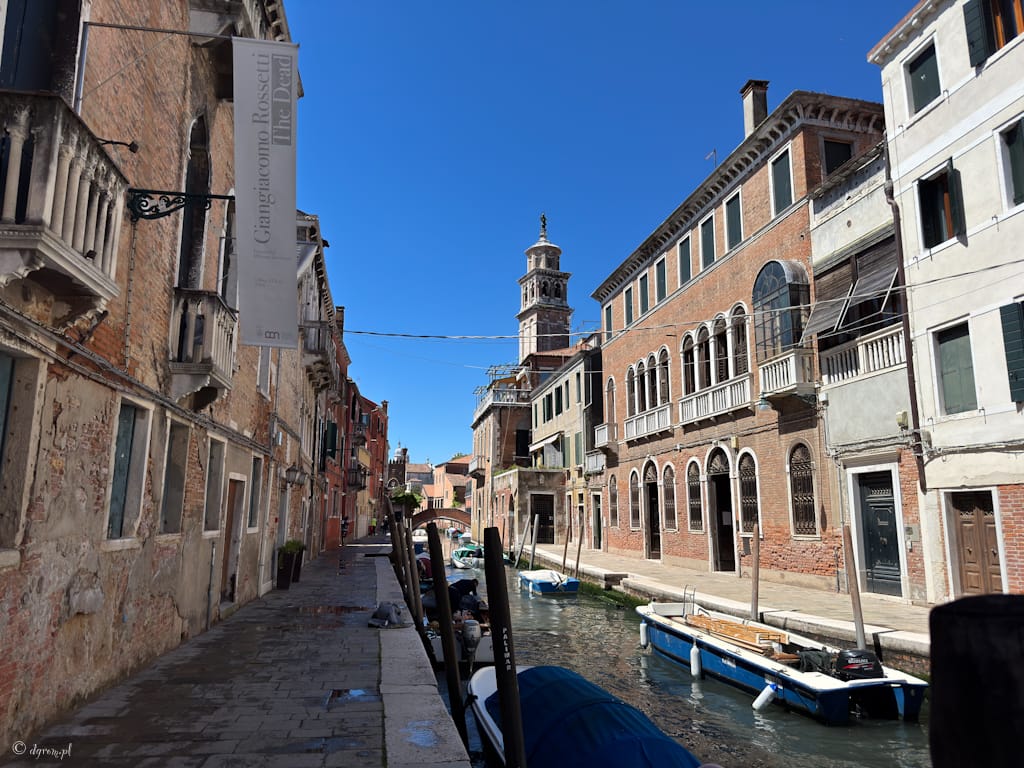
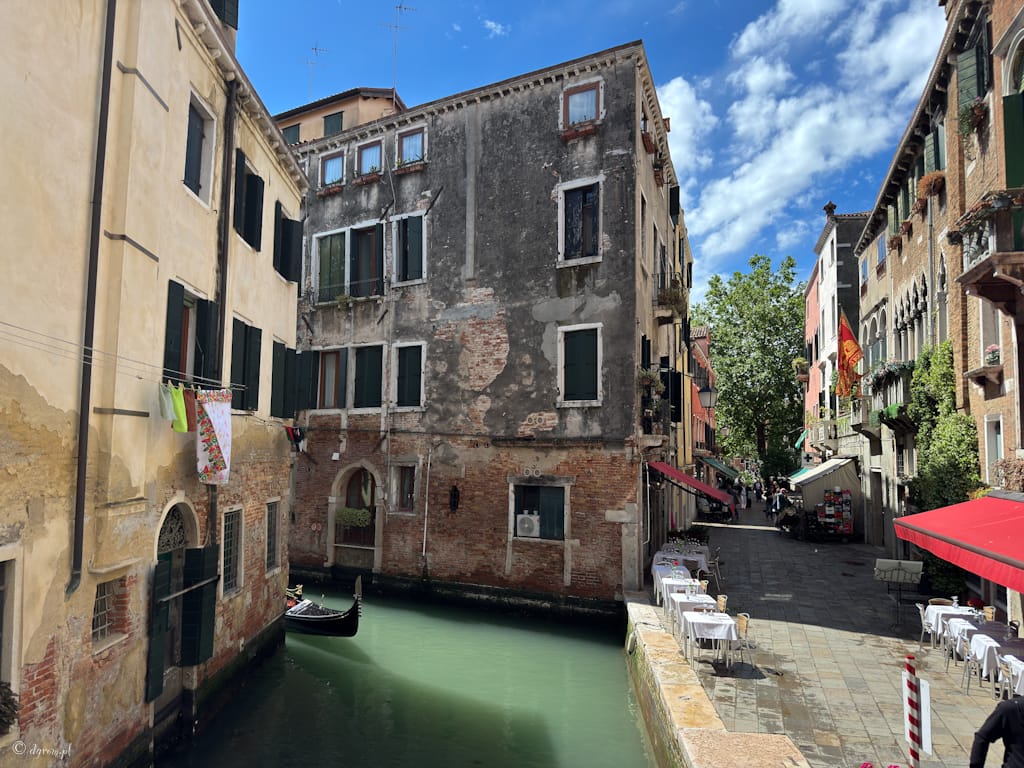
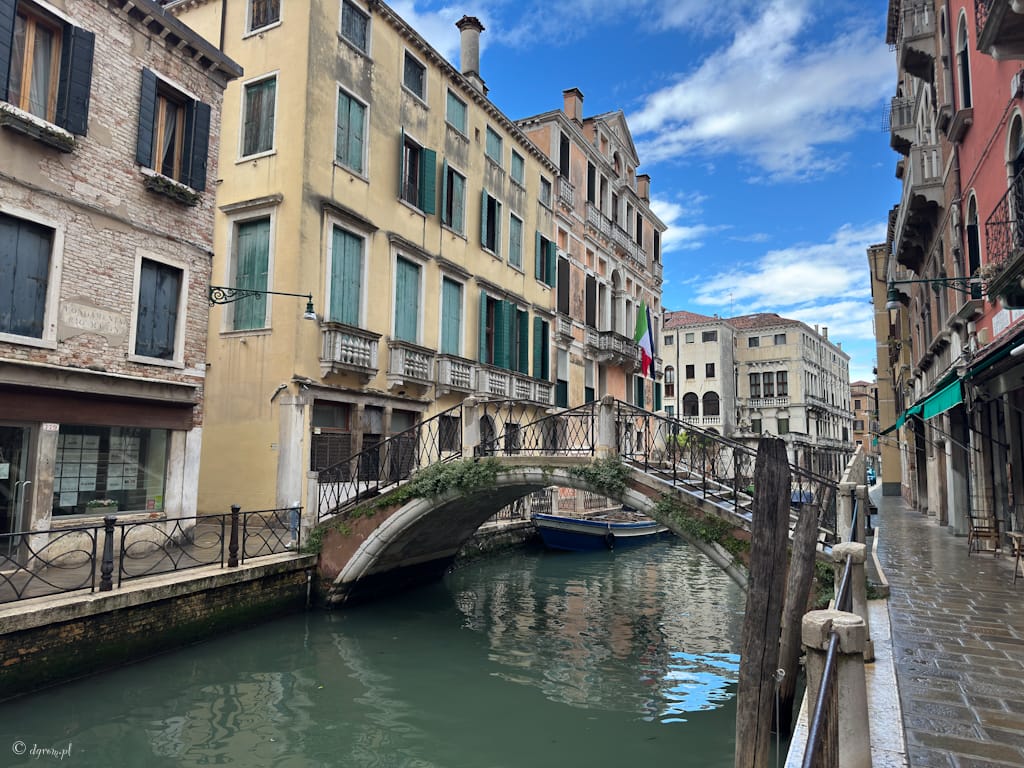
What fascinated me most was that in Venice practically every little street had atmosphere. I'm not exaggerating — I stopped to take photos almost constantly. Crooked alleys, small bridges, windows with shutters, laundry strung between buildings, narrow canals with passing boats, old doors right by the water. Every fragment looked like a separate scene. Even places that weren't any well-known attraction had something special about them. Sometimes you only had to turn a corner, walk a few steps off the main route, and suddenly you were in a completely different Venice — quieter, more private, more real.
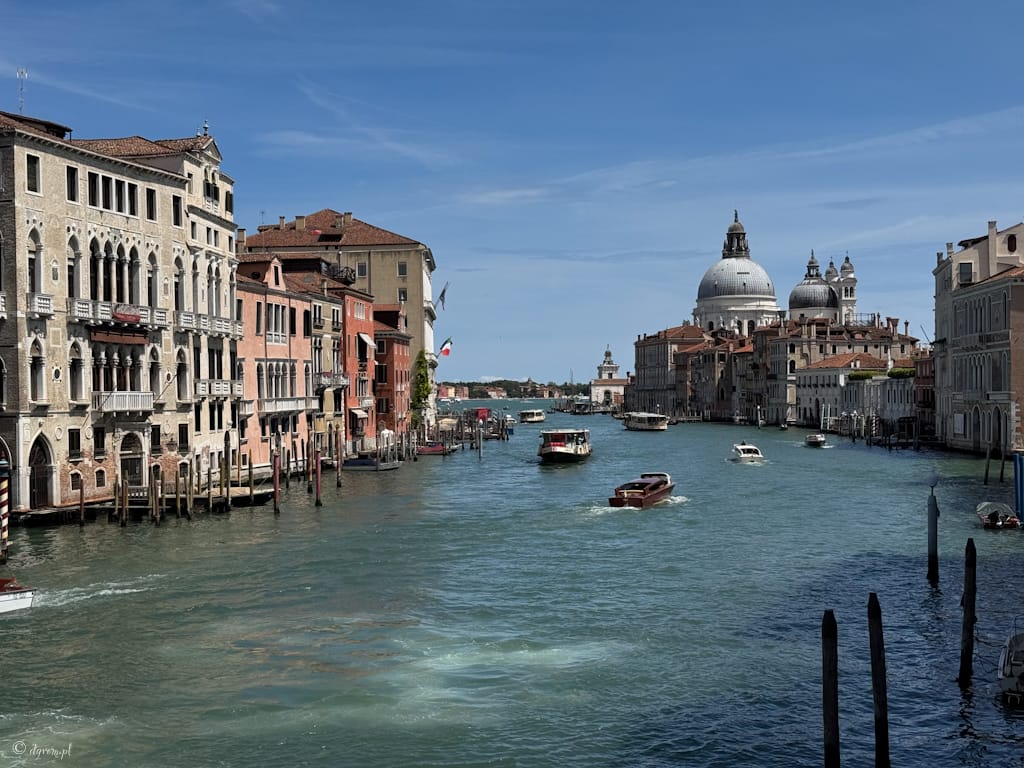
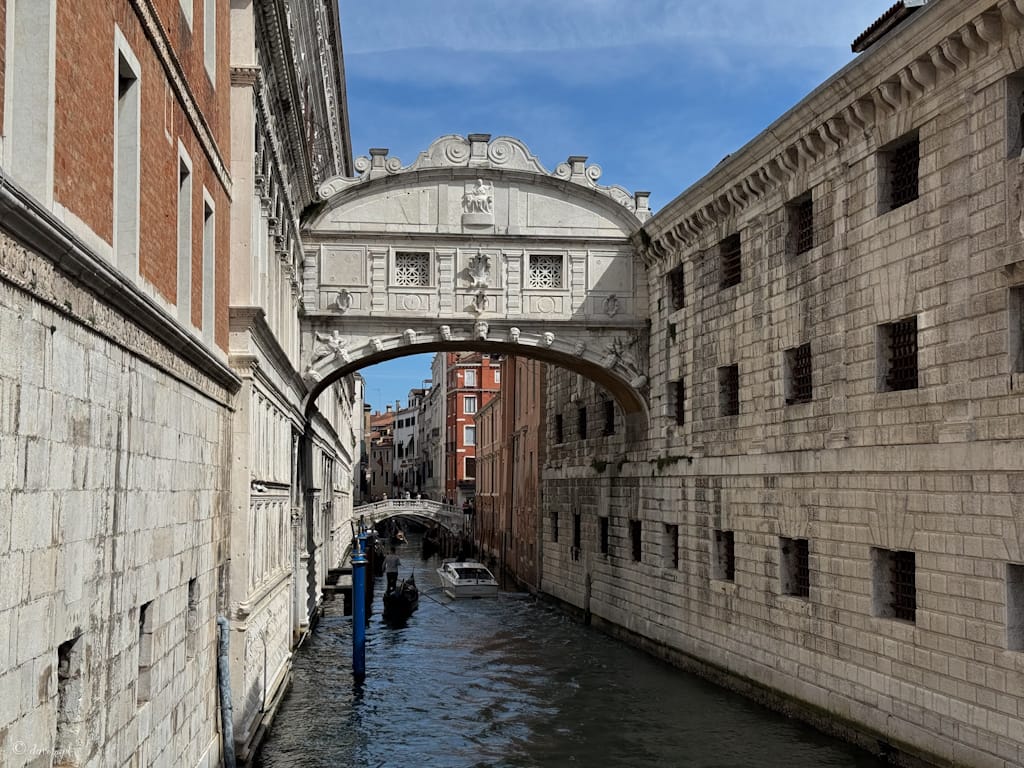
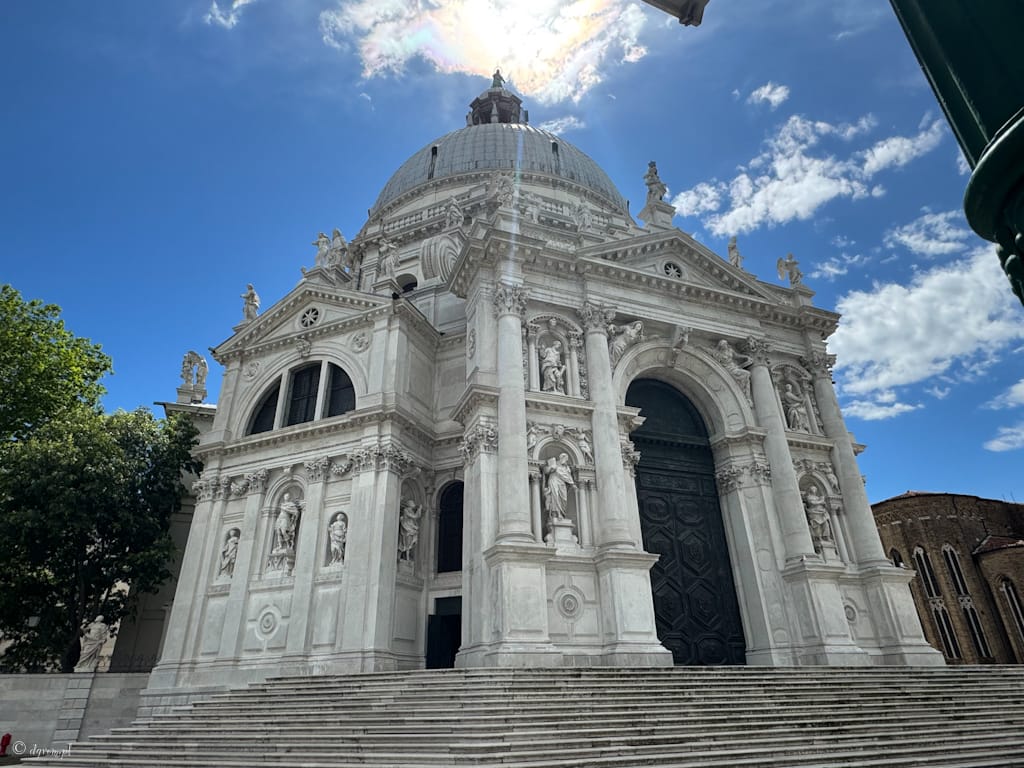
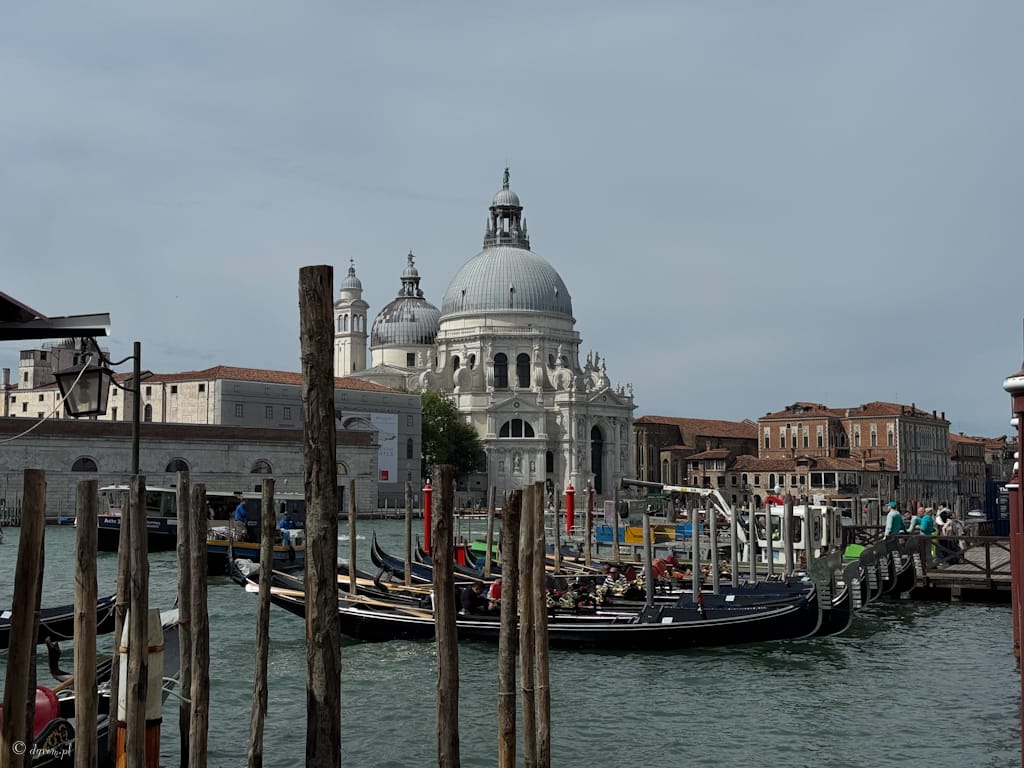
Of course the main attractions make a huge impression. St. Mark's Square, St. Mark's Basilica, the Doge's Palace, the Grand Canal, the bridges and the views known from thousands of photos really have their power. When you stand there in person, it's easy to understand why Venice has drawn people from all over the world for centuries. But quite quickly I decided I didn't want to see the city just by following a map and checking off a list. I adopted a simple rule: get lost and see more.
It was the best decision. Venice is the perfect place for wandering without a strict plan. Getting lost there is not a problem but part of the experience. You walk straight ahead, turn into a random lane, cross a bridge, step into a small square, and then suddenly realize you don't exactly know where you are. That's when the best discoveries begin. The city stops being just the famous Venice from a guidebook and becomes a place you get to know in your own way.
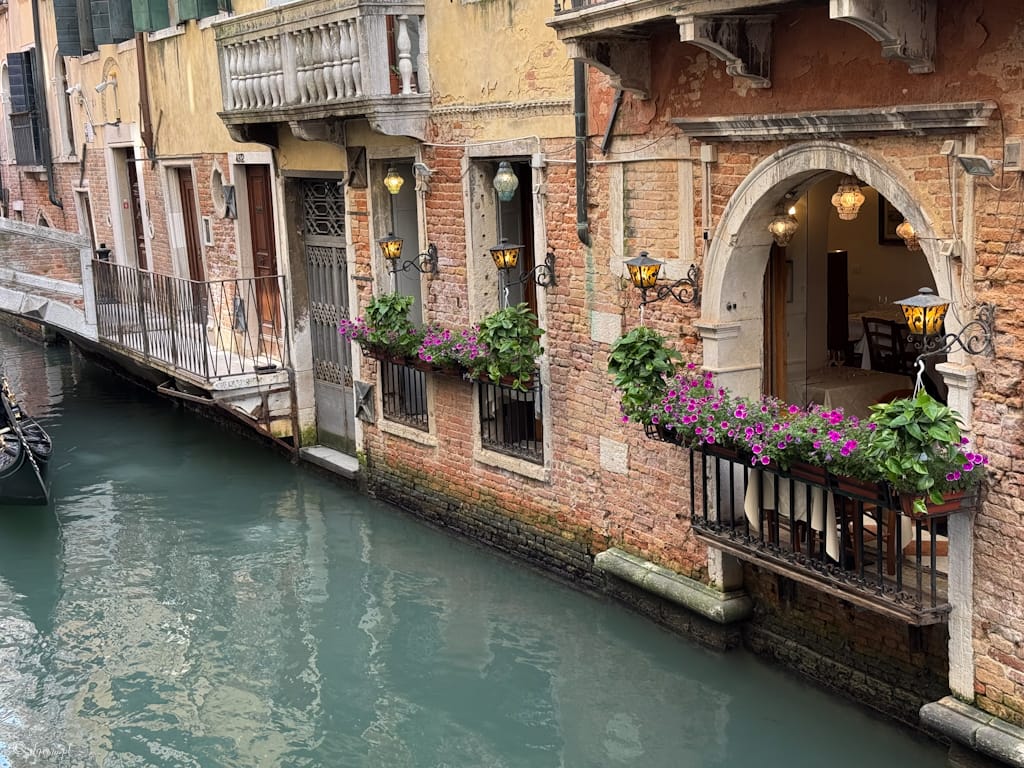
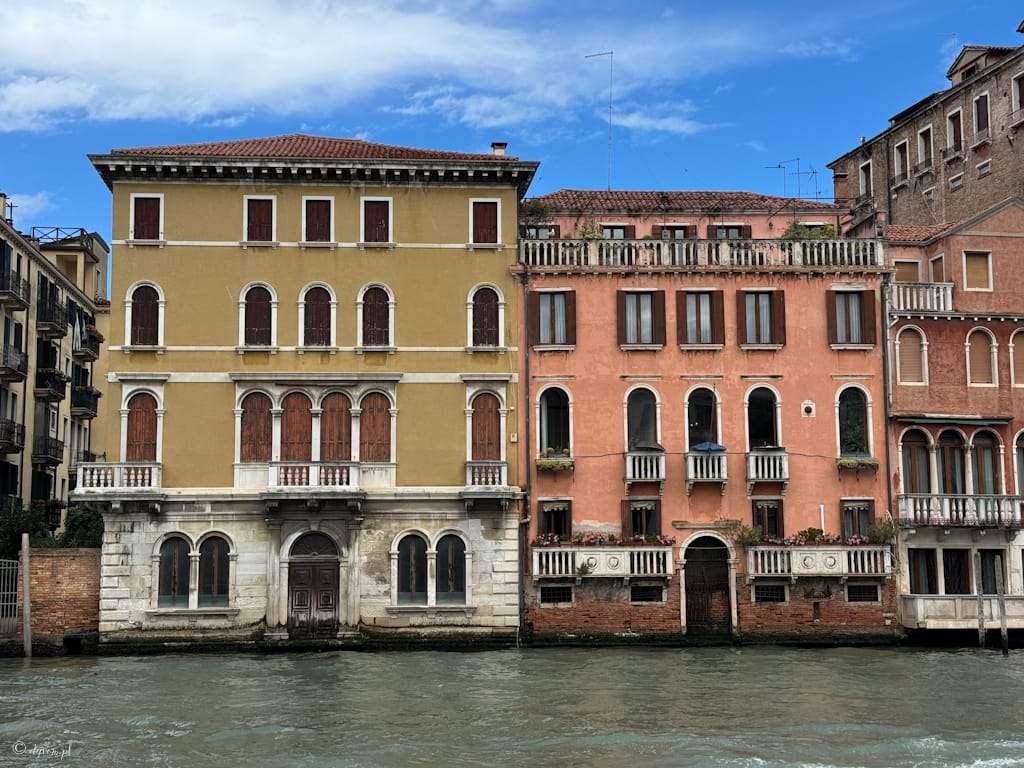
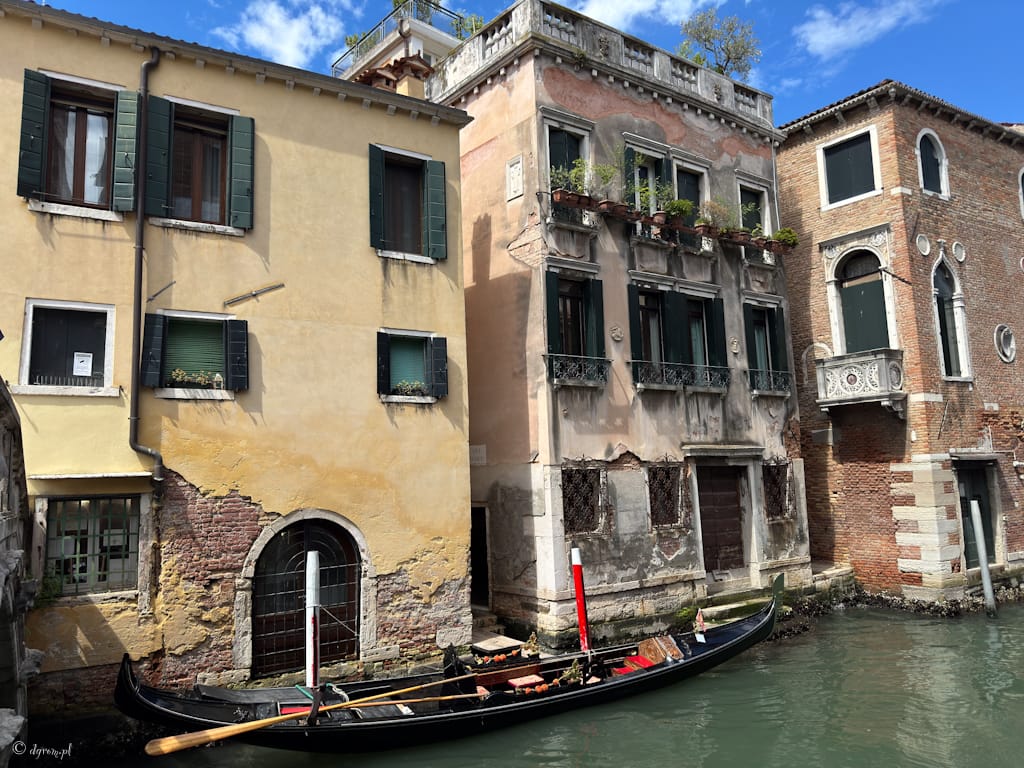
I paid close attention to the old, worn buildings. Some facades were cracked, patches of plaster were falling off, colors had faded from damp and time. To some that might look like neglect, but for me that was part of the charm. These signs of age gave Venice character. I had a similar feeling earlier in Croatia, where old walls, ruined townhouses, and traces of the past created an incredible atmosphere. Venice has something similar, but even more intense. Here you can see how the city constantly lives between beauty and decay, between history and everyday life, between water and stone.
Venice is not a perfectly smoothed, sterile place. And that's a good thing. Because it's precisely for that reason that it feels real. Those worn walls, signs of damp, old doors, boats tied to poles, and quiet nooks make you feel the passage of time. This isn't a decoration built for tourists. It's a city that truly exists, even if sometimes it looks as if it's suspended between dream and reality.
One of the most surprising moments was that I managed to see a dolphin. I didn't expect it at all. In a city of canals, gondolas and monuments, such a moment was an extra delight and something I'll remember for a long time. It was a short but special moment. It was as if Venice had decided to add one more unexpected gift to the whole trip.
After this visit I understand why Venice stirs so many emotions. This place can be crowded, touristy and at times overwhelming, but if you stray a bit from the main routes, it can reveal a completely different side. What I'll remember most are not just the famous sights, but those small discoveries: unnamed alleys, little bridges over quiet water, the light after rain, weathered facades and the sense that around every corner there might be something worth photographing.
Venice was exactly as I had imagined, and at the same time completely different. More real, more fragile, more magical. It wasn't just visiting another city. It was the fulfillment of a small dream and an encounter with a place you truly get to know best when you allow yourself to get a little lost.
Venice, which I wanted to see with my own eyes
Venice, which I wanted to see with my own eyes
Continue reading in this gallery
Italy
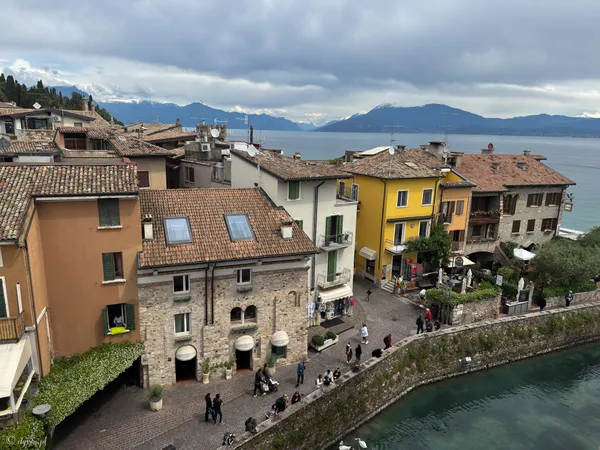
Sirmione and Desenzano del Garda
After Venice and Verona,our next stop in Italy took us towards Lake Garda.This part of the journey had a very different rhythm from the cities we had visited before.Venice was intense,beautiful and almost unreal.Verona felt elegant,romantic and full of history.
Italy
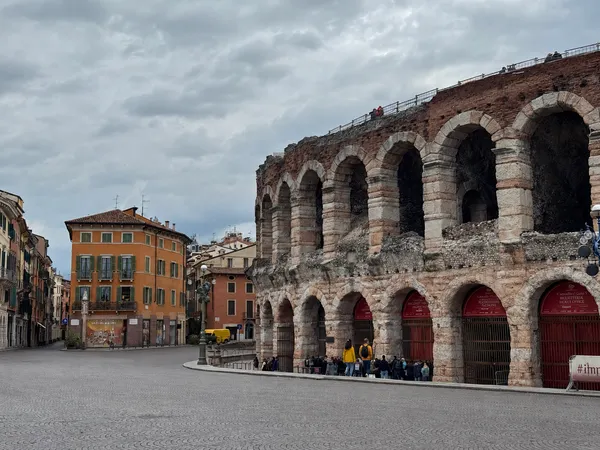
Verona:A Romantic City,but So Much More
After Venice,it was time for Verona.And I have to admit,I was very curious to see how I would feel about the city after visiting somewhere as extraordinary as Venice.Venice feels a little like a dream—a city built on water,filled with canals,bridges and narrow passageways.
Italy
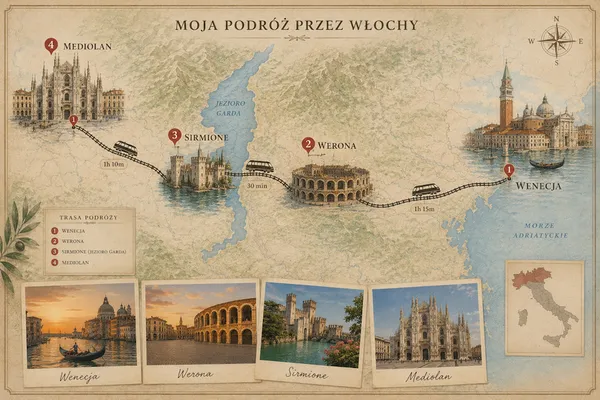
By Train Through Northern Italy
Some trips are planned for months. Others are born from a simple idea: to take a train and see a few remarkable places. That's how our journey through northern Italy began, taking us through Venice, Verona, Sirmione on Lake Garda and Milan.
Italy
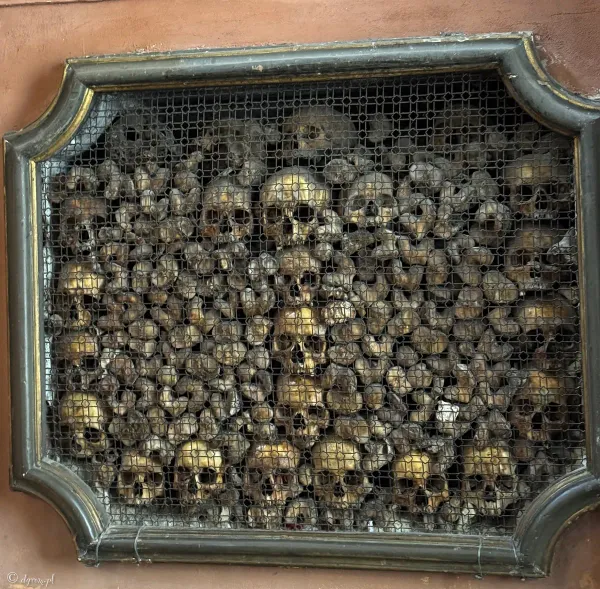
Sanctuary of San Bernardino alle Ossa
We're all here only for a moment. Life is extremely fragile and short. But at the same time that's precisely why it's so precious. Because perhaps, in the end, the most important thing isn't how much we own. But whether, after we're gone, someone will remember our kindness, our presence, and the e…