
Verona:A Romantic City,but So Much More
After Venice,it was time for Verona.And I have to admit,I was very curious to see how I would feel about the city after visiting somewhere as extraordinary as Venice.Venice feels a little like a dream—a city built on water,filled with canals,bridges and narrow passageways.
After Venice,it was time for Verona.And I have to admit,I was very curious to see how I would feel about the city after visiting somewhere as extraordinary as Venice.Venice feels a little like a dream—a city built on water,filled with canals,bridges and narrow passageways.Verona immediately feels more grounded,more classical and calmer.But that certainly does not make it any less interesting.Quite the opposite.Verona has its own rhythm,its own elegance and an atmosphere that reveals itself more slowly,but in a very enjoyable way.
From the very first moments,I felt that there was something warm about the city.It is not as chaotic or overwhelming as some of Italy’s largest tourist destinations.It may not have the same watery magic as Venice,but it offers something different:beautiful squares,colourful buildings,historic streets,traces of the Roman past and the atmosphere of a city where you genuinely want to walk without rushing.Verona is highly photogenic,but in a quieter and more subtle way.It does not constantly demand your attention with attractions at every turn.Instead,it allows you to discover its details gradually.
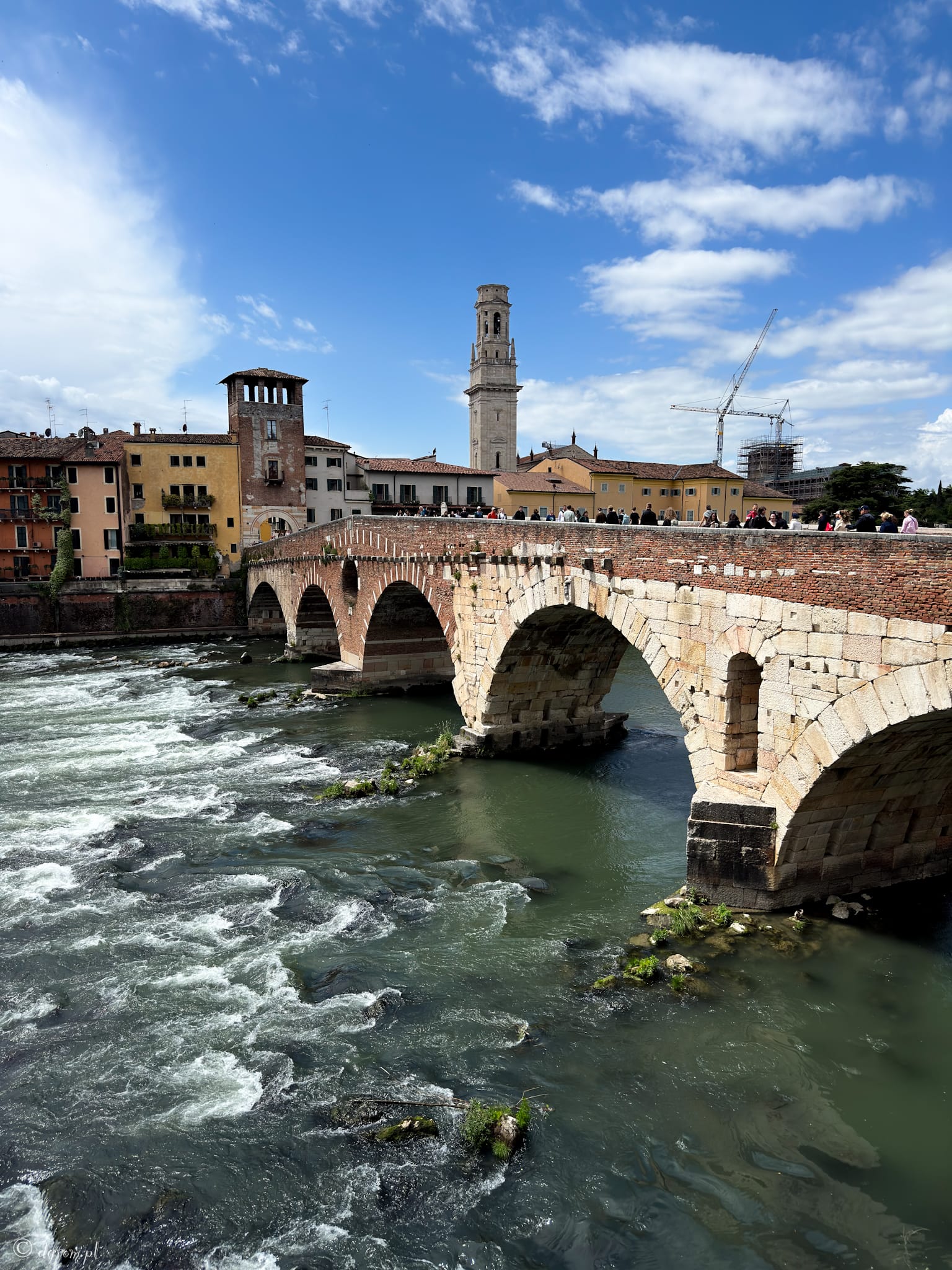
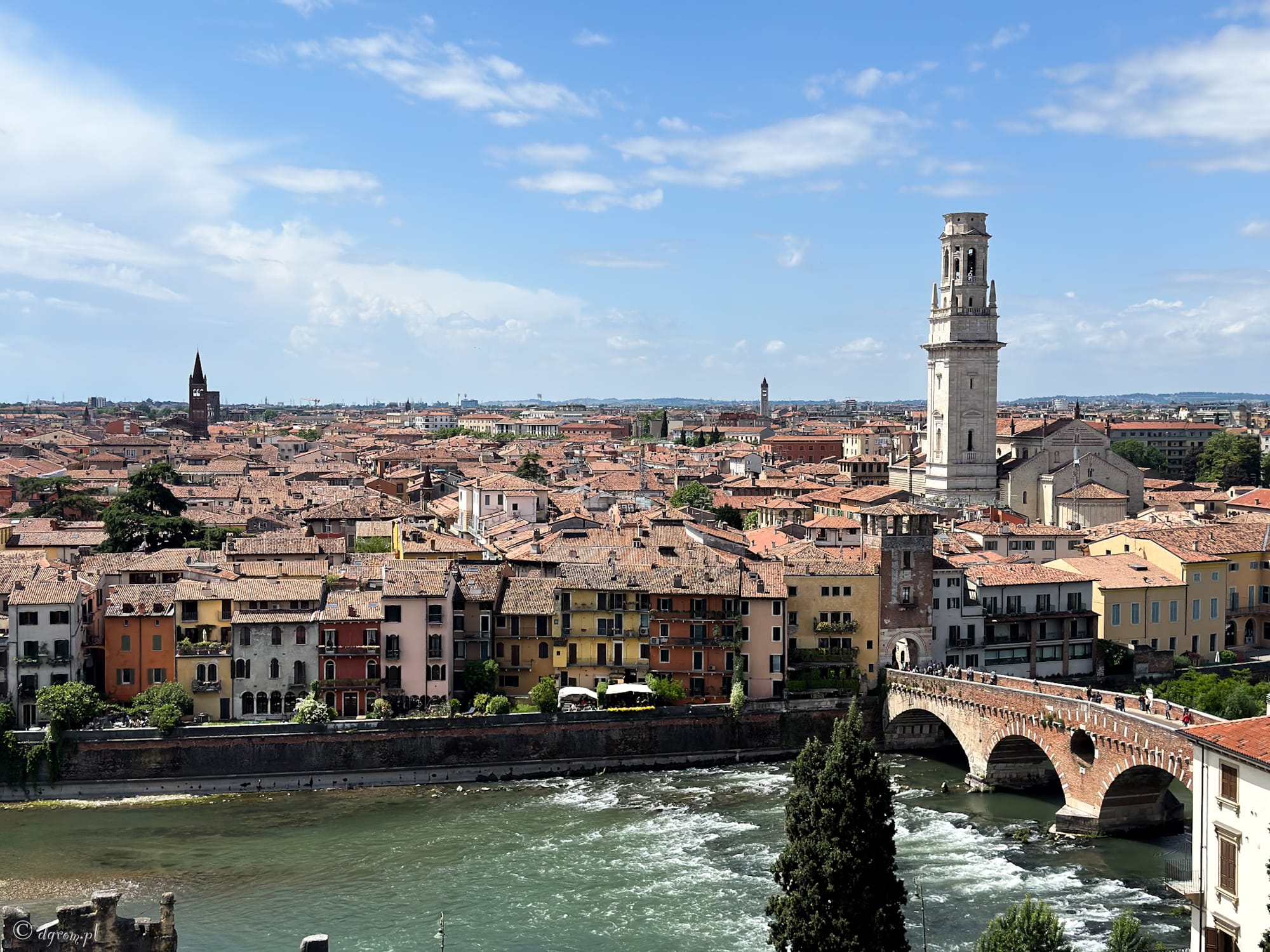
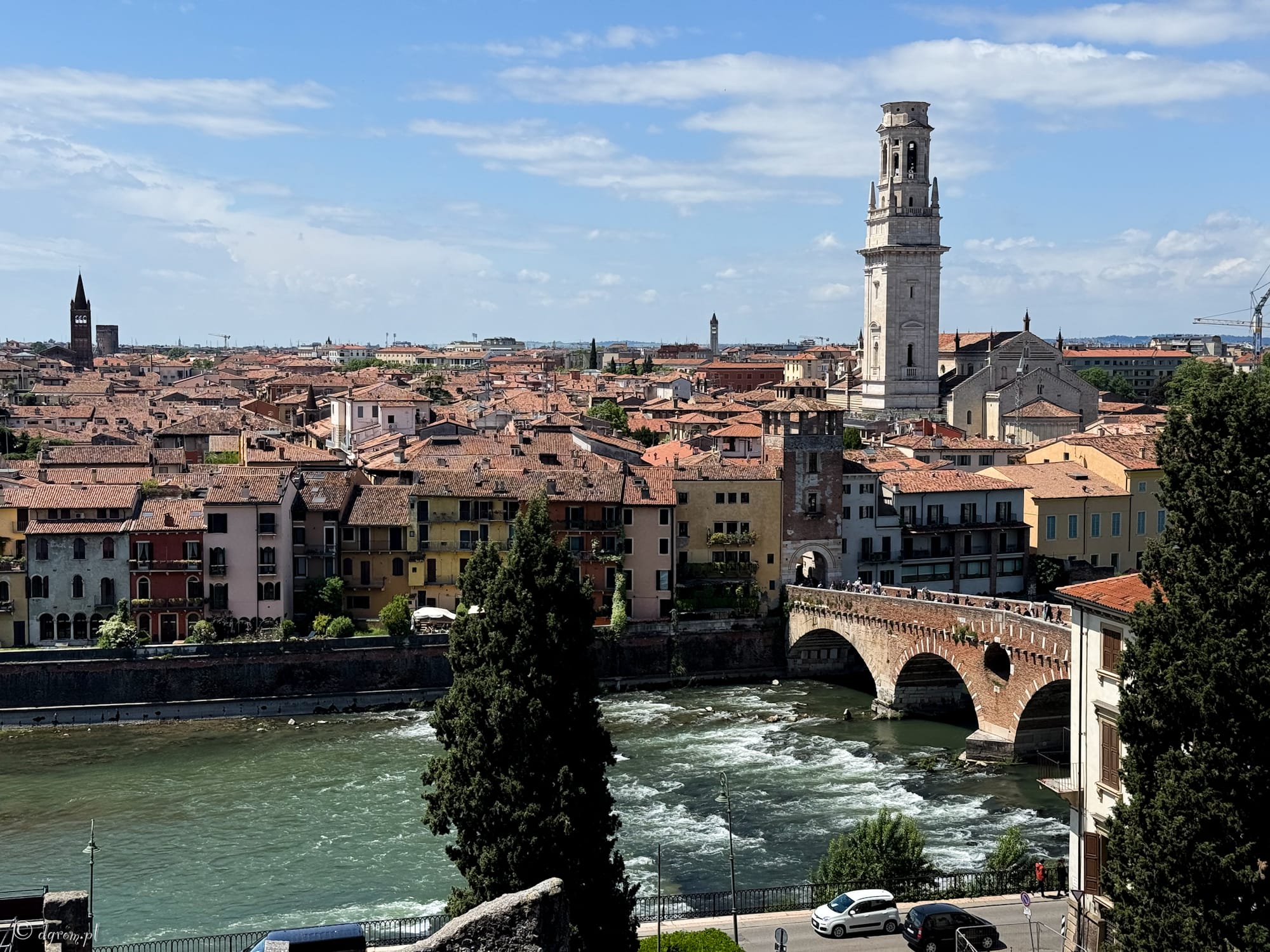
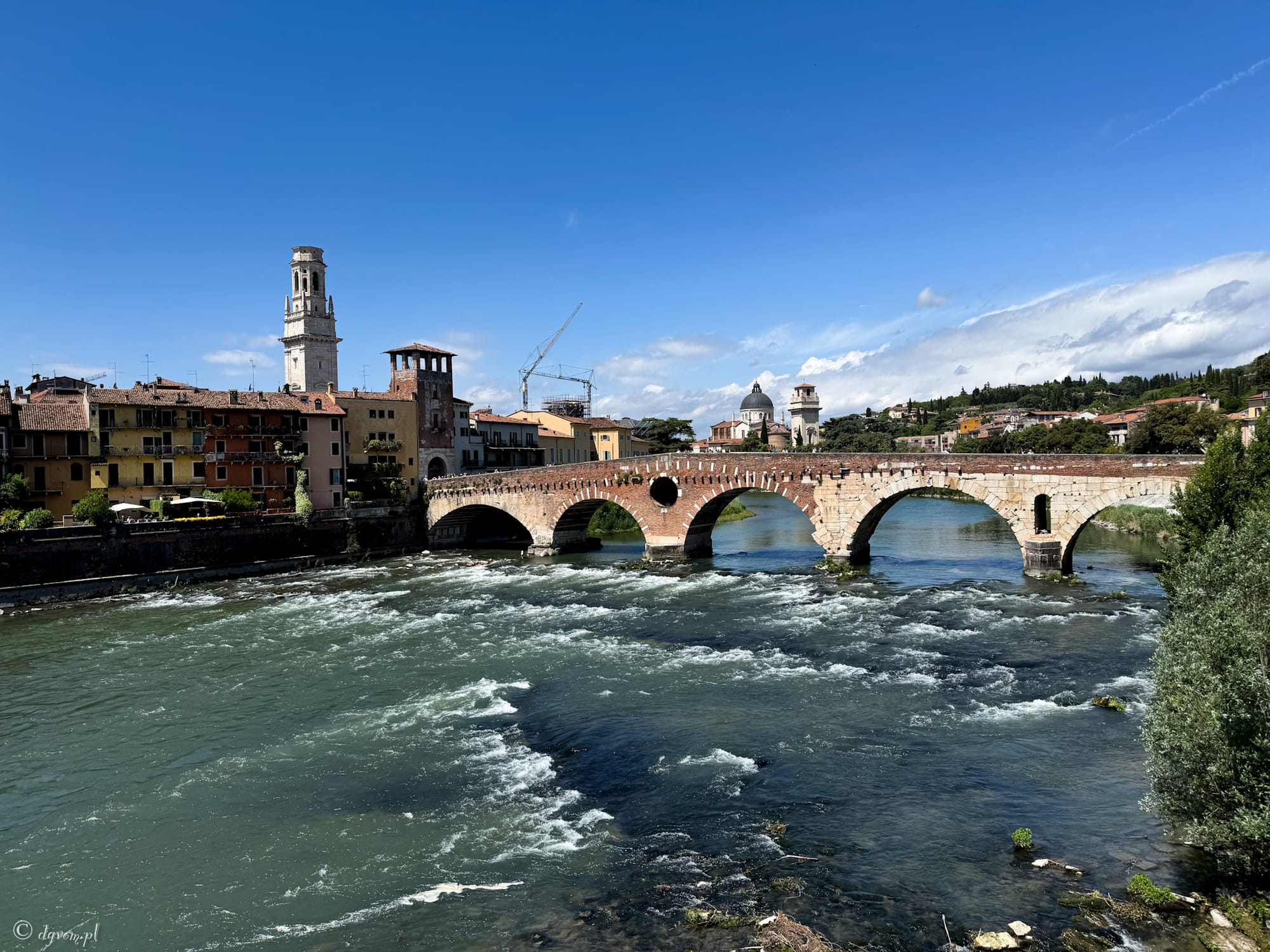
What I liked most was the way Verona combines several different layers of history.One moment,you are walking along an ordinary street lined with cafés,shops and people sitting at outdoor tables,and the next,you find yourself standing in front of an ancient arena,a Roman gateway,medieval walls or an elegant square surrounded by buildings painted in warm colours.The city does not feel like a museum,despite being filled with history.It is alive,and its past is naturally woven into everyday life.
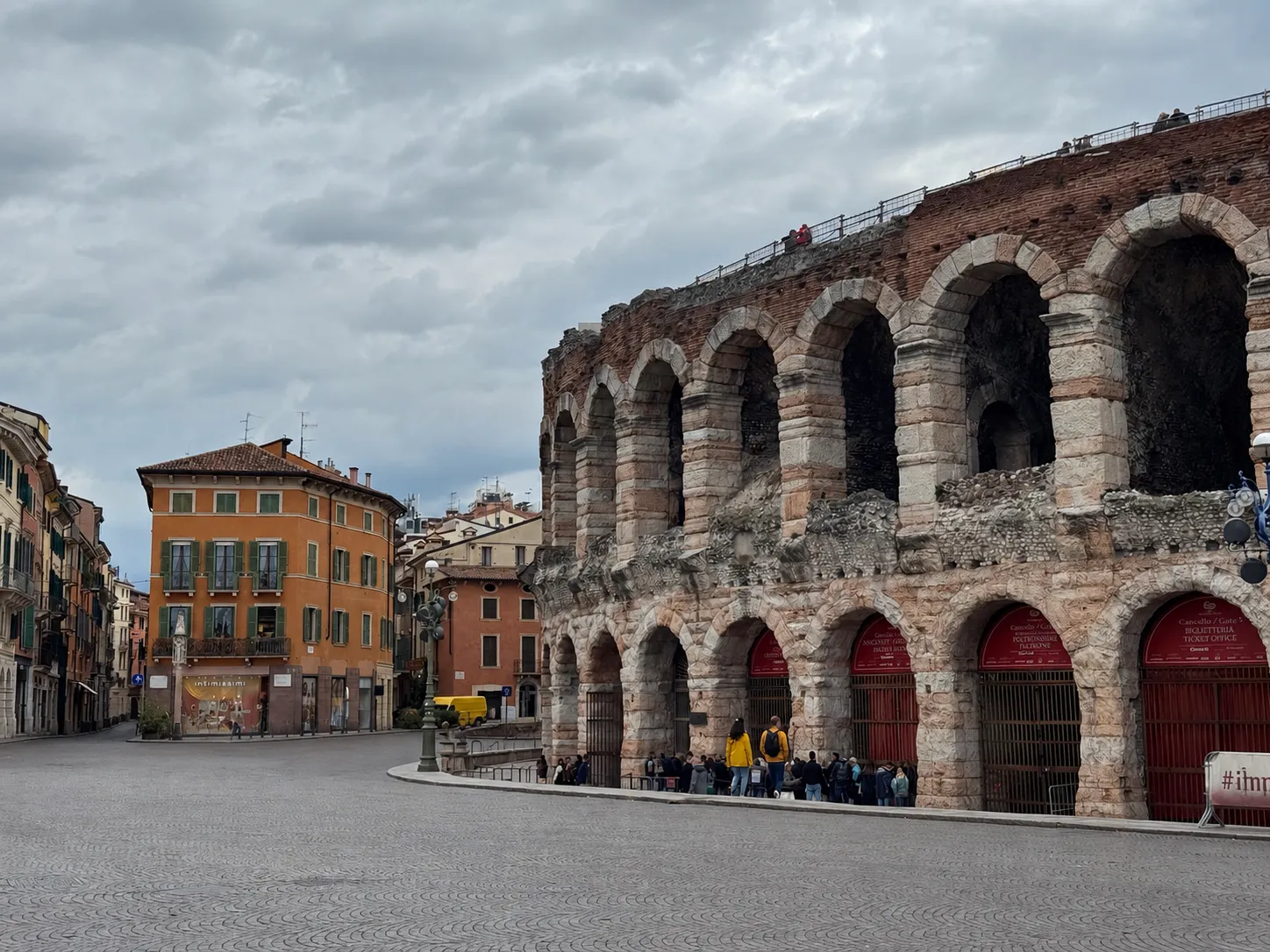
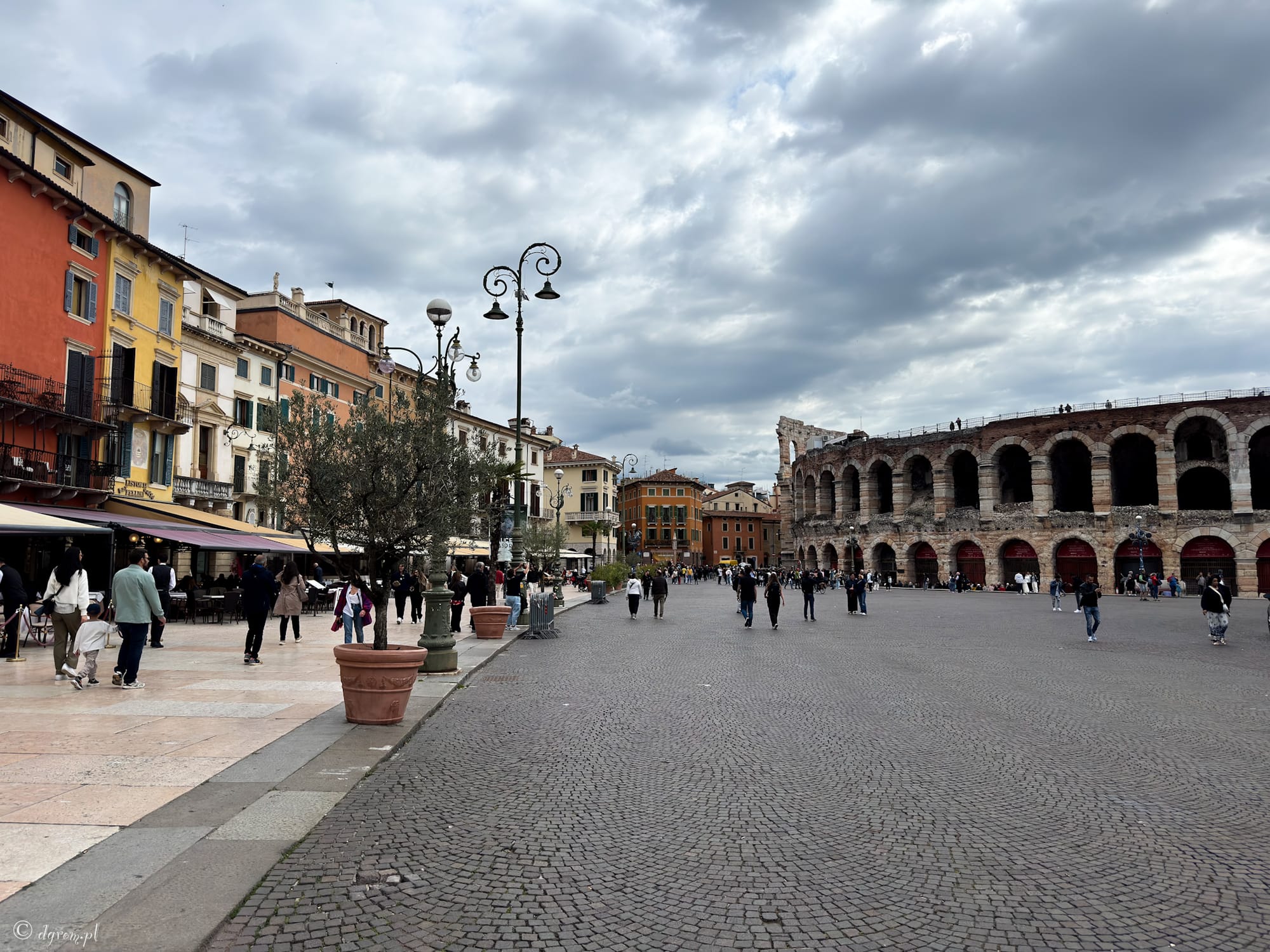
One of the most impressive sights was,of course,the Arena di Verona.It is difficult to walk past it without stopping.This enormous Roman structure immediately impresses with its scale and simplicity.It stands in the very heart of the city,as though it has always been there,reminding visitors that Verona did not begin with the legend of Romeo and Juliet.Its roots reach much deeper.As I looked at the arena,I thought about how many generations of people had seen it before me.How many stories had unfolded around it,how many times the city had changed,and yet the arena was still standing.
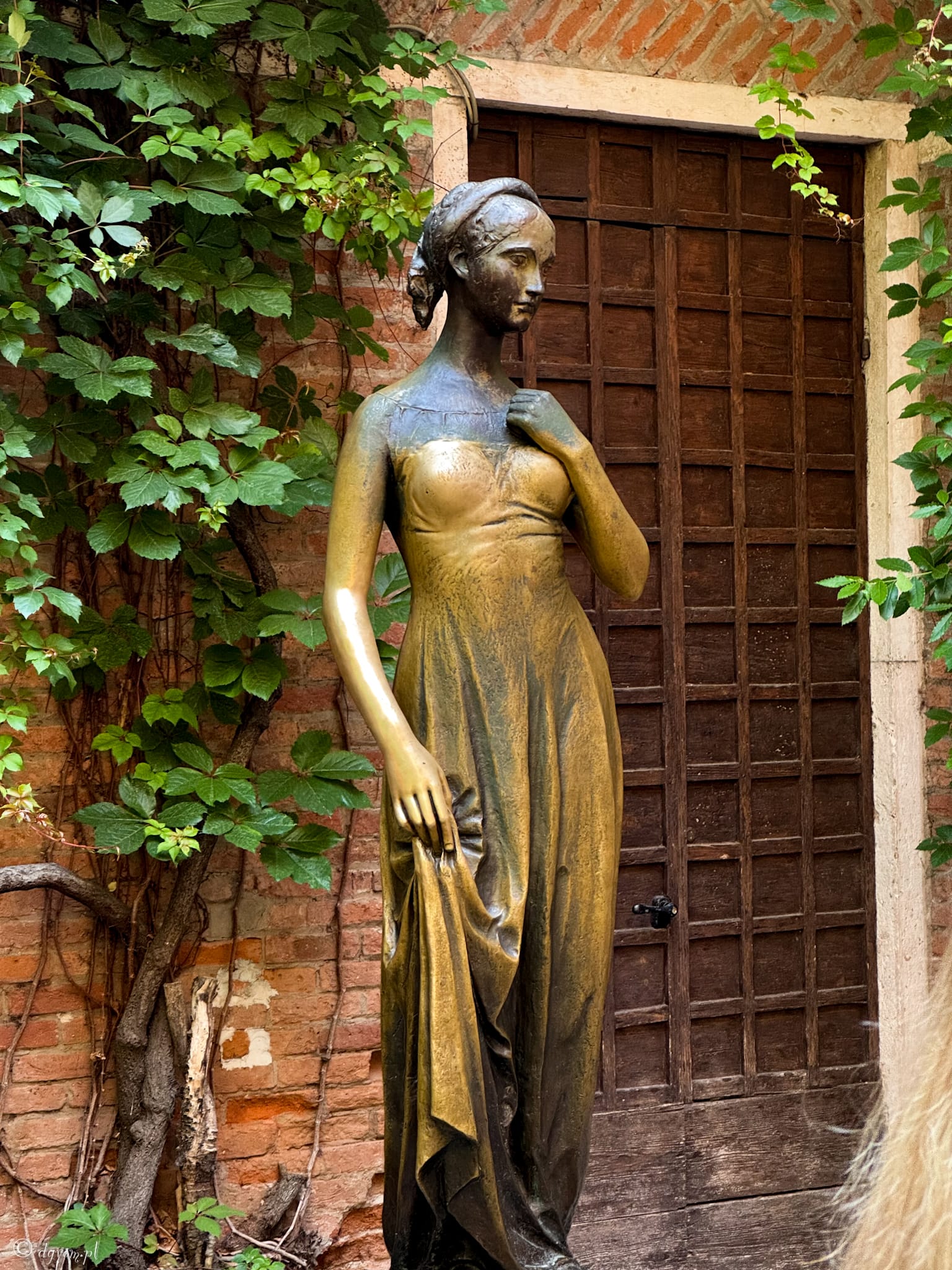
Of course,it is difficult to visit Verona without thinking about Romeo and Juliet.It is probably the most famous association people have with the city.Juliet’s balcony attracts large crowds,and it is clear that many visitors consider it an essential part of their trip.The place itself is extremely touristy,and it is only fair to say so.There is some romantic legend there,but also a great deal of commercialisation.Even so,I understand why people visit.The story,regardless of how literary and symbolic it may be,has become part of Verona’s identity.Sometimes,even when you know that a place has been partly created for tourists,you still want to see it with your own eyes.
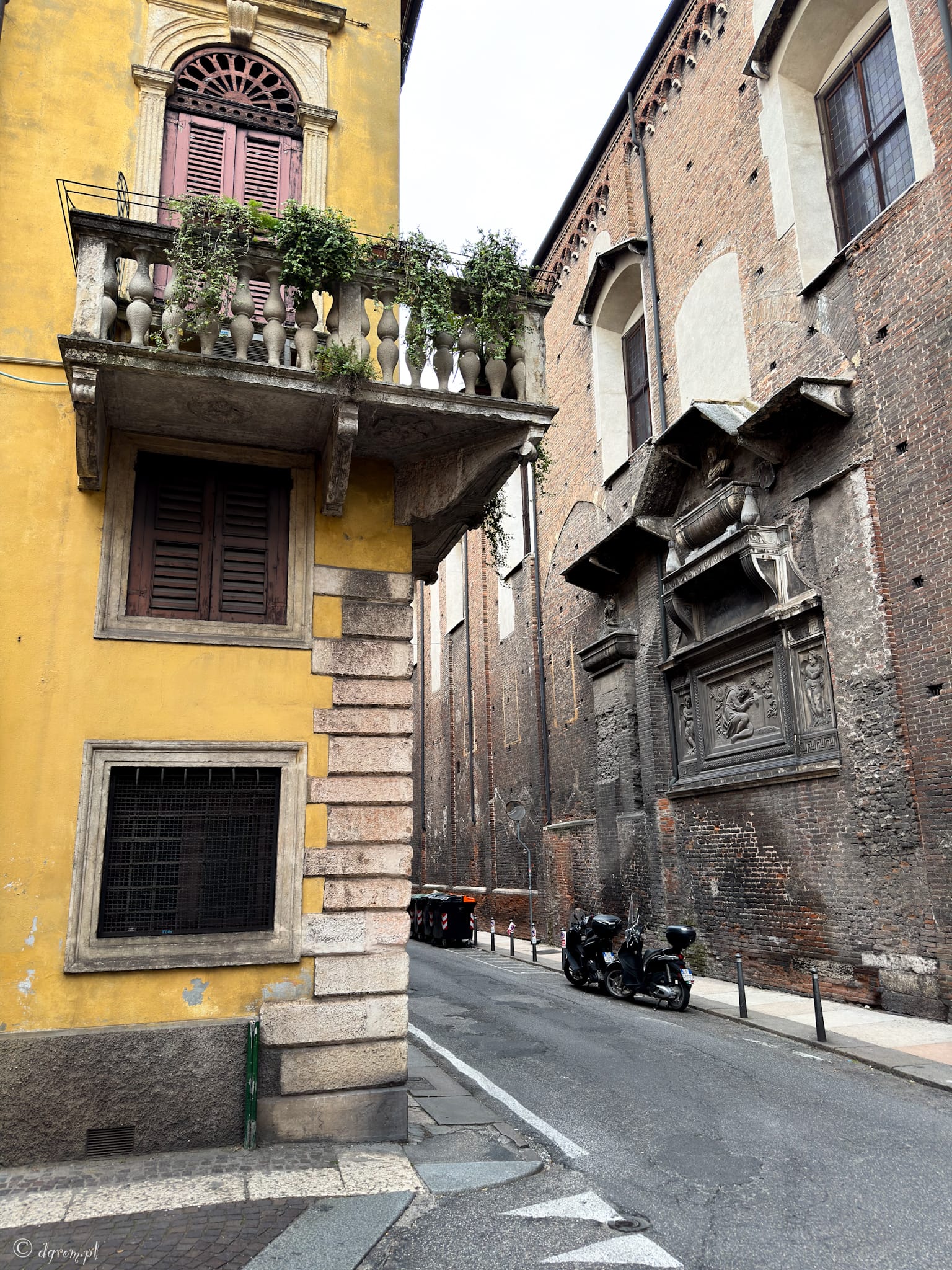
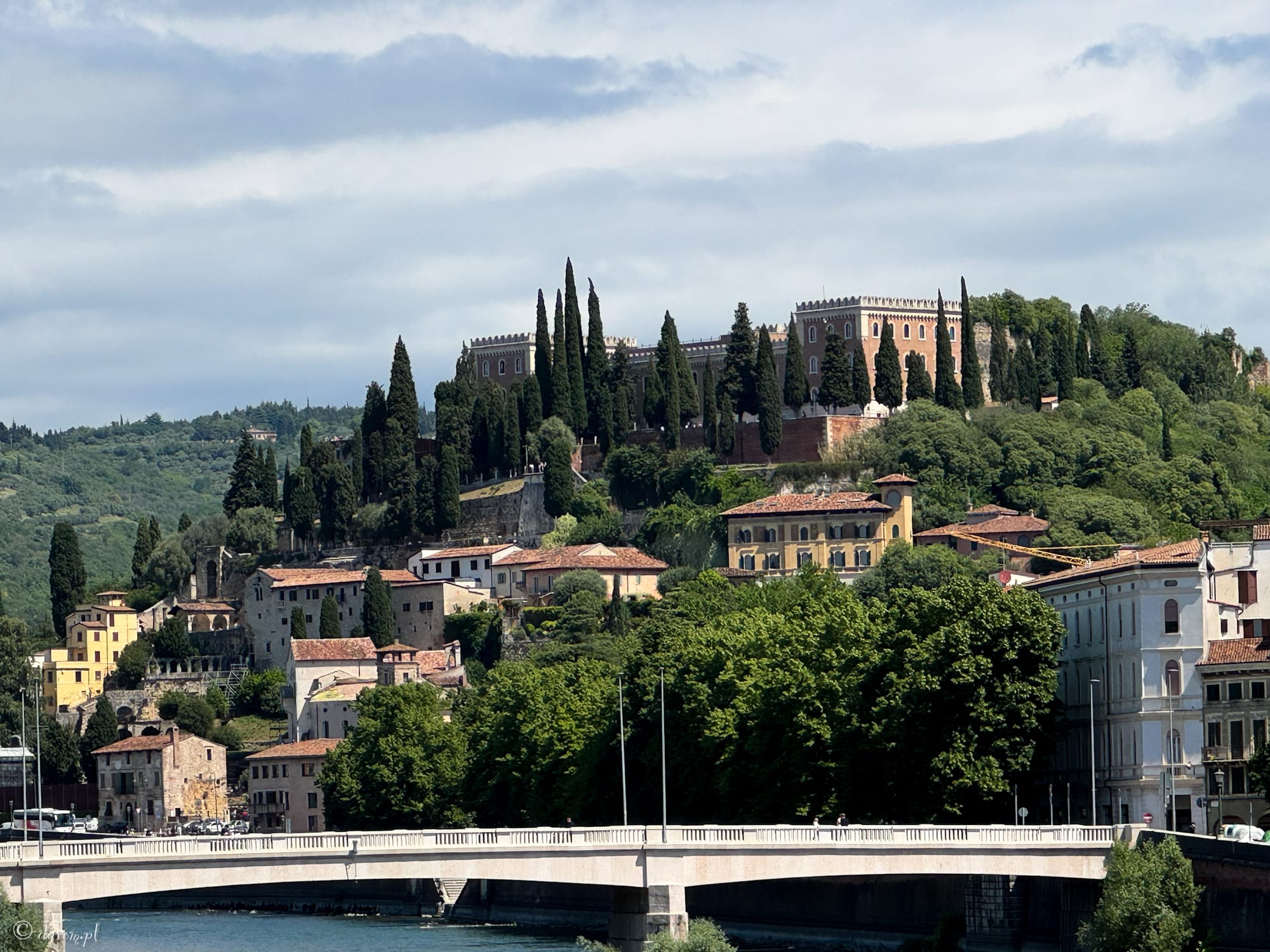
For me,however,Verona was much more interesting beyond that single famous attraction.I was more drawn to its streets,squares,building façades and the quiet moments found between the main landmarks.I enjoyed simply walking ahead,stopping beside interesting doorways and noticing the shutters,balconies,old walls and colours of the buildings.Italian cities have a special quality that can make even an ordinary street look like a perfectly prepared scene for a photograph.Verona definitely has that atmosphere.
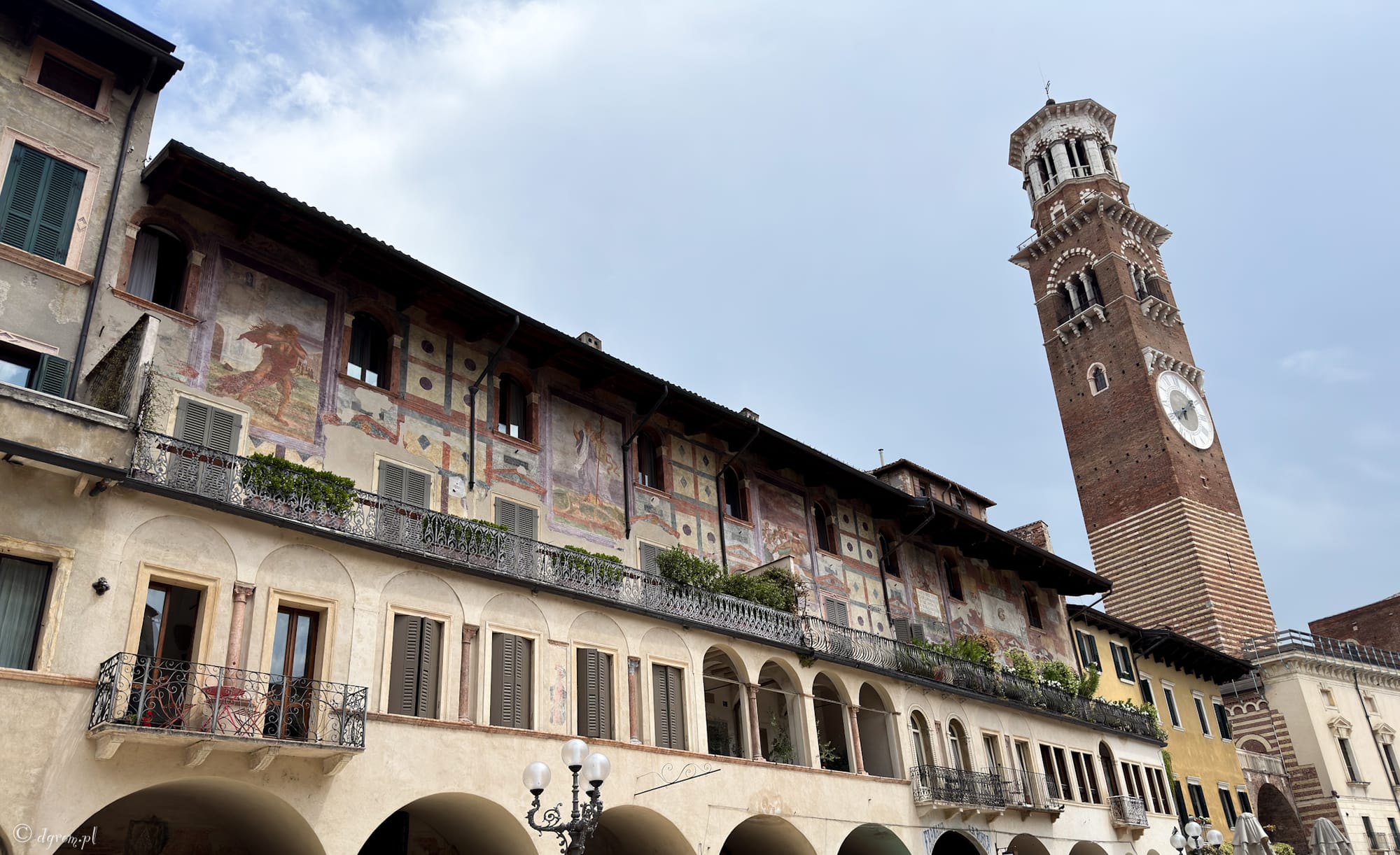
I particularly enjoyed the city’s squares.Not only as historic spaces,but as places where everyday life genuinely takes place.People sit drinking coffee,talking and eating.They cross the squares carrying shopping bags or stop for a moment to admire the surrounding buildings.It is that Italian rhythm that is difficult to describe precisely,but very easy to feel.Verona does not force you to rush from one attraction to another.It is best experienced when you slow down.
At some point,I realised that,just as in Venice,some of the best things can be discovered by accident.Of course,it is worth seeing the city’s most important landmarks,but its true character emerges when you move away from the busiest areas.Verona has many hidden corners where you can find a greater sense of peace.Narrow streets,small passageways,quiet parts of the city,stone walls and warm light reflecting from the buildings.These are the moments that remain in your memory just as strongly as the major monuments.
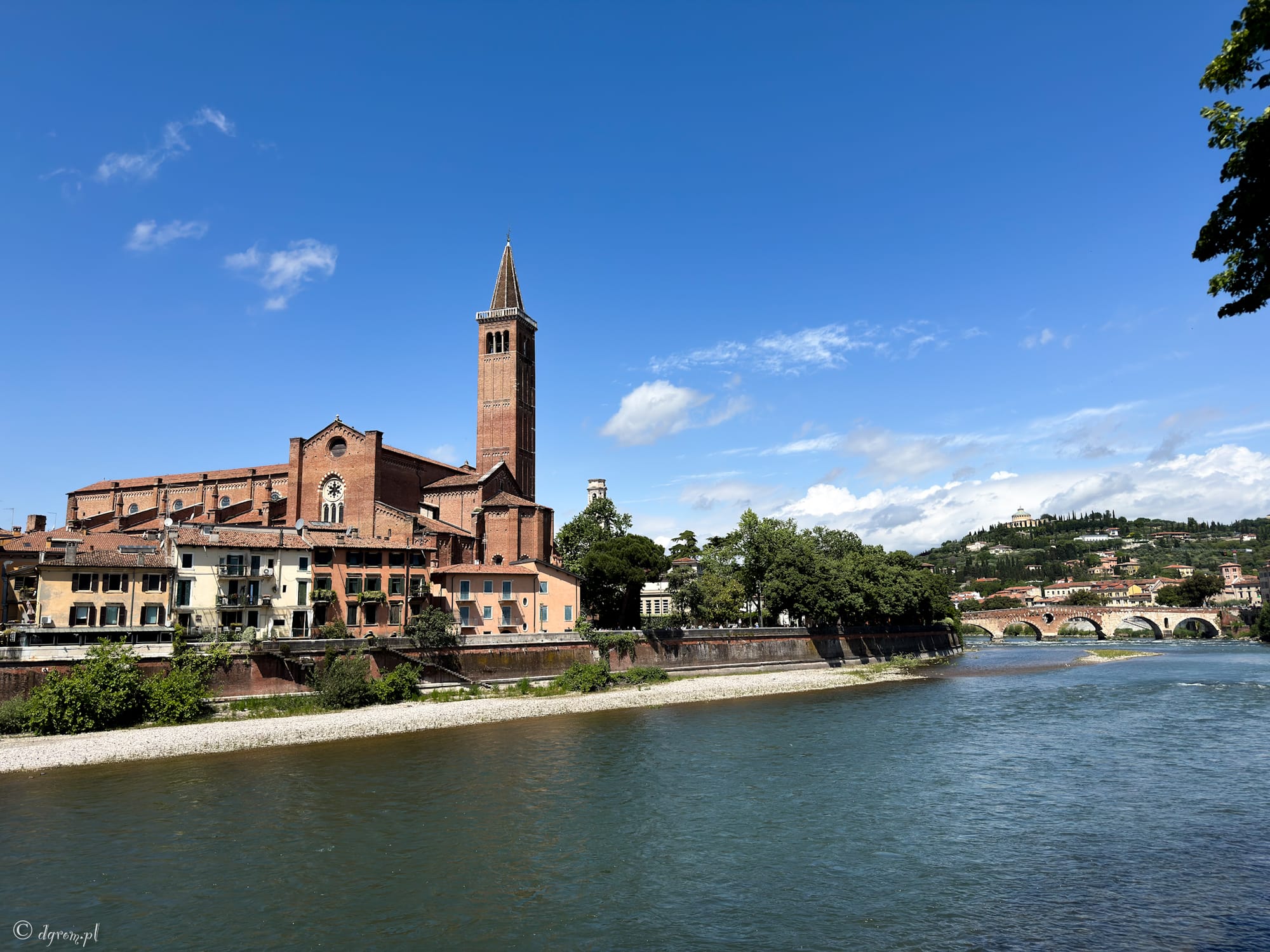
I also liked the fact that Verona does not feel excessively monumental everywhere.It has impressive landmarks,but it still maintains a human scale.You can explore it on foot without feeling that everything is too far away or too intense.After Venice,which is magical but can also feel crowded and heavily focused on tourism,Verona gave me a little room to breathe.It was still an Italian city filled with history and beauty,but presented in a calmer way.
From a photographic perspective,Verona also suited me very well.I may not have photographed every street as I did in Venice,but I constantly found something that caught my attention.Old townhouses,architectural details,streets leading into the unknown,stone,warm colours and contrasts between light and shadow.The city has a very pleasant colour palette.It does not feel harsh.It is warm,sometimes elegant and sometimes slightly weathered,but that is exactly what makes it feel authentic.
Verona left a very positive impression on me.It was not simply the city of Romeo and Juliet,although that romantic myth is naturally present.For me,it was primarily a place of beautiful walks,history visible in the streets and an Italian atmosphere that does not need to be exaggerated.Verona showed me that a city does not have to be spectacular every second to remain in your memory.Sometimes,a welcoming atmosphere,beautiful light,old walls and the feeling that you are walking through a place with a soul are more than enough.
After this visit,I feel that Verona is slightly underestimated by people who see it only as a romantic symbol.It has far more to offer.It is a city of history,walks,details and unhurried discovery.For me,it was a beautiful next stage of my journey through Italy.Different from Venice,but equally worth remembering.
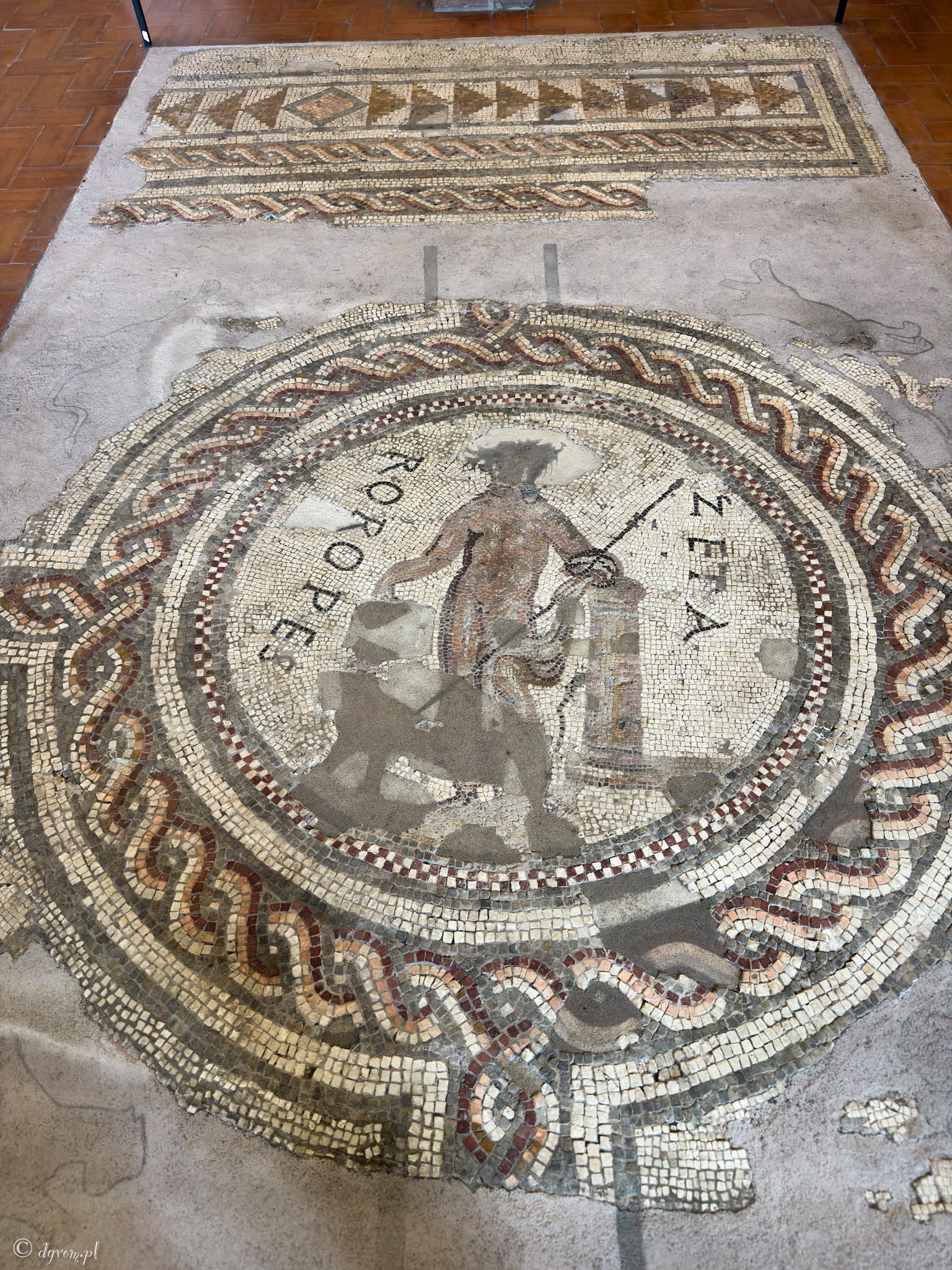
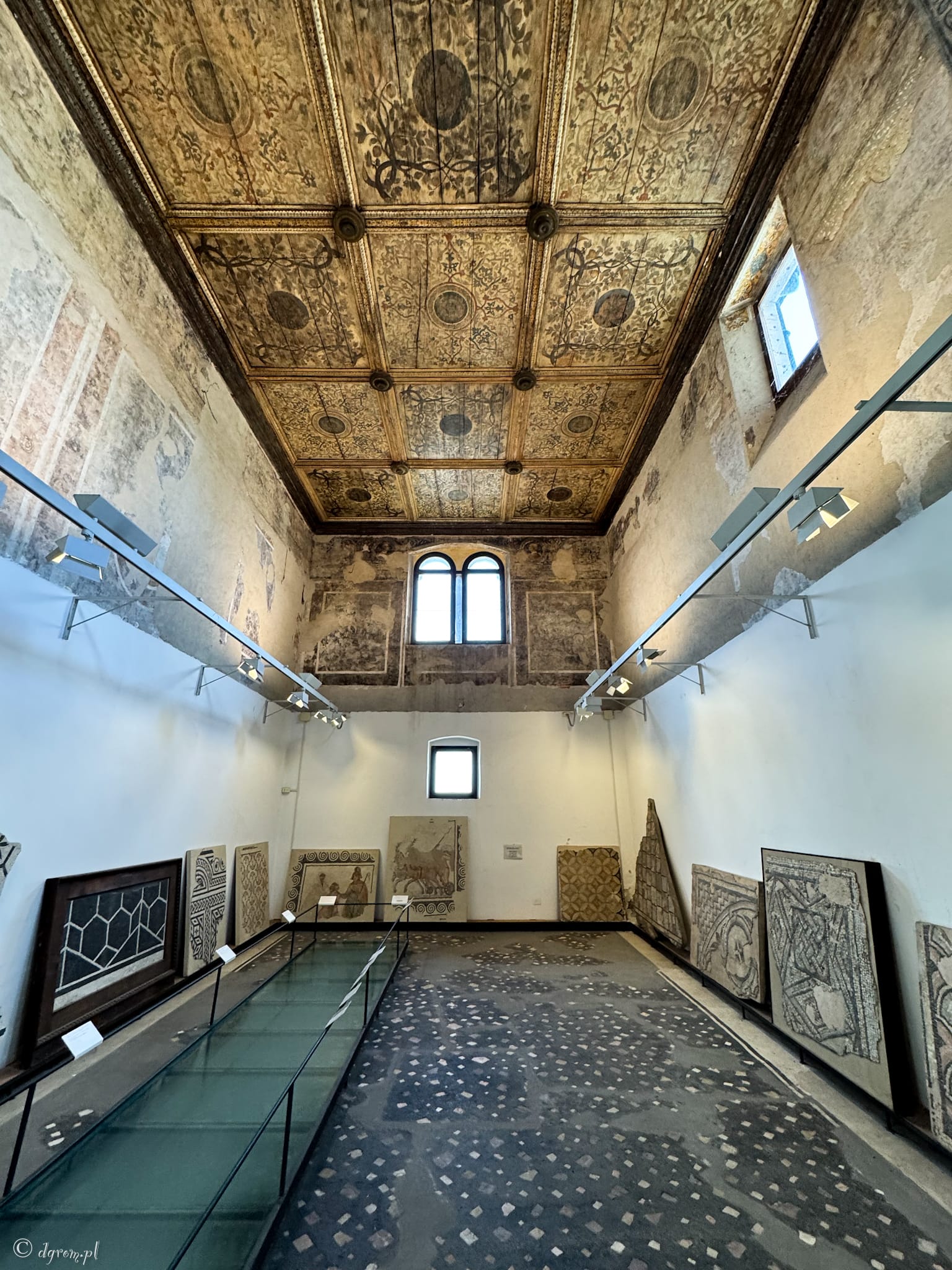
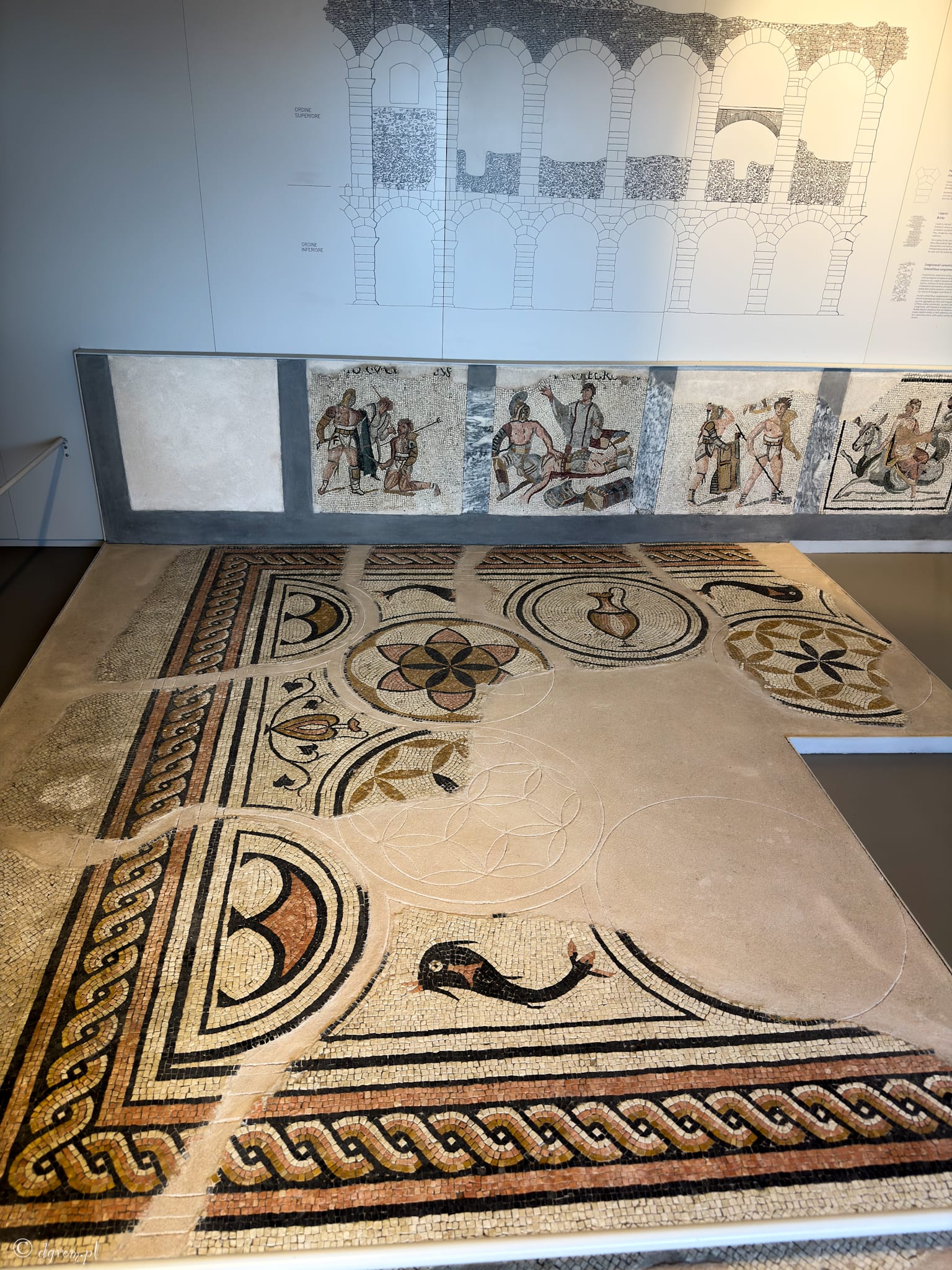
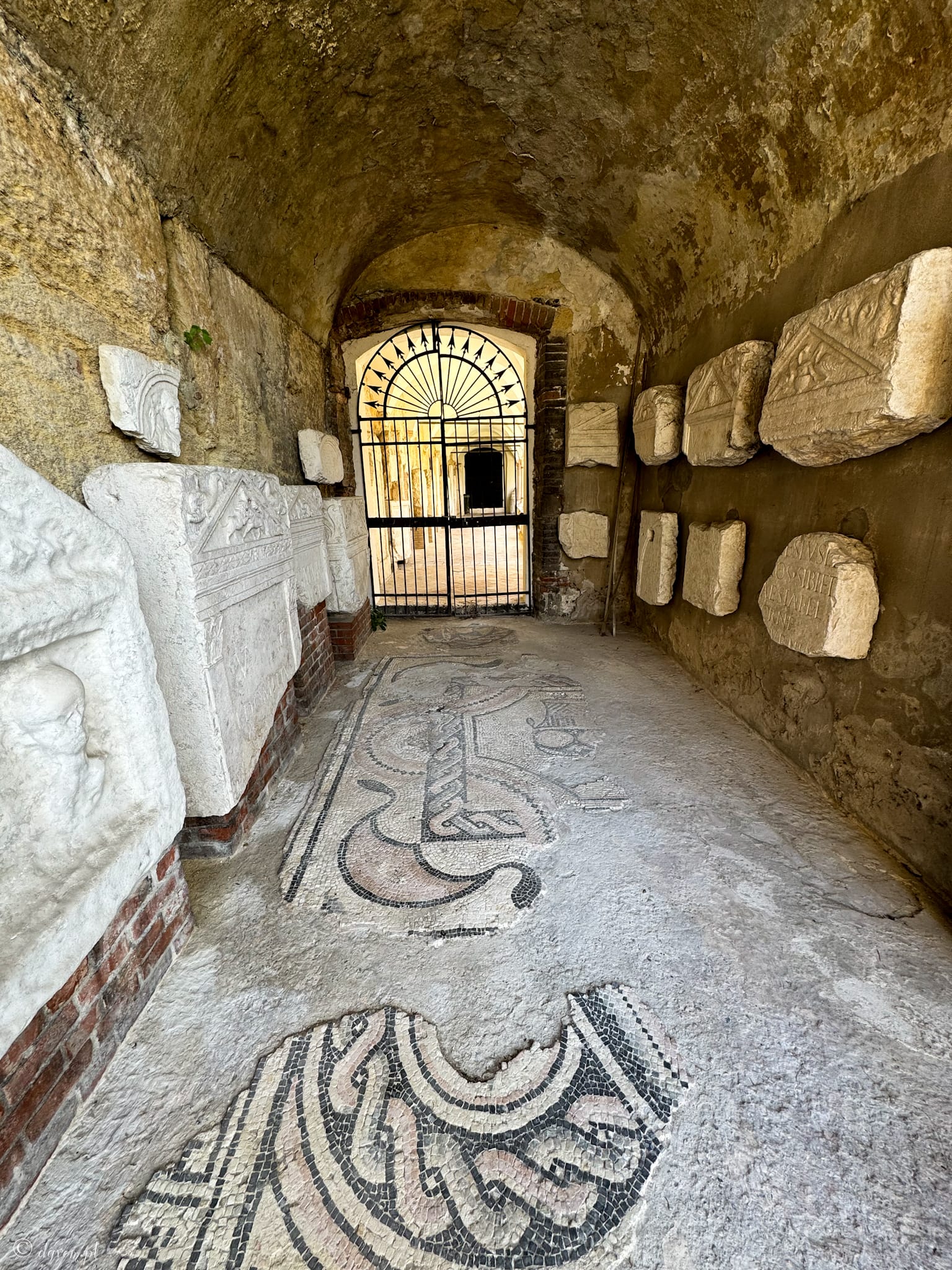
Muzeum Archeologiczne warte zobaczenia
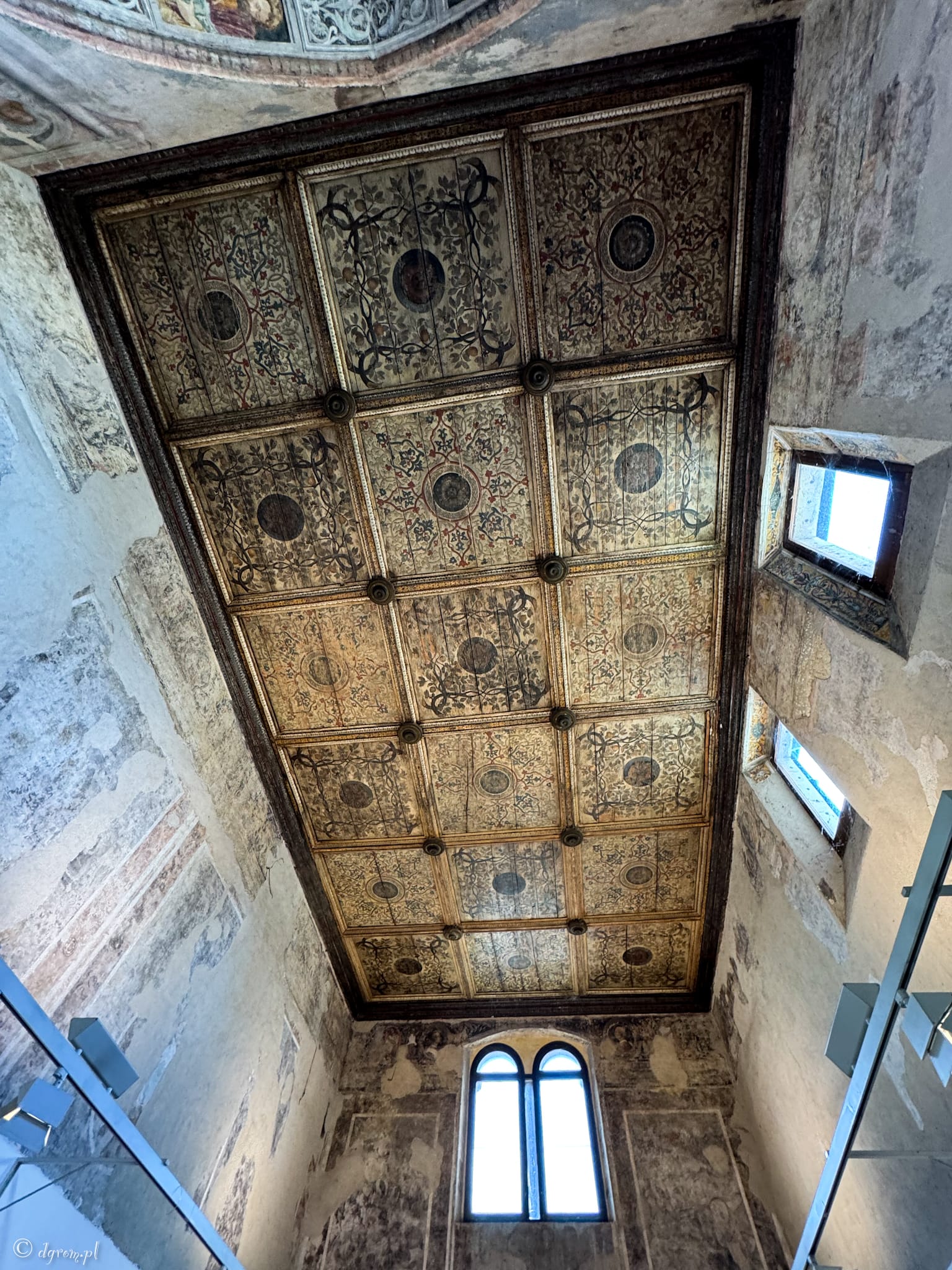
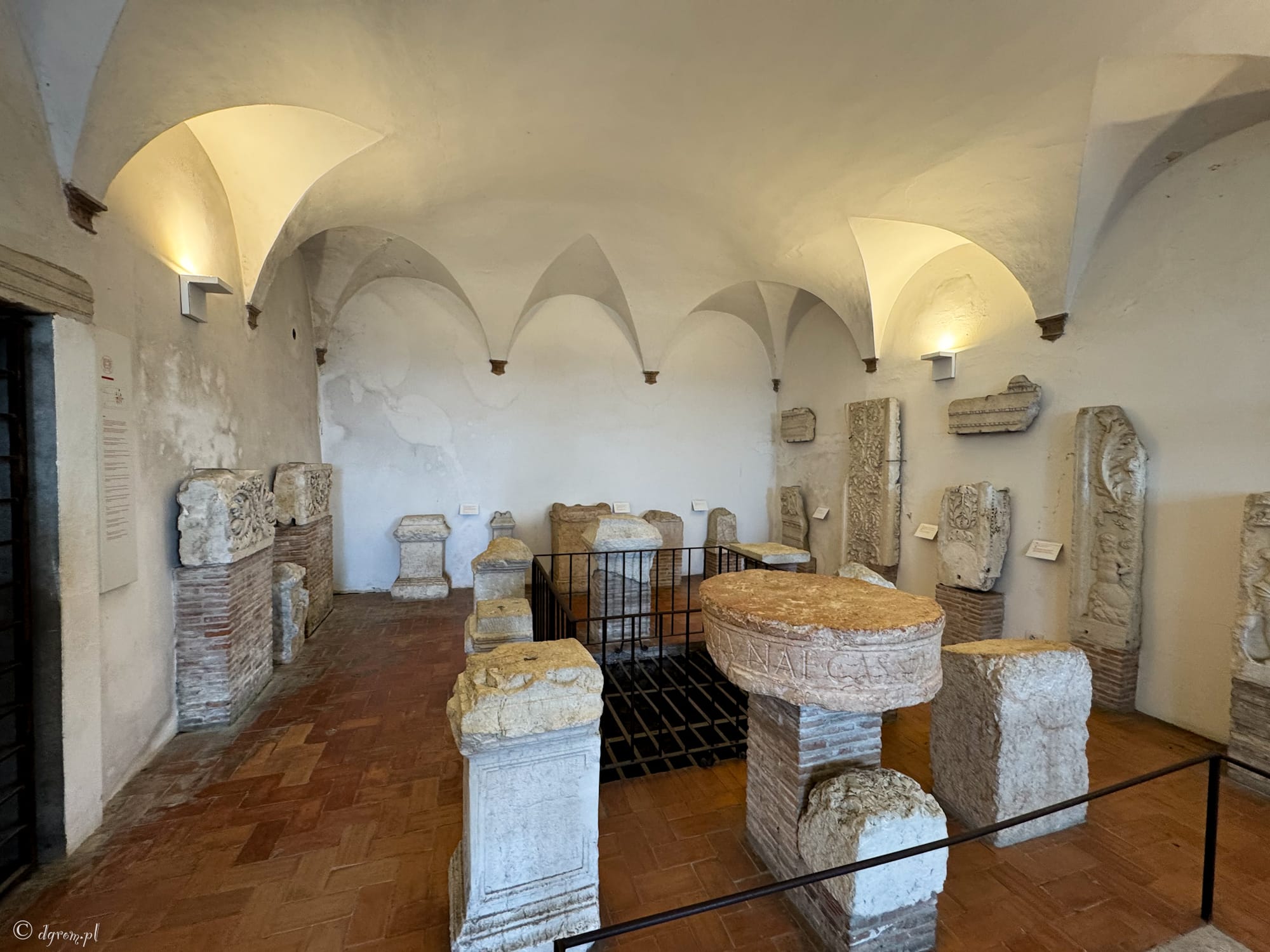
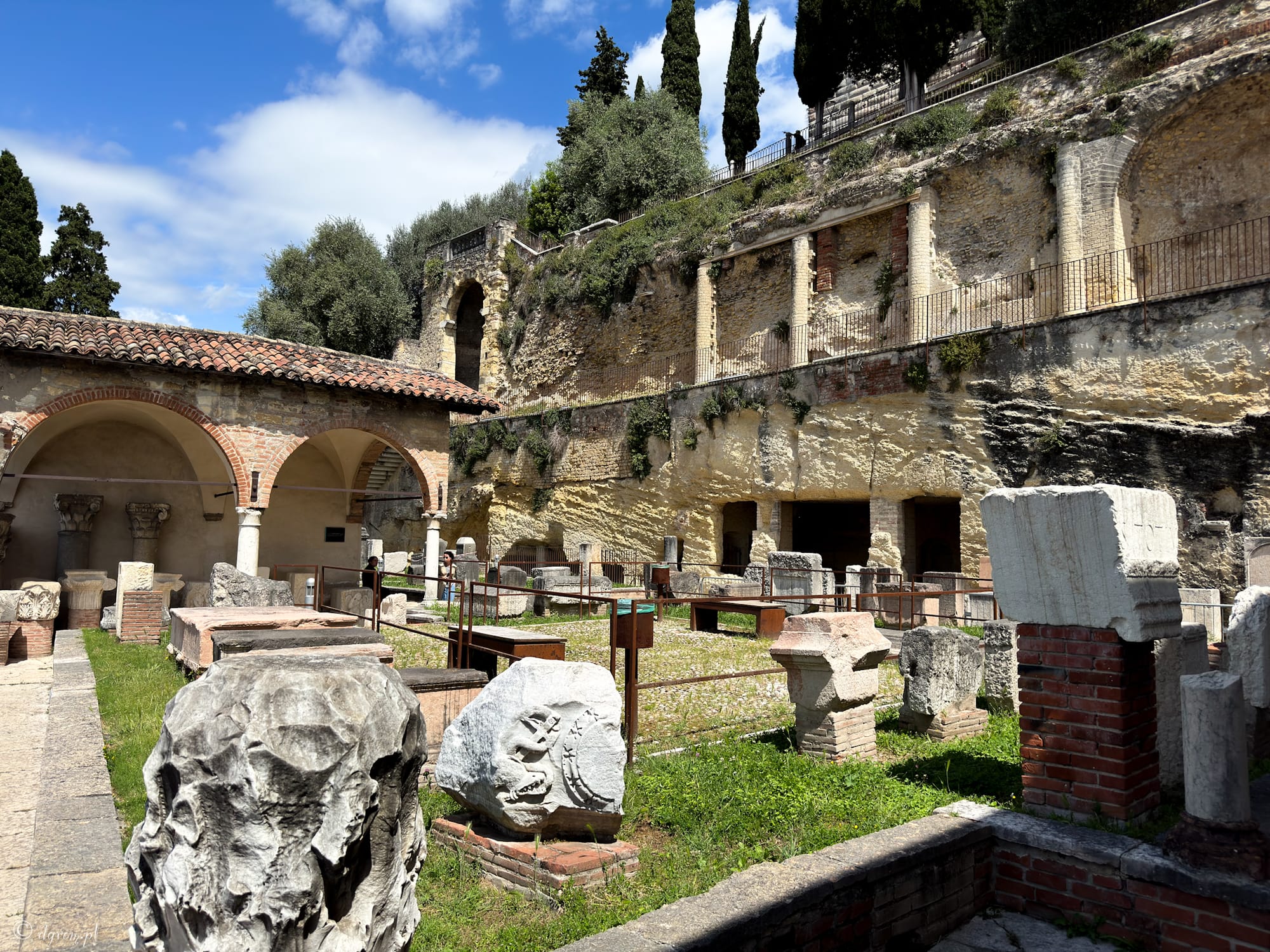
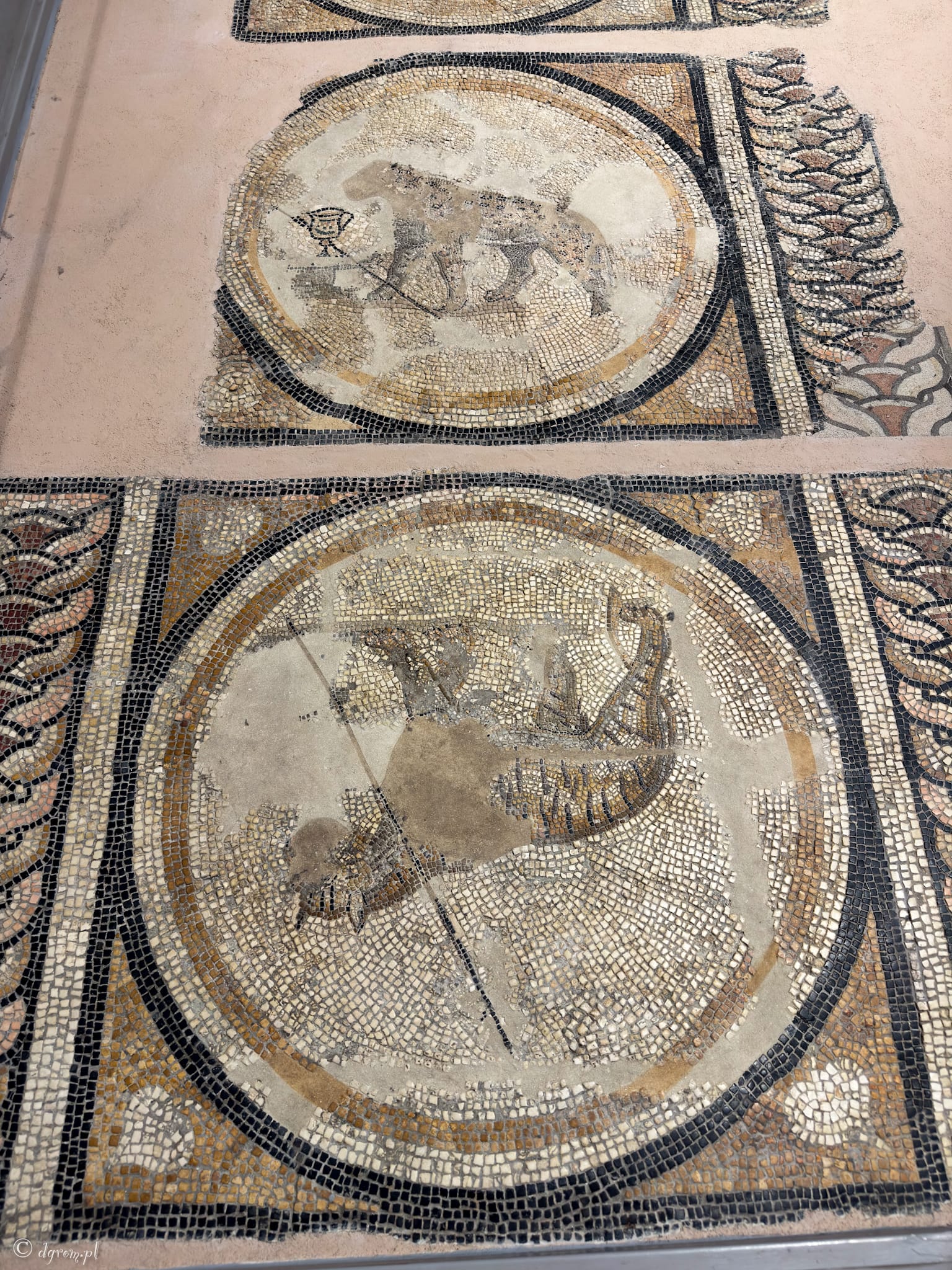
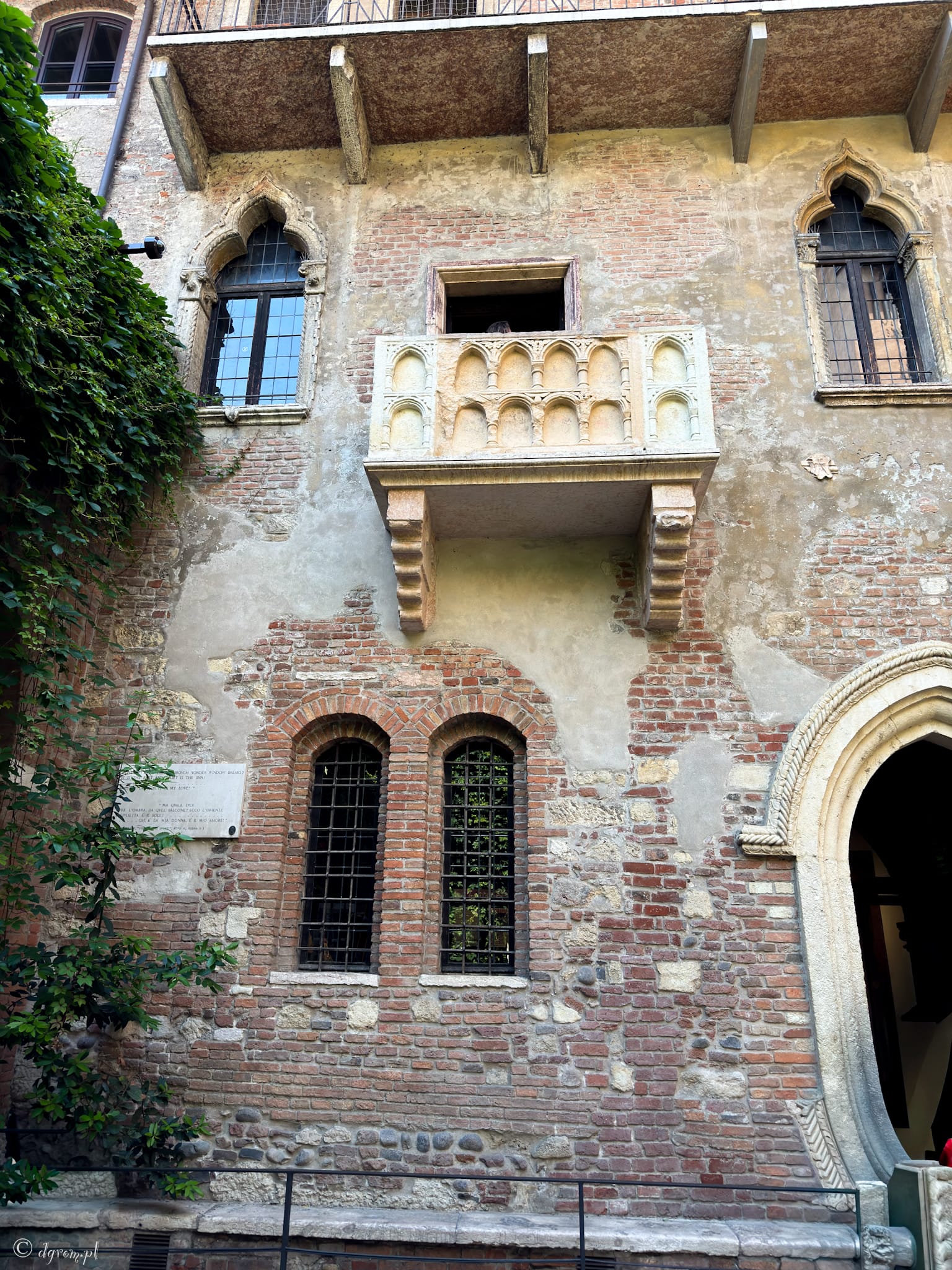
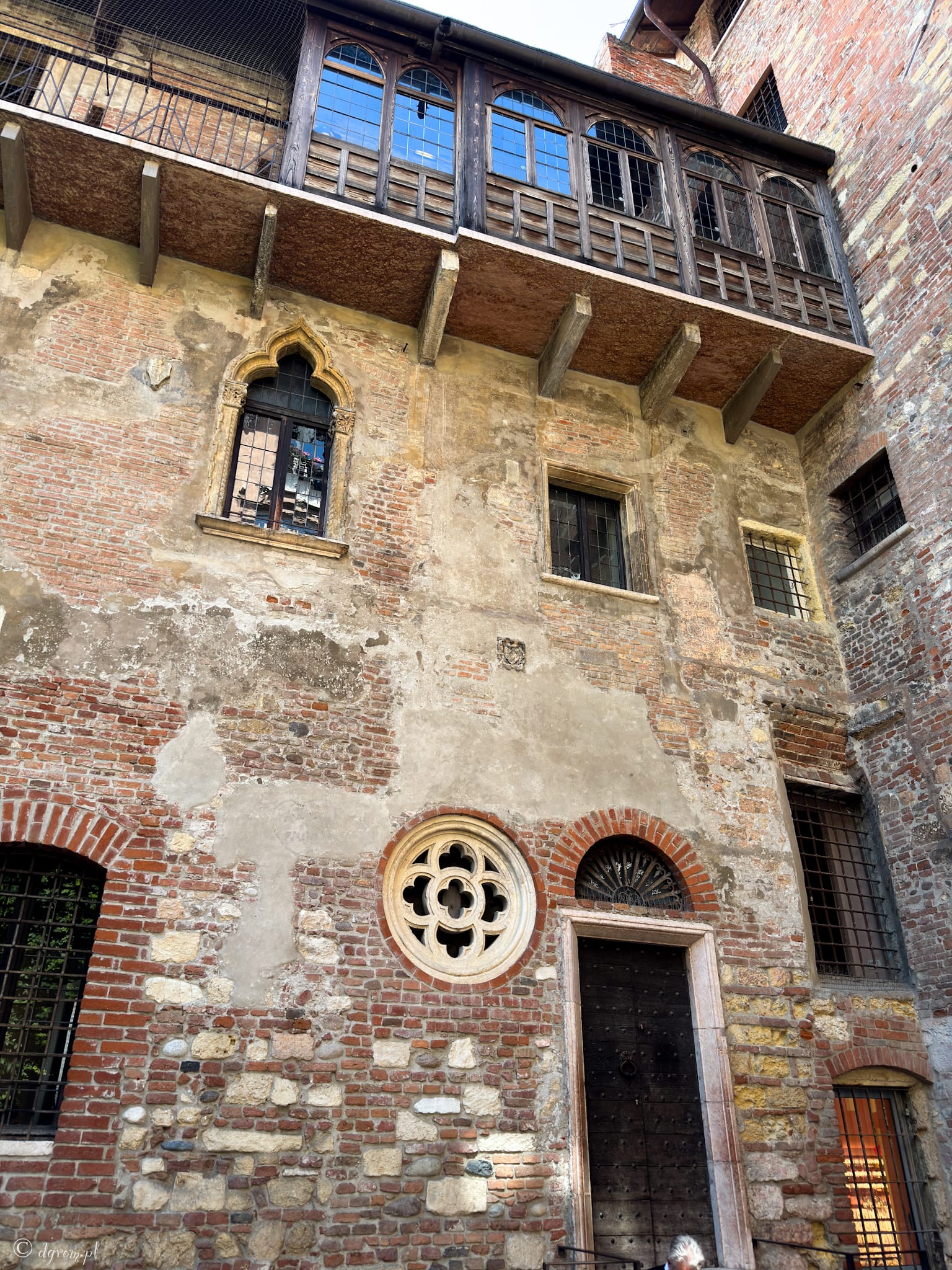
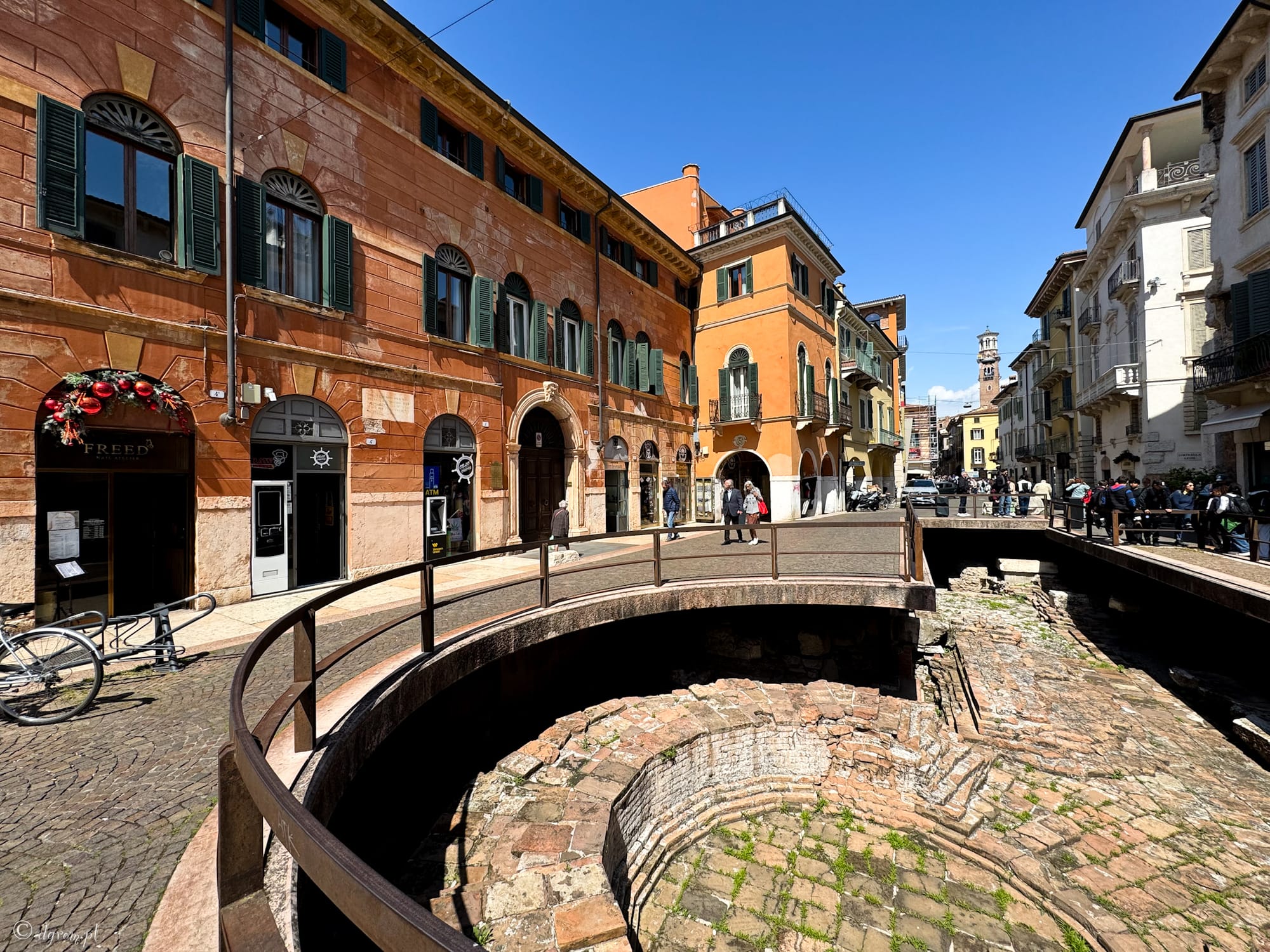
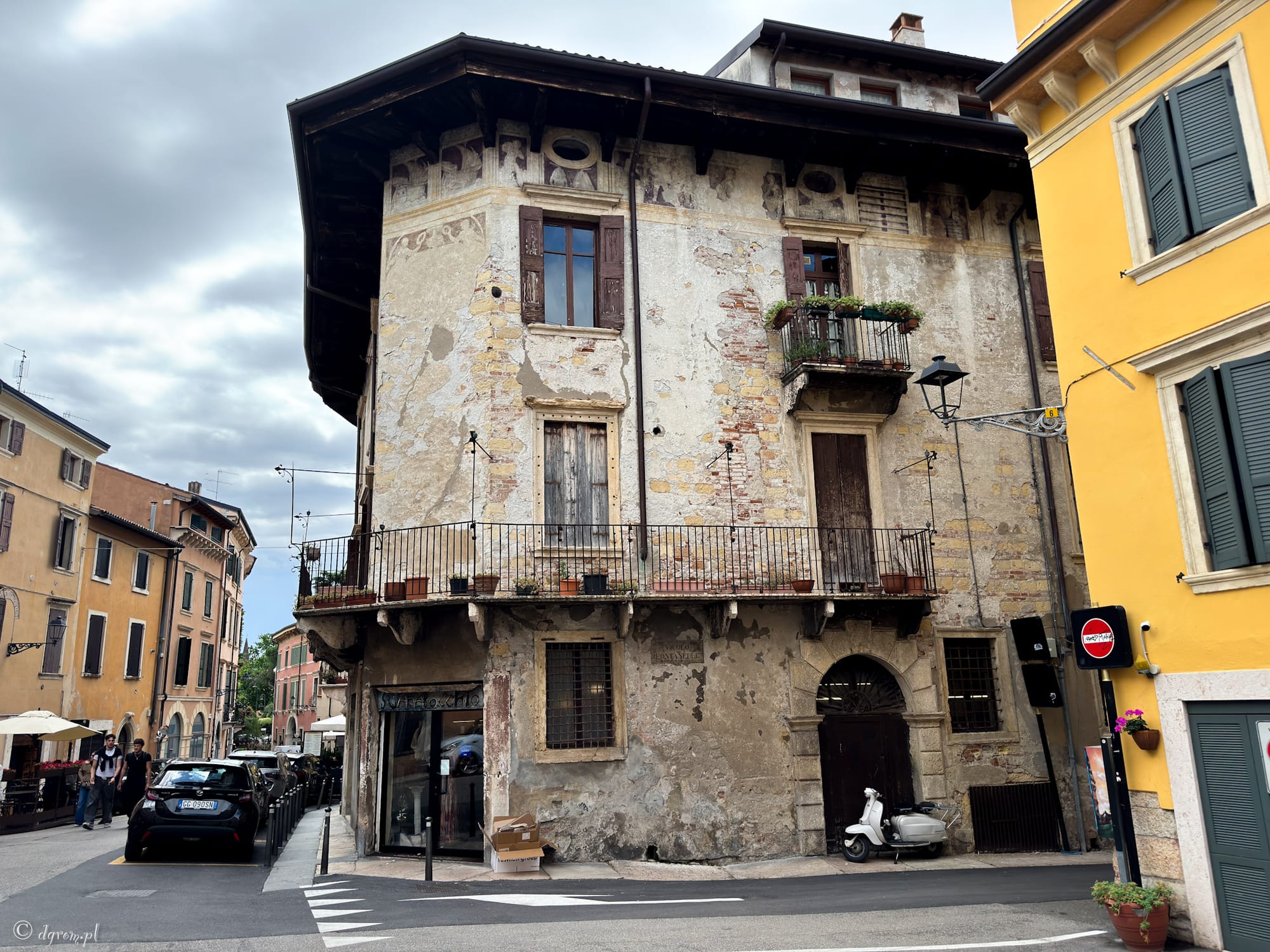
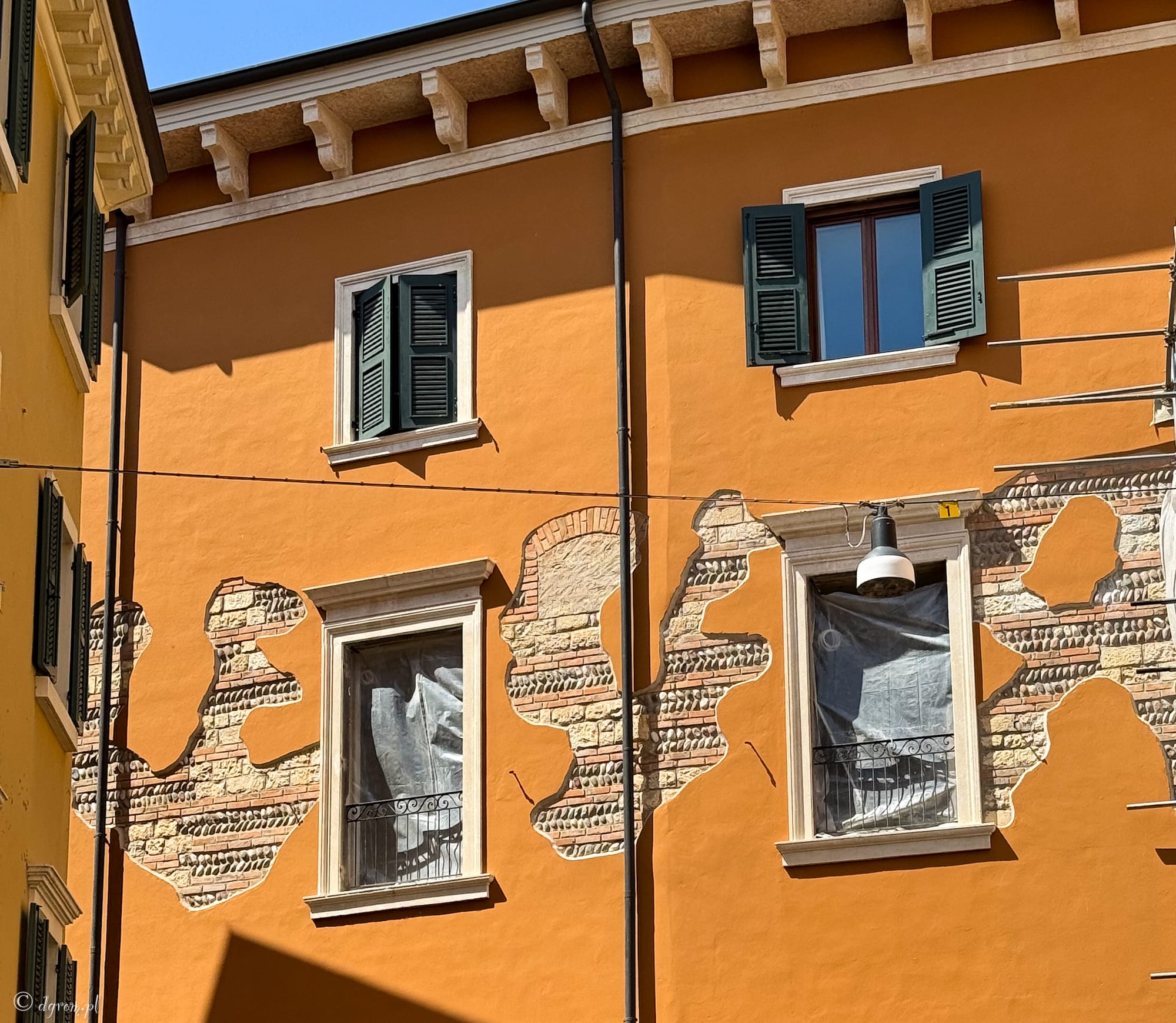
This photo shows something you often see in Italian cities. On many older buildings the original stone and brick façades were covered with a layer of plaster over the centuries. This was done for both aesthetic and practical reasons – the plaster protected the walls from damp and made renovation easier.
On this building in Verona, parts of the older structure have been uncovered – deliberately (or by chance) – to reveal the historical layers hidden beneath the modern façade. You can see beautiful details in stone, brick and decorative patterns that once adorned the whole frontage. It is a kind of journey back in time – a reminder that a seemingly plain surface often hides a rich history and the skill of craftsmen of the past.
Looking at this building, it is hard not to wonder how impressive it must have looked centuries ago, when its entire façade was exposed and full of architectural detail.
Continue reading in this gallery
Italy
Sirmione and Desenzano del Garda
After Venice and Verona,our next stop in Italy took us towards Lake Garda.This part of the journey had a very different rhythm from the cities we had visited before.Venice was intense,beautiful and almost unreal.Verona felt elegant,romantic and full of history.
Italy
Venice, which I wanted to see with my own eyes
For a long time I dreamed of seeing Venice in person. Not just in photos, in films, on postcards or in short clips from travel shows. I wanted to step into the city, feel its rhythm, and see the water reflecting the light.
Italy
By Train Through Northern Italy
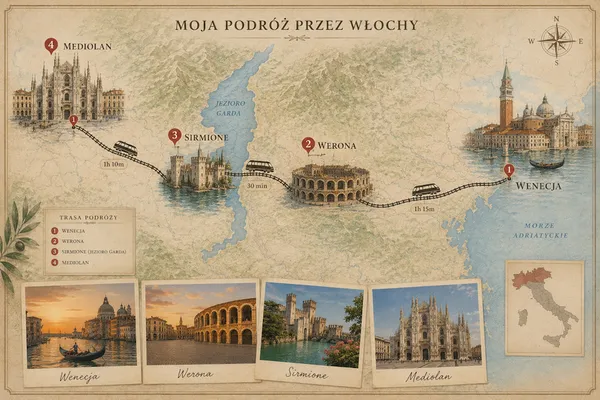
Some trips are planned for months. Others are born from a simple idea: to take a train and see a few remarkable places. That's how our journey through northern Italy began, taking us through Venice, Verona, Sirmione on Lake Garda and Milan.
Italy
Sanctuary of San Bernardino alle Ossa
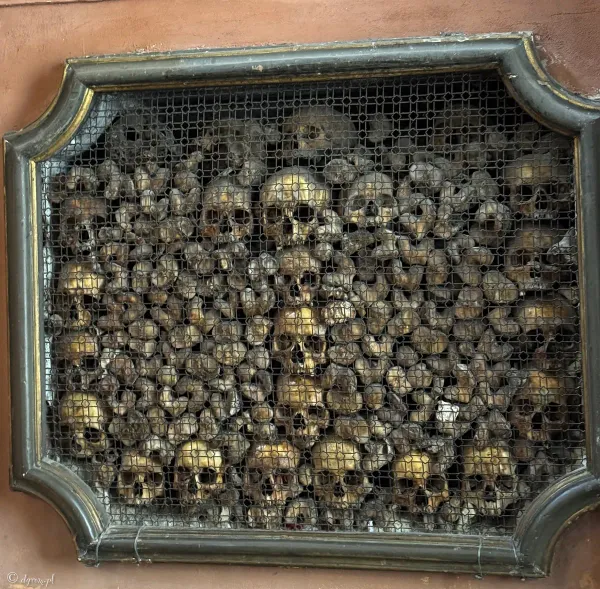
We're all here only for a moment. Life is extremely fragile and short. But at the same time that's precisely why it's so precious. Because perhaps, in the end, the most important thing isn't how much we own. But whether, after we're gone, someone will remember our kindness, our presence, and the e…