
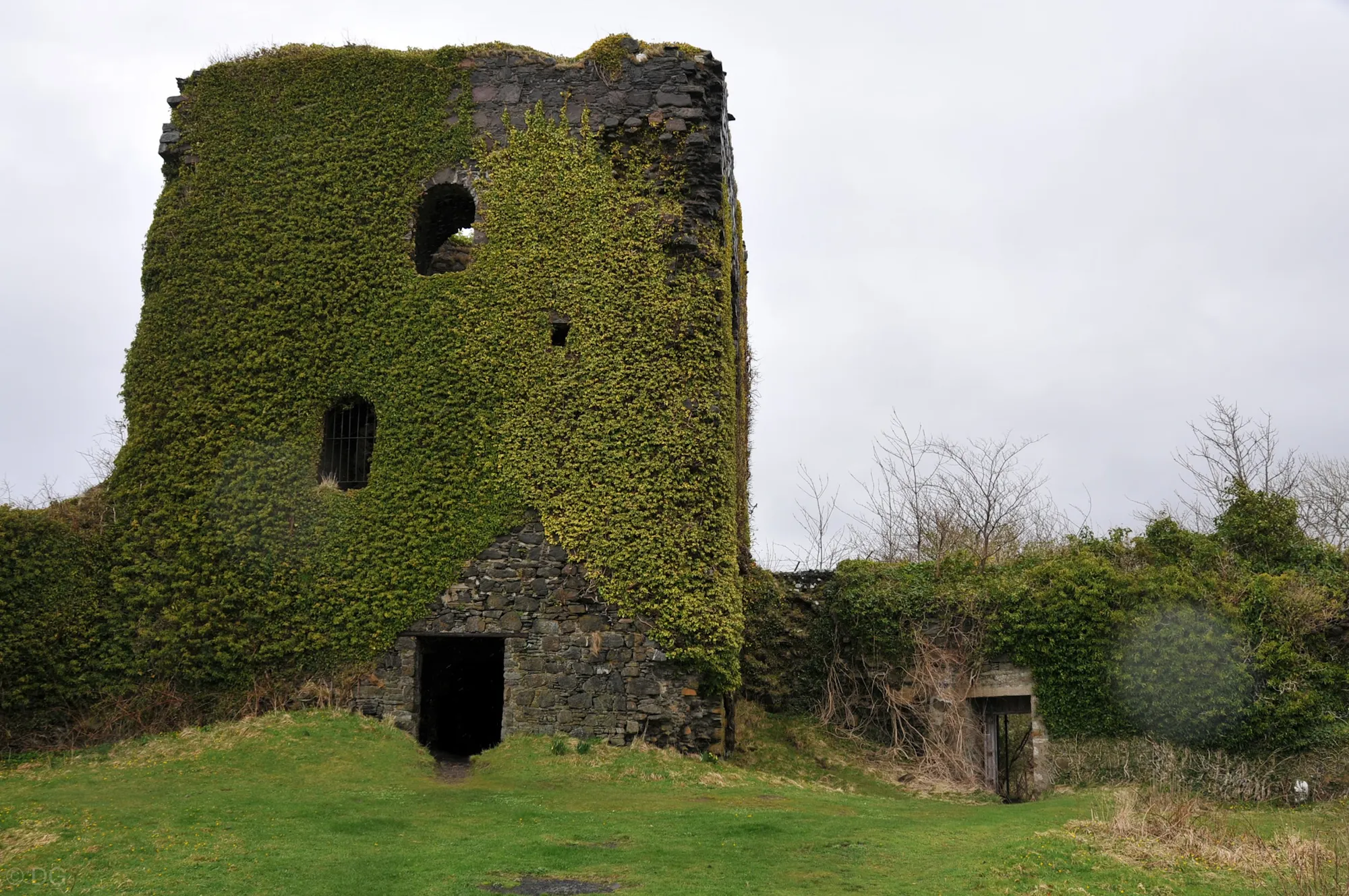
Castles of Scotland - Dunollie
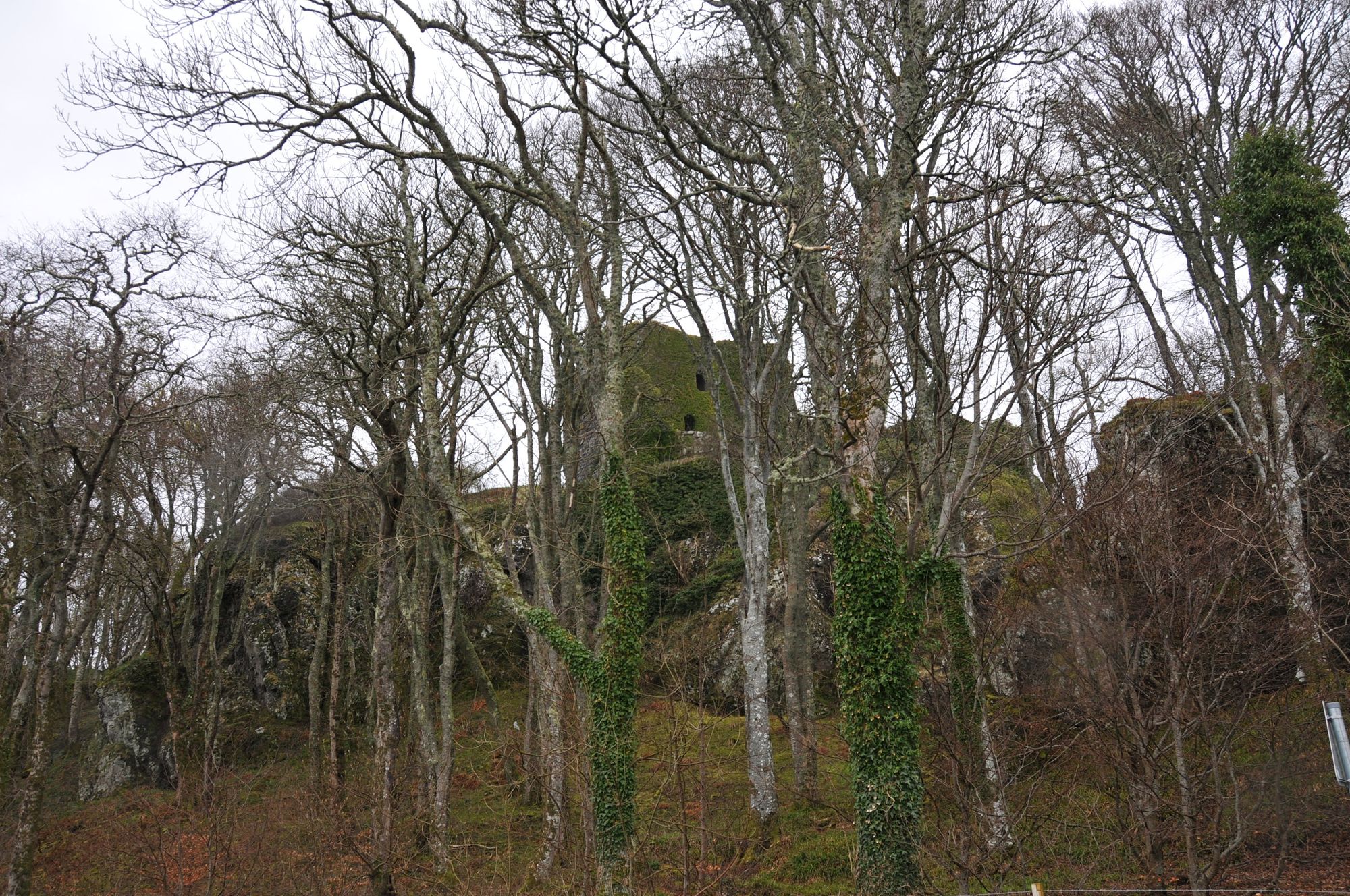
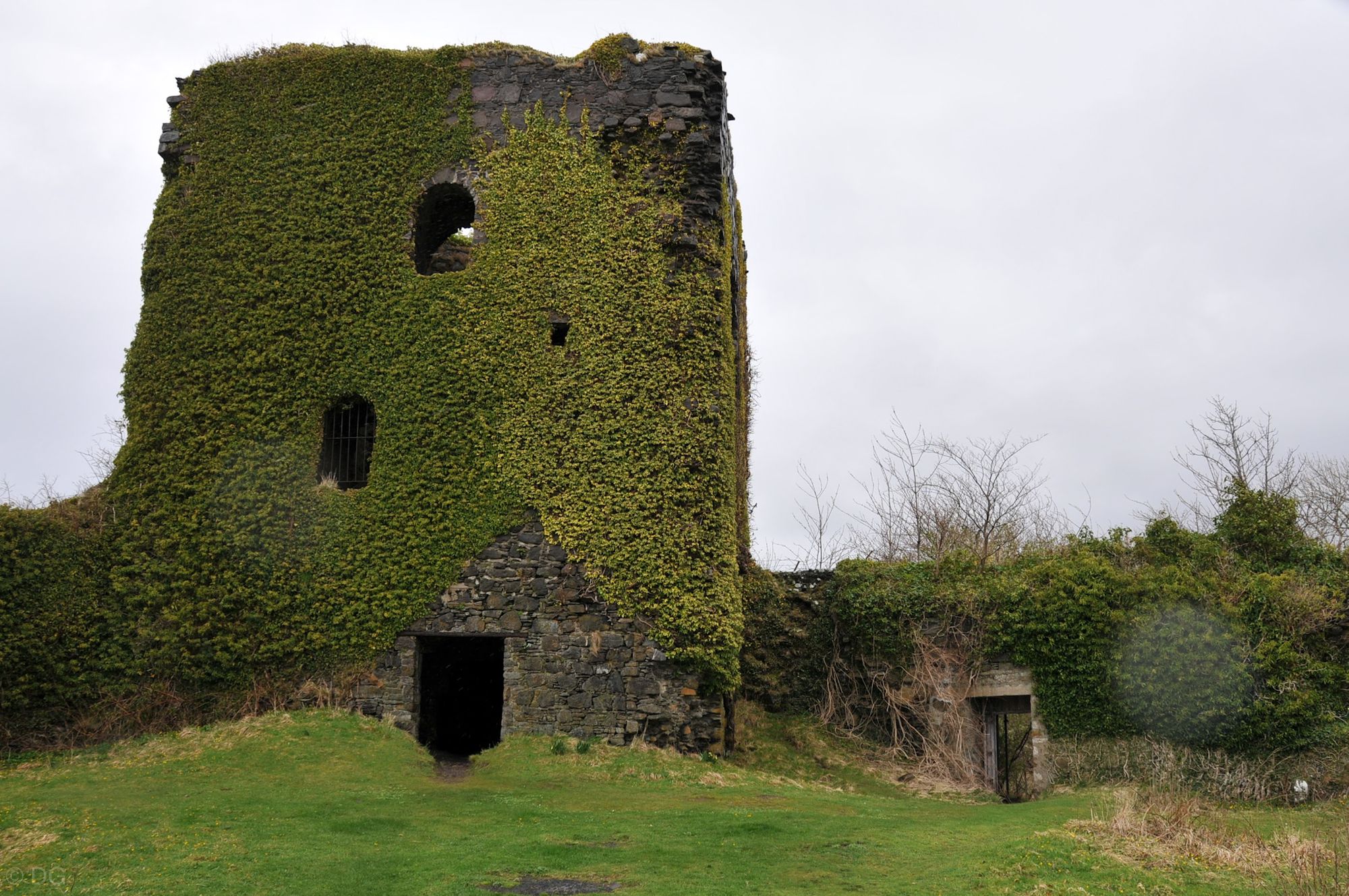
Castles of Scotland - Dunoline Castle. Dunollie Castle is located in western Scotland, on the north shore of Oban Bay, near the town of Oban in the county of Argyll and Bute. The castle stands on a hill overlooking the bay and the surrounding hills.
Castles of Scotland – Dunollie Castle
Dunollie Castle is one of the most dramatically situated castle ruins on Scotland’s west coast. Perched on a rocky hill overlooking Oban Bay, just north of the town of Oban in Argyll and Bute, it has been associated with the powerful Clan MacDougall for more than eight centuries.
Although only ruins remain today, Dunollie Castle occupies a site of immense historical importance and offers spectacular views across the bay, the island of Kerrera, and the surrounding Highlands.
Early History
The history of Dunollie dates back at least to the 12th century, when the MacDougalls emerged as one of the most influential families in western Scotland.
The clan traced its ancestry to Somerled, the powerful Norse-Gaelic ruler who dominated much of Scotland’s western seaboard during the 12th century. Through their connection to Somerled, the MacDougalls became major landowners in Argyll and important political figures in the region.
The strategic location of Dunollie allowed control over important sea routes and access to the surrounding coastline.
The Wars of Scottish Independence
During the early 14th century, the MacDougalls supported John Balliol and opposed Robert the Bruce in the struggle for the Scottish throne.
As a result, following Bruce’s victory, much of the MacDougall lands and influence were lost. The family suffered a significant decline in power, although they survived and gradually re-established themselves in Argyll over the following centuries.
Dunollie remained closely associated with the clan despite these setbacks.
The Medieval Castle
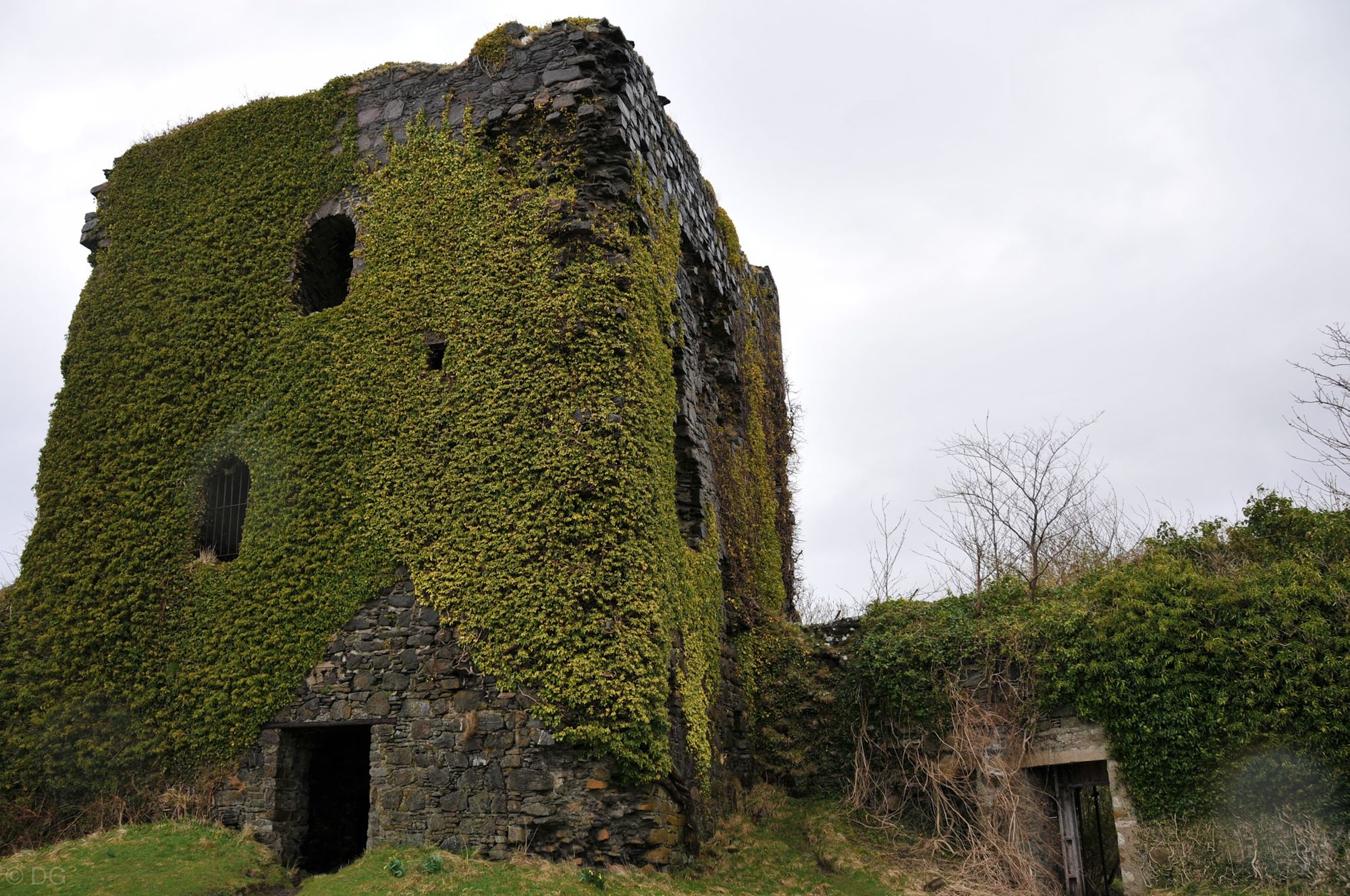
The ruins visible today date mainly from the 15th century.
The castle consisted primarily of a tower house surrounded by defensive walls. Unlike many larger Scottish fortresses, Dunollie relied heavily on its natural defences. Steep slopes protected much of the site, making extensive fortifications unnecessary.
For generations, the castle served as the chief seat of the MacDougall clan and a symbol of their authority in the region.
The Move to Dunollie House
By the 18th century, medieval castles were no longer considered comfortable residences for wealthy landowners.
In 1746, the MacDougall family built a new residence at the foot of the hill, known as Dunollie House. The family moved into the new house, and the old castle was gradually abandoned.
Without regular maintenance, the castle slowly deteriorated and became the picturesque ruin that visitors see today.
Contrary to some accounts, the castle itself was not rebuilt into a Victorian mansion. Instead, a separate residence was constructed nearby while the medieval fortress was left to decay.
Architecture
Although relatively modest in size, Dunollie Castle occupies one of the most impressive defensive locations in western Scotland.
The surviving walls and remains of the tower house stand high above Oban Bay, offering panoramic views across the sea and surrounding mountains.
Even in ruin, the castle provides a clear impression of how medieval Highland chiefs used natural geography to strengthen their strongholds.
Dunollie Today
Today the site is managed by the organization responsible for Dunollie Museum, Castle and Grounds.
Visitors can explore the castle ruins, tour Dunollie House, and walk through the extensive gardens surrounding the estate.
The museum tells the story of Clan MacDougall and highlights the history, culture, and traditions of Argyll through the centuries.
Historical Significance
Dunollie Castle remains one of the most important sites associated with Clan MacDougall.
While it may not be as famous as castles such as Eilean Donan Castle or Dunrobin Castle, its historical importance is considerable.
The castle provides a direct connection to the medieval Lords of Argyll and to some of the most significant events in Scotland’s early history.
Conclusion
For centuries, Dunollie Castle stood at the heart of MacDougall power in western Scotland. Its commanding position above Oban Bay made it both a strategic stronghold and a symbol of noble authority.
Today, the ruins continue to overlook the coast, offering visitors a fascinating glimpse into Scotland’s medieval past. Combined with the nearby house, gardens, and museum, Dunollie Castle remains one of the most rewarding historic sites in Argyll and a must-visit destination for anyone interested in Scottish history and heritage.
Near the castle is Dunollie House, a residence that in the mid-18th century replaced the castle as the seat of Clan MacDougall. Dunollie House is currently owned by a charity, and it contains a museum dedicated to the history of Clan MacDougall and the Argyll region.
Continue reading in this gallery
Scottish Castles
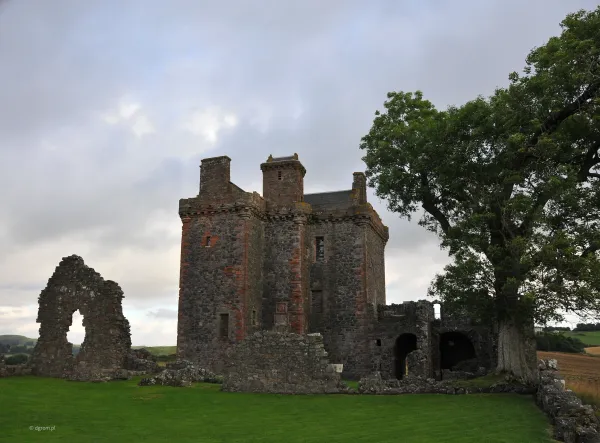
Castles of Scotland- Balvaird
Balvaird Castle is located in central Scotland, near the town of Abernethy. It was built in the 16th century as a residence for Sir Andrew Murray, who was a close friend of Mary, Queen of Scots.
Scottish Castles
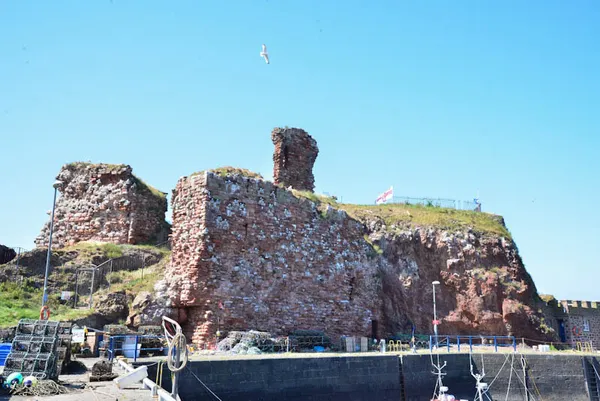
Scottish Castles - Dunbar
If you stand beside the historic harbour in the town of Dunbar,your eyes are quickly drawn to the broken red ruins rising from the rocks above the North Sea.These jagged remains belong to Dunbar Castle,once one of the strongest and most strategically important fortresses in Scotland.
Scottish Castles
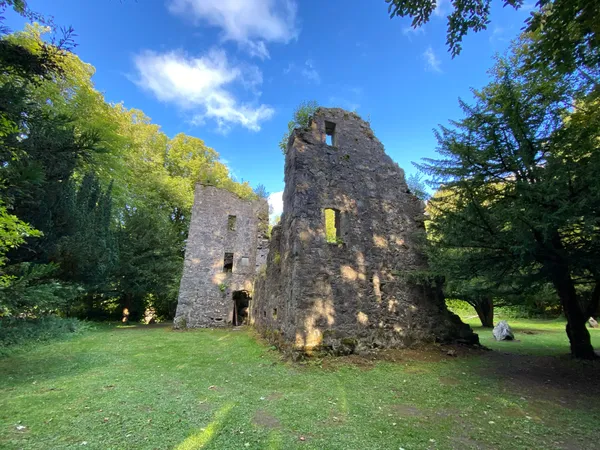
Castles of Scotland - Finlarig
Finlarig Castle is a historic castle located in central Scotland, in the county of Perthshire. The castle belonged to Clan Campbell and was an important administrative and commercial center in the region.
Scottish Castles
Scottish Castles - Craigmillar
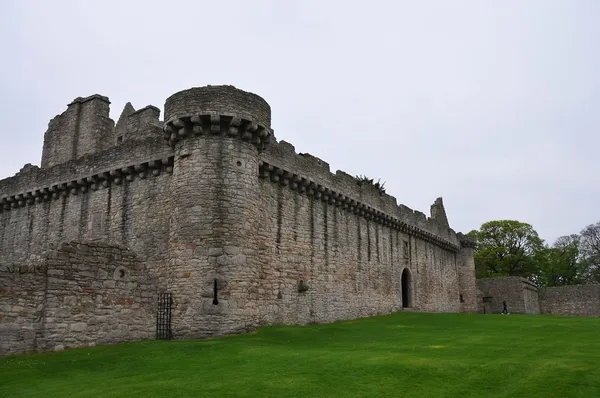
Craigmillar Castle is a ruined medieval castle in Edinburgh, Scotland. It is located about 5 km from the city centre.