
Castles, cliffs and the sea breeze.
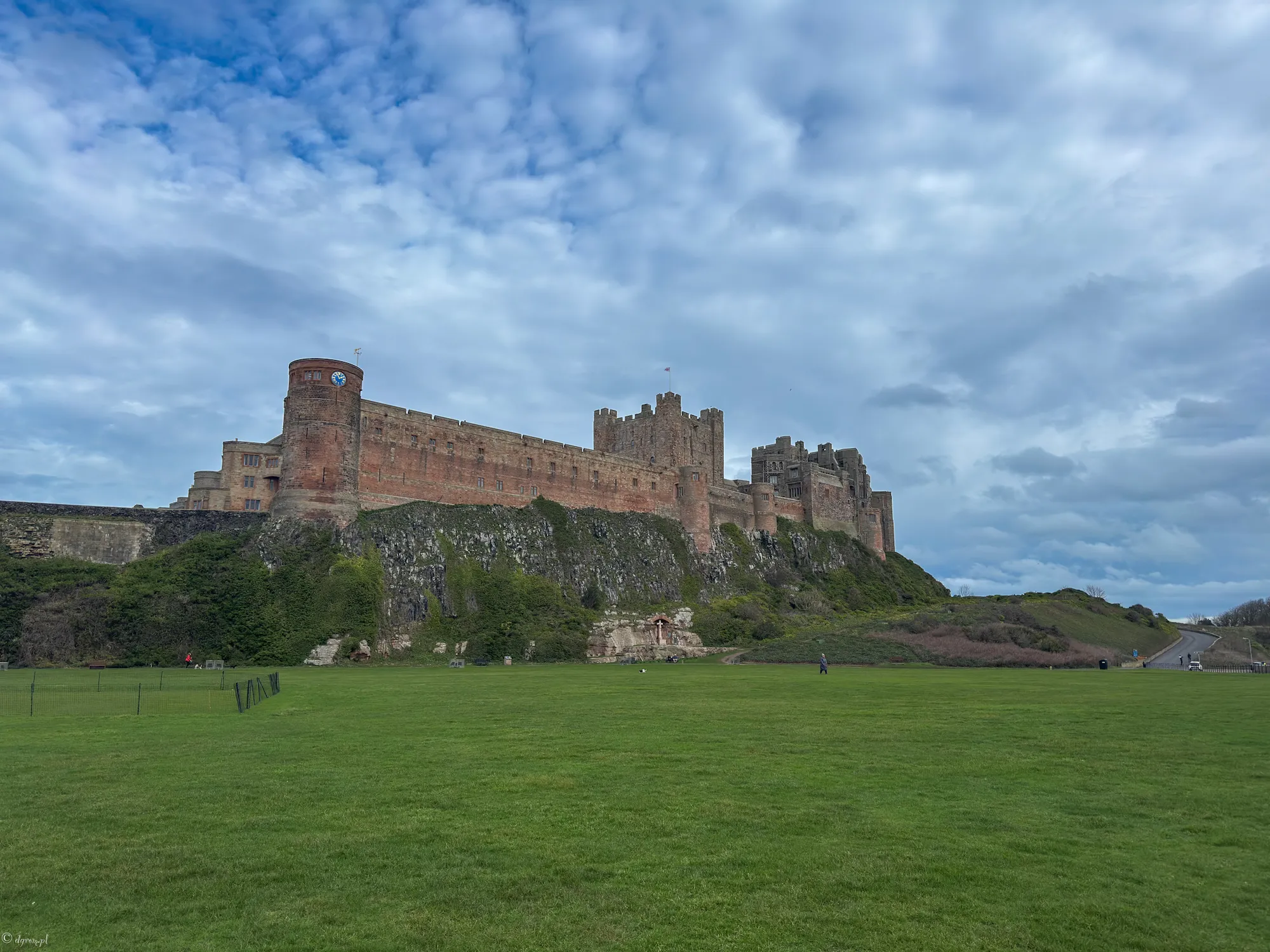
After a night in Berwick-upon-Tweed we set off in the morning for the first castle of the day: Bamburgh Castle. It makes a huge impression even from afar — it stands on a massive basalt outcrop and looks as if someone designed the perfect fortress for a film. Monumental, proud and visible for miles.
Bamburgh — the king of castles
After a night in Berwick-upon-Tweed we set off in the morning for the first castle of the day: Bamburgh Castle. It makes a huge impression even from a distance — it stands on a massive basalt crag and looks as if someone designed the perfect stronghold for a film. Monumental, proud and visible for miles, it easily dominates the whole coastline.
Bamburgh is not only an impressive castle but also a place with an exceptionally long history. As early as the early Middle Ages there was a stronghold here of the kingdom of Bernicia, and later of Northumbria. The name Bebbanburh appears in sources — modern Bamburgh derives from it. For fans of The Last Kingdom is especially interesting, because this is where the TV show's Bebbanburg comes from.
This is where power in northern England was concentrated for centuries. Bamburgh is associated, among others, with King Oswald, and nearby Lindisfarne reminds us how important the region was in the Christianisation of England. After the Norman Conquest a new fortress was built here, which was later expanded and strengthened. In 1464 the castle went down in history as one of the first in England to be effectively shelled by heavy artillery during the Wars of the Roses — a symbolic moment marking the end of the era of medieval fortresses thought to be impervious.
Unlike many castles on this coast, Bamburgh is not a ruin. Thanks to a 19th-century restoration associated with the Armstrong family, today you can see not only the walls but also impressive interiors. Large halls, armour, weapons and even 19th-century hydraulic lifts show that this place blends medieval grandeur with later technological modernity.
After touring we went down to the beach and it was a perfect choice. We walked along the shore, admiring the waves, the wide stretch of sand and the castle itself towering above the coast. From this perspective Bamburgh looks even more imposing than up close. It's one of those views that makes a bigger impression in person than any photo.
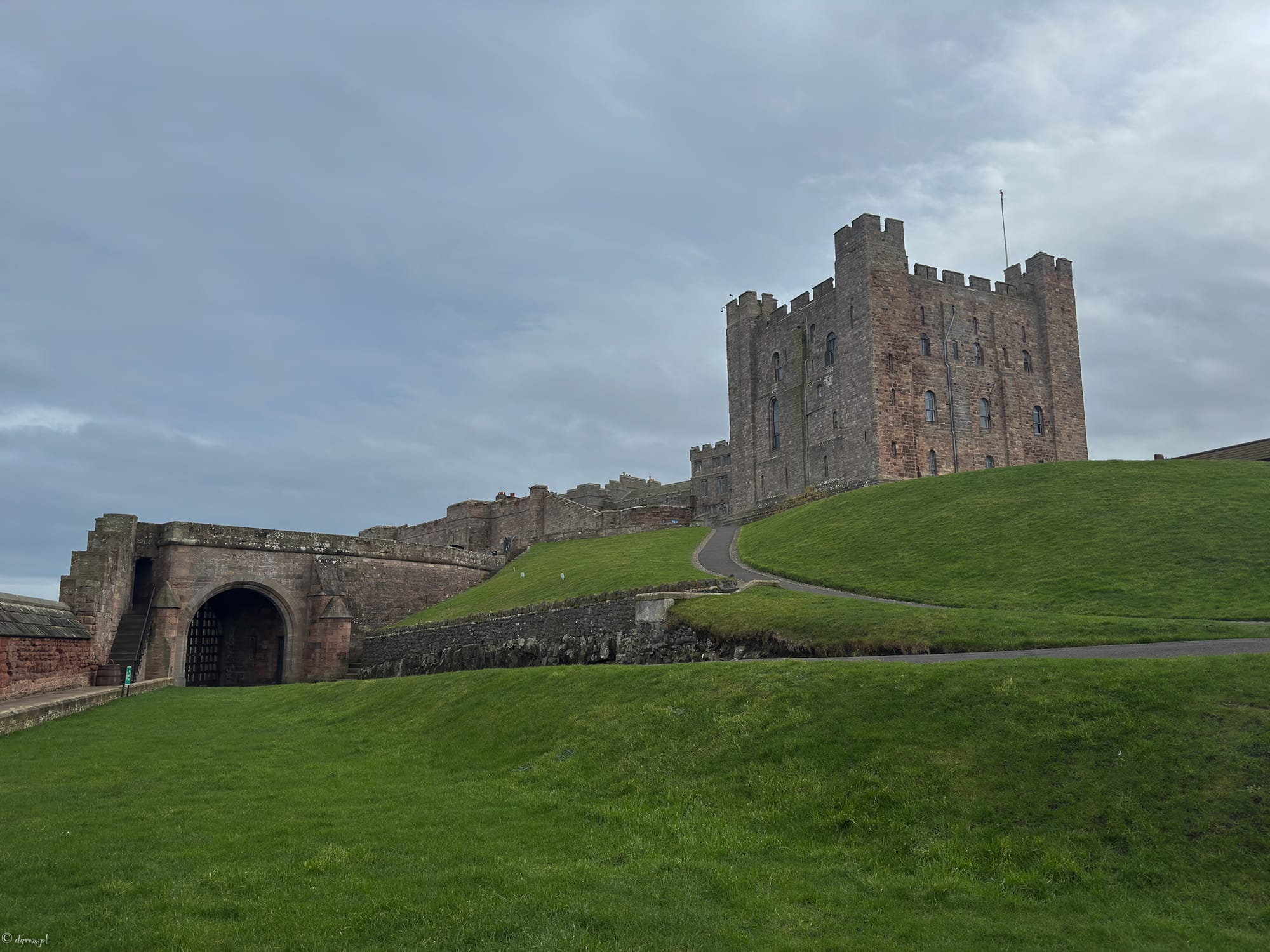
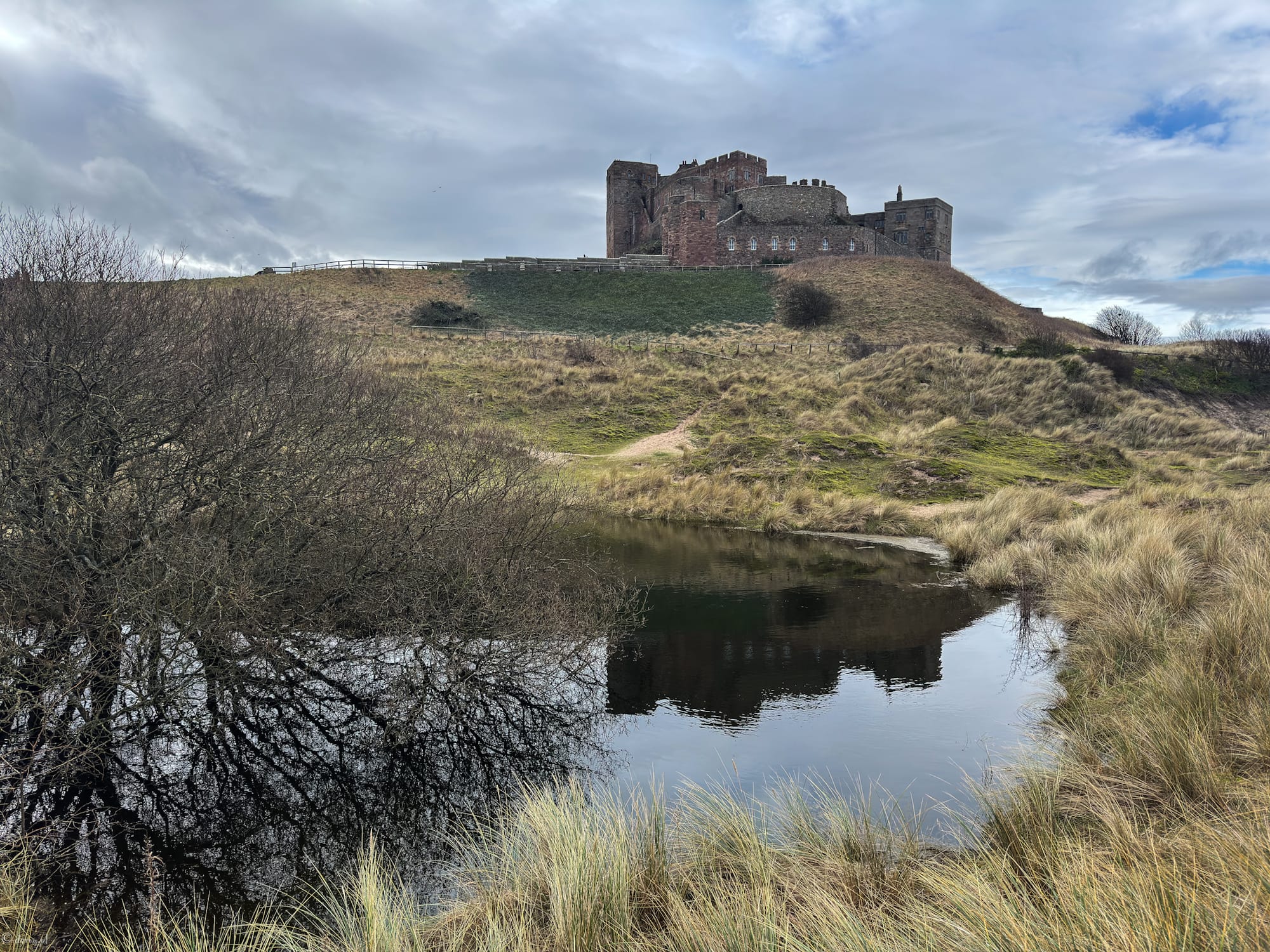
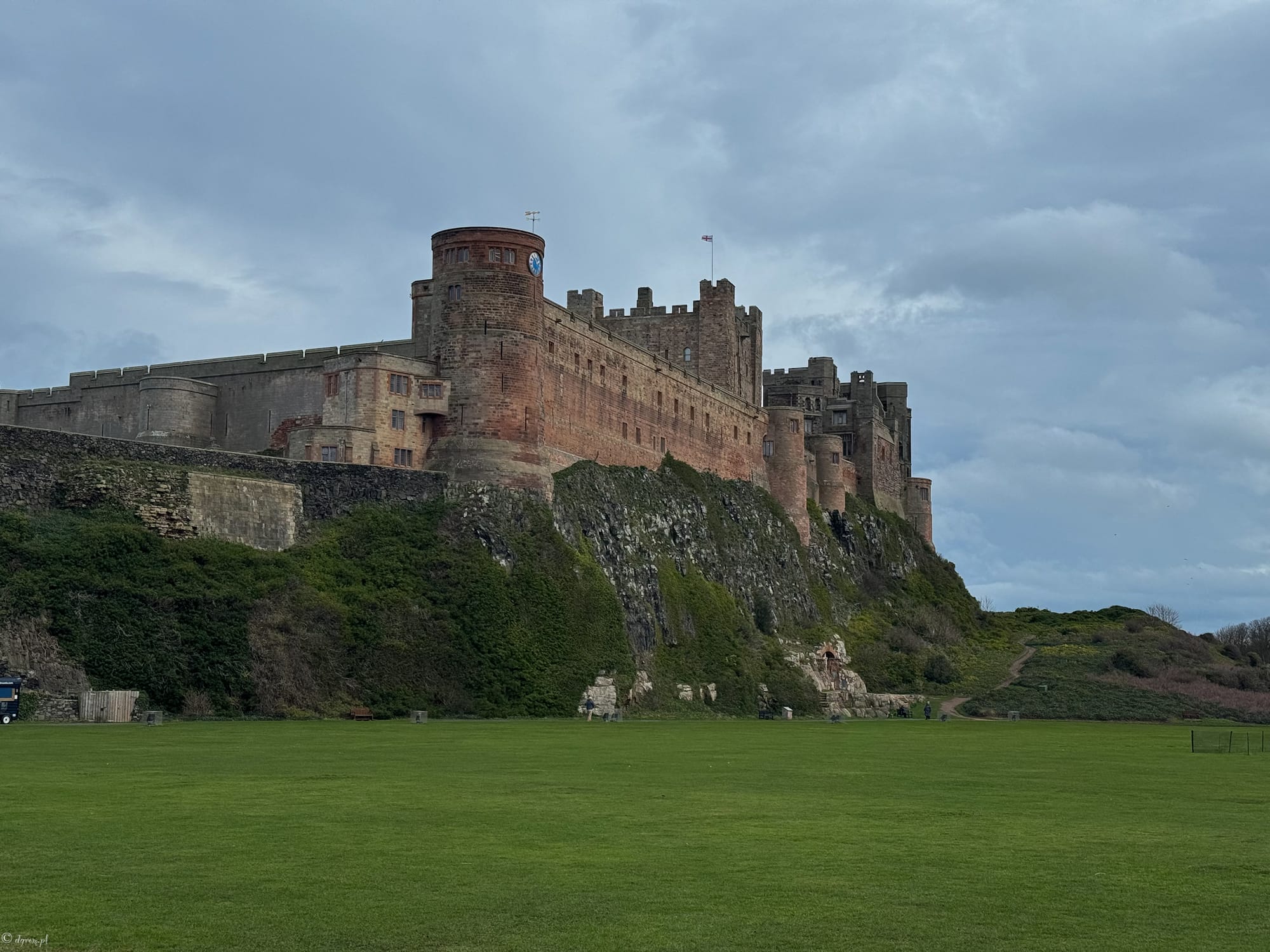
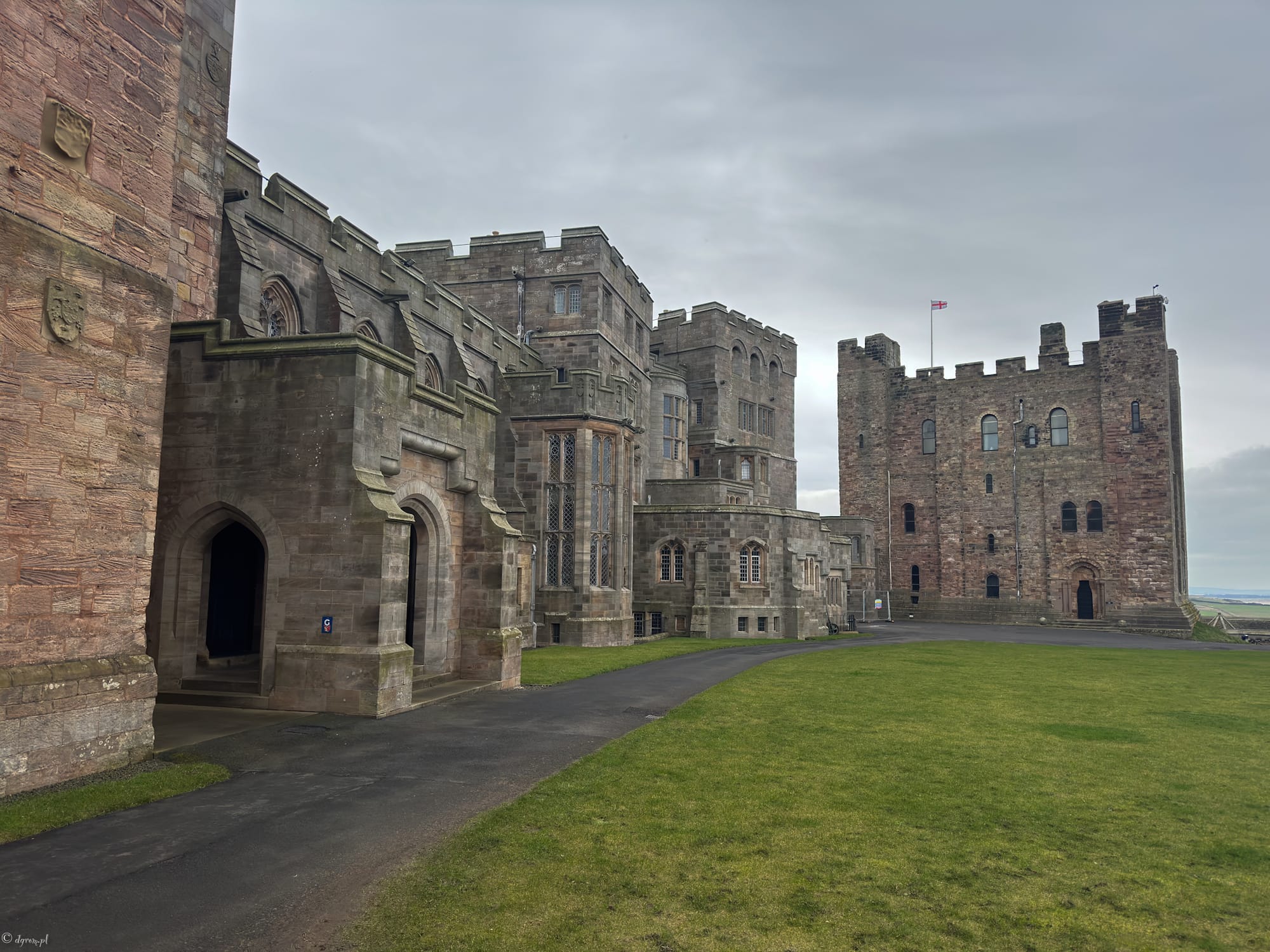
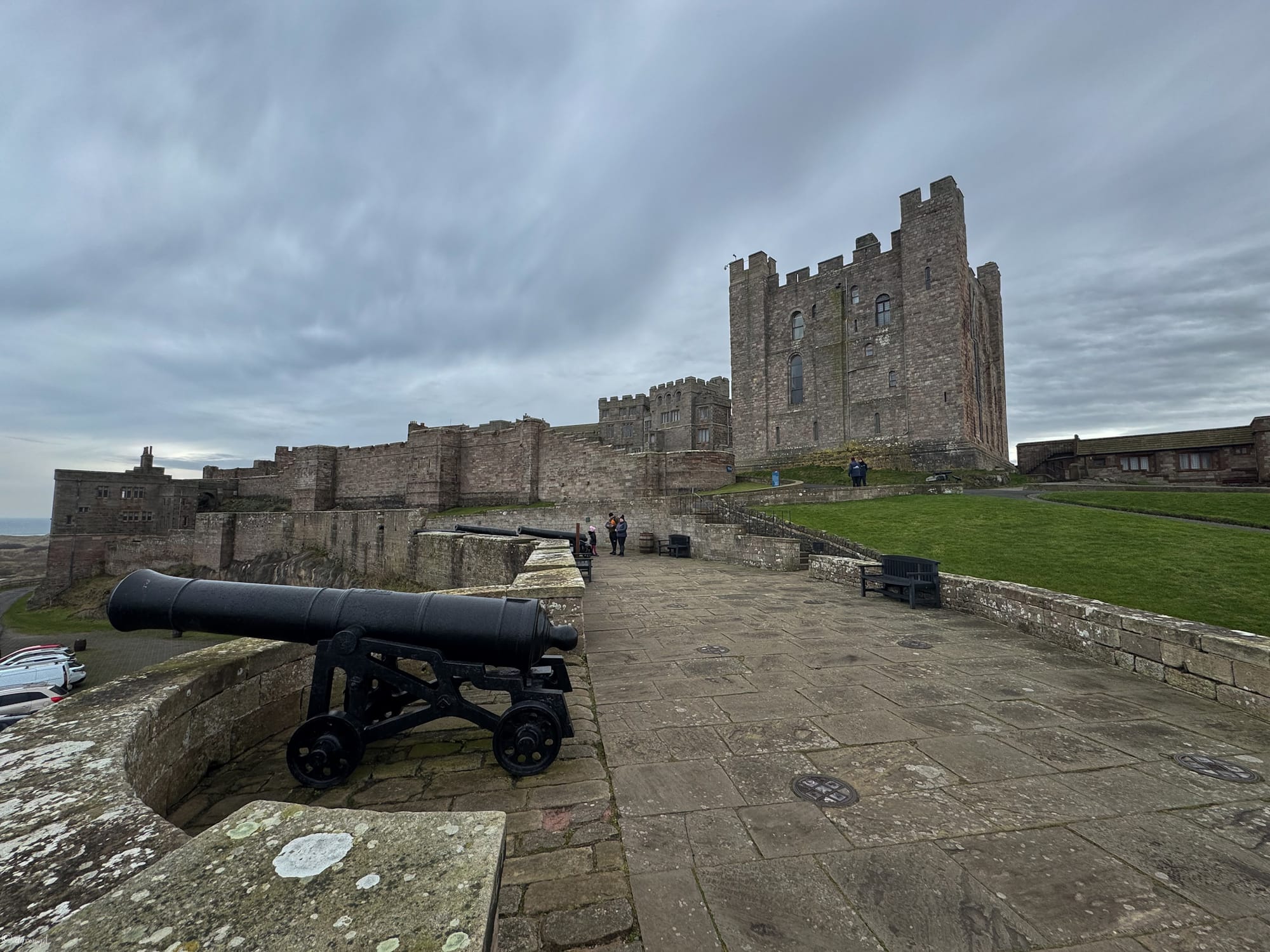
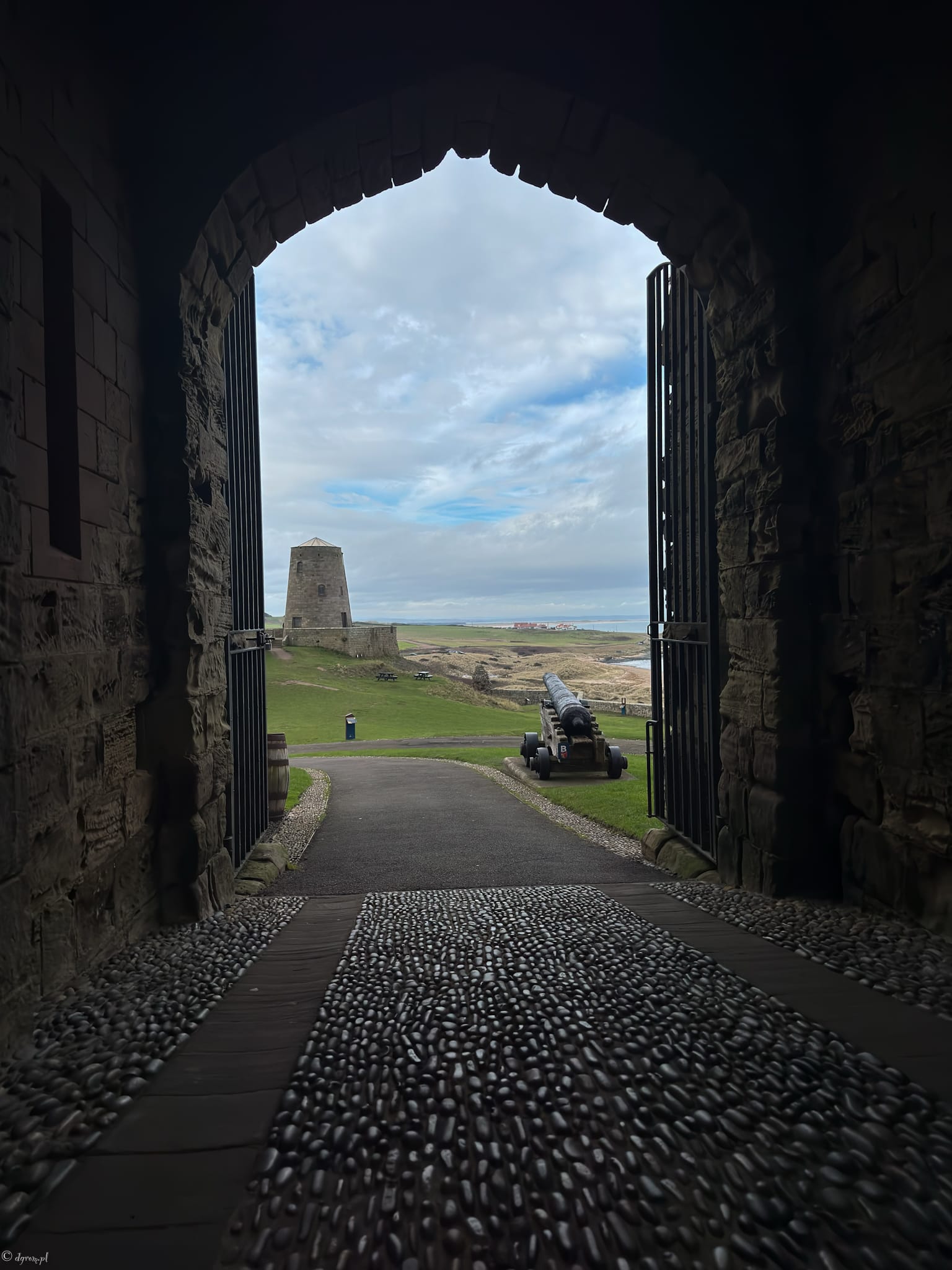
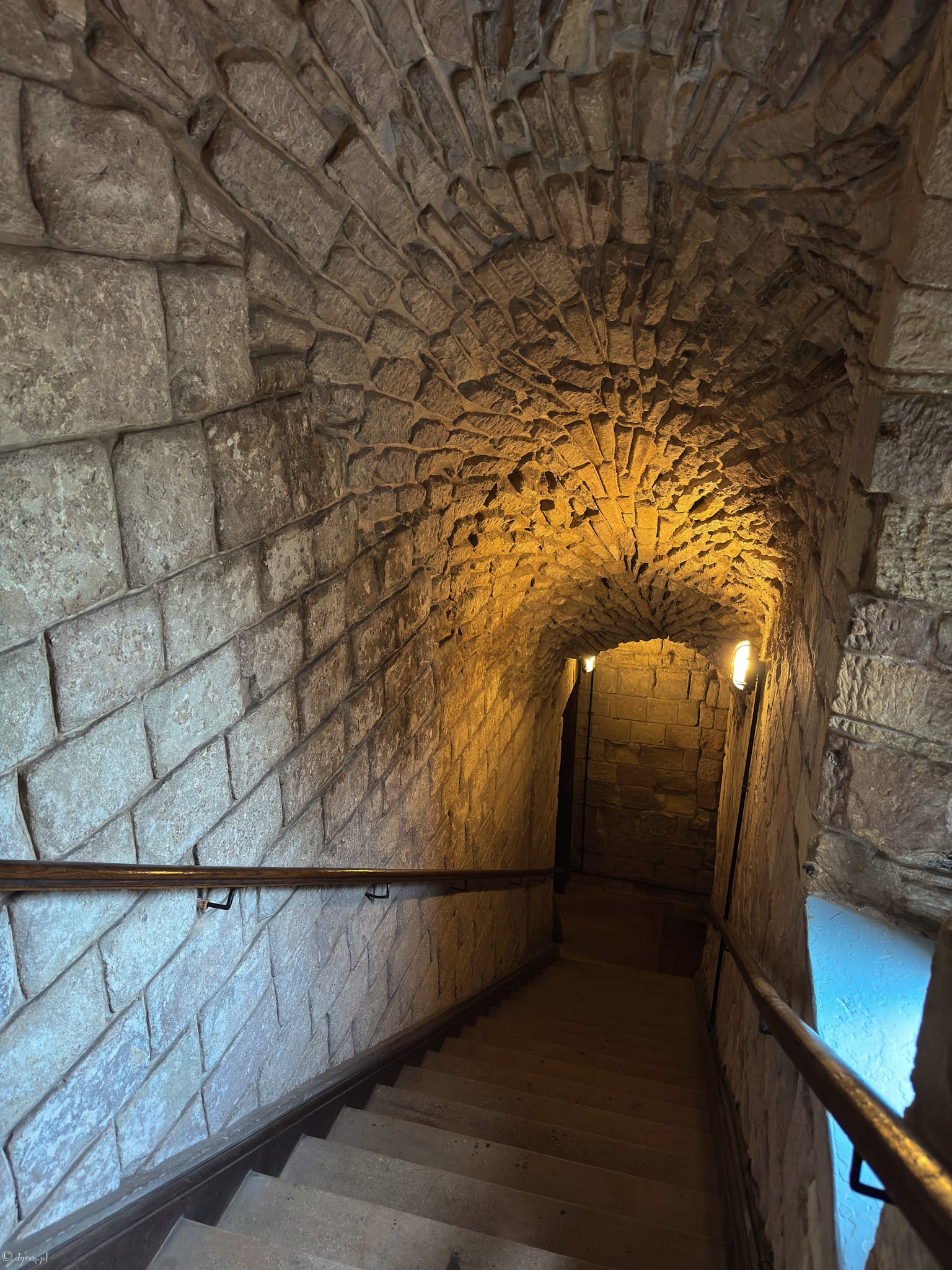
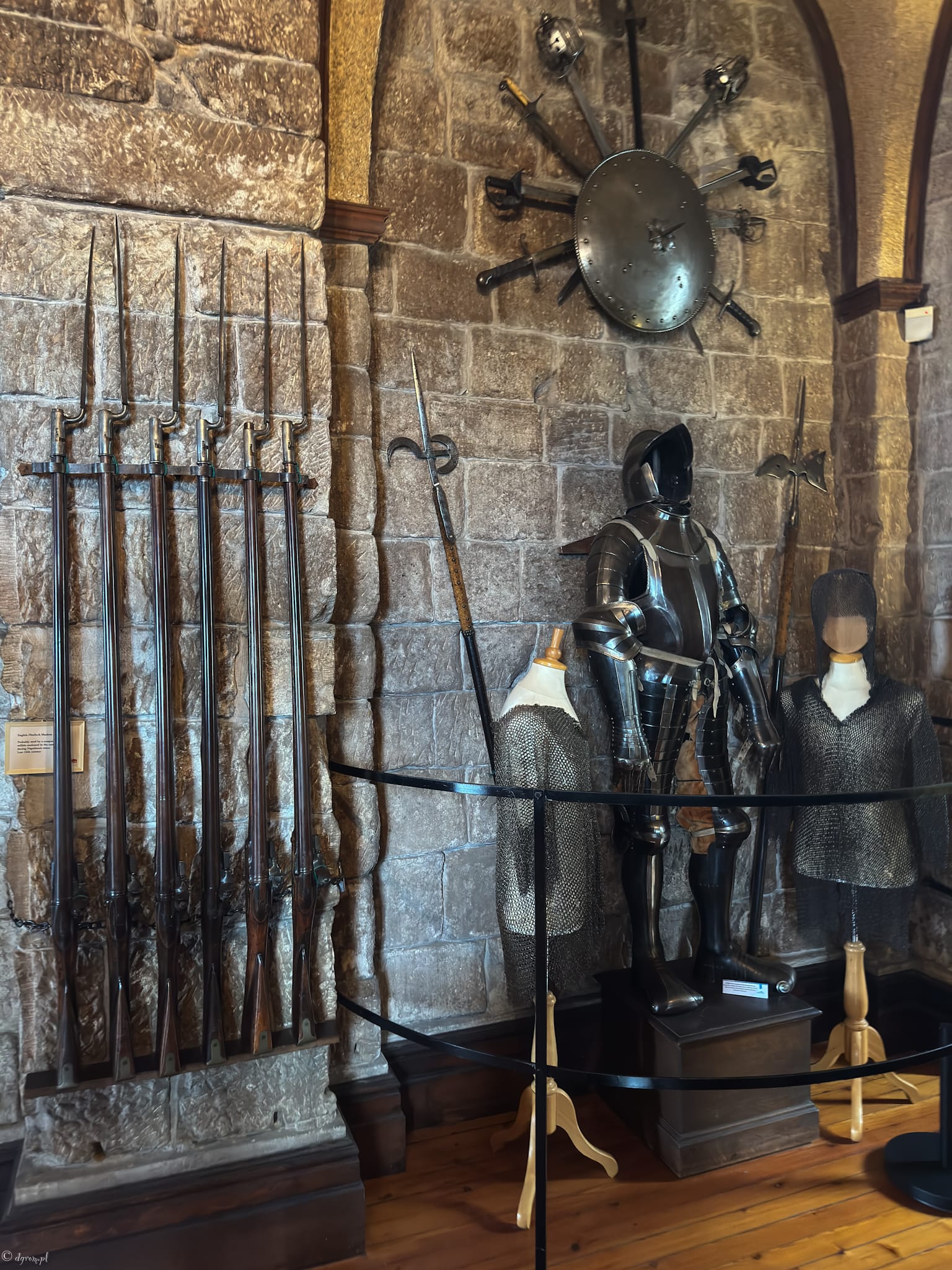
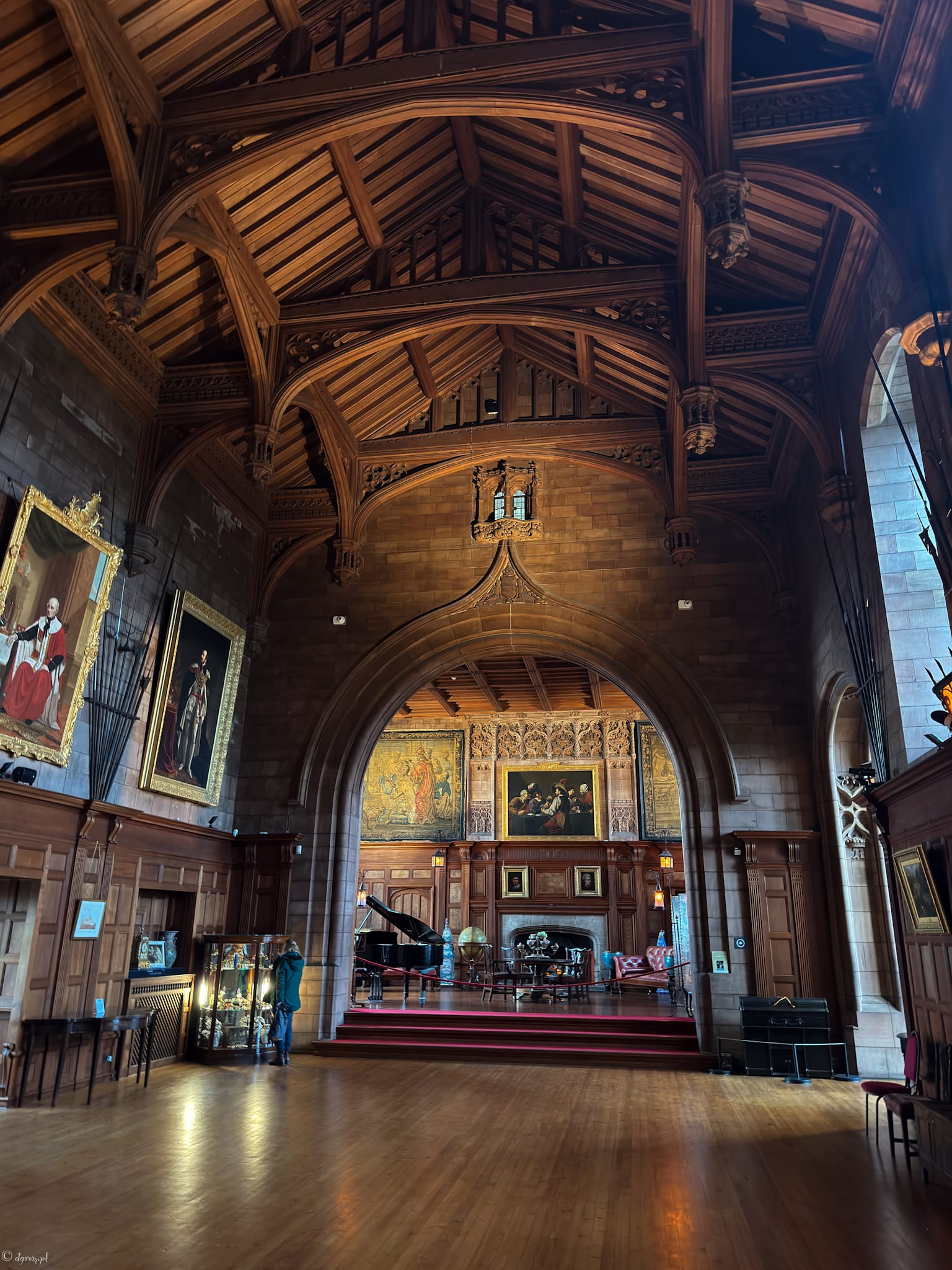
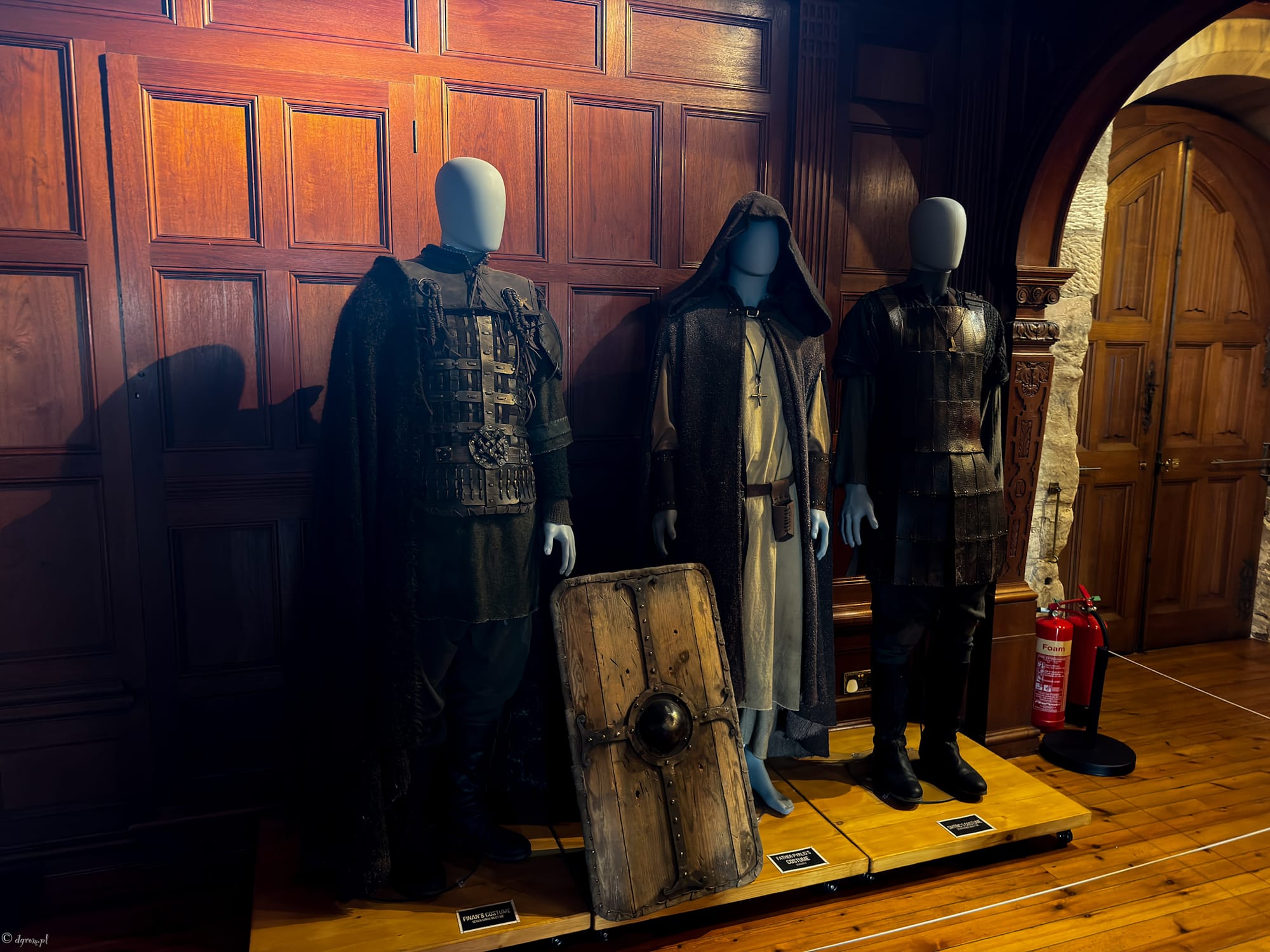
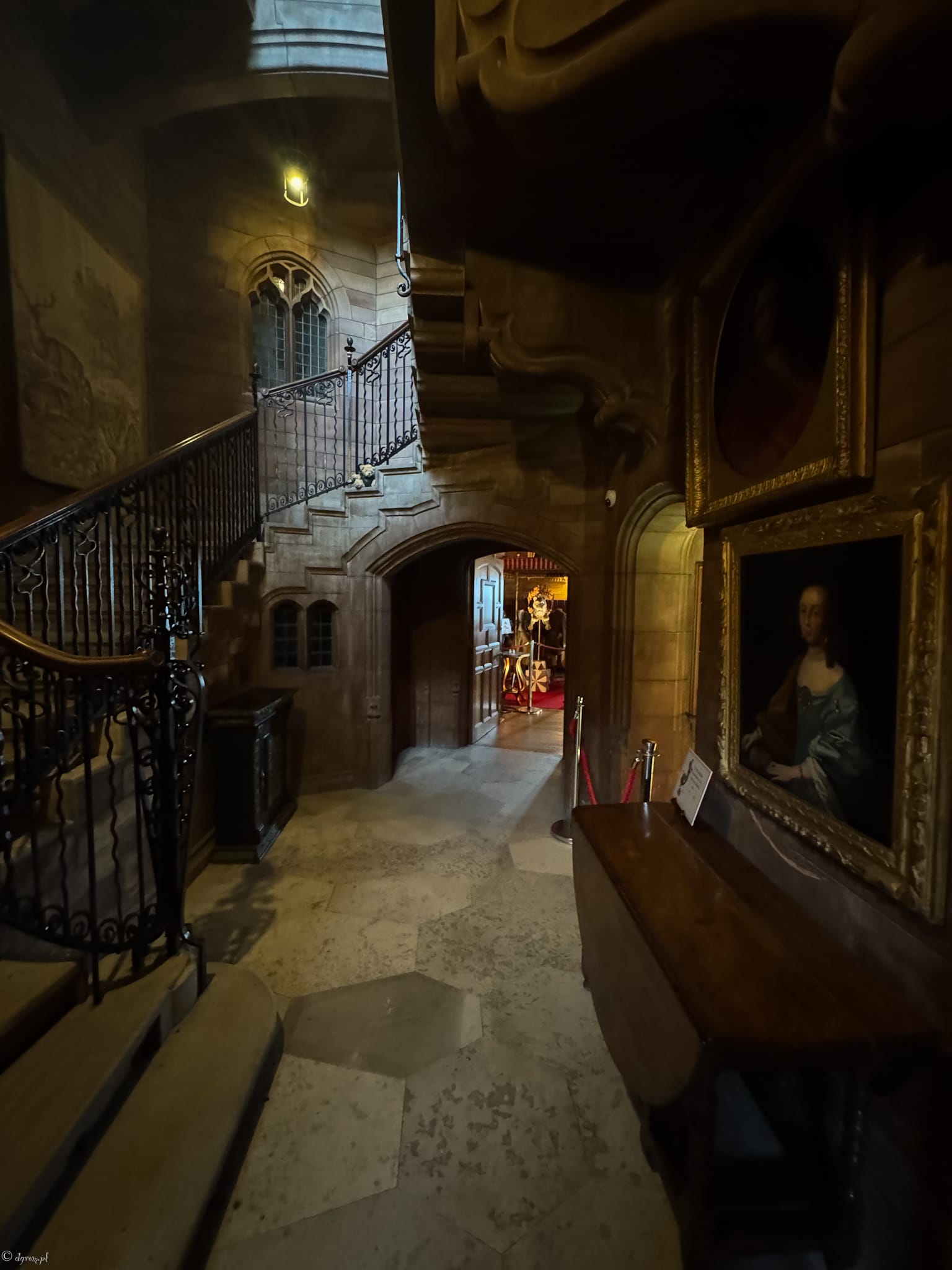
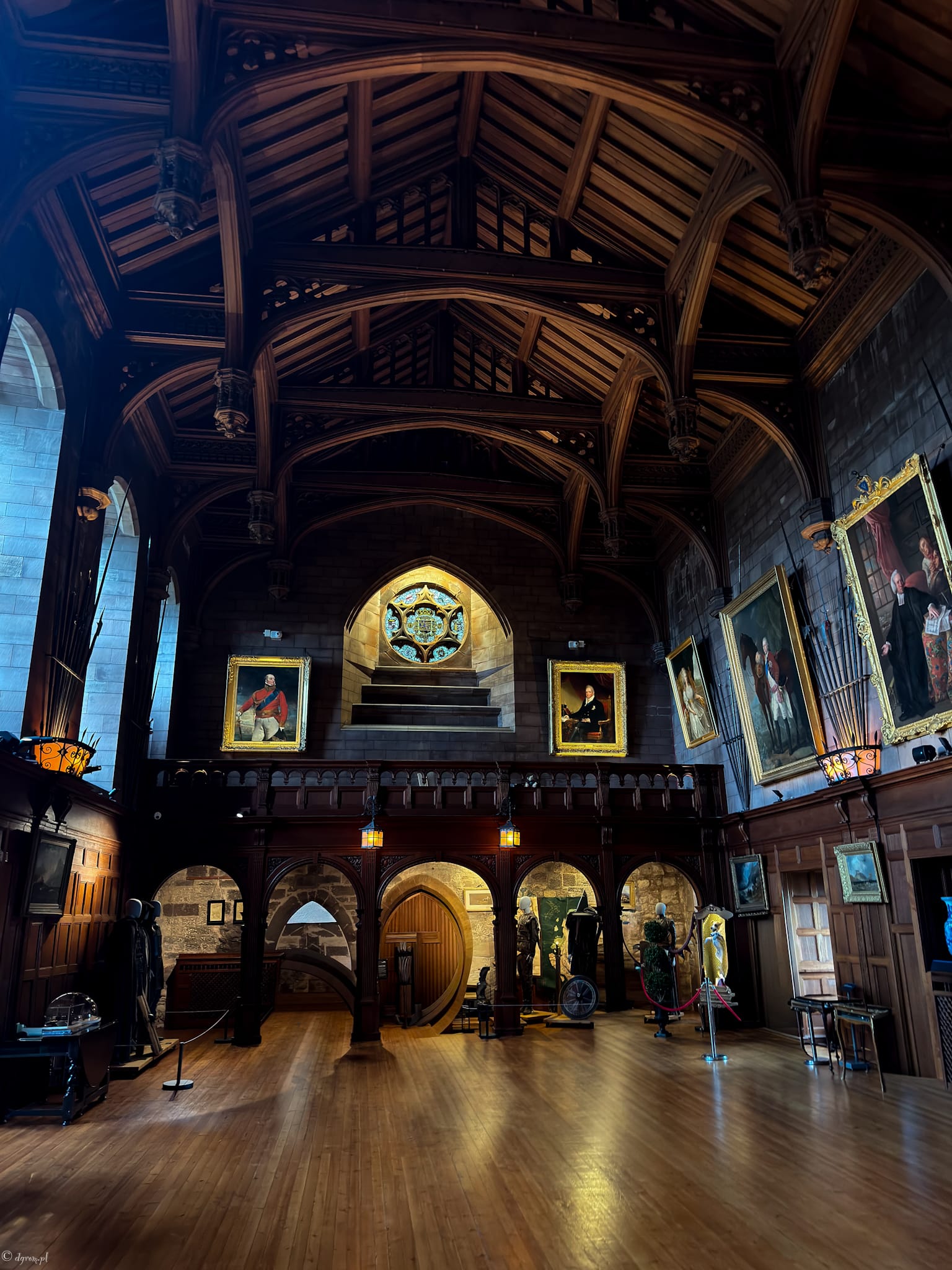
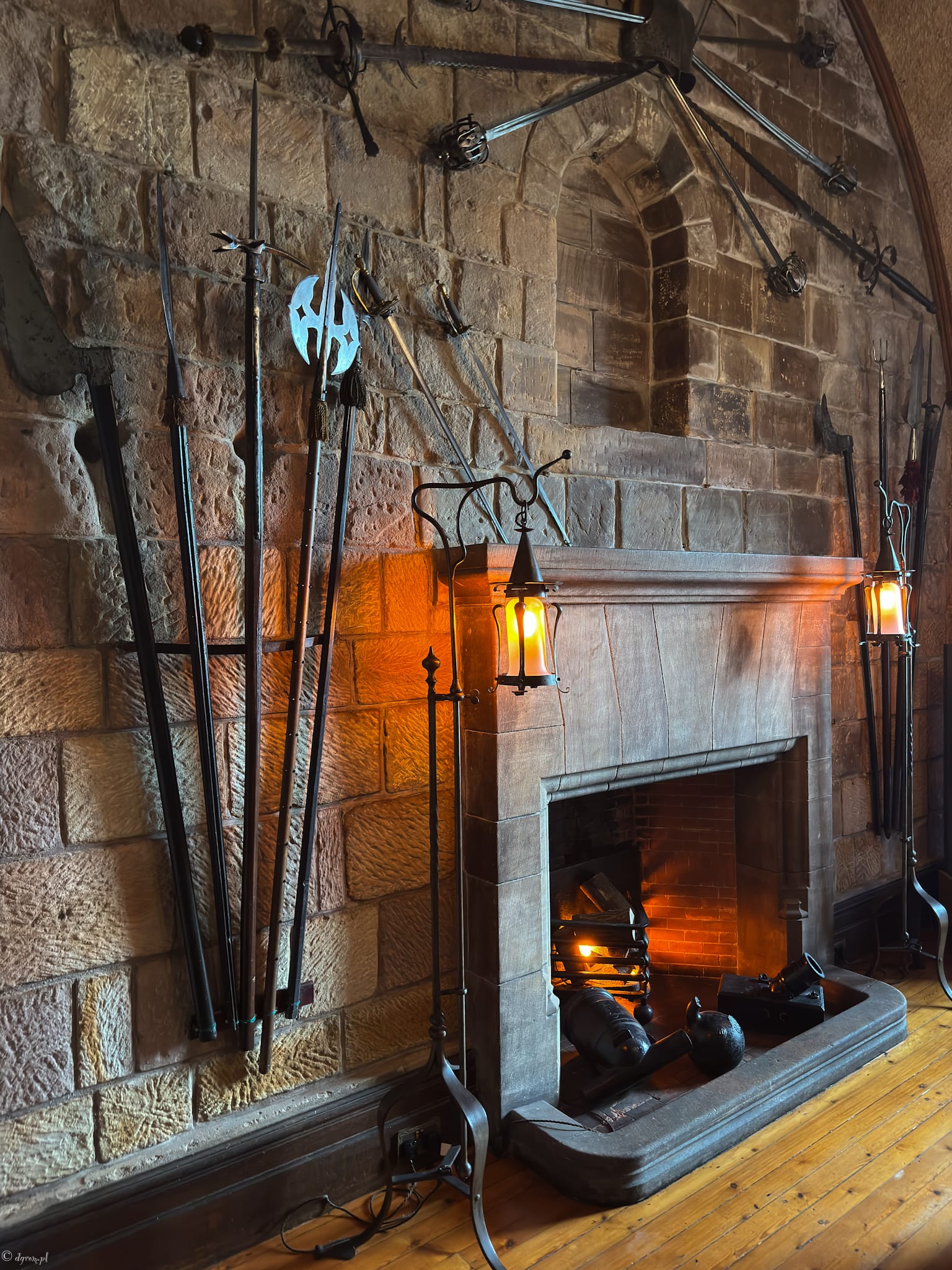
Bamburgh castle
Dunstanburgh – a cliff-top drama
The second castle that day was Dunstanburgh Castle. We drove to the fishing village of Craster, and from there we set off on foot — about 2 km along the coast. Although one person in our group claimed it was 20 km 😄. And that walk makes half the atmosphere, because Dunstanburgh doesn't appear at once. First there's the sea, the wind, grass bending under the gusts, and then suddenly on the horizon solitary ruins cling to the cliff.
It's one of those castles you feel more than just look at. Stark, isolated, roofless and without comforts, but with an atmosphere that can't be replicated. Unfortunately we didn't go inside because the castle was already closed, so we had to enjoy its appearance only from the outside.
Dunstanburgh was begun around 1313 by Thomas, Earl of Lancaster — one of the most powerful barons in England, a cousin of Edward II and also his political opponent. It wasn't an ordinary defensive fortress. True, the coastal and difficult location had strategic importance, but the castle was also a statement of power, ambition and rebellion. It was meant to show that its owner could afford something larger and more impressive than most nobles, and perhaps even the king himself.
Thomas, however, lost the political game. After the failed rebellion in 1322 he was captured and executed for treason. According to later tradition the execution was especially brutal, and his ghost is said to still wander the ruins. After his death the castle was not completed according to the original plan, which only adds to its characteristic unfinished austerity today.
In the 15th century Dunstanburgh still played its part during the Wars of the Roses. It was besieged several times and became one example of how the art of war was changing. Massive walls were no longer a guarantee of safety as artillery played an increasingly important role. Over time the fortress fell into ruin, but in the Romantic era that very ruin became its strength — Dunstanburgh began to function as a symbol of the wild northern landscape.
As if that weren't enough, the castle acquired its own legends. The most famous tale tells of Sir Guy the Seeker, who was said to search there for an imprisoned lady and awaken forces he shouldn't have disturbed. With the wind, the roar of the waves and the emptiness around, it's easy to believe that these ruins aren't completely abandoned.
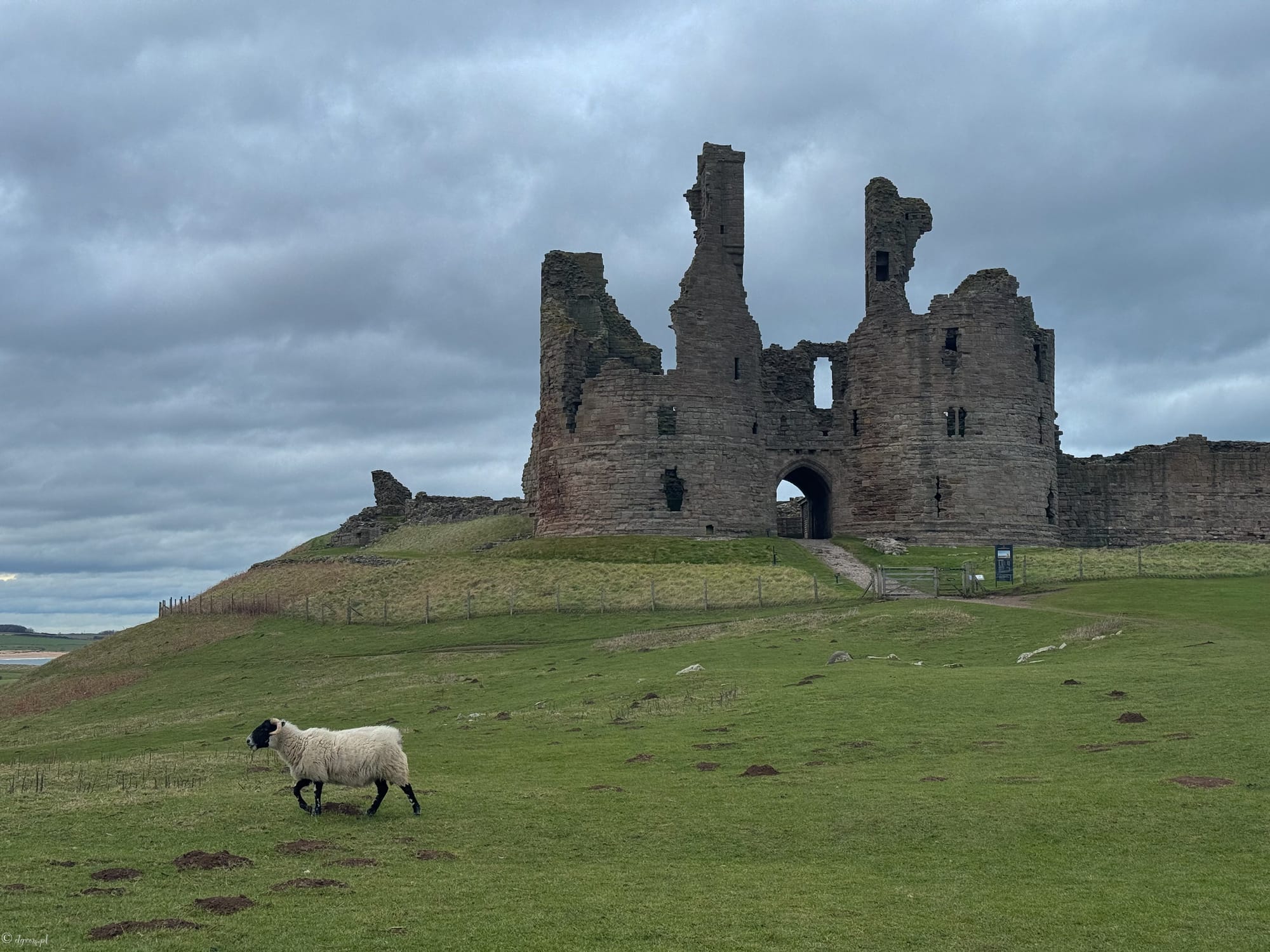
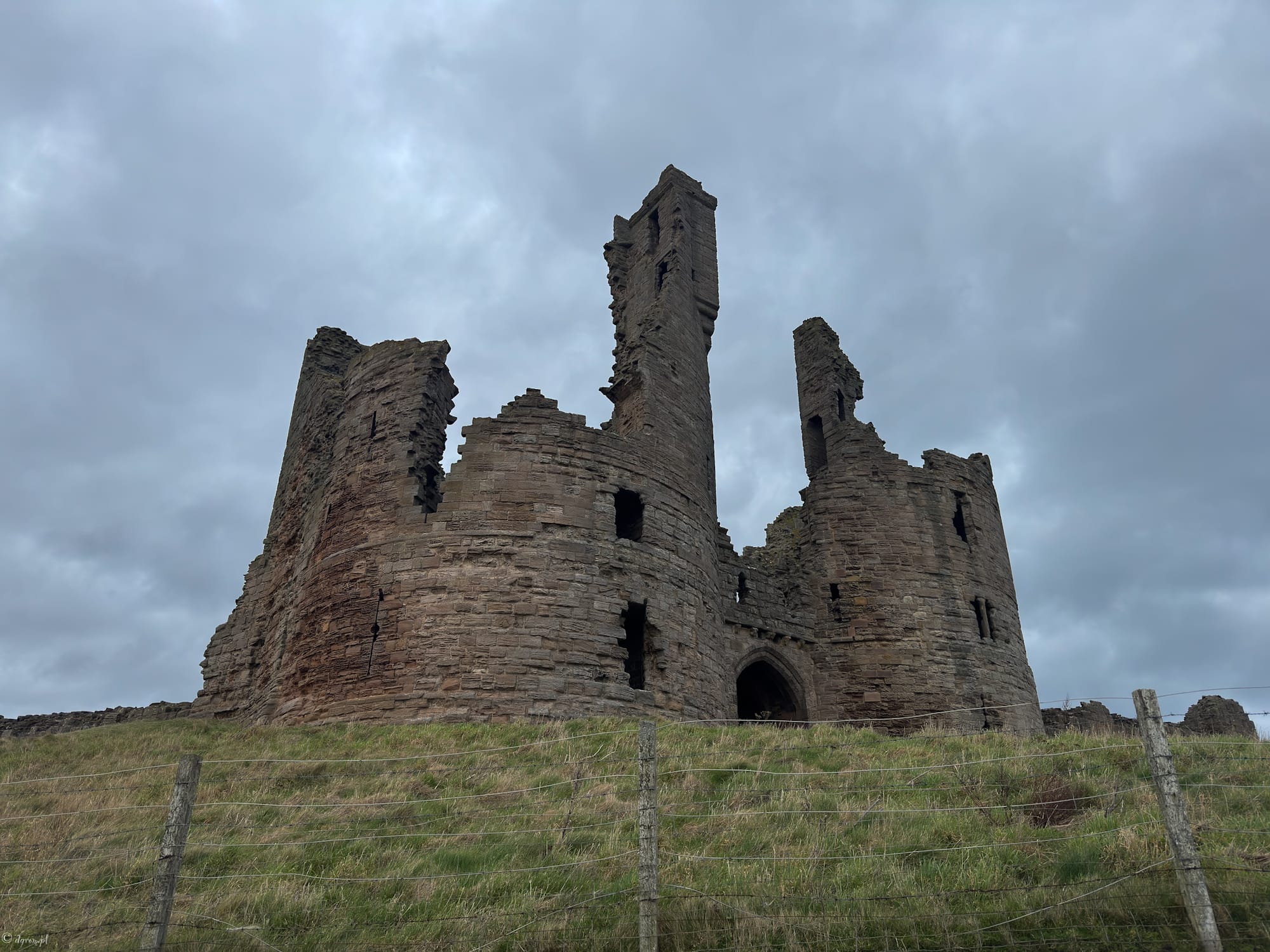
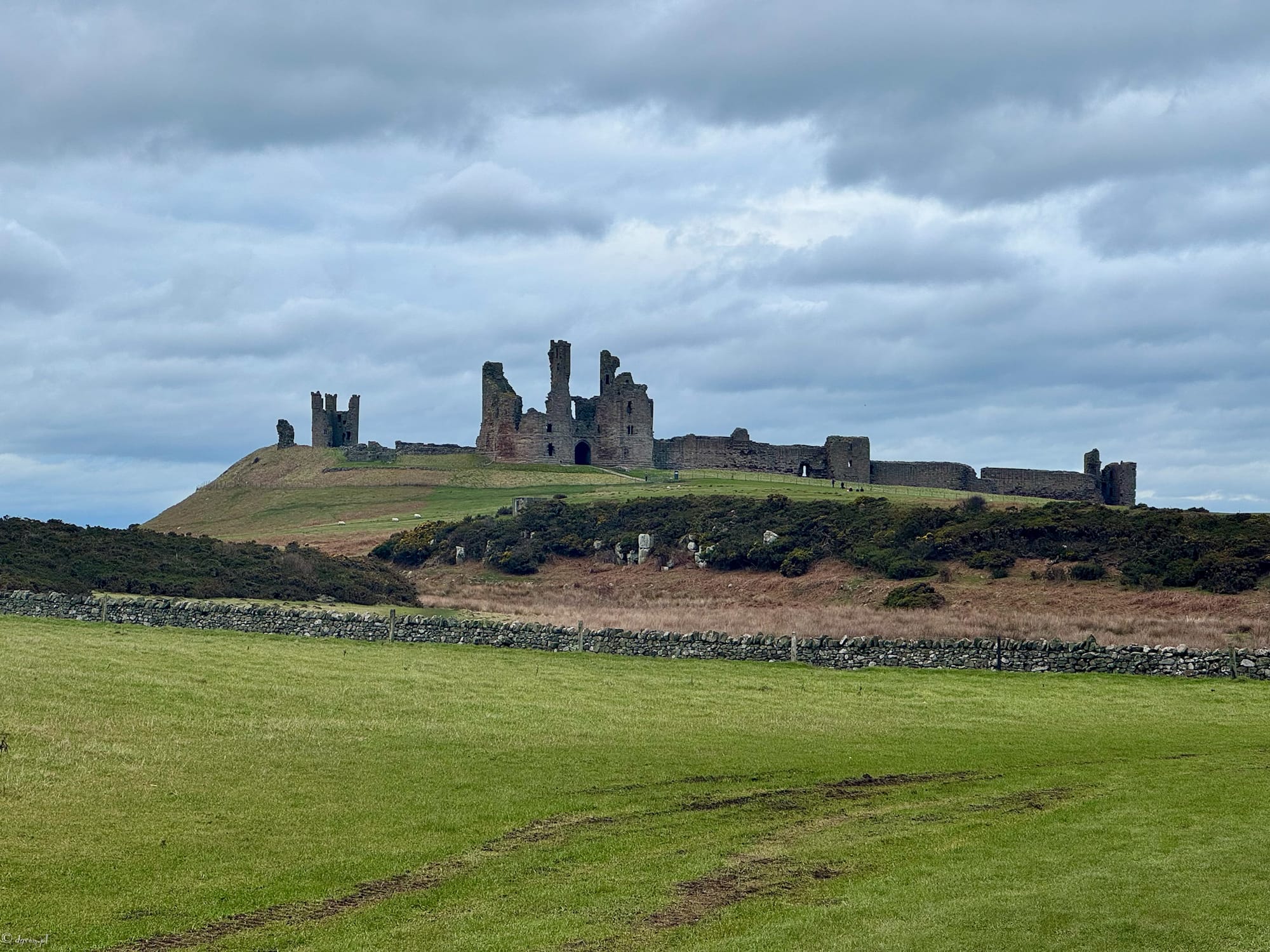
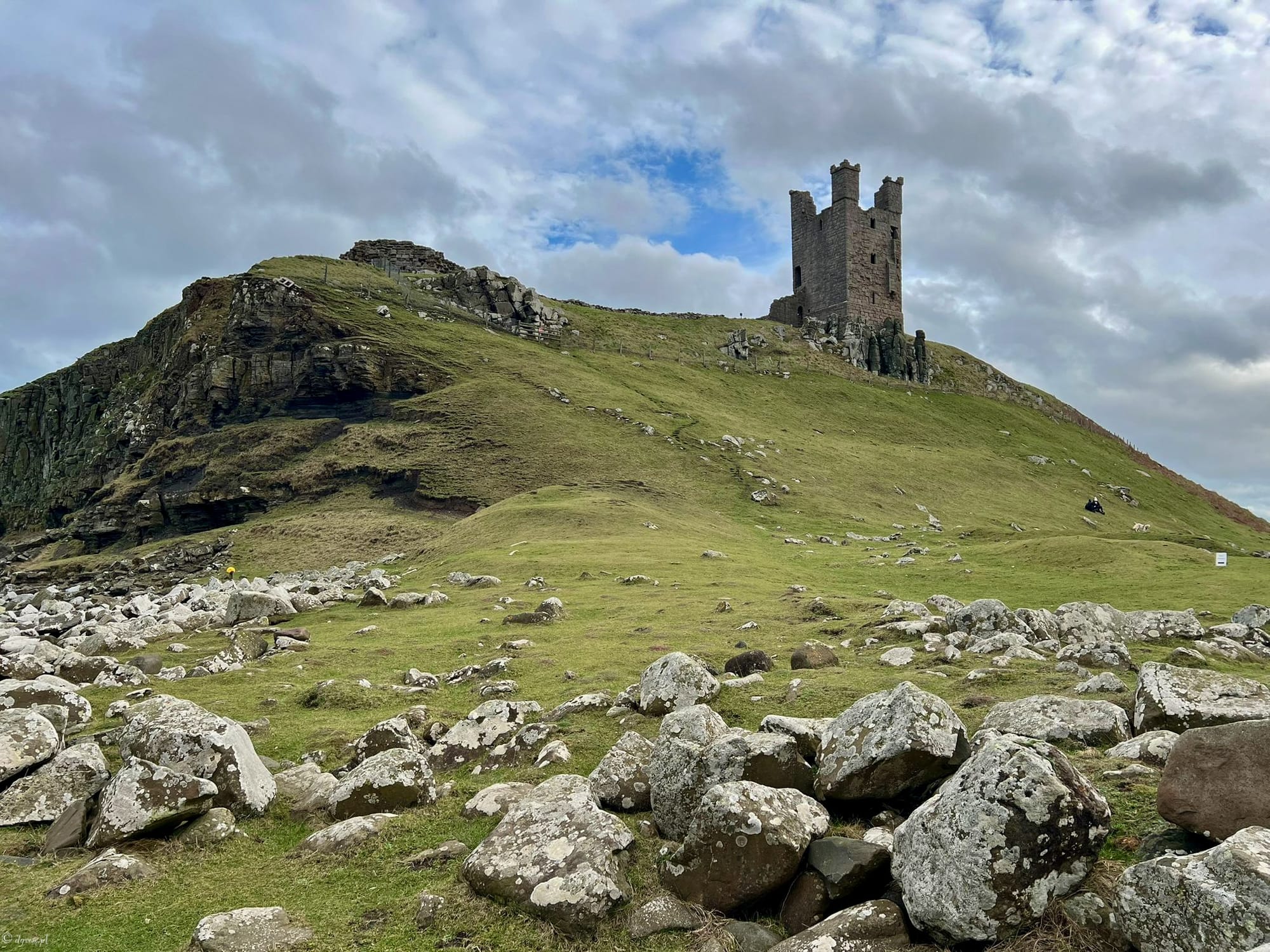
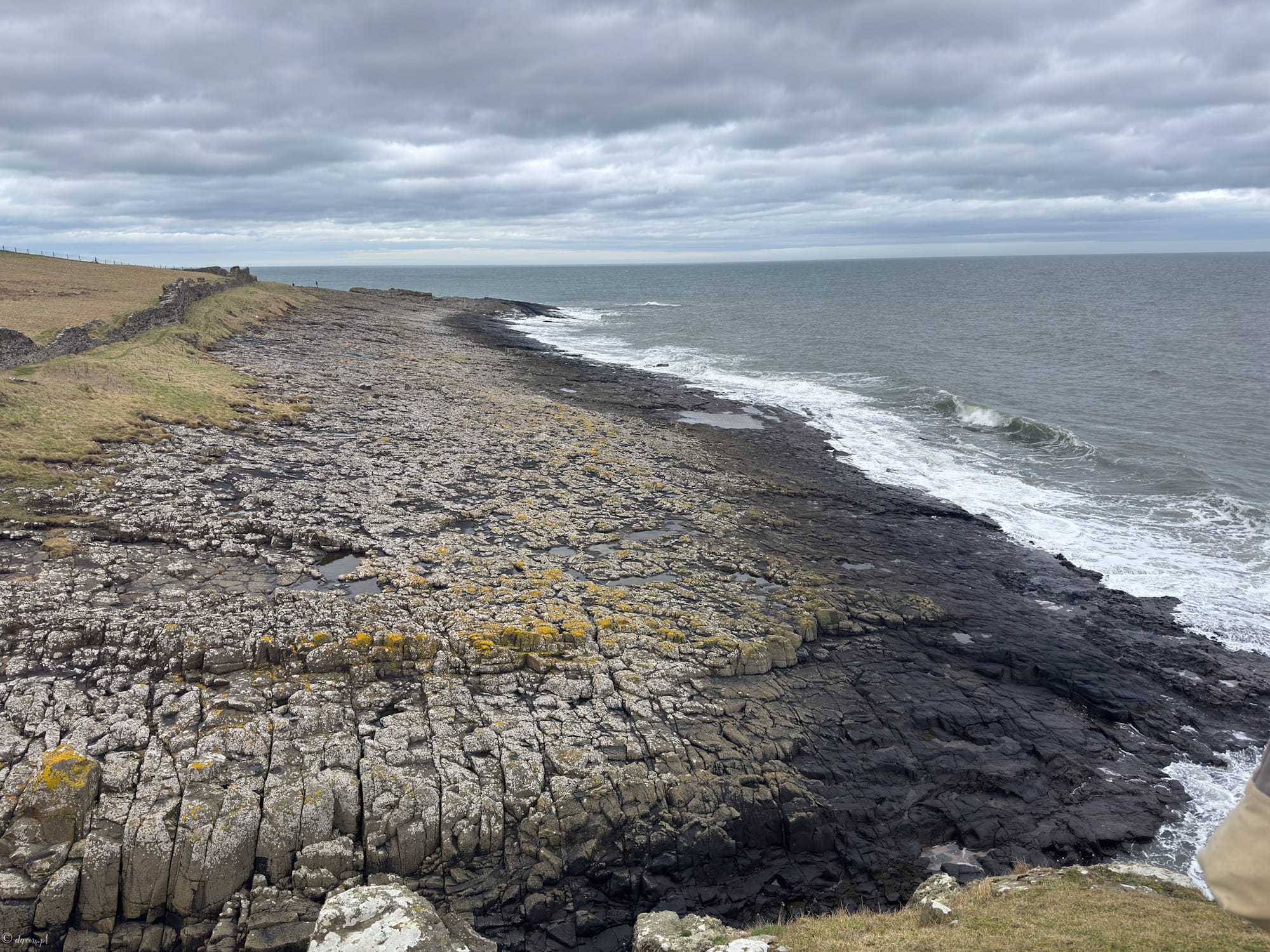
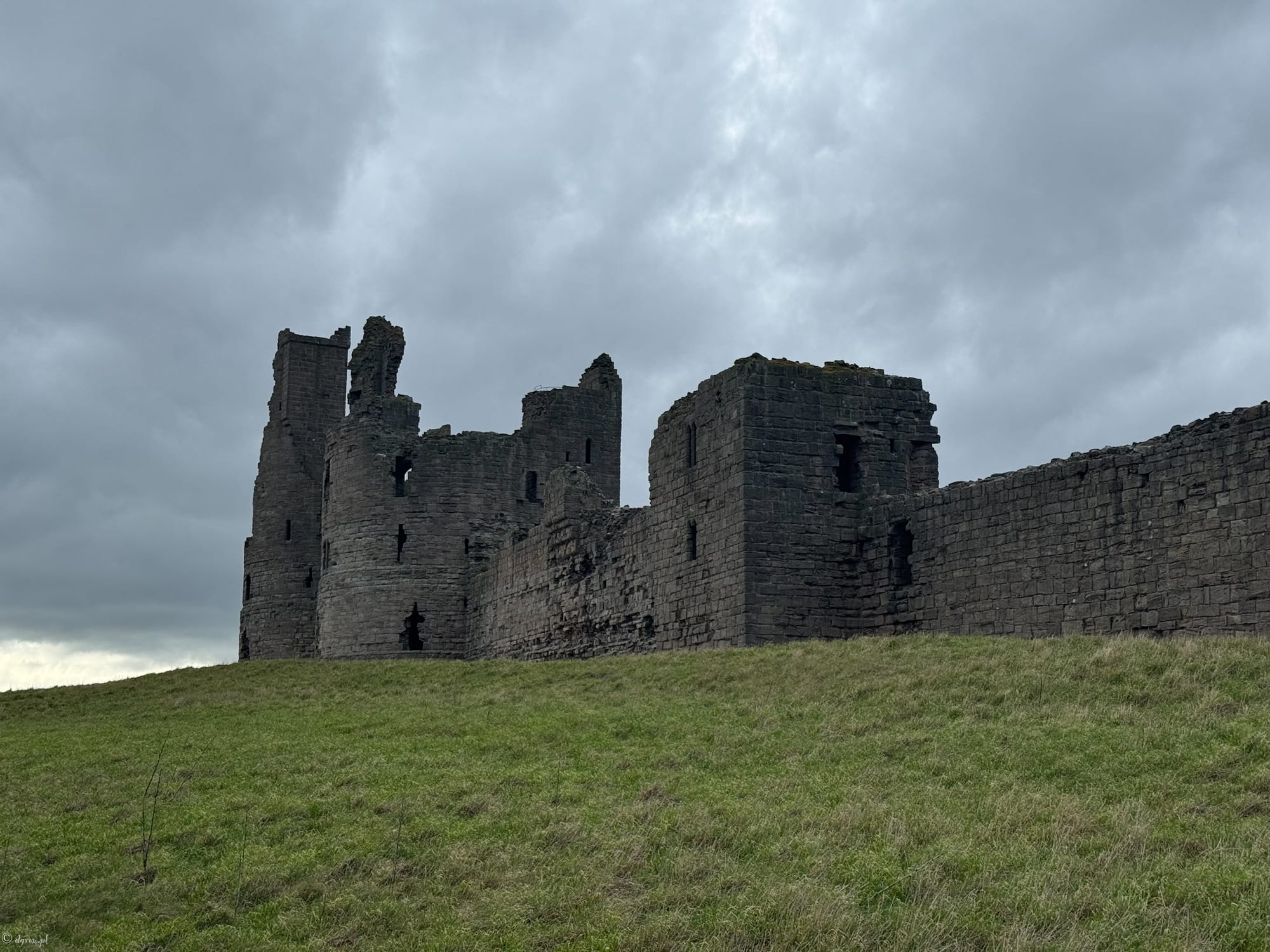
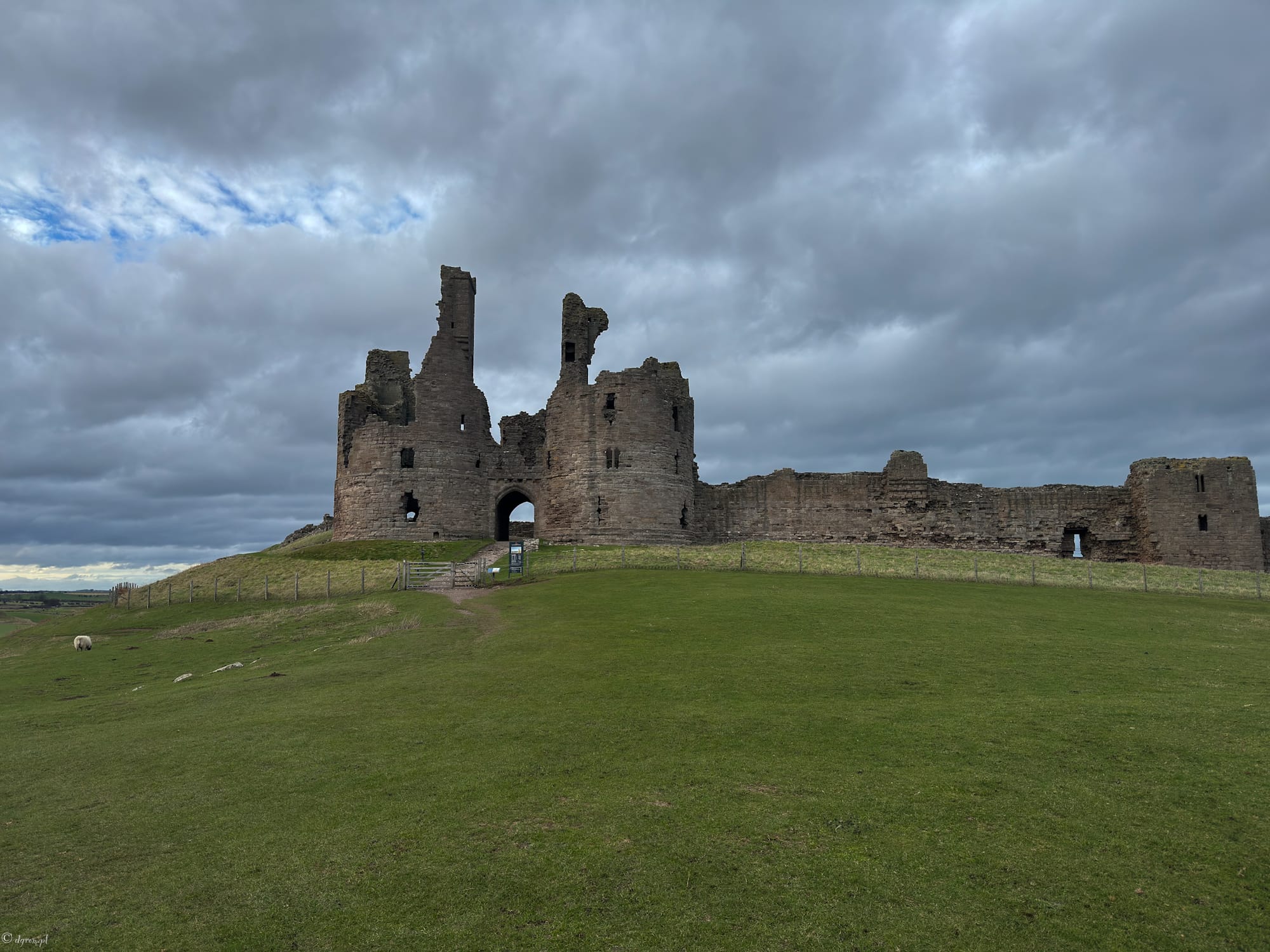
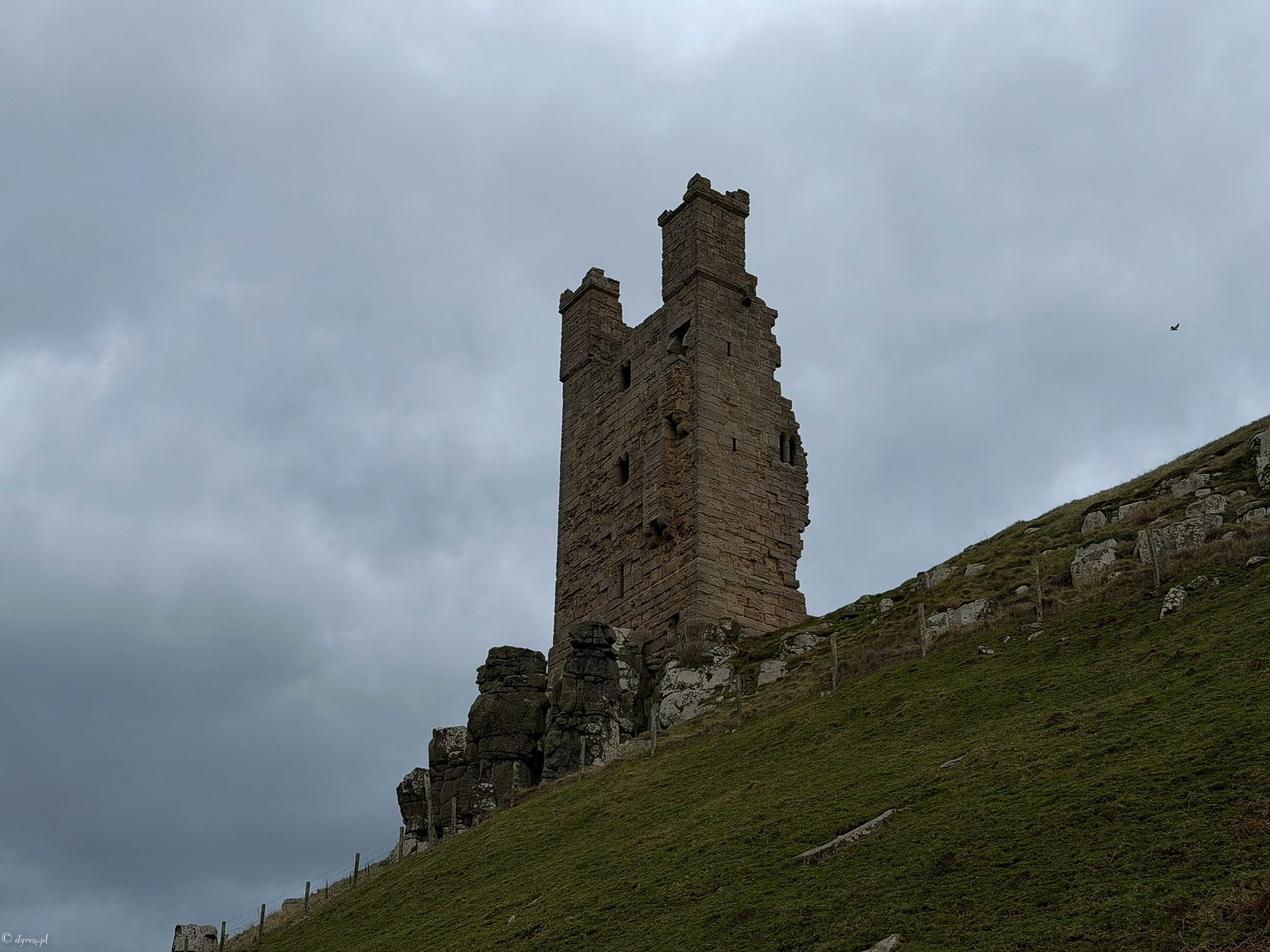
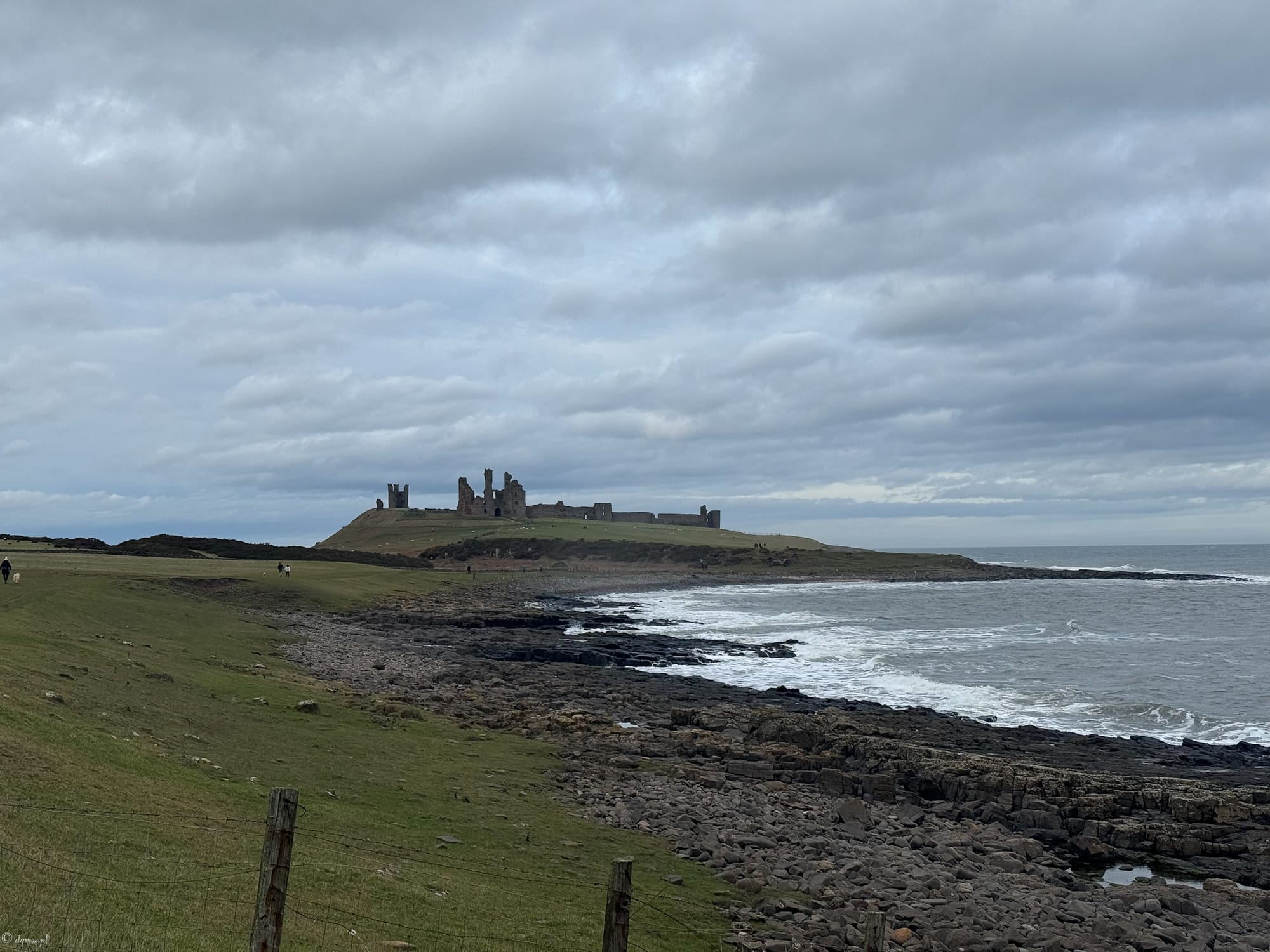
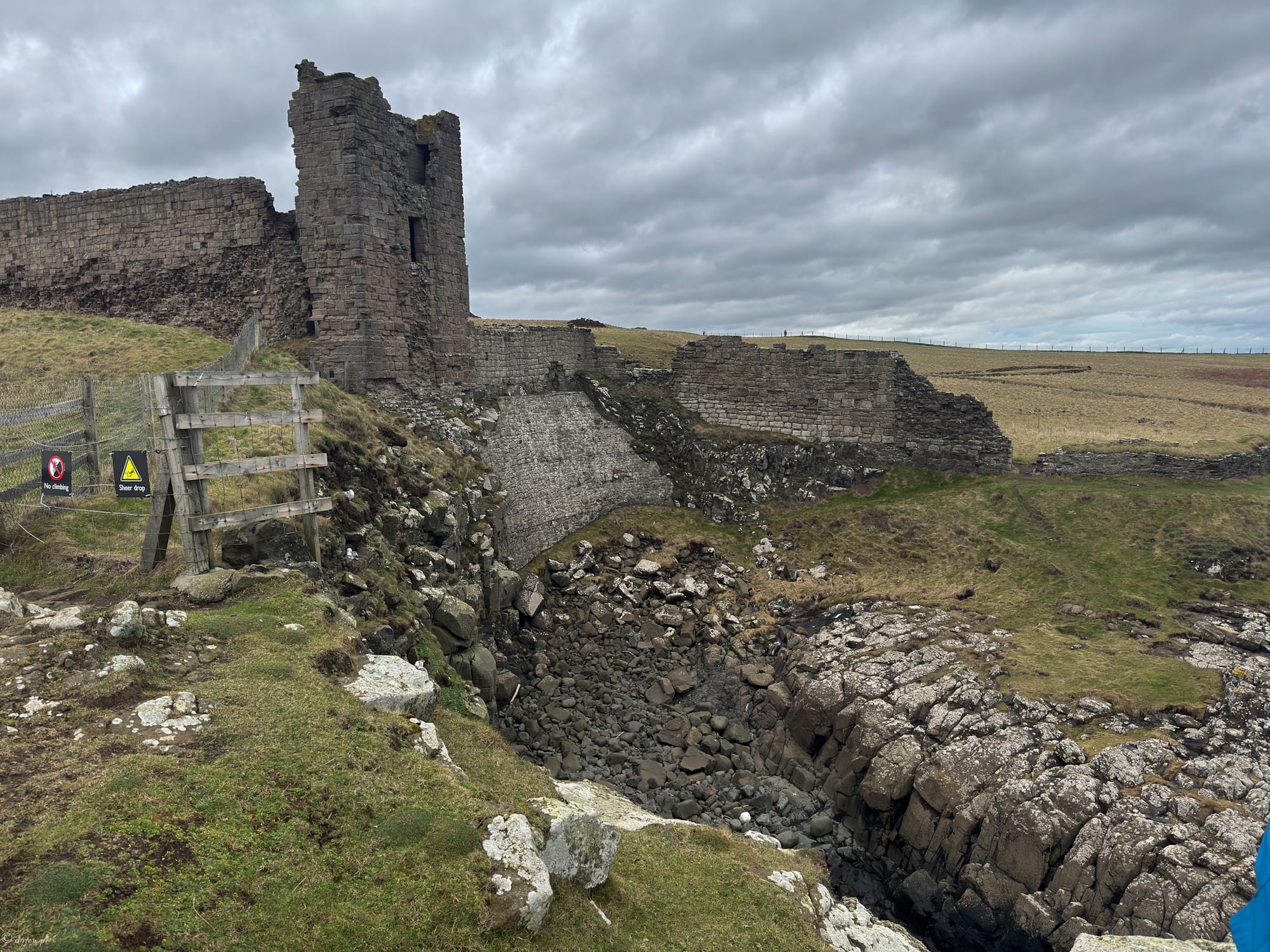
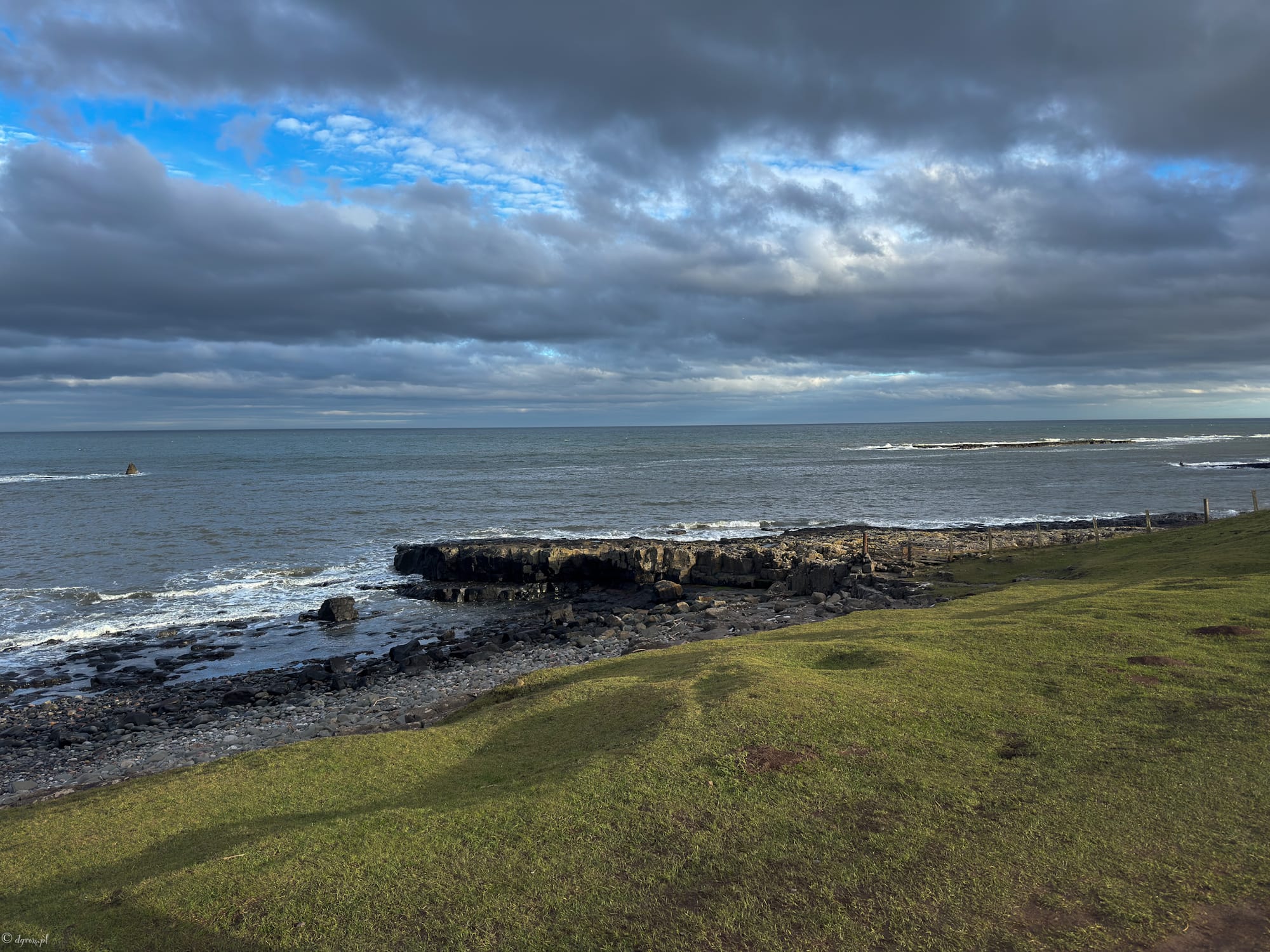
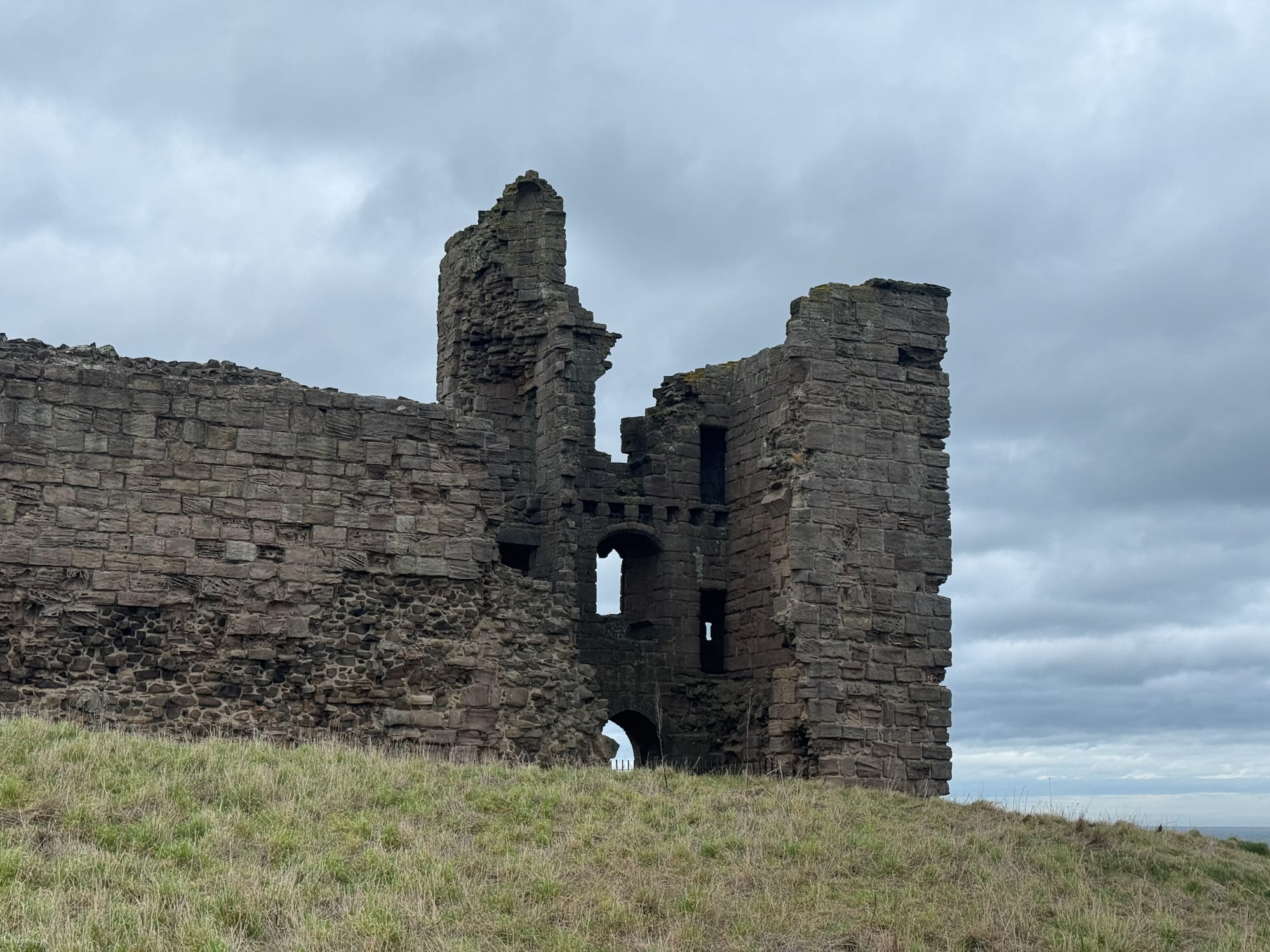
Dunstanburgh Castle
One day, three completely different castles
This route nicely shows how different Northumberland's castles can be. Bamburgh is monumental, regal and full of history tied to the origins of Northumbria. Dunstanburgh is wilder, more melancholic and dramatic — less 'palatial' and more cinematic and raw.
The whole day unfolded like this: after an overnight stay in Berwick-upon-Tweed we first went to Bamburgh, then headed to Craster and walked on to Dunstanburgh, and after it all we returned to Edinburgh. Intense, windy and at times very cold, but definitely worth it.
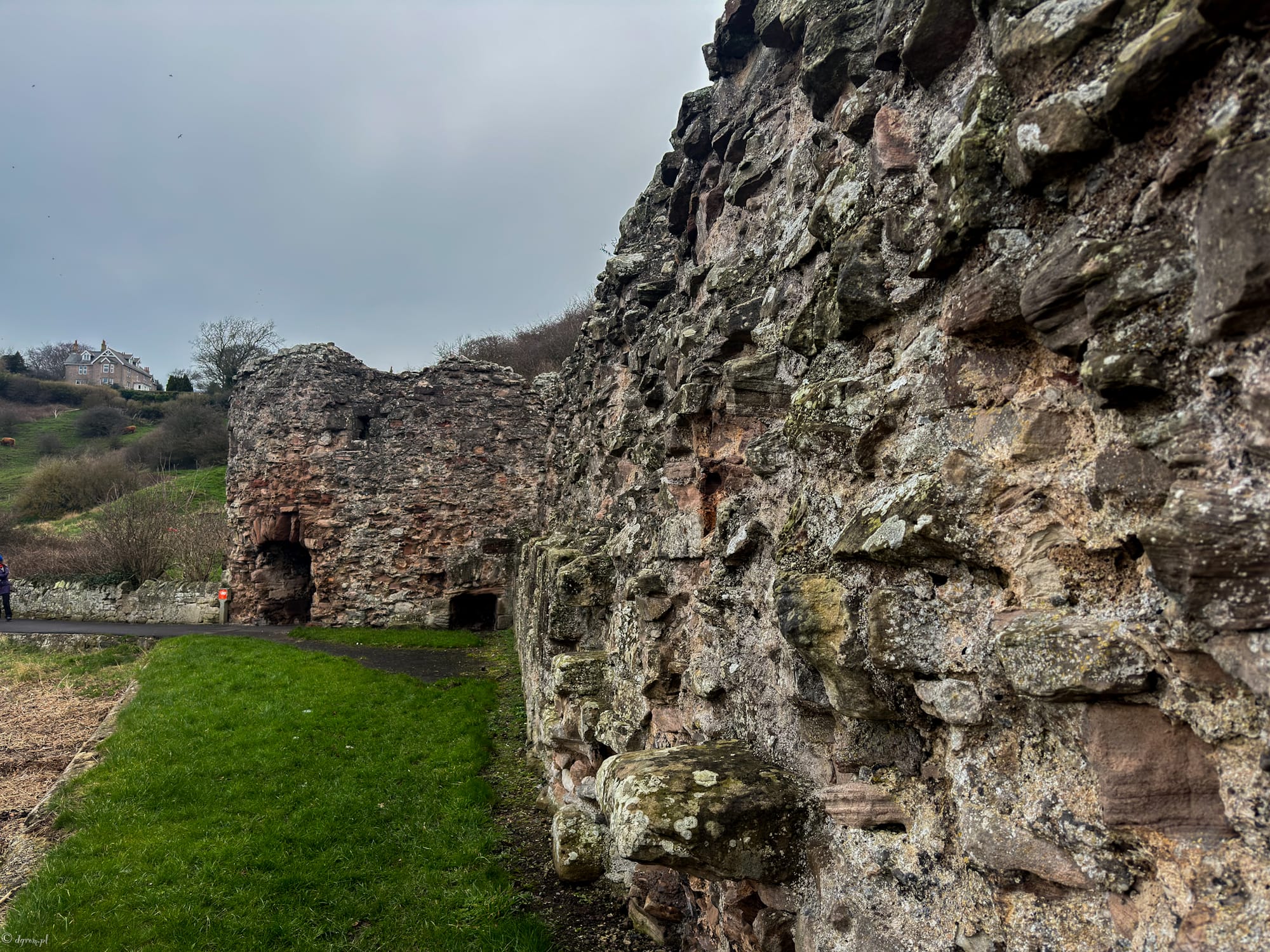
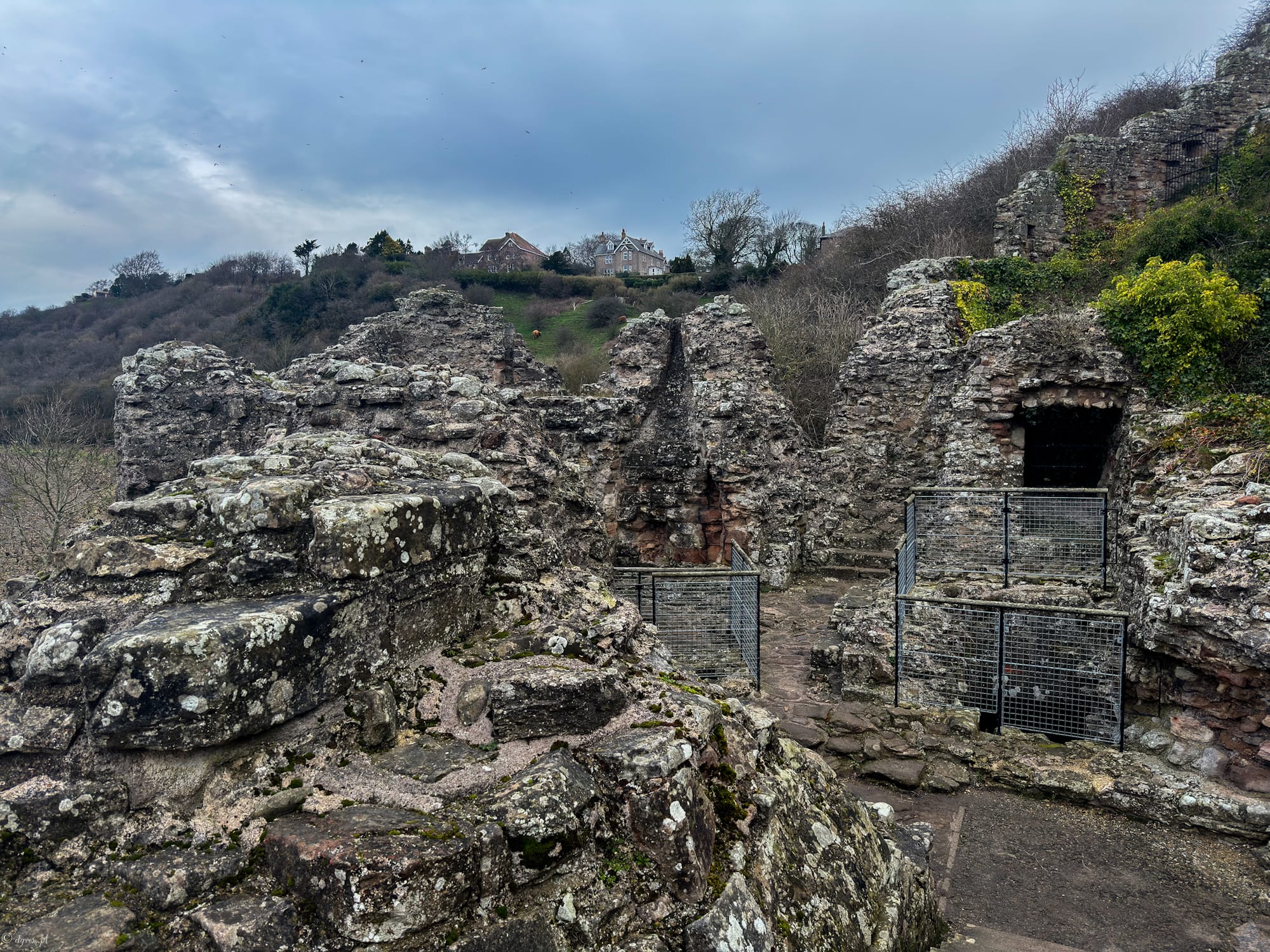
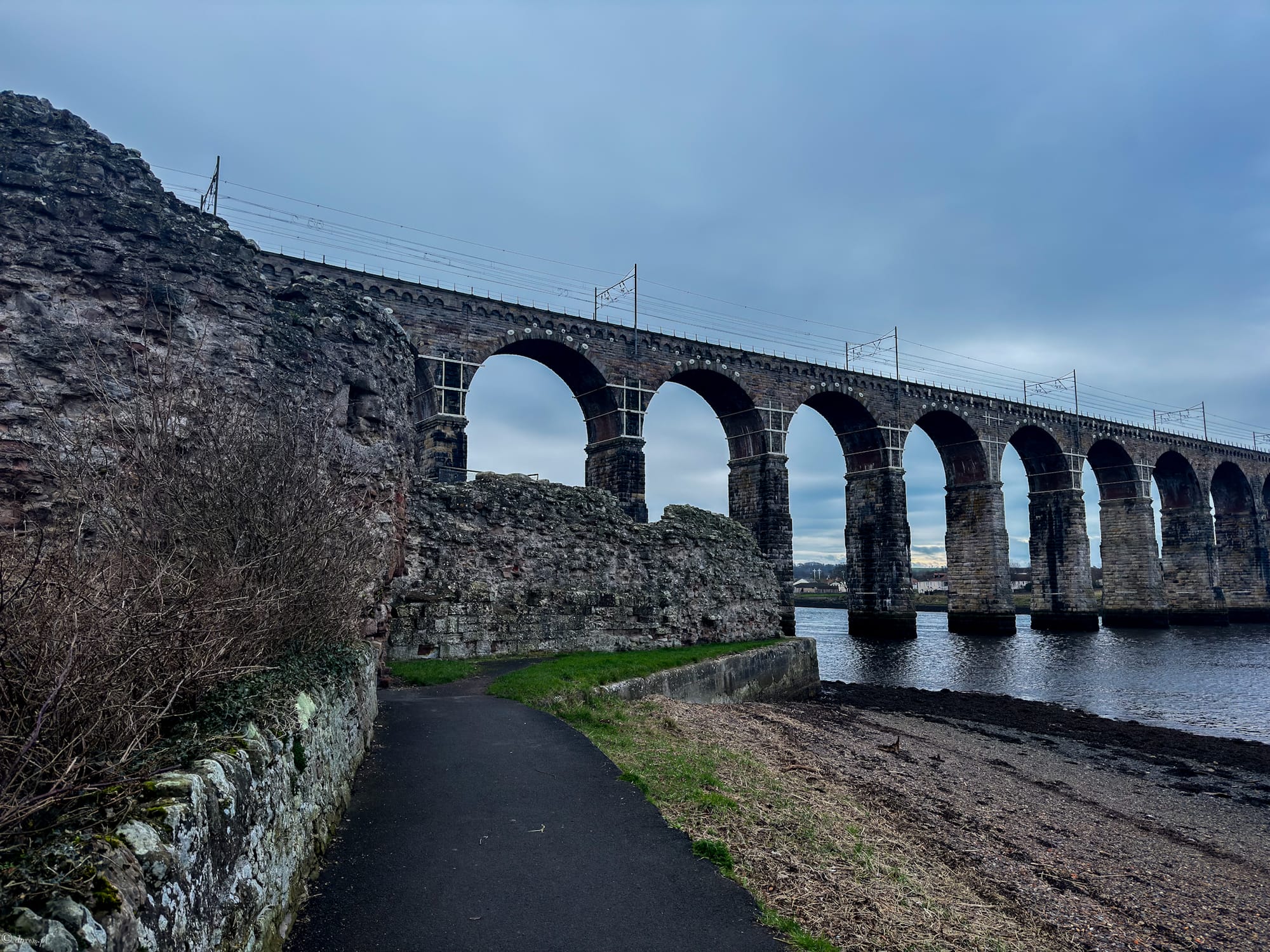
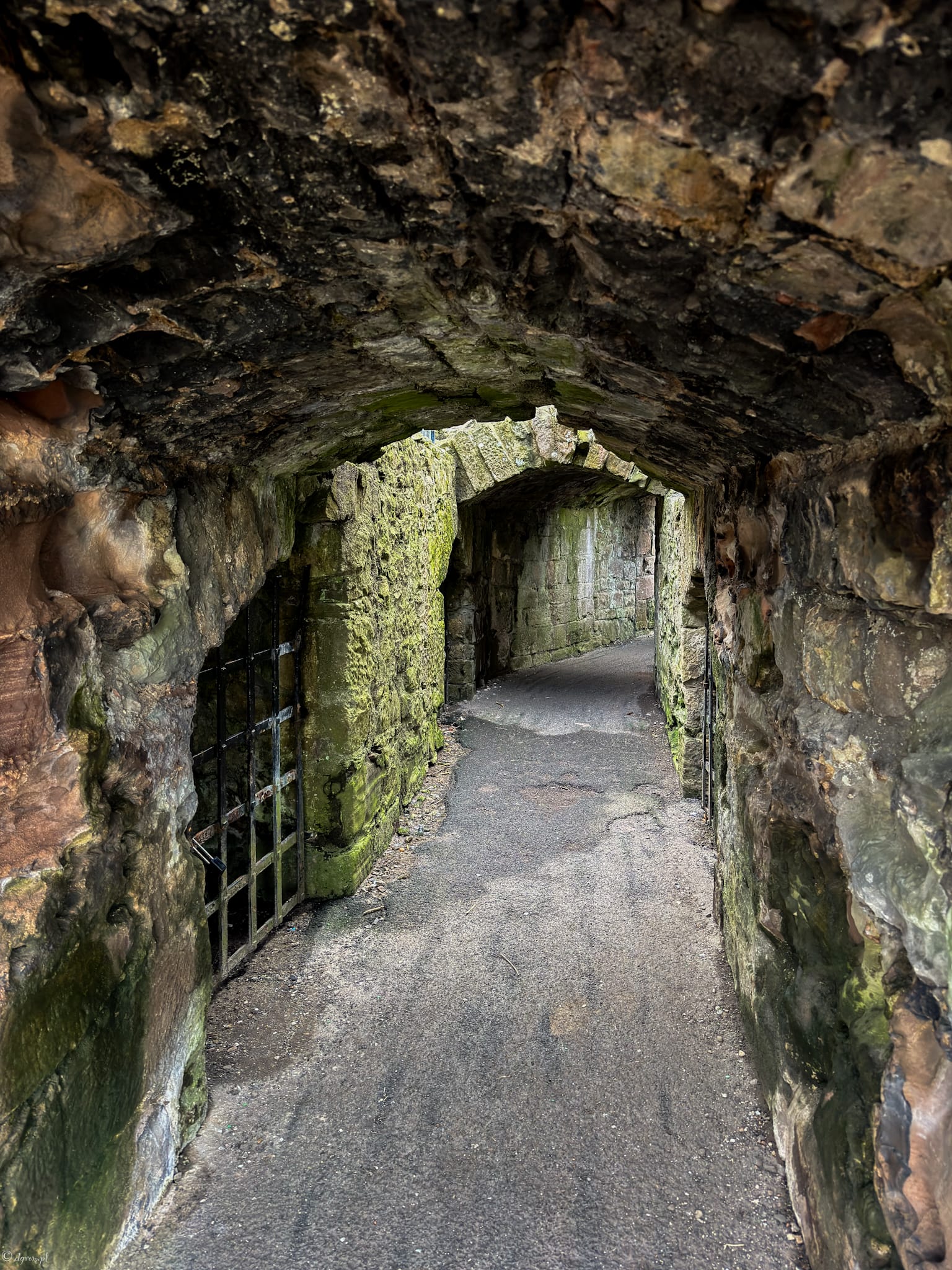
Ruins of Berwick-upon-Tweed Castle this is a place that at first glance may seem unassuming, but conceals a long and turbulent history. Situated on the border between England and Scotland, the town was for centuries the scene of numerous conflicts, and the castle played a key role in them.
Today the remains of the structure are merely a shadow of former power, but a walk among the stone fragments of the walls allows you to imagine how this place looked in its heyday. It was here that the influences of the two kingdoms met, and the strategic location made control of the castle extremely valuable.
Although the castle did not survive intact to the present day, its ruins have a unique atmosphere. The silence, the sea breeze and the view of the River Tweed create a mood that invites reflection and carries the mind back in time. It's the perfect place for those who like to discover history off the beaten path.
Continue reading in this gallery
England
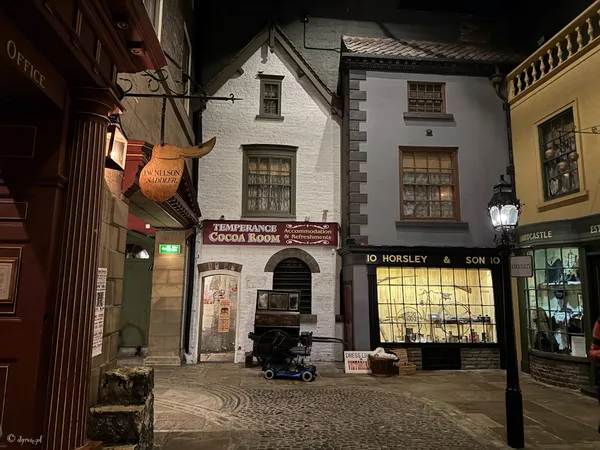
York Castle Museum – an extraordinary journey into old England
A walk along Victorian streets, historic shops, and the atmosphere of old York that you can feel for yourself. York Castle Museum is a place where history comes to life in a truly special way.
England
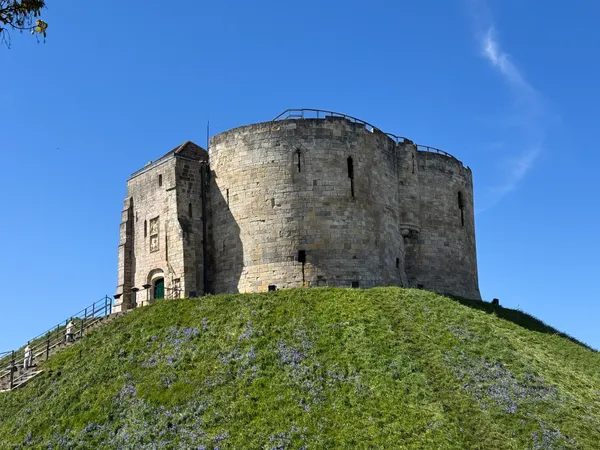
Tower in York – A thousand years of history packed into one tower
York is one of those English cities that not only have history, but literally breathe it. Narrow streets called snickelways, the mighty York Minster cathedral and medieval defensive walls create an atmosphere that can't be duplicated.
England
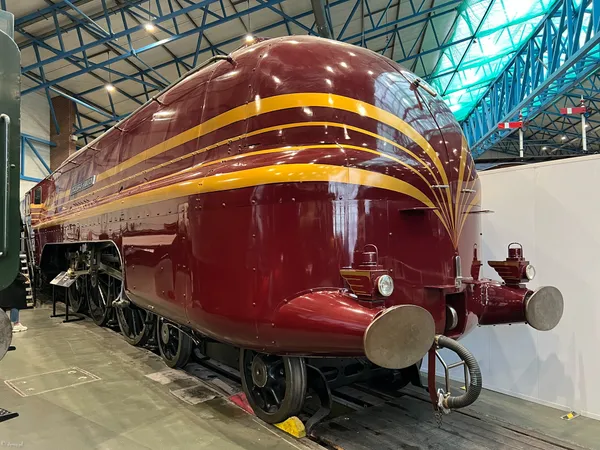
Railway museum in York
National Railway Museum (Krajowe Muzeum Kolejnictwa) in York is one of the UK's most important tourist attractions and a must-see for technology enthusiasts.
England
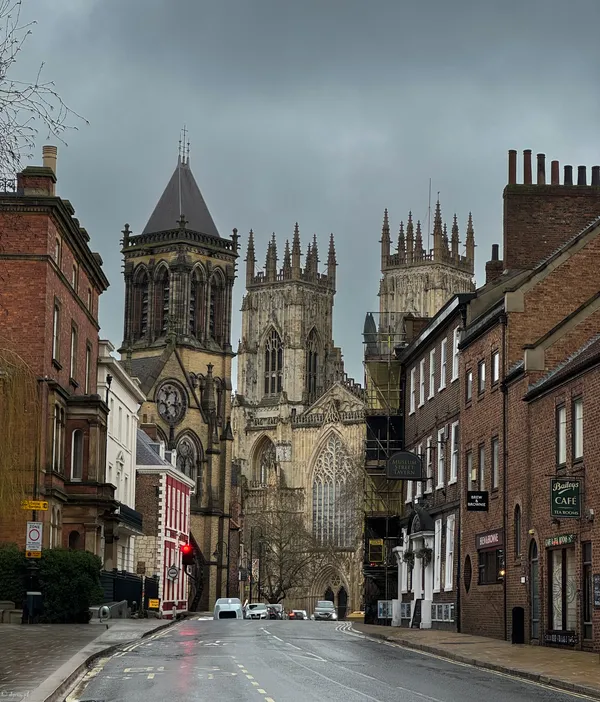
York Minster
Not every monumental building truly impresses. York Minster, however, stands out not only for its size but for the scale of its ambition and the time it took to be built. It is one of the largest Gothic cathedrals in northern Europe and one of the key monuments of medieval England.